

SPUN Field Update: Under Earth, Under Ice, Under Rock, and even Underwater

enlace al artículo
What’s it like to live underground? What about underwater? Or among ~160 million year old rock formations? The last few months, we’ve been busy asking how fungi survive in the thawing Arctic tundra and searched high and low for endemic fungal networks in the deep gorges of Zagori, Greece. Most recently, we were waist-deep in the waters of South Sulawesi collecting marine fungi and braved the elements in Indonesia’s karst forests.
It's also World Soil Day and we want to make it about the soils of the whole world. See what our Underground Explorers from Nepal and Pakistan connected about in Kathmandu, read highlights below from our scientists sampling in Bhutan, Nigeria and Cameroon, and watch and share this video.
Finally, join us in congratulating Toby Kiers being named a MacArthur Fellow.
Field Notes
Alaskan Tundra
This summer, SPUN scientists Jinsu Elhance and Dr. Michael Van Nuland traveled to Alaska, together with Kelcie Walther. They joined local collaborator Prof. Mario Muscarella from the University of Alaska Fairbanks to understand the role of fungi in holding carbon underground. They began in the coastal tundra plain before traveling to higher elevations in the Arctic foothill tundra where new flowers, fungi and wildlife emerged with the changing terrain.
This work is critical because for the first time in thousands of years, the Arctic tundra isn’t absorbing as much carbon as it’s emitting, worsening the impacts of climate change. We want to determine if these fungi may help buffer against a massive carbon release and provide resilience to tundra ecosystems.


Gorges in Greece
When you think about Greece, you probably imagine clear blue waters, ancient ruins and whitewashed houses. But it’s also home to one of the world’s deepest canyons, which is predicted to contain some of Europe’s highest belowground biodiversity. Vikos Gorge is a hotspot for endangered species, with underground ecosystems supported by rock formations ~160 million years old.
Intensifying heatwaves and forest fires in Greece are now affecting even high-altitude ecosystems, placing endemic fungi at risk of extinction and these deep gorges have never been systematically mapped for mycorrhizal fungi.
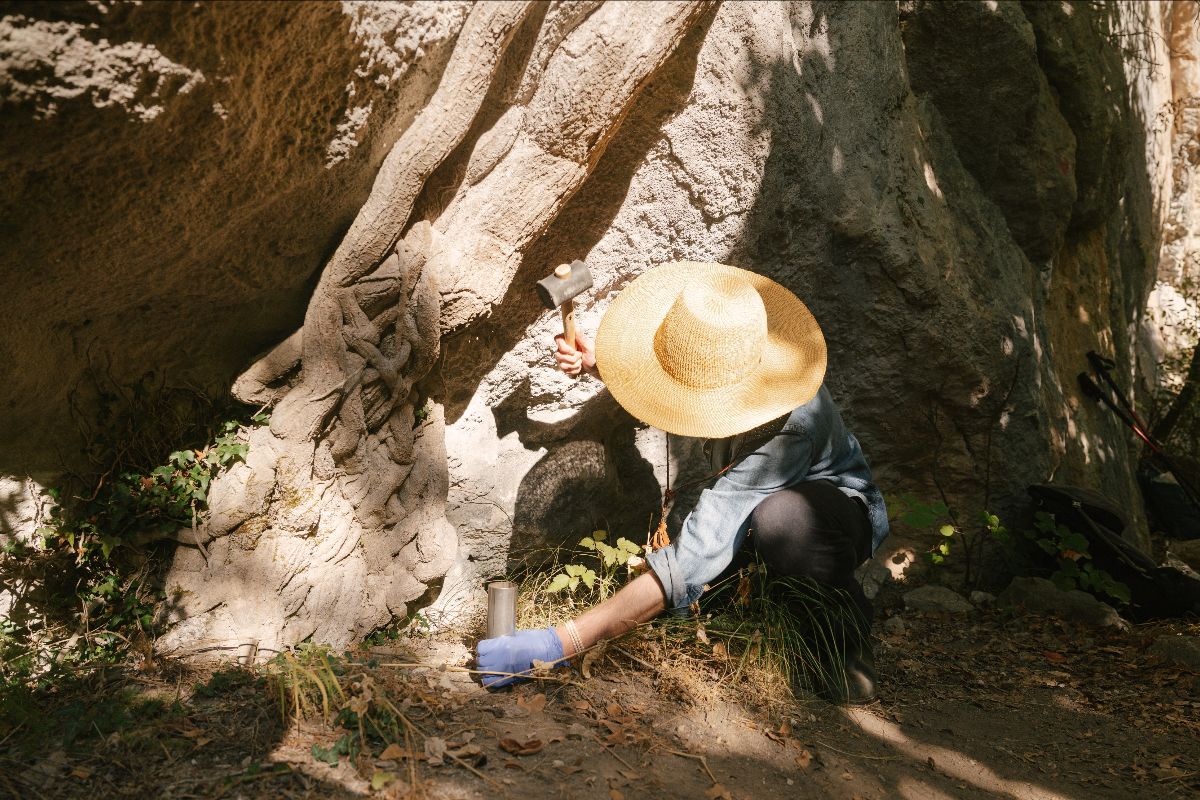
Naturally, our team went (twice!) to visit these extreme environments and identify this ancient fungi. We want to understand the factors supporting their resilience to climate change and hope to forecast when their resilience might give way.
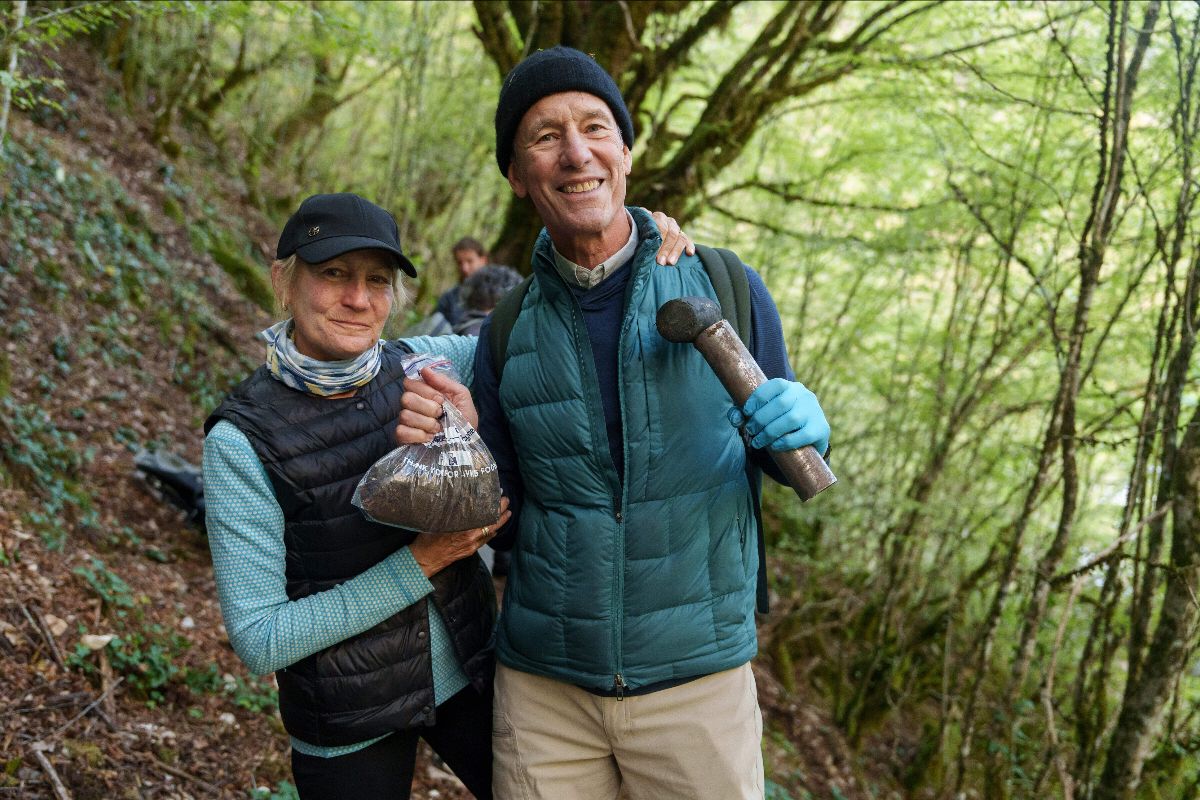
We were joined by SPUN board chair Mark Tercek, his wife Amy (pictured below) and a few other special guests.

Scotland's Isle of Seil
Sampling the underground through Scotland’s Atlantic hazelwoods was like entering a living fairytale for SPUN’s Dr. Bethan Manley, Victoria Beall and David Satori, a researcher at Kew Gardens. Together, they went digging into the soil to uncover the mycorrhizal fungal networks that keep some of the UK’s most ancient woodlands alive.
These data are needed to make informed conservation decisions and to aid in the effort of restoring these habitats. You can read more coverage about the project in the Guardian.


Underground and Underwater in South Sulawesi
Indonesia is famous for its incredible biodiversity and it’s home to countless species found nowhere else on Earth. But it’s also facing serious threats from deforestation and land use changes. This trip to Bantimurung-Bulusaraung National Park, South Sulawesi was was physically demanding, with frequent torrential downpours, steep slopes and spike rattan understory (Calamus sp.).
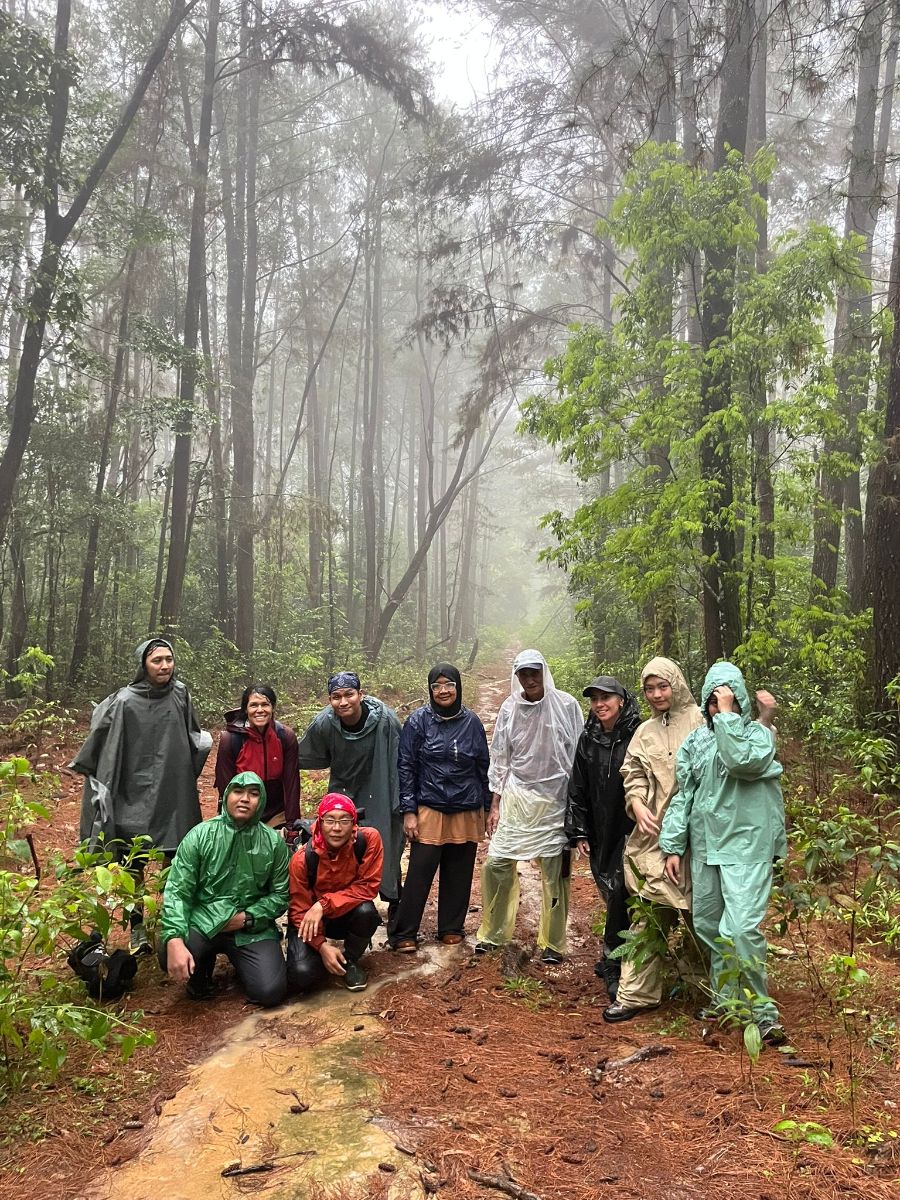
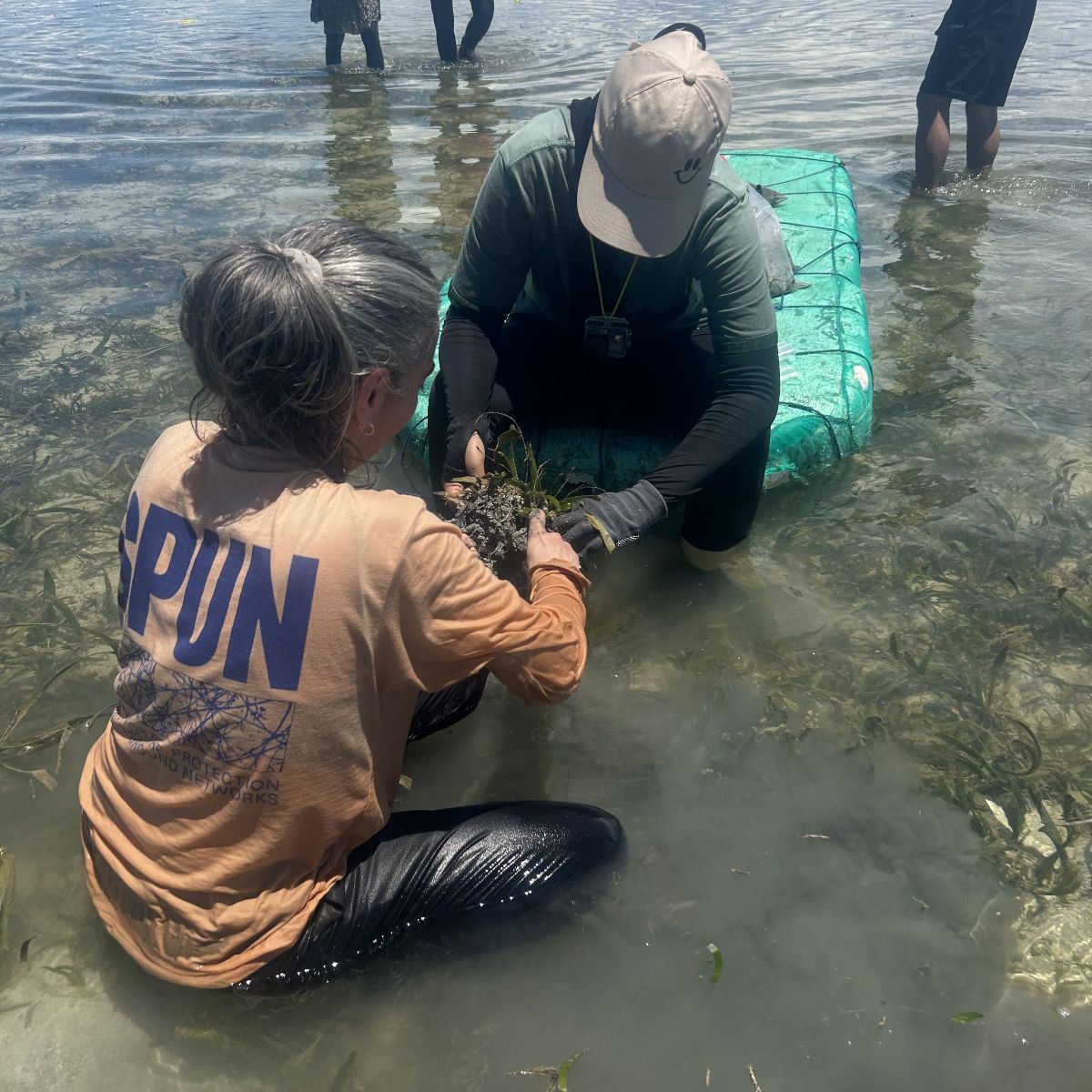
We were also sampling marine fungi associated with roots of seasgrass plants. Dr. Bethan Manley and Dr. Adriana Corrales joined forces with three Underground Explorers (Dr. Helbert Lim, Dr. Valeria Verrone and Dr. Rahadian Pratama) who helped co-lead the expedition. Huge shout-out as well to all of our local collaborators from Institut Pertanian Bogor (IPB University), Hasanuddin University (UNHAS) and the Indonesian National Research and Innovation Agency (BRIN) for making the expedition a success.
Together, we’re mapping the fungal biodiversity across South Sulawesi’s underground ecosystems and this project will help us build a solid baseline to measure biodiversity loss and set clear targets for future restoration efforts in the region.
Follow us on Instagram for more updates.

Toby Kiers Named MacArthur Fellow
Congratulations to our Executive Director Dr. Toby Kiers on being awarded a 2025 MacFellow by the MacArthur Foundation. Sometimes called the “Genius Grant,” it’s one of the largest awards in the United States, honoring exceptionally talented and creative individuals. Huge congrats to the fellow 2025 awardees.
See more in the New York Times, here.

Underground Explorers highlights
Three Underground Explorers Came Together at MoChWo 2025
We loved receiving photos from our Underground Explorers who connected at the 7th International Conference on Mountains in the Changing World(MoChWo) in Kathmandu, Nepal. They discussed their projects from some of the world’s highest and most biodiverse regions.
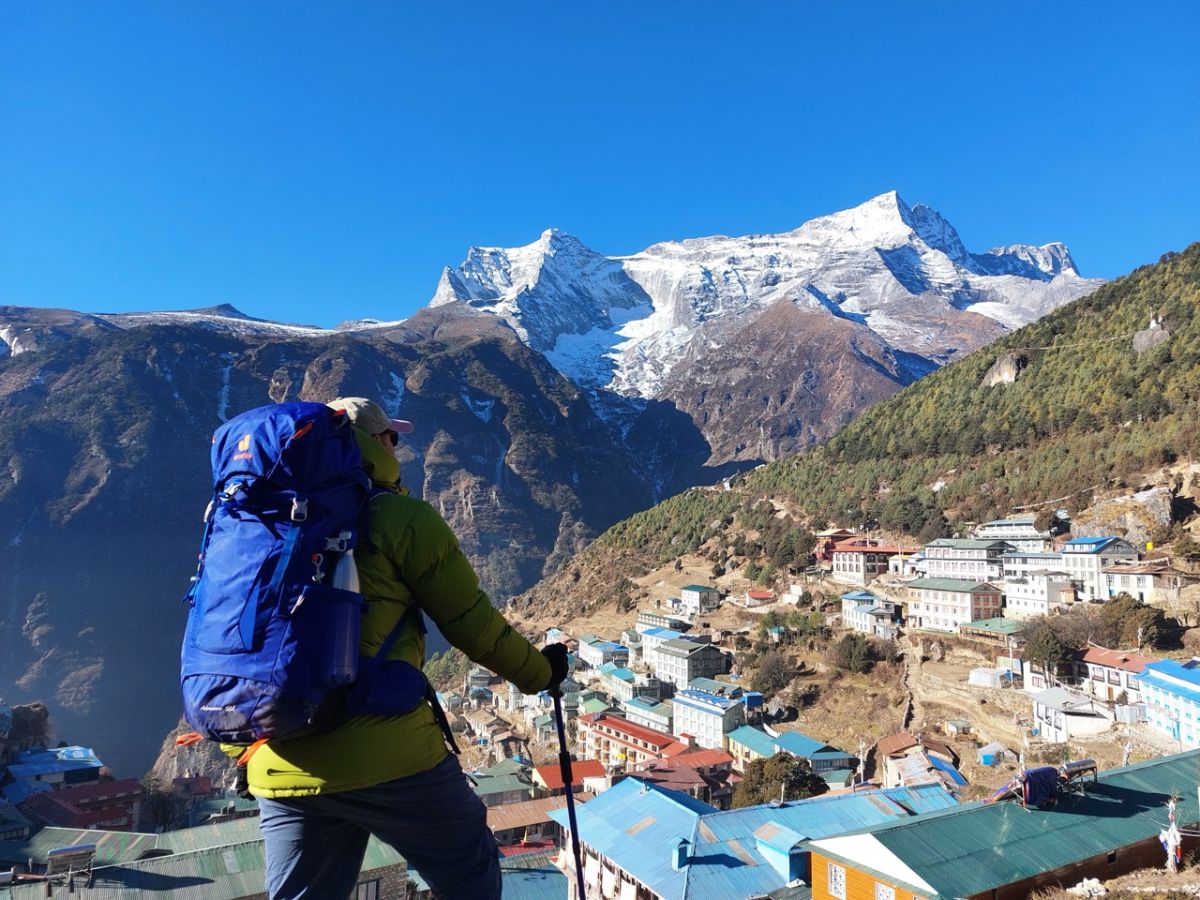
Dr. Shiva Devkota is mapping mycorrhizal fungi across elevation gradients in Sagarmatha National Park, near Mount Everest. His work highlights how fungi sustain Himalayan ecosystems, with strong community involvement at its core.
Dr. Samina Sarwar is a mycologist from the University of the Punjab and has spent nearly 20 years studying fungi in Pakistan. She’s building datasets to empower farmers, scientists, and conservationists in forestry and sustainable development.
Roshan Ojha explores how fungal diversity shifts with elevation, climate, and rainfall, investigating what kinds of fungi thrive above the snow line and how the monsoon rains help biodiversity flourish across the Himalayas.
Meet Underground Explorers from Bhutan, Nigeria & Cameroon
Chandra Man Rai (Bhutan)
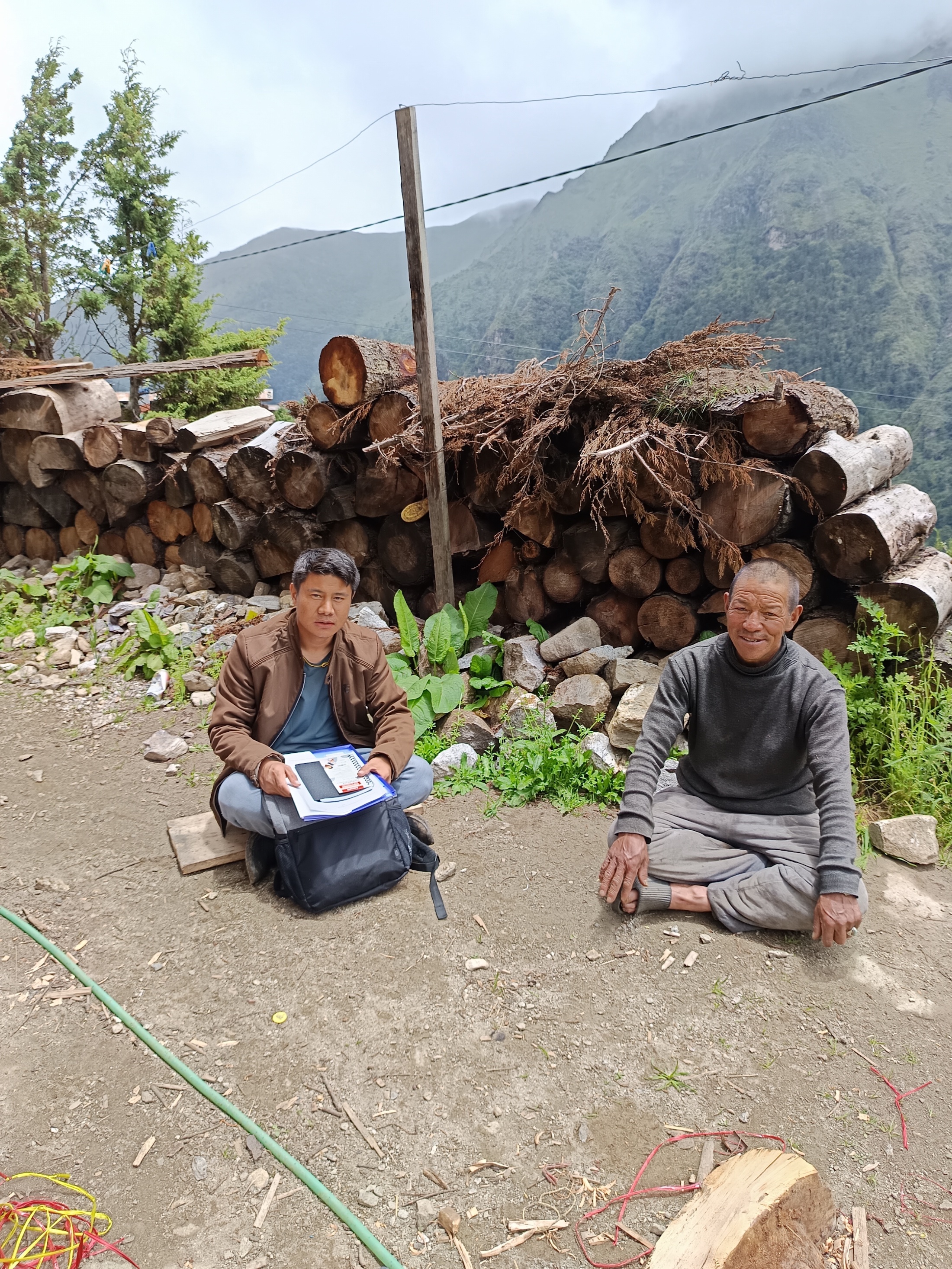
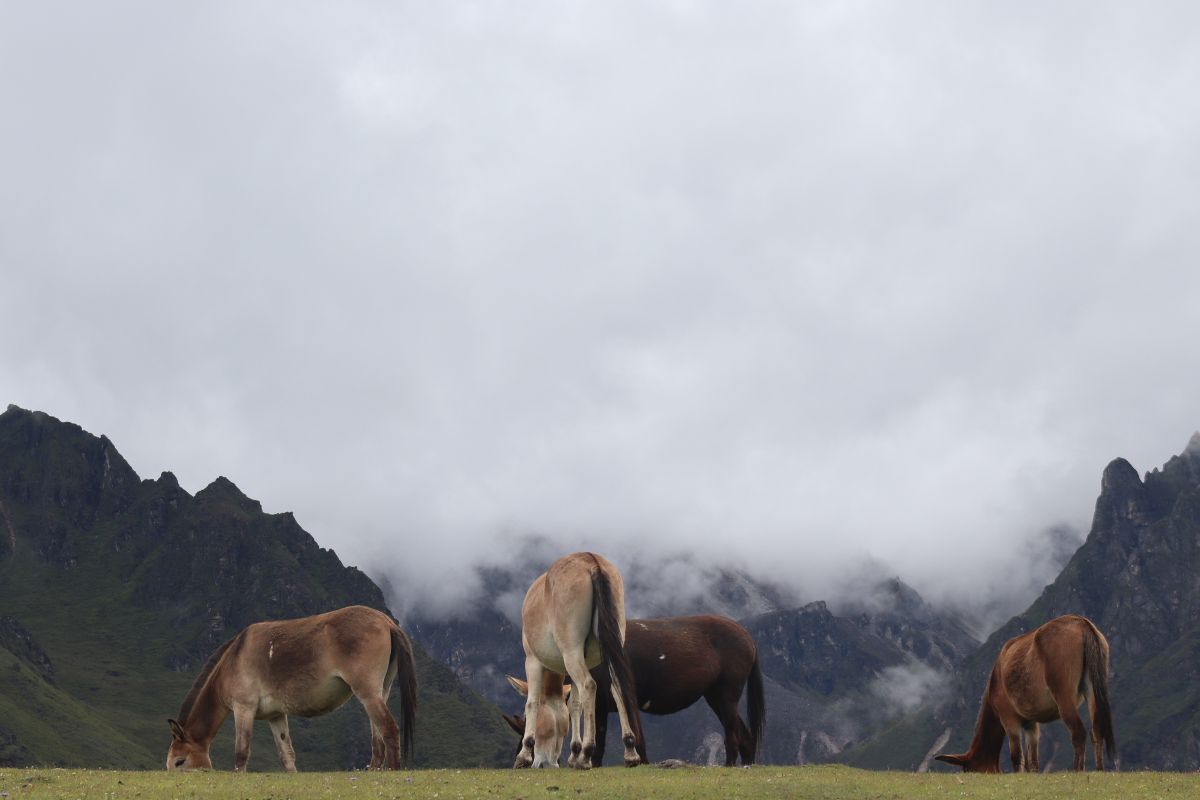
Chandra’s project is Bhutan’s first fungal survey, representing a huge milestone in the field. Its focus lies in Bhutan’s alpine highlands, where there is substantial forest expansion driven by climate change. The top of the mountains are inhabited by local herder communities and Chandra’s study explores how forest growth affects grazing lands, Cordyceps harvests, and local livelihoods.
Data generated from this research will deepen our understanding of soil fungal diversity in alpine ecosystems and serve as a vital resource for future ecological research initiatives, guiding conservation efforts and sustainable land management practices.

Bolaji Thanni (Nigeria)
Adire is a traditional Yoruba textile art from Nigeria involving indigo-dyed cloth. Meaning "tie and dye," the fabric is an important cultural symbol. Consequently, mass production and chemical dyes also contribute to pollution, resulting in loss of fungal diversity. Underground Explorer Bolaji Thanni is studying the impact of azo-dye contamination on mycorrhizal fungi.
This project blends science, traditional songs and woven fabrics and brings together Dr. Amina Badmos, Dr. Olufemi Osinuga of Federal University of Agriculture, Abeokuta FUNAABNigeria and team members Gbolahan Adefase,Akemisola Tosin Olubuse and Mr. Segun Koko.
Together, they're sampling soils beneath the dye streams located near workshops, as well as areas free from dye discharge to provide a baseline and comparison for how the fungal communities differ.


Lilian Moforcha (Cameroon)
Cameroon is home to ~260 sacred forests and a team of mycologists are working to protect them. They’re governed by traditional management practices, including unwritten cultural norms, taboos, and rituals, placing them as some of the best-preserved forests on Earth.
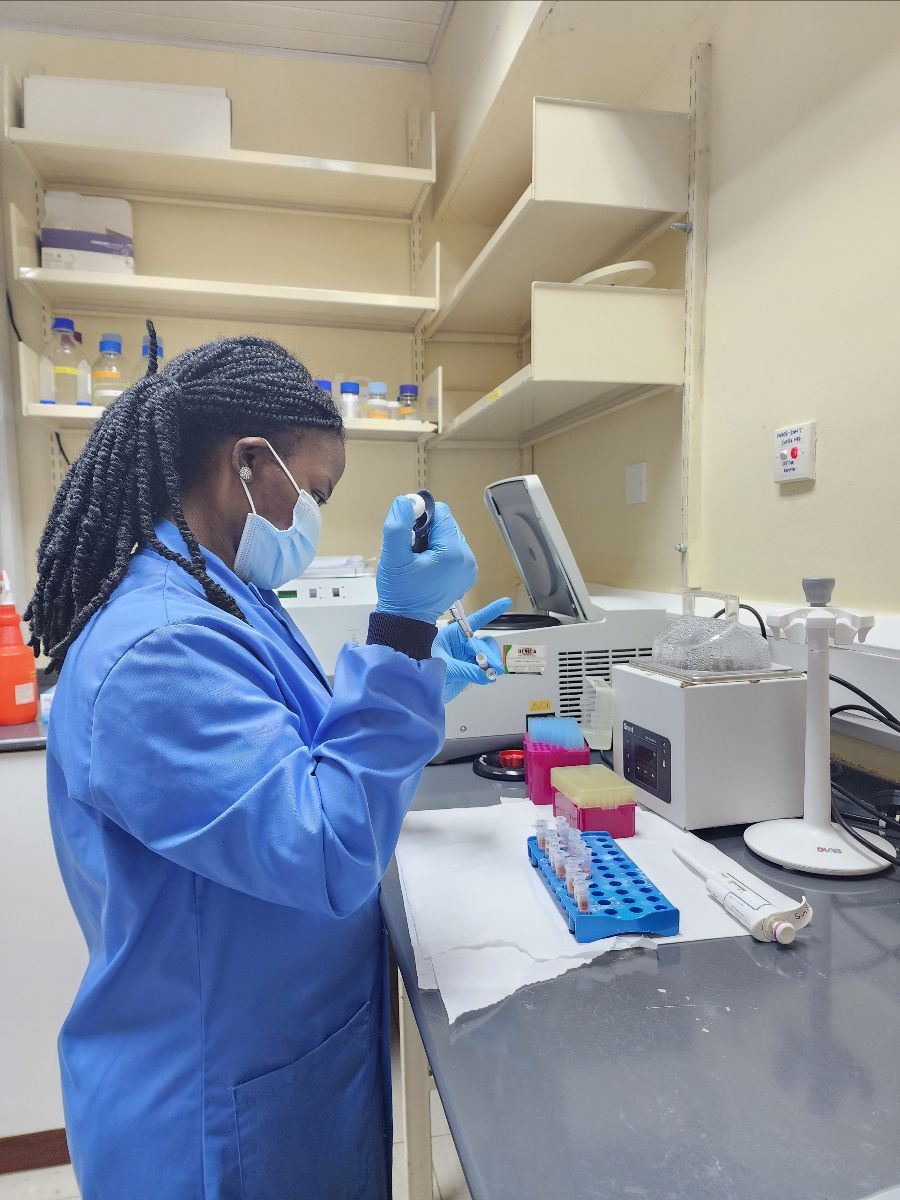
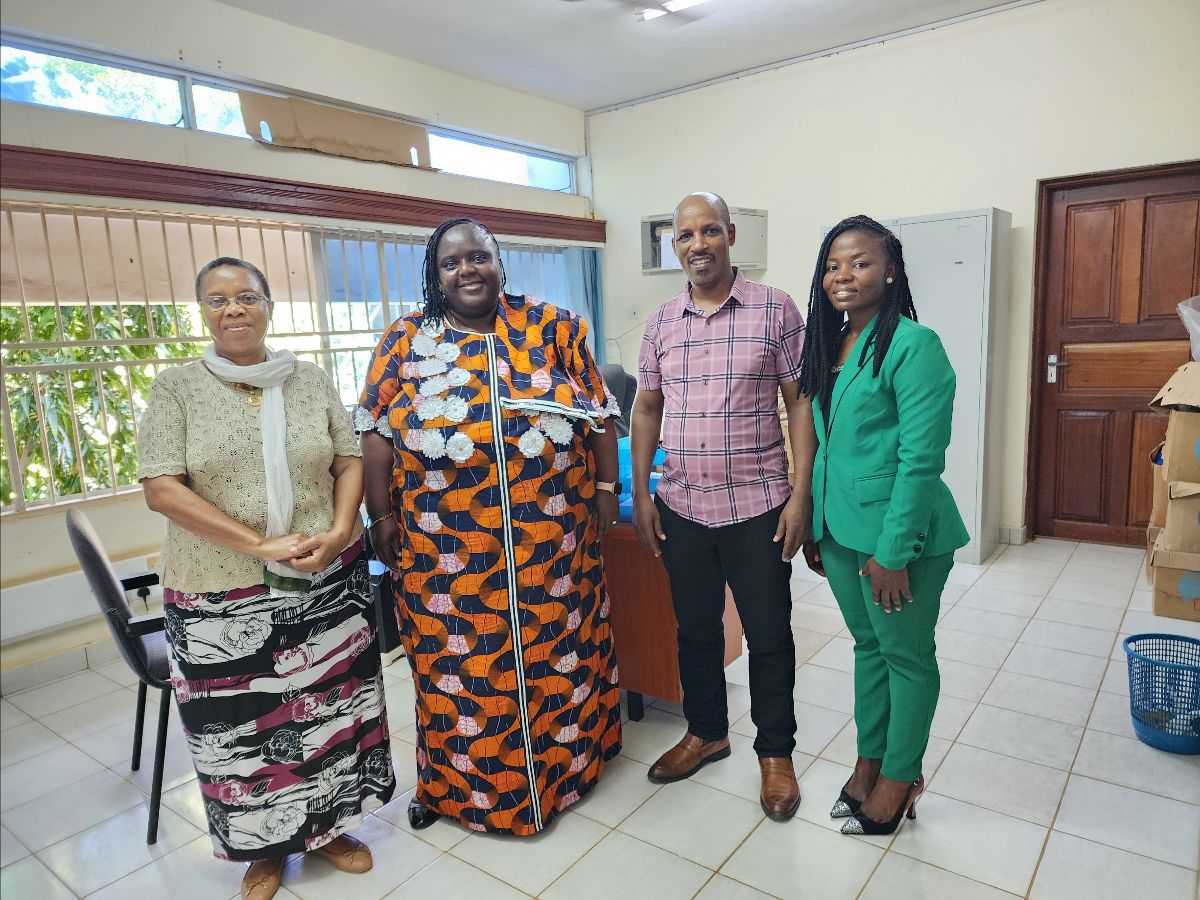
However, population growth, deforestation, and climate change pose significant threats, leading to degradation and loss of biodiversity. Dr. Lilian Moforcha and her team are on a mission to document belowground fungal biodiversity in these forests, in the hopes of restoring cleared areas in the future.

SPUN in the News
SPUN released V1 of the Underground Atlas in July. Since then, we've counted over 20,000 active users. The release of the Underground Atlas was covered by major outlets, including:
The New York Times – “There’s Fungus Among Us. But Where Exactly?”
Forbes – "Fungi, Carbon, And The Climate Risk Map We Missed"
Anthropocene – “Massive new underground atlas could alleviate our fungus blindness”
New Humanist – “Meet the fungi finders”
Science Magazine – “Most of Earth’s critical underground fungus is unprotected”
Smithsonian – “More Than 90 Percent of the World’s Fungal ‘Hotspots’ Are Not Protected, New Study Suggests”
The Guardian – “Earth’s underground networks of fungi need urgent protection, say researchers”
Science Friday “Underground Atlas’ Shows How Vulnerable Fungal Networks Are”
NPR Article: https://www.npr.org/sections/planet-money/2025/08/26/g-s1-85185/plants-fungi-resources-trade-cooperation
Usbek & Rica – “Les champignons souterrains sont les héros méconnus du monde naturel”
DW’s Living Planet – “The truly amazing world of fungi”
Stay on top of SPUN in the news by checking the press page on our website.


