Search
Country
Cohort
Main Research Area

The idea of our project within SPUN is to provide evidence of root mycobiome biodiversity around monumental trees forming the backbone of East Carpathian Biosphere Reserve. Polish NGOs have provided us with GPS coordinates of 3675 ‘monumental trees’ which should be considered as the ‘hot spots’ of the region, but still are being logged there at an alarming rate.

We intend to support the initiative to include this priceless sites in the Bieszczady National Park. Therefore, we want to share the scientific data with the activist and artistic communities in Poland to speak more loudly about the importance of forest mycorrhizal networks.

Valerie Tchung

French Polynesia

Plant-fungal interactions, such as mycorrhizal symbiosis, are major determinants of plant biogeographic range size, population dynamics and plant community composition. In tropical forest ecosystems of oceanic islands, native and endemic plant communities tend to be replaced by introduced and invasive plant communities resulting in significant changes in the overstory, understory and forest floor. However, in these regions of the world, the impact of biological invasions on soil fungal biodiversity is poorly documented. In this project, we propose to (1) conduct a molecular inventory of soil fungi in the rainforests of Mo'orea, one of the high islands of French Polynesia and (2) assess the impact of the invasive plants Miconia calvescens and Spathodea campanulata on these fungal communities.

The taxonomic inventory of fungal species will be based on high-throughput sequencing techniques of ribosomal DNA (metabarcoding). It will be conducted on DNA extracted from the soils of the high altitude rainforest called "cloud forest" and in the low altitude mesophilic forest on an experimental site listed as a natural area of ecological and heritage interest (ENIEP of Opunohu). The aim is to evaluate the impact of biotic factors (e.g. presence of invasive plants) and abiotic factors (e.g. level of precipitation) on the composition and richness of soil fungi communities (saprotrophs and mycorrhizal symbiotics).A better knowledge of fungal communities in forest soils and endemic tree roots should inform us on the effects of fungal microbial communities on the vulnerability and resilience of tropical rainforests to plant invasions, in a context of climate change.

Valeria Verrone

Sulawesi, Indonesia

Sulawesi is an island located between two oceanic trenches that separate the Asian and Australian continental shelves. Due to its geographic isolation and extraordinary geology, Sulawesi has developed very distinctive flora and fauna, becoming a hotspot of endemic species (Whitten et al., 2002, Middleton et al 2019, Butarbutar et al., 2022). Two distinct ecoregions can be found in Sulawesi: lowland rain forest (LRF) and montane rain forest. For our sampling campaign we have identified a location for its unique concentration of endemic and threatened species: Rawa Aopa Watumohai National Park (in LRF, South East Sulawesi). The park presents mangrove forests, coastal forests, savanna freshwater swamp forests, which are our main focus for this research. We will collect soil samples, vegetation and mushroom specimens. DNA will be extracted from soil samples, and ITS, SSU and 16S rRNA regions will be amplified and sequenced with Oxford Nanopore Technology (ONT) MinION. We expect that the remarkable diversity found in flora and fauna is reflected in the underground microbial community of Sulawesi swamp forests and that undiscovered taxa can be found in the pristine forest sites. Students and researchers from Tadulako University, IPB University and Indonesian Native Plant Foundation will collaborate on this project.

Udaya Prakash Nyayiru Kannaian

Sathyamangalam, Tamil Nadu, India

Silvia Fernanda Mardegan

mangroves and sand coastal plains (restingas) from Northeastern Amazon, State of Pará, Brazil

The Amazon basin ranges from the Andes to the Atlantic Ocean. It is one of the most diverse biomes in the world and encompasses a series of ecosystems and vegetation types. The Amazon coastline is influenced by the Amazon River and its drainage basin, hosting about 85% of the mangroves and 35% of the sandy coastal plains (‘restingas’) of Brazil. Mangroves and restingas thrive under several limiting environmental factors and provide many ecosystem services, including recreation and tourism, soil protection, carbon sequestration, and nutrient cycling. They are also home to indigenous communities that have a deep connection with them. As these coastal ecosystems develop under unique environmental conditions, they are critically fragile and sensitive to human disturbances. The aim of this project is to identify the molecular diversity of the fungal community and its potential functional role in mangroves and restingas from Northeast Amazon. We also aim to identify indicator species or functional groups associated with their specific soil conditions, to support conservation and rehabilitation projects. The analysis of fungal diversity will allow us to understand the aspects that contribute to mangrove and restinga maintenance, tolerance, and even their resilience in the face of emerging environmental changes.

Northeast India is situated at the confluence of Indo-Malayan, Indo-Chinese and Indian bio- geographical realms and as a result of this the region harbours rich and diverse culture and high biodiversity and endemism. The region’s vegetation types range from tropical rain forest in the foothills to Alpine meadows and cold deserts which amount to more than one-third of the country's total biodiversity. The region is an important part of the Indo-Myanmar biodiversity hotspot, one of the 12 mega biodiversity hotspots of the world and represents 50 percent of Indian biodiversity. Seven hill states that include Arunachal Pradesh, Manipur, Meghalaya, Mizoram, Nagaland, Sikkim and Tripura in the region are collectively referred to as North Eastern Hill Region (NEHR). It is located between of 21°58' to 29°30'N latitude and 88°58' to 97°30' E longitude and is spread over 1, 83,741 km2 area. Climate of the region varies from tropical to alpine type with a very high range of variation in precipitation. AM fungi are obligate symbionts, their population and diversity may be determined by the plant species present in the given ecosystem. The hilly terrain of NEH interspersed with valleys and plains; the altitude varies from almost sea-level to over 7,000 meters above MSL. The change in elevation and climate allowed vegetation/forests of six major categories viz., tropical, subtropical, temperate, montane, subalpine and alpine. Above ground floristic diversity impacts below ground microbiome especially AMF. Information on the distribution and frequency of occurrence of specific AM fungi in the Indo Myanmar Biosphere of the NEH area is very scarce. Hence, we hypothesize to study the abundance and diversity of AMF across gradients in the Indo Myanmar Biosphere of the NEH in the light of changes in elevation and climatic variations in interactive and intra-active mode with native macroflora and microflora respectively.

The Selva Paranaense is home to the entire Atlantic forest of Argentina, one of the largest remaining virgin forests in the world. The Selva Paranaense is home to 52% of Argentina’s biodiversity, with more than 150 species of mammals, 564 species of birds, 260 species of freshwater fish, 116 species of reptiles, 68 species of amphibians, and thousands of species of plants and fungi. Due to the high levels of biological diversity and its many endemic species, it is classified as a global biodiversity hotspot. The Paranaense Forest faces serious threats of deforestation from agricultural expansion and the invasion of introduced and invasive species. In the last 120 years, 95% of the native forest has been lost, severely affecting the region’s flora and fauna. It should be noted that a large number of plant species have not yet been fully classified. The counterpart of the enormous plant diversity remains undiscovered: the arbuscular mycorrhizal fungi. These essential actors of nature have not been studied so far in crucial national and provincial reserves. Thanks to SPUN, we will unveil the underground networks of mycorrhizal fungi in these priceless relics.

Shiva Devkota, PhD

Eastern Himalayan subalpine conifer forests (Everest Region, Nepal)

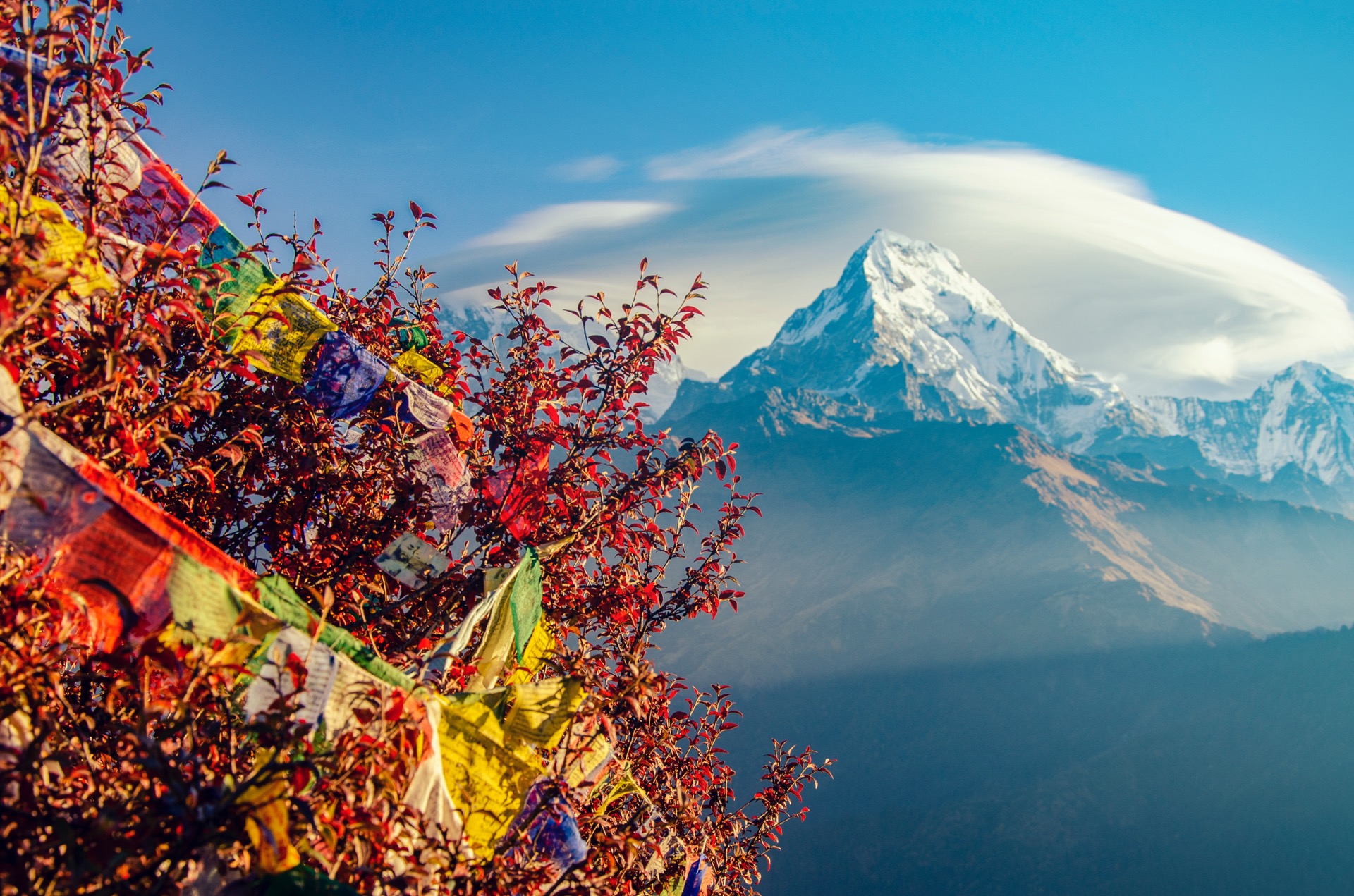
This research seeks to redress the limited consideration that fungi have received in Nepal's research and conservation priorities, especially within the broader context of the Hindu-Kush Himalayan region. It aims to investigate mycorrhizal fungal diversity and composition in the Eastern Himalayan subalpine conifer forests of Sagarmatha National Park, known as the realm of Mount Everest (8848m). By examining three elevation levels (3000m, 3400m, and 3800m) and two land use types (natural forests and meadows), the study seeks to understand how mycorrhizal communities vary across different altitudes and land use patterns. To achieve this, the project will adhere to the SPUN sample collection guidelines and employ advanced molecular techniques, such as metabarcoding of the rDNA region. 

A significant aspect of this study is its emphasis on community involvement in the research process. The research findings will be shared through peer-reviewed scientific publications and outreach mediums. Moreover, the project aspires to contribute to educational materials, including to update brochures for Sagarmatha National Park and the national checklist of fungi in Nepal. Furthermore, by enhancing our understanding of mycorrhizal diversity, this research aims to highlight the vital role these fungi play in the Himalayan ecosystem and advocate for their preservation through conservation actions.

Rebecca Hewitt

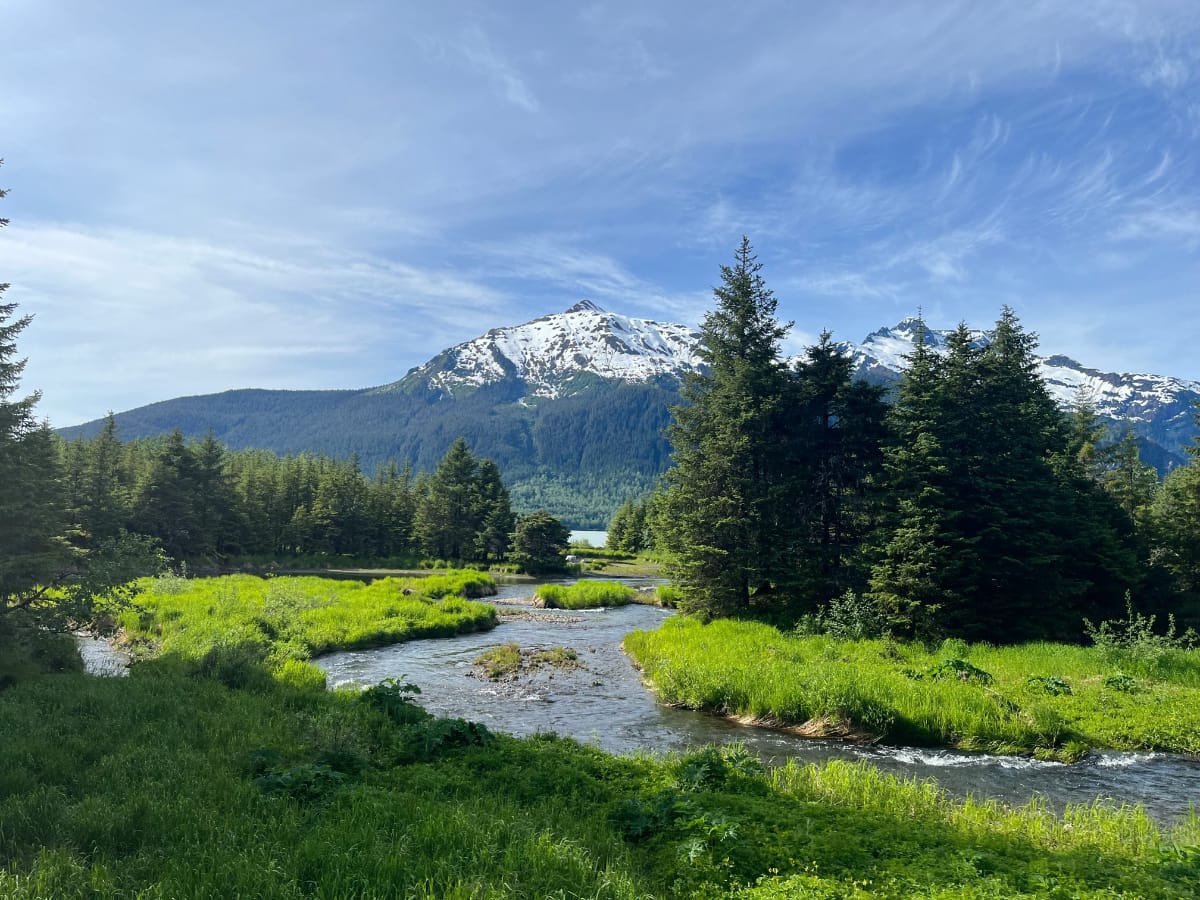
Yukon-Kuskokwim Delta, Alaska

Rising temperatures in tundra drive heightened wildfire activity, profoundly affecting fungal communities. Recent research highlights the significant influence fungi have on ecosystem carbon balance in northern ecosystems. Fungi impact primary production through plant nutrient acquisition, soil organic matter formation, and C losses via priming. Understanding post-fire shifts in fungal diversity is crucial for predicting wildfire consequences and climate feedbacks. The Yukon-Kuskokwim Delta in Alaska remains relatively understudied. By analyzing fungal diversity across unburned, recently burned, and historically burned sites, we can assess the effects of fire on fungal communities. Initial findings suggest that shrub abundance increases in the first decade following fire, potentially favoring ectomycorrhizal and ericoid mycorrhizal fungi as host plants respond positively to low-intensity burning with strong impacts on soil carbon accumulation and cycling rates. Building on an ongoing investigation of wildfire impacts on components of ecosystem carbon balance, including fluxes of greenhouse gasses and carbon stored in plant biomass and soils, this study will reveal fungal taxonomic identities that may be important regulators of these ecosystem dynamics. Our study will provide new insights into the connections between fungal identities and biogeochemical processing in a critical yet understudied tundra region and support training opportunities for undergraduate students.

This is an interdisciplinary nationwide project with more than 30 scientists from UNAM (National Autonomous University of Mexico). It is part of the University Program of Interdisciplinary Soil Studies (PUEIS) Developed primarily at the Institute of Biology, Institute of Ecology, Faculty of Sciences, and Faculty of Higher Education of Iztacala.

The soil constitutes the ecological interface that harbors the greatest biodiversity in terrestrial ecosystems. Soil regulates global biogeochemical cycles, supports biological diversity, activity, and productivity, and provides the nutrients necessary for plant growth. A conserved soil is a biodiverse soil maintaining ecological functions such as microbial activity, carbon and nitrogen mineralization, and enzymatic activity. Despite the importance of soil this resource is not renewable, and its conservation is threatened by mismanagement and the lack of effective communication strategies about it. In Mexico, 45% of the territory has degraded soils, which means that they have lost the ability to maintain their ecological function, their biodiversity, and their productivity. Part of the problem is the lack of data and information on biodiversity and soil function in large geographic areas of Mexico to strengthen decision-making aimed at its sustainable management.

The Atlas of Mexico’s Soil Biodiversity have three guiding principles (Research, Teaching and Society Outreach), each with the following objective. Research – To generate frontier knowledge using public biodiversity databases, collaboration networks and the most modern DNA sequencing technologies to produce the greatest possible amount of knowledge in the shortest time and at the lowest cost. Teaching – To generate learning elements for high school, undergraduate and postgraduate levels to promote knowledge of life in Mexican soils and the need to protect this non-renewable resource. Outreach – To create an interface for data display and analysis to provide information to decision makers that promote friendly management practices with soil diversity, as well as programs for its conservation and monitoring.

Nepal is a country with abrupt elevation gradient, ranges from 50 to 8848 meters above sea level, towards the North resulting in contrasting climate and habitat formation. This change in elevation and climate allows diverse habitat formation and floral and faunal diversity vary greatly across the regions. Furthermore, In the East-west gradient, the precipitation patterns greatly vary in the country. In the monsoon season (June-Aug), heavy precipitation occurs in the Eastern regions and the western region receives less rainfall. In the winter season, the Western region receives more rainfall than the Eastern region. However, the total rainfall in the winter season is lesser than monsoon season. This creates a different soil moisture regime in East-West regions. Therefore, elevation and climate gradient towards the North and precipitation gradient towards East-West make Nepal rich in floral and faunal (aboveground) biodiversity hotspots, however, soil (belowground) biodiversity hotspots are yet to be determined. We assume the change in elevation gradient and habitat types altered the soil biodiversity. Soil sampling across elevation, climate, and precipitation gradient will help us to elucidate the diverse soil flora and faunal diversity. We will also have an opportunity to understand and assess the soil biodiversity in higher elevation zones, which is unique to Nepalese landscapes. Currently, we are collecting soil samples (voluntarily) from each of the physiographic areas. We only have three paired sites for this assessment. We followed the Soil Biodiversity Network (SoilBON) protocols to collect, prepare, store, and ship the samples. These sites broadly cover the soil biodiversity status of Nepal but are limited to covering all habitat types towards North-South and East-West regions. Therefore, we would like to extend our sampling sites from 3-paired sites to additional 18-paired sites and the results will contribute directly to the sample pool of SoilBON.

The project will be carried out in the main biodiverse mountain system of Guatemala, Sierra de las Minas, a particular geological and natural system originated from the encounter of ancient land blocks and tectonic plates. It is still now the natural limit in America of Holartic genera as Abies and Acer but contains many others that are distributed in Central America as well as many Neotropical genera.  The scope of this project is to identify molecularly the mycorrhizal composition of its different forest according to the altitudinal gradient.  And after then, 1. To identify the dominant fungal genera and species, 2. To identify those that could be useful for inoculum in forestry and 3. To determine or confirm the taxonomic identity of many fruit bodies of ectomycorrhizal mushrooms, mainly basidiomycetes in the orders Russulales, Boletales and Cantharellales collected before and during the sampling. This is the first large molecular study that will provide information about fungal diversity in the country.

Patricia Silva Flores

Chilean Matorral, Central Chile

The Chilean Matorral has a high degree of plant endemism and a high vulnerability due to anthropogenic pressures, mainly anthropogenic fires, which is why it is currently recognized as a biodiversity hotspot. There is evidence that fire can reduce the richness and abundance of microorganisms in the soil, including mycorrhizal fungi, thus modifying their diversity. On the other hand, there is evidence that after a fire it is possible to find trees that survive and are able to resprout, so they function as nurse plants and can in turn be a source of mycorrhizal fungi for a potential recovery of the affected system. That said, in this study we aim to test the effect of fire and nurse plants on the diversity of arbuscular mycorrhizal fungi in the sclerophyllous forest. This forest is the most representative vegetation formation of the Chilean Matorral and the dominant plant species present there form arbuscular mycorrhiza. A lower diversity of arbuscular mycorrhizal fungi is expected in sites affected by fires and without the presence of nurse plants compared to sites not affected by fires and with the presence of resprouting nurse plants. This project includes work with local communities in order to transfer knowledge among all participants.

Nicole Hynson

Hawaii, USA

The focus of this study are the arbuscular mycorrhizal (AM) fungi associated with what is considered by many, the most endangered tropical ecosystem: native Hawaiian dryland forests. These forests have been negatively impacted by land conversion, invasive species and climate change including drought and increased fire frequency. These impacts have reduced the current extent of native dryland forests to 5-10% of their historic range. Hawaii is infamously known as the endangered species capitol of the world and more than 25% of Hawaii's endangered species are found in these forests, but only 3% of the remaining forests are considered healthy. Dryland forests also hold deep cultural significance for Native Hawaiians. Active restoration efforts are underway to preserve and restore these ecosystems, but to date there has been no assessment of the mycorrhizal fungal communities associated with dryland forest native host plants including many endangered and endemic species, the majority of which should partner with AM fungi. The goals of this project include: 1) cataloging the diversity of AM fungi found across the Hawaiian archipelago in the last remaining native dryland forests and, 2) cultivating and preserving AM fungi for native vegetation inoculation trials and restoration projects.

Norma Salinas

Parque Nacional del Manu, Cusco, Perú

Across terrestrial plant species, symbiotic relationships between fungi and roots is common. Various mycorrhizal types prevail in distinct biomes, with arbuscular mycorrhizae colonization contingent upon evolutionary and ecological constraints. Peru boasts a wealth of endemic flora and fauna, nestled within the globally recognized biodiversity hotspot of the "Tropical Andes." Within the Peruvian Andes lie the Puna grasslands and montane forests, constituting the Puna-timberline ecotone, which serve as habitats for endemic plant and animal species and harbor hidden underground biodiversity. Our SPUN project aims to highlight these regions as potential biodiversity hotspots for mycorrhizal fungi while recognizing them as some of the most uncharted territories for soil fungi research. We anticipate observing distinct fungal communities, particularly ectomycorrhizal, with a marked diversity turnover pattern across the three ecosystems: forests, ecotones, and grasslands.

Nourou S. Yorou

IVORY COAST

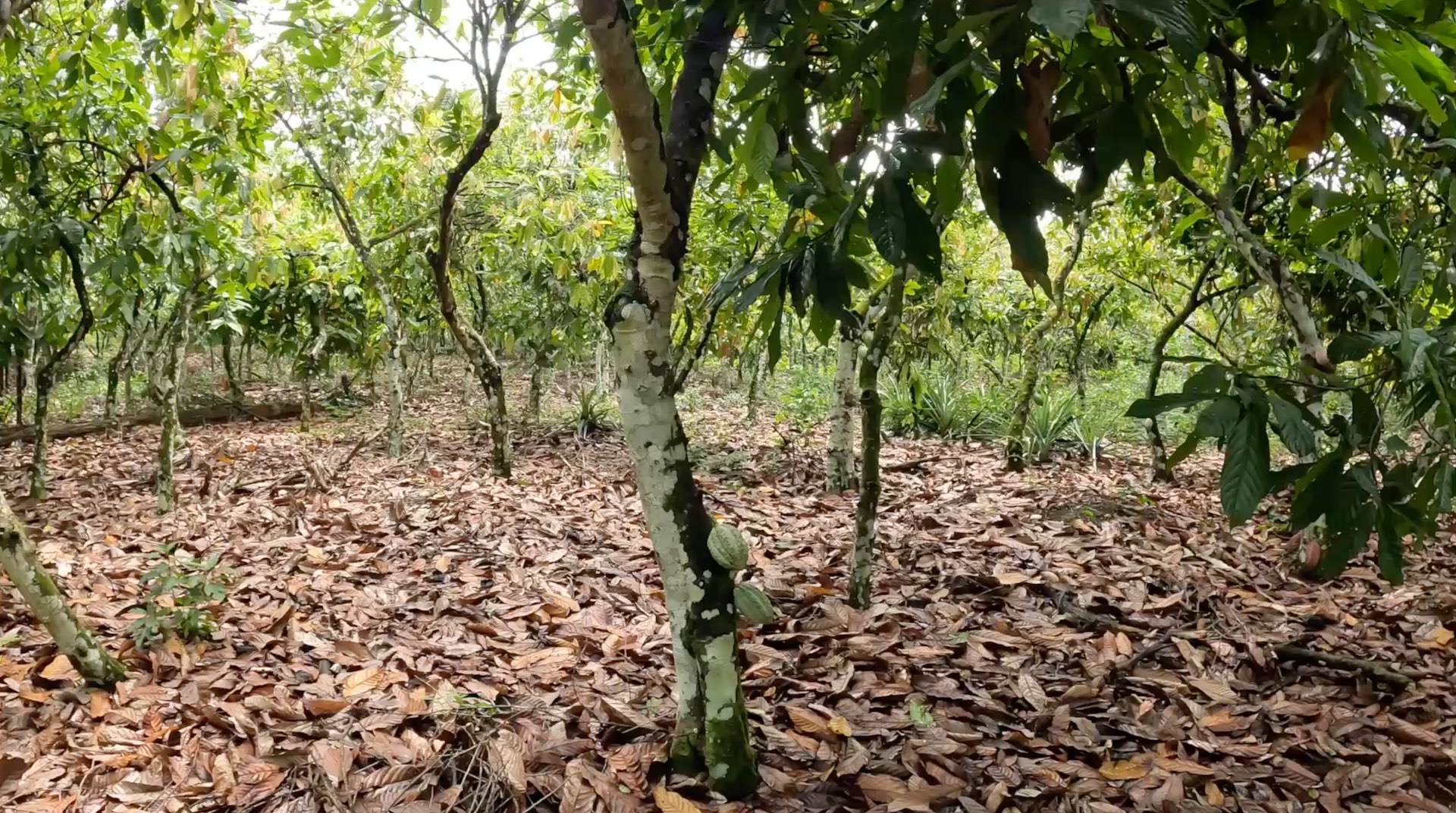
The project aims at producing high quality data on the diversity and abondance of soil mycobiome in Cacao plantations of Ivory Coast. Ivory Coast (West African) is the largest cocoa (Theobroma cacao) producer in the world with three production regions (East, Centre-Western, and the South-Western). Cacao plantation are subject to different management regimes, including agroforestry systems in the vicinity of natural dense forests. We hypothesized that plantations under long term management regime (old plantations) have an altered structure of soil mycobiome that has led to a decrease in the diversity of soil fungi. Three different management regimes (+ natural forests) from four sites of the ongoing CacaoSAF project (Alliance Bioversity - CIAT), will be considered. At each of the 14 sampling sites, composite soil cores and fine roots will be sampled from a total of 10 cacao trees and from most dominant tree in the dense forests. Mycorrhizal dependence and AMF spores’ identification and density will be performed at the University of Parakou in Benin. Doubled of soil samples will be shipped to the Swedish Agricultural University for metabarcoding (NGS). Semi-structured interviews will be conducted with the farmers of the CacaoSAF tool project to collect information about the age of the plantation, the management regime, productivity over time and the natural forest. For each sample we will fill the metadata form. At the end of the project, the farmers of the CacaoSAF project can appreciate how their management practices affect soil mycobiome. Partner scientists from the Institute National Polytechnique Félix Houphouët-Boigny will benefit from molecular data and the identification of AMF of the cocoa trees in Ivory Coast. We expect to generate at least one paper in peer-reviewed applied ecological journal or in organisms’ diversity journals. Generated sequence data will be shared with the CacaoSAF tool developed by the Alliance Bioversity-CIAT, as well as on international accessible platforms.

Mélanie Roy

Monte, Argentina

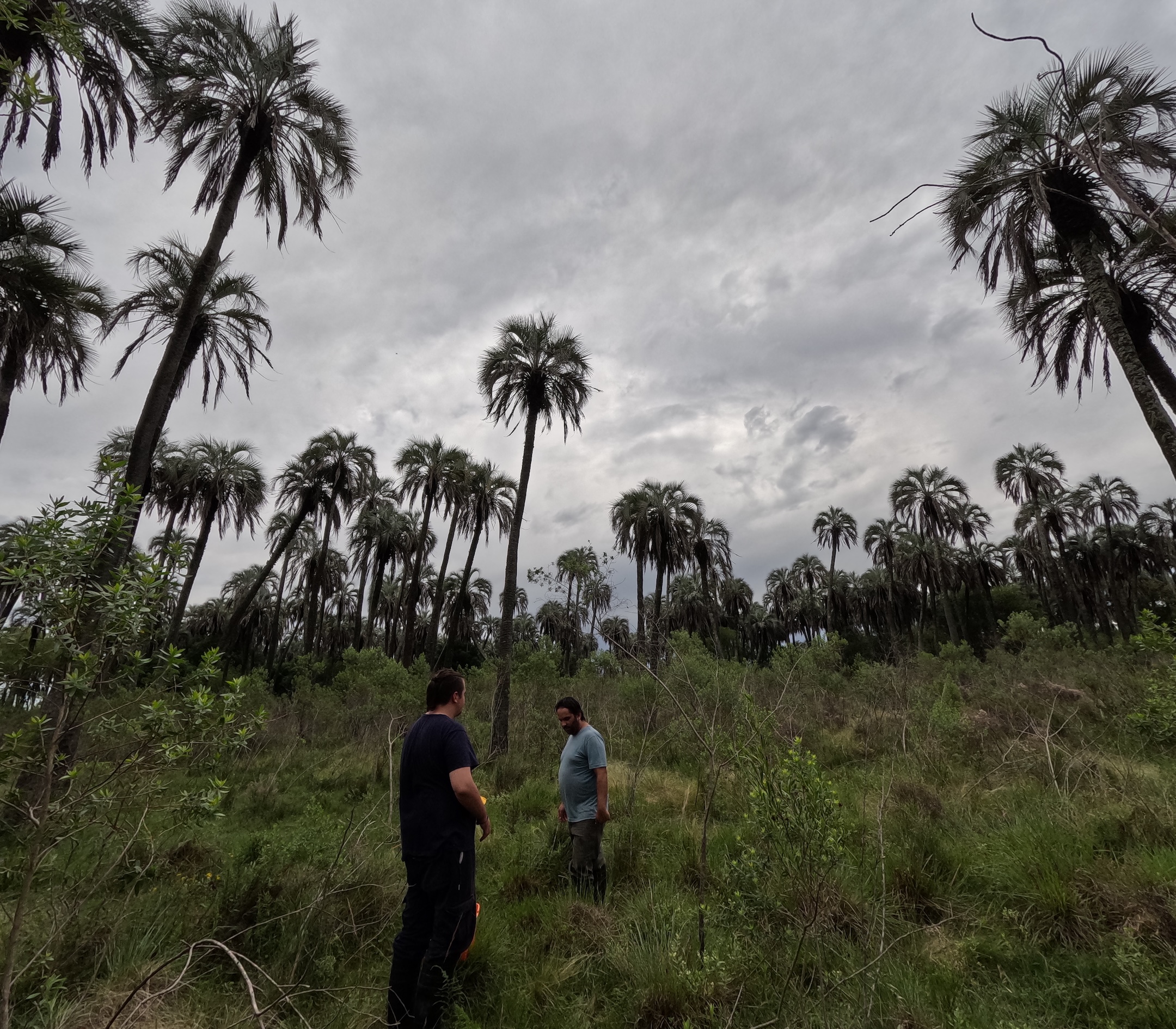
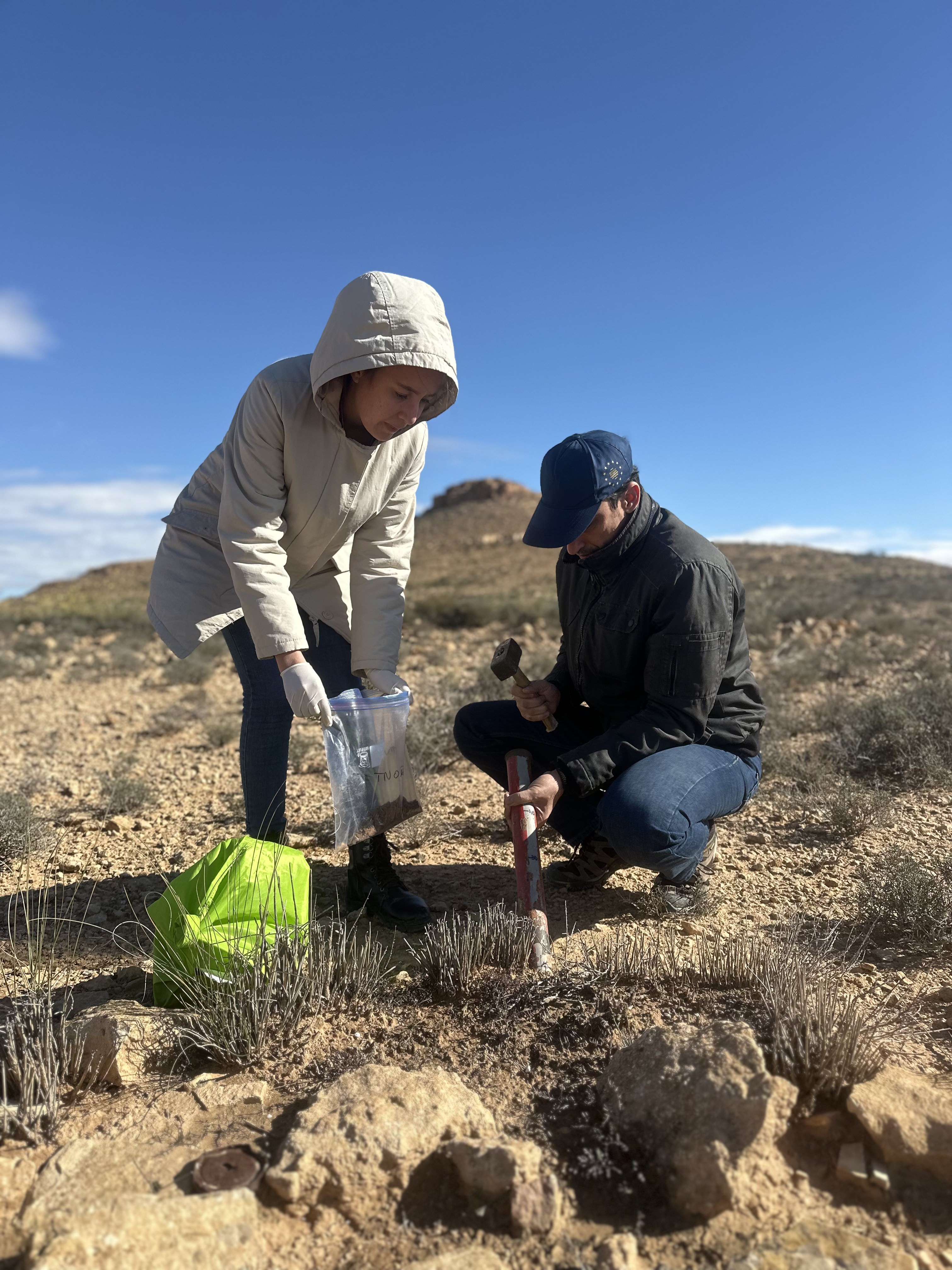
Our project aims at sampling the fungal and mycorrhizal diversity in the foothills of the Andes in Argentina, where dry and shrubby vegetation occur – the Monte. With our team, including landscape ecologists, mycorrhizal experts, and students, we will target patches of Monte from Mendoza to the North of Argentina. Interestingly, these patches surround the viticultural regions of Argentina, and start to be considered as a major niche for biodiversity at a landscape level, becoming a pillar of sustainable agriculture. The Monte is also a habitat where many medicinal plants occur, and where local communities already care for plants and soils. We will discuss the sampling and results with local communities and winemakers to reinforce soil conservation, in the Monte and their landscape, and learn more about the high diversity of AMF already observed from our preliminary results. We expect to find a higher diversity closer to the Andes, where landscapes are more continuous. We also expect to learn about the traditional relationship to soil conservation in the Andes, and its potential impact on fungal diversity. This project will add crucial data to maps of fungal diversity in Argentina, targeting the driest habitats where underground fungi have so far never been explored.

Nahuel Policelli

PATAGONIA, ARGENTINA

The goal of this project is to understand whether non-native invasive plants are able to successfully displace native congeners by interacting with their native obligate symbionts: ectomycorrhizal fungi. The project will take place in the eastern region of Patagonia, Argentina, a steppe ecosystem, dominated by xerophytic herbaceous and shrubby plants. Even when the steppe is the dominant ecosystem in the southern cone of South America, belowground studies in Patagonia drylands are underrepresented compared to Andean temperate forests. We will sample soil under native and non-native invasive riparian populations of Salix spp. (willows). These tree species are the only ectomycorrhizal hosts in this habitat, which constitutes the limit of their southern distribution, where mutualisms are expected to be key for their establishment and survival.  Studying whether invasive plant species can interact with native fungi and the potential changes in the native fungal community driven by invasions, will shed light into previously overlooked belowground impacts of plant invasions in the steppe and open new management possibilities, helping to prevent economic and biodiversity losses. We will actively work with local stakeholders, the private sector, and local and native communities, increasing the awareness of the fungal component of invasions and encouraging them to get involved in the idea that fungi can also be invasive and that we need to protect native funga from degradation.

Discerning how climate drives the composition of Arbuscular Mycorrhizal Fungi is essential in mountains where change in elevation corresponds with prominent abiotic shifts across relatively small spatial scales. From low to high elevations, conditions become cooler and drier (mean temperature and precipitation decreases) which can drive the distribution of AMF in soil and how they associate with host plants. To better grasp the ecological role of AMF in different abiotic contexts, we also need to understand how AMF associate with host plants across abiotic gradients. This study will uncover the drivers of AMF diversity and composition across an elevation gradient in the South Western Ghats, part of a global biodiversity hotspot with high diversity and endemism of plant species. We will document AMF in the soil and record root-associated AMF for six tree species—two with wide elevation range and two each restricted to higher and lower elevations. This data will offer the first documentation of mycorrhizal diversity for this region and pave the way for in-depth assessments of how plant-fungal interactions will respond to global environmental change.

Matt Kasson

Barrier islands comprising an under-sampled U.S. ecoregion (Ecoregion 63), the Mid-Atlantic U.S. coastal plain (Delaware, Maryland, Virginia, North Carolina) and INVAM, The International Collection of (Vesicular) Arbuscular Mycorrhizal Fungi, West Virginia

Despite extensive ECM and AMF sampling across North America, unsampled ecoregions persist, especially the coastal regions along the Atlantic, Pacific and Arctic oceans. One of the unique landforms that comprise these under sampled coastal ecoregions particularly in the Eastern U.S. are barrier islands, which support coastal dune plant communities. Despite many U.S. barrier islands containing federally protected public lands, these islands have experienced significant coastal erosion because of sea level rise and storm surge. As such, the plant and mycorrhizal communities they support are quite vulnerable. In addition to abiotic factors that are threatening these mycorrhizal communities, chytrid fungi may also pose real threats to mycorrhizal networks, particularly in poorly drained plant communities common across the Mid-Atlantic Coastal Plain ecoregion. Our project aims to uncover the diversity of AMF communities across the eastern U.S. barrier islands and their associated chytrid communities to better understand the contemporary threats mycorrhizal communities face in a wetter, warmer world.

Mariela Lis Ambrosino

La Pampa, Argentina

In Argentina, the Espinal is characterized by the presence of deciduous xerophytic forests that rarely exceed 10 meters in height. Within this ecoregion, the Caldén District is constituted of an open forest where the dominant species is Neltuma caldenia (Burkart) C.E. Hughes & G.P. Lewis (caldén). More than 90 endemic plant species and 50 species of medicinal plants are part of this unique ecosystem in the world. Over the last 150 years, there has been an increase in shrub cover in different areas. Extensive cattle grazing with high pressure, forest fires, tree felling, and climate change are associated with vegetation cover loss, soil erosion, and aridification processes. Different management practices are performed in La Pampa to restore the caldén forests, recover their biodiversity, and their potential as providers of ecosystem services.

The study of arbuscular mycorrhizal fungi diversity will contribute to understanding the ecological role of these microorganisms in the restoration of degraded areas. Additionally, it will allow the establishment of relationships between fungi and caldenal plant species, enhancing the integration of mycotrophic plants and contributing to the development and survival of plant species in these semiarid environments.

Marina Omacini

Pampa region, Argentina

Pampa grasslands originally covered nearly 400,000 square kilometers of fertile plains in Argentina, and today are deeply reduced and threatened by agriculture, fragmentation and invasive plants. Understanding the impact of current activities on the soil biota is crucial for rethinking the management of these grasslands. Our goal is to characterize AMF communities across a gradient of agriculture intensification, spanning from native Pampean grasslands used for extensive husbandry to highly intensified soybean fields. Project outcomes will help design multifunctional landscapes that balance agriculture, conservation and ecosystem services to enhance crop/livestock production while promoting biodiversity.

Maria Alice Neves

Atlantic Forest, Florianópolis, Southern Brazil

Santa Catarina Island, in southern Brazil, is covered with Atlantic Forest and has mangroves and restinga that act as buffers between the ocean and rainforest. The goals of this project are to understand how many taxa of mycorrhizal fungi are shared between the restinga and forest and to investigate the presence of mycorrhizae in the mangroves. Several woody species grow in the harsh conditions of the restinga, and a few of these also grow in the adjacent forest. These plants often have different habits, such as shrubs in the restinga and tall trees in the forest. Mangroves have their own distinct flora with species that are mostly restricted to this environment. We propose two hypotheses: 1) the community of ectomycorrhizal fungi in the restinga soil is similar to that in the forest; and 2) the diversity of ectomycorrhizal fungi in the mangroves is low. The mangroves and restinga are threatened due to climate change and real estate development. Another problem on the island is the spread of exotic Pinus and Eucalyptus species that were introduced. It is unknown how the local fungi communities are affected by the exotic fungi that were introduced with these plants. Knowing the soil fungal communities will allow us to better understand the effects of the invasive species on native plants and to select potential native taxa to be used in restoration projects.

We will promote events open to the public so local communities and students can be involved. For example, the Rick Foray and EctoSul will include field expeditions and talks that emphasize the importance of fungi in the soil. We will also teach participants how to look for ectomycorrhizal mushrooms and recognize and collect ectomycorrhizae in the field, as well as show them root tips with mycorrhizae using dissecting microscopes.

Manikandan Ariyan

Western ghats, India

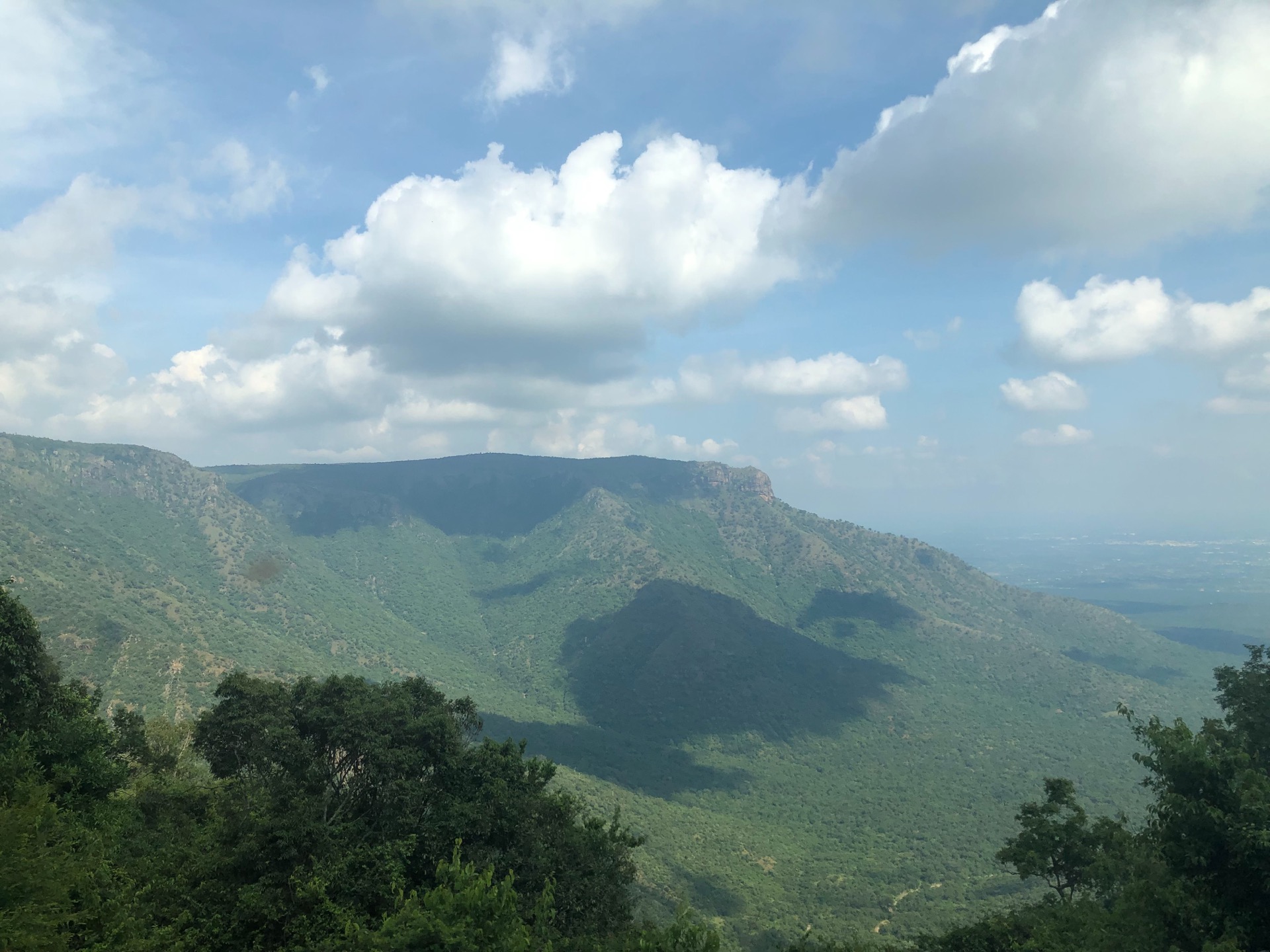
The Western Ghats of India are of tremendous global importance for biodiversity protection and are areas of significant geological, cultural, and aesthetic worth. It is a mountain range that runs parallel to the western coast of India, stretching approximately 1,600 kilometers (990 miles) from Gujarat in the north to Tamil Nadu and Kerala in the south. The Western Ghats mountain system, which is older than the Himalayas, contains geomorphic features of tremendous importance and distinct biophysical and biological processes. The high mountain forest ecosystems at the site impact the Indian monsoon weather pattern. The site, which moderates the region's tropical climate, is one of the outstanding examples of the world's monsoon system. It also boasts a high level of biological diversity and endemism and is considered one of the world's eight 'hottest hotspots' of biological diversity. The site's woodlands contain some of the best examples of non-equatorial tropical evergreen forests and at least 325 species of globally threatened flora, fauna, bird, amphibians, reptile, and fish. Metabarcoding approaches will enable a comprehensive assessment of the soil fungal communities in the Western Ghats, India, allowing for unraveling the intricate and diverse fungal assemblages in this region. The findings will demonstrate significant associations between soil fungal diversity and environmental variables, highlighting the impact of factors such as altitude, land use practices, and soil characteristics on fungal community composition. This research will contribute to the conservation implications and future directions for protecting the unique fungal diversity of the Western Ghats, aiding in the development of effective conservation strategies for this under-explored region.

Lukelysia Nyawira Mwangi

Lowlands of lake Turkana, Kenya

My research proposal focuses on investigating the presence and variability of arbuscular mycorrhizal fungi (AMF) within the arid grasslands of Masai, situated in the lowlands of Lake Turkana, Kenya. The area comprises a distinctive ecological zone characterized by vast expanses of open grassy terrain and minimal tree cover. The average temperatures in the region can soar above 30°C (86°F) during the hottest months, with occasional peaks reaching even higher. Rainfall in this arid environment is sparse, often falling below 300mm, resulting in limited vegetation and water resources. The grasslands are inhabited by a range of hardy plant species adapted to arid conditions, and they provide vital grazing grounds for indigenous wildlife, including herbivores and migratory species. The region's unique climate and topography create an environment where mycorrhizal fungi could play a crucial role in supporting plants' health and productivity, making it an intriguing focal point for ecological research.

This study aims to quantitatively assess AMF species, compare their community composition across diverse geographical sites and habitats, evaluate their impact on plant productivity, and identify key factors influencing AMF community distribution. Employing a combination of soil sampling, DNA extraction, PCR, sequencing, statistical analysis, and mapping.

Luis Daniel Prada Salcedo

Cordillera, Páramo, montane forests and llanos – Colombia

This project focuses on Colombia, which ranks as the second most biodiverse country in the world but remains less explored in terms of underground communities. Colombia’s high biodiversity can be attributed to its unique geographic location and topography. This SPUN expedition explores different ecoregions by collecting soil samples in two sampling transects, ranging from highlands (moorlands, 3,000 m.a.s.l) through mid-altitudes, lowlands, and down to sea level. This expedition will encompass various ecoregions: Páramo, montane forests (bosque andino), llanos (tropical savannas), and the Caribbean coast.

The two distinct transects cover diverse environmental conditions and vegetation types that, with the help of different local communities, will enable us to uncover the fungal biodiversity in Colombia. The expedition faces challenges due to the difficult topography, limited routes, and necessary permissions for accessing some locations. However, overcoming these obstacles could lead to the discovery of novel mycorrhizal species and enhance our understanding of ecology and plant-mycorrhizal interactions.

In general, exploring these ecoregions will provide a more precise and realistic representation of underground resources worldwide. Similarly, at the local level, the expedition will empower local communities, stakeholders, and authorities to understand the significance of their natural resources and initiate initiatives for conservation, monitoring, and restoration

Lina Marcela Aragón Baquero

Cundinamarca, Colombia

We aim to understand the role that soil fungi and plant-mycorrhiza associations play in the stabilization of treeline in the Colombian Eastern Andes Cordillera. The ability of trees from high Andean forests to “migrate” and track suitable temperatures in a warming world may be limited by the absence of the right soil microorganisms and highly specific plant-mycorrhiza associations at higher elevations. To understand the role that each of these two factors plays in determining and stabilizing treeline, we will visit 10 sites around Bogotá city and, in each of them, collect soil and root samples along 3 transects spanning an altitudinal gradient from the High Andean Forest (~3,000 masl) into the Páramo (~3,400 masl) ecoregion. The high Andean Forest and the Páramo ecoregions are biodiversity hotspots severely threatened by climate change and pressures of multiple human activities such as agriculture, cattle farming, and urban development. These tropical montane ecosystems are also highly important as above- and below-ground carbon stocks and may serve as future “carbon refuges” if adequately preserved (Duque et al. 2021). Thanks to SPUN support, we will unveil if the absence of the right microorganisms in the soil will put the few remnants of the High Andean Forest in Colombia more at risk.

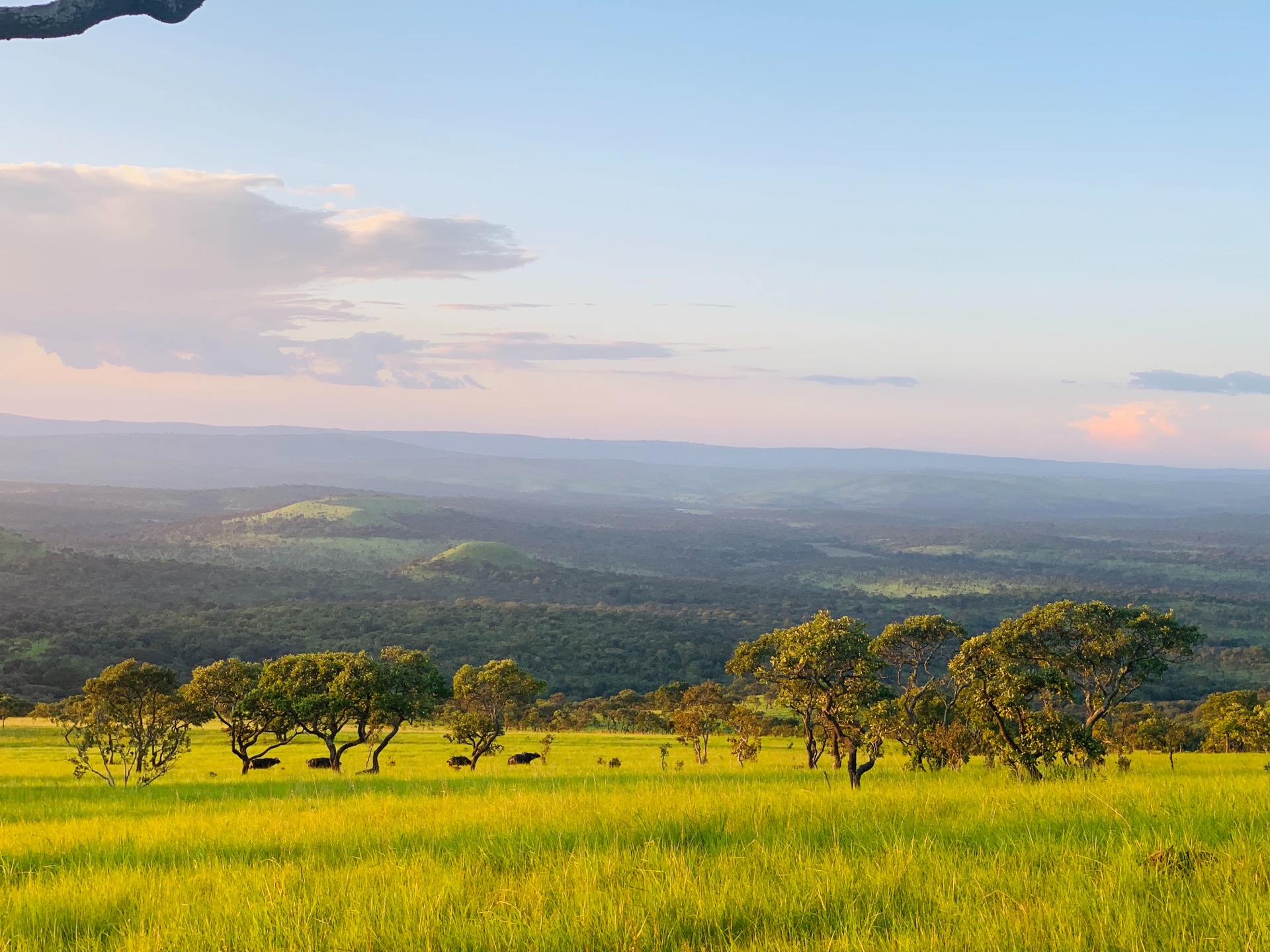
The Miombo woodlands are tropical seasonal woodlands with extensive distribution in Africa, dominated by plant species belonging to the genera of Brachystegia, Isoberlinia and Julbernardia. The Miombo woodlands are economically important for timber production, firewood collection and provision of non-timber forest products among others. The Miombo woodlands are also significant for nutrient cycling due to their capability of forming symbiotic associations with microbes such as fungi. While microbes such as fungi are imperative for mediating ecosystem functions, the diversity and composition of these microbes in Miombo woodlands are poorly understood due to little or no knowledge availability. Further anthropogenic activities such as deforestation, coupled with global climate change, are threats to forest ecosystems with Miombo woodlands inclusive. Therefore, in our project we will explore soil and root associated fungal diversity and composition through fungal DNA barcoding in Miombo woodlands, integrating sites (unexplored for microbes) in Zambia showing variation in abiotic factors (e.g. climatic conditions and soil nutrient availability). The knowledge from this project will provide a better understanding on the interaction of Miombo woodland species with microbes, thereby contributing to sustainable management of these woodlands.

Joseph Innocent Massawe

Dodoma, Tanzania

Arbuscular mycorrhizal fungi (AMF) play a vital role in ecosystem restoration and sustainability. These fungi form symbiotic relationships with plants to improve plant growth, protect the plants against root pathogens and environmental stress, and promote ecosystem stability. Therefore, understanding AMF diversity will be very important for land use management practice and conservation, especially in semi-arid regions. This project will focus on determining the diversity of AMF fungi in the semi-arid region of Dodoma, Tanzania, by comparing three sites: a natural forest reserve, a tree plantation, and grazing grassland. The AMF will be identified on 30 samples using the ITS region of the DNA and high-throughput sequencing technique using the Illumina platform. The data obtained from this study will not only provide insight on how different land use influences AMF diversity but also contribute to the conservation and management of these ecosystems, ultimately fostering ecological resilience.

Jordan Alexander Siggers

Colorado, United States, Kansas, United States, Wyoming, United States

The North American Great Plains are composed of vast expanses of shortgrass, mixed, and tallgrass prairies. Each system is dominated by unique plant species, such as Andropogon gerardii and Bouteloua gracilis. Associations with arbuscular mycorrhizal fungi play an essential role in maintaining plant dominance in these systems, but the distribution of AMF across this major carbon sink is not well known. With the increasing frequency and severity of extreme climatic events, such as drought, it is critical to understand how these events alter plant-fungal associations across the Great Plains. Hence, we will leverage a network of recently decommissioned precipitation manipulation experiments to investigate the potential legacy effects of drought on plant and fungal communities. We seek to gain insight into the distribution of dominant AMF genera, along with an understanding of how drought of differing intensities influences long-term fungal community composition. We will partner with local nonprofit organizations to meet with community members, discuss the importance of mycorrhizal fungi in provisioning ecosystem services, and train individuals to investigate the fungal diversity around them.

Humboldt reported that tropical plant species richness decreased with increasing elevation and decreasing temperature. Tropical regions harbor the majority of the world’s biodiversity, surprisingly, patterns in plant and fungal diversity on tropical mountains have not yet been described. Alexander von Humboldt ascended the Chimborazo, Antisana and Pichincha volcanos in Ecuador. He recorded the distribution of plant species and vegetation zones along its slopes and in surrounding parts of the Andes. We propose to follow the steps of those three Humbold´s expedition, following an Andean transect traversing 3.5 to 5 km in elevation (equivalent to a 6.5°–26.4°C mean annual temperature range) to test whether the soil fungal species, particularity mycorrhiza, diversity and composition follow similar biogeographical patterns with shared environmental drivers. This will be done for the first time in Ecuador. With the help of historical records of Humboldt's Expedition.

The area of study is the UNESCO heritage sacred Kaya Kauma and Kaya Chivara forest fragments within the Coastal region of Kenya (38.5° E and 41.5° E lies between 0° and 5° S), at 300m above sea level. The area experiences low and unpredictable rainfall with frequent severe droughts. The area is characterised by a variety of soil types and minerals. The two sacred forest fragments, 10.7 km apart, were once a continuous forest landscape stretch. It is intercepted by farmlands and settlements, rill and deep gulley erosion. The plant communities form association with ecto-mycorrhizal and arbuscular mycorrhizal. Tree planting is a common activity in the region with limited evidence of success. Root symbionts are overlooked in tree establishments, and yet the relationship may range from facultative to obligate.  The integration of mycorrhizal association into the nursery management of seedlings is important for survival and subsequent establishment of tree seedlings. The use of native mycorrhiza may guarantee more success. 

A total of 24 soil samples and ectomycorrhizal fruit bodies will be collected from distinct points. The samples and specimens will be transferred to the laboratory for characterization of both Ecto- and Arbuscular- mycorrhiza species and mineral analysis. Morphological and molecular methods involving DNA extraction and nested PCR amplification, will be used for the identification. A mycorrhizal inoculum potential assessment will be conducted using the Most Probable Number (MPN) method. An awareness creation will be undertaken to explain to the community nursery groups the role of mycorrhiza in ecosystem functions and plant nursery management. A semi-structured questionnaire will be used to evaluate management of seedlings.  The mycorrhizal status of seedlings from four nurseries will be inoculated and planted near the sacred forest degraded landscape. Community members and school children will be selected to participate in laboratory observation of mycorrhizal fungi.

Jaime Andrés Duque Barbosa

1) Colombia, departamento del Chocó, municipio de Nuqui, corregimiento Coqui. 2) Colombia, departamento del Chocó, municipio de Capurgana

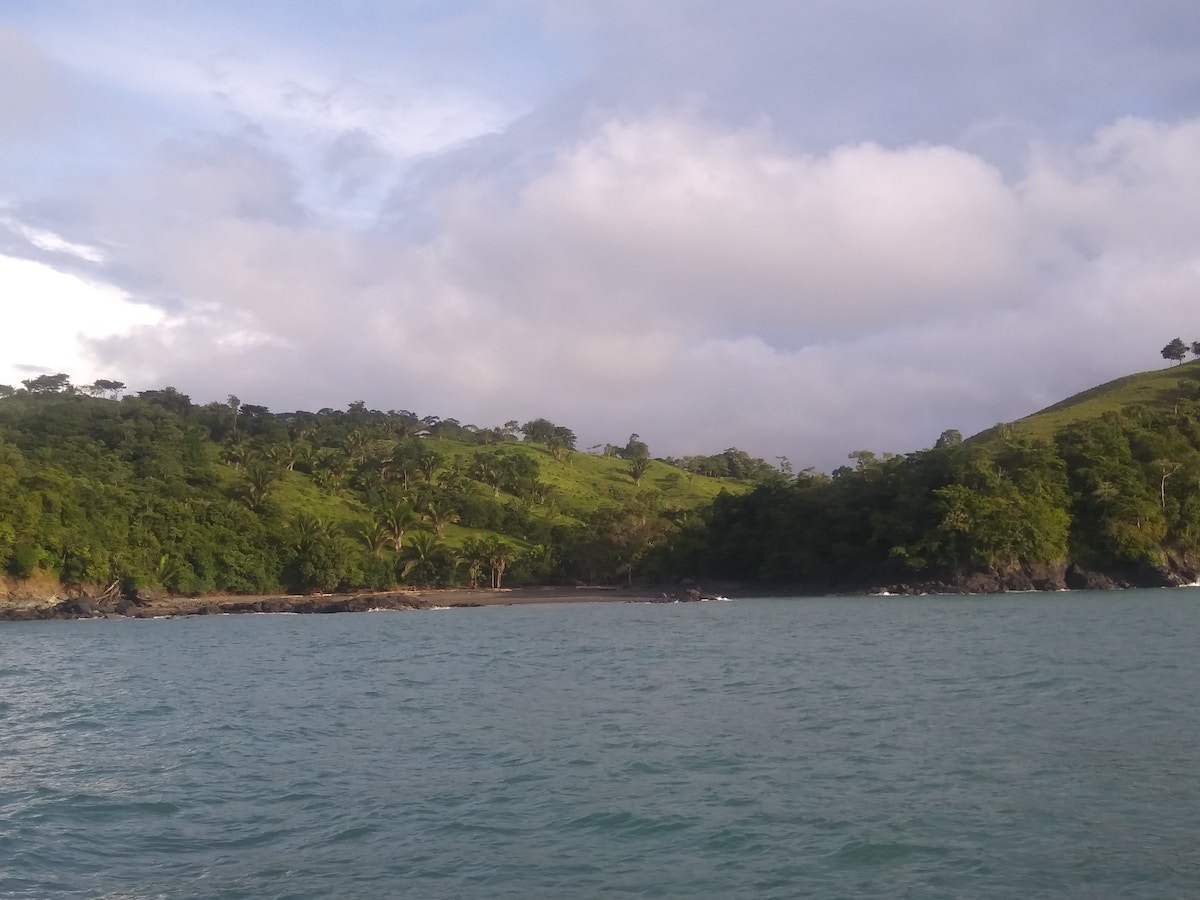
The biogeographical Chocó region of Colombia is considered one of the hotspots of global biodiversity; however, it remains an under-sampled area. It is under high threat from several anthropic actions, such as extraction of timber plants without appropriate management plans, mining and the expansion of agricultural borders. For these reasons, it is necessary to increase knowledge of the area that can be used in strategies for conservation plans and the sustainable use of the resources of this region. Our objective is to study ectomycorrhizal fungi at two locations in the Chocó Department; one in the Tropical Moist and Rain Forest of the Nuquí municipality under the climate influences of the Pacific Ocean, and the other in the Tropical Moist Forest of the Capurganá bay under the climate influences of the Caribbean Sea. At both locations, we will work directly with the local communities and the region’s environmental leaders strengthening advocacy for conservation and understanding of the fungal diversity of this biogeographical zone so that the communities can take ownership of their fungal resources and use them appropriately. Additionally, information will be shared for use in future research on biodiversity, systematics, biogeography, ecological restoration, or even as foundation for the discovery of new species.

Iris Victorino

MOUNT MABU, MOZAMBIQUE

Tropical forest ecosystems retain the highest levels of biodiversity, fact that makes them great contributors to Earth’s total biodiversity. Mount Mabu is a mountain located in the north of Mozambique of approximately 1700 meters covering roughly more than 7000 hectares. It is estimated that mount Mabu is the largest medium-altitude rain forest in Africa, encompassing diverse wildlife, unknown to scientists. To date, only the vegetation of the lower slopes in the south-eastern has been described – woodland, forest, and scrub/sedge patches on bare rock, remaining the rest unknown. The mycorrhizal fungi, a very important group of soil microorganisms, are present in many habitats but knowledge regarding their presence in tropical regions is still scarce. Their community structures is diverse between mountains at different altitudes, especially in tropical rainforests, so, it is expected that mount Mabu, as an unexplored forest, could represent a hotspot for many species including soil microorganisms such as the mycorrhizal fungi. To address this, sampling, collaborative efforts and use of molecular methodologies are encouraged. Our project intend to sample and isolate AMF using morphological and molecular techniques and lastly attempt to cultivate it in laboratory.

Co-PIs:

International Congress of Armenian Mycologists or ICAM: Claudia Victoroff-Bashian, Patricia Ononiwu Kaishian, PhD, Arik Joukhajian, Tania Kurbessoian, PhD

The International Congress of Armenian Mycologists (ICAM) are conducting a nation-wide survey of soil fungi across the mountainous Republic of Armenia, targeting unique microclimates from humid deciduous mixed forest to semi-desert ecosystems clustered across a small geographic range. The Caucasus region and southwest Asia are listed as highly important regions for fungal conservation (Dahlberg et al., 2010), but anthropogenic threats to the Armenian landscapes continue to increase. While travel to portions of the affected regions remains impossible or impractical, the imposing threat of warfare has created an extreme urgency for biodiversity surveys within adjacent ecosystems. Understanding the identities and distribution of fungi in this region is paramount for plant and fungal conservation, and to contribute to a global understanding of soil fungus biogeography, but few studies have occurred within the Southern Caucasus region and even fewer studies have occurred in Armenia relative to its neighbors. By comparing the species composition of fungi across a stark environmental gradient within the small geographic range of Armenia, this project will provide critical information on how biotic soil conditions impact the distribution of mycorrhizal fungi.

Helbert Lim

Gandang Dewata National Park, West Sulawesi, Indonesia

To this date, most of the information about ectomycorrhizal (ECM) fungi in Indonesia has been generated from the western part of Wallace (Sumatra, Java, and Borneo). Meanwhile, in the eastern Wallace region (Sulawesi, the Moluccas, Papua), the information is limited. Within the project “Ectomycorrhizal fungal communities in the eastern Wallace line,” our aim is to generate a list of ECM species in Gandang Dewata, West Sulawesi, Indonesia, based on DNA information. The ITS Region and LSU will be used for metabarcoding, and Illumina Sequencing will be the chosen Sequence Platform. Additionally, we will gather more information related to the ecology of these ECM fungi by assessing their hosts and the existing above-ground fruiting bodies (mushrooms). New species, new records, and new collections could be obtained from this project.

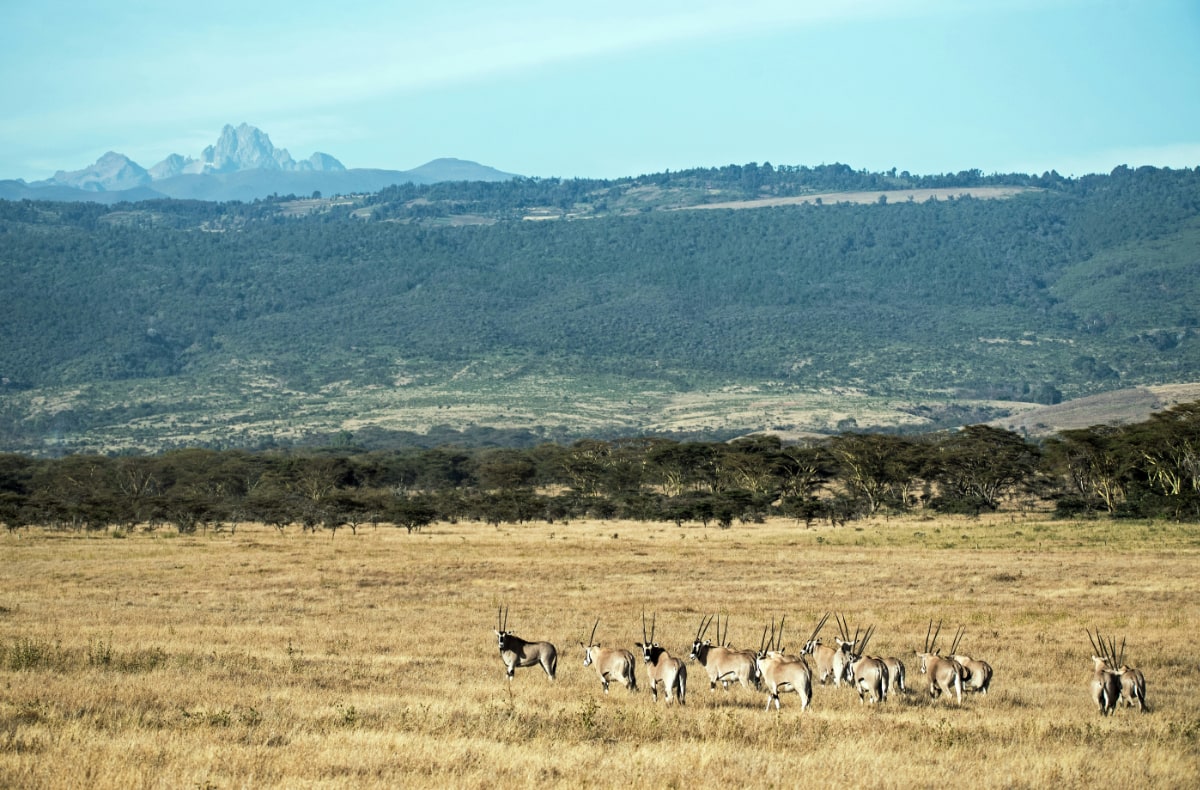
Soil biodiversity plays a key role in provision of ecosystem services. Conservation of soil organisms and their inclusion in policy agendas is imperative. The Mt. Kenya forest is a biodiversity hotspot but the diversity of most soil biota is unexplored. Mycorrhizal fungi are a key component of forest ecosystems and they influence different biogeochemical processes. This project will compare the diversity of mycorrhizal fungi in protected and unprotected areas within the Mt. Kenya forest. It will provide an insight on the status of mycorrhizal fungi and contribute to the conservation and monitoring of soil biodiversity.

Tropical dry forests are unique ecosystems that are seldom studied. Currently they are under constant anthropogenic threats, such as deforestation and climate change. However, there is very little information about the mycorrhizal communities from these types of forests, partly because attention has focused largely on the most humid ecosystems. We will base our study on one of the last remnants of this type of forest located in the community of Garachiné, in the province of Darién, Panama. We will collect soil from the area and then apply molecular techniques to identify the mycorrhizae present. Our project is a collaborative effort with colleagues from the University of Panama who are developing botanical studies in the area, which will allow us to relate the mycorrhizal community with the flora typical of this type of ecosystem. Our results will allow us to know the diversity of mycorrhizae in an area never studied, as well as their possible relationships with the species of vascular plants present in the tropical dry forest. The information produced will help us motivate further research and the conservation of this unique Ecosystem.

Evelin Yulisa Reyes Mendez

Intibuca, Fransisco Morazan, La Moskitia, Olancho, Honduras

Our project aims to investigate the variation and complexity of fungal communities in different geographical locations in Honduras; Wampusirpe, Gracias a Dios; Catacamas, Olancho; Tegucigalpa, Francisco Morazán y La Esperanza, Intibucá.  By collecting 108 samples from four diverse sites, the study will employ 16S rRNA metabarcoding and ITS regions, using the Illumina MiSeq platform, to understand the fungal diversity in tropical rainforests, mountainous terrains, grasslands, and urban landscapes. The research emphasizes the relationship between land-use practices, ecological gradients, and fungal community structure. This in-depth exploration holds significant importance for understanding ecosystem dynamics and will contribute valuable information for strategies in sustainable agriculture, conservation, and land management. Collaboration with indigenous communities, insights into small-scale farming, and alignment with the mission of the Society for the Protection of Underground Networks (SPUN) are integral aspects of this vital ecological research as well as providing valuable data for global conservation initiatives.

Edith Lai

Central Valley, California

In California, the Central Valley region once sprawled with lush grasslands of perennial bunchgrasses and endemic forbs unique to a Mediterranean climate region. However, colonization and subsequent urbanization have significantly altered this precious ecoregion. Sites across the landscape have experienced compounded threats from overgrazing, drought, fire regime change, and particularly intense invasion by European species. Current conservation actions include protecting remaining habitats, improving management, and, if possible, converting land to restored grasslands. This project aids these efforts through the investigation of how the soil microbial community has changed along an invasion gradient. For instance, associations with fungal symbionts could confer competitive advantages or cause diseases in the recipient community that contribute to invasion success. We will learn more about how fungi are participating in landscape change either as a consequence or conduit of grassland invasion.

Dr. Dejuani Astride Carole

Mount Cameroon (Cameroon) and Bioko (Guinée Equqtoriale)

The mountain forests of Mount Cameroon and Bioko belong to the volcanic chain that extends northwards along the border between Cameroon and Nigeria, and south-westwards to the islands of São Tomé, Príncipe, and Annobón, and extends to the heights of the island of Bioko Bioko (Equatorial Guinea). The western slope of Mount Cameroon is probably the most diverse and richest area of the mountain and is the only area in West and Central Africa where there is a pristine gradient vegetation of lowland evergreen tropical forest that starts at sea level, crosses montane forests, mountain meadows and alpine meadows near the summit. This link between ecosystems is the main source of the area's great biological diversity. Six main vegetation types have been identified on the mountain. Lowland rainforest (0-800 m above sea level), sub-mountain forest (800-1600 m above sea level), mountain forest (1600-1800 m above sea level), mountain thicket (1800-2400 m above sea level), mountain meadow (2000-3000 m above sea level), and sub-alpine meadow (3000-4100 m above sea level). The general objective of this project is to determine the diversity of mycorrhizal fungi associated with the diversity of the dominant floristic resources of Mount Cameroon. However, this study focuses on answering questions such as; Do the different forest ecosystems of the montane forests of Mount Cameroon and Bioko have the same types of mycorrhizal fungi? Does the floristic diversity of the soil types of each forest ecosystem determine the types of arbuscular mycorrhizal fungi present? Do anthropogenic activities carried out in this area have an impact on the diversity of arbuscular mycorrhizal fungi? Our commitment to this project also involves local communities. In line with the sustainable development objectives, we will focus on: - Educating local communities about the use of CMAs and their importance in agricultural production through videos and explanations in local languages (SDG - 4 and SDG -2). - Show them the impact of their various anthropogenic activities on the life of soil mycorrhizal fungi, while highlighting their responsibility for biodiversity conservation (SDG -12). - Men and women from local communities will be educated together, without distinction and priority (SDG -5).

Dinesh Thakur

Himachal Pradesh, India (in Western Himalaya)

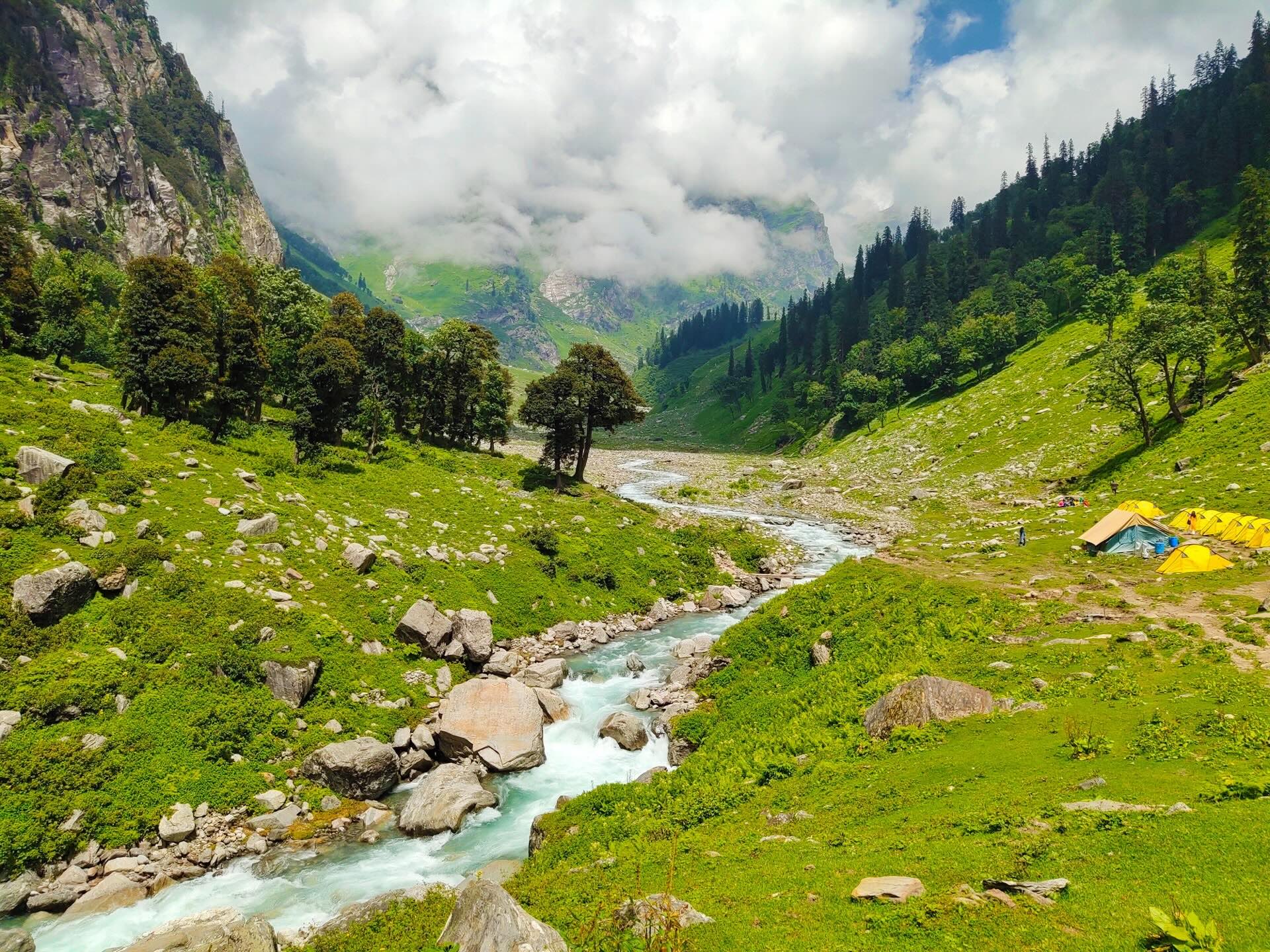
High elevation regions are unique in their biodiversity and are among the ones facing the highest rate of climate change. This change is causing many irreversible changes in high elevation ecosystems necessitating the elucidation of unique biodiversity present there.  This project aims to test for the effect of temperature and precipitation on mycorrhizal diversity by using natural climatic gradients in Western Himalaya as proxy for climate. Along with the effect of climate, we will also test how plant diversity and plant traits influence mycorrhizal diversity. To fulfill the project aim, we plan to sample a total of 25 localities in western Himalayan region. These localities will represent a factorial combination of temperature and precipitation. To estimate mycorrhizal diversity, 2.5 kb fragment of rDNA will be sequenced. We will involve local people and researchers from Himalayan region during the project work. We expect to generate at least one scientific publication in a peer-reviewed ecological journal. The outputs of the project will be disseminated to the scientific audience as well as the general public for its maximum impact. All the datasets generated during this project will be open access for everyone to use after publication.

Cristian Atala Bianchi

Coastal area of central Chile

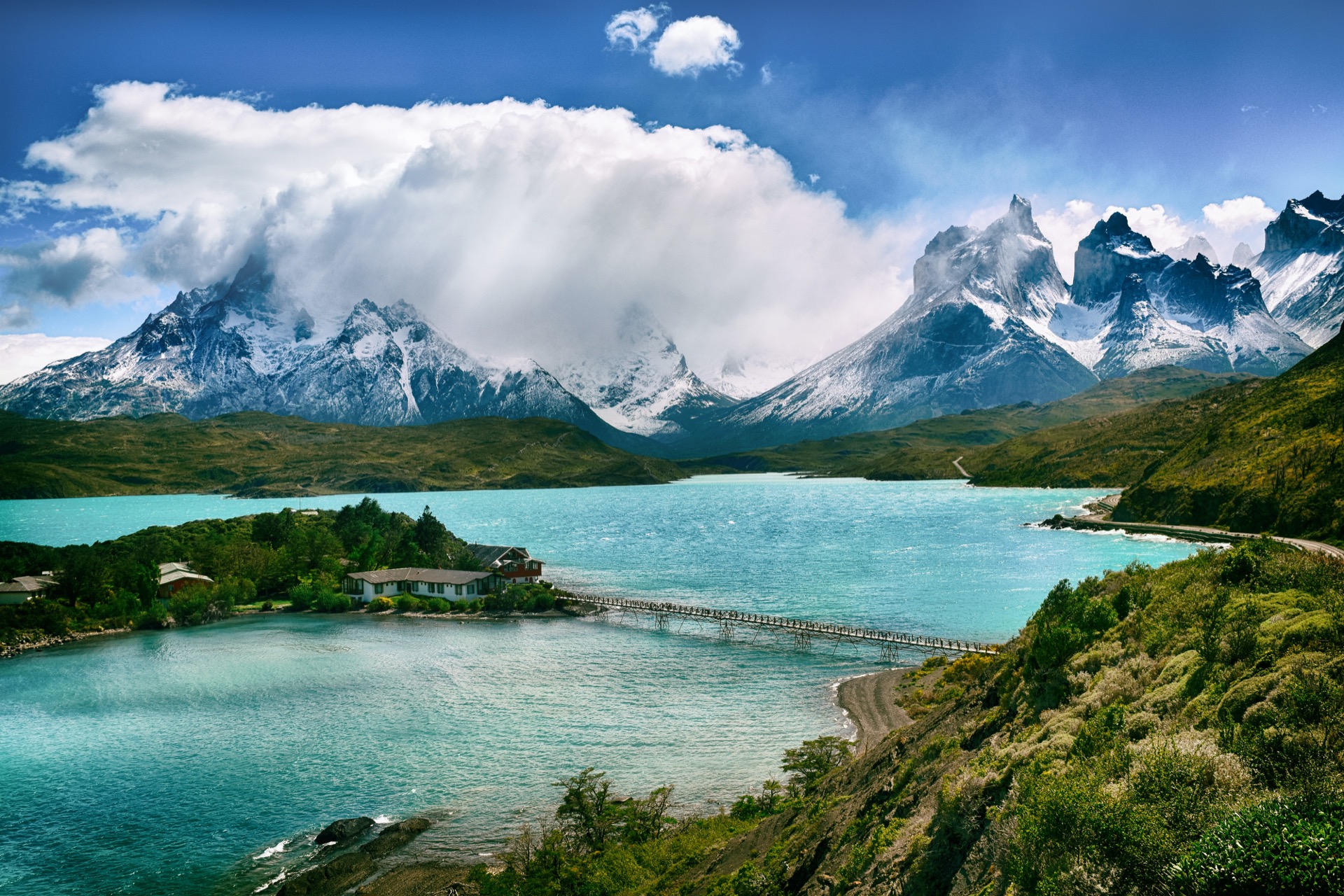
Central Chile is part of a global biodiversity hotspot. This Mediterranean ecosystem includes many endemic sclerophyllous plants. It’s currently threatened since it is the most densely-populated area of the country and an agriculture center. This area has the highest diversity of vascular plants, and is the center of diversity of some genera such as the orchid genus Chloraea. Some Chilean orchid species are critically endangered and urgent actions are needed to ensure their long-term conservation. Chilean orchids are terrestrial and associate with mycorrhizal fungi (usually Rhizoctonia-type) that are key for their germination and their subsequent growth and survival. To establish propagation, conservation and restoration programs of Chilean orchids, a full understanding of the diversity and distribution of their fungal partners is required. In particular, we require an understanding of orchid-fungi specificity, since rare and/or endangered orchids could be restricted by the presence of specific orchid fungi in the soil. In this project, we aim to understand the diversity of mycorrhizal fungi in the soil close to different orchid species found in a latitudinal gradient in Central Chile and to compare this diversity with the fungal species that can be found inside the root system of the plants.

Chabi Bogo Taïbatou

Buhunyuza and Isale Provinces, Burundi, Central eastern Africa

The project is titled "Study of Underground Mycorrhizal Fungi for Landscape Restoration in the Miombo Highlands of Burundi.”. The project aims to generate high-quality data on the belowground diversity of ectomycorrhizal fungi in miombo forests. Sampling will be conducted precisely in the provinces of Buhunnyuza and Isale. Fieldwork will include various tasks such as collecting soil and root samples and conducting surveys of planters. All of this work will be documented using GoPro cameras. A soil subsample will be utilized for DNA metabarcoding, while another will be used to assess AMF spore density and abundance. Soil subsamples will be stored at -80°C until we begin lab work. Fine root samples will be sampled and preserved in ethanol to document and illustrate ECM dependency ratios. Project outputs will elucidate the links between native trees and the diversity of ECM fungi and will support the efforts of local communities to restore the landscape from these native forest species.

Candice Lumibao

Barrier Islands, South Texas bays, Gulf of Mexico region

The coastal dune ecosystems of the barrier islands along South Texas bays in the northern Gulf of Mexico provide important ecosystem services such as wildlife habitat and serve as the first line of defense against hurricanes and sea level rise. They represent a unique system as the South Texas estuaries and bays surrounding the barrier islands lie along a gradient of salinity (from 8 ppt to 40 ppt) but are considered at-risk ecosystems as they are also subject to different degrees of natural and anthropogenic degradations including oil pollution. It is an ideal system to study the mycobiome diversity of the ecoregion as it can serve as a space-for-time substitution of environmental change impacts on belowground fungal communities. Our project aims to assess the diversity of mycorrhizal communities (and soil mycobiome) in coastal dune ecosystems of barrier islands and how the environment and any concomitant changes shape these communities. Insights gained from the study can help inform conservation of underground communities and coastal management, and potentially aid in nature-based solutions for conservation and rehabilitation of barrier island habitats.  

Bruno Tomio Goto

Amazon Forest, Brazil

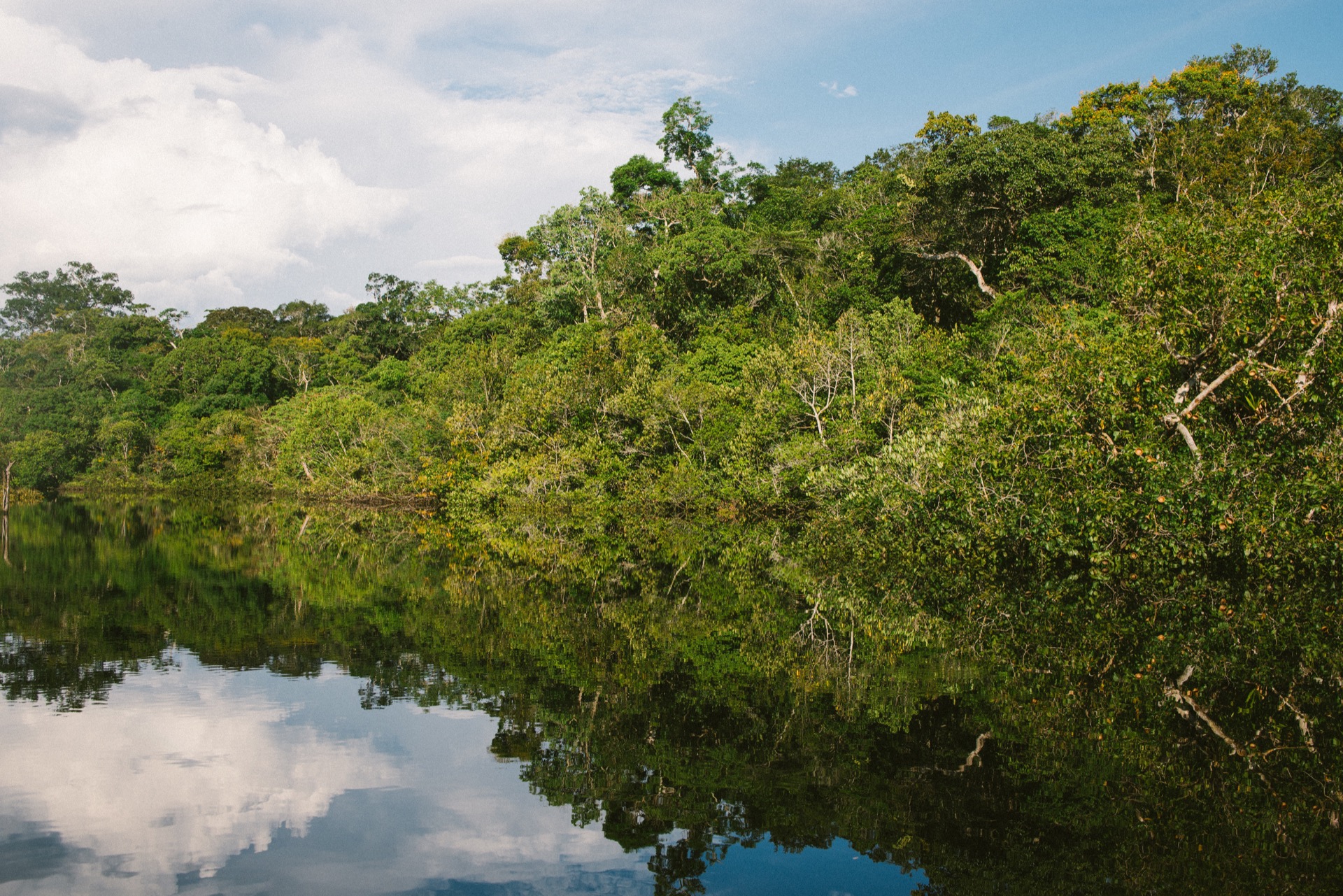
The project aims to answer the following questions: (i) how are Arbuscular Mycorrhizal Fungal (AMF) communities structured along native and impacted (degraded) areas of southern Amazon? (ii) AMF inhabit and colonize the Amazon leaf litter? (iii) how AMF communities differ between the soil and the adjacent litter? (iv) what is the degree of loss of diversity and functional groups between pristine and degraded areas - What is the impact of degradation? and (v) which and how soil and litter properties can influence the composition of AMF communities under different conservation conditions? The project represents a pioneering study on environmental sequencing of mycorrhizal fungi in soil and litter in the Amazon. The Amazon harbors one of the largest shares of global biodiversity, especially in plant species that can contribute to a huge diversity of microorganisms in the soil and litter. However, it is the Brazilian biome with the fewest diversity inventories for many groups of fungi, such as AMF, especially in the south portion of Amazon, where no work has been effectively published.

The boreal forests of Mongolia are on the southern edge of the Taiga and form a transition to the forest-steppe biome. The forests are composed of mainly Siberian larch (Larix sibirica), Siberian pine (Pinus sibirica), Scots pine (Pinus sylvestris), Japanese white pine (Betula platyphylla) and Siberian spruce (Picea obovate), and experience extremely low winter temperatures with deep soil freezing, and are strongly limited by precipitation.

There are few published investigations of ectomycorrhizal communities in Mongolian forests, however it is known from investigations in other biomes that some of the tree genera have narrow range ectomycorrhizal taxa. In this project we will investigated the ectomycorrhizal communities in mixed and single species forests of in the Bogd Khan protected area, in Umnudelger, Binder soum, Khentii province, and in the Burkhan Khaldun World Heritage Site. Whereas the Bogd Khan protected area is close to Ulaanbaatar, the Burkhan Khaldun World Heritage Site is a remote pristine area. At these sites, we will collect soils and fine roots, and assess the ectomycorrhizal community in soils using metagenomics. The ectomycorrhizal community on fine roots will be assessed by morphotyping the ectomycorrhizas, and the final identification using DNA sequences. We predict and in these extreme conditions a number of unique ectomycorrhizal taxa will be identified. The project will be carried out at the Mongolian University of Life Sciences, and at the Institute of Forest Ecology at BOKU, Vienna.

The Himalaya Hindu Kush mountain range is a biodiversity hotspot, yet underexplored for soil fungal diversity. It exhibits broad environmental gradients in elevation as well as geographical and temporal gradients in precipitation. These mountains host many ectomycorrhizal trees like oaks, pines, cedars. These sites will be explored for ectomycorrhizal fungi (EMF) including dry and moist temperate forests in Pakistan. The moist temperate forests are located in Kaghan and Bahrian with the dry temperate forests located in Kalam and Parachinar. The ectomycorrhizal fungi will be identified by amplification of ITS as well as LSU region (SSU, rpb if needed). The soil samples will be analyzed by illumina sequencing. Repeating sampling throughout the year will further determine differences among seasons, specifically in relation to the monsoon which is a key climatic event in the region where 80 % of yearly precipitation falls in 3 months. The contrasting precipitation patterns among the habitats and seasons will identify the driving forces for distribution of EMF taxa in relation to this key environmental parameter. The data obtained will unveil the hidden treasure of below-ground plant root symbiotic fungal taxa.

Anna Berthe Ralaiveloarisoa

Maromizaha, Ranomafana, Kirindy Mitea - Madagascar

The number of fungal species in Madagascar is unknown. Ralaiveloarisoa (2022) estimated that there might be as many as 84,000 – 140,000 species in Madagascar while less than 1000 species (less than 2%) have been described. Many of these species are already under threat due to slash and burn agriculture and might disappear without knowing them. Thus, metabarcoding of the fungal community would be imperative to increase the knowledge on Malagasy fungi more rapidly than is possible with the traditional methods before their vanish. The aim is to produce DNA barcodes of the whole fungal community within a sample using high-throughput DNA sequencing technology and to understand the distribution and the ecological roles of fungi quicker. The results will allow us to compare the fungal diversity from the humid forests in the center and eastern Madagascar to those present in the dry forest in the South-Western. The data produced during this project will increase the number of sequences present in the public repositories so that they also can be used to evaluate the conservation status of Malagasy species.

Alex Ernesto Somrau

Mesopotamia Argentina; Misiones, Corrientes y Entre Ríos

Argentine Mesopotamia is a region composed of 3 provinces and 3 very different ecoregions: the Espinal Ecoregion; the Southern Cone Mesopotamian Savannah, where the Iberá Wetlands are located, the second largest wetland in the world; and the Upper Paraná Atlantic Forest, where one of the 7 natural wonders of the world, the Iguazú Falls is located, and where 52% of the country's biodiversity is found. Despite the ecological importance of this region, it concentrates more than 75% of the country's afforestation with species introduced more than 80 years ago, with pine and eucalyptus, two exotic species with mycorrhizal associations, being the most cultivated. However, it is not known how many mycorrhizal species have been introduced and how they have affected the native fungi. Therefore, the aim of this project is to analyze the diversity of exotic and native mycorrhizae in order to assess the impact of afforestation on native mycorrhizal diversity and to initiate awareness and mitigation measures.

Aabroo Fatima Qazi

Northwestern Himalaya, India

The alpine treeline in the north-western Himalaya forms a distinct ecological boundary between the upper limit of closed-canopy forests and the alpine vegetation. Trees in this ecotone are highly sensitive to climate change, and soil microbes can help relieve climatic stress for them. Investigating how the soil mycobiome responds to environmental changes, including shifts in temperature and precipitation patterns associated with climate change, can help predict and mitigate the impacts of climate change on soil fertility, carbon storage, and ecosystem stability. In this context, the documentation of the soil mycobiome within the treeline ecotone of climate-sensitive Himalayan landscapes is of utmost importance. In the present project, we will collect baseline data on the soil mycobiome using molecular methods (DNA extraction from soil, its amplification using specific primers, and subsequent data analysis). This will help us gain information with potential use in monitoring and assessing ecosystem functionality and tracking the ecosystem impact of impending global climate change. It can also be used to understand how the diversity, distribution, and functionality of the soil mycobiome itself may be affected by the changing climate. The valuable insights gained from the proposed project can be applied to ecosystem restoration programs.

Uruguay is part of the temperate subhumid grasslands in the eastern part of South America. Our territory is described as Campos within Biome Pampa according to physiognomic, geomorphologic, and edaphic features. This region shows year-round photosynthetic activity and represents one of the world's most diverse, largest, and less transformed grassland areas. Despite their apparent physiognomic homogeneity, these grasslands hold high species diversity, having grasses as the dominant life form except for a few scattered shrubs and trees. Actually, Uruguay lost 10% of its pastures.  A regional mapping work of the Pampa biome (Brazil, Argentina, and Uruguay) shows the reduction of the grassland ecosystem over two decades. Our country's main driver of pasture losses was agriculture, followed by forestry and invasive plants.

It is widely recognized the key role of arbuscular mycorrhizal fungi (AMF) in terrestrial ecosystems, as they regulate nutrient and carbon cycles influencing soil structure, plant community, and ecosystem multifunctionality. The role of mycorrhizal symbiosis has been usually related to its impact on the plant mineral nutrition However, it has been demonstrated that this symbiotic process has a key role in ecosystem stability and restauration. AMF is a mutualistic microorganism that links biotic and abiotic components of ecosystems, mediating plant competition and nutrient distribution.  Our question is, within Campos, which factors are driving and modulating AMF biodiversity? Four sites representing conserved grasslands will be sampled; we will combine different approaches to understanding AMF diversity by looking at the links between AMF and plant community structure, geochemistry, and soil microbial community interactions.

Three hypotheses are proposed: (1) AMF diversity is affected by soil type, and physicochemical environmental conditions; (2) AMF diversity responds to changes in above-ground plant community diversity; and (3) AMF diversity is affected by the interactions with soil microbial communities (fungi and bacteria) that coexist in the same site.

During this project, motivation to local communities will be through seminars and talks. Local communities, especially students from rural schools, could keep the plant communities under observation within passive conservation and restoration mini-projects aimed to involve them in a change of mind about soil health and below- and above-ground biodiversity.

Aida Marcela Vasco

AMAZON FOREST OF COLOMBIA

The Amazon Region has a large number of ecosystems, which house a high biotic diversity. It is considered a hotspot for soil fungi and protects a high level of fungal endemism (Tedersoo et al. 2014, 2022). The project intends to study soil fungal communities, including arbuscular mycorrhizae and ectomycorrhizae, at three contrasting and distant points in the Colombian Amazon, which will allow us to learn more about the distribution patterns of soil fungal communities, and in particularly mycorrhizae. In addition to studying white-sand forests and terra firme forests, alluvial plain or várzea forests will be included, which have not yet been studied.

Jacob Ulzen
Jacob Ulzen

Ghana

jacob-ulzen
6.650103
-1.814507

Mycorrhizal fungi play a key role in ecosystem health by providing nutrients to plants and drawing down carbon into soil systems. However, the power of these nutrient-providing fungal networks is under-exploited in Ghana's agriculture where there could be potential food insecurity in future. Ghana's coastal areas which are threatened by erosion and anthropogenic activities such as illegal mining are predicted to have abundance of mycorrhizal species. This study therefore sought to (i) map the mycorrhizal species and abundance in Ghana; (ii) to determine land use effect on mycorrhizal species and abundance, and (iii) evaluate the effect of illegal mining on mycorrhizal species.

William Watson-Guido

Costa Rica

william-watson-guido
8.592410842
-83.56163761

This project investigates the impact of traditional indigenous agroforestry on mycorrhizal fungal diversity in cacao cultivation within the Osa Peninsula, Costa Rica. Indigenous Térraba and Boruca communities manage cacao using ancestral techniques, which may enhance soil biodiversity compared to modern cultivation systems. Through metabarcoding of the 18S rRNA gene (SSU region) using Wanda primers and high-throughput sequencing (Illumina MiSeq), this study will assess fungal community composition across 50 sites. Bioinformatics analysis will leverage Öpik and Maarjam databases for species identification. Complementary morphological and molecular analyses will provide a comprehensive characterization of mycorrhizal diversity. Findings will offer insights into sustainable soil management, contributing to conservation efforts and aligning with UN Sustainable Development Goals on resilient agriculture and land preservation. The research will also empower indigenous farmers with knowledge on soil microbiome dynamics, strengthening agroforestry systems and local economies. Expected outcomes include a peer-reviewed scientific publication, workshops for indigenous communities, and practical recommendations for integrating traditional practices into modern cacao cultivation. By bridging ancestral knowledge with scientific research, this project aims to promote biodiversity conservation and sustainable agricultural practices in tropical ecosystems

Vineet Vishal
Vineet Vishal

India

vineet-vishal
22.84887032
85.35032145

The Chota-Nagpur ecoregion, a part of the Deccan Peninsula Biogeographical Zone in the Indo-Malayan realm, spans 122,419 km² and comprises a tapestry of landscapes—from lateritic plateaus and rugged ravines to dramatic cliffs, deep alluvial plains, gorges, and monadnocks. The ecoregion, characterized by a tropical monsoon climate with distinct dry and wet seasons, is home to Asia's largest Sal (Shorea robusta) dry deciduous forests. Yet, despite its ecological richness, the fungal biodiversity of this ecoregion remains largely unexplored, presenting a unique opportunity to explore its diverse soil fungal communities. Mycorrhizal fungi, in particular, are invaluable bioindicators of forest health, but despite their ubiquity and importance, they often remain unseen, neglected, and not studied. Regrettably, forest fires, climate change, and extractive industry activities are causing fungi to become extinct at an accelerated rate. Therefore, a dedicated green restoration and conservation study is urgently needed. This soil mycobiome consortium study can effectively map and identify new species while providing insights into the hidden ecological dynamics, allowing us to harness them as a climate solution before they go extinct. Protecting these tiny, invisible underground fungi not only safeguards the forest land from extractive industries but also enhances the broader environmental context.

Udaya Prakash
Udaya Prakash

India

udaya-prakash
17.35819664
82.56849351

EAST DECCAN DRY EVERGREEN FOREST OF INDIA (EDDEFI) is Unique in its character as they are confined to a part of the Peninsular India (25458 sq.km spread over). EDDEFI is present along the coast of Bay of Bengal extending from Nellore of Andhra Pradesh and towards Tanjore District in Tamil Nadu state, India. The forest is restricted within the range of 30 to 100 km away from the coast with the stretch of more than 500km uniquely possessing evergreen plants. 1200mm - 1400mm rainfall, 75 - 85% humidity, 17oC in winter and 45oC in summer as temperature and dews from December to February are characteristics of EDDEFI. Small part of these sort of vegetation is found to strive at these environment making EDDEFI as Unique in its ecosystem at global level. The forest is highly threatened by local communities where only 5 % of the EDDEFI is possessing the natural vegetation. Currently we are exploring the beautiful Eco-region for the presence of Mycorrhiza.

Stefaniya Kamenova
Stefaniya Kamenova

Bulgaria

stefaniya-kamenova
42.516365
23.230159

Our project will contribute to map several under-sampled areas, ecosystems and habitats in Bulgaria, which are also major biodiversity hotspots and conservation sites within Europe. We will provide essential mycorrhizal biodiversity reference data points, while potentially identifying new mycorrhizal biodiversity hotspots. The local impact will be tremendous as mycorrhizal research in Bulgaria is underdeveloped. We will establish new research directions and build state-of-the-art expertise, especially in molecular ecology.

Trương Hoàng
Trương Hoàng

Vietnam

truong-hoang
10.22
106.46

Can Gio mangrove forest covers a natural area of 70,445.20 hectares. In light of current climate change, the role and benefits of mangrove forests are becoming increasingly valuable and practical. Arbuscular mycorrhizal fungi (AMF) represent a symbiotic association between plants and root fungi that is very common in nature. This demonstrates the intimate interaction between AMF and the microbial community, with the composition of AMF influencing both the function and the response of species to current climate change conditions. Thirty soil samples will be collected from Can Gio, and each soil sample will be used to isolate mycorrhizal spores. All collected spores will then be subjected to DNA extraction using the Qiagen DNA extraction kit, following the manufacturer’s protocol. The Small Subunit (SSU) gene region will be amplified for metabarcoding, and Illumina sequencing will be used as the sequencing platform. Mycorrhizal fungi will be identified from the SSU sequences using LotuS2. The coordinates of soil sampling points for AMF isolation will be recorded based on a grid system or the geographic characteristics of the Can Gio area. The results will be exported as a raster map illustrating the probability of AMF presence across the study area.

Silvia Mausse Sitoe
Silvia Mausse Sitoe

Mozambique

silvia-mausse-sitoe
-23.79617771
32.68351696

Charcoal production in southern Mozambique’s mopane woodlands, dominated by Colophospermum mopane, has led to widespread ecosystem disturbance. These woodlands, which are ecologically and economically significant, are increasingly degraded due to overharvesting and expanding urban charcoal demand. This study explores how such disturbances affect the diversity and composition of mycorrhizal fungal communities, which are vital for soil health and vegetation regrowth. Using a chronosequence approach in the Mabalane District (23.8478° S, 32.6249° E), we will assess fungal communities across abandoned charcoal kiln sites of varying ages and compare them to pristine mopane areas. Soil samples will be collected from 80 plots and analyzed using ITS region metabarcoding, with fungal identification performed via the UNITE database. Vegetation surveys will complement fungal data to examine regeneration patterns. Our research aims to determine whether passive restoration can support fungal and ecosystem recovery. Outcomes will inform sustainable land-use practices, conservation efforts near key biodiversity areas such as Kruger National Park, and policies aligned with REDD+ objectives. By integrating ecological, molecular, and spatial data, this work supports strategies for balancing charcoal production with the long-term resilience of mopane ecosystems—benefiting local livelihoods, biodiversity conservation, and broader environmental sustainability in semi-arid southern Africa.

Sheena Yuliana Sangay Tucto

Peru

sheena-yuliana-sangay-tucto
-3.8833
-73.4167

This project investigates the variety and adaptability of ectomycorrhizal fungi in Peru's nutrient-poor Amazonian forests, particularly in the Yungas forests of POTSOM POSHOLL and the white-sand forests of the Allpahuayo-Mishana Reserve. Our goal is to find fungal symbioses that promote ecosystem functioning through soil and root sampling, metabarcoding methods (ITS and AMF markers), and community involvement. In order to produce ecological knowledge that will direct soil conservation, restoration, and sustainable management in tropical forest landscapes. The project will evaluate how these fungi respond to human pressures.

SABDAR RAHAMAN
SABDAR RAHAMAN

India

sabdar-rahaman
22.16
88.8

The Indian Sundarbans, covering 4,260 square kilometers and are the world's largest contiguous mangrove forest. This ecoregion is UNESCO World Heritage and a Ramsar Site. Which are located in the Ganges-Brahmaputra-Meghna delta in the West Bengal Province of India-Bangladesh. The region is home to Heritiera fomes and Avicennia alongside famed Bengal tiger and other IUCN-listed animals dolphins and bird species. Santal, Munda, Oraon, Ho, and Bhumij are the indigenous groups that depend upon fishing, honey harvesting, and ecotourism. The Sundarbans serve a key role in carbon sequestration, controlling coastal hydrology, and functioning as natural storm barriers, thereby minimizing the impacts of climate change.The Indian Sundarbans' fungal diversity is threatened by rising sea levels, salinization, overtourism and climate change-driven habitat fragmentation, disrupting soil and water balances. Ineffective conservation policies prioritize flagship species over microbial biodiversity, leaving fungi vulnerable to habitat loss, undermining ecosystem services like carbon sequestration and coastal protection.

Rodica Pena
Rodica Pena

Romania

rodica-pena
45.7261
25.6583

This project investigates how European beech trees adapt to climate change, particularly drought, through their partnership with ectomycorrhizal fungi. We study beech forests across nine sites in Romania, spanning from lowland areas to high mountain regions, including some of the country’s oldest and most pristine forests. These fungi play a crucial role in helping trees absorb nutrients, especially under stress. By examining how ectomycorrhizal communities vary with climate and elevation, we aim to better understand their role in supporting forest health. Using a combination of DNA sequencing, soil analysis, and plant trait data, our research reveals how forests respond to environmental challenges and highlights the importance of protecting belowground biodiversity as part of broader conservation efforts.

Rodolfo Salas Lizana

Mexico

rodolfo-salas-lizana
20.18717
-98.088933

The main goal of our project is to advance the knowledge on the systematics and diversity of ectomycorrhizal clavarioid mushrooms in underexplored regions of Mexico. Genus Clavulina is a well-known ectomycorrhizal fungus with high diversity in Mexico. However, other clavarioid genera, like Clavulinopisis and Ramariopsis, are poorly known in our country and therefore deserve more attention. We will sample basidiomata in regions of Sierra Norte de Puebla and Sierra Madre Occidental, which include temperate and cloud forests. For all specimens we will obtain DNA sequences of ITS and 28S ribosomal loci, as well as detailed macroscopic and microscopic descriptions, which will allow us to identify new records and new species. Considering the high diversity of plant hosts and ecosystems, we hypothesize that the sampled region harbors a high diversity of undescribed species. On the other hand, the new information on Clavulina will help us to evaluate the conservation status of some known species using IUCN standards. Local people will be involved in the project by exchanging knowledge through workshops, increasing awareness of the local fungal diversity and the importance of its protection at all levels.

Pratima Vasistha
Pratima Vasistha

India

pratima-vasistha
29.4727
79.6466

This project will explore how mycorrhizal fungi and microbial communities contribute to soil health and carbon/nutrient dynamics across India’s diverse ecosystems. Through soil sampling in the Himalayan forests of Mukhteshwar, the tropical zones of Guwahati, coastal Goa, and urban Delhi, the study will aim to uncover patterns of fungal and microbial diversity shaped by both ecological richness and human impact. Using whole metagenome sequencing (WMS), we will generate high-resolution profiles of soil microbiomes, focusing on taxonomic diversity, functional genes, and their roles in carbon and nutrient cycling. The findings will enhance our understanding of interactions between mycorrhiza and other soil microbes across eco-regions, and will provide evidence-based recommendations for regenerative land management and improved soil health. This project will contribute to SPUN’s global mapping efforts and highlight the ecological intelligence beneath our feet.

Ram Khadka
Ram Khadka

Nepal

ram-khadka
26.647038
87.890495

Arbuscular Mycorrhizal Fungal Communities in Dalbergia Sissoo: Comparing Diversity in Wilted and Healthy Groves of Nepal’s Natural and Plantation Forests Ram Bahadur Khadka, Ph.D. Nepal Agricultural Research Council Abstract Dalbergia sissoo (Sissoo) is an ecologically and economically important tree species in Nepal, severely affected by Sissoo wilt disease. Arbuscular mycorrhizal fungi (AMF) play a crucial role in plant health and stress resistance, yet their association with D. sissoo in wilt-affected and healthy stands remains poorly understood. This study aims to compare AMF diversity and community composition in the rhizospheres of healthy and wilted D. sissoo trees across natural and plantation forests in Nepal. Soil and root samples will be collected from selected groves, and AMF spores will be isolated and identified using morphological and molecular techniques. Differences in AMF richness, diversity, and abundance between healthy and diseased trees, as well as between natural and plantation forests, will be analysed. The findings will provide insights into the role of AMF in Sissoo wilt resilience and contribute to sustainable forest management strategies for mitigating the sissoo decline. Keywords: Dalbergia sissoo, arbuscular mycorrhizal fungi (AMF), Sissoo wilt, fungal diversity, Nepal, forest health.

Rahadian Pratama
Rahadian Pratama

Indonesia

rahadian-pratama
-0.8513524539
119.9118915

Intensive gold mining activities in Central Sulawesi have caused severe soil degradation and ecosystem disruption within the biodiversity-rich Wallacea region. The extensive mining operations have compromised soil integrity and natural ecosystem recovery processes, creating an urgent need for effective restoration strategies. This study investigates the potential of indigenous mycorrhizal fungi as agents for ecological restoration in degraded mining soils. Mycorrhizae establish beneficial symbiotic relationships with plants, enhancing nutrient uptake, improving stress tolerance, and restoring soil structure. By identifying and characterizing stress-tolerant mycorrhizal fungi native to the region, this research aims to develop biologically-based restoration approaches that leverage below-ground biodiversity to accelerate ecosystem recovery and support sustainable land management practices in post-mining landscapes. The findings will contribute to understanding how indigenous soil microorganisms can be utilized for effective rehabilitation of degraded mining areas, ultimately supporting both biodiversity conservation and sustainable land use in one of the world's most biodiverse regions. This research addresses the critical need for scientifically-grounded restoration methods that can restore ecosystem function while preserving the unique endemic biodiversity characteristic of the Wallacea biogeographical region.

Rachel Berner
Rachel Berner

United States of America

rachel-berner
46.823887
-117.23928

The Palouse prairie of Washington (USA) is an endangered habitat, where less than 1% of the habitat remains due to land conversion. Restoration of the Palouse prairie may require reintroduction of plant and fungal species, if native fungi have been disrupted by non-native plants. Some late-successional native plants of conservation interest have high reliance on native arbuscular mycorrhizal (AM) fungi. However, the establishment of fungi and plants may depend on whether roots are pre-colonized with fungi prior to transplanting into field plots or inoculated at the time of planting. In this study, we will evaluate the impact of pre-colonization with soil fungi from a remnant prairie on fungal and plant establishment. The native plant, Silene spaldingii (Threatened), was grown in a greenhouse with or without soil from a remnant prairie. Uninoculated plants were inoculated during transplanting into field plots. I will compare 1) the community structure of soil fungi in the remnant prairie and the restoration area prior to, and one year after, restoration (SSU, ITS2), 2) the growth of S. spaldingii and 3) development of seeded plant communities. This work will provide insights into how pre-colonization with native fungi influences the establishment of fungi and plants in restored grasslands.

Patricia Vaz Jauri
Patricia Vaz Jauri

Uruguay

patricia-vaz-jauri
-32.7236
-58.1350

The study site is located in a split structure within the fluvial wetland of the Rio Uruguay, the largest of its kind in Uruguay. The site offers a natural experiment for studying vegetation succession, with three areas at clearly defined stages: mature, intermediate, and neoformation, progressing from north to south. Although the ecosystem holds significant conservation value, it faces serious threats from the invasive legume Gleditsia triacanthos, which is displacing native species in parts of the riparian forest. In Uruguay, Gleditsia triacanthos is recognized as one of the two most invasive woody species, posing a significant threat to native forests due to its ability to outcompete and replace native vegetation. Soil microbial communities play key roles in plant health and establishment, thus, we aim to investigate how this invasive species interacts with the soil microbial community and how this interaction differs from that of native species. This site presents an opportunity to enhance our understanding of the relationship between a non-native invasive species and the native microbial community within the framework of ecological succession.

Nelson Alex Dahua Machoa

Ecuador

nelson-alex-dahua-machoa
-1.72547984
-77.47816117

El estudio de la diversidad de hongos micorrízicos en el territorio Sarayaku, liderado por Nelson Alex Dahua Machoa y financiado por SPUN, abarca 144.000 hectáreas de bosques primarios en la cuenca del río Bobonaza, Pastaza, Ecuador. Este proyecto, enmarcado en la cosmovisión Kawsak Sacha, busca muestrear 60 muestras de suelo para analizar la composición de hongos micorrízicos mediante secuenciación Illumina, amplificando las regiones ITS2 y SSU, en colaboración con la Universidad UFA-ESPE y Scripps Research Institute. La hipótesis plantea que las prácticas tradicionales y la alta biodiversidad vegetal de Sarayaku favorecen comunidades fúngicas más diversas. Se capacitarán tres miembros comunitarios en muestreo de suelos, integrando saberes indígenas y científicos. Los resultados fortalecerán la conservación del ecosistema, la fertilidad del suelo y prácticas agroforestales sostenibles, además de generar una publicación científica. El proyecto incluye charlas educativas, materiales bilingües (español-kichwa) y capacitaciones en monitoreo ambiental para las siete comunidades de Sarayaku, promoviendo la soberanía territorial y la resiliencia frente al cambio climático.

Nana Bitsadze
Nana Bitsadze

Georgia

nana-bitsadze
41.921693
44.789028

Wild grapevine (Vitis vinifera var. sylvestris), the ancestor of cultivated grapevine, is distributed across diverse ecosystems of Georgia. These plants form symbiotic associations with arbuscular mycorrhizal fungi (AMF), which enhance nutrient uptake and increase stress tolerance. The diversity of AMF associated with wild grapevine in Georgia has not yet been studied.The project aims to investigate the mycorrhizal diversity of wild grapevine (Vitis vinifera var. sylvestris) in different ecoregions of Georgia using modern molecular biology methods and in collaboration with international colleagues.

Mahmoud Gargouri
Mahmoud Gargouri

Tunisia

mahmoud-gargouri
34.165805
6.182211

n/a

Melissa Pecundo
Melissa Pecundo

Philippines

melissa-pecundo
15.4808
120.1211

Mount (Mt.) Tapulao in the Zambales Mountain Range is a Key Biodiversity Area in Luzon, Philippines, with diverse ecosystems ranging from lowland dipterocarp to sub-alpine forests. While its flora and fauna are relatively well-documented, the diversity and ecological role of mycorrhizal fungi remain largely unexplored. This research project aims to investigate the diversity, composition, and ecological drivers of mycorrhizal fungi across five elevational forest zones in Mt. Tapulao. The study hypothesizes that mycorrhizal diversity varies with elevation, soil properties, and host tree diversity. Soil samples will be collected and analyzed using DNA metabarcoding of the ITS region. Results will be analyzed to explore ecological interactions and inform conservation planning. Findings will serve as a baseline for conservation and restoration initiatives in the Philippines, particularly in Mt. Tapulao and other key biodiversity areas affected by tourism and mining. Community engagement will include a capacity-building workshop with local stakeholders, including indigenous Aeta communities and science educators, to raise awareness and share practical knowledge on mycorrhizal biodiversity. Project outputs will include peer-reviewed publications, local and international conference presentations, and educational materials (e.g., videos or poster) designed to promote fungal conservation and forest health in the Philippines.

Louis Berrios
Louis Berrios

USA

louis-berrios
34.00216666
-119.7224971

A relic of California's past and part of the so-called Galápagos of North America, Santa Cruz Island (SCI) of the Channel Islands is home to diverse flora and fauna that inhabit varied vegetation habitats. Though several studies have investigated the island's aboveground population dynamics, few studies have explored the underground soil microbial communities – and recent reports have shown that the waters surrounding the island are polluted with microplastics, which may disperse via sea spray and endanger plant and soil communities. In light of this information, it is important to determine whether microplastics impact terrestrial plant and soil communities. To this end, our team will sample soils from diverse habitats that span elevational gradients and profile their microplastic and microbial community composition. This study will therefore detail how soil microbial communities change across various abiotic and biotic factors, providing not only a detailed inventory of microbial community responses to microclimate changes but also the first glimpse of microplastic dispersal potential from sea-to-land transitions.

Longanga Rachel
Longanga Rachel

Congo, the Democratic Republic of the

longanga-rachel
-11.4828257
27.6729705

Despite the importance of ectomycorrhizal associations in facilitating the mineral uptake of poor soils and improving forest productivity, there is very little interest in them in management programs for tropical forest ecosystems in the Haut-Katanga region of the Democratic Republic of Congo, as the diversity of fungi at the origin of these associations is still unknown. This project will shed light on ectomycorrhizal fungal diversity and establish a list of the region's fungi and their host trees. At the end of the research that will be carried out, we expect different fungal communities depending on the type of forest (Miombo, Muhulu, Mushitu) due to different environmental conditions.

Lompong Klinnawee
Lompong Klinnawee

Thailand

lompong-klinnawee
8.998524046
98.45793003

The Tenasserim region of Southern Thailand represents a critical biogeographical transition zone harboring unique flora and fauna assemblages, yet arbuscular mycorrhizal fungi (AMF) communities across its diverse forest ecosystems remain largely unexplored. This study aims to characterize AMF community composition and diversity across three distinct forest types: lowland evergreen forest, coastal sand dune forest, and mixed forest ecosystems, investigating seasonal variations between wet and dry seasons. Soil samples (n=48) will be collected from four protected areas during July and February, with AMF communities characterized through paired-end amplicon sequencing of the small subunit ribosomal DNA region using the Illumina NovaSeq6000 platform. We hypothesize that AMF community composition differs significantly across forest types, with highest diversity in mixed forests due to heterogeneous environmental conditions, and that seasonal variations significantly influence community structure with greater richness during wet seasons. This research will provide the first comprehensive baseline data on AMF diversity in the Tenasserim region, essential for conservation strategies of mycoheterotrophic plants including rare orchids and endangered species. The identification of native AMF strains will contribute to sustainable agriculture through biofertilizer development while advancing understanding of tropical forest ecology and mycorrhizal biogeography in Southeast Asia.

Julieta Alvarez-Manjarrez

El Salvador

julieta-alvarez-manjarrez
14.258553
-89.461037

Our project aims to explore the ectomycorrhizal fungal diversity from Yucatan Peninsula and El Salvador. Yucatan has been considered as one of the high endemic places around the globe and we want to sample all their different ecosystems to have better picture of what is leading to this incredible diversity. On the other hand, there are similar ecosystems in El Salvador but this country has been studied very scarcely, so this study will be the first on its type to describe its diversity and then compare it with data we have from other Neotropical places.

Linet Kiteresi
Linet Kiteresi

Kenya

linet-kiteresi
-4.416086
39.532041

Gazi Bay, located on Kenya’s southern coast, is a vital coastal ecosystem known for its extensive mangrove forests, seagrass meadows, and coral reefs. Home to all nine mangrove species found in Kenya, the area has been the focus of long-term conservation efforts and carbon monitoring initiatives. As a significant blue carbon sink, the mangroves provide ecological protection and socioeconomic benefits to local communities, including through carbon credit sales. Despite this, limited research has explored the role of Arbuscular Mycorrhizal Fungi (AMF) and Ectomycorrhizae (ECM) in carbon sequestration within these mangroves. This project aims to enhance understanding of AMF and ECM diversity and their contribution to carbon storage. Sampling will occur in the Mikoko Pamoja conservation area, and will include disturbed, undisturbed, regenerated, restored zones, in additional to 10 permanent monitoring plots—totaling 42 triplicate samples. By analyzing environmental DNA (eDNA) from sediment cores, the project seeks to reconstruct historical patterns in mycorrhizal community structure and relate them to environmental changes and management interventions. These insights are intended to support effective conservation strategies and reinforce the bay’s role in global blue carbon dynamics.

Lauren Waller
Lauren Waller

New Zealand

lauren-waller
-44.6338
169.32858

Pastoral agriculture, especially when performed intensively and indiscriminitely, can diminish fungal communities through reductions in plant biomass and diversity. In contrast, mixed-species rotational grazing, a common practice on many New Zealand high country stations, can increase fungal diversity and abundance. By grazing species with different feeding preferences at different times, this approach can increase plant diversity and consequently support more fungi. This study will evaluate how this grazing practice influences fungal biomass, diversity, and species interaction network properties through it’s effects on plant community composition.

Joanna Ridgeway
Joanna Ridgeway

USA

joanna-ridgeway
43.79
-72.095

Northeastern United States forests play a key role in the global carbon sink, are projected to shift in forest composition and mycorrhizal association over the next century, and are at the forefront of rapid winter warming. Here, increasingly inconsistent winters drive frequent dry/wet cycles from snowmelt and leave soils vulnerable to freezing without an insulative snowpack. To study how these novel winter soil climate conditions could differentially impact fungal biodiversity, we will leverage a new climate change experiment that melts snow in a New Hampshire forest and an observational gradient ranging from centimeters- to meters-deep snowpack in forests across the region. The snowmelt experiment enables us to isolate the impacts of rapid winter climate change to elucidate how winter warming impacts mycorrhizal fungi. Data from the gradient study will both expand our scope of inference and generate valuable data to inform local conservation or management strategies (e.g. replanting efforts, selective harvesting). As over half of the Northern Hemisphere is characterized by seasonally snowy winters, this research will enhance our ability to predict how changing winters may broadly transform plant-mycorrhizal symbioses.

Jean de Dieu Habiyaremye

Rwanda

jean-de-dieu-habiyaremye
-2.10778
30.85667

This research project explores the diversity and composition of Arbuscular Mycorrhizal Fungi (AMF) in forest and savanna ecosystems in Eastern Rwanda that have been restored through the Ecosystem-based Adaptation (EbA) approach. A total of 48 soil samples will be collected from two study sites: the Ibanda-Makera forest in Kirehe District and the Nyagatare savanna in Nyagatare District. The Ibanda-Makera site includes three distinct plots representing restored, degraded, and natural forest conditions. In contrast, the Nyagatare savanna site consists of three plots located at varying altitudes. Using high-throughput DNA metabarcoding of the ITS2 region and Illumina MiSeq sequencing, we aim to characterize AMF communities across varied vegetation types and restoration histories. We hypothesize that AMF diversity will vary significantly across Ibanda-Makera plots due to differences in vegetation and land use, while Nyagatare plots will exhibit more similar AMF compositions given their shared vegetation and management. Additionally, we expect AMF differences between restored savanna and restored forest plots. This research will generate essential baseline data on soil fungal biodiversity in Rwanda, inform restoration practices, and contribute to global understanding of AMF diversity, particularly in tropical regions that are often underrepresented in such studies.

Iveren Abiem
Iveren Abiem

Nigeria

iveren-abiem
7.083
11.08333

The study will investigate the diversity and community composition of mycorrhizal fungi in Ngel Nyaki, an Afromontane forest in southeastern Nigeria. Montane forests comprise only 8% of Africa’s forest cover but have substantial biodiversity and provide numerous ecosystem services. The aim of this study is to assess the mycorrhizal fungal communities in this relatively drier, colder, and less diverse ecosystem compared to lowland tropical forests. We hypothesize that (1) mycorrhizal fungal diversity will be lower than in lowland forests, (2) arbuscular mycorrhizal associations will dominate, and (3) diversity will decline near the forest edge due to increased soil dryness. DNA will be extracted from the soil and the ITS2 rDNA region will be amplified and sequenced. A detailed assessment of the fungal taxa present will be carried out. By filling a major gap in tropical mycorrhizal research, our study will contribute to the broader understanding of microbial ecology in montane systems and probably, their role in supporting forest resilience under changing environmental conditions.

Geomar Vallejos-Torres

Peru

geomar-vallejos-torres-74fb2
-6.71
-77.923

La propuesta de investigación consistirá en analizar la diversidad de hongos micorrízicos arbusculares en diferentes usos de suelos en ecosistemas agroforestales en la amazonía peruana, lo que se pretende es descifrar cuál es el impacto del uso de suelo en la diversidad, abundancia y caracteres de hongos micorrízicos arbusculares en los ecosistemas de cacao, café y bosque tropical. Se dará inicio con la identificación de ecosistemas de cacao y café como monocultivo, en sistemas agroforestales y con árboles de inga sp. Asimismo, se identificarán ecosistemas de bosque primario, secundario y bosque deforestado. En este proceso de investigación tomaremos submuestras de 100 a 200 gramos y se trabajará en el Laboratorio de genética molecular de la Universidad Nacional Toribio Rodríguez de Mendoza gracias al convenio con la Universidad Nacional de San Martín. En seguida se extraerá el ADN a partir de las muestras de suelo y utilizaremos controles negativos secuenciados. Alternativamente, usamos el Nanodrop para cada muestra de ADN. En tanto, el secuenciamiento de ADN se realizará en The Scripps Research Institute, California EEUU.

Gaowen Yang
Gaowen Yang

China

gaowen-yang
49.442741
120.154535

The cooccurrence of global change factors (GCF), e.g., overgrazing combined with drought and climate changes, is a main reason leading to degradation of local grassland. We have conducted a two-factor experiment. One factor is an increasing number of GCFs, with 0, 1, 2, 4, 6 GCFs, following our previous study (Rillig et al. 2019, Science). Another factor is the practice of soil transfer and reseeding native species. There are 144 plots in total. We will test (1) an increasing number of global change factors will lead to the loss of AMF diversity and a decrease in abundance but will select those slow-growing taxa with high resistance; (2) a combined restoration of vegetation and soil communities can enhance the resistance AMF communities to multiple global change factors.

Emanuel Ontivero
Emanuel Ontivero

Argentina

emanuel-ontivero
-29.2522222
-69.38166667
Elizabeth Koziol
Elizabeth Koziol

USA

elizabeth-koziol
39.00167
-95.3206

Threatened mycorrhizal communities of the tallgrass prairies: remnants, inoculants, and restorations

Farah Shafiq
Farah Shafiq

Pakistan

farah-shafiq
33.7005369
73.06693546

Tallgrass prairies are among the most endangered ecosystems in North America, with less than 4% remaining. Their deep-rooted plants sustain biodiversity, store carbon, and protect soils, but the mycorrhizal fungi that underlie these functions are poorly understood. This project will characterize arbuscular mycorrhizal (AM) fungal communities in two old-growth remnant prairies and evaluate the persistence and benefits of prairie-derived inoculants in an eight-year restoration experiment. Using LSU and SSU rDNA sequencing and soil analyses, we will compare fungal composition, hyphal density, and soil health across remnant, inoculum, and restored plots. Results will test whether reintroducing native AM fungi improves soil structure, plant establishment, and ecosystem resilience. By linking remnant prairie diversity to field-scale restoration outcomes, this research will provide actionable guidance for restoring tallgrass prairies and contribute to global efforts to rebuild threatened mycorrhizal networks that sustain resilient ecosystems.

Diogo Rezende
Diogo Rezende

Brazil

diogo-rezende
-9.22271
-43.488449

Understanding the biology of threatened species is key to addressing the current biodiversity crisis. This project aims to expand biological and ecological knowledge of Lactifluus caatingae, a rare ectomycorrhizal fungus known only from the Caatinga region of Brazil and currently listed as Endangered on the IUCN Red List. We will conduct field expeditions in the type locality and environmentally similar areas to locate sporomes, identify host plants, map the species’ distribution, and evaluate threats to its survival. In parallel, environmental DNA (eDNA) from soil and root samples will be analyzed using a metabarcoding approach to detect the presence of L. caatingae and uncover its mycorrhizal associations. The data generated will refine our understanding of the species’ distribution and ecological interactions, potentially informing a reassessment of its conservation status. In light of recent Brazilian policies that incorporate fungi into National Red Lists, these findings could support its inclusion in national conservation strategies. Furthermore, the use of high-quality eDNA data will enhance broader knowledge of soil fungal diversity in underexplored areas of the Brazilian semiarid, contributing to conservation efforts in one of the most threatened ecosystems in the tropics.

Daniyal Gohar
Daniyal Gohar

Pakistan

daniyal-gohar
31.08204006
73.98487366

Changa Manga Forest in Punjab, Pakistan—one of the world’s oldest and largest man-made forests—offers a unique opportunity to investigate mycorrhizal fungal networks in a historically altered yet ecologically complex landscape. Despite their critical role in nutrient cycling, plant health, and ecosystem stability, mycorrhizal communities in man-made forests, particularly in South Asia, remain poorly understood. This project addresses a key knowledge gap by examining how anthropogenic disturbance and plant species composition shape mycorrhizal diversity and structure. The project aims to test two hypotheses: (1) that mycorrhizal diversity declines with increased human impact, and (2) that native plant species support more diverse fungal communities than exotic species. Soil samples will be collected along biodiversity gradients using standardized protocols and analyzed via Illumina MiSeq sequencing of the fungal ITS rDNA region to produce high-resolution profiles of community composition. Findings from this study will provide valuable insights into the ecological functioning of soil fungal networks in human-managed systems and their potential role in forest restoration and resilience. Beyond scientific outcomes, the project will foster local collaborations, build research capacity, and promote biodiversity awareness. The results will inform conservation strategies in Pakistan and contribute to broader global efforts to understand and protect underground microbial diversity.

Camille Truong
Camille Truong

Australia

camille-truong
-25.856056
139.038083

In central Australia, the Simpson desert is composed of parallel sand dunes that run for hundreds of kilometers. It has the particularity to encompass a network of rivers that originate in subtropical regions with high rainfall and penetrate into the dune fields from the North. Oncoming floods create the largest ephemeral wetlands in arid Australia, bringing water and sediments that contribute to soil fertility and dune formation. These exceptional conditions engender a relatively luxuriant vegetation compared with other arid regions that receive similar rainfall. While most plant species in the Simpson desert associate with arbuscular mycorrhizal fungi, Acacia and Eucalyptus shrubs that colonize interdunal corridors and riparian habitats can form mycorrhizal associations with ectomycorrhizal fungi, including iconic desert truffles. There is mounting evidence that drought conditions provoke plant nutrient deficiencies and that mycorrhizal fungi improve plant drought tolerance, but knowledge on mycorrhizal associations from arid regions is limited. We aim at filling this gap by establishing baseline knowledge of mycorrhizal diversity across landscapes in the Simpson Desert. We hypothesize that arbuscular mycorrhizal diversity is generally low and structured based on habitat type across the dune-interdune sequence, while riparian habitats within the desert are a source of ectomycorrhizal diversity.

Carlos Aguilar Trigueros

El Salvador

carlos-aguilar-trigueros
13.93333
-88.134

Our project aims to understand how fungal communities bounce back in restored tropical dried tropical forest in El Salvador (Central America). Dried tropical forest are one of the most endangered ecosystems in the Neo-tropics due to their suitability for agriculture and urban expansion. However, in El Salvador, several patches of forest have resurged in the last 30 years as a result of changes in land use. The outcome of this process is a mosaic of restored forest with different ages. We will sample soil in these forests and, will determine whether the changes in vegetation match changes in fungal communities across these patches.

Ayla Mongès
Ayla Mongès

Martinique

ayla-monges
14.68035874
-61.03856154

As a Caribbean island, Martinique is one of 36 global biodiversity hotspots. Its biodiversity is recognized as one of the richest and most endangered on the planet. The northern end of the island catches most of the rainfall and is heavily forested, the terrain is mostly mountainous due to volcanic origin. The southern part is drier and dominated by savanna-like bushland, but also mangrove ecosystems that support a vast array of marine and terrestrial species. Banana and sugar cane farming are the main agricultural activities, but people depend mostly on subsistence crops cultivated in permaculture, in remote places, which makes them particularly dependent on soil health and biodiversity.As an island isolated from the continent, Martinique has an endemism rate above 10%. However, it is not far enough from the continent not to be subject to species exchanges. The fungal diversity in the soil or on epiphyte roots is probably following the same pattern with some endemism, but also similar species as found in Central and South America. We also expect a large diversity of fungi according to the very diverse ecosystems found is the island.

Ajay Neupane
Ajay Neupane

Nepal

ajay-neupane
29.377264
81.140296

This proposal aims to investigate the role of mycorrhizal communities in sustaining rangeland ecosystems in Khaptad National Park (KNP), Nepal, within the Hindu Kush Himalayan region. Despite rangelands covering 12% of Nepal's area and supporting highland communities, they are under-researched and face significant degradation from overgrazing, shrub encroachment, and anthropogenic pressures. This research aims to fill this gap by investigating three key hypotheses: 1) Mycorrhizal diversity in highland rangelands is linked to native plant species composition and ecosystem function; 2) Mycorrhizal fungi enhance soil fertility and plant resilience through nutrient cycling; and 3) Mycorrhiza contribute to the stability and resilience of plant communities under increasing anthropogenic pressures. The study will involve collecting 50 soil samples from five stratified sites within KNP, based on vegetation types and disturbance gradients. The findings are expected to have significant local, regional, and global impacts, including updating Nepal's national fungal checklist, informing conservation strategies like the Nepal National Biodiversity and Action Plan (NBSAP), and developing awareness materials on wild mushrooms. Ultimately, this project seeks to integrate fungal ecology into sustainable rangeland management policies and enhance local community awareness of the importance of mycorrhiza for their livelihoods.

Bolaji Thanni
Bolaji Thanni

Nigeria

bolaji-thanni
7.2692
3.5096

Mycorrhizal diversity and composition can serve as natural indicators of pollution due to their sensitivity to environmental stress. A decrease in richness can indicate pollution levels, while a shift in community composition can indicate the severity of contamination.This study will provide data for local conservation banks and serves as a bio-monitoring tool to assess soil health.By highlighting the impact of textile effluents, the findings can encourage the adoption of eco-friendly dyes, promoting soil restoration and sustainable practices. In addition, the outcome of the research can help local advocating groups advocate for stricter regulations on waste disposal.

Adeyinka Odebode
Adeyinka Odebode

Uganda

adeyinka-odebode
0.3814778758
29.88031448

Rwenzori Tropical montane cloud forest exhibit a high diversity of plant species and communities, as a result of high humidity and mild temperatures that create favorable conditions for the coexistence of temperate and Neotropical flora. The forest has five distinct vegetation zones, several endangered species and the richest montane flora in Africa. Hence, it is necessary to determine how mycorrhizal fungi community diversity and structure differ in the different forests. The project will assess the diversity of soil fungi through meta-barcoding of soil in these cloud forests to know the true diversity that exists through mycorrhizal mapping.

Walter Huaraca Huasco

Manu National Park (MNP) and Historical Sanctuary of Machu Picchu (SMP) in southern Peruvian Andes, Cusco-Peru

walter-huaraca-huasco
-12.040491896142893
-71.72241393198863

Tropical Andean montane forests are hotspots of endemic plant species and provide a number of ecosystem services in terms of biodiversity, water, and carbon sequestration. The Andean timberline ecosystems in upper montane forests have been inhabited since prehistoric times for grazing and agriculture activities for ancient civilizations. However, anthropic activities have increased to perpetrate illegal mining and new cropland frontiers, and the long-period drought events caused by climate change increases the flammability of treelines for fire events. This study challenges the understanding of the soil microbiota diversity across undisturbed and disturbed treeline montane forest and grassland ecosystems along the eastern flank of the SE Peruvian Andes. The main hypotheses of this research pave the way to gather this understanding that arbuscular mycorrhizal fungi diversity decreases from montane cloud forest to puna grassland ecosystems, which will be related to grazing, fire events, abiotic factors, and plant diversity, and to what extent these patterns are determined by soil nutrients availability. Our outcomes will be engaged with national and international mycologists to expand and find new frontiers of knowledge about belowground soil biota for tropical regions, and this project is open to collaborate with other projects to understand the forest ecosystem functioning.

Victor Felipe Morales Armijo

El Potrero Chico, Nuevo Leon, Mexico

victor-felipe-morales-armijo
25.878095503980283
-100.4592447705456

Cliffs are extreme environments that hold unique and diverse plant communities with a great ability to adapt to their particular severe conditions. Cliffs hold specialist plant species, many of them being endemic and threatened plant species. Mutualistic interactions with mycorrhizal fungi may favor their adaptation, as they can ameliorate plants toward biotic stress mitigation or efficient water nutrient acquisition. Moreover, considering the potential specific selectivity of arbuscular mycorrhizal fungi (AMF) to cliff plant hosts, the cliff mycorrhizal community may be unique. However, these questions remain largely unexplored. An in-depth understanding of cliff microbiota and their distinctive and specific interactions with cliff plants is key to understanding this unexplored system. Considering all this, we hypothesize that: H1.-Cliff-specialist plants hold specific mycorrhizal communities that favour their adaptation to cliffs environments. H2.-Generalist species inhabiting cliffs form different mycorrhizal symbioses than the same species growing on a horizontal stratum in the vicinity of the cliff.

Tonjock Rosemary Kinge

Bamenda highlands, Cameroon

tonjock-rosemary-kinge
6.502041199492374
10.679019684417625

Land use types influences the diversity of mycorrhizal fungi. Our project aims at sampling the mycorrhizal diversity in three land use types (natural forest reserve, tree plantation, and grazing grassland) in the Highlands Forests of Cameroon. The area consists of mixed forest and savannah grasslands with some of the highest levels of endemism in the Western Highlands. This area is a biodiversity hotspot of global significance that supports a high diversity of animal and plant species, large numbers with restricted ranges, and many of which are threatened and critically endangered. The natural habitats are encroached on and are shrinking. Research on fungi diversity in this area is limited with few studies. With our team, including landscape ecologists, mycology expert, postdoctoral researcher, PhD and MSc students as well as local community members, we will carryout a field sampling according to SPUN standardized protocol. A total of 30 soil samples and 20 ectomycorrhizal fruit bodies will be collected from three land use types. The ITS region of the DNA and high-throughput sequencing technique of the Illumina MiSeq metabarcoding on nuclear ribosomal ITS2 region will be done. Field sampling and results will be discussed with local communities and conservation groups to reinforce soil conservation in the Bamenda highlands, and the communities will learn more about the importance of mycorrhizal in general. Therefore, the scientific data will be shared with the communities in the Bamenda highlands to speak more loudly about the importance of mycorrhizal networks. This project will add crucial data to the map of fungal diversity in Cameroon, targeting the different land use types where the underground fungi have so far never been explored. The data obtained from this study will not only provide insight on how different land use influences mycorrhizal diversity but also contribute to the conservation and management of these ecosystems, ultimately fostering ecological resilience. The results will provide useful information on key fungal components to be further exploited as indicators in a sustainable ecosystem management perspective.

Sibusiso Trevor Dlamini

Wits Rural Facility, Lowveld Limpopo, South Africa

sibusiso-trevor-dlamini
-23.406771486455536
29.558759165988395

This project is looking at exploring the soil fungal abundance and diversity from bulk and rhizosphere samples at Wits Rural Facility a Lowveld Savannah Ecosystem in Limpopo, South Africa. The ecosystem is economically important to the region for animal and plant biodiversity, supporting ecotourism, farming, dry and wet wood harvesting. Sampling will be conducted following the SPUN sampling protocol on two forest patches of Terminalia sericea (silver cluster) and Dochrostyachys cinerea (sicklebush) and their adjacent open grass patches. The ecosystem is a biodiversity hotspot with the open grassy patches composed of Hyperthelia dissolute, Panicum maximum, Heteropogon contortus and Themeda triandra as the common grasses with few below ground biodiversity studies having carried out in the ecosystem. After DNA extraction, PCR amplification, sequencing will be done on both ITS2 and SSU using Illumina MiSeq platform, to explore the abundance and diversity of fungi with a special interest in arbuscular mycorrhiza in the ecosystem. Scientific impacts of the study will be to give further insight on the top-down effects of fire and encroachment on the ecosystem and its implications to below ground fungal diversity and a significant contribution to global diversity mapping. Social benefits will include the sharing of knowledge about fungi and soil sampling techniques to the local communities and how they can improve their management of the ecosystem for environmentally friendly future sustainability. 

Shri Kant Tripathi
Shri Kant Tripathi

Northeast region, Odisha, India

shri-kant-tripathi
20.499910137378283
84.21238484283519

Ecological succession provides fundamental descriptions of ecosystem processes by studying vegetation composition and structure, and soil properties. However, information is scanty on soil microbial communities particularly fungi and their relationship to the process of succession. This proposal aims to examine the recuperation of soil fungal diversity during ecosystem development following shifting cultivation in sub-tropical forests of North-east India (part of both the Himalaya and Indo-Burma biodiversity hotspots) having steeply sloped terrain and high forest cover. On second location, the project proposal covers the increasing ages (up to 50 years old) since shifting cultivation in the eastern coast of India (i.e. central Odisha), and on third location, it will focus on an elevation gradient (spanning over 100 m to 2000 m tropical to temperate forest) in Mizoram (North-east Indian states) with undisturbed forests paired with secondary disturbed forests of 40 years of age using metagenome sequencing (as per SPUN’s standardized protocols). We will test the hypothesis that forest disturbance influences soil fungal community composition but that fungi re-converge on similarity to primary forests as secondary forests age (it takes about 10 years for bacteria). We further anticipate that it will take longer for community re-convergence in uplands than lowland due to the slower vegetation regrowth at higher elevations.

This project will provide clues to the linkages, mechanisms and feedback that regulate soil fungal community assembly during ecosystem development following shifting agriculture in highly biodiverse sub-tropical region and elevation and disturbance gradients (on tropical, sub-tropical and temperate forests) of North-east India, and Odissa (tropical deciduous forest) which are unexplored. The project output will be expanding our understanding on: a) how does forest disturbance alters the fungal communities? b) how fungal communities are shaped during ecosystem recovery? and c) how does forest altitude affects fungal community composition in Northeast Indian forests of Indo-Burma region? We anticipate at least two high-quality publications from this work as both region lacks molecular data on soil fungi and on shifting cultivation globally. Further, we anticipate that the project outcome may provide useful link to develop potential indigenous biofertilizers for sustaining shifting agriculture in the region. 

This project is Indian-led with collaborating team including Prof. S.K. Tripathi an ecosystem ecologist from Department of Forestry, Mizoram University along with his team, Dr. Ghosh an experienced microbiologist from Bose Institute, Kolkata and his team, and Dr Hombegowda working in the state of Odisha in the secondary forests. The team will be supported by Dr Francis Brearley broadly experienced in tropical plant-soil-fungal ecology who is already collaborating with Prof. Tripathi and published number of papers together.

Prof. Tripathi is already working with tribal communities and promoting organic farming practices in the region through MoUs between Mizoram University and farming societies (i.e. Tachhip Organic Growers Society and Tanhril Organic Growers Society) and providing them technology packages including biofertilizers to improve livelihood options for farming communities involved in shifting cultivation in Northeastern India. Any potential fungal strains identified in this study will be helpful in developing more suitable biofertilizer for better option to tribal farming communities to boost their farm income.

Samina Sarwar
Samina Sarwar

Pakistan

samina-sarwar
29.89425619297566
70.0121083716277

The project aims to investigate the belowground diversity of ectomycorrhizal fungi in the Himalayan subtropical broadleaf forests of Pakistan, a region characterized by diverse habitats and unique ecological niches. These forests, located in northern Pakistan, span altitudes ranging from 500 to 2,000 meters above sea level and are dominated by broadleaf tree species such as oak, maple, walnut, and rhododendron. Additionally, tall trees, including Sal, Terminalia, Bauhinia, Schima, and Castanopsis, contribute to the dense canopy, creating shaded understories ideal for fungal growth. Climbers and epiphytes further enhance biodiversity in these forests.

Our hypothesis proposes that environmental variables, including altitude, soil type, and tree species composition, exert significant influence on ectomycorrhizal fungal diversity within these forests. We anticipate that higher elevation sites will harbor fungal communities adapted to colder temperatures, while lower elevation areas may support different species due to warmer conditions. Soil properties such as pH, moisture levels, and nutrient availability are also expected to shape fungal community composition.

Molecular aspects of the project involve metabarcoding of the rDNA region, targeting both the ITS and LSU regions using fungal-specific primers. This approach will facilitate accurate identification and classification of fungal taxa present in soil samples, providing insights into ectomycorrhizal belowground diversity. Sampling procedures adhere to standardized protocols, ensuring careful collection and preservation of fungal specimens from designated sites within the Himalayan subtropical broadleaf forests. Morphological, anatomical, and molecular characterization of specimens will be conducted to provide a comprehensive understanding of ectomycorrhizal diversity.

The anticipated outcomes of the project include peer-reviewed publications, thesis chapters, and reports documenting fungal diversity and community structure in the Himalayan subtropical broadleaf forests of Pakistan. These findings will contribute to scientific knowledge, inform conservation policies, and guide future research directions in mycology and forest ecology. Furthermore, the evaluation of conservation status based on fungal diversity assessments will support evidence-based decision-making and conservation prioritization efforts.

Expedition engagement and outreach activities will involve scientific dissemination, community workshops, educational programs, and social media outreach. Through these initiatives, the project aims to foster collaboration between researchers and local communities, raise awareness about fungal diversity and forest conservation, and inspire action towards the preservation of Himalayan subtropical broadleaf forest ecosystems.

Overall, the project seeks to advance our understanding of ectomycorrhizal belowground diversity in the Himalayan subtropical broadleaf forests of Pakistan and contribute to the conservation and sustainable management of these critical forest ecosystems.

Roël Dire Houdanon
Roël Dire Houdanon

Benin

roel-dire-houdanon
9.611917634384746
2.42463681156047

The Mono Biosphere Reserve of Benin represents an important component of the Benin wetland complex. Among this complex, mangroves represent an ecosystem rich in plant, animals, and fungi. In Benin, most of studies implemented in mangrove focused only on plants and animals without addressing fungi which plays a significant role in mangrove ecosystem functioning. However, mangroves are facing significant pressures and their area decreased from 5500 ha in 1995 to 1105 ha in 2015, representing a reduction of 80 % in 20 years. Thus, it becomes urgent to explore fungal diversity poorly documented until now. The objective of this project is to identify and quantify fungal taxa present in mangrove ecosystems and thus providing valuable information about their biodiversity and composition. This data is crucial for effective conservation and restoration efforts. It can help assess the impact of disturbances (human, water quality, etc.) on fungal diversity, identify indicator species, and guide the development of strategies to protect and restore mangrove ecosystems.

Rapheal Wangalwa
Rapheal  Wangalwa

Kanungu District, Southwestern, Uganda

rapheal-wangalwa
-0.8872381074300565
29.780858679975015

Mycorrhizal fungi form mutualistic associations with plant roots, they provide mineral nutrients to the plant and in return obtain carbohydrates. Mycorrhizal fungi are also indicators of the health of forest ecosystems and they are key in promoting the growth of plants thereby increasing plant diversity. Many mycorrhizal fungal communities across the globe remain underexplored including in countries like Uganda. In this project, we aim to determine the diversity of Mycorrhizal fungi in one of Uganda’s forest ecosystems of Bwindi Impenetrable National Park. The forest is regarded as one of the most significant forest ecosystems in Uganda, known for the conservation of huge biodiversity and home to almost half of the world's total mountain gorillas. It is an Afromontane forest with various distinct ecoregions/zones characterized by high-altitude montane bamboo, low-altitude mixed mature forest, and medium-altitude tropical evergreen forest which are expected to support a high diversity of fungal communities. We hypothesize that these different microclimates of Bwindi Impenetrable National Park could affect the diversity of mycorrhizal fungi communities. The project is expected to accomplish the following objectives: 1) Determining the diversity of mycorrhizal fungi in Bwindi Impenetrable National based on metabarcoding using soil and root DNA 2) Mapping the distribution of mycorrhizal fungal species in the three altitudinal zones of Bwindi Impenetrable National Park and 3) Determining the physical-chemical parameters of rhizosphere soil collected from the climatic regions of Bwindi Impenetrable National Park. A total of 36 root and soil samples will be collected from three altitudinal zones of the forest using SPUN’s standardized protocols. The Mycorrhizal fungal communities will be assessed using ITS2 rDNA metabarcoding. Studying mycorrhizal fungal communities in Bwindi Impenetrable National Park will give us a thorough understanding of the Bwindi’s forest ecosystem function. Furthermore, mycorrhizal fungal sequences from Bwindi Impenetrable National Park will provide first-time insights into the diversity of forest mycorrhizal fungal communities of Uganda.

Peter Wachira
Peter Wachira

Kakamega Forest, Western Kenya

peter-wachira
0.3093073887359438
34.81599348201347

Kakamega forest is the only forest of its kind, the remnant of the Guineo-Congolian equatorial rainforests occurring in Kenya. It is an Important Bird Area (IBA), rich in tree species and a home to endemic plants and animals. The forest is in IUCN, 2015 priority list for conservation of indigenous forest. Its global significance earned Kakamega the UNESCO World Heritage Site title in 2010.  However, despite this significant global recognition, the biodiversity in this area is under threat due to human activities.  Over 100 years the forest has undergone major land use changes such as conversion of indigenous forest to plantations, forest fragmentations, degradation and various human activities. Consequently, over 50% forest cover has been lost in the last 38 years and habitats suitable for the survival of biodiversity are greatly threatened. Currently seven habitats types are evident. They include the indigenous primary and secondary forests, secondary plantation forest (exotic and indigenous tree species), open grasslands, riverine and swamp sites and the adjacent mono and mixed crop farmlands.  

This study seeks to understand how land use changes have affected the occurrence and the diversity of soil mycorrhizal fungi in the study area. The project will use the recommended SPUN protocols for soil samples collection and used molecular techniques to quantify the mycorrhiza fungi.  The project will involve the community and other stake holders in samples collection, processing and training on mycorrhiza. Results from the project will be disseminated through workshops, local and international conferences, and publications. It is envisaged that the community will be sensitized on the soil mycorrhizal fungi, their role to plants, threats and the need to conserve the habitats leading to their protection and conservation actions.

Pablo Adrián García-Parisi

Northeast Argentina

pablo-adrian-garcia-parisi
-34.71400300222903
-64.65138300060286

The Humid-Subtropical Region of north-east Argentina is a mosaic of diverse biomes, including subtropical grasslands, savannas, shrublands, flooding grasslands, and moist forests. This region features ecoregions such as the Humid Chaco, Mesopotamian Savanna, Paraná Flooded Savanna, and the biodiverse Misiones Jungle and Araucaria Mist Forest. These areas are home to local producers and indigenous communities engaged in agriculture and livestock farming. Despite the ecological and cultural significance, these ecoregions face pressures from land conversion for agriculture, livestock, and forestry. This project aims to understand the impact of replacing native vegetation with various production systems on mycorrhizal fungi diversity. We will compare pure forest systems, natural grasslands, sown pastures grazed by cattle, and mixed systems combining forestry and cattle against pristine areas representative of each ecoregion. By comparing diverse productive systems to pristine sites, we seek to reveal the intricate relationships between land use, biodiversity, and ecosystem services, particularly in these understudied subtropical regions. The project outcome will guide land-management practices that preserve biodiversity while supporting agricultural and forestry productivity. Understanding these dynamics is crucial for balancing conservation with food production in this vital region of South America.

Nur Edy
Nur Edy

Central Sulawesi, Indonesia

nur-edy
-1.4023340116239547
121.56700930513666

In Indonesian Wallace, one of the most significant ecoregions in Southeast Asia and the world, the largest land area is  Central Sulawesi. It has unique species and species that exist in Asian and Australasian origin. On the other hand, Central Sulawesi is also designated as a national strategic area, especially for nickel and gold mining, which contradicts the conservation of the below and above grounds. Long studies have been reported that arbuscular mycorrhizal fungi (AMF) as a plant roots associate that contributes to the land and vegetation conservations. However, more basic biological information needs to be known related to the functional diversity of AMF. This study will investigate the AMF diversity in rainforests and its transformation ecosystems: monoculture plantation and mixed agricultural ecosystems. Also, the study will assess the AMF diversity in agricultural ecosystems close to the nickel mining area and replanted ex-mining area. The hypothesis proposes that an intensified production of cash crops and mining causes a decrease in AMF diversity. Soil samples collected from the study sites will be the sources of the DNA. The AMF genomic DNA will be extracted from the soil and then used as a DNA template for PCR and DNA sequencing. The DNA also will be extracted from the single spore of AMF. For this part, the morphological spore characteristics will surely be named after the DNA sequencing from the AMF spore. The expedition will be in a team consisting of the main researcher, collaborators, students, local people, and the ranger of the forest authority. This study, will contribute to the national and global databased related to AMF diversity along the transformation of rainforest to managed ecosystems.

Niloufar Hagh Doust
Niloufar Hagh Doust

Hormozgan province, Iran

niloufar-hagh-doust
27.468922947340893
56.56443091635317

The diversity of soil microbiomes, particularly mycorrhizal fungi, remains inadequately studied in the southern regions of Iran. This area holds significant ecological value beyond its terrestrial ecosystems, functioning as an ecoregion that connects the Zagros Mountains and central deserts of Iran to the Persian Gulf. It features unique habitats, such as mangrove forests, which contribute to its ecological significance. The diverse habitat types within this ecoregion render it an intriguing landscape and present an excellent opportunity to test various ecological hypotheses. This project aims to investigate the soil fungal diversity in mainland dry shrublands compared to the fungal communities found on the Persian Gulf islands. The data collected will enhance our understanding of soil biodiversity in arid and semi-arid regions. It is imperative to study and consider the rare and unique ecological communities of island ecosystems in comprehensive regional conservation and restoration plans to prevent their loss. Examining the soil fungal diversity of the largest island in the Persian Gulf and comparing it to the mainland is crucial for improving the sustainability of these fragile ecosystems. Moreover, characterizing the soil communities in unexplored areas and ecoregions will enhance our ability to predict the loss of soil biodiversity under climate change.

Miranda Hart
Miranda Hart

Vancouver Island and Haida Gwaii, BC, Canada

miranda-hart
49.65531675768557
-125.43344871466216

The ancient temperate rainforests of Vancouver Island and Haida Gwaii (BC, Canada) are part of the Coastal Western Hemlock biogeoclimatic zone, in which Western Redcedar and Western Hemlock trees dominate. These coastal rainforests produce trees that can live over 1,000 years and measure up to 5 metres in diameter. Black bears in these forests commonly use hollow trees for denning, but large hollow trees are generally removed during forest harvesting operations, leaving few suitable options after forest harvesting. Given the relatively short harvest schedule of forests in BC, there is little opportunity for such bear dens to persist, or develop in future forests. Understanding the ecological conditions necessary to create suitable arboreal bear dens is critical to sustainable bear management in BC. This project represents the first molecular characterization of the wood decay fungi responsible for creating cavities suitable for denning. Knowing the identity and distribution of the microbes responsible for this process is step one in being able to predict, protect and create the conditions needed for the survival of arboreal bear dens in BC, and the bears that rely on them.

Nawi Flores
Nawi Flores

Cotacachi, Imbabura, Ecuador

nawi-flores
0.30722946423508785
-78.25359852563989

As an underground explorer, Nkwi aims to pilot an Indigenous R&D governance framework and Indigenous research methodology, elucidating the relationship between the stewardship of native mycorrhizal communities in bioculture-designed Andean agroecology systems and who gets to ask research questions and define research findings. This pilot research is conducted at Kinray Hub, Living Systems Lab, within the Chichupampa Clan territory in the Cotacachi Andes, Imbabura, Ecuador. Through this work, we seek to develop an evolved form of the dichotomies of 'conservation' vs. adaptation and mitigation by strengthening the scientific agency and processes of Indigenous communities to safeguard and improve their bioculture-designed agroecology systems and soil health stewardship, challenging current "hyper-object" creation of "Traditional Ecology Knowledge on Western conservation.

Nelly Jazmín Pacheco Cruz

Oaxaca, México

nelly-jazmin-pacheco-cruz
17.07347660802479
-96.7246589734329

This project aims to explore mycorrhizal fungi associated with Quercus macdougallii, an oak species listed as endangered (IUCN Red List). Found exclusively in the Sierra Juárez region of Oaxaca, Mexico, this oak species inhabits an area characterized by high levels of endemism and biodiversity, considered one of Mexico's most preserved areas. Despite its ecological significance, little is known about the fungal communities associated with it. Through comparison of samples from different biogeographic zones and targeting soil adjacent to the oak, we anticipate revealing novel fungal species and their ecological roles within the oak ecosystem, as well as identifying mycorrhizal taxa crucial for the oak's persistence. The project's molecular methodology includes DNA extraction using the DNeasy PowerSoil Pro Kit and sequencing of the ITS region with Illumina's HiSeq platform. This research not only addresses critical knowledge gaps in mycorrhizal ecology but also contributes to conservation efforts. The collaboration between academic institutions such as the National Autonomous University of Mexico (UNAM), the Metropolitan Autonomous University (UAM), and the University of the Sierra Juárez (UNSIJ), along with the local communities (Chinantec and Zapotec communities), underscores the project's interdisciplinary and community-driven approach and enriches the project's societal impact.

Nancy Johanna Pino Rodríguez

Urabá, Colombia

nancy-johanna-pino-rodriguez
6.828338309307468
-75.51320446885416

This project aims to investigate how different land uses in the Gulf of Urabá affect arbuscular mycorrhizal fungi (AMF) communities. The region’s diverse landscapes, ranging from mangrove forests to rainforests, face threats from deforestation, agriculture, urbanization, and pollution. By studying these impacts across varied locations—including agricultural zones, urban gardens, and conservation areas—the project seeks to understand the health of microbial communities, soil quality, and vegetation. The goal is to provide insights for sustainable management and conservation strategies. It is hypothesized that AMF diversity and abundance are lower in areas with intensive agriculture and increase toward conservation areas. This suggests a gradient effect where agricultural practices negatively impact beneficial soil fungi while promoting harmful microorganisms. The hypothesis highlights the significance of AMF in soil health and their potential use as bioindicators. The project will promote ecosystem sustainability, biodiversity conservation, and climate change mitigation in the Gulf of Urabá. It aims to enhance local awareness and capacity for sustainable land management through educational initiatives.

Moforcha Lilian Zemenjuh

Mbing Mekoup-Bamendjinda-Bamendjo , Cameroon

moforcha-lilian-zemenjuh
5.701263335385302
13.058770410331729

Mycorrhiza networks are fundamental to forest organization because they create favorable conditions for tree growth and establishment. The study sites are located in the Western Highlands of Cameroon on a surface area of 13.890 km at an altitude of 2000 masl. The sacred forests are found in the department of Bambouto. Batcham district harbors Mbing Mekoup forest while Bamendjinda and Bamendjo forests are situated at Mbouda district. Mbing Mekoup is an independent sacred forest away from the chief residence established on slope and valleys with rocky levelling in some places and relief marked by interfluves to steep slopes, plateaus and plains. It has an area of 27.7 ha. Bamendjinda forest with an area of 4.2 ha is marked by a flat slope partly surrounded Eucalyptus. Bamendjo sacred forest is located on a gentle slope with a relatively closed canopy measuring a surface area of about 1.8 ha with a cool and humid climate. This is a mountain climate “Cameroonian” characterized by a short dry season of 4 months (mid-November to mid-March) and a long rainy season of 8 months (mid-March to mid-November characterized by low and constant temperatures due to the high altitude. The sacred forests protected at all times, are considered as the only witnesses of the forest element in the zones where agricultural exploitation is growing. Nevertheless, they are subjected to intense human pressure which can pave way to complete disappearance. The vegetation types comprise of closed canopy wet and dry forests and open woodlands with variety of soil types. The sacred forest conservation groups own tree nurseries for agroforestry, restoration, and business with very little success rate. Using SPUN protocol, the members of the team will collect 30 soil samples evenly across the sacred forest from distinct points and 30 fruiting bodies according to its availability in each site. The ITS region of the DNA and high-throughput sequencing technique of the Illumina MiSeq metabarcoding on nuclear ribosomal ITS2 region will be done. Data from this study will help nursery managers to reduce seedling loss and will guide them to produce healthy seedlings for better survival at establishment. Awareness creation will be done with community nursery groups on the role of mycorrhiza in ecosystem functions and semi-structured questionnaires will be used to evaluate management of seedlings from seedling managers. At the end, the mycorrhizal status of seedlings from four nurseries will be inoculated and planted near the sacred forest degraded landscape to improve rate of survival of seedlings.

Marcelo Betancur Agudelo

Departamento de Caldas, Colombia

marcelo-betancur-agudelo
5.27857659673228
-75.38134847607719

The project Diversity of arbuscular mycorrhizal fungi in agroecosystems established in Andisol soils of the department of Caldas, Colombia, explores soils from coffee farms in three municipalities with volcanic soils; Working together with the coffee growers who own the farms and university students, it is expected, in addition to knowing the diversity of mycorrhizae with metabarcording techniques, it is expected to see how AMF can relate to the availability of phosphorus in these agroecosystems, which are known for their high fixation and high expenses on fertilizer inputs.

Laura Montano
Laura Montano

Seychelles

laura-montano
-4.634260047156422
55.66641131074166

The Seychelles is an archipelago comprising several unique and ecologically significant sites: Vallée de Mai on Praslin, home to the world’s largest intact coco de mer forest and five other endemic palm species; Aldabra Atoll, one of the world’s largest raised coral atolls with significant mangrove forests and seabird colonies; and Mahé, where the critically endangered jellyfish tree can be found. However, there is limited data on mycorrhiza in the soils of these ecosystems. Soil samples will be collected and analysed using metabarcoding, in collaboration with the University of Oxford, to investigate mycorrhizal associations in these key endemic plant species to understand their role in nutrient uptake and ecosystem dynamics. Specifically, this project aims to assess: a) mycorrhizal associations and their contribution to nutrient uptake in coco de mer trees that thrive in nutrient-poor soils; b) mycorrhizal associations with mangrove and terrestrial plants in seabird nutrient-enriched areas on Aldabra; and c) mycorrhizal associations with the jellyfish tree and their role in nutrient uptake. 

Jonathan Henn
Jonathan Henn

Western Shortgrass Prairie

jonathan-henn
38.606547315212026
-98.93861767233678

Grassland restoration is a growing practice throughout the world but we are rarely able to achieve plant community structure and diversity that mimic old growth grasslands. In fact, identifying and defining old growth grasslands is under debate. An ancient soil structure that hosts diverse microbial and fungal communities may be a hallmark of old growth grasslands which host high plant diversity and complex structure. The homogenization of soil structure may be one important limitation to grassland restoration because the simplified underground environment may not host a diverse belowground community and many “high quality” grassland plants rely on specialized mycorrhizal interactions more so than widespread weedy species. By better understanding how mycorrhizal diversity varies across remnant, agricultural, and restored grasslands, we will be able to understand whether old growth grasslands have unique belowground communities and whether restoration can increase soil community diversity and to what extent this relates to plant species diversity. This will aid in identifying old growth grasslands in places where management history is uncertain, providing evidence to back conservation of high quality ecosystems. These results could also guide decisions around potential soil inoculation throughout the restoration process to help build diverse soil communities. 

Kennedy Masamba
Kennedy Masamba

Mangochi, Karonga and Salima districts, Malawi

kennedy-masamba
-14.485123758546967
35.261281062464654

Despite the important ecological functions played by arbuscular mycorrhizal fungi (AMF), few studies have been conducted on AMF associated with plant species particularly baobab in Malawi. Furthermore, the ecology under-which baobab thrives support limited number of tree species. This proposed study therefore seeks to explore the possible role of AMF on growth and establishment of baobab species within the selected ecological sites. The study will be conducted in Malawi in the following districts: Mangochi, Karonga and Salima. The study will comprise field soil sampling that will be done in collaboration with local communities followed by laboratory work. Field soil sampling will follow SPUNs standardized protocols and it is anticipated that atleast 30 soil samples will be collected. Laboratory work will involve DNA extraction, quantification, amplification as well as visualization of PCR products will locally be visualized using gel electrophoresis. Additionally, DNA will be sent to external laboratory for deep sequencing using oxford nanopore sequencing platform. The study will elucidate the genetic diversity of AMF associated with baobab and hence contribute towards biodiversity conservation strategies. Furthermore, the study will create awareness on the roles of AMF on baobab species and contributes towards the global science on AMF through publications and video clips.

John Yangyuoru Kupagme

Ghana

john-yangyuoru-kupagme
7.961464828432197
-1.3106872974506913

The crucial role of soil fungi in ecosystem functioning and biodiversity cannot be overemphasised. Yet, their diversity and distribution patterns still remain unexplored in many parts of Africa, including Ghana. This project aims to explore the diversity of soil fungal communities across different terrestrial biomes in Ghana. Atewa Range Forest Reserves, Bobiri Forest Reserve, and Ankasa Forest Reserve are protected natural reserves located in the Southeastern, Southcentral, and Southwestern parts of Ghana, respectively. We hypothesised that soil fungal diversity will vary significantly across these habitats in Ghana. Using SPUN’s sampling protocol modified from the Silva Nova/SoilBon protocol, we will collect soil samples from these locations and leverage high-throughput sequencing techniques (PacBio) to provide an enhanced comprehension of the intricate fungal communities within these mycobiomes. Some local community members will receive training on soil sampling protocols during this expedition. 

The findings from this expedition will be of significant value to both the local communities under study and the world at large as fungal community composition within these biomes will be revealed alongside the drivers of these diversity patterns. This investigation will also serve as a baseline for several endemic and potentially novel fungal species, which will underscore the rich yet underexplored fungal biodiversity in Ghanaian soils. These findings will also be important for understanding ecosystem health at large, as well as informed conservation strategies and enhanced sustainable land management practices against climate change.

Ilyor Mustafaev
Ilyor Mustafaev

Karakalpakstan, Uzbekistan

ilyor-mustafaev
43.83490883454571
59.104758641855526

The desertification of the Aral Sea, once the fourth largest lake in the world, has resulted in ecological devastation in Central Asia. The exposed seabed and concentrated seawater, with their extremely high salinity even exceeding the level of Dead Sea, presents a unique challenge for vegetation restoration. Interestingly, still there are domestic halophytes successfully adapted and thriving in the region. With a wonderful support of SPUN, our enthusiastic research team from Uzbekistan Academy of Sciences led by Dr. Ilyor Mustafaev in collaboration with Dr. Soon-Jae Lee in University of Lausanne, start the first underground exploration of the Aral Sea. In this study, we investigate the soil fungal communities as well as mycorrhizal fungi which support plant growth in the dried-up regions of the Aral Sea. We aim to characterize the diversity of arbuscular mycorrhizal fungi and other soil fungi across different salinity gradients and habitats within the Aral Sea basin. Our fieldwork involves the collection of soil samples from various locations across the Aral Sea basin. We work closely with local collaborators to share the expertise in mycology, plant ecology, and molecular biology. Anticipated scientific outcomes will serve as essential assets for future research endeavors for local conservation efforts for Aral Sea. Our outreach efforts will disseminate findings to the local communities in Uzbekistan and adjacent countries through media articles and presentations at the Institute of Botany of the Academy of Sciences. This pioneering study will bring an important data for successful ecological modelling of belowground diversity in high salinity regions for further conservation and prevention of the ecosystem collapsing. Considering the expected more frequent drought all over the world, which will accompany the salinity stress for the terrestrial vegetation, the results of this project will have value not only for the case of Aral Sea, but also for whole globe.

Inviolata Lusweti
Inviolata Lusweti

Kwale County and Embu County (Eastern slopes of Mt. Kenya)

inviolata-lusweti
-4.181644262872622
39.46040120531809

Sustaining crop productivity in Africa is a major challenge given that the cropping systems rely on external low organic and/or inorganic inputs with continuous cultivation, leading to soil nutrient mining. Soil degradation is a distinctive feature affecting most poor households in rural Africa and its numerous consequences are a global concern, but the impact on African smallholders is a pressing matter and it is considered a major limiting factor for achieving household food sufficiency in most tropical and sub-tropical agricultural systems. Out of the major plant nutrients (N, P, K), most cultivated soils in the global South are P deficient, and this scenario is worsened under the P-fixing acidic soils with high Aluminium and Iron concentrations especially in ferralsols and humic nitisols. P inadequacy is a challenge to a sustainable farming system in Kenya hindering the quest to improve food production for an increasing population. Biochar has been suggested as a promising & a more sustainable organic approach soil amendment. Arbuscular Mycorrhiza Fungi (AMF)  symbiosis, on the other hand, is associated with increased phosphorus uptake and also enhancing P supply to acidic soils where phosphorus is mainly bound with Fe, Al or Ca. Maize (Zea mays L.) is an important food crop, especially in the sub-Saharan Africa and statistics show that more land in Kenya is being used for (small-scale) maize production to meet future food demands. P and N deficiencies in Kenyan soils result in a 50% and 43% reduction in maize yield, respectively, and hence, maize production trend has not kept pace with the annual population growth rate. 

This research aims at establishing the processes through which biochar applications in low P soils would improve maize yields by smallholder farmers in coastal semi-arid and highland areas in Kenya by utilizing soil-mycobiome pathways. Specifically, we will Isolate, screen, and identify the Indigenous AMF species from Control, Biochar and Biochar- fertilizer treated soils and then we will investigate the variations in soil P fractions caused by Indigenous AMF, Biochar and Biochar- fertilizer treatments in both sites. To achieve this, the project will adhere to the SPUN sample collection guidelines and employ advanced molecular techniques, such as metabarcoding of the rDNA region.

Utilizing biochar-mycobime-plant pathway(s) of P transformations for P Acquisition Efficiency (PAE) by diversity of indigenous AMF species and making use of indigenous AMF would be the most effective and sustainable alternative method of improving P nutrition in soils in maize cropping system thereby ensuring delivery on maximum maize productivity goals. Equally, knowledge that would be gathered after understanding how biochar influences root colonization of indigenous AMF diversity in maize cropping system & how AMF enhances P availability in soils, will be used to develop a product/technology for use by smallholder farmers who are constantly experiencing low maize productivity, to enhance their maize yields through use of cheaper and sustainable methods of production. Local collaborators in the project will include various stakeholders such as smallholder farmers, agricultural extension officers, researchers from local universities or agricultural institutions, and community-based organizations. These local collaborators will benefit by gaining insights into the types of indigenous AMF present in their soils and understanding how specific AMF species can help optimize agricultural practices, such as crop selection, fertilizer management, and irrigation strategies, leading to improved crop yields and overall farm productivity. Ultimately, it will be important to establish alternative fertilization methods using organic sources for promoting sustainable agriculture in Kenya, due to economic and ecological effects caused by excessive use of inorganic fertilizers in the wake of climate change.

Ikwuakonam George Okoro

Jos Plateau forest-grassland, Nigeria

ikwuakonam-george-okoro
9.573685021887998
9.099717559325258

This research intends to determine the arbuscular mycorrhizal fungi diversity across the protected and unprotected montane grassland and shrubland of the Jos plateau. The Jos plateau covers about 8600 km2 and is bounded by 300 – 600 escarpments around its boundaries. It has an average altitude of 1280m. Its ecobiome is montane grassland and shrubland that is home to communities of plants and animals from the surrounding lowlands and constitutes the Jos Plateau Forest Savannah mosaic ecoregion. A total of 36 samples will be collected for arbuscular mycorrhizal fungi (AMF) DNA extraction. This will be followed by PCR and amplification of the ITS2 and SSU regions to identify arbuscular mycorrhizal fungi from the extracted soil genomic DNA. The rapid barcoding kit 98 V14 (SQK-RBK 114.96) will be used, enabling me to multiplex up to 96 samples. Sequencing will be done using the Illumina MiSeq platform for the metabarcoding samples. The importance of these data to be collected and ideas are to provide the actual representation of the area of study which will also be essential in making informed decisions and accurate inferences concerning the arbuscular mycorrhizal fungi diversity and interaction within the area of study. The research findings will be shared through peer reviewed scientific publications and reputable outreach media. My team members include an expert in mycorrhizal study (Soil microbiologist), geographer, final-year student of Forestry and a plant scientist. At the end of the research, we and the local communities will clearly understand the arbuscular mycorrhizal dynamics peculiar to their ecoregion. It will also suggest a suitable guide for restoring and sustaining the mycorrhizal interaction across the unprotected montane grassland and shrubland of the Jos plateau.

Geomar Vallejos-Torres

Amazonas (San Martín), Peru

geomar-vallejos-torres
-7.252120567868757
-76.92635803410774

These forests have not been explored and are located between the provinces of San Martin and Lamas. The indano tree, although of high commercial value, has decreased in number and only a few individual patches remain, which are important for reforestation programs. However, these forests have been affected by deforestation, land use change, and loss of endemic species. The Peruvian Amazon has seven main soil types, with ultisols being the most common. Arbuscular mycorrhizal fungi have been observed to be tolerant of drought and soil acidity conditions. However, the biodiversity of these fungi in the Amazon basin has not been studied. It is hypothesized that there are significant differences in the diversity and structure of these fungi in trees of B. crassifolia in San Martín, Peru, both as a function of size and altitude.

Hyppolite Aignon
Hyppolite Aignon

Kota Waterfall, Benin

hyppolite-aignon
10.210737368323093
1.4425852102192251

Kota waterfall is an exceptional habitat located in northern Benin. In this locality, an oligotrophic flow coming from the Atakora range has dug into the quartzite granites and forms numerous stages which can reach around ten meters deep, over which the stream falls in cascades, surrounded by a riparian forest at evergreen leaves, in which Berlinia grandiflora (Vahl) Hutch. & Dalziel, Isoberlinia doka Craib & Stapf, I. tomentosa (Harms) Craib & Stapf, Uapaca togoensis Pax and Breonadia salicine (Vahl) Hepper and J.R.I., dominate and grow in the valleys of the ravine. The Kota waterfall, presents a riparian forest, structurally rich and natural due to the waterfall which makes the habitat humid throughout the year and the vegetation, makes Kota a reference site for mycological investigations as a hotspot of endemic fungal species in Benin. To highlight the fungal diversity hidden in the soil at Kota waterfall and their ecological importance, this project aims to (1) evaluate the diversity of Arbuscular Mycorrhizal Fungi (AMF) according to the health of the soil and (2) analyze the presence and density of mycorrhizal networks by highlighting how mycorrhizal associations evolve through the compositions of the plant community present. For our sampling, we will identify five microhabitats: Woodland, savannah, mixed dry forest, gallery forest and dense forest in this complex. In each microhabitat we will collect soil samples and DNA will be extracted from these samples, by targeting, amplifying and sequencing the SSU ribosomal RNA region using nested PCR approach. We expect that the remarkable diversity of flora within Kota reflects the subterranean microbial community of the habitats and that many previously unknown taxa can be found and identified. Indigenous peoples near to Kota waterfall are involved in this project.

Grace Gachara
Grace Gachara

Essaouira and Agadir, Morocco

grace-gachara
31.50925888034733
-9.760739960621512

Mycorrhizal populations play pivotal roles in multiple ecosystem processes. Recent research has linked mycorrhiza strain types to specific functions such as biodiversity conservation, increased carbon sequestration, improved soil fertility and deposition of essential macronutrients. Investigation into arbuscular mycorrhizal fungal (AMF) diversity in any ecosystem, but especially forestland areas, is an important biological parameter that can be used to conduct assessment of environmental disturbances and inevitable climate stressors. The investigation of indigenous soil mycorrhizae, such as those endemic to the Argan forestlands of Morocco is urgently needed to help inform biodiversity conservation, ecosystem restoration, improvement of environmental tolerance to local conditions, low ecological risk and quick acclimatization to the harsh effects of climate change. This is because biodiversity and mutualistic partnerships among microbial organisms and plant hosts form the basis of stability and resiliency of most ecosystems.

Endemic to Morocco, the argan tree (Argania spinosa (L.) Skeels) is among the most important trees in Morocco. Research has shown argan forests confer multifaceted benefits, including the ability to preserve ecological stability, enhanced biodiversity conservation, minimized soil erosion, reducing desertification and high socio-economic value (due to the extraction of argan oil). However, the argan ecosystem continues to suffer from rapid and increased deterioration due to the devastating effects of climate change, anthropogenic activities and demographic pressures. Declared a UNESCO biosphere reserve, the arganeraie forestlands hold massive interest in Morocco. Yet, we lack studies of the role of AMF diversity and AMF community composition in Argan forestlands of Morocco. This proposed project aims at using emerging geospatial pipelines to map the mycorrhizal communities of Argan forestlands and determine their abundance, uniqueness (species and/or strains) and diversity. In particular, I am interested in levels of fungal endemism that are associated with this endemic tree. Previous research has shown that exploring local variants of AMF consortia and selecting high performance symbionts can greatly aid in restoration of degraded forestlands, improve biodiversity and conserve important ecosystems. However, we cannot utilize these local communities unless we understand who is there. Ultimately, my aim is to determine the diversity of AMF associated with Argan ecosystems through metabarcoding in order to protect underground mycorrhizal networks in southwest regions of Morocco, especially those in the edapho-climatic zones. It is anticipated that this study will culminate in the generation of qualitative data related to the distribution patterns of specific taxa of these AMFs, which is crucial when it comes to determining the functional roles, specificity of symbiotic relationships and species co-occurrence within the arganeraie tree ecosystem.

Gabriel Grill
Gabriel Grill

Córdoba, Argentina

gabriel-grill
-31.418686767527042
-64.1962875923318

Biodiversity and ecosystem functioning on a global scale are being strongly affected by human activities in the Anthropocene. In this context, it has been proposed that intentional fires can be significant promoters of ecosystem degradation. Anthropic fires, as part of land use changes, cause modifications in the structure of interaction networks. Disturbed sites where vegetation and other organisms are removed by fire can alter plant interactions with organisms both above and below the soil. Arbuscular mycorrhizal fungi (AMF) colonize the roots of approximately 80% of terrestrial plants and play a crucial ecological role in relation to the demographic patterns of plant species by aiding in the colonization of sites during early successional stages or enabling invasive plant species to colonize new ecosystems. Additionally, they are involved in numerous above-ground ecological processes of plants, such as pollination through their influence on flower production. However, interaction networks between plants, pollinators, and fungal symbionts are poorly studied, and even less so have the changes in these bipartite plant-pollinator and plant-AMF networks been evaluated in the same study in response to a disturbance. Therefore, it is unknown what happens to the structure of the two bipartite interaction networks (plant-AMF and plant-pollinator) in a region subjected to anthropic pressures like the Chaco Serrano. In this study, we propose to evaluate the influence of land use changes (i.e., intentional fires) on the interaction networks between moth-pollinated plants ("sphingophilous plants"), their AMF, and their sphingid pollinators in the Chaco Serrano forest.

Francois de Vleeschouwer

Tropical and Sub-Antarctic Indian Ocean Islands

francois-de-vleeschouwer
-32.51560138940646
115.82538443842046

The French insular territories of the South Indian Ocean (“Subantarctic” and “Eparse” Islands) are among the most isolated habitats on Earth that are protected by the French government through the “Terres Australes et Antarctiques Françaises (TAAF, https://taaf.fr/), that greatly limit human impacts and biological introductions, and preserves the local and endangered flora and fauna. These volcanic islands emerged between 130 million and 700,000 years ago and shaped unique habitats such as coastal, tundra and peatland ecosystems, influenced by Tropical or Westerly Winds. On these islands, recent studies have revealed a majority of unclassified fungi but no mycorrhizal fungi has been sequenced yet, whereas observations have been made on several plants. Supported by the logistics of the French Polar institute (IPEV) and the TAAF, we will sample soils from various districts: Crozet, Kerguelen and Amsterdam islands in the Subantarctic sector, and Tromelin island in the Eparse sector, where fungal habitat diversityremains greatly unexplored. Our expert team focuses on mycorrhizal diversity but also atmospheric dust particles, allowing us to evaluate how far local diversity could be influenced by long distance dispersal and Westerly Winds crossing theSouthern Indian Ocean.

Elena Leander
Elena Leander

Austin, Texas, USA

elena-leander
30.26615239642319
-97.75094791676553

On the eastern edge of Texas Hill Country, the intersection of the Edwards Plateau and Blackland Prairie ecoregions creates a hotspot of biodiversity and provides a home to a number of endemic species across trophic levels. It is here where the restoration efforts of the Hill Country Research Program take place in the Lady Bird Johnson Wildflower Center, Texas’s State Botanic Garden. For the past 23 years, land managers and researchers have leveraged prescribed fire and mowing treatments to address the spread of the invasive yellow bluestem (Bothriochloa ischaemum var songarica) and promote biodiversity within 75 acres of oak savanna. The resulting vegetation data has suggested the seasonality and frequency of these disturbances can have a significant impact on plant community composition and productivity (Ewing et al, 2005). Yet to be studied are the effects of restoration treatments on the associated arbuscular mycorrhizal fungi (AMF). Exploring the response of AMF communities within this system addresses a mechanistic link between disturbance and plant community recovery. The main goals of this study are to 1) identify the AMF unique to the calcareous glades and remnant prairies of the southern United States, and 2) explore how long-term restoration efforts impact the diversity and distribution of the ecoregions’ AMF communities.

Damilola Olanipon
Damilola Olanipon

Oba Hills Forest Reserve (Osun State) and Oluwa Forest Reserve (Ondo State), Nigeria

damilola-olanipon
7.750127223943766
4.117673007026444

Southwest Nigeria is a part of the Guinean forests of West Africa and a biodiversity hotspot consisting of tropical rainforest, mangrove forests, highland forests and sacred groves. The dense vegetation of various canopy layers these forest favourable habitats for various fauna ranging from animals like chimpanzees, monkeys and birds to microbial populations such as mycorrhizal fungi and bacteria species. However, a few of these ecosystems are currently been protected by local communities due to their species richness and endemism. These special features therefore present these forest ecosystems as key subjects in biodiversity conservation and management studies. Southwest Nigeria consists of six major states – Ekiti, Ondo, Osun, Ogun, Oyo and Lagos. In our previous research, we focused on mapping Arbuscular Mycorrhizal Fungi (AMF) communities across both roots and soils in a forest reserve in Ekiti State to identify plant-fungal interaction networks. Our preliminary results identified AMF species belonging to the families Glomeraceae, Acaulosporaceae, Gigasporaceae, Diversisporaceae, Ambisporaceae and Paraglomeraceae to be associated with soils and tree species in a tropical rainforest forest in Ekiti State. The study further indicated that there is a network of mycorrhizal sharing among tree species. Consequently, the SPUN Underground Explorer grant will determine how mycorrhizal fungi community diversity and structure differ in two other states, Ondo and Osun States. Specifically, we will employ the established sampling protocol of SPUN, molecular analyses of soil and root samples and metabarcoding of the 18S SSU rDNA region to characterize mycorrhizal fungal communities in the study sites. Furthermore, we will identify the plant species lost in degraded areas of the forests compared to pristine areas and how mycorrhizal diversity and abundance will differ along different elevation gradients (uplands and lowlands) of the forest ecosystems. Our project specifically addresses the sustainable development goals; hence we will enlighten the local communities, both the male and female genders on the following aspects i.e. SDGs – 11 (sustainable use of forest communities); 14 (influence of mycorrhiza networks in climate regulation, nutrient cycling and ecosystem stability) and 15 (combating deforestation, halting land degradation and loss of biodiversity such as plant and soil microbes). Local communities will be trained to understand more about mycorrhizal fungi and soil sampling protocol and emphasis will be placed on the roles of mycorrhizal in Earth’s ecosystem and in forest conservation, whilst also campaigning against over-exploitation of forest resources. To facilitate learning, poster, hand bills and other pictorial representations/videos on sampling protocols and relevance of mycorrhizal fungi to ecosystem stability and balance will be employed. These activities are aimed towards community-based conservation initiatives and stewardship over the forest sites.

Chandra Man Rai
Chandra Man Rai

Laya and Lhuentse, Bhutan

chandra-man-rai
27.395347834440148
90.71395342091601

The alpine ecosystems in the Himalayan region are critical for regulating water resources, preserving biodiversity, storing carbon, and providing essential habitats for unique flora and fauna, crucially supporting the livelihoods of millions of people. However, the encroachment of forests into these high-altitude alpine regions poses a severe threat, disrupting their delicate balance and jeopardizing the ecological services they provide, including below biodiversity. Through the SPUN grant, this study investigates the impact of forest expansion on belowground biodiversity, particularly the soil fungal community, across three alpine ecosystems in Bhutan's Eastern Himalaya. The expansion of forests has created a significant forest-alpine ecotone, allowing us to compare fungal communities in the forest, ecotone, and alpine zones. Forest encroachment not only has ecological ramifications but also profound social implications, as these ecosystems are crucial alpine rangelands for livestock, sustaining pastoral communities' livelihoods. Therefore, this study also explores the social impacts of forest expansion into these alpine rangelands. By addressing these dual ecological and social dimensions, this research seeks to provide a comprehensive understanding of the consequences of forest expansion in alpine ecosystems, aiding in the formulation of sustainable conservation and management strategies.

Caroline Daws
Caroline Daws

Alaska

caroline-daws
64.93121773634898
-151.5580763533991

In the coastal temperate rainforests of the Tongass National Forest, one of the largest migrations of biomass from sea to land occurs as Pacific salmon return to their home rivers to spawn. Salmon bring an immense flux of marine-derived nutrients into the terrestrial system, nourishing animals, forests, and the Lingít people for thousands of years. Such an intense annual nutrient pulse can quickly increase plant-available nutrients, but evidence is mixed on how those nutrient inputs affect terrestrial plant community composition. Despite the importance of mycorrhizal and saprotrophic fungi in mediating nutrient cycling, even less is known about how fungi are affected by marine-derived nutrients from salmon returns. The main purpose of this project is to understand how salmon nutrient inputs in coastal temperate rainforests affect soil microbial communities and how those microbes might affect plant community composition in a changing climate. In particular, we will focus on the abundance and diversity of mycorrhizal fungi that associate with culturally important and vulnerable plants such as Yellow cedar, hemlock, and several types of berries. Ultimately, this study will yield key insights into the microbial role of marine-derived nutrient cycling in these highly productive old growth forests.

Carolina Rothen
Carolina Rothen

La Rioja, Argentina

carolina-rothen
-29.41309224105951
-66.85335612118688

In the Department of Castro Barros (Province of La Rioja, Argentina) there is an ancestral form of cultivation that is still alive today. There, farmers have a deep knowledge of the environment that, together with their hereditary soil management practices, make possible the cultivation of corn and squash in the driest areas of the Monte Desert. This project proposes to study the diversity of arbuscular mycorrhizae present in this ancestral form of cultivation and in the surrounding Desierto del Monte. Our hypothesis is that these agroecosystem management practices conserve a high diversity of arbuscular mycorrhizal fungi. The results obtained will demonstrate the precious knowledge of these farmers to achieve regenerative agriculture in the desert, and value for society the products they obtain free of chemical inputs.

Camila Pinheiro Nobre

Amazon biome, Maranhão state, Brazil

camila-pinheiro-nobre
-4.889763317829349
-45.48435007143764

The Brazilian Amazon is under constant pressure from illegal logging and the opening up of new areas for cattle ranching and agribusiness. The part of this biome present in the state of Maranhão is limited to small areas such as the Gurupi Biological Reserve. Access to the diversity of fungi, especially arbuscular mycorrhizal fungi, in this previously unrecorded area of tropical forest is important to (i) verify how AMF communities respond to anthropogenic impacts; (ii) select resilient species with potential for use in environmental regeneration strategies. Three land use types will be selected: Old-growth forest, secondary forest and a burned forest. During the dry season, each land use type will be sampled in triplicate, on hilltops and lowlands. Soil samples will be collected using the SPUN sampling protocol. DNA will be extracted from each soil sample and amplified for sequencing using Illumina. Glomerospores will also be collected for morphological identification. We will perform extraction and quantification of glomalin fractions and chemical and physical analysis of the soil.

Astrid Ferrer
Astrid Ferrer

Panama

astrid-ferrer
8.353762524699023
-80.3839247282393

The Podocarpaceae is a family of conifers that occurs in closed canopy forests throughout the tropics, typically on isolated patches of low fertility soil. The basis for this association is unclear. However, among their adaptations to nutrient limitation is the presence of nodulated fine roots. While there is no convincing evidence that N fixation takes place in these structures, preliminary results show nodules are heavily colonized by fungi including arbuscular mycorrhizas and abundant Leotiomycetes. We will take advantage of the diverse habitats occupied by podocarp species in Panama to sequence and identify symbionts present in roots and surrounding soil at six sites on coastal Caribbean and Pacific islands, and in lowland and montane forests. These sites represent almost the full range of climate types in which Podocarpus occur in the tropics. We will also determine whether nodules support fungal communities that are distinct from adjacent un-nodulated fine root sections. Our research team includes graduate students and Panamanian collaborators engaged in the conservation and management of Panama’s rare plants. The results of this study will provide insights into nodule function in podocarps and into how these unusual plants have survived in angiosperm dominated tropical forests.

Ariadne Nóbrega Marinho Furtado

Atlantic Forest and Caatinga enclave moist forest, State of Paraíba, Brazil

ariadne-nobrega-marinho-furtado
-7.21295844605576
-36.80162075484888

Home to several endemic species, less than 10% of Paraíba's territory, in Brazil, is officially protected, including 6% of the Atlantic Forest and only 1.2% of the former Caatinga formation. Deforestation, mining, excessive extraction of forest products, fires, animal overload are some of the actions that have led to greater fragmentation and threatened the survival of restinga, fragments forestry and Caatinga enclaves in the state. Knowing the local fungal communities and how they are interrelated between various environments will allow us to identify potential taxa to be used in restoration strategies for areas already so affected. We propose three hypotheses: 1) ectomycorrhizal fungal community is higher in Caatinga enclave moist regions than in restinga and forest; 2) the composition of fungi in restinga soils is distinct from forest soils, with some parallels regarding more resilient species; 3) the Northeast restinga has a more diverse ectomycorrhizal community than South Brazil. This hypothesis will be tested using data obtained by the SPUN Grantee project led by Dr. Maria Alice Neves (How are mycorrhizae communities distributed in the mangrove, restinga and forest in Santa Catarina Island?). The data produced during this project will allow us to understand how the habitat determines the ectomycorrhizal diversity gradient and how soil communities are structured in these ecosystems. We also hope to provide a more complete overview of restinga fungal communities by combining data generated in two regions of the country. The development of this proposal will improve our understanding of communities by complementing previously conducted macrofungal taxonomy studies, as well as allowing the training of specialists in the study of mycorrhizae, promoting the formation of research groups focused on ectomycorrhizal diversity.

Andressa Monteiro Venturini

Pará State, Amazonian Basin, Brazil

andressa-monteiro-venturini
-4.72805195365823
-52.19850386583568

The Brazilian Amazon is facing unprecedented threats, including increasing deforestation and degradation (fires, extreme droughts, timber extraction, and edge effects) that collectively impact half of the original forest area. Amazonian soil microbes are sensitive indicators of land conversion, which has been linked to a rise in microbial methane emissions and antibiotic-resistant genes. However, soil fungal communities have been neglected in land-use studies in the region, with inconsistent results across publications. Additionally, their responses to forest degradation are still unknown. Our goal is to address these gaps by evaluating total and arbuscular mycorrhizal fungal communities in soils from the Eastern Brazilian Amazon. Samplings will be conducted in a natural forest and forests undergoing various degradation processes, as well as in a pasture and a soybean field. Our project will help elucidate the intricate connections among forest degradation, soil microbiome, and soil health, contributing to the conservation and sustainable management of the Amazon biome.

Amit Kumar
Amit Kumar

United Arab Emirates (UAE)

amit-kumar
23.910001879063056
54.22933176565325

This research investigates the fungal diversity with special emphasis on mycorrhizal fungal diversity, within the dominant mangrove species in the United Arab Emirates (UAE). Despite their significance, mangrove ecosystems along the UAE coasts are often overlooked as ecological hotspots, however, they play important ecological and cultural roles while contributing to climate change mitigation. Through a comprehensive examination of fungal communities across diverse habitats characterized by varying environmental conditions, the project aims to understand the ecological adaptations and compositions of mycorrhizal fungi within these ecosystems. Furthermore, the study aims to identify core mycorrhizal fungal taxa that may be conserved across different environments, providing crucial clues for conservation strategies.

Alessandra Monteiro de Paula

Brazil

alessandra-monteiro-de-paula
-7.498688106425871
-56.700693483270406

Among the phytophysiognomies of the Cerrado biome, the second most threatened biome in Brazil, palm swamps represent the most sensitive areas to human intervention, mainly due to the ecosystem services they perform as carbon storage (carbon stock in the soil) and in the regulation and availability of water. Land use conversion can alter moisture levels, soil characteristics, patterns of environmental heterogeneity, vegetation composition and microbial diversity, especially the AM community. Consequently, patterns and processes can be changed, compromising the functioning of the ecosystem. The project hypothesizes that the diversity of arbuscular mycorrhizal fungi in palm swamp areas varies depending on the water availability in the soil, estimating greater diversity in more drained environments. The analysis of arbuscular mycorrhizal fungi diversity will contribute to the maintenance and resilience of palm swamp areas in the face of environmental changes. Including the identification of species that can favor the establishment of native plant species in areas undergoing regeneration and recovery.

Explorer Stories

Learn what SPUN Underground Explorers are up to carrying out research in the field.

Claudia Bashian-Victoroff
Alex Somrau
Mahmoud Gargouri
Bolaji Thanni
Caroline Daws
Cristian Atala
Armenia

Claudia Bashian-Victoroff

Claudia Bashian-Victoroff traveled around her ancestral homeland of Armenia, sampling mycorrhizal fungi to lay the groundwork for protecting and resurrecting broad-leaf forests, juniper woodlands, misty alpine meadows and chaparral deserts. This part of the Caucus region, with population centers in the shadow of Turkey’s Mount Ararat, has been beset by war, climate change and deforestation but is also considered a biodiversity hotspot. Despite a national list of endangered fungi, a byproduct of Soviet-era mushroom foraging, no comprehensive record of the country’s underground networks existed before Bashian-Victoroff and colleagues began their quest.

Argentina

Alex Somrau

Alex Somrau crisscrossed three provinces in northern Argentina to sample mycorrhizal fungi associated with non-native pine and eucalyptus trees grown for wood, paper and pulp. The plantations surround sensitive, protected stretches of jungle, wetlands and grasslands. Somrau wanted to see if some fungi made it easier for the exotic trees to push into and disturb these native landscapes or threaten water supplies. His work could help scientists pair pine and eucalyptus seedlings with fungi that help tree farms thrive while reducing the likelihood that they also damage important adjacent ecosystems.

Tunisia

Mahmoud Gargouri

As a child in parched southern Tunisia, Mahmoud Gargouri watched his father and grandfather dig soil from beneath rows of cactus to spread below their olive and almond trees. He later realized they were using tough, drought-resistant soil microorganisms to help vulnerable plants survive. Gargouri put the lesson into practice by sampling mycorrhizal fungi around stress-tolerant plants in some of the harshest parts of the Sahara Desert region, where scenes from “Star Wars” were filmed. He is searching for hardy, locally adapted fungi that could help struggling North African farmers to grow more food in a warming world.

Nigeria

Bolaji Thanni

In a pair of cities near Lagos, Bolaji Thanni sampled mycorrhizal fungi in soils downstream of areas known to produce intricately patterned, handcrafted textiles with vibrant azo dyes that may contain heavy metals. Since leftover dye often gets washed into waterways, she wanted to measure whether dye pollution altered the diversity and health of soil fungi and whether that, in turn, affected the growth or health of plants and crops. Her research could reveal a hidden cost of soils poisoned by toxics and may even suggest potential avenues for remediation.

USA

Caroline Daws

Caroline Daws studies how the seasonal pulse of nutrients from decomposing salmon influences life in ancient forests. Daws sampled mycorrhizal fungi in the soils of Southeast Alaska’s Tongass National Forest, the world’s largest temperate rainforest. Every year millions of Pacific salmon race up Tongass rivers to spawn, feeding bears and wolves or simply dying. Their carcasses provide nitrogen and phosphorous that fertilize trees and understory plants. As climate change threatens salmon runs and yellow cedars, Daws is mapping the ways fungi differ in landscapes with and without salmon to see how fungal communities contribute to forest health.

Chile

Cristian Atala

Unlike most plants, orchid seeds consume soil fungi and absorb nutrients until producing their first leaves. Chile’s 70 species of endemic orchids are threatened by development, cattle ranching and rabbits. Since they can’t grow at all without fungi, Atala traveled 500 kilometers along Chile’s coast trying to figure out: Are orchids picky? Do they require particular fungi? The answer, it turns out: It depends. Some orchids are generalists. But rare orchids can’t be transplanted into any soil—they will only grow in conjunction with the precise right fungal species, some of which are rare themselves. He suspects this holds true around the world.