charlotte-dawe
49.14367
-120.279430

Sməlqmix mycorrhizal fungi restoration in a fire-impacted semi-arid shrub-steppe ecosystem

Charlotte Dawe
project abstract
Wildfires are increasing in frequency and severity, making effective post-fire land restoration critical—not only for reducing future fire risk and supporting biodiversity, but for forest recovery that moves beyond timber-industry interests. This study investigates how restoration, guided by Indigenous legal orders, protocols, and teachings, influences the recovery and recolonization of beneficial fungal species following wildfire. Using a paired, comparative field design, we will sample soil fungal properties across nine restored and nine unrestored burned sites on the unceded territory of the Lower Similkameen Indian Band (LSIB), controlling for environmental variables such as soil type, climate, and burn severity. We predict fungal diversity will be significantly higher in areas under Indigenous-led restoration. Co-led by the LSIB, this research integrates Indigenous knowledge and Western science in both data collection and interpretation. Findings will help support the Smelqmix Indigenous Protected and Conserved Area and support fungal inoculation of plants used in restoration.
Shaundd, CC BY-SA 4.0 <https://creativecommons.org/licenses/by-sa/4.0>, via Wikimedia Commons
Restoration
Scientific Researcher
I am a conservation biologist whose work lives at the intersection of science, advocacy, community building and systems change. Over the past decade, my path has taken me from post-wildfire forests to remote, trail-less alpine lakes across Western Canada. Hands-on fieldwork shaped a deep, grounded understanding of the ecosystems I now work to protect. I'm most passionate about grassroots work—hands in the soil, alongside community members, threading the intersection of art and ancient teachings—and bringing people together in transformative ways. That passion carries through everything I do, including working alongside Indigenous governments and communities on conservation and food sovereignty projects, to helping move biodiversity legislation through Parliament, to organizing events at UN COP15 and COP16. Today, my work through Rooted Relations Consulting helps advance community-led projects grounded in local autonomy—work that has planted 1 million trees, increased groundwater storage, boosted landscape fire resiliency, and promoted circular, sustainable local economies.
Wildfires are increasing in frequency and severity, making effective post-fire land restoration critical—not only for reducing future fire risk and supporting biodiversity, but for forest recovery that moves beyond timber-industry interests. This study investigates how restoration, guided by Indigenous legal orders, protocols, and teachings, influences the recovery and recolonization of beneficial fungal species following wildfire. Using a paired, comparative field design, we will sample soil fungal properties across nine restored and nine unrestored burned sites on the unceded territory of the Lower Similkameen Indian Band (LSIB), controlling for environmental variables such as soil type, climate, and burn severity. We predict fungal diversity will be significantly higher in areas under Indigenous-led restoration. Co-led by the LSIB, this research integrates Indigenous knowledge and Western science in both data collection and interpretation. Findings will help support the Smelqmix Indigenous Protected and Conserved Area and support fungal inoculation of plants used in restoration.
zakaria-islem-ziche
33.4833
2.2167
Belowground Fungal Diversity of Algerian Dayas
![Zakaria Islem ZICHE]()
Zakaria Islem ZICHE
Underexplored Ecoregions
PhD Student
University of Tübingen
islemzakaria22@gmail.com
https://uni-tuebingen.de/de/266331
susan-kabacia
0.447213
36.914477
Effects of Land Degradation on the Diversity of Mycorrhizal Fungi in Naibunga Community Conservancy, Laikipia North, Kenya

Susan Kabacia
project abstract
This project aims to investigate the diversity and ecological role of mycorrhizal fungi in supporting ecosystem restoration in Naibunga Community Conservancy. This is a community-owned land in a semi-arid landscape in northern Kenya undergoing restoration from degradation caused by overgrazing, soil erosion and invasive species. The study will document mycorrhizal fungi associated with key species across restored and degraded sites with an objective to understand fungal diversity, host associations and potential below-ground fungal networks. Soil and root samples will be collected and analysed using morphological and molecular approaches to characterize mycorrhizal communities. Findings will contribute to understanding the often-overlooked role of mycorrhizal fungi in plant establishment, soil health, nutrient cycling and ecosystem resilience. The project will also engage local communities and conservation partners to promote the inclusion of fungi and below-ground biodiversity in restoration planning and management.
Restoration
PhD Student
Susan Njuguini Kabacia is a research scientist in the Botany Department at the National Museums of Kenya and a PhD student at the University of Nairobi. She is a mycologist with over 18 years of experience in fungal taxonomy, ecology, biodiversity, conservation and community engagement. Her research interests include macrofungal diversity, mycorrhizal fungi, ectomycorrhizal associations and the ecological roles of fungi in terrestrial ecosystems. Her current doctoral research focuses on the phylogenetic diversity of wild Agaricus species in Kenya. Susan is also involved in research on arid and semi-arid ecosystems, including the assessment of fungi and mycorrhizal associations in degraded landscapes undergoing restoration. Through her work, she seeks to strengthen understanding of below-ground fungal networks and their contribution to plant establishment, soil health, ecosystem resilience and biodiversity conservation. She is particularly interested in linking fungal research with community-led restoration and sustainable livelihoods.
This project aims to investigate the diversity and ecological role of mycorrhizal fungi in supporting ecosystem restoration in Naibunga Community Conservancy. This is a community-owned land in a semi-arid landscape in northern Kenya undergoing restoration from degradation caused by overgrazing, soil erosion and invasive species. The study will document mycorrhizal fungi associated with key species across restored and degraded sites with an objective to understand fungal diversity, host associations and potential below-ground fungal networks. Soil and root samples will be collected and analysed using morphological and molecular approaches to characterize mycorrhizal communities. Findings will contribute to understanding the often-overlooked role of mycorrhizal fungi in plant establishment, soil health, nutrient cycling and ecosystem resilience. The project will also engage local communities and conservation partners to promote the inclusion of fungi and below-ground biodiversity in restoration planning and management.
National Museums of Kenya
susannjuguini@gmail.com
sulaimon-basiru
31.1753
6.0711
Mycorrhizal allies of the Barbary Thuja forest: Linking belowground biodiversity to climate resilience and sustainable wood craft heritage in Morocco

Sulaimon Basiru
project abstract
The Thuya forest (Tetraclinis articulata) is considered one of the driest coniferous forest ecosystems in the world. In Morocco, it acts as an ecological barrier against desertification while providing valuable economic resources for the tourism industry. Arbuscular mycorrhizal fungi (AMF) are crucial allies of many plants thriving in extreme environments; however, the diversity and distribution of AMF associated with the Thuya tree are not known, despite increasing exploitation of these forests, which threatens belowground biodiversity. Therefore, this project aims to characterize the diversity and distribution of AMF associated with Thuya forests across three Moroccan ecoregions: the High Atlas Mountains, the Rif Mountains, and the continental plateau. We aim to investigate how bioclimatic conditions and forest degradation gradients influence AMF communities under varying soil, climatic, and disturbance regimes. Findings from this study will inform forest management, identification, and conservation of key AMF taxa that could benefit forest regeneration and reforestation efforts.
Global/Climate/Anthropogenic disturbance
I am a PhD candidate at the African Genome Center, where my research focuses on plant–microbe interactions in Moroccan dryland ecosystems. My work investigates the ecological impacts of arbuscular mycorrhizal fungal (AMF) inoculation, with particular emphasis on how AMF shape local microbial diversity and host-associated microbiomes beyond their effects on plant nutrition and physiology.Using a combination of metagenomics, microbial ecology, and ecological modeling, I also study how environmental, climatic, and anthropogenic factors influence soil and plant microbiomes. My broader research interests include microbiome science, fungal ecology, sustainable agriculture, food security, and the One Health framework.
The Thuya forest (Tetraclinis articulata) is considered one of the driest coniferous forest ecosystems in the world. In Morocco, it acts as an ecological barrier against desertification while providing valuable economic resources for the tourism industry. Arbuscular mycorrhizal fungi (AMF) are crucial allies of many plants thriving in extreme environments; however, the diversity and distribution of AMF associated with the Thuya tree are not known, despite increasing exploitation of these forests, which threatens belowground biodiversity. Therefore, this project aims to characterize the diversity and distribution of AMF associated with Thuya forests across three Moroccan ecoregions: the High Atlas Mountains, the Rif Mountains, and the continental plateau. We aim to investigate how bioclimatic conditions and forest degradation gradients influence AMF communities under varying soil, climatic, and disturbance regimes. Findings from this study will inform forest management, identification, and conservation of key AMF taxa that could benefit forest regeneration and reforestation efforts.
Mohammed VI Polytechnic University
sulaimon.basiru@um6p.ma
www.linkedin.com/in/basiru-sulaimon-3b9589145
subrata-nath-bhowmik-fb0aa
27.2635
88.2548
Refugia to Farmlands: Assessing Native AMF Diversity in Pristine Forests and Organic Farms of the Eastern Himalayas, Sikkim
![Subrata Nath Bhowmik]()
Subrata Nath Bhowmik
Agriculture
Professor
ICAR-INDIAN AGRICULTURAL RESEARCH INSTITUTE (ICAR-IARI)
snb70@yahoo.co.in
soloum-clement-teteli
8.88
0.8121
Patterns of mycorrhizal fungal communities across the Atacora Mountains of Togo under gold mining pressure, and their implications for belowground conservation

Soloum Clément Teteli
project abstract
The Atacora Mountains of Togo (AMT) host diverse plant communities and unique biodiversity, serving as ecological corridors and refuges for species of conservation concern. However, these ecosystems are increasingly threatened by artisanal gold mining, which degrades soils, reduces forest cover, and disrupts belowground habitats. This project investigates how these disturbances affect mycorrhizal fungal communities, which are essential for ecosystem functioning. We hypothesize that mycorrhizal fungal diversity and abundance are higher in undisturbed areas than in sites affected by mining. To test this, the study will use eDNA metabarcoding to assess the diversity and distribution of arbuscular and ectomycorrhizal fungi along AMT and to compare impacted and non-impacted sites. The project will generate the first DNA baseline for these fungal groups in Togo and assess how mining pressure shapes their taxonomic patterns. Its findings will support impact assessment, restoration strategies, and the long-term conservation of belowground biodiversity in this important mountain landscape.
Global/Climate/Anthropogenic disturbance
I'm a mycologist, doctoral student, and researcher at Ghent University (Belgium) and at the Laboratory of Tropical Mycology and Plant-Soil Fungi Interactions (MyTIPS), University of Parakou (Benin). My research focuses on how mycorrhizal fungi enhance the resilience of native tropical African trees to climate change, especially drought. Using molecular ecology, metabarcoding, and fieldwork along environmental gradients, I study fungal diversity, distribution, functional traits, and their effects on nutrient acquisition, water uptake, and stress tolerance. I also examine how land use and environmental variability shape fungal communities and tree performance. Building on these findings, I develop practical restoration tools, including locally adapted mycorrhizal inoculum to improve seedling establishment, growth, and survival in reforestation programs. Through this work, I contribute to sustainable forest restoration, biodiversity conservation, and climate adaptation in the Sudanian woodlands of West Africa, while supporting evidence-based policy and nature-based solutions across the region for resilience.
The Atacora Mountains of Togo (AMT) host diverse plant communities and unique biodiversity, serving as ecological corridors and refuges for species of conservation concern. However, these ecosystems are increasingly threatened by artisanal gold mining, which degrades soils, reduces forest cover, and disrupts belowground habitats. This project investigates how these disturbances affect mycorrhizal fungal communities, which are essential for ecosystem functioning. We hypothesize that mycorrhizal fungal diversity and abundance are higher in undisturbed areas than in sites affected by mining. To test this, the study will use eDNA metabarcoding to assess the diversity and distribution of arbuscular and ectomycorrhizal fungi along AMT and to compare impacted and non-impacted sites. The project will generate the first DNA baseline for these fungal groups in Togo and assess how mining pressure shapes their taxonomic patterns. Its findings will support impact assessment, restoration strategies, and the long-term conservation of belowground biodiversity in this important mountain landscape.
Ghent University, Belgium and University of Parakou, Benin
cteteli29@gmail.com
https://cteteli.github.io/Soloum-Clement-Teteli/index.html
sidney-sturmer
-26.302679
-48.560103
Diversity of arbuscular mycorrhizal fungi in the southern Brazilian Restinga
Sidney Sturmer
project abstract
The study will be conducted in the Acarai State Park, situated with the Atlantic Rain Forest floristic domain (Serra do Mar coastal forest ecoregion) in Santa Catarina state, southern Brazil. The ecosystem type is Restinga, a coastal ecosystem consisting of sandy, nutrient-poor soil vegetation ranging from herbaceous near the ocean to shrubs and trees inland. Three vegetation types will be analyzed within the Park: embryonic dunes, semi-fixed dunes, and arboreal restinga. Soil samples will be collected following SPUN's protocol and AMF species will be identified by spore morphology and environmenal DNA targeting the SSU, ITS, and LSU rDNA regions. Trap cultures will be established to induce AMF sporulation and use spores to establish single cultures of AMF that will be part of the germoplasm of the International Culture Collection of Glomeromycota (CICG).
Miguelrangeljr, CC BY-SA 3.0 <https://creativecommons.org/licenses/by-sa/3.0>, via Wikimedia Commons
Underexplored ecoregions
Professor
I am a Biologist who have been working with arbuscular mycorrhizal fungi (AMF) since I was an undergraduate student. My interest in taxonomy and ecology grew as I investigated AMF seasonal variation in sand dunes for my undergraduate thesis. For my Ph.D. at West Virginia University, under the supervision of Dr. Joseph Morton, I specialized in AMF taxonomy, systematics, ecology, and physiology. Currently, I am a full-time professor at Universidade Regional de Blumenau, where I teach and mentor students in Mycology and Botany for Biology majors and graduate students in the Programs of Biodiversity and Environmental Sciences. My research group focuses on AMF taxonomy, systematics, ecology, biogeography, and life-history traits. In 2011, I established the International Culture Collection of Glomeromycota (CICG) to preserve AMF from tropical soils and serve as a reference center for mycorrhizal research.
The study will be conducted in the Acarai State Park, situated with the Atlantic Rain Forest floristic domain (Serra do Mar coastal forest ecoregion) in Santa Catarina state, southern Brazil. The ecosystem type is Restinga, a coastal ecosystem consisting of sandy, nutrient-poor soil vegetation ranging from herbaceous near the ocean to shrubs and trees inland. Three vegetation types will be analyzed within the Park: embryonic dunes, semi-fixed dunes, and arboreal restinga. Soil samples will be collected following SPUN's protocol and AMF species will be identified by spore morphology and environmenal DNA targeting the SSU, ITS, and LSU rDNA regions. Trap cultures will be established to induce AMF sporulation and use spores to establish single cultures of AMF that will be part of the germoplasm of the International Culture Collection of Glomeromycota (CICG).
sheila-okoth
-0.005556
34.051667
Mapping of mycorriza through a gradient of natural forest, reforested land and degraded savanna grassland, with stakeholder sensitization, in Lake Victoria Basin, Kenya

Sheila Okoth
project abstract
The aim of the project is to identify and preserve the mycorrhizae in the stretch of the natural forest remnants in the Great Lake Victoria Basin (GLVB) of Kenya, resulting from mismanagement of the environment, change in land use and misuse of environmental resources. Uncontrolled tree felling to give way to land for farming and establishment of new homesteads as population increases; trees for fuelwood, building construction, and religious activities have resulted in reduced forest cover. This study will collect samples from sacred Ramogi and Abiero Hill Forests, the only two remnant forests in Siaya County, one of the three counties in the GLVB. The community will be involved with the field work to ensure they appreciate that soil is alive and thus the importance of conserving below ground diversity. They will be trained on the role of mycorrhizae in the soils and their contribution to soil health.
Underexplored ecoregions
Prof. Sheila Okoth holds a PhD in mycology from the University of Nairobi. She has over 30 years of experience working with fungi with respect to their biology, diversity, metabolites and their use as food and in soil health. She obtained laboratory training in plant biotechnology and biosafety, mycotoxin analysis and molecular techniques at Stellenbosch University, South Africa, University of Hertfordshire, UK, the Institute of Sciences of Food Production (ISPA-CNR), Italy, and the International Agricultural Centre, Netherlands. She is a member of the Joint (FAO/WHO) Expert Committee on Food Additives, and holds honorary professor position at Agricultural University of Nanjing, China.
The aim of the project is to identify and preserve the mycorrhizae in the stretch of the natural forest remnants in the Great Lake Victoria Basin (GLVB) of Kenya, resulting from mismanagement of the environment, change in land use and misuse of environmental resources. Uncontrolled tree felling to give way to land for farming and establishment of new homesteads as population increases; trees for fuelwood, building construction, and religious activities have resulted in reduced forest cover. This study will collect samples from sacred Ramogi and Abiero Hill Forests, the only two remnant forests in Siaya County, one of the three counties in the GLVB. The community will be involved with the field work to ensure they appreciate that soil is alive and thus the importance of conserving below ground diversity. They will be trained on the role of mycorrhizae in the soils and their contribution to soil health.
sebastian-zambrano
-53.4392722
-71.2676611
Unveiling the Ecology and Function of Rhizosphere fungi in the World’s Southernmost Peatlands
Sebastián Zambrano
project abstract
This project takes place in the Magallanes region, located at the southernmost tip of the American continent. In particular, this study will focus on the rhizosphere fungal community of trees inhabiting peatland ecosystems, dominated by the Sphagnum magellanicum moss. Southern high-latitude peatlands remain understudied compared to their northern counterparts, and especially their associated microbiome, with fungi still undescribed. In particular, studies describing the ecological and functional role of rhizosphere fungi of vascular plants inhabiting peatlands are still lacking. This project will provide the first characterization of the mycorrhizal fungal community of Nothofagus antarctica inhabiting ombrotrophic peatlands of Sphagnum magellanicum in the subantarctic region of Magallanes. By addressing a critical gap in belowground mycorrhizal diversity, we hope that this research will have implications for conservation and management of vascular plants living in this unique ecosystem, and for Sphagnum peatlands as a whole.
Underexplored ecoregions
PhD Student
I began my scientific career in 2014, studying biology at Universidad de Concepción, Chile, where I became interested in mycology early on, doing my graduate thesis on fungal chemistry and secondary metabolites. Later on, I did a Master's in Bioinformatics at Universidad de Magallanes, Chile, where I learned about next-generation sequencing technologies and metabarcoding of the fungal community in soil samples. I applied this to my thesis, graduating in late 2024. In 2025, I started my PhD studies in Antarctic and Subantarctic Sciences, focusing on the rhizosphere fungal community of plants inhabiting Sphagnum magellanicum peatlands in southern Patagonia.
This project takes place in the Magallanes region, located at the southernmost tip of the American continent. In particular, this study will focus on the rhizosphere fungal community of trees inhabiting peatland ecosystems, dominated by the Sphagnum magellanicum moss. Southern high-latitude peatlands remain understudied compared to their northern counterparts, and especially their associated microbiome, with fungi still undescribed. In particular, studies describing the ecological and functional role of rhizosphere fungi of vascular plants inhabiting peatlands are still lacking. This project will provide the first characterization of the mycorrhizal fungal community of Nothofagus antarctica inhabiting ombrotrophic peatlands of Sphagnum magellanicum in the subantarctic region of Magallanes. By addressing a critical gap in belowground mycorrhizal diversity, we hope that this research will have implications for conservation and management of vascular plants living in this unique ecosystem, and for Sphagnum peatlands as a whole.
Universidad de Magallanes
seba.zambrano95@gmail.com
https://www.researchgate.net/profile/Sebastian-Zambrano-2
samia-gomes-da-silva
-15.33768
-47.17696
Responses of mycorrhizal fungi community to megafauna defaunation in the Brazilian Cerrado
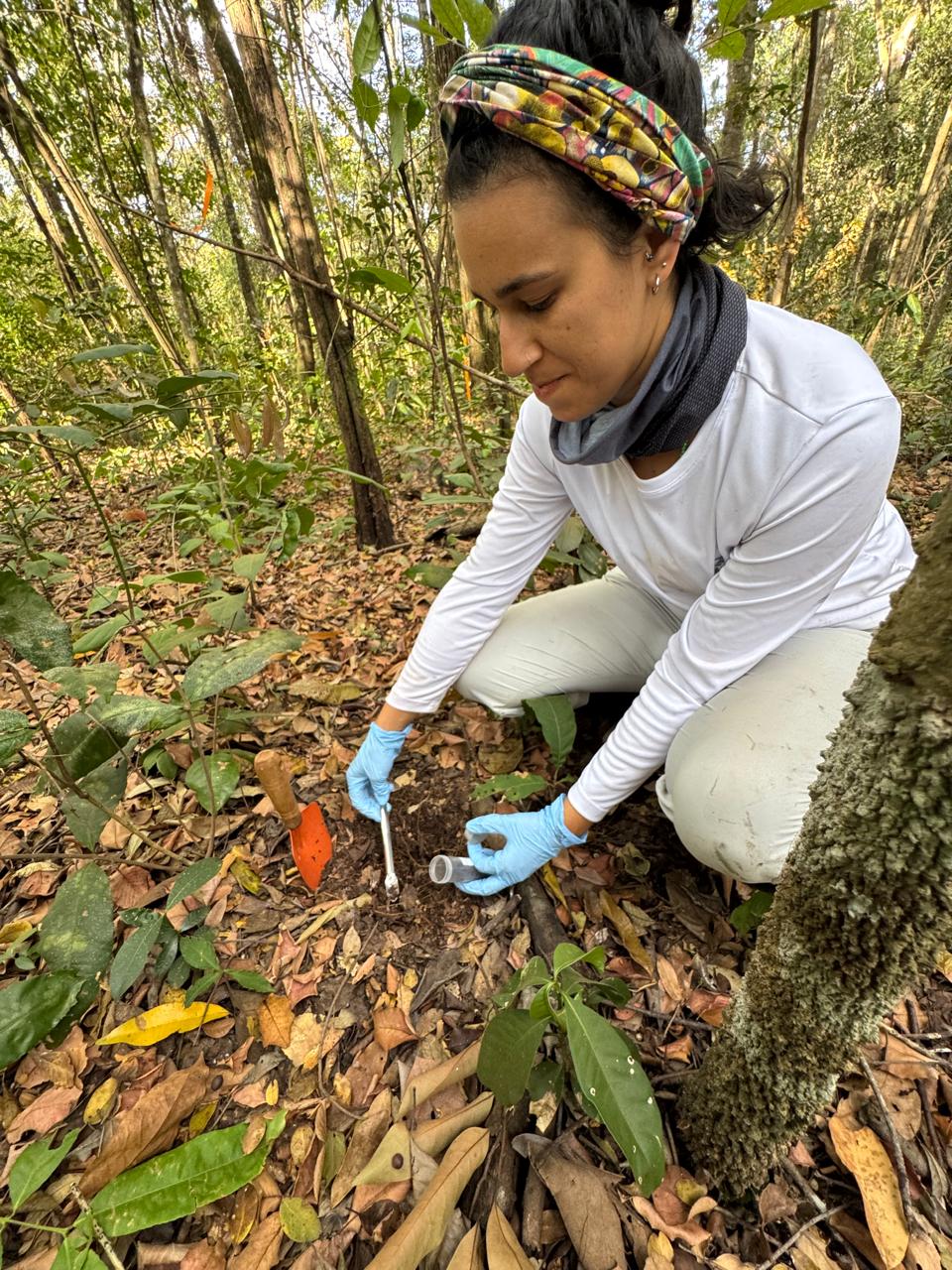
Samia Gomes-da-Silva
project abstract
Our project evaluates how megafauna exclusion alters arbuscular mycorrhizal fungi (AMF) communities and their associated ecological processes in Neotropical savannas. Given that the Cerrado is a global biodiversity hotspot crucial for carbon and water regulation, large-scale wildlife decline risks disrupting key AMF-driven functions, including nutrient cycling and plant resilience. By linking wildlife conservation directly to soil biodiversity, this research demonstrates how animal loss triggers cascading effects beneath the surface. Ultimately, this study positions megafauna as an effective umbrella group for conservation policies. It highlights that protecting large herbivores is essential not only for aboveground dynamics but also for safeguarding the hidden microbial processes that sustain ecosystem services and soil health.
Global/Climate/Anthropogenic disturbance
I am a biologist, Laboratory Manager at the University of Brasilia (Brazil) and Ph.D. Candidate in Microbial Biology with an M.Sc. in Ecosystem Ecology. My research focuses on uncovering the vast potential and diversity of microbial communities—specifically arbuscular mycorrhizal fungi (AMF), yeasts, and bacteria—and their interactions, aiming to bioprospect functional traits for sustainable agriculture and waste degradation. Bridging laboratory science with social impact, my work uniquely integrates these biological investigations with active components of climate education and science communication, focusing particularly on the inclusion and empowerment of girls and women in STEM.
Our project evaluates how megafauna exclusion alters arbuscular mycorrhizal fungi (AMF) communities and their associated ecological processes in Neotropical savannas. Given that the Cerrado is a global biodiversity hotspot crucial for carbon and water regulation, large-scale wildlife decline risks disrupting key AMF-driven functions, including nutrient cycling and plant resilience. By linking wildlife conservation directly to soil biodiversity, this research demonstrates how animal loss triggers cascading effects beneath the surface. Ultimately, this study positions megafauna as an effective umbrella group for conservation policies. It highlights that protecting large herbivores is essential not only for aboveground dynamics but also for safeguarding the hidden microbial processes that sustain ecosystem services and soil health.
roberto-garibay
17.401
-98.376
Effects of "Sembrando Vida" agroecological governmental program on mycorrhizal networks

Roberto Garibay
project abstract
This project builds upon the "Atlas of Soil Biodiversity in Mexico," a project carried out between 2023 and 2025. One of its main outcomes was raising awareness among various sectors of the Mexican government about the importance of conserving soil biodiversity and its ecosystem services. Now, the Federal Ministry of Welfare has approached us to evaluate the impact of the "Sembrando Vida" agroecological food production program on soil biodiversity. Together with them, we selected and sampled the soil of 50 plots in 2025. Now we will sequence the samples and conduct field interviews with farmers to assess the management practices that have been carried out in them. The main contribution of this project will be to provide decision-makers with information on the strengths and weaknesses of the "Sembrando Vida" program in conserving soil biodiversity and promoting sustainable food production in areas of high poverty.
Agriculture
President of the Mexican Society of Mycology in the period 2016-2018. He is currently a principal researcher at the Institute of Biology of UNAM. He has published 106 refereed scientific articles, of these 94 in indexed journals. He has directed 7 doctoral theses, 9 master's theses and 8 completed bachelor's theses. He is currently responsible for the projects: "Functional Genomics of wild edible and medicinal fungi " and "Atlas of soil biodiversity in Mexico".He conducts interdisciplinary research on ectomycorrhizal fungi. This includes ecology, taxonomy and systematics, ethnomycology, genomics, and biotechnology. In doing so, a solid knowledge base is provided for the sustainable, safe and informed harvest of wild mushrooms. This includes the sustainable production of edible mushrooms and the use of ectomycorrhizal fungi in the reforestation and restoration of forest ecosystems to increase the forest area, soil retention, and the capture of water and atmospheric carbon.
This project builds upon the "Atlas of Soil Biodiversity in Mexico," a project carried out between 2023 and 2025. One of its main outcomes was raising awareness among various sectors of the Mexican government about the importance of conserving soil biodiversity and its ecosystem services. Now, the Federal Ministry of Welfare has approached us to evaluate the impact of the "Sembrando Vida" agroecological food production program on soil biodiversity. Together with them, we selected and sampled the soil of 50 plots in 2025. Now we will sequence the samples and conduct field interviews with farmers to assess the management practices that have been carried out in them. The main contribution of this project will be to provide decision-makers with information on the strengths and weaknesses of the "Sembrando Vida" program in conserving soil biodiversity and promoting sustainable food production in areas of high poverty.
UNAM
rgaribay@ib.unam.mx
https://www.researchgate.net/profile/Roberto_Garibay-Orijel
rapheal-wangalwa-37861
0.5
30.4167
Comparative assessment of mycorrhizal fungal diversity across forest and savanna ecosystems in western Uganda (FungiSAVE)
Rapheal Wangalwa
project abstract
Mycorrhizal fungi underpin terrestrial ecosystem functioning by mediating nutrient cycling, plant productivity, and carbon storage, yet their diversity and distribution across African biomes remain poorly resolved. Here, we investigate patterns of mycorrhizal fungal diversity across contrasting forest and savanna ecosystems in Western Uganda, represented by Kibale National Park and Queen Elizabeth National Park. Using environmental DNA metabarcoding, spatial analyses, and environmental characterization, we assess fungal community composition, distribution, and ecological drivers. By linking belowground biodiversity to vegetation, climate, soil, and land-use gradients, this study will provide critical insights into the ecological processes shaping tropical fungal communities and inform biodiversity conservation, ecosystem restoration, and climate-resilient landscape management in East Africa.
Tumwinekenneth, CC BY-SA 4.0 <https://creativecommons.org/licenses/by-sa/4.0>, via Wikimedia Commons
Underexplored ecoregions
Dr. Rapheal Wangalwa is a Senior Lecturer and Researcher in the Department of Biology at Mbarara University of Science and Technology (MUST), Uganda. His research focuses on biodiversity conservation, environmental genomics, One Health, microbial ecology, and geospatial applications in ecosystem monitoring. He has led and contributed to multidisciplinary projects on fungal diversity, environmental DNA (eDNA), climate change, and ecosystem health. Dr. Wangalwa is passionate about advancing conservation science through innovative research, capacity building, and collaborative partnerships that bridge academic knowledge, policy, and community-based environmental stewardship.
Mycorrhizal fungi underpin terrestrial ecosystem functioning by mediating nutrient cycling, plant productivity, and carbon storage, yet their diversity and distribution across African biomes remain poorly resolved. Here, we investigate patterns of mycorrhizal fungal diversity across contrasting forest and savanna ecosystems in Western Uganda, represented by Kibale National Park and Queen Elizabeth National Park. Using environmental DNA metabarcoding, spatial analyses, and environmental characterization, we assess fungal community composition, distribution, and ecological drivers. By linking belowground biodiversity to vegetation, climate, soil, and land-use gradients, this study will provide critical insights into the ecological processes shaping tropical fungal communities and inform biodiversity conservation, ecosystem restoration, and climate-resilient landscape management in East Africa.
Mbarara University of Science and Technology
wangarapha@must.ac.ug
http://must.ac.ug
raghad-mouhamad
33.3
44.4
Plant–Mycorrhizal Interactions and Belowground Diversity in Arid and Semi-Arid Ecosystems of Iraq
Raghad Mouhamad
project abstract
This project aims to establish the first baseline assessment of mycorrhizal fungal diversity across arid and semi-arid ecosystems of Iraq. Soil and fine-root samples will be collected from environmentally contrasting regions representing gradients of aridity, salinity, land use, and vegetation cover. DNA metabarcoding of ITS2 and SSU regions will be used to characterize fungal communities and identify environmental drivers shaping belowground biodiversity. The project will generate the first standardized dataset on Iraqi mycorrhizal fungi, contributing to global fungal biodiversity knowledge while addressing a major geographic gap in current datasets. Results will support soil conservation, ecosystem restoration, sustainable agriculture, and climate adaptation strategies in dryland environments. The project will also form the scientific foundation for the Iraq Mycorrhiza Atlas and strengthen local capacity in soil biodiversity research.
Global/Climate/Anthropogenic disturbance
I am an Assistant Professor and researcher at the Scientific Research Commission in Iraq. My research focuses on soil biodiversity, mycorrhizal fungi, sustainable agriculture, carbon dynamics, climate change adaptation, and ecosystem restoration in arid and semi-arid environments. I lead the Iraq Mycorrhiza Atlas initiative, which aims to document mycorrhizal diversity across Iraqi ecosystems. I have participated in the global SoilBON network for soil biodiversity monitoring and contributed to translating soil biodiversity research for children through an international science communication initiative. My publications address carbon sequestration, agricultural sustainability, ecosystem resilience, and biodiversity conservation. Through my research and outreach activities, I work to strengthen scientific knowledge, environmental awareness, and sustainable land management in Iraq and beyond.
This project aims to establish the first baseline assessment of mycorrhizal fungal diversity across arid and semi-arid ecosystems of Iraq. Soil and fine-root samples will be collected from environmentally contrasting regions representing gradients of aridity, salinity, land use, and vegetation cover. DNA metabarcoding of ITS2 and SSU regions will be used to characterize fungal communities and identify environmental drivers shaping belowground biodiversity. The project will generate the first standardized dataset on Iraqi mycorrhizal fungi, contributing to global fungal biodiversity knowledge while addressing a major geographic gap in current datasets. Results will support soil conservation, ecosystem restoration, sustainable agriculture, and climate adaptation strategies in dryland environments. The project will also form the scientific foundation for the Iraq Mycorrhiza Atlas and strengthen local capacity in soil biodiversity research.
Soil Fertility, Ministry of Science and Technology, Iraq
raghad1974@yahoo.com
petr-hedenec
1.391272
111.17315
Hidden Fungal Highways: Linking Mycorrhizal Biodiversity to Carbon Stabilization Along Environmental Gradients

Petr Hedenec
project abstract
Tropical peat forests in Mak Jintan and Ibok, Terengganu, harbor diverse belowground microbial communities, yet the ecological roles of ectomycorrhizal (ECM) fungi remain poorly understood. This study investigates the diversity, community composition, and functional significance of ECM fungi along a riverbank-to-inland moisture and vegetation gradient. We hypothesize that ECM fungal diversity increases inland, that community composition shifts across the gradient, and that greater ECM diversity promotes the accumulation of stable carbon in mineral-associated organic matter (MAOM) rather than particulate organic matter (POM). Soil samples will be collected from five transect points at each site, generating 50 composite samples for analysis. ECM fungal communities will be characterized using ITS-region amplicon sequencing, while soil organic matter will be fractionated into POM and MAOM using sodium hexametaphosphate. Soil physicochemical properties will also be measured. The findings will enhance understanding of ECM fungal contributions to carbon stabilization and ecosystem functioning in tropical peat forests.
Mycorrhizal Function
Petr Heděnec is an Assistant Professor at the Universiti Malaysia Terengganu, where he has been based since 2021. He earned his Ph.D. in Ecology (Microbial Ecology) from Charles University and completed postdoctoral research at the Chinese Academy of Sciences, University of Neuchâtel, University of Copenhagen, and Lund University through prestigious international fellowships. His research focuses on plant–soil interactions, soil microbiomes, carbon and nitrogen cycling, gut microbiome diversity, and the role of microbes in plant health. Petr has extensive expertise in microbial ecology techniques, including amplicon sequencing, PLFA analysis, cultivation-based methods, bioinformatics, statistical analysis in R, and meta-analysis. His current work explores soil microbiome diversity and its roles in biogeochemical cycling, bioremediation, and sustainable eco-agronomy in tropical ecosystems.
Tropical peat forests in Mak Jintan and Ibok, Terengganu, harbor diverse belowground microbial communities, yet the ecological roles of ectomycorrhizal (ECM) fungi remain poorly understood. This study investigates the diversity, community composition, and functional significance of ECM fungi along a riverbank-to-inland moisture and vegetation gradient. We hypothesize that ECM fungal diversity increases inland, that community composition shifts across the gradient, and that greater ECM diversity promotes the accumulation of stable carbon in mineral-associated organic matter (MAOM) rather than particulate organic matter (POM). Soil samples will be collected from five transect points at each site, generating 50 composite samples for analysis. ECM fungal communities will be characterized using ITS-region amplicon sequencing, while soil organic matter will be fractionated into POM and MAOM using sodium hexametaphosphate. Soil physicochemical properties will also be measured. The findings will enhance understanding of ECM fungal contributions to carbon stabilization and ecosystem functioning in tropical peat forests.
oguzhan-kaygusuz
38.2899
30.1135
Diversity, Distribution, and Conservation Status of Mycorrhizal Fungi Associated with Globally Threatened Trees in the Lakes Region, Türkiye
Oğuzhan KAYGUSUZ
project abstract
This project aims to investigate, for the first time using molecular methods, the diversity of ectomycorrhizal (ECM) and vesicular-arbuscular mycorrhizal (VAM) fungi associated with five globally threatened tree species in the Lakes Region of Türkiye. A total of 40 soil and 40 fungal samples will be collected from 26 protected areas, and molecular analyses will employ eDNA metabarcoding targeting the 18S SSU rRNA and ITS2 regions, in conjunction with Sanger sequencing. The project will test the hypothesis that mycorrhizal fungi face an extinction risk parallel to the threat status of their host trees. Furthermore, it will directly contribute to conservation strategies through the assessment of mycorrhizal fungal conservation status, discovery of novel species, and implementation of field-based training and awareness activities for local communities. The project outcomes are expected to enhance global awareness regarding the protection of mycorrhizal fungi.
Mycorrhizal Function
I am a researcher specializing in mycology, molecular phylogeny, and taxonomy. My research focuses on the diversity, phylogenetic relationships, and ecological roles of macrofungi. I particularly investigate using molecular techniques alongside traditional taxonomic methods. I have extensive experience in fieldwork, laboratory analyses, and bioinformatic data processing. My work contributes to the identification of new, noteworthy, and threatened species and the development of ecosystem conservation strategies.
This project aims to investigate, for the first time using molecular methods, the diversity of ectomycorrhizal (ECM) and vesicular-arbuscular mycorrhizal (VAM) fungi associated with five globally threatened tree species in the Lakes Region of Türkiye. A total of 40 soil and 40 fungal samples will be collected from 26 protected areas, and molecular analyses will employ eDNA metabarcoding targeting the 18S SSU rRNA and ITS2 regions, in conjunction with Sanger sequencing. The project will test the hypothesis that mycorrhizal fungi face an extinction risk parallel to the threat status of their host trees. Furthermore, it will directly contribute to conservation strategies through the assessment of mycorrhizal fungal conservation status, discovery of novel species, and implementation of field-based training and awareness activities for local communities. The project outcomes are expected to enhance global awareness regarding the protection of mycorrhizal fungi.
nilam-fadmaulidha-wulandari
-8.326742
116.401062
Hidden Fungal Diversity and Mycorrhizal Function in Underexplored Tropical Forests of Lombok Island, Indonesia
![Nilam Fadmaulidha Wulandari]()
Nilam Fadmaulidha Wulandari
Scientific Researcher
muhammad-asif
29.395
71.675
Mapping Belowground Fungal Diversity and Mycorrhizal Networks in the Indus Valley Desert Ecosystem of Pakistan

Muhammad Asif
project abstract
The Indus Valley Desert ecosystem of Pakistan is a poorly explored region for belowground fungal diversity. It features sandy plains, stabilized dunes, low rainfall, and extreme environmental conditions. The area supports drought-adapted shrubs, grasses, and sparse vegetation that likely depend on mycorrhizal associations for nutrient uptake, soil stabilization, and survival under water stress. Study sites include the Cholistan Desert and surrounding arid regions of Southern Punjab, including Bahawalpur, Bahawalnagar, Rahim Yar Khan, and Lal Suhanra National Park. These habitats offer strong ecological gradients in vegetation, soil, and moisture, making them suitable for studying fungal community patterns. Soil and root samples will be collected using standardized protocols to assess fungal diversity. ITS sequencing will be used for identification, with SSU and LSU markers when necessary. Illumina sequencing will assess diversity, community composition, and ecological networks, revealing environmental drivers of plant–fungal interactions and supporting conservation of desert fungal biodiversity.
Underexplored ecoregions
Dr. Muhammad Asif is a mycologist and fungal biodiversity researcher from Pakistan. He completed his PhD at Quaid-i-Azam University, Islamabad, Pakistan, where he specialized in fungal taxonomy, molecular systematics, fungal ecology, and phylogenetics. His research focuses on documenting fungal diversity in understudied ecosystems (especially Southern Punjab, Pakistan) and understanding the ecological roles of fungi in natural environments. He has described numerous fungal species new to science and has published extensively on the taxonomy, diversity, and distribution of macrofungi. His work combines field exploration, morphological studies, DNA-based identification, and multigene phylogenetic analyses to advance knowledge of fungal biodiversity. Dr. Asif is particularly interested in the conservation of fungal diversity and the ecological processes that shape fungal communities across different ecosystems. Through his research, he aims to deepen understanding of fungi and their role in maintaining healthy, resilient ecosystems.
The Indus Valley Desert ecosystem of Pakistan is a poorly explored region for belowground fungal diversity. It features sandy plains, stabilized dunes, low rainfall, and extreme environmental conditions. The area supports drought-adapted shrubs, grasses, and sparse vegetation that likely depend on mycorrhizal associations for nutrient uptake, soil stabilization, and survival under water stress. Study sites include the Cholistan Desert and surrounding arid regions of Southern Punjab, including Bahawalpur, Bahawalnagar, Rahim Yar Khan, and Lal Suhanra National Park. These habitats offer strong ecological gradients in vegetation, soil, and moisture, making them suitable for studying fungal community patterns. Soil and root samples will be collected using standardized protocols to assess fungal diversity. ITS sequencing will be used for identification, with SSU and LSU markers when necessary. Illumina sequencing will assess diversity, community composition, and ecological networks, revealing environmental drivers of plant–fungal interactions and supporting conservation of desert fungal biodiversity.
Quaid-i-Azam University, Islamabad
m.asif@bs.qau.edu.pk
moldir-zhumagulova
43.0764
76.9967
Exploring Mycorrhizal Communities of Picea schrenkiana Forests in Central Asian Mountains
Moldir Zhumagulova
project abstract
This project will explore the mycorrhizal communities of native Picea schrenkiana forests in the Tian Shan mountains of Kazakhstan. These mountain forests occur mainly in Ile-Alatau and Zhongar Alatau National Parks and represent an underexplored ecosystem with almost no published information on belowground fungal diversity. The project will collect approximately 50 soil and root samples along an elevation gradient across 10–15 sites. Ectomycorrhizal communities will be studied through root-tip morphotyping, ITS2 metabarcoding, and Sanger sequencing, while arbuscular mycorrhizal fungi associated with ground vegetation will also be assessed. The study aims to identify unique and potentially endemic mycorrhizal taxa, improve understanding of forest soil biodiversity, and support conservation awareness for Kazakhstan's mountain forest ecosystems.
Underexplored ecoregions
Moldir Zhumagulova holds a Ph.D. in Soil Science and Agrochemistry and is a researcher at the Department of Soil Fertility and Biology at the U.U. Uspanov Kazakh Research Institute of Soil Science and Agrochemistry in Almaty, Kazakhstan. Her research focuses on soil fertility, nutrient transformation, sustainable agricultural technologies, and the preservation and restoration of soil functions under climatic and anthropogenic stress. She is the Principal Investigator for Kazakhstan in the Horizon Europe project “Eurasian Network for Collaborative Research on Tree-Root-Mycorrhizal-Pathogen Interactions in Forest Soils”.
This project will explore the mycorrhizal communities of native Picea schrenkiana forests in the Tian Shan mountains of Kazakhstan. These mountain forests occur mainly in Ile-Alatau and Zhongar Alatau National Parks and represent an underexplored ecosystem with almost no published information on belowground fungal diversity. The project will collect approximately 50 soil and root samples along an elevation gradient across 10–15 sites. Ectomycorrhizal communities will be studied through root-tip morphotyping, ITS2 metabarcoding, and Sanger sequencing, while arbuscular mycorrhizal fungi associated with ground vegetation will also be assessed. The study aims to identify unique and potentially endemic mycorrhizal taxa, improve understanding of forest soil biodiversity, and support conservation awareness for Kazakhstan's mountain forest ecosystems.
matias-alberto-gonzalez
-24.2002
-66.4029
Arbuscular Mycorrhizal Fungi in Extreme and Contaminated High-Andean Mining Landscapes: Diversity, Plant Associations and Implications for Ecosystem Restoration.
Matias Alberto Gonzalez
project abstract
Our project will investigate arbuscular mycorrhizal fungal (AMF) communities associated with native plants in mining-impacted environments of the Andean Puna of northwestern Argentina, focusing on the La Concordia mine near San Antonio de los Cobres, Salta. We hypothesize that AMF diversity and community composition vary along gradients of metal contamination and environmental stress, with mining-impacted sites favoring stress-tolerant taxa and specific plant-fungus associations that enhance plant establishment and survival. By characterizing these belowground communities, the project will generate information on AMF diversity, composition, and plant-fungus associations in mine tailings of the Andean Puna. The results will advance understanding of mycorrhizal symbioses under extreme environmental conditions and identify native plant-fungus associations with potential for nature-based restoration and revegetation. Ultimately, this knowledge may contribute to strategies for soil stabilization, reduced contaminant mobilization, and improved protection of soil and water resources in mining-impacted landscapes.
R. MARIO, CC BY-SA 4.0 <https://creativecommons.org/licenses/by-sa/4.0>, via Wikimedia Commons
Restoration
Postdoc
I am Dr. Matias Alberto Gonzalez, an Agricultural Engineer from Argentina and a Teaching Assistant Professor (Jefe de Trabajos Prácticos) at the Faculty of Agricultural and Forestry Sciences, National University of La Plata (FCAyF-UNLP). I am also a postdoctoral fellow at the National Scientific and Technical Research Council (CONICET) and work at the Institute of Plant Physiology (INFIVE-CONICET-UNLP), within Dr. Marcela Ruscitti's research group and in collaboration with Dr. Josefina Plaza Cazón. My research focuses on beneficial plant-microbe interactions, particularly mycorrhizal fungi and associated microorganisms, and their potential to improve plant performance and resilience under abiotic stresses, including heavy metal exposure and suboptimal pH conditions. Our group has pursued research in this field for more than 20 years, from the bioprospecting and characterization of beneficial microorganisms to their production, formulation, and application in plant systems of agricultural interest, addressing both biotic and abiotic stresses.
Our project will investigate arbuscular mycorrhizal fungal (AMF) communities associated with native plants in mining-impacted environments of the Andean Puna of northwestern Argentina, focusing on the La Concordia mine near San Antonio de los Cobres, Salta. We hypothesize that AMF diversity and community composition vary along gradients of metal contamination and environmental stress, with mining-impacted sites favoring stress-tolerant taxa and specific plant-fungus associations that enhance plant establishment and survival. By characterizing these belowground communities, the project will generate information on AMF diversity, composition, and plant-fungus associations in mine tailings of the Andean Puna. The results will advance understanding of mycorrhizal symbioses under extreme environmental conditions and identify native plant-fungus associations with potential for nature-based restoration and revegetation. Ultimately, this knowledge may contribute to strategies for soil stabilization, reduced contaminant mobilization, and improved protection of soil and water resources in mining-impacted landscapes.
maria-victoria-vignale
-25.6961
-54.4541
Mycorrhizal communities associated with ferns as indicators of successional gradients and ecological maturity in subtropical forest environments.
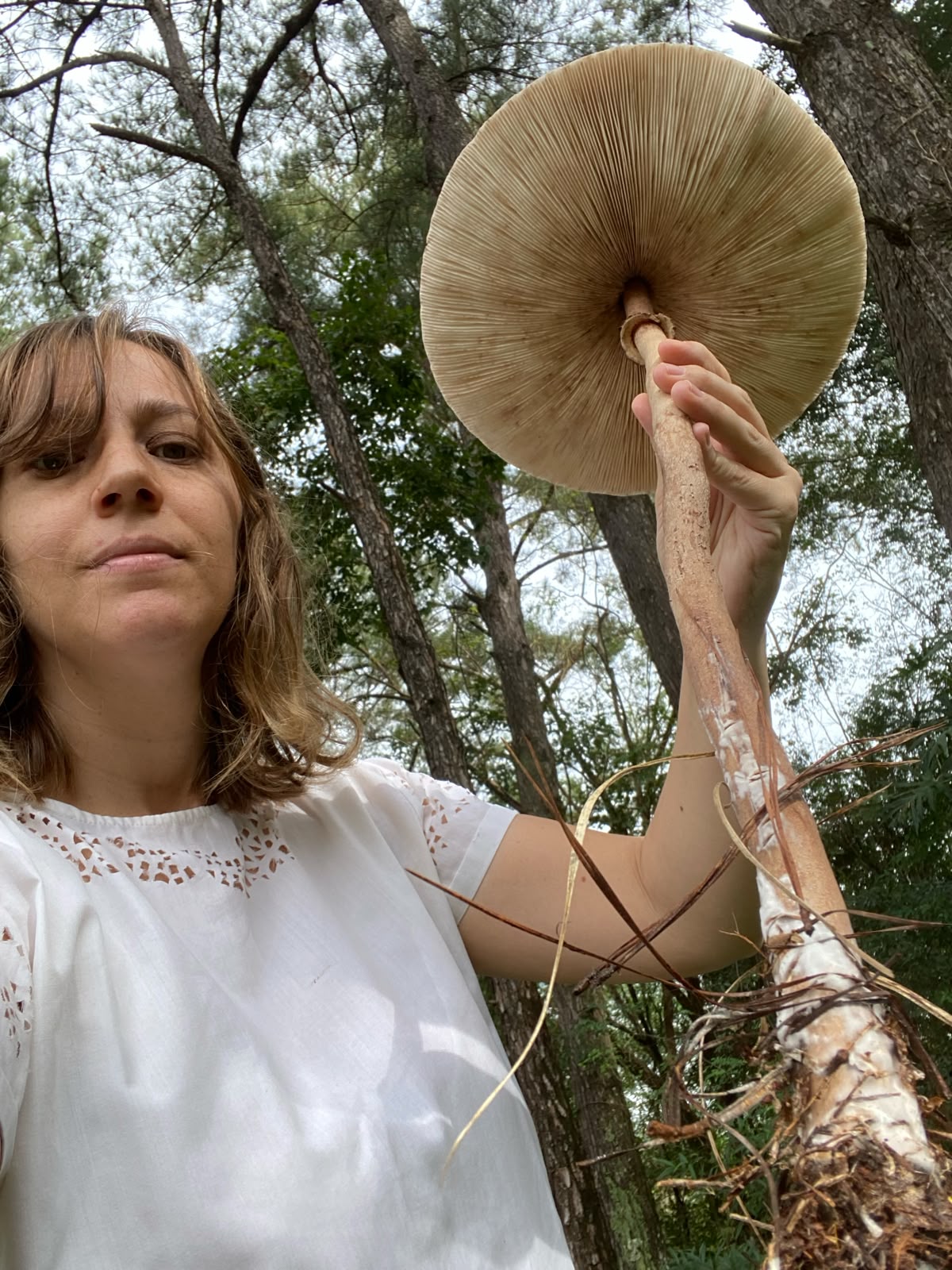
Maria Victoria Vignale
project abstract
The province of Misiones, northeastern Argentina, contains a unique gradient where the Paranaense Forest transitions into the Campos District, offering an exceptional setting to study biodiversity across contrasting subtropical ecosystems affected by different levels of disturbance.This project will explore how AMF communities associated with ferns vary along successional gradients and whether they can serve as indicators of ecosystem maturity and degradation.By integrating molecular, ecological, and environmental data, the project will characterize belowground biodiversity and identify relationships between AMF communities, vegetation, and habitat condition. The results will contribute to the development of fungal-based indicators for ecosystem monitoring and restoration, while improving our understanding of native mycorrhizal diversity in one of South America's biodiversity hotspots. The project also includes outreach activities to promote conservation awareness and strengthen connections between scientific research and local knowledge.
Mycorrhizal Function
I am an early-career researcher specializing in fungal ecology and plant–microbe interactions, with a focus on arbuscular mycorrhizal fungi, fungal endophytes, and their roles in plant performance and soil functioning. I also study wood-inhabiting Agaricomycetes in the Argentine Atlantic Forest, focusing on community composition and their role in natural and forested ecosystems. My research integrates molecular, morphological, and ecological approaches to understand symbiotic and decomposer fungal networks in diverse environments.
The province of Misiones, northeastern Argentina, contains a unique gradient where the Paranaense Forest transitions into the Campos District, offering an exceptional setting to study biodiversity across contrasting subtropical ecosystems affected by different levels of disturbance.This project will explore how AMF communities associated with ferns vary along successional gradients and whether they can serve as indicators of ecosystem maturity and degradation.By integrating molecular, ecological, and environmental data, the project will characterize belowground biodiversity and identify relationships between AMF communities, vegetation, and habitat condition. The results will contribute to the development of fungal-based indicators for ecosystem monitoring and restoration, while improving our understanding of native mycorrhizal diversity in one of South America's biodiversity hotspots. The project also includes outreach activities to promote conservation awareness and strengthen connections between scientific research and local knowledge.
Universidad Nacional de Misiones - InBioMis e Instituto Misionero de Biodiversidad
vickyvignale@gmail.com
mareli-sanchez-julia
0.37492
-79.66543
The underground path to forest recovery: linking plant and soil composition in recovering forests of the Ecuadorian Chocó
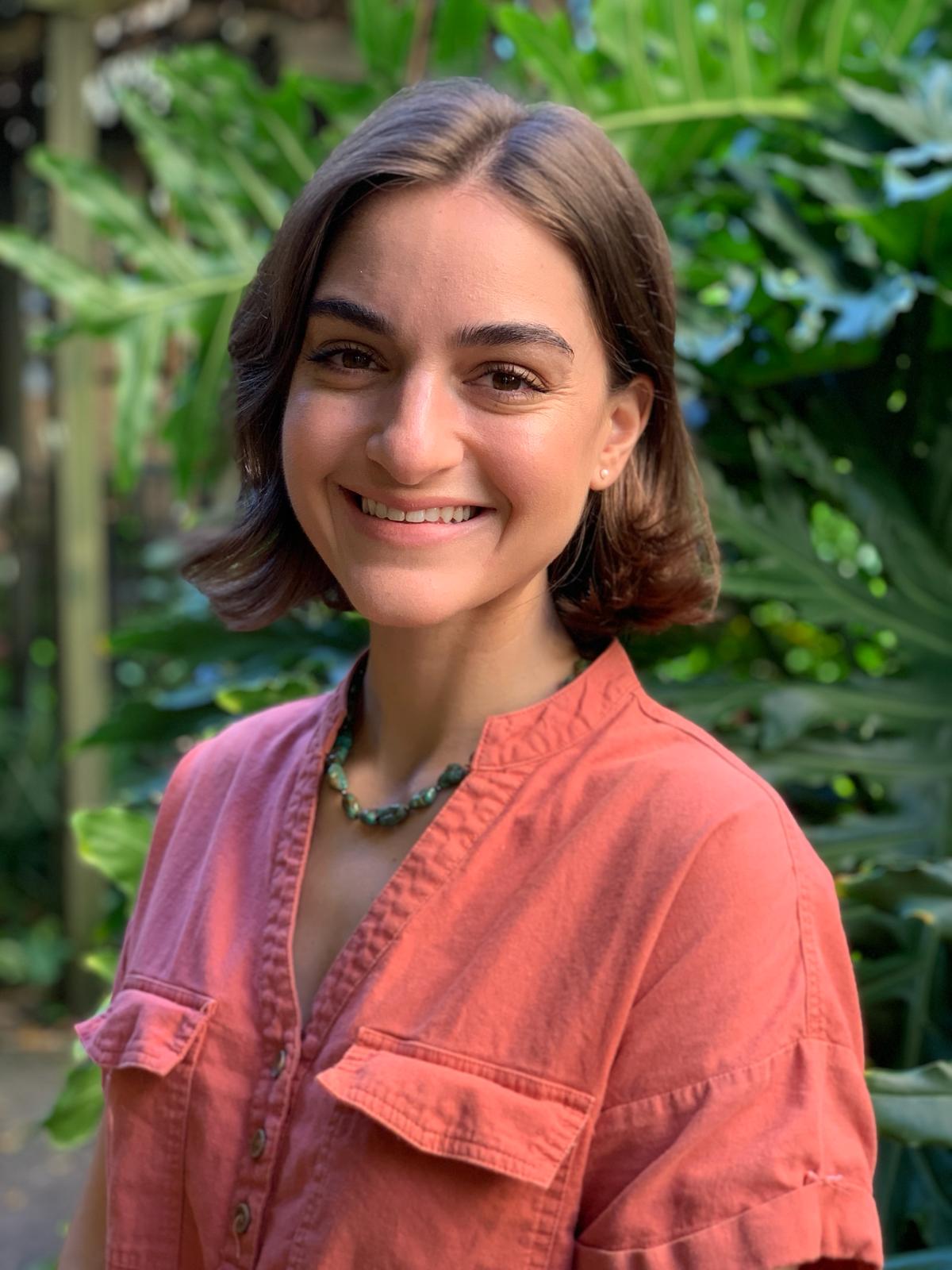
Mareli Sanchez Julia
project abstract
Situated within the Darién-Chocó Ecoregion, the moist tropical forests of northwestern Ecuador are a global biodiversity hotspot. Yet much of this biodiversity remains undescribed, particularly soil fungi that play critical roles in nutrient cycling, carbon storage, and soil stability. With over 90% of primary forest lost to deforestation, uncovering fungal diversity and understanding how management practices facilitate forest recovery are key research priorities. Our project will 1) quantify fungal diversity across intact forest and degraded pasture to understand how arbuscular mycorrhizal-, ectomycorrhizal-, and general soil fungal community composition shifts with land use, and 2) test how reforestation practices (tree island density and species richness) influences the recovery of fungal communities. Our study will increase insight into how restoration design impacts the linkages between above- and belowground recovery trajectories, and will track fungal composition from experimentally planted islands, to naturally regenerating pastures, to old-growth forests.
Restoration
My research centers on understanding how plant-mycorrhizal associations influence forest function, composition and regeneration. Working in moist tropical and temperate forests, I am interested in understanding what governs the assembly and persistence of arbuscular- and ectomycorrhizal-fungal communities, how tree-mycorrhizal interactions impact soil carbon and nutrient cycles, and the roles of mycorrhizal fungi in forest regeneration. I am also fascinated by plant roots and the many strategies they use to gather soil resources, sustain soil microbial communities, and defend themselves.
Situated within the Darién-Chocó Ecoregion, the moist tropical forests of northwestern Ecuador are a global biodiversity hotspot. Yet much of this biodiversity remains undescribed, particularly soil fungi that play critical roles in nutrient cycling, carbon storage, and soil stability. With over 90% of primary forest lost to deforestation, uncovering fungal diversity and understanding how management practices facilitate forest recovery are key research priorities. Our project will 1) quantify fungal diversity across intact forest and degraded pasture to understand how arbuscular mycorrhizal-, ectomycorrhizal-, and general soil fungal community composition shifts with land use, and 2) test how reforestation practices (tree island density and species richness) influences the recovery of fungal communities. Our study will increase insight into how restoration design impacts the linkages between above- and belowground recovery trajectories, and will track fungal composition from experimentally planted islands, to naturally regenerating pastures, to old-growth forests.
manju-gupta
28.9931
77.0151
Climate and Land-Use Drivers of Arbuscular Mycorrhizal Fungal Diversity in the Undersampled Indo-Gangetic Plains Agroecosystem

Manju Gupta
project abstract
The Indo-Gangetic Plains are among the world's most important agricultural regions yet remain a major gap in global knowledge of arbuscular mycorrhizal fungal diversity. This project will investigate the effects of irrigation intensity, soil salinity, and land-use on AMF communities across agricultural landscapes in Sonipat district, Haryana, India. Soil samples representing semi-natural vegetation, irrigated croplands, and stress-affected fields will be analyzed using high-throughput sequencing of the AMF SSU rRNA region amplified with WANDA/AML2 primers. Environmental variables, including soil physicochemical properties, will be integrated with microbial diversity data to identify key drivers of AMF community structure. Machine-learning approaches will be used to predict environmental conditions supporting beneficial microbial communities. The study will generate the first AMF baseline for the IGP and contribute critical data to global mycorrhizal biodiversity initiatives.
Global/Climate/Anthropogenic disturbance
Manju M. Gupta is Professor of Botany at the University of Delhi, India. Her research focuses on arbuscular mycorrhizal fungi, soil microbial ecology, biodiversity informatics, and microbiome bioinformatics. She currently serves as Vice President of the International Symbiosis Society. Google Scholar: https://scholar.google.co.in/citations?hl=en&user=sEwYCrMAAAAJ Abha Kumari is a Professor at Amity University, India. Her work focuses on microbial biotechnology, biofertilizers, environmental microbiology, and sustainable agricultural systems. Google Scholar: https://scholar.google.co.in/citations?user=D6JWbNEAAAAJ&hl=en&oi=ao César Marín is a Professor and mycorrhizal ecologist at Universidad Santo Tomás, Chile, and is also affiliated with Amsterdam, The Netherlands. His research integrates fungal ecology, conservation biology, and molecular tools to understand mycorrhizal symbioses and ecosystem functioning. Google Scholar: https://scholar.google.co.in/citations?user=wQ8ivPsAAAAJ&hl=en&oi=ao
The Indo-Gangetic Plains are among the world's most important agricultural regions yet remain a major gap in global knowledge of arbuscular mycorrhizal fungal diversity. This project will investigate the effects of irrigation intensity, soil salinity, and land-use on AMF communities across agricultural landscapes in Sonipat district, Haryana, India. Soil samples representing semi-natural vegetation, irrigated croplands, and stress-affected fields will be analyzed using high-throughput sequencing of the AMF SSU rRNA region amplified with WANDA/AML2 primers. Environmental variables, including soil physicochemical properties, will be integrated with microbial diversity data to identify key drivers of AMF community structure. Machine-learning approaches will be used to predict environmental conditions supporting beneficial microbial communities. The study will generate the first AMF baseline for the IGP and contribute critical data to global mycorrhizal biodiversity initiatives.
luis-alberto-lara-perez
19.3087
-88.2475
Unveiling the hidden symbiosis: the unexplored ecological and evolutionary diversity of Glomeromycota in the dry and humid forests of the Yucatán Peninsula
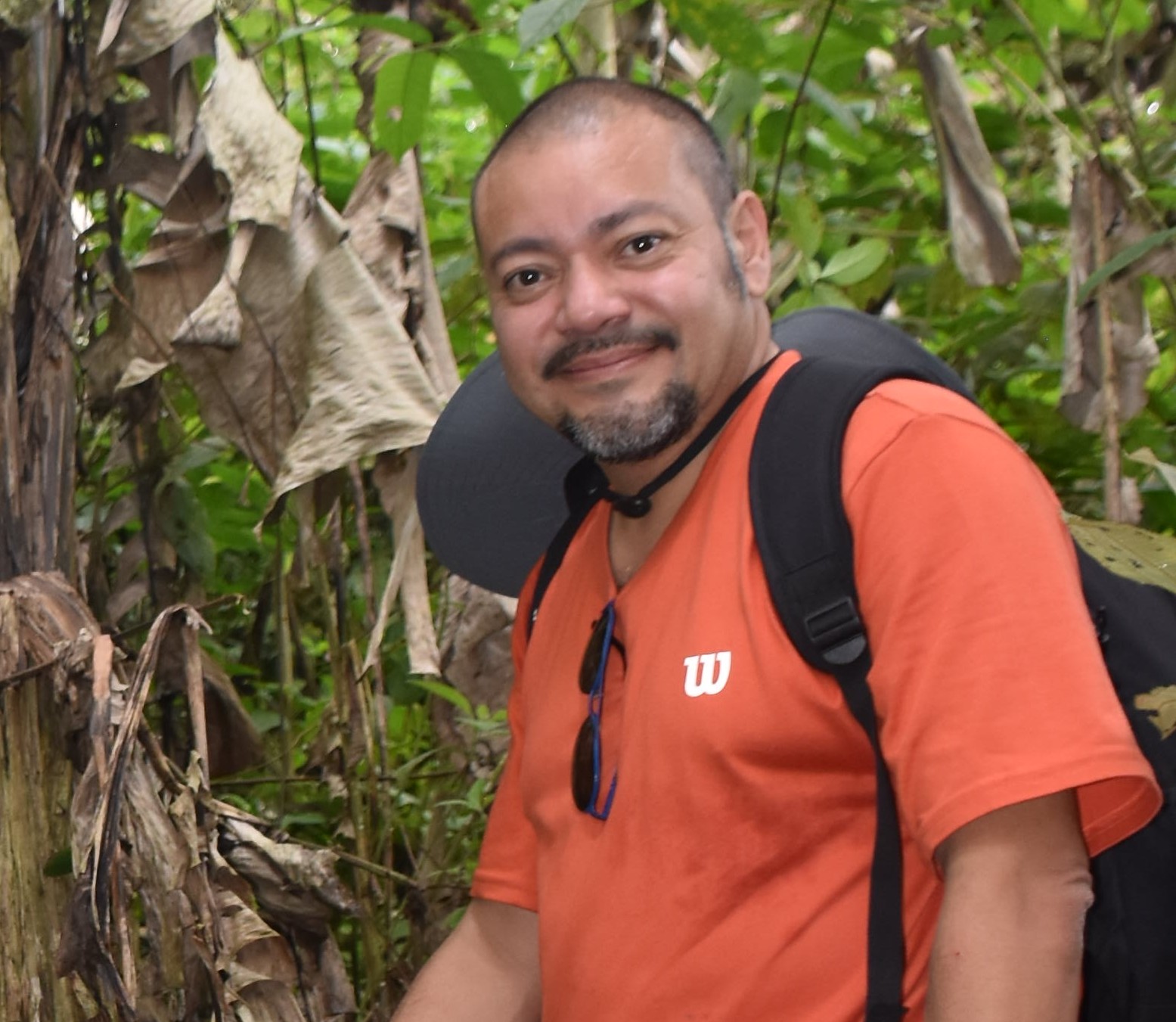
Luis Alberto Lara-Pérez
project abstract
Unveiling the Hidden Symbiosis: Exploring Glomeromycota Diversity in the Yucatán Peninsula. This project investigates the hidden diversity of arbuscular mycorrhizal fungi (Glomeromycota) in the dry and humid forests of Mexico's Yucatán Peninsula, a globally important yet underexplored ecoregion. Using high-throughput sequencing, we will map fungal communities across karstic landscapes and examine their ecological and evolutionary relationships with native vegetation. By revealing the underground networks that sustain biodiversity, nutrient cycling, and ecosystem resilience, the project will provide critical data for conservation, restoration, and sustainable land management, while contributing to SPUN's global effort to understand and protect Earth's mycorrhizal biodiversity.
My research focuses on the diversity and ecology of arbuscular mycorrhizal fungi (Glomeromycota) across natural ecosystems, agroecosystems, and tropical forests. Through an integrative approach combining taxonomy, molecular systematics, and environmental genomics, I investigate how belowground fungal networks shape plant adaptation, maintain biodiversity, and enhance ecosystem resilience.I am particularly interested in the role of soil microbiomes in driving plant performance, nutrient cycling, and ecological interactions across trophic levels, including their influence on herbivorous insects such as Lepidoptera.My work aims to uncover the hidden biological processes that sustain terrestrial ecosystems and to translate this knowledge into strategies for conservation, ecological restoration, and sustainable land management in tropical regions.
Unveiling the Hidden Symbiosis: Exploring Glomeromycota Diversity in the Yucatán Peninsula. This project investigates the hidden diversity of arbuscular mycorrhizal fungi (Glomeromycota) in the dry and humid forests of Mexico's Yucatán Peninsula, a globally important yet underexplored ecoregion. Using high-throughput sequencing, we will map fungal communities across karstic landscapes and examine their ecological and evolutionary relationships with native vegetation. By revealing the underground networks that sustain biodiversity, nutrient cycling, and ecosystem resilience, the project will provide critical data for conservation, restoration, and sustainable land management, while contributing to SPUN's global effort to understand and protect Earth's mycorrhizal biodiversity.
laura-nwogu-chigozie
4.662
7.285
Metagenomics of Arbuscular Mycorrhizal Fungal (AMF) Diversity across the Niger Delta Swamp Forest of Nigeria

Laura Nwogu-Chigozie
project abstract
Arbuscular mycorrhizal fungi (AMF) are key soil microorganisms that enhance nutrient uptake, soil structure, and plant resilience, yet their diversity in Niger Delta swamp forest ecosystems remains poorly characterized. This study investigates the metagenomic diversity of AMF communities across the Niger Delta swamp forests of Nigeria. 35 soil samples will be collected from diverse swamp forest sites, to capture spatial and pollution-related variation. DNA extraction will be followed by PCR amplification and high-throughput sequencing at a SPUN-affiliated facility, targeting the 18S rRNA gene and ITS regions to assess AMF community composition, richness, and distribution in relation to soil physicochemical properties and oil pollution gradients. This approach will bypass culturing limitations to capture uncultured and rare AMF taxa, providing insights into ecosystem function and resilience. Findings are expected to identify native AMF taxa with bioremediation and plant-growth-promoting potential, supporting sustainable agriculture and land restoration in oil-impacted Niger Delta soils.
Kingsley Opurum, CC BY-SA 4.0 <https://creativecommons.org/licenses/by-sa/4.0>, via Wikimedia Commons
Underexplored ecoregions
Laura Nwogu-Chigozie is a PhD student of Environmental Microbiology at the University of Port Harcourt, Rivers State, Nigeria. An indigene of Abia State, she is passionate about research and innovation, with a focus on developing practical, science-driven solutions that improve lives in her community while advancing the Sustainable Development Goals. Her research centers on the bioremediation of oil-polluted soils, integrating metagenomics and metabolomics to understand microbial functions and ecosystem recovery. She is particularly eager to expand her work on the metagenomics of arbuscular mycorrhizal fungal diversity across the Niger Delta swamp forest of Nigeria, exploring their role in enhancing soil health, crop productivity, and food security. Laura is committed to environmental protection and sustainable development, and she is eager to join UEP 2026 to collaborate on projects that deliver real, lasting impact.
Arbuscular mycorrhizal fungi (AMF) are key soil microorganisms that enhance nutrient uptake, soil structure, and plant resilience, yet their diversity in Niger Delta swamp forest ecosystems remains poorly characterized. This study investigates the metagenomic diversity of AMF communities across the Niger Delta swamp forests of Nigeria. 35 soil samples will be collected from diverse swamp forest sites, to capture spatial and pollution-related variation. DNA extraction will be followed by PCR amplification and high-throughput sequencing at a SPUN-affiliated facility, targeting the 18S rRNA gene and ITS regions to assess AMF community composition, richness, and distribution in relation to soil physicochemical properties and oil pollution gradients. This approach will bypass culturing limitations to capture uncultured and rare AMF taxa, providing insights into ecosystem function and resilience. Findings are expected to identify native AMF taxa with bioremediation and plant-growth-promoting potential, supporting sustainable agriculture and land restoration in oil-impacted Niger Delta soils.
University of Portharcourt Nigeria
laura.nwoguchigozie@gmail.com
kevin-mganga
1.375925
38.009659
Mycorrhizal fungal communities in a restored semi-arid African rangeland

Kevin Mganga
project abstract
In Africa, arid and semi-arid rangelands cover roughly half of the continent's landmass and are largely dominated by native perennial grasses. African rangelands support unique biodiversity and play important ecological roles by providing essential ecosystem services e.g. nutrient cycling, C-sequestration and climate regulation. However, these rangelands are also fragile and undergoing accelerated land degradation. Thus, there is an urgent need to halt degradation and restore denuded African rangelands. Seed-based ecological restoration using native drought tolerant perennial grasses has shown great potential in restoring degraded African rangelands. However, few studies have assessed responses of mycorrhizal fungi to field based restoration practices, especially in African dry environments. Thus this study aims to determine the responses of mycorrhizal fungi to seed-based ecological restoration using different drought tolerant perennial grasses native to Africa, and assess the potential of using mycorrhizal fungi as a nature-based solution for ecological restoration in African rangelands.
Underexplored ecoregions
My academic and research background is at the ‘ecotone’ of rangelands ecology and soil science. I integrate basic and applied research that encompasses aspects of plant-soil interactions, soil C cycle and sequestration, land use change, sustainable land management, ecological restoration and rehabilitation in agricultural and natural ecosystems.I am an interdisciplinary researcher interested in assessing the potential of combining sustainable land management practices e.g. in-situ rainwater harvesting and seed-based ecological restoration using perennial grasses native to African dry rangelands to address global environmental challenges e.g. land degradation, desertification, climate change and biodiversity loss.
In Africa, arid and semi-arid rangelands cover roughly half of the continent's landmass and are largely dominated by native perennial grasses. African rangelands support unique biodiversity and play important ecological roles by providing essential ecosystem services e.g. nutrient cycling, C-sequestration and climate regulation. However, these rangelands are also fragile and undergoing accelerated land degradation. Thus, there is an urgent need to halt degradation and restore denuded African rangelands. Seed-based ecological restoration using native drought tolerant perennial grasses has shown great potential in restoring degraded African rangelands. However, few studies have assessed responses of mycorrhizal fungi to field based restoration practices, especially in African dry environments. Thus this study aims to determine the responses of mycorrhizal fungi to seed-based ecological restoration using different drought tolerant perennial grasses native to Africa, and assess the potential of using mycorrhizal fungi as a nature-based solution for ecological restoration in African rangelands.
julieta-covelli
-34.305208
-60.046003
Diversity and connectivity of AMF communities across a gradient of agricultural intensification and chemical fertilization in Pampean agroecosystems
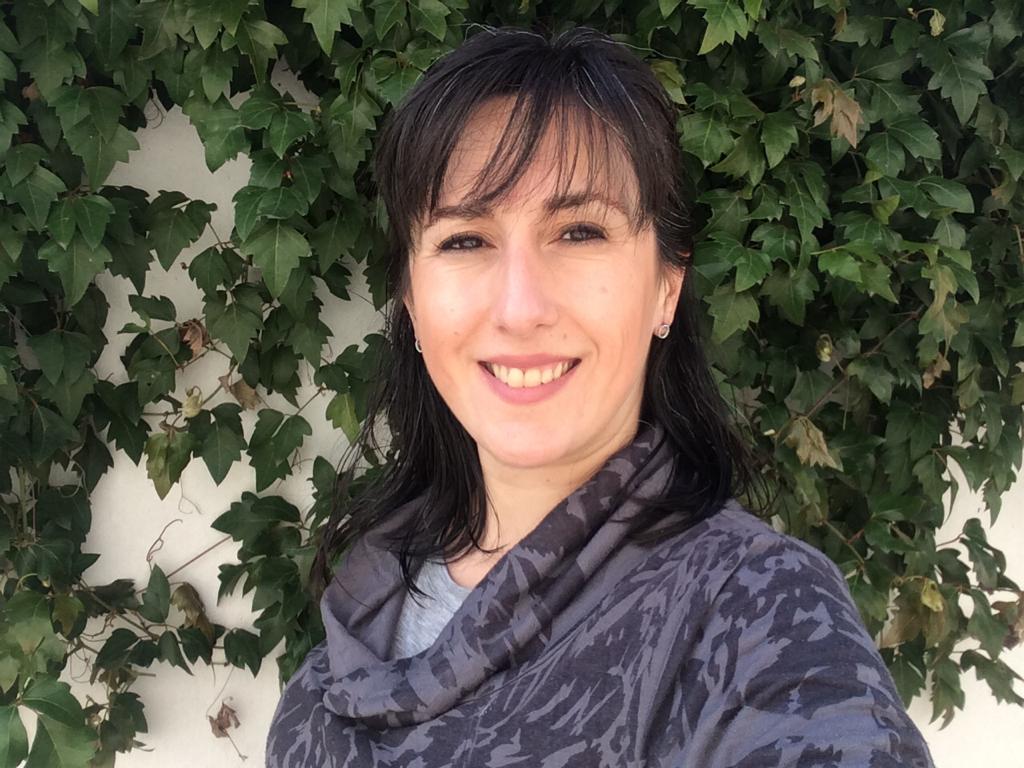
Julieta Covelli
project abstract
This project addresses a central conflict in modern agriculture: the impact of chemical fertilization and herbicides on biological interactions driving biofertility. In the Argentine Pampean region, we evaluate the cumulative effects of four years of anthropogenic pressure on arbuscular mycorrhizal fungi (AMF) networks. The experimental design contrasts three systems: soybean monoculture (negative control), pristine soil (positive control), and intensified rotation. Within the intensified system, four experimental strips assess the impact of fertilization (zero vs. supra-optimal urea) and weed management (chemical vs. mechanical roller). By analyzing these extreme contrasts, this study provides field evidence of how industrial practices alter real fungal connectivity. Integrating these results with long-term soil health indicators monitored since 2022 aims to validate "always-green" systems as drivers of organic nitrogen nutrition, supporting a transition toward biointegrated landscapes where fungal heritage conservation aligns with food security.
Restoration
Julieta Covelli holds a Bachelor’s degree in Biotechnology from the National University of Quilmes (UNQ) and a PhD from the Faculty of Exact Sciences at the National University of La Plata (UNLP). Currently, she serves as a researcher and professor at UNQ, where she specializes in soil biochemistry and microbiology, focusing on the microbiome, enzymatic activities, and the health of living soils. Her research evaluates the impact of crop rotation intensification and diversification on soil biological parameters. Her current work is oriented toward analyzing the diversity, architecture, and connectivity of arbuscular mycorrhizal fungi (AMF) networks under anthropogenic pressure and chemical fertilization in Pampean agroecosystems. Through these indicators, her goal is to provide a scientific foundation to drive regenerative management practices and support the transition toward sustainable, biointegrated agricultural systems.
This project addresses a central conflict in modern agriculture: the impact of chemical fertilization and herbicides on biological interactions driving biofertility. In the Argentine Pampean region, we evaluate the cumulative effects of four years of anthropogenic pressure on arbuscular mycorrhizal fungi (AMF) networks. The experimental design contrasts three systems: soybean monoculture (negative control), pristine soil (positive control), and intensified rotation. Within the intensified system, four experimental strips assess the impact of fertilization (zero vs. supra-optimal urea) and weed management (chemical vs. mechanical roller). By analyzing these extreme contrasts, this study provides field evidence of how industrial practices alter real fungal connectivity. Integrating these results with long-term soil health indicators monitored since 2022 aims to validate "always-green" systems as drivers of organic nitrogen nutrition, supporting a transition toward biointegrated landscapes where fungal heritage conservation aligns with food security.
juan-rosales-zambrano
1.7852
-76.032
New species of Lactarius and Lactifluus in threatened, endemic Trigonobalanus excelsa forests of Colombia
JUAN ROSALES-ZAMBRANO
project abstract
This project aims to describe new species of mycorrhizal fungi from the genera Lactarius and Lactifluus in black oak (Trigonobalanus excelsa) forests of Huila and Santander, Colombia. Through morphological analysis and multilocus sequencing, previously uncatalogued taxa will be mapped and identified in these relict and threatened ecosystems. The study's objectives align with forest propagation and conservation initiatives led by rural communities and universities, and therefore the research is being conducted in a participatory manner: members of peasant organizations, as well as other community actors, can participate in training sessions and the dissemination of results. The description of these new species is key to their protection, since formally naming them allows them to be included on red lists, facilitating their prioritization and enabling the design of more specific propagation trials for black oak by better understanding its mycorrhizal associations.
Agriculture
Soy biólogo oriundo de Charalá (Santander) graduado de la Universidad de Antioquia (2026), enfocado en el estudio de la funga en bosques de roble de los Andes colombianos. Cuento con certificaciones en criterios de la Lista Roja UICN para Hongos (2021 y 2025) y un diplomado en Monitoreo Comunitario Participativo de la UPTC. Soy miembro del grupo TEHO (Taxonomía y Ecología de Hongos) de la Universidad de Antioquia y asociado de Agrosolidaria-Charalá (asociación de base campesina), donde participé en la toma de datos biológicos (2021-2023) de monitoreo comunitario participativo de bosques por parte de comunidades rurales e IDEAM. He apoyado procesos educativos en la materia Biología de Hongos en la UIS. Tengo experiencia en biología molecular y herramientas bioinformáticas para análisis de secuencias. Actualmente lidero un proyecto financiado por SPUN que emplea secuenciación multiloci para describir nuevas especies de Lactarius y Lactifluus en bosques de roble negro de Colombia.
This project aims to describe new species of mycorrhizal fungi from the genera Lactarius and Lactifluus in black oak (Trigonobalanus excelsa) forests of Huila and Santander, Colombia. Through morphological analysis and multilocus sequencing, previously uncatalogued taxa will be mapped and identified in these relict and threatened ecosystems. The study's objectives align with forest propagation and conservation initiatives led by rural communities and universities, and therefore the research is being conducted in a participatory manner: members of peasant organizations, as well as other community actors, can participate in training sessions and the dissemination of results. The description of these new species is key to their protection, since formally naming them allows them to be included on red lists, facilitating their prioritization and enabling the design of more specific propagation trials for black oak by better understanding its mycorrhizal associations.
jhonathan-paul-gamboa-trujillo
0.1661
-78.8783
Mycorrhizal Fungal Diversity in the Piedmont Evergreen Forest of Northwestern Ecuador: A Metabarcoding Study in the Mashpi Reserve.
Jhonathan Paúl Gamboa Trujillo
project abstract
This research will evaluate the diversity and taxonomic composition of mycorrhizal fungal communities in the Piedmont Evergreen Forest of the Mashpi Reserve, a strategic ecosystem within the Chocó Andino biogeographic region. Despite the immense biological richness of this area, the underground fungal networks that sustain forest stability and carbon dynamics remain undocumented.By applying molecular biology and high-throughput sequencing (metabarcoding) techniques to soil and root samples, the study aims to generate the first standardized dataset for the reserve. At a local scale, the results will provide baseline information to support forest conservation and restoration strategies. Globally, this effort seeks to integrate the Chocó Andino region into global mycorrhizal biodiversity maps, filling a critical biogeographic gap.
New Species
Ecuadorian mycologist with more than 20 years of experience in research, conservation, and fungal biotechnology. He earned his bachelor’s degree in Biological Sciences from the Central University of Ecuador (UCE) and his master’s and doctoral degrees in Fungal Biology from the Federal University of Pernambuco, Brazil. He currently serves as a professor and researcher in the Faculty of Biological Sciences at UCE, where he also directs the Applied Mycology Laboratory and serves as curator of the mycological section of the QAP Herbarium, overseeing the management of more than 7,000 fungal specimens. His research integrates taxonomy and molecular biology with ethnomycology in indigenous communities. He is the author of a book on ethnomycology and numerous indexed scientific articles. In addition, he serves as a representative of mycological organizations and academic associations in the region, contributing to the coordination and advancement of fungal research throughout Latin America.
This research will evaluate the diversity and taxonomic composition of mycorrhizal fungal communities in the Piedmont Evergreen Forest of the Mashpi Reserve, a strategic ecosystem within the Chocó Andino biogeographic region. Despite the immense biological richness of this area, the underground fungal networks that sustain forest stability and carbon dynamics remain undocumented.By applying molecular biology and high-throughput sequencing (metabarcoding) techniques to soil and root samples, the study aims to generate the first standardized dataset for the reserve. At a local scale, the results will provide baseline information to support forest conservation and restoration strategies. Globally, this effort seeks to integrate the Chocó Andino region into global mycorrhizal biodiversity maps, filling a critical biogeographic gap.
jaturong-kumla
19.00197245
99.5116645
Ectomycorrhizal Fungal Networks in Dry Dipterocarp Forests of Northern Thailand
Jaturong Kumla
project abstract
Dry dipterocarp forests in Northern Thailand harbor highly diverse and distinct ectomycorrhizal (ECM) fungal communities shaped by host tree composition. ECM fungi play a critical role in forest functioning. In addition, they support economically important wild edible ECM fungi and contribute to local livelihoods. However, the diversity, community structure, and ecological interactions of ECM fungi in these ecosystems remain poorly understood. This study aims to employ high-throughput metabarcoding to characterize ECM fungal communities in dry dipterocarp forests of Northern Thailand. Soil samples will be collected, and total environmental DNA will be extracted. The ITS2 region will be amplified and sequenced using next-generation sequencing platforms. ECM community composition, diversity, and structure will be analyzed using bioinformatics analysis frameworks and ecological statistical approaches. This study will provide new insights into ECM fungal community structure and ecological roles, supporting conservation strategies and sustainable forest management in Northern Thailand.
Underexplored ecoregions
Dr. JATURONG KUMLA is currently a researcher at the Office of Research Administration, Chiang Mai University, Thailand. He is a mycologist specializing in fungal diversity, taxonomy, and the biotechnological applications of fungi, including ectomycorrhizal mushrooms. His research focuses on the exploration of fungal biodiversity in natural ecosystems, particularly in Northern Thailand, using integrated morphological and molecular approaches. He applies multi-locus phylogenetic analyses for the identification, classification, and description of novel fungal taxa. His expertise also includes the biology of ectomycorrhizal fungi, fungal ecology, mushroom cultivation, microbial resource utilization, and plant-fungus interactions. Through interdisciplinary research combining taxonomy, ecology, and applied microbiology, he aims to support the conservation and sustainable use of fungal resources. His work contributes to advancing fungal biodiversity knowledge and promoting the development of fungal-based innovations that support ecosystem sustainability, agricultural productivity, and broader environmental and food security goals.
Dry dipterocarp forests in Northern Thailand harbor highly diverse and distinct ectomycorrhizal (ECM) fungal communities shaped by host tree composition. ECM fungi play a critical role in forest functioning. In addition, they support economically important wild edible ECM fungi and contribute to local livelihoods. However, the diversity, community structure, and ecological interactions of ECM fungi in these ecosystems remain poorly understood. This study aims to employ high-throughput metabarcoding to characterize ECM fungal communities in dry dipterocarp forests of Northern Thailand. Soil samples will be collected, and total environmental DNA will be extracted. The ITS2 region will be amplified and sequenced using next-generation sequencing platforms. ECM community composition, diversity, and structure will be analyzed using bioinformatics analysis frameworks and ecological statistical approaches. This study will provide new insights into ECM fungal community structure and ecological roles, supporting conservation strategies and sustainable forest management in Northern Thailand.
ika-wahyuni
-7.9348
112.3139
From disturbance to resilience: Assessing mycorrhizal network structure along Kelud volcano disturbance gradients, East Java, Indonesia
Ika Wahyuni
project abstract
Kelud mountain is a volcanic ecosystem that experiences regular eruptions, resulting in disturbance gradients that influence plant regeneration and subterranean biodiversity. This project will investigate the fungal communities present in the roots and soil associated with Parasponia sp., a pioneer species, at three different disturbance gradients (high, intermediate, and reference). Roots and soils will be sampled using the SPUN protocol, accompanied by characterization of the soil's physicochemical properties. Through DNA metabarcoding, the project will examine the diversity and composition of fungal communities associated with roots along the disturbance gradient as well as their interaction with fungal communities in the soil.
GusJuned, CC BY-SA 3.0 <https://creativecommons.org/licenses/by-sa/3.0>, via Wikimedia Commons
Underexplored ecoregions
Ika Wahyuni is a PhD researcher at KU Leuven, Belgium, studying plant–mycorrhiza interactions and belowground ecology. Her research combines molecular and ecological approaches to understand how mycorrhizal fungi influence plant establishment and ecosystem functioning. Through the SPUN Underground Explorers Program, she is investigating belowground biodiversity and plant–fungal associations across disturbance gradients on Mount Kelud, Indonesia.
Kelud mountain is a volcanic ecosystem that experiences regular eruptions, resulting in disturbance gradients that influence plant regeneration and subterranean biodiversity. This project will investigate the fungal communities present in the roots and soil associated with Parasponia sp., a pioneer species, at three different disturbance gradients (high, intermediate, and reference). Roots and soils will be sampled using the SPUN protocol, accompanied by characterization of the soil's physicochemical properties. Through DNA metabarcoding, the project will examine the diversity and composition of fungal communities associated with roots along the disturbance gradient as well as their interaction with fungal communities in the soil.
KU Leuven
ikawahyuni93@gmail.com
hanna-ekamawanti
0.09995868981
109.350842
Mycorrhizal fungal communities across a mineral-soil to peat swamp gradient in an understudied Dipterocarpaceae forest of West Kalimantan, Indonesia

Hanna Ekamawanti
project abstract
KHDTK Universitas Tanjungpura — a 19,622-hectare protected forest in West Kalimantan — spans a rare edaphic gradient: ancient mixed Dipterocarpaceae forest on mineral soils transitioning into 14,700 hectares of ombrogenous peat swamp. Despite falling within two SPUN priority zones for AM fungal richness and EcM endemism, no mycorrhizal sequence data from this region exist in global databases.This project investigates how this mineral-to-peat transition shapes underground fungal communities. EcM fungi are predicted to peak in Dipterocarpaceae forest, while AMF diversity is expected to be higher in peat swamp forest, potentially favoring acid-tolerant taxa. The project will also examine how logging and peat fires alter fungal recovery trajectories. Using SPUN's standardized protocol, 32 composite soil samples will be metabarcoded via SPUN's sequencing partner, filling a critical data gap and contributing georeferenced data directly to SPUN's global maps.
Mycorrhizal Function
Hanna Artuti Ekamawanti is a Full Professor in Tropical Silviculture at the Faculty of Forestry, Universitas Tanjungpura, Pontianak, West Kalimantan, Indonesia. She holds a doctorate from IPB University (2014), where her dissertation examined the morphophysiological responses of forest tree seedlings inoculated with arbuscular mycorrhizal fungi and mercury-reducing bacteria under mercury stress. Her research interests include arbuscular mycorrhizal fungi (AMF) and ectomycorrhizal fungi (EcMF), plant-microbe interactions, and tropical forest biodiversity, with a particular focus on peatland and Dipterocarpaceae forest ecosystems in West Kalimantan.Over the past five years, she has led more than 17 research projects, including international collaborations with Universiti Malaysia Sarawak (UNIMAS) and the National Environmental Research Institute (NERI) in Singapore. Her publications appear in journals including Biodiversitas: Journal of Biological Diversity and Fungal Ecology. She maintains active research partnerships with Dayak indigenous communities and is a member of the Indonesian Mycorrhiza Association (Asosiasi Mikoriza Indonesia).
KHDTK Universitas Tanjungpura — a 19,622-hectare protected forest in West Kalimantan — spans a rare edaphic gradient: ancient mixed Dipterocarpaceae forest on mineral soils transitioning into 14,700 hectares of ombrogenous peat swamp. Despite falling within two SPUN priority zones for AM fungal richness and EcM endemism, no mycorrhizal sequence data from this region exist in global databases.This project investigates how this mineral-to-peat transition shapes underground fungal communities. EcM fungi are predicted to peak in Dipterocarpaceae forest, while AMF diversity is expected to be higher in peat swamp forest, potentially favoring acid-tolerant taxa. The project will also examine how logging and peat fires alter fungal recovery trajectories. Using SPUN's standardized protocol, 32 composite soil samples will be metabarcoded via SPUN's sequencing partner, filling a critical data gap and contributing georeferenced data directly to SPUN's global maps.
Universitas Tanjungpura (Tanjungpura University)
hannaartuti@fahutan.untan.ac.id
gabriela-olmedo-alvarez
26.87127
102.0194
Fungi Across Deep Time: Diversity Along Geochemical Gradients in the Precambrian-Analog Microbial Mats of Cuatro Ciénegas, Mexico
Gabriela Olmedo Alvarez
project abstract
This project explores fungal diversity across microbial mats and surrounding vegetation in the Cuatro Ciénegas Basin, Mexico, an extreme, phosphorus-limited ecosystem that provides a modern analogue of ancient environments. We will compare fungi from microbial mats with those associated with grasses growing within, near, and away from the pools. Using DNA-based community profiling, we will investigate how fungal communities change across this aquatic-to-terrestrial gradient and test whether microbial mats harbor early-diverging fungal lineages related to modern mycorrhizal fungi. Because mycorrhizal-related fungi in microbial mats remain largely unexplored, this project may provide new insights into the evolutionary origins of plant–fungal associations while establishing an important fungal biodiversity baseline for this threatened desert oasis.
Underexplored ecoregions
Professor
Gabriela Olmedo Álvarez is a Full Professor at CINVESTAV Irapuato, Mexico, where she leads research on microbial ecology, microbial diversity, and community interactions. Her work has focused extensively on the unique microbial ecosystems of the Cuatro Ciénegas Basin in the Chihuahuan Desert. She combines cultivation, molecular ecology, genomics, and metagenomics to investigate how microbial communities are structured and how they respond to environmental change. Her current SPUN project explores a largely uncharted question: whether microbial mats harbor fungal lineages related to modern mycorrhizal fungi. By comparing fungi from ancient-like microbial mats with those associated with plants growing within and around the pools, the project seeks evidence of ancestral mycorrhizal lineages and possible evolutionary transitions toward modern plant–fungal associations.
This project explores fungal diversity across microbial mats and surrounding vegetation in the Cuatro Ciénegas Basin, Mexico, an extreme, phosphorus-limited ecosystem that provides a modern analogue of ancient environments. We will compare fungi from microbial mats with those associated with grasses growing within, near, and away from the pools. Using DNA-based community profiling, we will investigate how fungal communities change across this aquatic-to-terrestrial gradient and test whether microbial mats harbor early-diverging fungal lineages related to modern mycorrhizal fungi. Because mycorrhizal-related fungi in microbial mats remain largely unexplored, this project may provide new insights into the evolutionary origins of plant–fungal associations while establishing an important fungal biodiversity baseline for this threatened desert oasis.
fitria-tisa-oktalira
-8.331
116.431
Mapping Soil Fungal Diversity Across Ecological Gradients in Lombok, Indonesia

Fitria Tisa Oktalira
project abstract
Lombok is situated within Wallacea, the biogeographical transition zone between the Asian and Australasian regions, making it a unique area for biodiversity research. Despite its relatively small size, the island encompasses pronounced ecological gradients, ranging from dry coastal habitats to humid montane forests. Such environmental heterogeneity is expected to strongly influence the composition and diversity of fungal communities. Documenting fungal diversity across these contrasting ecosystems will help fill critical knowledge gaps in both belowground and aboveground biodiversity while advancing our understanding of the ecological processes that shape fungal communities in tropical island landscapes.
Underexplored ecoregions
I am a full-time researcher at the National Research and Innovation Agency (BRIN), Indonesia. My research focuses on mycorrhizal fungi, with particular emphasis on orchid mycorrhizal fungi and ectomycorrhizal fungi. I investigate their biology and ecology, including their diversity, taxonomy, and functional roles in ecosystems. My work aims to advance our understanding of plant–fungus interactions and their significance for biodiversity conservation and ecosystem functioning.
Lombok is situated within Wallacea, the biogeographical transition zone between the Asian and Australasian regions, making it a unique area for biodiversity research. Despite its relatively small size, the island encompasses pronounced ecological gradients, ranging from dry coastal habitats to humid montane forests. Such environmental heterogeneity is expected to strongly influence the composition and diversity of fungal communities. Documenting fungal diversity across these contrasting ecosystems will help fill critical knowledge gaps in both belowground and aboveground biodiversity while advancing our understanding of the ecological processes that shape fungal communities in tropical island landscapes.
National Research and Innovation Agency (BRIN), Indonesia
fitr039@brin.go.id
fidele-evouna-ondo
-0.245
11.617
Cartographie de la diversité des champignons mycorhiziens dans une zone de transition forêt tropicale-savane au Gabon

Fidele Evouna Ondo
project abstract
Mapping the diversity of mycorrhizal fungi in a forest–savanna transition zone in Gabon. This project aims to characterize the diversity of mycorrhizal fungi along a forest–savanna ecological succession gradient in the northeastern part of Lopé National Park, Gabon. Based on soil sampling conducted in 60 plots distributed along a 12-km transect, the study will analyze fungal communities associated with different vegetation stages, ranging from fire-maintained savannas to old-growth forests. Molecular analyses, using high-throughput sequencing of soil DNA, will allow the identification of ectomycorrhizal and arbuscular fungi and the assessment of their relationships with plant diversity, primary productivity, and carbon dynamics. The results will help fill knowledge gaps on belowground biodiversity in the Congo Basin, while strengthening local scientific compacity, supporting the management of Lopé National Park, and improving understanding of the role of soil microorganisms in tropical ecosystem functioning and climate regulation.
Underexplored ecoregions
Postdoc
I am Fidèle Evouna Ondo, Scientific Coordinator at the Gabonese National Parks Agency (ANPN), where I oversee research activities at the Gorilla and Chimpanzee Study Station in Lopé National Park. My work focuses on savanna ecology and ecosystem functioning in Central Africa. I have developed expertise in Gabon's forest–savanna mosaics, termite ecology, fire regimes, and productivity processes in tropical ecosystems. My doctoral research highlighted the role of fire regimes and ecological history in shaping the dynamics of Gabonese savannas through the study of termite communities. I have also contributed to several international collaborations on tropical forest dynamics, carbon sequestration, pyrogenic carbon fate, and soil CO₂ fluxes. I am co-author of numerous scientific publications on tropical ecology and climate change.
Mapping the diversity of mycorrhizal fungi in a forest–savanna transition zone in Gabon. This project aims to characterize the diversity of mycorrhizal fungi along a forest–savanna ecological succession gradient in the northeastern part of Lopé National Park, Gabon. Based on soil sampling conducted in 60 plots distributed along a 12-km transect, the study will analyze fungal communities associated with different vegetation stages, ranging from fire-maintained savannas to old-growth forests. Molecular analyses, using high-throughput sequencing of soil DNA, will allow the identification of ectomycorrhizal and arbuscular fungi and the assessment of their relationships with plant diversity, primary productivity, and carbon dynamics. The results will help fill knowledge gaps on belowground biodiversity in the Congo Basin, while strengthening local scientific compacity, supporting the management of Lopé National Park, and improving understanding of the role of soil microorganisms in tropical ecosystem functioning and climate regulation.
facundo-fioroni
-41.643611
-71.448333
Eutrophication's double-edged sword: Mycorrhizal communities responses in the face of nutrient enrichment and biodiversity decline

Facundo Fioroni
project abstract
Human-driven nutrient enrichment is reshaping ecosystems worldwide, yet its effects on belowground biodiversity remain poorly understood, particularly in the Southern Hemisphere. This project investigates how nitrogen, phosphorus, and potassium enrichment influence mycorrhizal fungal communities and overall soil fungal diversity in Patagonian shrublands, a naturally nutrient-poor ecosystem rich in diverse plant–fungal symbioses. Using a long-term field fertilization experiment, high-throughput DNA sequencing, and soil chemical analyses, we will evaluate how single and combined nutrient additions alter fungal diversity, community composition, and ecosystem functioning. By generating one of the first comprehensive assessments of multi-nutrient eutrophication on mycorrhizal networks in South American shrublands, this research will advance our understanding of belowground responses to global change while providing knowledge to support biodiversity conservation and sustainable management of these ecologically valuable yet understudied ecosystems.
Global/Climate/Anthropogenic disturbance
I am a postdoctoral researcher at the Instituto de Investigaciones en Recursos Naturales, Agroecología y Desarrollo Rural (IRNAD, Universidad Nacional de Río Negro–CONICET) in Argentina. My research focuses on soil ecology, mycorrhizal fungi, and ecosystem functioning, with a particular interest in understanding how global change drivers, such as nutrient enrichment, affect belowground biodiversity and plant–fungal interactions. By combining field experiments, molecular tools, and ecological analyses, I aim to generate knowledge that supports biodiversity conservation and the sustainable management of Patagonian ecosystems.
Human-driven nutrient enrichment is reshaping ecosystems worldwide, yet its effects on belowground biodiversity remain poorly understood, particularly in the Southern Hemisphere. This project investigates how nitrogen, phosphorus, and potassium enrichment influence mycorrhizal fungal communities and overall soil fungal diversity in Patagonian shrublands, a naturally nutrient-poor ecosystem rich in diverse plant–fungal symbioses. Using a long-term field fertilization experiment, high-throughput DNA sequencing, and soil chemical analyses, we will evaluate how single and combined nutrient additions alter fungal diversity, community composition, and ecosystem functioning. By generating one of the first comprehensive assessments of multi-nutrient eutrophication on mycorrhizal networks in South American shrublands, this research will advance our understanding of belowground responses to global change while providing knowledge to support biodiversity conservation and sustainable management of these ecologically valuable yet understudied ecosystems.
Instituto de Investigaciones en Recursos Naturales, Agroecología y Desarrollo Rural
ffioroni@unrn.edu.ar
https://www.irnad.com/integrantes/facundo-fioroni
david-manohar-kothamasi
28.591
77.165
Mapping arbuscular mycorrhizal diversity in under-explored ecoregions of India: A comparative metabarcoding study of invasive versus non-invasive co-introduced congeners

David Manohar Kothamasi
project abstract
Biological invasions pose a critical threat to global biodiversity, yet the below-ground microbial mechanisms driving their success remain poorly understood. While Lantana camara has devastated 40% of India's tiger habitats, its co-introduced congeners (L. indica, L. veronicifolia) remain non-invasive. This project maps under-explored arbuscular mycorrhizal fungi (AMF) communities across a wide latitudinal range spanning three critical Indian ecoregions: the Western Ghats, Upper Gangetic Plain, and Himalayan foothills. Using a dual-approach field survey and full-factorial microcosm experiment, we test if L. camara facilitates its dominance by selectively recruiting high-efficiency, low-diversity AMF communities to hijack indigenous underground networks. Soil and root AMF lineages will be characterized via 18S rDNA metabarcoding (NS31-AML2) on the Illumina MiSeq platform. This research identifies key microbial biomarkers of plant invasion, providing actionable data for the Global Mycorrhizal Atlas and informing fungal-aware forest restoration protocols.
Underexplored ecoregions
Professor
David Kothamasi is a Professor of Environmental Studies at the University of Delhi, India, with over 25 years of research experience in mycorrhizal ecology. His work focuses on arbuscular mycorrhizal fungal (AMF) diversity, ecosystem resilience, and 'microbial hijacking', the mechanisms by which invasive plants manipulate soil fungal networks to establish dominance. David has held prestigious international positions, including a Marie Skłodowska-Curie Actions Fellowship at the University of Strathclyde, UK, and research appointments in Belgium and the Netherlands. Uniquely, he also holds an LL.B. specializing in Intellectual Property Rights on living resources, allowing him to bridge soil genomics with global biosecurity policies and the Nagoya Protocol. A widely published researcher (Nature Biotechnology, Conservation Biology, Journal of Hazardous Materials), he serves on the editorial board of Scientific Reports and actively contributes to global initiatives aimed at strengthening national soil biodiversity coordination and mapping
Biological invasions pose a critical threat to global biodiversity, yet the below-ground microbial mechanisms driving their success remain poorly understood. While Lantana camara has devastated 40% of India's tiger habitats, its co-introduced congeners (L. indica, L. veronicifolia) remain non-invasive. This project maps under-explored arbuscular mycorrhizal fungi (AMF) communities across a wide latitudinal range spanning three critical Indian ecoregions: the Western Ghats, Upper Gangetic Plain, and Himalayan foothills. Using a dual-approach field survey and full-factorial microcosm experiment, we test if L. camara facilitates its dominance by selectively recruiting high-efficiency, low-diversity AMF communities to hijack indigenous underground networks. Soil and root AMF lineages will be characterized via 18S rDNA metabarcoding (NS31-AML2) on the Illumina MiSeq platform. This research identifies key microbial biomarkers of plant invasion, providing actionable data for the Global Mycorrhizal Atlas and informing fungal-aware forest restoration protocols.
University of Delhi
dkothamasi@es.du.ac.in
https://smrth.in/BD
david-jose-de-la-cruz-lopez
-32.73996
-66.127018
Soil fungal and mycorrhizal diversity in the Monte Desert, Dry Chaco, and Espinal of central-western Argentina.
David José De la Cruz López
project abstract
This project will focus on the understudied soil fungal and mycorrhizal diversity within the Monte Desert, Dry Chaco, and Espinal ecoregions of central-western Argentina. Although this underground biodiversity has historically been overlooked, it is a key component of dryland ecosystems. By comparing native vegetation remnants with adjacent vineyards, this study will evaluate how these fungal communities are affected by environmental variables, particularly climate and habitat loss. A major goal will be to better characterize this hidden diversity and share this knowledge directly with local winegrowers. By raising awareness among viticulturists, we will aim to bridge the gap between science and agricultural production, with the ultimate hope of inspiring long-term conservation policies in these threatened ecoregions.
Global/Climate/Anthropogenic disturbance
I am a Venezuelan Biologist currently residing in Argentina. After graduating from the National University of San Luis, in Argentina, I began my PhD in Science and Technology at the National University of Cuyo (UNCuyo) and IADIZA (CONICET-Mendoza). My research focuses on landscape ecology and soil microbiology within the arid Argentine Monte. Specifically, I investigate how vineyard management, climate, and habitat loss in viticultural landscapes impact soil fungal communities, with a special emphasis on arbuscular mycorrhizal fungi (AMF). Beyond the lab and the field, I am deeply passionate about science communication. I actively organize regional outreach events and produce digital content to make ecology accessible, aiming to shed light on the vital role of underground fungal networks in our ecosystems.
This project will focus on the understudied soil fungal and mycorrhizal diversity within the Monte Desert, Dry Chaco, and Espinal ecoregions of central-western Argentina. Although this underground biodiversity has historically been overlooked, it is a key component of dryland ecosystems. By comparing native vegetation remnants with adjacent vineyards, this study will evaluate how these fungal communities are affected by environmental variables, particularly climate and habitat loss. A major goal will be to better characterize this hidden diversity and share this knowledge directly with local winegrowers. By raising awareness among viticulturists, we will aim to bridge the gap between science and agricultural production, with the ultimate hope of inspiring long-term conservation policies in these threatened ecoregions.
claudia-paz
-5.5768629
-36.9516645
Underground facilitation in Caatinga dry forest: the role of arbuscular mycorrhizal fungi diversity and distribution
Claudia Paz
project abstract
The Brazilian Caatinga, the largest seasonally dry tropical forest in the Americas, faces severe degradation driven by land-use change and increasing drought. Yet, the role of belowground biodiversity in supporting ecosystem resilience remains poorly understood. This project investigates the diversity and distribution of arbuscular mycorrhizal fungi (AMF) and their contribution to plant facilitation in this threatened biome. Using environmental DNA metabarcoding, we will characterize AMF communities across the landscape and examine whether tree species that facilitate the recruitment of other plants host richer AMF assemblages than less facilitative species. By generating the first large-scale molecular assessment of AMF diversity in the Brazilian semiarid region, this research will provide essential ecological knowledge to improve restoration strategies, enhance seedling production techniques, promote soil carbon stabilization, and support climate change mitigation. The project also aims to establish a regional AMF spore bank and produce educational and scientific outputs with lasting conservation impact.
CesarCoelho667, CC BY-SA 4.0 <https://creativecommons.org/licenses/by-sa/4.0>, via Wikimedia Commons
Underexplored ecoregions
My research focuses on interactions among microorganisms, plants, and soils in tropical ecosystems, with a particular interest in fungi and their roles in ecosystem restoration and sustainable agriculture. I am currently a postdoctoral researcher at the Laboratory of Pathology and Microbial Control at ESALQ/USP, where I investigate beneficial soil fungi and root-associated endophytes from Brazilian biomes using bioprospection and experimental approaches as a member of the National Institute of Science and Technology for Innovative Bioinputs. My academic background spans tropical forest and soil ecology, as well as microbial ecology and its applications. I hold a PhD in Tropical Biology from James Cook University (Australia), an MSc in Ecology from the National Institute for Amazonian Research (INPA), and a BSc in Biological Sciences from Unisinos (Brazil). My research aims to advance ecosystem restoration and sustainable agricultural practices by uncovering the ecological functions and applied potential of belowground biodiversity.
The Brazilian Caatinga, the largest seasonally dry tropical forest in the Americas, faces severe degradation driven by land-use change and increasing drought. Yet, the role of belowground biodiversity in supporting ecosystem resilience remains poorly understood. This project investigates the diversity and distribution of arbuscular mycorrhizal fungi (AMF) and their contribution to plant facilitation in this threatened biome. Using environmental DNA metabarcoding, we will characterize AMF communities across the landscape and examine whether tree species that facilitate the recruitment of other plants host richer AMF assemblages than less facilitative species. By generating the first large-scale molecular assessment of AMF diversity in the Brazilian semiarid region, this research will provide essential ecological knowledge to improve restoration strategies, enhance seedling production techniques, promote soil carbon stabilization, and support climate change mitigation. The project also aims to establish a regional AMF spore bank and produce educational and scientific outputs with lasting conservation impact.
chikae-tatsumi
26.7456
128.1779
Mycorrhizal Fungal Communities Shaped by Unique Soil Chemistry and Dispersal Limitations Across the Subtropical Islands of Okinawa, Japan

Chikae Tatsumi
project abstract
Okinawa, Japan's southernmost and only subtropical prefecture, comprises numerous islands that form a natural laboratory for testing how dispersal limitation and island-specific soil chemistry shape mycorrhizal fungal communities. Some islands are derived from coral limestone, whereas others are volcanic in origin, creating strong contrasts in soil properties and nutrient availability. We will survey multiple islands and collect standardized soil samples alongside plant-community, soil-biogeochemical, and airborne fungal-spore data. Fungal communities will be characterized using metabarcoding of fungal DNA markers. We hypothesize that geographic isolation limits fungi with poor long-distance dispersal, while contrasting soil conditions select for fungi with distinct nutrient-acquisition capacities. By integrating community composition, dispersal potential, and soil nutrient data, we will identify mechanisms governing fungal community assembly across islands. The findings will support the conservation of plant–fungal partnerships and inform land management to protect biodiversity, enhance carbon sequestration, and reduce nutrient loss to coastal waters.
Underexplored ecoregions
I am an Assistant Professor in the Microbial and Ecosystem Ecology Unit at the Okinawa Institute of Science and Technology. As a microbial and ecosystem ecologist, I study how land-use and climate change alter soil microbial communities and the ecosystem functions they support, including plant health, carbon and nutrient cycling, and pathogen regulation. I earned my B.S., M.S., and Ph.D. in forest science from Kyoto University, where I investigated interactions between mycorrhizal fungi and free-living, nutrient-cycling microbes. My postdoctoral research at Hokkaido University and Boston University expanded this work across diverse ecosystems, with a particular focus on stressed and degraded soils under global change. I now combine field ecology, biogeochemistry, molecular methods, and bioinformatics to understand how belowground biodiversity responds to environmental change.
Okinawa, Japan's southernmost and only subtropical prefecture, comprises numerous islands that form a natural laboratory for testing how dispersal limitation and island-specific soil chemistry shape mycorrhizal fungal communities. Some islands are derived from coral limestone, whereas others are volcanic in origin, creating strong contrasts in soil properties and nutrient availability. We will survey multiple islands and collect standardized soil samples alongside plant-community, soil-biogeochemical, and airborne fungal-spore data. Fungal communities will be characterized using metabarcoding of fungal DNA markers. We hypothesize that geographic isolation limits fungi with poor long-distance dispersal, while contrasting soil conditions select for fungi with distinct nutrient-acquisition capacities. By integrating community composition, dispersal potential, and soil nutrient data, we will identify mechanisms governing fungal community assembly across islands. The findings will support the conservation of plant–fungal partnerships and inform land management to protect biodiversity, enhance carbon sequestration, and reduce nutrient loss to coastal waters.
Boston University
ctatsumi@bu.edu
https://chiiickey.wixsite.com/mysite
cecilia-prada
8.82353
-82.48997
Climate change effects on soil microbial communities in a Neotropical montane forest
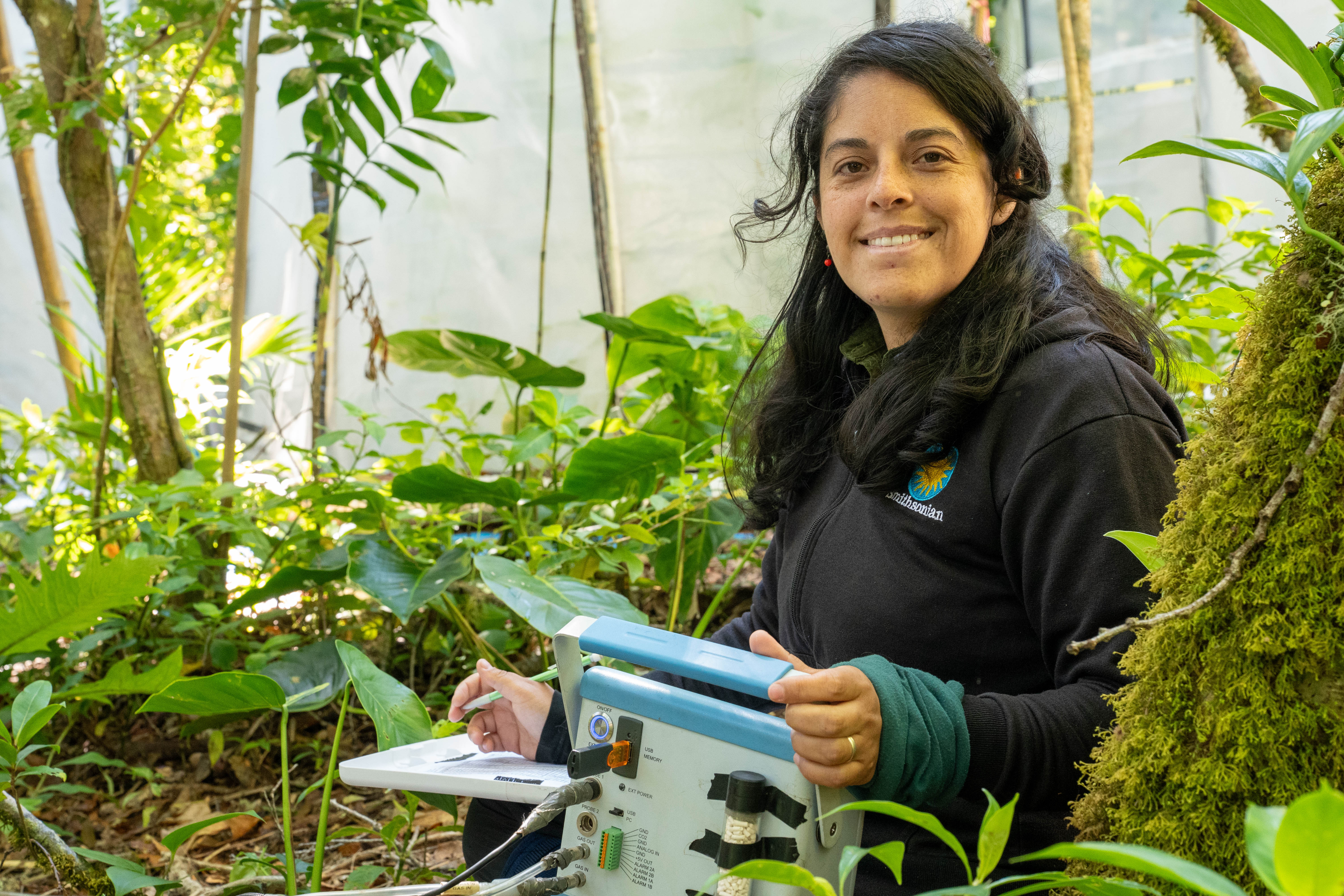
Cecilia Prada
project abstract
Given the contribution of tropical forests to Earth's carbon sequestration, they play a key role in mitigating the effects of climate change. Despite this, substantial uncertainty remains regarding their capacity to function as carbon sinks. One reason for this uncertainty is the few tropical field experiments focused on belowground processes. Experiments in temperate forests showed that mycorrhizal associations are critical for understanding forest responses to elevated CO₂. In this project, we aim to understand how soil microbial communities respond to climate change, specifically increasing atmospheric CO₂ and temperatures, and how these responses affect nutrient cycling and plant growth. Using in situ open-top chambers in a Neotropical montane forest, we will provide insights into microbial community responses to elevated CO₂. Additionally, we will use an elevational gradient as a proxy for warming to assess how microbial communities respond to temperature and to clarify their role for soil conservation.
Global/Climate/Anthropogenic disturbance
I am Cecilia M. Prada, a Colombian plant ecologist interested in understanding the relationships among soil nutrients, soil organisms, and the diversity, composition, and distribution of tree species, as well as their roles in the carbon cycle. For my Ph.D. at the University of Illinois Urbana–Champaign, I worked in Panama, evaluating how forest carbon stocks vary along an elevational gradient in response to environmental factors and how ectomycorrhizal trees influence nutrient availability and heterospecific seedling performance in oak-dominated forests. I continued exploring these biogeochemical processes at Harvard University, studying the effects of elevated atmospheric CO₂ using in situ open-top chambers in a lowland forest in Costa Rica. Currently, as a postdoctoral fellow at the Smithsonian Tropical Research Institute, I am expanding that experiment to a tropical montane forest to understand how mountain species will respond to future climate scenarios, addressing key gaps in our understanding of plant–soil–microbe interactions.
Given the contribution of tropical forests to Earth's carbon sequestration, they play a key role in mitigating the effects of climate change. Despite this, substantial uncertainty remains regarding their capacity to function as carbon sinks. One reason for this uncertainty is the few tropical field experiments focused on belowground processes. Experiments in temperate forests showed that mycorrhizal associations are critical for understanding forest responses to elevated CO₂. In this project, we aim to understand how soil microbial communities respond to climate change, specifically increasing atmospheric CO₂ and temperatures, and how these responses affect nutrient cycling and plant growth. Using in situ open-top chambers in a Neotropical montane forest, we will provide insights into microbial community responses to elevated CO₂. Additionally, we will use an elevational gradient as a proxy for warming to assess how microbial communities respond to temperature and to clarify their role for soil conservation.
carolina-pina-paez
32.3119
-64.7258
Mapping the Underground Invasion: Mycorrhizal Displacement and Symbiont Plasticity of Casuarina equisetifolia in Bermuda
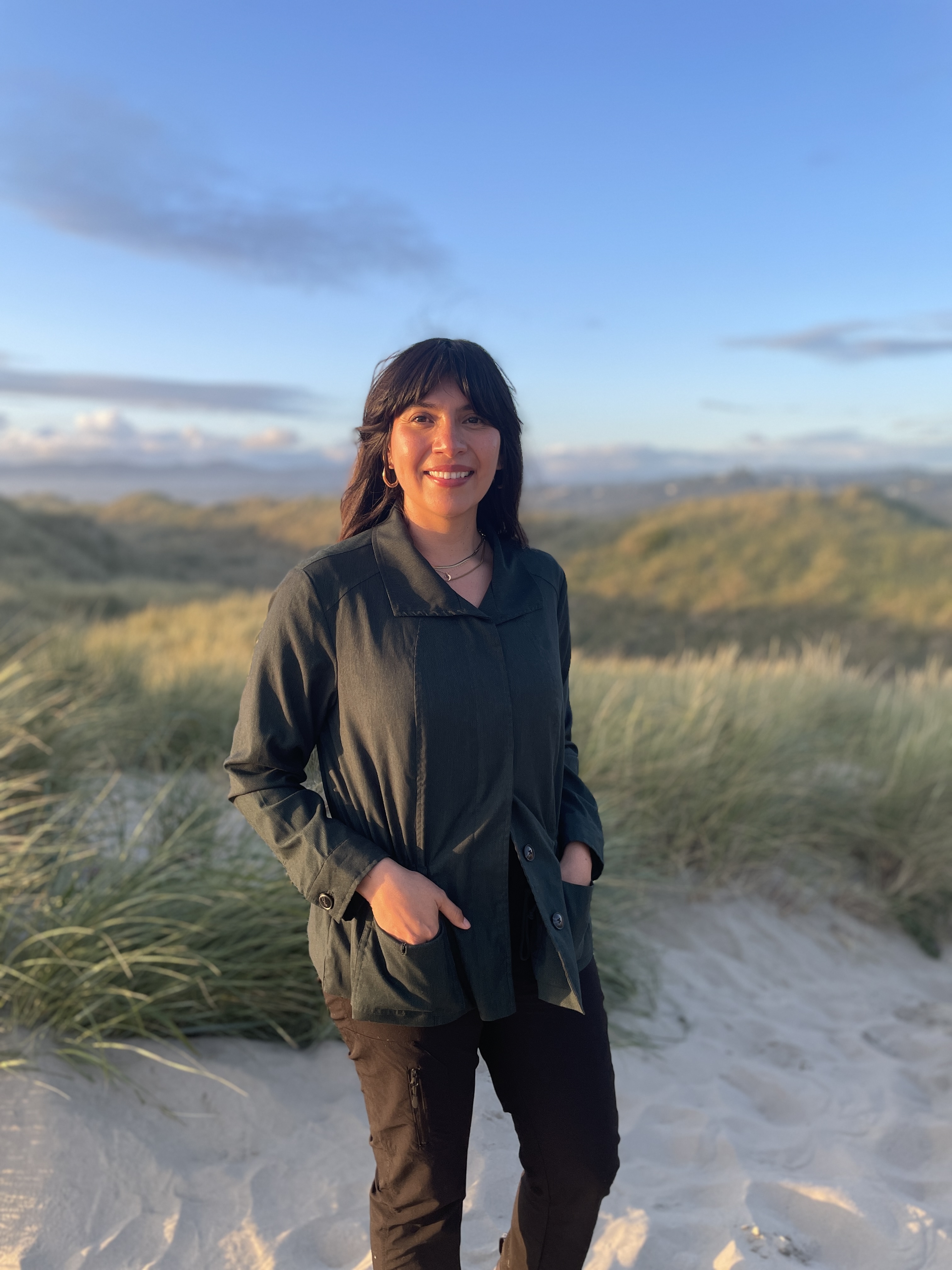
Carolina Piña Paez
project abstract
Uncovering Bermuda’s Underground Legacy: Mapping Soil Mycobiomes to Drive Island Forest Restoration. Isolated island ecosystems are highly vulnerable to invasive plant species that disrupt native plant-fungal interactions. In Bermuda, invasive Casuarina equisetifolia trees threaten endemic species such as the Bermuda cedar (Juniperus bermudiana), yet the subterranean drivers of this displacement remain unexplored. This project delivers the first comprehensive map of Bermuda’s soil mycobiome through a partnership with the Society for the Protection of Underground Networks (SPUN). This research will yield a predictive map of fungal mutualists and pathogens for the Department of Environment and Natural Resources (DENR) to optimize native reforestation strategies, while establishing Bermuda Institute of Ocean Sciences as a central research hub for mid-Atlantic soil biodiversity conservation.
Underexplored ecoregions
Dr. Carolina Piña Páez is an evolutionary fungal biologist and mycologist who combines fieldwork and molecular tools to investigate fungal taxonomy, population genetics, and genomics across diverse systems ranging from ectomycorrhizal mutualists to human pathogens. After earning her PhD from Oregon State University in 2023 under the mentorship of the Spatafora Lab and completing a postdoc studying pathogen genomics in the Stajich Lab at the University of California, Riverside, she is transitioning to a Research Fellow position at the Bermuda Institute of Ocean Sciences (BIOS) this summer. A dedicated advocate for accessible science, Carolina frequently collaborates with international institutions to champion bilingual scientific outreach in both English and Spanish.
Uncovering Bermuda’s Underground Legacy: Mapping Soil Mycobiomes to Drive Island Forest Restoration. Isolated island ecosystems are highly vulnerable to invasive plant species that disrupt native plant-fungal interactions. In Bermuda, invasive Casuarina equisetifolia trees threaten endemic species such as the Bermuda cedar (Juniperus bermudiana), yet the subterranean drivers of this displacement remain unexplored. This project delivers the first comprehensive map of Bermuda’s soil mycobiome through a partnership with the Society for the Protection of Underground Networks (SPUN). This research will yield a predictive map of fungal mutualists and pathogens for the Department of Environment and Natural Resources (DENR) to optimize native reforestation strategies, while establishing Bermuda Institute of Ocean Sciences as a central research hub for mid-Atlantic soil biodiversity conservation.
blanca-romero
27.19898355
-112.440992
Descubriendo la diversidad de hongos micorrícicos asociados a plantas desérticas de la Península de Baja California, México
Blanca Romero
project abstract
The insular portion of the Sonoran Desert in Mexico remains the least explored for its microbial diversity, particularly in desert shrublands rich in endemic, threatened, or endangered plant species, such as cacti. This proposal aims to document the taxonomic diversity of mycorrhizae associated with iconic, widely distributed, and long-lived species across an insular region spanning nearly 2,000 km of latitude. The aim is to provide a basis for conserving plant-mycorrhiza assemblages and for incorporating them into restoration initiatives.
Underexplored ecoregions
My research focuses on plant-microbe interactions, particularly those involving plant growth-promoting microorganisms used as biofertilizers to support ecological restoration in arid zones. I am currently studying changes in plant health and mycorrhizal colonization in a long-lived columnar cactus established in soils under regeneration with assistance from biofertilizers and soil amendments.
The insular portion of the Sonoran Desert in Mexico remains the least explored for its microbial diversity, particularly in desert shrublands rich in endemic, threatened, or endangered plant species, such as cacti. This proposal aims to document the taxonomic diversity of mycorrhizae associated with iconic, widely distributed, and long-lived species across an insular region spanning nearly 2,000 km of latitude. The aim is to provide a basis for conserving plant-mycorrhiza assemblages and for incorporating them into restoration initiatives.
aynalem-gochera-sade
5.930230472
37.32481945
Exploring Arbuscular Mycorrhizal Fungal Communities in Indigenous Trees of Fragmented Afromontane Forests, Gamo Highlands, Southwest Ethiopia
Aynalem Gochera Sade
project abstract
This study examines the Gerese Highland Forest Complex (GHF) in the Gamo Highlands of southwestern Ethiopia, a representative Afromontane moist evergreen forest (Friis et al., 2010). Comprising four fragmented patches—Gegha, Gato, Bula, and a church forest—the site sits along an altitudinal gradient (Aydagnehum et al., 2022) increasingly threatened by agricultural expansion and degradation. However, these remnants still provide essential ecosystem services and host diverse indigenous tree communities. By comparing these mature forest patches with adjacent areas undergoing active reforestation, this research investigates arbuscular mycorrhizal fungal (AMF) community assembly during restoration. Understanding the differences in AMF communities between natural and replanted trees offers critical insights into belowground ecological recovery, ultimately providing a scientific foundation for more effective restoration strategies within Afromontane landscapes.
Graham Maclachlan, CC BY-SA 3.0 <https://creativecommons.org/licenses/by-sa/3.0>, via Wikimedia Commons
Underexplored ecoregions
Aynalem Gochera Sade is a terrestrial ecologist and PhD candidate at KU Leuven, specializing in the ecosystem services provided by agroforestry systems. His research centers on the Abaya-Chamo sub-basin of the Ethiopian Rift Valley, where he investigates how trees contribute to sustainable agricultural landscapes. His work examines complex environmental interactions, specifically focusing on soil health—with an emphasis on arbuscular mycorrhizal fungi—tree-crop dynamics, microclimate regulation, and plant–insect interactions. He maintains a particular interest in the ecological function of indigenous and exotic trees, both within and outside forested areas. Aynalem holds a Master's in Agroforestry and a Bachelor's in Natural Resources Management. As a lecturer at Arba Minch University, Ethiopia, he is involved in teaching and research. He utilizes R to model ecological processes, applying interdisciplinary approaches that integrate ecology, forestry, agriculture, and data science to support resilient, sustainable terrestrial ecosystems.
This study examines the Gerese Highland Forest Complex (GHF) in the Gamo Highlands of southwestern Ethiopia, a representative Afromontane moist evergreen forest (Friis et al., 2010). Comprising four fragmented patches—Gegha, Gato, Bula, and a church forest—the site sits along an altitudinal gradient (Aydagnehum et al., 2022) increasingly threatened by agricultural expansion and degradation. However, these remnants still provide essential ecosystem services and host diverse indigenous tree communities. By comparing these mature forest patches with adjacent areas undergoing active reforestation, this research investigates arbuscular mycorrhizal fungal (AMF) community assembly during restoration. Understanding the differences in AMF communities between natural and replanted trees offers critical insights into belowground ecological recovery, ultimately providing a scientific foundation for more effective restoration strategies within Afromontane landscapes.
KU Leuven
gocheraaynalem@gmail.com
https://www.kuleuven.be/wieiswie/en/person/00161248
ashish-nambiar
2.9798
102.3107
What do tree canopies tell us about soil microbes? Linking canopy structural complexity to mycorrhizal functional diversity

Ashish Nambiar
project abstract
Pasoh Forest Dynamics Plot is a 50 ha lowland tropical rainforest in Peninsular Malaysia that supports both arbuscular mycorrhizal (AM) and ectomycorrhizal (ECM) tree species. I will test whether canopy structural complexity (CSC) predicts the functional composition and spatial heterogeneity of mycorrhizal fungal communities across this mixed mycorrhizal forest. I will quantify CSC using terrestrial laser scanning in 30 quadrats and profile fungal communities from multiple soil cores per quadrat using 18S (AM) and ITS2 (ECM) amplicon sequencing. I predict that high CSC quadrats will show greater root trait dispersion, greater within-quadrat fungal beta diversity, and greater coexistence of contrasting foraging strategies, with the highest fungal functional richness in mixed mycorrhizal quadrats. Linking 3D canopy architecture to belowground function will establish lidar-derived canopy metrics as a non-destructive indicator of mycorrhizal diversity in tropical forests and inform which forest structures merit conservation as carbon reservoirs.
Underexplored ecoregions
PhD Student
I am a 4th year PhD student at Indiana University, Bloomington. As a forest ecologist, I am fascinated by the factors that govern the growth and mortality of trees. My research interests focus on the role of mycorrhizae in tree community assembly and how this relationship scales up to influence ecosystem functioning.
Pasoh Forest Dynamics Plot is a 50 ha lowland tropical rainforest in Peninsular Malaysia that supports both arbuscular mycorrhizal (AM) and ectomycorrhizal (ECM) tree species. I will test whether canopy structural complexity (CSC) predicts the functional composition and spatial heterogeneity of mycorrhizal fungal communities across this mixed mycorrhizal forest. I will quantify CSC using terrestrial laser scanning in 30 quadrats and profile fungal communities from multiple soil cores per quadrat using 18S (AM) and ITS2 (ECM) amplicon sequencing. I predict that high CSC quadrats will show greater root trait dispersion, greater within-quadrat fungal beta diversity, and greater coexistence of contrasting foraging strategies, with the highest fungal functional richness in mixed mycorrhizal quadrats. Linking 3D canopy architecture to belowground function will establish lidar-derived canopy metrics as a non-destructive indicator of mycorrhizal diversity in tropical forests and inform which forest structures merit conservation as carbon reservoirs.
andrew-gichira
-1.017686
35.339383
MyFERSE - Mycorrhizal Fungi for Ecological Restoration of Savanna Environments
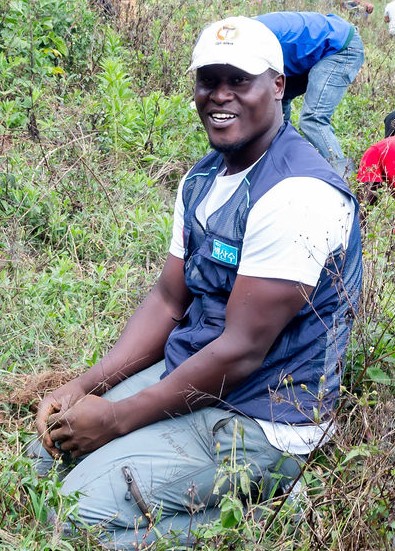
Andrew Gichira
project abstract
This study investigates how silvicultural management practices influence mycorrhizal fungal communities and soil health during the early stages of ecological restoration in a degraded tropical savanna within the Maasai Mara ecosystem, Kenya. Using a long-term experimental restoration site, we will evaluate the effects of livestock manure application, pruning biomass addition, and their combination on soil fungal diversity, functional composition, and ecosystem recovery. Soil samples will be collected across replicated treatment plots and analyzed using high-throughput DNA metabarcoding targeting fungal marker regions. We hypothesize that combined manure and pruning treatments will promote greater mycorrhizal diversity, enhance beneficial plant–fungal associations, and accelerate soil biological recovery relative to single-treatment and control plots. The project will generate one of the first molecular datasets on mycorrhizal fungal communities in actively restored East African savannas, contributing to global efforts to map fungal biodiversity while providing evidence-based recommendations for restoration practitioners, land managers, and community-led conservation initiatives.
Nina R from Africa, CC BY 2.0 <https://creativecommons.org/licenses/by/2.0>, via Wikimedia Commons
Restoration
Dr. Andrew Gichira is a Kenyan botanist and restoration ecologist serving as Research Manager at the Centre for Ecosystem Restoration Kenya (CERK). His work spans ecological restoration, biodiversity conservation, and ecological monitoring across Kenya's diverse landscapes, with research interests centred on restoration ecology, plant biodiversity, and soil health. In recent collaborative work with soil scientists, he has developed a focused interest in belowground biodiversity and its role in ecosystem recovery, particularly the dynamics of mycorrhizal fungal communities under restoration interventions. This work involves developing robust techniques for monitoring soil condition and biological soil health indicators. He collaborates with conservation organisations, research institutions, and local communities to advance evidence-based approaches for restoring resilient, biodiverse ecosystems.
This study investigates how silvicultural management practices influence mycorrhizal fungal communities and soil health during the early stages of ecological restoration in a degraded tropical savanna within the Maasai Mara ecosystem, Kenya. Using a long-term experimental restoration site, we will evaluate the effects of livestock manure application, pruning biomass addition, and their combination on soil fungal diversity, functional composition, and ecosystem recovery. Soil samples will be collected across replicated treatment plots and analyzed using high-throughput DNA metabarcoding targeting fungal marker regions. We hypothesize that combined manure and pruning treatments will promote greater mycorrhizal diversity, enhance beneficial plant–fungal associations, and accelerate soil biological recovery relative to single-treatment and control plots. The project will generate one of the first molecular datasets on mycorrhizal fungal communities in actively restored East African savannas, contributing to global efforts to map fungal biodiversity while providing evidence-based recommendations for restoration practitioners, land managers, and community-led conservation initiatives.
amina-badmos
7.1604
3.3451
Mapping Arbuscular Mycorrhizal Fungal Diversity Associated with African Yam Bean (Sphenostylis stenocarpa) in Nigerian Agroecosystems
Amina Badmos
Confidence24, CC BY-SA 4.0 <https://creativecommons.org/licenses/by-sa/4.0>, via Wikimedia Commons
Agriculture
Early career Researcher and Lecturer
Federal University of Agriculture Abeokuta Ogun State Nigeria
badmosao@funaab.edu.ng
afolakemi-alimi
-26.23306
28.03744
Environmental Drivers of Mycorrhizal Fungal Communities in Landfill-Polluted Soils in South Africa

AFOLAKEMI ALIMI
project abstract
Landfills are essential components of municipal waste management systems. However, many landfill sites are environmentally non-compliant, allowing leachates containing heavy metals and other pollutants to infiltrate surrounding soils and compromise soil health. Mycorrhizal fungi are important bioindicators of environmental disturbance because their diversity and community composition are highly sensitive to pollution. This study aims to investigate the distribution of mycorrhizal fungal communities in soils surrounding two landfill sites in South Africa and to examine if local edaphic factors influence their diversity and community structure. By assessing the effects of landfill leachates on mycorrhizal fungal communities, this study will improve our understanding of the impacts of landfill pollution on belowground biodiversity. The findings will also provide scientific evidence to support stricter enforcement of regulations governing landfill operations. Furthermore, the study will help identify pollution-tolerant mycorrhizal taxa that may be used to restore and rehabilitate landfill-degraded soils.
Global/Climate/Anthropogenic disturbance
Dr Afolakemi Abibat Alimi is a postdoctoral researcher in the Department of Botany and Plant Biotechnology at the University of Johannesburg, South Africa. Her research focuses on soil fungal ecology and whole genome analysis to understand fungal pathogenicity and mycotoxin production. She obtained her PhD in Botany from the University of Johannesburg, where her research examined the mycorrhizal status of indigenous South African legumes. She holds both BSc (Hons.) and MSc degrees in Botany from Obafemi Awolowo University, Nigeria. Prior to her current position, she worked as a Senior Research Officer and Head of the Bioresources Thematic Unit at the International Centre for Biotechnology, Nigeria. Dr Alimi has presented at local and international conferences and has published in peer-reviewed journals. Her broader research interests include plant–fungal interactions, plant ecology, ethnobotany, and ethnomycology. Outside academia, she enjoys listening to music, window shopping, and exploring nature.
Landfills are essential components of municipal waste management systems. However, many landfill sites are environmentally non-compliant, allowing leachates containing heavy metals and other pollutants to infiltrate surrounding soils and compromise soil health. Mycorrhizal fungi are important bioindicators of environmental disturbance because their diversity and community composition are highly sensitive to pollution. This study aims to investigate the distribution of mycorrhizal fungal communities in soils surrounding two landfill sites in South Africa and to examine if local edaphic factors influence their diversity and community structure. By assessing the effects of landfill leachates on mycorrhizal fungal communities, this study will improve our understanding of the impacts of landfill pollution on belowground biodiversity. The findings will also provide scientific evidence to support stricter enforcement of regulations governing landfill operations. Furthermore, the study will help identify pollution-tolerant mycorrhizal taxa that may be used to restore and rehabilitate landfill-degraded soils.
University of Johannesburg, South Africa
afolakemialimi@gmail.com
romuald-oba
3.59237357
9.643123638
Survey of Arbuscular Mycorrhizal Flora of the Cameroon Estuary Mangrove forests and its role on Conservation issues.

Romuald OBA
project abstract
Cameroon estuary mangrove is increasingly subject to anthropogenic pressures which impact its balance and biological diversity. These Anthropogenic pressures combined with climate change and sea-level rise, urge the need to conserve, protect, and restore tidal wetlands. Many works have been carried out on the floristic and animal's diversity of mangrove forests of Cameroon but very few on microbial's diversity especially on arbuscular mycorrhizal fungi (AMF). However, with the current context of global warming and anthropogenic pressures which are increasingly degrading this ecosystem, it remains important to think about conservation strategies. Thus, Mbiako and surrounding places are the chosen sites with interesting profile for this research project because of their slightly anthropized mangrove. In this project, we aim to characterize the AMF of Cameroon estuary to understand their impact on mangrove health and resilience, and how to develop strategies to maintain or enhance ecosystem services provided by this mangrove.
Sidoine Mbogni, CC BY-SA 4.0 <https://creativecommons.org/licenses/by-sa/4.0>, via Wikimedia Commons
Underexplored ecoregions
I am an early career researcher in the field of Ecology and Botanical Sciences with specialization in Mycology. I am currently Assistant Lecturer in the Department of Biomedical Sciences of the University of Bertoua, Cameroon. I am very interested by the study of the ecology, systematic, biodiversity, physiology of the fungi and their importance in interactions with other organisms (plant, animals) and in conservation. Very open to acquiring and mastering new technologies such as molecular biology and bioinformatics for the study of fungi.
Cameroon estuary mangrove is increasingly subject to anthropogenic pressures which impact its balance and biological diversity. These Anthropogenic pressures combined with climate change and sea-level rise, urge the need to conserve, protect, and restore tidal wetlands. Many works have been carried out on the floristic and animal's diversity of mangrove forests of Cameroon but very few on microbial's diversity especially on arbuscular mycorrhizal fungi (AMF). However, with the current context of global warming and anthropogenic pressures which are increasingly degrading this ecosystem, it remains important to think about conservation strategies. Thus, Mbiako and surrounding places are the chosen sites with interesting profile for this research project because of their slightly anthropized mangrove. In this project, we aim to characterize the AMF of Cameroon estuary to understand their impact on mangrove health and resilience, and how to develop strategies to maintain or enhance ecosystem services provided by this mangrove.
University of Yaoundé I
romualcitooba@gmail.com
benjamin-egnabonma
6.060319006
5.660079335
Molecular-Based Investigation of Mycorrhizal Response to the Remediation of Crude Oil Polluted Soils in Ologbo Lowland Forest, Edo State, Nigeria

Benjamin Egnabonma
project abstract
By integrating field-based ecological restoration with remediation and molecular tools, this research aims to develop scalable protocols for reintroducing native mycorrhizal fungi in contaminated, fire-affected landscapes. Outcomes will inform nature-based remediation strategies, and contribute to climate-resilient restoration practices in fire-prone regions globally.
Restoration
Dr. Ben Jesuorsemwen Enagbonma is a Senior Lecturer and researcher specializing in microbial ecology, biotechnology, and sustainable agriculture. His work focuses on the rhizosphere microbiome, particularly in crops such as soybean and sorghum, with the aim of enhancing soil health, crop resilience, and food security in the Global South. He integrates advanced molecular and bioinformatics approaches, including metagenomics and functional profiling, to uncover microbial diversity and ecological functions. Dr. Enagbonma is actively involved in international collaborations, including research partnerships in South Africa and Germany, and contributes to global discussions on antimicrobial resistance and climate-smart agriculture. He is passionate about mentoring emerging scientists and translating research into practical solutions for farmers and policymakers. His academic contributions span teaching, research, and public engagement, with a strong commitment to advancing sustainable and environmentally responsible agricultural systems.
By integrating field-based ecological restoration with remediation and molecular tools, this research aims to develop scalable protocols for reintroducing native mycorrhizal fungi in contaminated, fire-affected landscapes. Outcomes will inform nature-based remediation strategies, and contribute to climate-resilient restoration practices in fire-prone regions globally.
mark-worthing
50.558766
-126.18669
Kwakwaka'wakw Cultural Keystone Mycology
Mark Worthing
project abstract
Shell midden sites in coastal British Columbia include semi-saline shoreline, forested and estuary ecosystems where Indigenous people have stewarded food-system ecologies, Culturally Modified Cedar groves, ancient village sites, and Indigenous Forest Gardens. We refer to these places as Cultural Keystone Ecosystems where Indigenous people have stewarded reciprocal relations since time-immemorial. These culturally sacred places have been profoundly impacted by forestry operations and are still at-risk. Shell middens are large deposits of shells, fish bones, ancient fire-pits, and other materials associated with traditional village sites. These sites represent an opportunity to understand the ecological role that traditional practices play in shaping the soil, plant community and chemical composition of these landscapes within the CWH biogeoclimatic zone. Studying underground dynamics of these sites can help build regenerative land-stewardship practices guided by Traditional Ecological Knowledge which will be used by communities to heal the land.
Underexplored ecoregions
Programs director
Mark Worthing (he/him) is a settler of Scottish and English ancestry based on Vancouver Island. He is a multidisciplinary community organizer, researcher, and policy-analyst working at the intersections of environmental activism, applied conservation biology, decolonization and land-based methodologies.Mark is experienced in direct-action, movement building, intersectional advocacy, and ecology field-work research with a focus on the landscapes of so-called British Columbia. He works with and for many coastal First Nations communities, bringing nearly two decades’ experience working for many Environmental Non-Governmental Organizations at the global, national and grassroots levels.Mark can be found somewhere between the old growth forests of coastal British Columbia, the boardroom tables of biodiversity-policy development, or global climate justice movement spaces where he centers a trauma-informed approach to healing, learning and creativity.He is the Campaigns Manager and Policy Analyst at Awi'nakola Foundation.
Shell midden sites in coastal British Columbia include semi-saline shoreline, forested and estuary ecosystems where Indigenous people have stewarded food-system ecologies, Culturally Modified Cedar groves, ancient village sites, and Indigenous Forest Gardens. We refer to these places as Cultural Keystone Ecosystems where Indigenous people have stewarded reciprocal relations since time-immemorial. These culturally sacred places have been profoundly impacted by forestry operations and are still at-risk. Shell middens are large deposits of shells, fish bones, ancient fire-pits, and other materials associated with traditional village sites. These sites represent an opportunity to understand the ecological role that traditional practices play in shaping the soil, plant community and chemical composition of these landscapes within the CWH biogeoclimatic zone. Studying underground dynamics of these sites can help build regenerative land-stewardship practices guided by Traditional Ecological Knowledge which will be used by communities to heal the land.
Awinakola Foundation
mark@awinakola.com
http://www.awinakola.com
danielle-stevenson
34.177233
-118.097
Mycorrhizal Fungi and Metals in Post-Fire Soil Restoration
Danielle Stevenson
project abstract
This project investigates the role of native mycorrhizal fungi in restoring and remediating post-fire soils contaminated with metals in the Los Angeles Basin, a biodiversity hotspot increasingly impacted by wildland-urban interface fires. We will compare restoration outcomes between native plants grown with and without inoculation from healthy reference ecosystems to assess effects on plant survival, fungal colonization, and metal uptake. Using ITS2 and SSU amplicon sequencing alongside spore counts and root colonization analyses, we will characterize mycorrhizal community dynamics before and after restoration across multiple field sites.
Restoration
I have a PhD and am the Scientific Director for a non-profit research organization
Danielle Stevenson is an environmental scientist and toxicologist specializing in the use of fungi for ecological remediation of contaminated lands. She holds a PhD in Environmental Toxicology from the University of California, Riverside, where her research focused on mycorrhizal and decomposer fungi, alongside native plants, to remediate toxic metals in urban dryland brownfields.
Danielle has founded multiple initiatives advancing nature-based solutions for land, water, and waste, including the Centre for Applied Ecological Remediation (CAER), Healing City Soils, and D.I.Y. Fungi. As Founder and Scientific Director of CAER, she leads research and field implementation of fungal-based remediation strategies, including post-disaster recovery in fire-impacted ecosystems.
She previously served as Founding Scientist and Head of R&D at a fungal biotechnology startup focused on plastic degradation. Danielle also contributes to environmental policy and practice through advisory roles with Corenewal, California’s Department of Toxic Substances Control, and the Interstate Technology & Regulatory Council.
This project investigates the role of native mycorrhizal fungi in restoring and remediating post-fire soils contaminated with metals in the Los Angeles Basin, a biodiversity hotspot increasingly impacted by wildland-urban interface fires. We will compare restoration outcomes between native plants grown with and without inoculation from healthy reference ecosystems to assess effects on plant survival, fungal colonization, and metal uptake. Using ITS2 and SSU amplicon sequencing alongside spore counts and root colonization analyses, we will characterize mycorrhizal community dynamics before and after restoration across multiple field sites.
UC Riverside and DIY Fungi
daniellestevenson@gmail.com
https://www.danielle-stevenson.com/
basile-hounwanou
6.272778
1.791694
Assessing the impact of agricultural practices on the conservation of arbuscular mycorrhizal fungi associated with vegetable in Benin
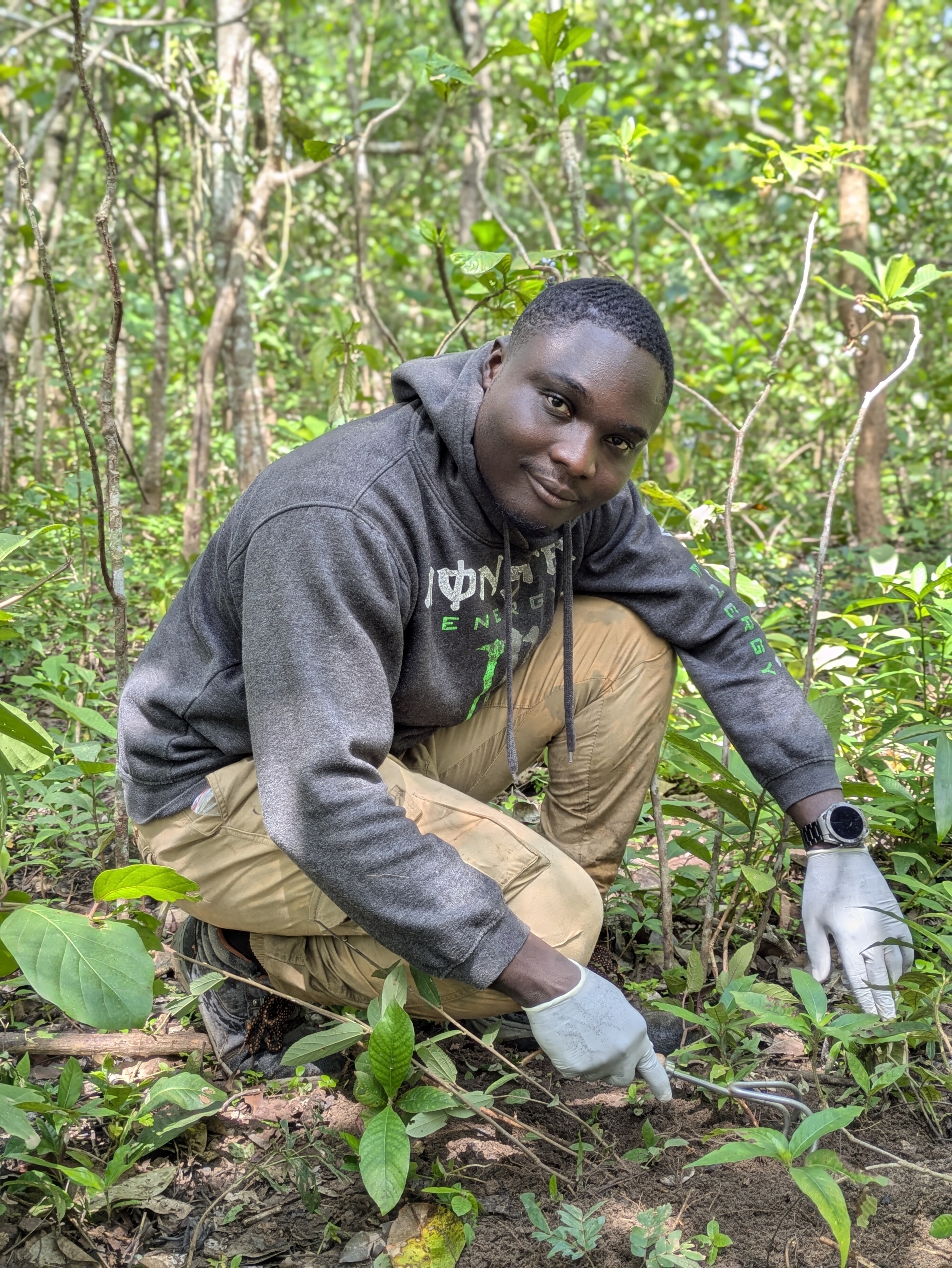
Basile Hounwanou
project abstract
Market gardening is a priority sector that supports youth employment and food security in Benin, yet it suffers from severe soil degradation due to intensive chemical fertilizer use. While previous studies have assessed the contribution of AMF to crop sustainability in Benin, data on AMF diversity in saline coastal croplands remain largely unknown. This project will generate high‑quality DNA sequences to assess the variation of AMF networks in these croplands, test the impacts of salinity and traditional land‑management practices on AMF diversity, and identify sustainable farming approaches that conserve soil biodiversity. The outcomes will enrich international databases, provide policymakers with evidence to combat soil degradation, and produce a catalog of AMFs as the scientific basis for developing inoculants that enhance crop productivity. Ultimately, the project will strengthen soil biodiversity conservation in Benin and other Gulf of Guinea countries with similar coastal climates.
Adoscam, CC BY-SA 4.0 <https://creativecommons.org/licenses/by-sa/4.0>, via Wikimedia Commons
Agriculture
Basile Hounwanou is a mycologist specializing in the documentation and conservation of fungal diversity across tropical Africa. With seven years of research experience, he applies environmental DNA, metabarcoding, and machine learning to explore the impacts of climate change on mycorrhizal symbioses. He also investigates crop-associated mycorrhizal fungi, promoting their application as nature-based solutions to enhance soil fertility, improve crop yields, and support sustainable agriculture.
Market gardening is a priority sector that supports youth employment and food security in Benin, yet it suffers from severe soil degradation due to intensive chemical fertilizer use. While previous studies have assessed the contribution of AMF to crop sustainability in Benin, data on AMF diversity in saline coastal croplands remain largely unknown. This project will generate high‑quality DNA sequences to assess the variation of AMF networks in these croplands, test the impacts of salinity and traditional land‑management practices on AMF diversity, and identify sustainable farming approaches that conserve soil biodiversity. The outcomes will enrich international databases, provide policymakers with evidence to combat soil degradation, and produce a catalog of AMFs as the scientific basis for developing inoculants that enhance crop productivity. Ultimately, the project will strengthen soil biodiversity conservation in Benin and other Gulf of Guinea countries with similar coastal climates.
Tropical Mycology and plant-soil fungi interactions (University of Parakou)
hounwanou.basile@gmail.com
http://mytips.leb-up.org
alba-torrents-de-la-pena
33.11267621
-116.3448857
Mapping Microplastics shifts and Mycorrhizal Fungi resilience in California Deserts: A Climate-Driven Study
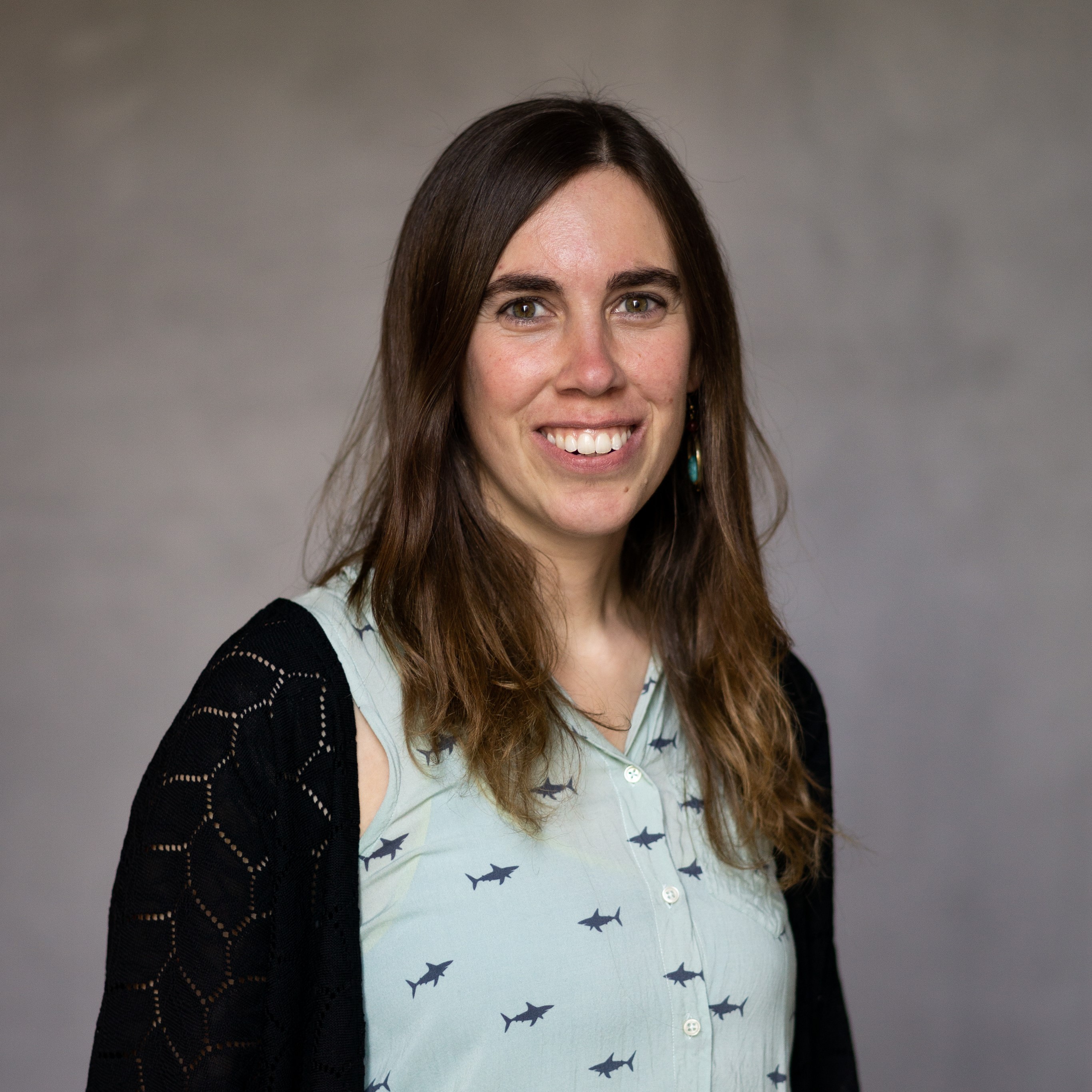
Alba Torrents de la Peña
project abstract
The Anza Borrego–Laguna Salada transborder region (USA–Mexico) spans Southern California and Baja California, forming a dynamic desert ecosystem of dry lake beds, mountains rising over 5,500 feet, hot springs in Jacumba, and the vast Laguna Salada dry lake in Baja California's Desert, which lies about 10 meters below sea level. We will study four sites across this landscape. Anza-Borrego, famous for its native wildflower displays, is widely and severely infested by invasive plants known to jeopardize mycorrhizal fungal diversity and its signature wildflower displays. We will sample paired sites, one without a history of invasive vegetation to document mycorrhizal fungal diversity unimpacted by invasive vegetation, and a second site infested by invasive plants to document impacts to mycorrhizal diversity. In Jacumba, we will sample both sides of the border to examine the wall's influence on biodiversity, and in Laguna Salada we will test fungal activity across dry and wet seasons.
Global/Climate/Anthropogenic disturbance
Staff scientist
I am Alba Torrents de la Peña, staff scientist at Scripps Research in San Diego, California. Our group studies the intertwined relationship between microplastics and mycorrhizal fungi across the desert borderlands of Southern California and Baja California, Mexico. I like to think of our team as an orchestra, each member bringing a distinct passion and expertise, together forming something greater. Jiapsi and I develop technologies to detect microplastics; Lisa Markovchick specializes in mycorrhizal fungi; Mario Ceballos brings deep expertise in fungal ecology and medicine; and Charlotte Vavourakis contributes extensive experience in environmental DNA sequencing. United by curiosity about how nature, climate, and living beings shape one another, we strive to learn, to give back, and to engage in outreach, working iteratively as stewards of desert biodiversity and advocates for environmental justice.
The Anza Borrego–Laguna Salada transborder region (USA–Mexico) spans Southern California and Baja California, forming a dynamic desert ecosystem of dry lake beds, mountains rising over 5,500 feet, hot springs in Jacumba, and the vast Laguna Salada dry lake in Baja California's Desert, which lies about 10 meters below sea level. We will study four sites across this landscape. Anza-Borrego, famous for its native wildflower displays, is widely and severely infested by invasive plants known to jeopardize mycorrhizal fungal diversity and its signature wildflower displays. We will sample paired sites, one without a history of invasive vegetation to document mycorrhizal fungal diversity unimpacted by invasive vegetation, and a second site infested by invasive plants to document impacts to mycorrhizal diversity. In Jacumba, we will sample both sides of the border to examine the wall's influence on biodiversity, and in Laguna Salada we will test fungal activity across dry and wet seasons.
chris-tembo
-15.9625
35.6053
Exploring Arbuscular Mycorrhizal (AM) Fungal Diversity in Mulanje Mountain Ecosystems and Surrounding Agricultural Fields
Chris Tembo
project abstract
This project explores how elevation and land use shape fungal diversity across Mount Mulanje, a UNESCO-recognised biosphere reserve in southern Malawi, which rises from approximately 300 m to 3,002 masll. Soils and roots will be sampled from agricultural lowlands, mid-elevation forests, and high-altitude montane ecosystems to examine how fungal communities respond to environmental gradients, climate variation, and land-use disturbance. Using DNA metabarcoding and ecological analyses, the study will identify climate-resilient and potentially endemic fungal taxa while providing insights into their contributions to soil health, nutrient cycling, and plant productivity. Mount Mulanje’s elevational gradient and unique habitats, including forests of Mulanje cedar (Widdringtonia whytei Rendle), an endemic and critically endangered national tree of Malawi, provide an ideal natural laboratory for understanding fungal diversity across contrasting ecosystems. The findings will support biodiversity conservation, ecosystem restoration, and sustainable management, while informing climate-resilient agricultural practices in Malawi and other mountain-linked agroecosystems globally.
africankelli africankelli, CC BY 2.0 <https://creativecommons.org/licenses/by/2.0>, via Wikimedia Commons
Underexplored ecoregions
Chief Lecturer
Dr Chris J. L. Tembo is a Chief Lecturer in Agricultural Science at Nalikule College of Education in Malawi and a part-time lecturer at LUANAR. His research focuses on arbuscular mycorrhizal (AM) fungal diversity and functioning, with particular interest in how plant–fungal symbioses enhance nutrient use efficiency, crop productivity, and resilience in low-input farming systems. He recently completed a PhD in Plant Science at the University of Aberdeen in the UK funded by the Commonwealth Scholarship Commission in the UK, where he investigated the role of AM fungi in rice under both field and controlled conditions. As a recipient of the SPUN UEP Award, Dr Tembo is leading a project exploring fungal diversity in the Mulanje Mountain ecosystem and surrounding agricultural landscapes. His work combines field ecology, molecular tools, and bioinformatics to support sustainable agriculture, ecosystem conservation, and food security in Malawi.
This project explores how elevation and land use shape fungal diversity across Mount Mulanje, a UNESCO-recognised biosphere reserve in southern Malawi, which rises from approximately 300 m to 3,002 masll. Soils and roots will be sampled from agricultural lowlands, mid-elevation forests, and high-altitude montane ecosystems to examine how fungal communities respond to environmental gradients, climate variation, and land-use disturbance. Using DNA metabarcoding and ecological analyses, the study will identify climate-resilient and potentially endemic fungal taxa while providing insights into their contributions to soil health, nutrient cycling, and plant productivity. Mount Mulanje’s elevational gradient and unique habitats, including forests of Mulanje cedar (Widdringtonia whytei Rendle), an endemic and critically endangered national tree of Malawi, provide an ideal natural laboratory for understanding fungal diversity across contrasting ecosystems. The findings will support biodiversity conservation, ecosystem restoration, and sustainable management, while informing climate-resilient agricultural practices in Malawi and other mountain-linked agroecosystems globally.
University of Aberdeen
chiyetembo@gmail.com
nati-fernandez
-41.289685
-71.18217
BENEATH THE STEPPE: UNDERSTANDING FUNGAL RESPONSES TO HYDROCARBON CONTAMINATION IN PATAGONIA
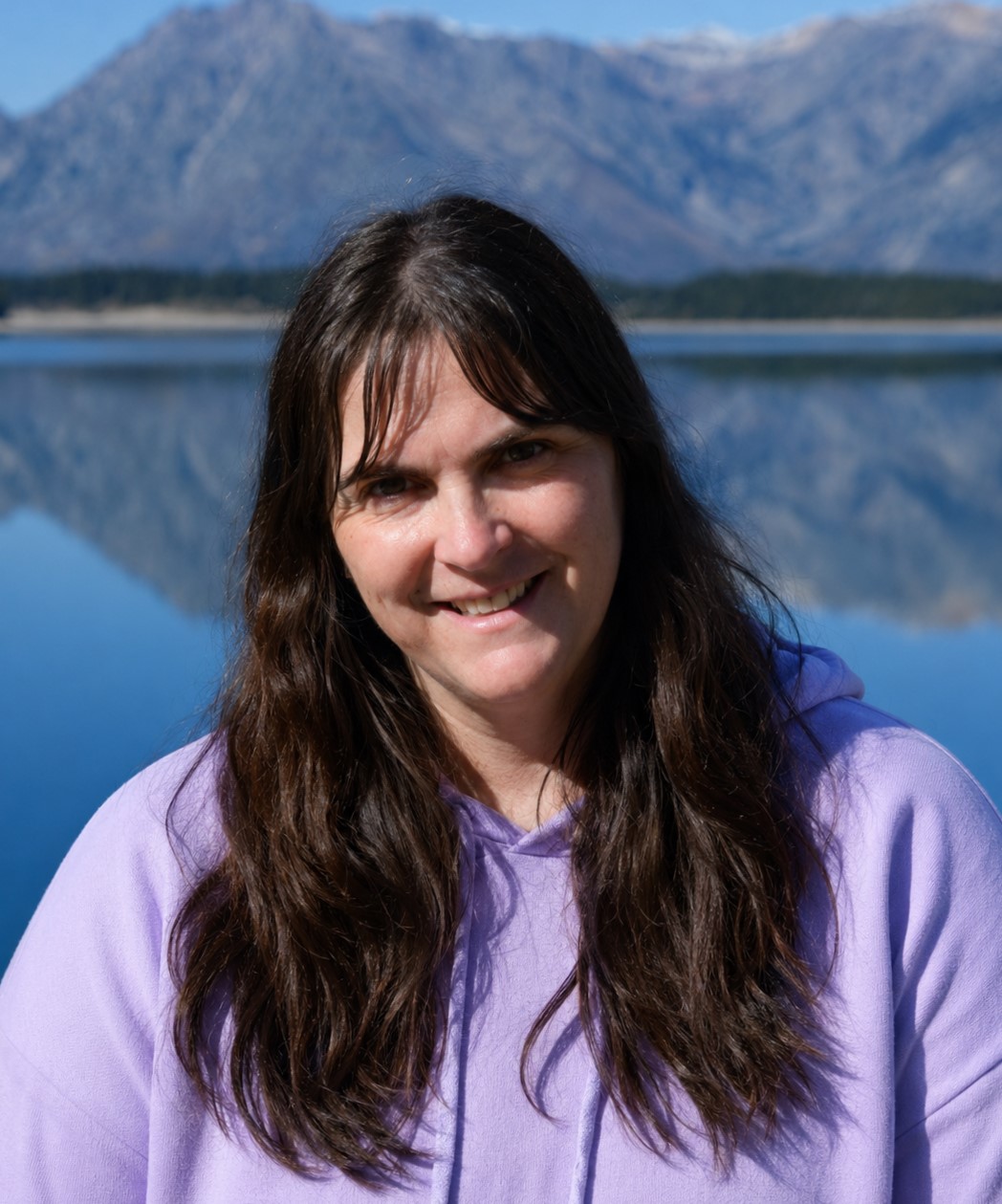
Nati Fernández
project abstract
Beneath the Steppe investigates how hydrocarbon contamination alters soil and root-associated fungal communities in the Patagonian steppe, an ecologically important but underrepresented semi-arid ecosystem. The project will compare sites along a contamination gradient, from uncontaminated soils to areas with low, medium, and high oil pollution. Using standardized soil and root sampling, mycorrhizal assessments, soil physicochemical analyses, and Illumina sequencing of fungal communities, we will identify changes in fungal diversity, composition, and ecological guilds. Particular attention will be given to native mycorrhizal fungi that persist under contamination and may serve as bioindicators or contribute to bioremediation. The results will support ecosystem monitoring, restoration, and more sustainable land-management strategies in hydrocarbon-affected Patagonian landscapes. The project also includes collaboration with local landowners, public outreach, scientific training, and measures to protect wildlife and promote the recovery of the contaminated site.
Restoration
Professor
I am a CONICET researcher based in Patagonia, Argentina. I am fascinated by the hidden world beneath our feet and study how environmental change and human disturbances shape soil fungal communities and mycorrhizal symbioses. My research combines field ecology, molecular approaches, and controlled experiments to understand how belowground biodiversity supports ecosystem functioning, resilience, and restoration. I also seek to generate knowledge that contributes to biodiversity conservation, the sustainable management of natural ecosystems, and the identification of fungi with biotechnological potential. Through my SPUN project, I will investigate how hydrocarbon contamination influences fungal communities in Patagonian soils, helping to reveal the diversity and ecological importance of underground life in one of the world's least-studied regions. I believe that understanding and protecting fungal biodiversity is essential for safeguarding healthy ecosystems and addressing the environmental challenges of the future, and I hope to play a small part in this remarkable global effort.
Beneath the Steppe investigates how hydrocarbon contamination alters soil and root-associated fungal communities in the Patagonian steppe, an ecologically important but underrepresented semi-arid ecosystem. The project will compare sites along a contamination gradient, from uncontaminated soils to areas with low, medium, and high oil pollution. Using standardized soil and root sampling, mycorrhizal assessments, soil physicochemical analyses, and Illumina sequencing of fungal communities, we will identify changes in fungal diversity, composition, and ecological guilds. Particular attention will be given to native mycorrhizal fungi that persist under contamination and may serve as bioindicators or contribute to bioremediation. The results will support ecosystem monitoring, restoration, and more sustainable land-management strategies in hydrocarbon-affected Patagonian landscapes. The project also includes collaboration with local landowners, public outreach, scientific training, and measures to protect wildlife and promote the recovery of the contaminated site.
valeria-verrone
1.4613438548729336
121.38870168230386
Exploration of microbial communities in tropical lowlands in Sulawesi, Indonesia

Valeria Verrone
project abstract
Sulawesi is an island located between two oceanic trenches that separate the Asian and Australian continental shelves. Due to its geographic isolation and extraordinary geology, Sulawesi has developed very distinctive flora and fauna, becoming a hotspot of endemic species (Whitten et al., 2002, Middleton et al 2019, Butarbutar et al., 2022). Two distinct ecoregions can be found in Sulawesi: lowland rain forest (LRF) and montane rain forest. For our sampling campaign we have identified a location for its unique concentration of endemic and threatened species: Rawa Aopa Watumohai National Park (in LRF, South East Sulawesi). The park presents mangrove forests, coastal forests, savanna freshwater swamp forests, which are our main focus for this research. We will collect soil samples, vegetation and mushroom specimens. DNA will be extracted from soil samples, and ITS, SSU and 16S rRNA regions will be amplified and sequenced with Oxford Nanopore Technology (ONT) MinION. We expect that the remarkable diversity found in flora and fauna is reflected in the underground microbial community of Sulawesi swamp forests and that undiscovered taxa can be found in the pristine forest sites. Students and researchers from Tadulako University, IPB University and Indonesian Native Plant Foundation will collaborate on this project.
Underexplored ecoregions
Research fellow and project coordinator
Sulawesi is an island located between two oceanic trenches that separate the Asian and Australian continental shelves. Due to its geographic isolation and extraordinary geology, Sulawesi has developed very distinctive flora and fauna, becoming a hotspot of endemic species (Whitten et al., 2002, Middleton et al 2019, Butarbutar et al., 2022). Two distinct ecoregions can be found in Sulawesi: lowland rain forest (LRF) and montane rain forest. For our sampling campaign we have identified a location for its unique concentration of endemic and threatened species: Rawa Aopa Watumohai National Park (in LRF, South East Sulawesi). The park presents mangrove forests, coastal forests, savanna freshwater swamp forests, which are our main focus for this research. We will collect soil samples, vegetation and mushroom specimens. DNA will be extracted from soil samples, and ITS, SSU and 16S rRNA regions will be amplified and sequenced with Oxford Nanopore Technology (ONT) MinION. We expect that the remarkable diversity found in flora and fauna is reflected in the underground microbial community of Sulawesi swamp forests and that undiscovered taxa can be found in the pristine forest sites. Students and researchers from Tadulako University, IPB University and Indonesian Native Plant Foundation will collaborate on this project.
National University of Singapore
valeriaverrone@gmail.com
https://nus.edu.sg/neri/intprep-organization/
udaya-prakash-nyayiru-kannaian
11.507621363715964
77.25274001195392
Study on the diversity of Mycorrhizal fungi from Sathyamangalam Forest Range, Tamil Nadu, India
![Udaya Prakash Nyayiru Kannaian]()
Udaya Prakash Nyayiru Kannaian
Underexplored ecoregions
Professor
Vels Institute of Science, Technology and Advanced Studies (VISTAS), Chennai, India
nkannaianudayaprakash@gmail.com
https://scholar.google.co.in/citations?user=ObrHM1sAAAAJ&hl=en
silvia-fernanda-mardegan
-5.493548133252067
-52.490893597482625
Fungal diversity in Amazon coastal ecosystems

Silvia Fernanda Mardegan
project abstract
The Amazon basin ranges from the Andes to the Atlantic Ocean. It is one of the most diverse biomes in the world and encompasses a series of ecosystems and vegetation types. The Amazon coastline is influenced by the Amazon River and its drainage basin, hosting about 85% of the mangroves and 35% of the sandy coastal plains (‘restingas’) of Brazil. Mangroves and restingas thrive under several limiting environmental factors and provide many ecosystem services, including recreation and tourism, soil protection, carbon sequestration, and nutrient cycling. They are also home to indigenous communities that have a deep connection with them. As these coastal ecosystems develop under unique environmental conditions, they are critically fragile and sensitive to human disturbances. The aim of this project is to identify the molecular diversity of the fungal community and its potential functional role in mangroves and restingas from Northeast Amazon. We also aim to identify indicator species or functional groups associated with their specific soil conditions, to support conservation and rehabilitation projects. The analysis of fungal diversity will allow us to understand the aspects that contribute to mangrove and restinga maintenance, tolerance, and even their resilience in the face of emerging environmental changes.
Underexplored ecoregions
Assistant Professor
The Amazon basin ranges from the Andes to the Atlantic Ocean. It is one of the most diverse biomes in the world and encompasses a series of ecosystems and vegetation types. The Amazon coastline is influenced by the Amazon River and its drainage basin, hosting about 85% of the mangroves and 35% of the sandy coastal plains (‘restingas’) of Brazil. Mangroves and restingas thrive under several limiting environmental factors and provide many ecosystem services, including recreation and tourism, soil protection, carbon sequestration, and nutrient cycling. They are also home to indigenous communities that have a deep connection with them. As these coastal ecosystems develop under unique environmental conditions, they are critically fragile and sensitive to human disturbances. The aim of this project is to identify the molecular diversity of the fungal community and its potential functional role in mangroves and restingas from Northeast Amazon. We also aim to identify indicator species or functional groups associated with their specific soil conditions, to support conservation and rehabilitation projects. The analysis of fungal diversity will allow us to understand the aspects that contribute to mangrove and restinga maintenance, tolerance, and even their resilience in the face of emerging environmental changes.
Botany Lab, Federal University of Pará
silmardegan@gmail.com
shiva-devkota-phd
28.241932805397536
84.02851134154862
Exploring mycorrhizal fungal diversity and composition across elevation and land use types in Eastern Himalayan subalpine conifer forests, Everest Region, Nepal

Shiva Devkota, PhD
project abstract
This research seeks to redress the limited consideration that fungi have received in Nepal's research and conservation priorities, especially within the broader context of the Hindu-Kush Himalayan region. It aims to investigate mycorrhizal fungal diversity and composition in the Eastern Himalayan subalpine conifer forests of Sagarmatha National Park, known as the realm of Mount Everest (8848m). By examining three elevation levels (3000m, 3400m, and 3800m) and two land use types (natural forests and meadows), the study seeks to understand how mycorrhizal communities vary across different altitudes and land use patterns. To achieve this, the project will adhere to the SPUN sample collection guidelines and employ advanced molecular techniques, such as metabarcoding of the rDNA region.
A significant aspect of this study is its emphasis on community involvement in the research process. The research findings will be shared through peer-reviewed scientific publications and outreach mediums. Moreover, the project aspires to contribute to educational materials, including to update brochures for Sagarmatha National Park and the national checklist of fungi in Nepal. Furthermore, by enhancing our understanding of mycorrhizal diversity, this research aims to highlight the vital role these fungi play in the Himalayan ecosystem and advocate for their preservation through conservation actions.
Underexplored ecoregions
Mycologist
This research seeks to redress the limited consideration that fungi have received in Nepal's research and conservation priorities, especially within the broader context of the Hindu-Kush Himalayan region. It aims to investigate mycorrhizal fungal diversity and composition in the Eastern Himalayan subalpine conifer forests of Sagarmatha National Park, known as the realm of Mount Everest (8848m). By examining three elevation levels (3000m, 3400m, and 3800m) and two land use types (natural forests and meadows), the study seeks to understand how mycorrhizal communities vary across different altitudes and land use patterns. To achieve this, the project will adhere to the SPUN sample collection guidelines and employ advanced molecular techniques, such as metabarcoding of the rDNA region.
A significant aspect of this study is its emphasis on community involvement in the research process. The research findings will be shared through peer-reviewed scientific publications and outreach mediums. Moreover, the project aspires to contribute to educational materials, including to update brochures for Sagarmatha National Park and the national checklist of fungi in Nepal. Furthermore, by enhancing our understanding of mycorrhizal diversity, this research aims to highlight the vital role these fungi play in the Himalayan ecosystem and advocate for their preservation through conservation actions.
Global Institute for Interdisciplinary Studies (GIIS)
shiva.devkota@gmail.com
https://thegiis.org/
rebecca-hewitt
62.798826684145645
-164.50923824808362
Wildfire impacts on fungal communities of the Yukon-Kuskokwim Delta, Alaska

Rebecca Hewitt
project abstract
Rising temperatures in tundra drive heightened wildfire activity, profoundly affecting fungal communities. Recent research highlights the significant influence fungi have on ecosystem carbon balance in northern ecosystems. Fungi impact primary production through plant nutrient acquisition, soil organic matter formation, and C losses via priming. Understanding post-fire shifts in fungal diversity is crucial for predicting wildfire consequences and climate feedbacks. The Yukon-Kuskokwim Delta in Alaska remains relatively understudied. By analyzing fungal diversity across unburned, recently burned, and historically burned sites, we can assess the effects of fire on fungal communities. Initial findings suggest that shrub abundance increases in the first decade following fire, potentially favoring ectomycorrhizal and ericoid mycorrhizal fungi as host plants respond positively to low-intensity burning with strong impacts on soil carbon accumulation and cycling rates. Building on an ongoing investigation of wildfire impacts on components of ecosystem carbon balance, including fluxes of greenhouse gasses and carbon stored in plant biomass and soils, this study will reveal fungal taxonomic identities that may be important regulators of these ecosystem dynamics. Our study will provide new insights into the connections between fungal identities and biogeochemical processing in a critical yet understudied tundra region and support training opportunities for undergraduate students.
Global/Climate/Anthropogenic disturbance
Assistant Professor
Rising temperatures in tundra drive heightened wildfire activity, profoundly affecting fungal communities. Recent research highlights the significant influence fungi have on ecosystem carbon balance in northern ecosystems. Fungi impact primary production through plant nutrient acquisition, soil organic matter formation, and C losses via priming. Understanding post-fire shifts in fungal diversity is crucial for predicting wildfire consequences and climate feedbacks. The Yukon-Kuskokwim Delta in Alaska remains relatively understudied. By analyzing fungal diversity across unburned, recently burned, and historically burned sites, we can assess the effects of fire on fungal communities. Initial findings suggest that shrub abundance increases in the first decade following fire, potentially favoring ectomycorrhizal and ericoid mycorrhizal fungi as host plants respond positively to low-intensity burning with strong impacts on soil carbon accumulation and cycling rates. Building on an ongoing investigation of wildfire impacts on components of ecosystem carbon balance, including fluxes of greenhouse gasses and carbon stored in plant biomass and soils, this study will reveal fungal taxonomic identities that may be important regulators of these ecosystem dynamics. Our study will provide new insights into the connections between fungal identities and biogeochemical processing in a critical yet understudied tundra region and support training opportunities for undergraduate students.
Amherst College
rhewitt@amherst.edu
https://www.amherst.edu/people/facstaff/rhewitt?shib_redir=143782415
patricia-silva-flores
-26.44461439061901
-70.44594163686823
Fire and nurse plants in the sclerophyllous forest of Chilean Matorral: How do they affect the diversity of arbuscular mycorrhizal fungi?

Patricia Silva Flores
project abstract
The Chilean Matorral has a high degree of plant endemism and a high vulnerability due to anthropogenic pressures, mainly anthropogenic fires, which is why it is currently recognized as a biodiversity hotspot. There is evidence that fire can reduce the richness and abundance of microorganisms in the soil, including mycorrhizal fungi, thus modifying their diversity. On the other hand, there is evidence that after a fire it is possible to find trees that survive and are able to resprout, so they function as nurse plants and can in turn be a source of mycorrhizal fungi for a potential recovery of the affected system. That said, in this study we aim to test the effect of fire and nurse plants on the diversity of arbuscular mycorrhizal fungi in the sclerophyllous forest. This forest is the most representative vegetation formation of the Chilean Matorral and the dominant plant species present there form arbuscular mycorrhiza. A lower diversity of arbuscular mycorrhizal fungi is expected in sites affected by fires and without the presence of nurse plants compared to sites not affected by fires and with the presence of resprouting nurse plants. This project includes work with local communities in order to transfer knowledge among all participants.
Restoration
Assistant Professor
The Chilean Matorral has a high degree of plant endemism and a high vulnerability due to anthropogenic pressures, mainly anthropogenic fires, which is why it is currently recognized as a biodiversity hotspot. There is evidence that fire can reduce the richness and abundance of microorganisms in the soil, including mycorrhizal fungi, thus modifying their diversity. On the other hand, there is evidence that after a fire it is possible to find trees that survive and are able to resprout, so they function as nurse plants and can in turn be a source of mycorrhizal fungi for a potential recovery of the affected system. That said, in this study we aim to test the effect of fire and nurse plants on the diversity of arbuscular mycorrhizal fungi in the sclerophyllous forest. This forest is the most representative vegetation formation of the Chilean Matorral and the dominant plant species present there form arbuscular mycorrhiza. A lower diversity of arbuscular mycorrhizal fungi is expected in sites affected by fires and without the presence of nurse plants compared to sites not affected by fires and with the presence of resprouting nurse plants. This project includes work with local communities in order to transfer knowledge among all participants.
Universidad Católica del Maule
psilva@ucm.cl
http://www.silva-flores.com
norma-salinas
-13.53130055691333
-71.97668886625081
The soil mycobiome at the tree line of Manu National Park, Cusco, Peru
![Norma Salinas]()
Norma Salinas
project abstract
Across terrestrial plant species, symbiotic relationships between fungi and roots is common. Various mycorrhizal types prevail in distinct biomes, with arbuscular mycorrhizae colonization contingent upon evolutionary and ecological constraints. Peru boasts a wealth of endemic flora and fauna, nestled within the globally recognized biodiversity hotspot of the "Tropical Andes." Within the Peruvian Andes lie the Puna grasslands and montane forests, constituting the Puna-timberline ecotone, which serve as habitats for endemic plant and animal species and harbor hidden underground biodiversity. Our SPUN project aims to highlight these regions as potential biodiversity hotspots for mycorrhizal fungi while recognizing them as some of the most uncharted territories for soil fungi research. We anticipate observing distinct fungal communities, particularly ectomycorrhizal, with a marked diversity turnover pattern across the three ecosystems: forests, ecotones, and grasslands.
Underexplored ecoregions
Investigador
Across terrestrial plant species, symbiotic relationships between fungi and roots is common. Various mycorrhizal types prevail in distinct biomes, with arbuscular mycorrhizae colonization contingent upon evolutionary and ecological constraints. Peru boasts a wealth of endemic flora and fauna, nestled within the globally recognized biodiversity hotspot of the "Tropical Andes." Within the Peruvian Andes lie the Puna grasslands and montane forests, constituting the Puna-timberline ecotone, which serve as habitats for endemic plant and animal species and harbor hidden underground biodiversity. Our SPUN project aims to highlight these regions as potential biodiversity hotspots for mycorrhizal fungi while recognizing them as some of the most uncharted territories for soil fungi research. We anticipate observing distinct fungal communities, particularly ectomycorrhizal, with a marked diversity turnover pattern across the three ecosystems: forests, ecotones, and grasslands.
nicole-hynson
19.88786381147814
-159.3931358311932
Conservation of the arbuscular mycorrhizal fungi associated with at risk native Hawaiian dryland forests

Nicole Hynson
project abstract
The focus of this study are the arbuscular mycorrhizal (AM) fungi associated with what is considered by many, the most endangered tropical ecosystem: native Hawaiian dryland forests. These forests have been negatively impacted by land conversion, invasive species and climate change including drought and increased fire frequency. These impacts have reduced the current extent of native dryland forests to 5-10% of their historic range. Hawaii is infamously known as the endangered species capitol of the world and more than 25% of Hawaii's endangered species are found in these forests, but only 3% of the remaining forests are considered healthy. Dryland forests also hold deep cultural significance for Native Hawaiians. Active restoration efforts are underway to preserve and restore these ecosystems, but to date there has been no assessment of the mycorrhizal fungal communities associated with dryland forest native host plants including many endangered and endemic species, the majority of which should partner with AM fungi. The goals of this project include: 1) cataloging the diversity of AM fungi found across the Hawaiian archipelago in the last remaining native dryland forests and, 2) cultivating and preserving AM fungi for native vegetation inoculation trials and restoration projects.
Restoration
Associate Professor
The focus of this study are the arbuscular mycorrhizal (AM) fungi associated with what is considered by many, the most endangered tropical ecosystem: native Hawaiian dryland forests. These forests have been negatively impacted by land conversion, invasive species and climate change including drought and increased fire frequency. These impacts have reduced the current extent of native dryland forests to 5-10% of their historic range. Hawaii is infamously known as the endangered species capitol of the world and more than 25% of Hawaii's endangered species are found in these forests, but only 3% of the remaining forests are considered healthy. Dryland forests also hold deep cultural significance for Native Hawaiians. Active restoration efforts are underway to preserve and restore these ecosystems, but to date there has been no assessment of the mycorrhizal fungal communities associated with dryland forest native host plants including many endangered and endemic species, the majority of which should partner with AM fungi. The goals of this project include: 1) cataloging the diversity of AM fungi found across the Hawaiian archipelago in the last remaining native dryland forests and, 2) cultivating and preserving AM fungi for native vegetation inoculation trials and restoration projects.
University of Hawaii at Manoa
nhynson@hawaii.edu
https://hynsonlab.com/
melanie-roy
-35.45148911200466
-58.783824173021166
Mycorrhizal diversity in dry Monte of Argentina (MYMO)

Mélanie Roy
project abstract
Our project aims at sampling the fungal and mycorrhizal diversity in the foothills of the Andes in Argentina, where dry and shrubby vegetation occur – the Monte. With our team, including landscape ecologists, mycorrhizal experts, and students, we will target patches of Monte from Mendoza to the North of Argentina. Interestingly, these patches surround the viticultural regions of Argentina, and start to be considered as a major niche for biodiversity at a landscape level, becoming a pillar of sustainable agriculture. The Monte is also a habitat where many medicinal plants occur, and where local communities already care for plants and soils. We will discuss the sampling and results with local communities and winemakers to reinforce soil conservation, in the Monte and their landscape, and learn more about the high diversity of AMF already observed from our preliminary results. We expect to find a higher diversity closer to the Andes, where landscapes are more continuous. We also expect to learn about the traditional relationship to soil conservation in the Andes, and its potential impact on fungal diversity. This project will add crucial data to maps of fungal diversity in Argentina, targeting the driest habitats where underground fungi have so far never been explored.
Agriculture
Assistant professor, delegated by the IRD
Our project aims at sampling the fungal and mycorrhizal diversity in the foothills of the Andes in Argentina, where dry and shrubby vegetation occur – the Monte. With our team, including landscape ecologists, mycorrhizal experts, and students, we will target patches of Monte from Mendoza to the North of Argentina. Interestingly, these patches surround the viticultural regions of Argentina, and start to be considered as a major niche for biodiversity at a landscape level, becoming a pillar of sustainable agriculture. The Monte is also a habitat where many medicinal plants occur, and where local communities already care for plants and soils. We will discuss the sampling and results with local communities and winemakers to reinforce soil conservation, in the Monte and their landscape, and learn more about the high diversity of AMF already observed from our preliminary results. We expect to find a higher diversity closer to the Andes, where landscapes are more continuous. We also expect to learn about the traditional relationship to soil conservation in the Andes, and its potential impact on fungal diversity. This project will add crucial data to maps of fungal diversity in Argentina, targeting the driest habitats where underground fungi have so far never been explored.
Université Toulouse 3, Université du Québec en Abitibi Temiscamingue, International Research Lab Institutio Franco Argentino sobre el estudio del Clima y sus Impactos (IRL IFAECI - CNRS - IRD)
melanie.roy@cima.fcen.uba.ar
http://www.cima.fcen.uba.ar/
meghna-krishnadas
22.718286920879574
79.61400132248971
Characterizing AMF communities in soils and roots across elevation gradients in global biodiversity hotspot

Meghna Krishnadas
project abstract
Discerning how climate drives the composition of Arbuscular Mycorrhizal Fungi is essential in mountains where change in elevation corresponds with prominent abiotic shifts across relatively small spatial scales. From low to high elevations, conditions become cooler and drier (mean temperature and precipitation decreases) which can drive the distribution of AMF in soil and how they associate with host plants. To better grasp the ecological role of AMF in different abiotic contexts, we also need to understand how AMF associate with host plants across abiotic gradients. This study will uncover the drivers of AMF diversity and composition across an elevation gradient in the South Western Ghats, part of a global biodiversity hotspot with high diversity and endemism of plant species. We will document AMF in the soil and record root-associated AMF for six tree species—two with wide elevation range and two each restricted to higher and lower elevations. This data will offer the first documentation of mycorrhizal diversity for this region and pave the way for in-depth assessments of how plant-fungal interactions will respond to global environmental change.
Underexplored ecoregions
Assistant Professor
Discerning how climate drives the composition of Arbuscular Mycorrhizal Fungi is essential in mountains where change in elevation corresponds with prominent abiotic shifts across relatively small spatial scales. From low to high elevations, conditions become cooler and drier (mean temperature and precipitation decreases) which can drive the distribution of AMF in soil and how they associate with host plants. To better grasp the ecological role of AMF in different abiotic contexts, we also need to understand how AMF associate with host plants across abiotic gradients. This study will uncover the drivers of AMF diversity and composition across an elevation gradient in the South Western Ghats, part of a global biodiversity hotspot with high diversity and endemism of plant species. We will document AMF in the soil and record root-associated AMF for six tree species—two with wide elevation range and two each restricted to higher and lower elevations. This data will offer the first documentation of mycorrhizal diversity for this region and pave the way for in-depth assessments of how plant-fungal interactions will respond to global environmental change.
matt-kasson
38.501781103489215
-81.0672138910629
Investigating the threats chytrid fungi pose to arbuscular mycorrhizal fungi (AMF) along the eastern U.S. barrier islands and in AMF living collections

Matt Kasson
project abstract
Despite extensive ECM and AMF sampling across North America, unsampled ecoregions persist, especially the coastal regions along the Atlantic, Pacific and Arctic oceans. One of the unique landforms that comprise these under sampled coastal ecoregions particularly in the Eastern U.S. are barrier islands, which support coastal dune plant communities. Despite many U.S. barrier islands containing federally protected public lands, these islands have experienced significant coastal erosion because of sea level rise and storm surge. As such, the plant and mycorrhizal communities they support are quite vulnerable. In addition to abiotic factors that are threatening these mycorrhizal communities, chytrid fungi may also pose real threats to mycorrhizal networks, particularly in poorly drained plant communities common across the Mid-Atlantic Coastal Plain ecoregion. Our project aims to uncover the diversity of AMF communities across the eastern U.S. barrier islands and their associated chytrid communities to better understand the contemporary threats mycorrhizal communities face in a wetter, warmer world.
Underexplored ecoregions
Associate Professor of Mycology and Plant Pathology
Despite extensive ECM and AMF sampling across North America, unsampled ecoregions persist, especially the coastal regions along the Atlantic, Pacific and Arctic oceans. One of the unique landforms that comprise these under sampled coastal ecoregions particularly in the Eastern U.S. are barrier islands, which support coastal dune plant communities. Despite many U.S. barrier islands containing federally protected public lands, these islands have experienced significant coastal erosion because of sea level rise and storm surge. As such, the plant and mycorrhizal communities they support are quite vulnerable. In addition to abiotic factors that are threatening these mycorrhizal communities, chytrid fungi may also pose real threats to mycorrhizal networks, particularly in poorly drained plant communities common across the Mid-Atlantic Coastal Plain ecoregion. Our project aims to uncover the diversity of AMF communities across the eastern U.S. barrier islands and their associated chytrid communities to better understand the contemporary threats mycorrhizal communities face in a wetter, warmer world.
West Virginia University
mtkasson@mail.wvu.edu
https://www.davis.wvu.edu/faculty-staff/directory/matthew-kasson
marina-omacini
-37.9736322072271
-65.20223629936088
Understanding symbiotic interactions for agroecosystems ecological intensification and restoration of Pampean landscapes

Marina Omacini
project abstract
Pampa grasslands originally covered nearly 400,000 square kilometers of fertile plains in Argentina, and today are deeply reduced and threatened by agriculture, fragmentation and invasive plants. Understanding the impact of current activities on the soil biota is crucial for rethinking the management of these grasslands. Our goal is to characterize AMF communities across a gradient of agriculture intensification, spanning from native Pampean grasslands used for extensive husbandry to highly intensified soybean fields. Project outcomes will help design multifunctional landscapes that balance agriculture, conservation and ecosystem services to enhance crop/livestock production while promoting biodiversity.
Global/Climate/Anthropogenic disturbance
Full professor
Pampa grasslands originally covered nearly 400,000 square kilometers of fertile plains in Argentina, and today are deeply reduced and threatened by agriculture, fragmentation and invasive plants. Understanding the impact of current activities on the soil biota is crucial for rethinking the management of these grasslands. Our goal is to characterize AMF communities across a gradient of agriculture intensification, spanning from native Pampean grasslands used for extensive husbandry to highly intensified soybean fields. Project outcomes will help design multifunctional landscapes that balance agriculture, conservation and ecosystem services to enhance crop/livestock production while promoting biodiversity.
mariela-lis-ambrosino
-37.9736322072271
-65.20223629936088
DIVERSIDAD DE HONGOS FORMADORES DE MICORRIZAS ARBUSCULARES EN LOS BOSQUES DE CALDÉN PRESENTES EN EL ESPINAL DE LA PAMPA, ARGENTINA.

Mariela Lis Ambrosino
project abstract
In Argentina, the Espinal is characterized by the presence of deciduous xerophytic forests that rarely exceed 10 meters in height. Within this ecoregion, the Caldén District is constituted of an open forest where the dominant species is Neltuma caldenia (Burkart) C.E. Hughes & G.P. Lewis (caldén). More than 90 endemic plant species and 50 species of medicinal plants are part of this unique ecosystem in the world. Over the last 150 years, there has been an increase in shrub cover in different areas. Extensive cattle grazing with high pressure, forest fires, tree felling, and climate change are associated with vegetation cover loss, soil erosion, and aridification processes. Different management practices are performed in La Pampa to restore the caldén forests, recover their biodiversity, and their potential as providers of ecosystem services.
The study of arbuscular mycorrhizal fungi diversity will contribute to understanding the ecological role of these microorganisms in the restoration of degraded areas. Additionally, it will allow the establishment of relationships between fungi and caldenal plant species, enhancing the integration of mycotrophic plants and contributing to the development and survival of plant species in these semiarid environments.
Underexplored ecoregions
Investigadora Asistente y Docente Universitaria
In Argentina, the Espinal is characterized by the presence of deciduous xerophytic forests that rarely exceed 10 meters in height. Within this ecoregion, the Caldén District is constituted of an open forest where the dominant species is Neltuma caldenia (Burkart) C.E. Hughes & G.P. Lewis (caldén). More than 90 endemic plant species and 50 species of medicinal plants are part of this unique ecosystem in the world. Over the last 150 years, there has been an increase in shrub cover in different areas. Extensive cattle grazing with high pressure, forest fires, tree felling, and climate change are associated with vegetation cover loss, soil erosion, and aridification processes. Different management practices are performed in La Pampa to restore the caldén forests, recover their biodiversity, and their potential as providers of ecosystem services.
The study of arbuscular mycorrhizal fungi diversity will contribute to understanding the ecological role of these microorganisms in the restoration of degraded areas. Additionally, it will allow the establishment of relationships between fungi and caldenal plant species, enhancing the integration of mycotrophic plants and contributing to the development and survival of plant species in these semiarid environments.
Consejo Nacional de Investigaciones Científicas y Técnicas (CONICET), Facultad de Ciencias Exactas y Naturales, Universidad Nacional de La Pampa (FCEyN-UNLPam)
marielaambrosino@gmail.com
maria-alice-neves
-27.590421184407347
-48.52864682265714
How are mycorrhizae communities distributed in the mangrove, restinga, and forest on Santa Catarina Island?

Maria Alice Neves
project abstract
Santa Catarina Island, in southern Brazil, is covered with Atlantic Forest and has mangroves and restinga that act as buffers between the ocean and rainforest. The goals of this project are to understand how many taxa of mycorrhizal fungi are shared between the restinga and forest and to investigate the presence of mycorrhizae in the mangroves. Several woody species grow in the harsh conditions of the restinga, and a few of these also grow in the adjacent forest. These plants often have different habits, such as shrubs in the restinga and tall trees in the forest. Mangroves have their own distinct flora with species that are mostly restricted to this environment. We propose two hypotheses: 1) the community of ectomycorrhizal fungi in the restinga soil is similar to that in the forest; and 2) the diversity of ectomycorrhizal fungi in the mangroves is low. The mangroves and restinga are threatened due to climate change and real estate development. Another problem on the island is the spread of exotic Pinus and Eucalyptus species that were introduced. It is unknown how the local fungi communities are affected by the exotic fungi that were introduced with these plants. Knowing the soil fungal communities will allow us to better understand the effects of the invasive species on native plants and to select potential native taxa to be used in restoration projects.
We will promote events open to the public so local communities and students can be involved. For example, the Rick Foray and EctoSul will include field expeditions and talks that emphasize the importance of fungi in the soil. We will also teach participants how to look for ectomycorrhizal mushrooms and recognize and collect ectomycorrhizae in the field, as well as show them root tips with mycorrhizae using dissecting microscopes.
Underexplored ecoregions
Assistant Professor
Santa Catarina Island, in southern Brazil, is covered with Atlantic Forest and has mangroves and restinga that act as buffers between the ocean and rainforest. The goals of this project are to understand how many taxa of mycorrhizal fungi are shared between the restinga and forest and to investigate the presence of mycorrhizae in the mangroves. Several woody species grow in the harsh conditions of the restinga, and a few of these also grow in the adjacent forest. These plants often have different habits, such as shrubs in the restinga and tall trees in the forest. Mangroves have their own distinct flora with species that are mostly restricted to this environment. We propose two hypotheses: 1) the community of ectomycorrhizal fungi in the restinga soil is similar to that in the forest; and 2) the diversity of ectomycorrhizal fungi in the mangroves is low. The mangroves and restinga are threatened due to climate change and real estate development. Another problem on the island is the spread of exotic Pinus and Eucalyptus species that were introduced. It is unknown how the local fungi communities are affected by the exotic fungi that were introduced with these plants. Knowing the soil fungal communities will allow us to better understand the effects of the invasive species on native plants and to select potential native taxa to be used in restoration projects.
We will promote events open to the public so local communities and students can be involved. For example, the Rick Foray and EctoSul will include field expeditions and talks that emphasize the importance of fungi in the soil. We will also teach participants how to look for ectomycorrhizal mushrooms and recognize and collect ectomycorrhizae in the field, as well as show them root tips with mycorrhizae using dissecting microscopes.
Universidade Federal de Santa Catarina
maliceneves@gmail.com
https://tropicoectomicorrizas.paginas.ufsc.br/
manikandan-ariyan
10.167594615699432
77.06988559945472
Unraveling Soil Fungal Communities in the Western Ghats, India: Conservation Implications and Future Directions

Manikandan Ariyan
project abstract
The Western Ghats of India are of tremendous global importance for biodiversity protection and are areas of significant geological, cultural, and aesthetic worth. It is a mountain range that runs parallel to the western coast of India, stretching approximately 1,600 kilometers (990 miles) from Gujarat in the north to Tamil Nadu and Kerala in the south. The Western Ghats mountain system, which is older than the Himalayas, contains geomorphic features of tremendous importance and distinct biophysical and biological processes. The high mountain forest ecosystems at the site impact the Indian monsoon weather pattern. The site, which moderates the region's tropical climate, is one of the outstanding examples of the world's monsoon system. It also boasts a high level of biological diversity and endemism and is considered one of the world's eight 'hottest hotspots' of biological diversity. The site's woodlands contain some of the best examples of non-equatorial tropical evergreen forests and at least 325 species of globally threatened flora, fauna, bird, amphibians, reptile, and fish. Metabarcoding approaches will enable a comprehensive assessment of the soil fungal communities in the Western Ghats, India, allowing for unraveling the intricate and diverse fungal assemblages in this region. The findings will demonstrate significant associations between soil fungal diversity and environmental variables, highlighting the impact of factors such as altitude, land use practices, and soil characteristics on fungal community composition. This research will contribute to the conservation implications and future directions for protecting the unique fungal diversity of the Western Ghats, aiding in the development of effective conservation strategies for this under-explored region.
Underexplored ecoregions
PhD student
The Western Ghats of India are of tremendous global importance for biodiversity protection and are areas of significant geological, cultural, and aesthetic worth. It is a mountain range that runs parallel to the western coast of India, stretching approximately 1,600 kilometers (990 miles) from Gujarat in the north to Tamil Nadu and Kerala in the south. The Western Ghats mountain system, which is older than the Himalayas, contains geomorphic features of tremendous importance and distinct biophysical and biological processes. The high mountain forest ecosystems at the site impact the Indian monsoon weather pattern. The site, which moderates the region's tropical climate, is one of the outstanding examples of the world's monsoon system. It also boasts a high level of biological diversity and endemism and is considered one of the world's eight 'hottest hotspots' of biological diversity. The site's woodlands contain some of the best examples of non-equatorial tropical evergreen forests and at least 325 species of globally threatened flora, fauna, bird, amphibians, reptile, and fish. Metabarcoding approaches will enable a comprehensive assessment of the soil fungal communities in the Western Ghats, India, allowing for unraveling the intricate and diverse fungal assemblages in this region. The findings will demonstrate significant associations between soil fungal diversity and environmental variables, highlighting the impact of factors such as altitude, land use practices, and soil characteristics on fungal community composition. This research will contribute to the conservation implications and future directions for protecting the unique fungal diversity of the Western Ghats, aiding in the development of effective conservation strategies for this under-explored region.
University of Tartu
manikandanariyan@gmail.com
https://www.researchgate.net/profile/Manikandan-Ariyan
lukelysia-nyawira-mwangi
0.4402061837060412
37.91936967377945
Investigating the Occurrence and Variability of Arbuscular Mycorrhizal Fungi in the Arid Grasslands of Masai in the Lowlands of Lake Turkana, Kenya.

Lukelysia Nyawira Mwangi
project abstract
My research proposal focuses on investigating the presence and variability of arbuscular mycorrhizal fungi (AMF) within the arid grasslands of Masai, situated in the lowlands of Lake Turkana, Kenya. The area comprises a distinctive ecological zone characterized by vast expanses of open grassy terrain and minimal tree cover. The average temperatures in the region can soar above 30°C (86°F) during the hottest months, with occasional peaks reaching even higher. Rainfall in this arid environment is sparse, often falling below 300mm, resulting in limited vegetation and water resources. The grasslands are inhabited by a range of hardy plant species adapted to arid conditions, and they provide vital grazing grounds for indigenous wildlife, including herbivores and migratory species. The region's unique climate and topography create an environment where mycorrhizal fungi could play a crucial role in supporting plants' health and productivity, making it an intriguing focal point for ecological research.
This study aims to quantitatively assess AMF species, compare their community composition across diverse geographical sites and habitats, evaluate their impact on plant productivity, and identify key factors influencing AMF community distribution. Employing a combination of soil sampling, DNA extraction, PCR, sequencing, statistical analysis, and mapping.
Underexplored ecoregions
PhD applicant
My research proposal focuses on investigating the presence and variability of arbuscular mycorrhizal fungi (AMF) within the arid grasslands of Masai, situated in the lowlands of Lake Turkana, Kenya. The area comprises a distinctive ecological zone characterized by vast expanses of open grassy terrain and minimal tree cover. The average temperatures in the region can soar above 30°C (86°F) during the hottest months, with occasional peaks reaching even higher. Rainfall in this arid environment is sparse, often falling below 300mm, resulting in limited vegetation and water resources. The grasslands are inhabited by a range of hardy plant species adapted to arid conditions, and they provide vital grazing grounds for indigenous wildlife, including herbivores and migratory species. The region's unique climate and topography create an environment where mycorrhizal fungi could play a crucial role in supporting plants' health and productivity, making it an intriguing focal point for ecological research.
This study aims to quantitatively assess AMF species, compare their community composition across diverse geographical sites and habitats, evaluate their impact on plant productivity, and identify key factors influencing AMF community distribution. Employing a combination of soil sampling, DNA extraction, PCR, sequencing, statistical analysis, and mapping.
World agroforestry (ICRAF)
l.n.mwangi@cifor-icraf.org
https://www.linkedin.com/in/pratima-vasistha-a1b09773/
luis-daniel-prada-salcedo
3.513165347723513
-72.41506680705533
From páramos to savannas and sea with mycorrhizal fungi

Luis Daniel Prada Salcedo
project abstract
This project focuses on Colombia, which ranks as the second most biodiverse country in the world but remains less explored in terms of underground communities. Colombia’s high biodiversity can be attributed to its unique geographic location and topography. This SPUN expedition explores different ecoregions by collecting soil samples in two sampling transects, ranging from highlands (moorlands, 3,000 m.a.s.l) through mid-altitudes, lowlands, and down to sea level. This expedition will encompass various ecoregions: Páramo, montane forests (bosque andino), llanos (tropical savannas), and the Caribbean coast.
The two distinct transects cover diverse environmental conditions and vegetation types that, with the help of different local communities, will enable us to uncover the fungal biodiversity in Colombia. The expedition faces challenges due to the difficult topography, limited routes, and necessary permissions for accessing some locations. However, overcoming these obstacles could lead to the discovery of novel mycorrhizal species and enhance our understanding of ecology and plant-mycorrhizal interactions.
In general, exploring these ecoregions will provide a more precise and realistic representation of underground resources worldwide. Similarly, at the local level, the expedition will empower local communities, stakeholders, and authorities to understand the significance of their natural resources and initiate initiatives for conservation, monitoring, and restoration
Underexplored ecoregions
Postdoc
This project focuses on Colombia, which ranks as the second most biodiverse country in the world but remains less explored in terms of underground communities. Colombia’s high biodiversity can be attributed to its unique geographic location and topography. This SPUN expedition explores different ecoregions by collecting soil samples in two sampling transects, ranging from highlands (moorlands, 3,000 m.a.s.l) through mid-altitudes, lowlands, and down to sea level. This expedition will encompass various ecoregions: Páramo, montane forests (bosque andino), llanos (tropical savannas), and the Caribbean coast.
The two distinct transects cover diverse environmental conditions and vegetation types that, with the help of different local communities, will enable us to uncover the fungal biodiversity in Colombia. The expedition faces challenges due to the difficult topography, limited routes, and necessary permissions for accessing some locations. However, overcoming these obstacles could lead to the discovery of novel mycorrhizal species and enhance our understanding of ecology and plant-mycorrhizal interactions.
In general, exploring these ecoregions will provide a more precise and realistic representation of underground resources worldwide. Similarly, at the local level, the expedition will empower local communities, stakeholders, and authorities to understand the significance of their natural resources and initiate initiatives for conservation, monitoring, and restoration
Helmholtz Centre for Environmental Research - UFZ; German Centre for Integrative Biodiversity Research (iDiv)
luis.salcedo@ufz.de
https://www.ufz.de/index.php?de=45263
lina-marcela-aragon-baquero
4.7053170922769745
-74.08068158139929
The roles of soil fungi and plant-mycorrhiza associations in stabilizing the Colombian treeline

Lina Marcela Aragón Baquero
project abstract
We aim to understand the role that soil fungi and plant-mycorrhiza associations play in the stabilization of treeline in the Colombian Eastern Andes Cordillera. The ability of trees from high Andean forests to “migrate” and track suitable temperatures in a warming world may be limited by the absence of the right soil microorganisms and highly specific plant-mycorrhiza associations at higher elevations. To understand the role that each of these two factors plays in determining and stabilizing treeline, we will visit 10 sites around Bogotá city and, in each of them, collect soil and root samples along 3 transects spanning an altitudinal gradient from the High Andean Forest (~3,000 masl) into the Páramo (~3,400 masl) ecoregion. The high Andean Forest and the Páramo ecoregions are biodiversity hotspots severely threatened by climate change and pressures of multiple human activities such as agriculture, cattle farming, and urban development. These tropical montane ecosystems are also highly important as above- and below-ground carbon stocks and may serve as future “carbon refuges” if adequately preserved (Duque et al. 2021). Thanks to SPUN support, we will unveil if the absence of the right microorganisms in the soil will put the few remnants of the High Andean Forest in Colombia more at risk.
Global/Climate/Anthropogenic disturbance
PhD Student
We aim to understand the role that soil fungi and plant-mycorrhiza associations play in the stabilization of treeline in the Colombian Eastern Andes Cordillera. The ability of trees from high Andean forests to “migrate” and track suitable temperatures in a warming world may be limited by the absence of the right soil microorganisms and highly specific plant-mycorrhiza associations at higher elevations. To understand the role that each of these two factors plays in determining and stabilizing treeline, we will visit 10 sites around Bogotá city and, in each of them, collect soil and root samples along 3 transects spanning an altitudinal gradient from the High Andean Forest (~3,000 masl) into the Páramo (~3,400 masl) ecoregion. The high Andean Forest and the Páramo ecoregions are biodiversity hotspots severely threatened by climate change and pressures of multiple human activities such as agriculture, cattle farming, and urban development. These tropical montane ecosystems are also highly important as above- and below-ground carbon stocks and may serve as future “carbon refuges” if adequately preserved (Duque et al. 2021). Thanks to SPUN support, we will unveil if the absence of the right microorganisms in the soil will put the few remnants of the High Andean Forest in Colombia more at risk.
joseph-innocent-massawe
6.182332476057003
35.74585589379069
Diversity of Arbscular Mycorrhizal Fungal communities across different land uses in semi-arid region of Tanzania

Joseph Innocent Massawe
project abstract
Arbuscular mycorrhizal fungi (AMF) play a vital role in ecosystem restoration and sustainability. These fungi form symbiotic relationships with plants to improve plant growth, protect the plants against root pathogens and environmental stress, and promote ecosystem stability. Therefore, understanding AMF diversity will be very important for land use management practice and conservation, especially in semi-arid regions. This project will focus on determining the diversity of AMF fungi in the semi-arid region of Dodoma, Tanzania, by comparing three sites: a natural forest reserve, a tree plantation, and grazing grassland. The AMF will be identified on 30 samples using the ITS region of the DNA and high-throughput sequencing technique using the Illumina platform. The data obtained from this study will not only provide insight on how different land use influences AMF diversity but also contribute to the conservation and management of these ecosystems, ultimately fostering ecological resilience.
Global/Climate/Anthropogenic disturbance
Arbuscular mycorrhizal fungi (AMF) play a vital role in ecosystem restoration and sustainability. These fungi form symbiotic relationships with plants to improve plant growth, protect the plants against root pathogens and environmental stress, and promote ecosystem stability. Therefore, understanding AMF diversity will be very important for land use management practice and conservation, especially in semi-arid regions. This project will focus on determining the diversity of AMF fungi in the semi-arid region of Dodoma, Tanzania, by comparing three sites: a natural forest reserve, a tree plantation, and grazing grassland. The AMF will be identified on 30 samples using the ITS region of the DNA and high-throughput sequencing technique using the Illumina platform. The data obtained from this study will not only provide insight on how different land use influences AMF diversity but also contribute to the conservation and management of these ecosystems, ultimately fostering ecological resilience.
jordan-alexander-siggers
39.30374440228701
-105.43590252747597
The Grass is Always Greener: Exploring the Dominant Grass Microbiomes of the North American Great Plains

Jordan Alexander Siggers
project abstract
The North American Great Plains are composed of vast expanses of shortgrass, mixed, and tallgrass prairies. Each system is dominated by unique plant species, such as Andropogon gerardii and Bouteloua gracilis. Associations with arbuscular mycorrhizal fungi play an essential role in maintaining plant dominance in these systems, but the distribution of AMF across this major carbon sink is not well known. With the increasing frequency and severity of extreme climatic events, such as drought, it is critical to understand how these events alter plant-fungal associations across the Great Plains. Hence, we will leverage a network of recently decommissioned precipitation manipulation experiments to investigate the potential legacy effects of drought on plant and fungal communities. We seek to gain insight into the distribution of dominant AMF genera, along with an understanding of how drought of differing intensities influences long-term fungal community composition. We will partner with local nonprofit organizations to meet with community members, discuss the importance of mycorrhizal fungi in provisioning ecosystem services, and train individuals to investigate the fungal diversity around them.
The North American Great Plains are composed of vast expanses of shortgrass, mixed, and tallgrass prairies. Each system is dominated by unique plant species, such as Andropogon gerardii and Bouteloua gracilis. Associations with arbuscular mycorrhizal fungi play an essential role in maintaining plant dominance in these systems, but the distribution of AMF across this major carbon sink is not well known. With the increasing frequency and severity of extreme climatic events, such as drought, it is critical to understand how these events alter plant-fungal associations across the Great Plains. Hence, we will leverage a network of recently decommissioned precipitation manipulation experiments to investigate the potential legacy effects of drought on plant and fungal communities. We seek to gain insight into the distribution of dominant AMF genera, along with an understanding of how drought of differing intensities influences long-term fungal community composition. We will partner with local nonprofit organizations to meet with community members, discuss the importance of mycorrhizal fungi in provisioning ecosystem services, and train individuals to investigate the fungal diversity around them.
Colorado State University
alex.siggers@colostate.edu
https://smithlab.colostate.edu/
jaime-andres-duque-barbosa
3.4623007526843654
-73.70269172278576
A mosaic of the ectomycorrhizal diversity in the biogeographical Chocó region

Jaime Andrés Duque Barbosa
project abstract
The biogeographical Chocó region of Colombia is considered one of the hotspots of global biodiversity; however, it remains an under-sampled area. It is under high threat from several anthropic actions, such as extraction of timber plants without appropriate management plans, mining and the expansion of agricultural borders. For these reasons, it is necessary to increase knowledge of the area that can be used in strategies for conservation plans and the sustainable use of the resources of this region. Our objective is to study ectomycorrhizal fungi at two locations in the Chocó Department; one in the Tropical Moist and Rain Forest of the Nuquí municipality under the climate influences of the Pacific Ocean, and the other in the Tropical Moist Forest of the Capurganá bay under the climate influences of the Caribbean Sea. At both locations, we will work directly with the local communities and the region’s environmental leaders strengthening advocacy for conservation and understanding of the fungal diversity of this biogeographical zone so that the communities can take ownership of their fungal resources and use them appropriately. Additionally, information will be shared for use in future research on biodiversity, systematics, biogeography, ecological restoration, or even as foundation for the discovery of new species.
Underexplored ecoregions
Docente ocacional de tiempo completo en el Instituto de Biología, Facltad de Ciencias Exactas y Natrales
The biogeographical Chocó region of Colombia is considered one of the hotspots of global biodiversity; however, it remains an under-sampled area. It is under high threat from several anthropic actions, such as extraction of timber plants without appropriate management plans, mining and the expansion of agricultural borders. For these reasons, it is necessary to increase knowledge of the area that can be used in strategies for conservation plans and the sustainable use of the resources of this region. Our objective is to study ectomycorrhizal fungi at two locations in the Chocó Department; one in the Tropical Moist and Rain Forest of the Nuquí municipality under the climate influences of the Pacific Ocean, and the other in the Tropical Moist Forest of the Capurganá bay under the climate influences of the Caribbean Sea. At both locations, we will work directly with the local communities and the region’s environmental leaders strengthening advocacy for conservation and understanding of the fungal diversity of this biogeographical zone so that the communities can take ownership of their fungal resources and use them appropriately. Additionally, information will be shared for use in future research on biodiversity, systematics, biogeography, ecological restoration, or even as foundation for the discovery of new species.
Universidad de Antioquia
jaime.duque@udea.edu.co
helbert-lim
0.788072986682352
113.92802200715232
Ectomycorrhizal fungal communities in the eastern wallace line

Helbert Lim
project abstract
To this date, most of the information about ectomycorrhizal (ECM) fungi in Indonesia has been generated from the western part of Wallace (Sumatra, Java, and Borneo). Meanwhile, in the eastern Wallace region (Sulawesi, the Moluccas, Papua), the information is limited. Within the project “Ectomycorrhizal fungal communities in the eastern Wallace line,” our aim is to generate a list of ECM species in Gandang Dewata, West Sulawesi, Indonesia, based on DNA information. The ITS Region and LSU will be used for metabarcoding, and Illumina Sequencing will be the chosen Sequence Platform. Additionally, we will gather more information related to the ecology of these ECM fungi by assessing their hosts and the existing above-ground fruiting bodies (mushrooms). New species, new records, and new collections could be obtained from this project.
Underexplored ecoregions
Researcher
To this date, most of the information about ectomycorrhizal (ECM) fungi in Indonesia has been generated from the western part of Wallace (Sumatra, Java, and Borneo). Meanwhile, in the eastern Wallace region (Sulawesi, the Moluccas, Papua), the information is limited. Within the project “Ectomycorrhizal fungal communities in the eastern Wallace line,” our aim is to generate a list of ECM species in Gandang Dewata, West Sulawesi, Indonesia, based on DNA information. The ITS Region and LSU will be used for metabarcoding, and Illumina Sequencing will be the chosen Sequence Platform. Additionally, we will gather more information related to the ecology of these ECM fungi by assessing their hosts and the existing above-ground fruiting bodies (mushrooms). New species, new records, and new collections could be obtained from this project.
Badan Riset dan Inovasi Nasional / National Research and Innovation Agency
helb001@brin.go.id
evelin-yulisa-reyes-mendez
14.942478718934344
-86.79223152106454
Exploring Fungal Diversity in Honduras: Conservation, Indigenous Collaboration, and Ecosystem Dynamics

Evelin Yulisa Reyes Mendez
project abstract
Our project aims to investigate the variation and complexity of fungal communities in different geographical locations in Honduras; Wampusirpe, Gracias a Dios; Catacamas, Olancho; Tegucigalpa, Francisco Morazán y La Esperanza, Intibucá. By collecting 108 samples from four diverse sites, the study will employ 16S rRNA metabarcoding and ITS regions, using the Illumina MiSeq platform, to understand the fungal diversity in tropical rainforests, mountainous terrains, grasslands, and urban landscapes. The research emphasizes the relationship between land-use practices, ecological gradients, and fungal community structure. This in-depth exploration holds significant importance for understanding ecosystem dynamics and will contribute valuable information for strategies in sustainable agriculture, conservation, and land management. Collaboration with indigenous communities, insights into small-scale farming, and alignment with the mission of the Society for the Protection of Underground Networks (SPUN) are integral aspects of this vital ecological research as well as providing valuable data for global conservation initiatives.
Agriculture
PhD student
Our project aims to investigate the variation and complexity of fungal communities in different geographical locations in Honduras; Wampusirpe, Gracias a Dios; Catacamas, Olancho; Tegucigalpa, Francisco Morazán y La Esperanza, Intibucá. By collecting 108 samples from four diverse sites, the study will employ 16S rRNA metabarcoding and ITS regions, using the Illumina MiSeq platform, to understand the fungal diversity in tropical rainforests, mountainous terrains, grasslands, and urban landscapes. The research emphasizes the relationship between land-use practices, ecological gradients, and fungal community structure. This in-depth exploration holds significant importance for understanding ecosystem dynamics and will contribute valuable information for strategies in sustainable agriculture, conservation, and land management. Collaboration with indigenous communities, insights into small-scale farming, and alignment with the mission of the Society for the Protection of Underground Networks (SPUN) are integral aspects of this vital ecological research as well as providing valuable data for global conservation initiatives.
edith-lai
38.27596500460231
-121.82145030975126
Fungal Community Changes Associated with California Grassland Conversion

Edith Lai
project abstract
In California, the Central Valley region once sprawled with lush grasslands of perennial bunchgrasses and endemic forbs unique to a Mediterranean climate region. However, colonization and subsequent urbanization have significantly altered this precious ecoregion. Sites across the landscape have experienced compounded threats from overgrazing, drought, fire regime change, and particularly intense invasion by European species. Current conservation actions include protecting remaining habitats, improving management, and, if possible, converting land to restored grasslands. This project aids these efforts through the investigation of how the soil microbial community has changed along an invasion gradient. For instance, associations with fungal symbionts could confer competitive advantages or cause diseases in the recipient community that contribute to invasion success. We will learn more about how fungi are participating in landscape change either as a consequence or conduit of grassland invasion.
Restoration
PhD student
In California, the Central Valley region once sprawled with lush grasslands of perennial bunchgrasses and endemic forbs unique to a Mediterranean climate region. However, colonization and subsequent urbanization have significantly altered this precious ecoregion. Sites across the landscape have experienced compounded threats from overgrazing, drought, fire regime change, and particularly intense invasion by European species. Current conservation actions include protecting remaining habitats, improving management, and, if possible, converting land to restored grasslands. This project aids these efforts through the investigation of how the soil microbial community has changed along an invasion gradient. For instance, associations with fungal symbionts could confer competitive advantages or cause diseases in the recipient community that contribute to invasion success. We will learn more about how fungi are participating in landscape change either as a consequence or conduit of grassland invasion.
dr-djeuani-astride-carole
4.214659511166622
9.17227537703661
Diversity of arbuscular mycorrhizal fungi associated with floristic resources in six ecosystems of Mount Cameroon and Bioko montane forests.

Dr. Dejuani Astride Carole
project abstract
The mountain forests of Mount Cameroon and Bioko belong to the volcanic chain that extends northwards along the border between Cameroon and Nigeria, and south-westwards to the islands of São Tomé, Príncipe, and Annobón, and extends to the heights of the island of Bioko Bioko (Equatorial Guinea). The western slope of Mount Cameroon is probably the most diverse and richest area of the mountain and is the only area in West and Central Africa where there is a pristine gradient vegetation of lowland evergreen tropical forest that starts at sea level, crosses montane forests, mountain meadows and alpine meadows near the summit. This link between ecosystems is the main source of the area's great biological diversity. Six main vegetation types have been identified on the mountain. Lowland rainforest (0-800 m above sea level), sub-mountain forest (800-1600 m above sea level), mountain forest (1600-1800 m above sea level), mountain thicket (1800-2400 m above sea level), mountain meadow (2000-3000 m above sea level), and sub-alpine meadow (3000-4100 m above sea level). The general objective of this project is to determine the diversity of mycorrhizal fungi associated with the diversity of the dominant floristic resources of Mount Cameroon. However, this study focuses on answering questions such as; Do the different forest ecosystems of the montane forests of Mount Cameroon and Bioko have the same types of mycorrhizal fungi? Does the floristic diversity of the soil types of each forest ecosystem determine the types of arbuscular mycorrhizal fungi present? Do anthropogenic activities carried out in this area have an impact on the diversity of arbuscular mycorrhizal fungi? Our commitment to this project also involves local communities. In line with the sustainable development objectives, we will focus on: - Educating local communities about the use of CMAs and their importance in agricultural production through videos and explanations in local languages (SDG - 4 and SDG -2). - Show them the impact of their various anthropogenic activities on the life of soil mycorrhizal fungi, while highlighting their responsibility for biodiversity conservation (SDG -12). - Men and women from local communities will be educated together, without distinction and priority (SDG -5).
The mountain forests of Mount Cameroon and Bioko belong to the volcanic chain that extends northwards along the border between Cameroon and Nigeria, and south-westwards to the islands of São Tomé, Príncipe, and Annobón, and extends to the heights of the island of Bioko Bioko (Equatorial Guinea). The western slope of Mount Cameroon is probably the most diverse and richest area of the mountain and is the only area in West and Central Africa where there is a pristine gradient vegetation of lowland evergreen tropical forest that starts at sea level, crosses montane forests, mountain meadows and alpine meadows near the summit. This link between ecosystems is the main source of the area's great biological diversity. Six main vegetation types have been identified on the mountain. Lowland rainforest (0-800 m above sea level), sub-mountain forest (800-1600 m above sea level), mountain forest (1600-1800 m above sea level), mountain thicket (1800-2400 m above sea level), mountain meadow (2000-3000 m above sea level), and sub-alpine meadow (3000-4100 m above sea level). The general objective of this project is to determine the diversity of mycorrhizal fungi associated with the diversity of the dominant floristic resources of Mount Cameroon. However, this study focuses on answering questions such as; Do the different forest ecosystems of the montane forests of Mount Cameroon and Bioko have the same types of mycorrhizal fungi? Does the floristic diversity of the soil types of each forest ecosystem determine the types of arbuscular mycorrhizal fungi present? Do anthropogenic activities carried out in this area have an impact on the diversity of arbuscular mycorrhizal fungi? Our commitment to this project also involves local communities. In line with the sustainable development objectives, we will focus on: - Educating local communities about the use of CMAs and their importance in agricultural production through videos and explanations in local languages (SDG - 4 and SDG -2). - Show them the impact of their various anthropogenic activities on the life of soil mycorrhizal fungi, while highlighting their responsibility for biodiversity conservation (SDG -12). - Men and women from local communities will be educated together, without distinction and priority (SDG -5).
Department of Plant Biology, Faculty of Science _ The University of Yaoundé 1
dinesh-thakur
32.014591553685946
76.80430452652276
Microbial diversity along climatic gradients in alpine region of Western Himalaya

Dinesh Thakur
project abstract
High elevation regions are unique in their biodiversity and are among the ones facing the highest rate of climate change. This change is causing many irreversible changes in high elevation ecosystems necessitating the elucidation of unique biodiversity present there. This project aims to test for the effect of temperature and precipitation on mycorrhizal diversity by using natural climatic gradients in Western Himalaya as proxy for climate. Along with the effect of climate, we will also test how plant diversity and plant traits influence mycorrhizal diversity. To fulfill the project aim, we plan to sample a total of 25 localities in western Himalayan region. These localities will represent a factorial combination of temperature and precipitation. To estimate mycorrhizal diversity, 2.5 kb fragment of rDNA will be sequenced. We will involve local people and researchers from Himalayan region during the project work. We expect to generate at least one scientific publication in a peer-reviewed ecological journal. The outputs of the project will be disseminated to the scientific audience as well as the general public for its maximum impact. All the datasets generated during this project will be open access for everyone to use after publication.
Underexplored ecoregions
Postdoc
High elevation regions are unique in their biodiversity and are among the ones facing the highest rate of climate change. This change is causing many irreversible changes in high elevation ecosystems necessitating the elucidation of unique biodiversity present there. This project aims to test for the effect of temperature and precipitation on mycorrhizal diversity by using natural climatic gradients in Western Himalaya as proxy for climate. Along with the effect of climate, we will also test how plant diversity and plant traits influence mycorrhizal diversity. To fulfill the project aim, we plan to sample a total of 25 localities in western Himalayan region. These localities will represent a factorial combination of temperature and precipitation. To estimate mycorrhizal diversity, 2.5 kb fragment of rDNA will be sequenced. We will involve local people and researchers from Himalayan region during the project work. We expect to generate at least one scientific publication in a peer-reviewed ecological journal. The outputs of the project will be disseminated to the scientific audience as well as the general public for its maximum impact. All the datasets generated during this project will be open access for everyone to use after publication.
Institute of Botany of the Czech Academy of Sciences
dinesh.thakur@ibot.cas.cz
https://www.ibot.cas.cz/popekol/language/en/?team=thakur-dinesh&lang=en
cristian-atala-bianchi
-26.718039745519203
-70.6193454553207
Orchid-fungi specificity in endemic orchid species from central coast of Chile

Cristian Atala Bianchi
project abstract
Central Chile is part of a global biodiversity hotspot. This Mediterranean ecosystem includes many endemic sclerophyllous plants. It’s currently threatened since it is the most densely-populated area of the country and an agriculture center. This area has the highest diversity of vascular plants, and is the center of diversity of some genera such as the orchid genus Chloraea. Some Chilean orchid species are critically endangered and urgent actions are needed to ensure their long-term conservation. Chilean orchids are terrestrial and associate with mycorrhizal fungi (usually Rhizoctonia-type) that are key for their germination and their subsequent growth and survival. To establish propagation, conservation and restoration programs of Chilean orchids, a full understanding of the diversity and distribution of their fungal partners is required. In particular, we require an understanding of orchid-fungi specificity, since rare and/or endangered orchids could be restricted by the presence of specific orchid fungi in the soil. In this project, we aim to understand the diversity of mycorrhizal fungi in the soil close to different orchid species found in a latitudinal gradient in Central Chile and to compare this diversity with the fungal species that can be found inside the root system of the plants.
Underexplored ecoregions
Full Professor
Central Chile is part of a global biodiversity hotspot. This Mediterranean ecosystem includes many endemic sclerophyllous plants. It’s currently threatened since it is the most densely-populated area of the country and an agriculture center. This area has the highest diversity of vascular plants, and is the center of diversity of some genera such as the orchid genus Chloraea. Some Chilean orchid species are critically endangered and urgent actions are needed to ensure their long-term conservation. Chilean orchids are terrestrial and associate with mycorrhizal fungi (usually Rhizoctonia-type) that are key for their germination and their subsequent growth and survival. To establish propagation, conservation and restoration programs of Chilean orchids, a full understanding of the diversity and distribution of their fungal partners is required. In particular, we require an understanding of orchid-fungi specificity, since rare and/or endangered orchids could be restricted by the presence of specific orchid fungi in the soil. In this project, we aim to understand the diversity of mycorrhizal fungi in the soil close to different orchid species found in a latitudinal gradient in Central Chile and to compare this diversity with the fungal species that can be found inside the root system of the plants.
chabi-bogo-taibatou
3.277947654977314
29.982122326555285
Investigating below-ground mycorrhizal fungi for landscape restoration in highlands miombo woodlands of Burundi

Chabi Bogo Taïbatou
project abstract
The project is titled "Study of Underground Mycorrhizal Fungi for Landscape Restoration in the Miombo Highlands of Burundi.”. The project aims to generate high-quality data on the belowground diversity of ectomycorrhizal fungi in miombo forests. Sampling will be conducted precisely in the provinces of Buhunnyuza and Isale. Fieldwork will include various tasks such as collecting soil and root samples and conducting surveys of planters. All of this work will be documented using GoPro cameras. A soil subsample will be utilized for DNA metabarcoding, while another will be used to assess AMF spore density and abundance. Soil subsamples will be stored at -80°C until we begin lab work. Fine root samples will be sampled and preserved in ethanol to document and illustrate ECM dependency ratios. Project outputs will elucidate the links between native trees and the diversity of ECM fungi and will support the efforts of local communities to restore the landscape from these native forest species.
Restoration
PhD Student
The project is titled "Study of Underground Mycorrhizal Fungi for Landscape Restoration in the Miombo Highlands of Burundi.”. The project aims to generate high-quality data on the belowground diversity of ectomycorrhizal fungi in miombo forests. Sampling will be conducted precisely in the provinces of Buhunnyuza and Isale. Fieldwork will include various tasks such as collecting soil and root samples and conducting surveys of planters. All of this work will be documented using GoPro cameras. A soil subsample will be utilized for DNA metabarcoding, while another will be used to assess AMF spore density and abundance. Soil subsamples will be stored at -80°C until we begin lab work. Fine root samples will be sampled and preserved in ethanol to document and illustrate ECM dependency ratios. Project outputs will elucidate the links between native trees and the diversity of ECM fungi and will support the efforts of local communities to restore the landscape from these native forest species.
candice-lumibao
31.393153192256936
-99.00164184074465
Mycobiome diversity of coastal dune ecosystems in barrier islands in South Texas bays

Candice Lumibao
project abstract
The coastal dune ecosystems of the barrier islands along South Texas bays in the northern Gulf of Mexico provide important ecosystem services such as wildlife habitat and serve as the first line of defense against hurricanes and sea level rise. They represent a unique system as the South Texas estuaries and bays surrounding the barrier islands lie along a gradient of salinity (from 8 ppt to 40 ppt) but are considered at-risk ecosystems as they are also subject to different degrees of natural and anthropogenic degradations including oil pollution. It is an ideal system to study the mycobiome diversity of the ecoregion as it can serve as a space-for-time substitution of environmental change impacts on belowground fungal communities. Our project aims to assess the diversity of mycorrhizal communities (and soil mycobiome) in coastal dune ecosystems of barrier islands and how the environment and any concomitant changes shape these communities. Insights gained from the study can help inform conservation of underground communities and coastal management, and potentially aid in nature-based solutions for conservation and rehabilitation of barrier island habitats.
Global/Climate/Anthropogenic disturbance
Associate Professor
The coastal dune ecosystems of the barrier islands along South Texas bays in the northern Gulf of Mexico provide important ecosystem services such as wildlife habitat and serve as the first line of defense against hurricanes and sea level rise. They represent a unique system as the South Texas estuaries and bays surrounding the barrier islands lie along a gradient of salinity (from 8 ppt to 40 ppt) but are considered at-risk ecosystems as they are also subject to different degrees of natural and anthropogenic degradations including oil pollution. It is an ideal system to study the mycobiome diversity of the ecoregion as it can serve as a space-for-time substitution of environmental change impacts on belowground fungal communities. Our project aims to assess the diversity of mycorrhizal communities (and soil mycobiome) in coastal dune ecosystems of barrier islands and how the environment and any concomitant changes shape these communities. Insights gained from the study can help inform conservation of underground communities and coastal management, and potentially aid in nature-based solutions for conservation and rehabilitation of barrier island habitats.
Texas A&M - Corpus Christi
candice.lumibao@tamucc.edu
https://candicelumibaolab.com/
bruno-tomio-goto
3.463676854519183
-62.21223285057862
Arbuscular Mycorrhizal Fungi in soil and litter under degradation effects in the Brazilian Amazon

Bruno Tomio Goto
project abstract
The project aims to answer the following questions: (i) how are Arbuscular Mycorrhizal Fungal (AMF) communities structured along native and impacted (degraded) areas of southern Amazon? (ii) AMF inhabit and colonize the Amazon leaf litter? (iii) how AMF communities differ between the soil and the adjacent litter? (iv) what is the degree of loss of diversity and functional groups between pristine and degraded areas - What is the impact of degradation? and (v) which and how soil and litter properties can influence the composition of AMF communities under different conservation conditions? The project represents a pioneering study on environmental sequencing of mycorrhizal fungi in soil and litter in the Amazon. The Amazon harbors one of the largest shares of global biodiversity, especially in plant species that can contribute to a huge diversity of microorganisms in the soil and litter. However, it is the Brazilian biome with the fewest diversity inventories for many groups of fungi, such as AMF, especially in the south portion of Amazon, where no work has been effectively published.
Global/Climate/Anthropogenic disturbance
Associate Professor
The project aims to answer the following questions: (i) how are Arbuscular Mycorrhizal Fungal (AMF) communities structured along native and impacted (degraded) areas of southern Amazon? (ii) AMF inhabit and colonize the Amazon leaf litter? (iii) how AMF communities differ between the soil and the adjacent litter? (iv) what is the degree of loss of diversity and functional groups between pristine and degraded areas - What is the impact of degradation? and (v) which and how soil and litter properties can influence the composition of AMF communities under different conservation conditions? The project represents a pioneering study on environmental sequencing of mycorrhizal fungi in soil and litter in the Amazon. The Amazon harbors one of the largest shares of global biodiversity, especially in plant species that can contribute to a huge diversity of microorganisms in the soil and litter. However, it is the Brazilian biome with the fewest diversity inventories for many groups of fungi, such as AMF, especially in the south portion of Amazon, where no work has been effectively published.
Universidade Federal do Rio Grande do Norte
brunogoto@hotmail.com
https://glomeromycota.wixsite.com/lbmicorrizas
anna-berthe-ralaiveloarisoa
-21.01270514913042
45.98255397358434
Metabarcoding of soil fungi from Humid and dry forests in Madagascar

Anna Berthe Ralaiveloarisoa
project abstract
The number of fungal species in Madagascar is unknown. Ralaiveloarisoa (2022) estimated that there might be as many as 84,000 – 140,000 species in Madagascar while less than 1000 species (less than 2%) have been described. Many of these species are already under threat due to slash and burn agriculture and might disappear without knowing them. Thus, metabarcoding of the fungal community would be imperative to increase the knowledge on Malagasy fungi more rapidly than is possible with the traditional methods before their vanish. The aim is to produce DNA barcodes of the whole fungal community within a sample using high-throughput DNA sequencing technology and to understand the distribution and the ecological roles of fungi quicker. The results will allow us to compare the fungal diversity from the humid forests in the center and eastern Madagascar to those present in the dry forest in the South-Western. The data produced during this project will increase the number of sequences present in the public repositories so that they also can be used to evaluate the conservation status of Malagasy species.
Agriculture
Postdoc
The number of fungal species in Madagascar is unknown. Ralaiveloarisoa (2022) estimated that there might be as many as 84,000 – 140,000 species in Madagascar while less than 1000 species (less than 2%) have been described. Many of these species are already under threat due to slash and burn agriculture and might disappear without knowing them. Thus, metabarcoding of the fungal community would be imperative to increase the knowledge on Malagasy fungi more rapidly than is possible with the traditional methods before their vanish. The aim is to produce DNA barcodes of the whole fungal community within a sample using high-throughput DNA sequencing technology and to understand the distribution and the ecological roles of fungi quicker. The results will allow us to compare the fungal diversity from the humid forests in the center and eastern Madagascar to those present in the dry forest in the South-Western. The data produced during this project will increase the number of sequences present in the public repositories so that they also can be used to evaluate the conservation status of Malagasy species.
alex-ernesto-somrau
-35.01130799977954
-64.76019769516004
The mycorrhizal fungus of the Argentine Mesopotamia is being modified by introduced forest

Alex Ernesto Somrau
project abstract
Argentine Mesopotamia is a region composed of 3 provinces and 3 very different ecoregions: the Espinal Ecoregion; the Southern Cone Mesopotamian Savannah, where the Iberá Wetlands are located, the second largest wetland in the world; and the Upper Paraná Atlantic Forest, where one of the 7 natural wonders of the world, the Iguazú Falls is located, and where 52% of the country's biodiversity is found. Despite the ecological importance of this region, it concentrates more than 75% of the country's afforestation with species introduced more than 80 years ago, with pine and eucalyptus, two exotic species with mycorrhizal associations, being the most cultivated. However, it is not known how many mycorrhizal species have been introduced and how they have affected the native fungi. Therefore, the aim of this project is to analyze the diversity of exotic and native mycorrhizae in order to assess the impact of afforestation on native mycorrhizal diversity and to initiate awareness and mitigation measures.
Global/Climate/Anthropogenic disturbance
PhD student
Argentine Mesopotamia is a region composed of 3 provinces and 3 very different ecoregions: the Espinal Ecoregion; the Southern Cone Mesopotamian Savannah, where the Iberá Wetlands are located, the second largest wetland in the world; and the Upper Paraná Atlantic Forest, where one of the 7 natural wonders of the world, the Iguazú Falls is located, and where 52% of the country's biodiversity is found. Despite the ecological importance of this region, it concentrates more than 75% of the country's afforestation with species introduced more than 80 years ago, with pine and eucalyptus, two exotic species with mycorrhizal associations, being the most cultivated. However, it is not known how many mycorrhizal species have been introduced and how they have affected the native fungi. Therefore, the aim of this project is to analyze the diversity of exotic and native mycorrhizae in order to assess the impact of afforestation on native mycorrhizal diversity and to initiate awareness and mitigation measures.
Instituto De Botanica Del Nordeste (IBONE); (Conicet – UNNE) CCT-Nordeste
alexsomrau@hotmai.com
http://ibone.unne.edu.ar
aabroo-fatima-qazi
22.79866342727641
79.66363555634844
Mycobiome Diversity of Treeline Ecotones in the North Western Himalaya (MD-TEN WH)

Aabroo Fatima Qazi
project abstract
The alpine treeline in the north-western Himalaya forms a distinct ecological boundary between the upper limit of closed-canopy forests and the alpine vegetation. Trees in this ecotone are highly sensitive to climate change, and soil microbes can help relieve climatic stress for them. Investigating how the soil mycobiome responds to environmental changes, including shifts in temperature and precipitation patterns associated with climate change, can help predict and mitigate the impacts of climate change on soil fertility, carbon storage, and ecosystem stability. In this context, the documentation of the soil mycobiome within the treeline ecotone of climate-sensitive Himalayan landscapes is of utmost importance. In the present project, we will collect baseline data on the soil mycobiome using molecular methods (DNA extraction from soil, its amplification using specific primers, and subsequent data analysis). This will help us gain information with potential use in monitoring and assessing ecosystem functionality and tracking the ecosystem impact of impending global climate change. It can also be used to understand how the diversity, distribution, and functionality of the soil mycobiome itself may be affected by the changing climate. The valuable insights gained from the proposed project can be applied to ecosystem restoration programs.
Underexplored ecoregions
PhD student
The alpine treeline in the north-western Himalaya forms a distinct ecological boundary between the upper limit of closed-canopy forests and the alpine vegetation. Trees in this ecotone are highly sensitive to climate change, and soil microbes can help relieve climatic stress for them. Investigating how the soil mycobiome responds to environmental changes, including shifts in temperature and precipitation patterns associated with climate change, can help predict and mitigate the impacts of climate change on soil fertility, carbon storage, and ecosystem stability. In this context, the documentation of the soil mycobiome within the treeline ecotone of climate-sensitive Himalayan landscapes is of utmost importance. In the present project, we will collect baseline data on the soil mycobiome using molecular methods (DNA extraction from soil, its amplification using specific primers, and subsequent data analysis). This will help us gain information with potential use in monitoring and assessing ecosystem functionality and tracking the ecosystem impact of impending global climate change. It can also be used to understand how the diversity, distribution, and functionality of the soil mycobiome itself may be affected by the changing climate. The valuable insights gained from the proposed project can be applied to ecosystem restoration programs.
likulunga-emmanuel-likulunga
-13.517757662936852
28.002057621056526
Plant-Microbial Interactions in Miombo Woodlands

Likulunga Emmanuel Likulunga
project abstract
The Miombo woodlands are tropical seasonal woodlands with extensive distribution in Africa, dominated by plant species belonging to the genera of Brachystegia, Isoberlinia and Julbernardia. The Miombo woodlands are economically important for timber production, firewood collection and provision of non-timber forest products among others. The Miombo woodlands are also significant for nutrient cycling due to their capability of forming symbiotic associations with microbes such as fungi. While microbes such as fungi are imperative for mediating ecosystem functions, the diversity and composition of these microbes in Miombo woodlands are poorly understood due to little or no knowledge availability. Further anthropogenic activities such as deforestation, coupled with global climate change, are threats to forest ecosystems with Miombo woodlands inclusive. Therefore, in our project we will explore soil and root associated fungal diversity and composition through fungal DNA barcoding in Miombo woodlands, integrating sites (unexplored for microbes) in Zambia showing variation in abiotic factors (e.g. climatic conditions and soil nutrient availability). The knowledge from this project will provide a better understanding on the interaction of Miombo woodland species with microbes, thereby contributing to sustainable management of these woodlands.
Underexplored ecoregions
Lecturer and Researcher
The Miombo woodlands are tropical seasonal woodlands with extensive distribution in Africa, dominated by plant species belonging to the genera of Brachystegia, Isoberlinia and Julbernardia. The Miombo woodlands are economically important for timber production, firewood collection and provision of non-timber forest products among others. The Miombo woodlands are also significant for nutrient cycling due to their capability of forming symbiotic associations with microbes such as fungi. While microbes such as fungi are imperative for mediating ecosystem functions, the diversity and composition of these microbes in Miombo woodlands are poorly understood due to little or no knowledge availability. Further anthropogenic activities such as deforestation, coupled with global climate change, are threats to forest ecosystems with Miombo woodlands inclusive. Therefore, in our project we will explore soil and root associated fungal diversity and composition through fungal DNA barcoding in Miombo woodlands, integrating sites (unexplored for microbes) in Zambia showing variation in abiotic factors (e.g. climatic conditions and soil nutrient availability). The knowledge from this project will provide a better understanding on the interaction of Miombo woodland species with microbes, thereby contributing to sustainable management of these woodlands.
international-congress-of-armenian-mycologists
40.29177733130936
44.78237263799665
Mapping the Mycorrhizal Fungi of Armenia

International Congress of Armenian Mycologists
project abstract
Co-PIs:
International Congress of Armenian Mycologists or ICAM: Claudia Victoroff-Bashian, Patricia Ononiwu Kaishian, PhD, Arik Joukhajian, Tania Kurbessoian, PhD
The International Congress of Armenian Mycologists (ICAM) are conducting a nation-wide survey of soil fungi across the mountainous Republic of Armenia, targeting unique microclimates from humid deciduous mixed forest to semi-desert ecosystems clustered across a small geographic range. The Caucasus region and southwest Asia are listed as highly important regions for fungal conservation (Dahlberg et al., 2010), but anthropogenic threats to the Armenian landscapes continue to increase. While travel to portions of the affected regions remains impossible or impractical, the imposing threat of warfare has created an extreme urgency for biodiversity surveys within adjacent ecosystems. Understanding the identities and distribution of fungi in this region is paramount for plant and fungal conservation, and to contribute to a global understanding of soil fungus biogeography, but few studies have occurred within the Southern Caucasus region and even fewer studies have occurred in Armenia relative to its neighbors. By comparing the species composition of fungi across a stark environmental gradient within the small geographic range of Armenia, this project will provide critical information on how biotic soil conditions impact the distribution of mycorrhizal fungi.
Co-PIs:
International Congress of Armenian Mycologists or ICAM: Claudia Victoroff-Bashian, Patricia Ononiwu Kaishian, PhD, Arik Joukhajian, Tania Kurbessoian, PhD
The International Congress of Armenian Mycologists (ICAM) are conducting a nation-wide survey of soil fungi across the mountainous Republic of Armenia, targeting unique microclimates from humid deciduous mixed forest to semi-desert ecosystems clustered across a small geographic range. The Caucasus region and southwest Asia are listed as highly important regions for fungal conservation (Dahlberg et al., 2010), but anthropogenic threats to the Armenian landscapes continue to increase. While travel to portions of the affected regions remains impossible or impractical, the imposing threat of warfare has created an extreme urgency for biodiversity surveys within adjacent ecosystems. Understanding the identities and distribution of fungi in this region is paramount for plant and fungal conservation, and to contribute to a global understanding of soil fungus biogeography, but few studies have occurred within the Southern Caucasus region and even fewer studies have occurred in Armenia relative to its neighbors. By comparing the species composition of fungi across a stark environmental gradient within the small geographic range of Armenia, this project will provide critical information on how biotic soil conditions impact the distribution of mycorrhizal fungi.
arooj-naseer
33.90203880257717
70.08638435707398
Ectomycorrhizal Diversity from Himalayan Forests of Pakistan

Arooj Naseer
project abstract
The Himalaya Hindu Kush mountain range is a biodiversity hotspot, yet underexplored for soil fungal diversity. It exhibits broad environmental gradients in elevation as well as geographical and temporal gradients in precipitation. These mountains host many ectomycorrhizal trees like oaks, pines, cedars. These sites will be explored for ectomycorrhizal fungi (EMF) including dry and moist temperate forests in Pakistan. The moist temperate forests are located in Kaghan and Bahrian with the dry temperate forests located in Kalam and Parachinar. The ectomycorrhizal fungi will be identified by amplification of ITS as well as LSU region (SSU, rpb if needed). The soil samples will be analyzed by illumina sequencing. Repeating sampling throughout the year will further determine differences among seasons, specifically in relation to the monsoon which is a key climatic event in the region where 80 % of yearly precipitation falls in 3 months. The contrasting precipitation patterns among the habitats and seasons will identify the driving forces for distribution of EMF taxa in relation to this key environmental parameter. The data obtained will unveil the hidden treasure of below-ground plant root symbiotic fungal taxa.
Underexplored ecoregions
Assistant Professor
The Himalaya Hindu Kush mountain range is a biodiversity hotspot, yet underexplored for soil fungal diversity. It exhibits broad environmental gradients in elevation as well as geographical and temporal gradients in precipitation. These mountains host many ectomycorrhizal trees like oaks, pines, cedars. These sites will be explored for ectomycorrhizal fungi (EMF) including dry and moist temperate forests in Pakistan. The moist temperate forests are located in Kaghan and Bahrian with the dry temperate forests located in Kalam and Parachinar. The ectomycorrhizal fungi will be identified by amplification of ITS as well as LSU region (SSU, rpb if needed). The soil samples will be analyzed by illumina sequencing. Repeating sampling throughout the year will further determine differences among seasons, specifically in relation to the monsoon which is a key climatic event in the region where 80 % of yearly precipitation falls in 3 months. The contrasting precipitation patterns among the habitats and seasons will identify the driving forces for distribution of EMF taxa in relation to this key environmental parameter. The data obtained will unveil the hidden treasure of below-ground plant root symbiotic fungal taxa.
University of the Punjab, Lahore, Pakistan
arooj.hons@pu.edu.pk
joyce-jefwa
0.5938391291112111
38.0153577859229
Integrating mycorrhizal approaches into the conservation and restoration of the sacred kaya Kauma forest fragments and the environs

Joyce Jefwa
project abstract
The area of study is the UNESCO heritage sacred Kaya Kauma and Kaya Chivara forest fragments within the Coastal region of Kenya (38.5° E and 41.5° E lies between 0° and 5° S), at 300m above sea level. The area experiences low and unpredictable rainfall with frequent severe droughts. The area is characterised by a variety of soil types and minerals. The two sacred forest fragments, 10.7 km apart, were once a continuous forest landscape stretch. It is intercepted by farmlands and settlements, rill and deep gulley erosion. The plant communities form association with ecto-mycorrhizal and arbuscular mycorrhizal. Tree planting is a common activity in the region with limited evidence of success. Root symbionts are overlooked in tree establishments, and yet the relationship may range from facultative to obligate. The integration of mycorrhizal association into the nursery management of seedlings is important for survival and subsequent establishment of tree seedlings. The use of native mycorrhiza may guarantee more success.
A total of 24 soil samples and ectomycorrhizal fruit bodies will be collected from distinct points. The samples and specimens will be transferred to the laboratory for characterization of both Ecto- and Arbuscular- mycorrhiza species and mineral analysis. Morphological and molecular methods involving DNA extraction and nested PCR amplification, will be used for the identification. A mycorrhizal inoculum potential assessment will be conducted using the Most Probable Number (MPN) method. An awareness creation will be undertaken to explain to the community nursery groups the role of mycorrhiza in ecosystem functions and plant nursery management. A semi-structured questionnaire will be used to evaluate management of seedlings. The mycorrhizal status of seedlings from four nurseries will be inoculated and planted near the sacred forest degraded landscape. Community members and school children will be selected to participate in laboratory observation of mycorrhizal fungi.
Underexplored ecoregions
Senior lecturer
The area of study is the UNESCO heritage sacred Kaya Kauma and Kaya Chivara forest fragments within the Coastal region of Kenya (38.5° E and 41.5° E lies between 0° and 5° S), at 300m above sea level. The area experiences low and unpredictable rainfall with frequent severe droughts. The area is characterised by a variety of soil types and minerals. The two sacred forest fragments, 10.7 km apart, were once a continuous forest landscape stretch. It is intercepted by farmlands and settlements, rill and deep gulley erosion. The plant communities form association with ecto-mycorrhizal and arbuscular mycorrhizal. Tree planting is a common activity in the region with limited evidence of success. Root symbionts are overlooked in tree establishments, and yet the relationship may range from facultative to obligate. The integration of mycorrhizal association into the nursery management of seedlings is important for survival and subsequent establishment of tree seedlings. The use of native mycorrhiza may guarantee more success.
A total of 24 soil samples and ectomycorrhizal fruit bodies will be collected from distinct points. The samples and specimens will be transferred to the laboratory for characterization of both Ecto- and Arbuscular- mycorrhiza species and mineral analysis. Morphological and molecular methods involving DNA extraction and nested PCR amplification, will be used for the identification. A mycorrhizal inoculum potential assessment will be conducted using the Most Probable Number (MPN) method. An awareness creation will be undertaken to explain to the community nursery groups the role of mycorrhiza in ecosystem functions and plant nursery management. A semi-structured questionnaire will be used to evaluate management of seedlings. The mycorrhizal status of seedlings from four nurseries will be inoculated and planted near the sacred forest degraded landscape. Community members and school children will be selected to participate in laboratory observation of mycorrhizal fungi.
Pwani University, Kilifi Kenya
joycejefwa@gmail.com
hannah-karuri
-0.150593395924614
37.31115430870479
Soil fungal communities in sections of Mt Kenya forest under contrasting management regimes

Hannah Karuri
project abstract
Soil biodiversity plays a key role in provision of ecosystem services. Conservation of soil organisms and their inclusion in policy agendas is imperative. The Mt. Kenya forest is a biodiversity hotspot but the diversity of most soil biota is unexplored. Mycorrhizal fungi are a key component of forest ecosystems and they influence different biogeochemical processes. This project will compare the diversity of mycorrhizal fungi in protected and unprotected areas within the Mt. Kenya forest. It will provide an insight on the status of mycorrhizal fungi and contribute to the conservation and monitoring of soil biodiversity.
Underexplored ecoregions
senior lecturer
Soil biodiversity plays a key role in provision of ecosystem services. Conservation of soil organisms and their inclusion in policy agendas is imperative. The Mt. Kenya forest is a biodiversity hotspot but the diversity of most soil biota is unexplored. Mycorrhizal fungi are a key component of forest ecosystems and they influence different biogeochemical processes. This project will compare the diversity of mycorrhizal fungi in protected and unprotected areas within the Mt. Kenya forest. It will provide an insight on the status of mycorrhizal fungi and contribute to the conservation and monitoring of soil biodiversity.
University of Embu
hwkaruri@gmail.com
subrata-nath-bhowmik
25.9433497603548
85.17003754474187
Abundance and Diversity of AMF in the Indo-Myanmar Biological Hot spot in North East Hills of India

Subrata Nath Bhowmik
project abstract
Northeast India is situated at the confluence of Indo-Malayan, Indo-Chinese and Indian bio- geographical realms and as a result of this the region harbours rich and diverse culture and high biodiversity and endemism. The region’s vegetation types range from tropical rain forest in the foothills to Alpine meadows and cold deserts which amount to more than one-third of the country's total biodiversity. The region is an important part of the Indo-Myanmar biodiversity hotspot, one of the 12 mega biodiversity hotspots of the world and represents 50 percent of Indian biodiversity. Seven hill states that include Arunachal Pradesh, Manipur, Meghalaya, Mizoram, Nagaland, Sikkim and Tripura in the region are collectively referred to as North Eastern Hill Region (NEHR). It is located between of 21°58' to 29°30'N latitude and 88°58' to 97°30' E longitude and is spread over 1, 83,741 km2 area. Climate of the region varies from tropical to alpine type with a very high range of variation in precipitation. AM fungi are obligate symbionts, their population and diversity may be determined by the plant species present in the given ecosystem. The hilly terrain of NEH interspersed with valleys and plains; the altitude varies from almost sea-level to over 7,000 meters above MSL. The change in elevation and climate allowed vegetation/forests of six major categories viz., tropical, subtropical, temperate, montane, subalpine and alpine. Above ground floristic diversity impacts below ground microbiome especially AMF. Information on the distribution and frequency of occurrence of specific AM fungi in the Indo Myanmar Biosphere of the NEH area is very scarce. Hence, we hypothesize to study the abundance and diversity of AMF across gradients in the Indo Myanmar Biosphere of the NEH in the light of changes in elevation and climatic variations in interactive and intra-active mode with native macroflora and microflora respectively.
Underexplored ecoregions
Principal Scientist (Microbiology)
Northeast India is situated at the confluence of Indo-Malayan, Indo-Chinese and Indian bio- geographical realms and as a result of this the region harbours rich and diverse culture and high biodiversity and endemism. The region’s vegetation types range from tropical rain forest in the foothills to Alpine meadows and cold deserts which amount to more than one-third of the country's total biodiversity. The region is an important part of the Indo-Myanmar biodiversity hotspot, one of the 12 mega biodiversity hotspots of the world and represents 50 percent of Indian biodiversity. Seven hill states that include Arunachal Pradesh, Manipur, Meghalaya, Mizoram, Nagaland, Sikkim and Tripura in the region are collectively referred to as North Eastern Hill Region (NEHR). It is located between of 21°58' to 29°30'N latitude and 88°58' to 97°30' E longitude and is spread over 1, 83,741 km2 area. Climate of the region varies from tropical to alpine type with a very high range of variation in precipitation. AM fungi are obligate symbionts, their population and diversity may be determined by the plant species present in the given ecosystem. The hilly terrain of NEH interspersed with valleys and plains; the altitude varies from almost sea-level to over 7,000 meters above MSL. The change in elevation and climate allowed vegetation/forests of six major categories viz., tropical, subtropical, temperate, montane, subalpine and alpine. Above ground floristic diversity impacts below ground microbiome especially AMF. Information on the distribution and frequency of occurrence of specific AM fungi in the Indo Myanmar Biosphere of the NEH area is very scarce. Hence, we hypothesize to study the abundance and diversity of AMF across gradients in the Indo Myanmar Biosphere of the NEH in the light of changes in elevation and climatic variations in interactive and intra-active mode with native macroflora and microflora respectively.
ICAR-INDIAN AGRICULTURAL RESEARCH INSTITUTE (ICAR-IARI)
snb70@yahoo.co.in
valeria-faggioli
-35.15190783982185
-64.54983339660181
Discovering the underground networks of mycorrhizal fungi that lie in Argentina’s Atlantic forest

Valeria Faggioli
project abstract
The Selva Paranaense is home to the entire Atlantic forest of Argentina, one of the largest remaining virgin forests in the world. The Selva Paranaense is home to 52% of Argentina’s biodiversity, with more than 150 species of mammals, 564 species of birds, 260 species of freshwater fish, 116 species of reptiles, 68 species of amphibians, and thousands of species of plants and fungi. Due to the high levels of biological diversity and its many endemic species, it is classified as a global biodiversity hotspot. The Paranaense Forest faces serious threats of deforestation from agricultural expansion and the invasion of introduced and invasive species. In the last 120 years, 95% of the native forest has been lost, severely affecting the region’s flora and fauna. It should be noted that a large number of plant species have not yet been fully classified. The counterpart of the enormous plant diversity remains undiscovered: the arbuscular mycorrhizal fungi. These essential actors of nature have not been studied so far in crucial national and provincial reserves. Thanks to SPUN, we will unveil the underground networks of mycorrhizal fungi in these priceless relics.
Underexplored ecoregions
Research Specialist
The Selva Paranaense is home to the entire Atlantic forest of Argentina, one of the largest remaining virgin forests in the world. The Selva Paranaense is home to 52% of Argentina’s biodiversity, with more than 150 species of mammals, 564 species of birds, 260 species of freshwater fish, 116 species of reptiles, 68 species of amphibians, and thousands of species of plants and fungi. Due to the high levels of biological diversity and its many endemic species, it is classified as a global biodiversity hotspot. The Paranaense Forest faces serious threats of deforestation from agricultural expansion and the invasion of introduced and invasive species. In the last 120 years, 95% of the native forest has been lost, severely affecting the region’s flora and fauna. It should be noted that a large number of plant species have not yet been fully classified. The counterpart of the enormous plant diversity remains undiscovered: the arbuscular mycorrhizal fungi. These essential actors of nature have not been studied so far in crucial national and provincial reserves. Thanks to SPUN, we will unveil the underground networks of mycorrhizal fungi in these priceless relics.
Instituto Nacional de Tecnología Agropecuaria
faggiolivaleria@gmail.com
hilario-espinosa
7.864475866501862
-77.83932126443754
Diversidad de hongos micorrícicos en el bosque seco de garachiné, Darién, República de Panamá

Hilario Espinosa
project abstract
Tropical dry forests are unique ecosystems that are seldom studied. Currently they are under constant anthropogenic threats, such as deforestation and climate change. However, there is very little information about the mycorrhizal communities from these types of forests, partly because attention has focused largely on the most humid ecosystems. We will base our study on one of the last remnants of this type of forest located in the community of Garachiné, in the province of Darién, Panama. We will collect soil from the area and then apply molecular techniques to identify the mycorrhizae present. Our project is a collaborative effort with colleagues from the University of Panama who are developing botanical studies in the area, which will allow us to relate the mycorrhizal community with the flora typical of this type of ecosystem. Our results will allow us to know the diversity of mycorrhizae in an area never studied, as well as their possible relationships with the species of vascular plants present in the tropical dry forest. The information produced will help us motivate further research and the conservation of this unique Ecosystem.
Underexplored ecoregions
PhD student
Tropical dry forests are unique ecosystems that are seldom studied. Currently they are under constant anthropogenic threats, such as deforestation and climate change. However, there is very little information about the mycorrhizal communities from these types of forests, partly because attention has focused largely on the most humid ecosystems. We will base our study on one of the last remnants of this type of forest located in the community of Garachiné, in the province of Darién, Panama. We will collect soil from the area and then apply molecular techniques to identify the mycorrhizae present. Our project is a collaborative effort with colleagues from the University of Panama who are developing botanical studies in the area, which will allow us to relate the mycorrhizal community with the flora typical of this type of ecosystem. Our results will allow us to know the diversity of mycorrhizae in an area never studied, as well as their possible relationships with the species of vascular plants present in the tropical dry forest. The information produced will help us motivate further research and the conservation of this unique Ecosystem.
Smithsonian Tropical Research Institute / Universidad de Panamá
hespinosaortega@gmail.com
https://uhaifa-plantecologylab.weebly.com/people.html
roberto-flores-arzu
15.167701285703913
-89.66683852879127
Diversity of mycorrhizal mushrooms (ECM & VAM) in the biosphere reserve Sierra de las Minas, Guatemala, in relation to altitude gradient and dominant vegetation

Roberto Flores Arzu
project abstract
The project will be carried out in the main biodiverse mountain system of Guatemala, Sierra de las Minas, a particular geological and natural system originated from the encounter of ancient land blocks and tectonic plates. It is still now the natural limit in America of Holartic genera as Abies and Acer but contains many others that are distributed in Central America as well as many Neotropical genera. The scope of this project is to identify molecularly the mycorrhizal composition of its different forest according to the altitudinal gradient. And after then, 1. To identify the dominant fungal genera and species, 2. To identify those that could be useful for inoculum in forestry and 3. To determine or confirm the taxonomic identity of many fruit bodies of ectomycorrhizal mushrooms, mainly basidiomycetes in the orders Russulales, Boletales and Cantharellales collected before and during the sampling. This is the first large molecular study that will provide information about fungal diversity in the country.
Underexplored ecoregions
Professor
The project will be carried out in the main biodiverse mountain system of Guatemala, Sierra de las Minas, a particular geological and natural system originated from the encounter of ancient land blocks and tectonic plates. It is still now the natural limit in America of Holartic genera as Abies and Acer but contains many others that are distributed in Central America as well as many Neotropical genera. The scope of this project is to identify molecularly the mycorrhizal composition of its different forest according to the altitudinal gradient. And after then, 1. To identify the dominant fungal genera and species, 2. To identify those that could be useful for inoculum in forestry and 3. To determine or confirm the taxonomic identity of many fruit bodies of ectomycorrhizal mushrooms, mainly basidiomycetes in the orders Russulales, Boletales and Cantharellales collected before and during the sampling. This is the first large molecular study that will provide information about fungal diversity in the country.


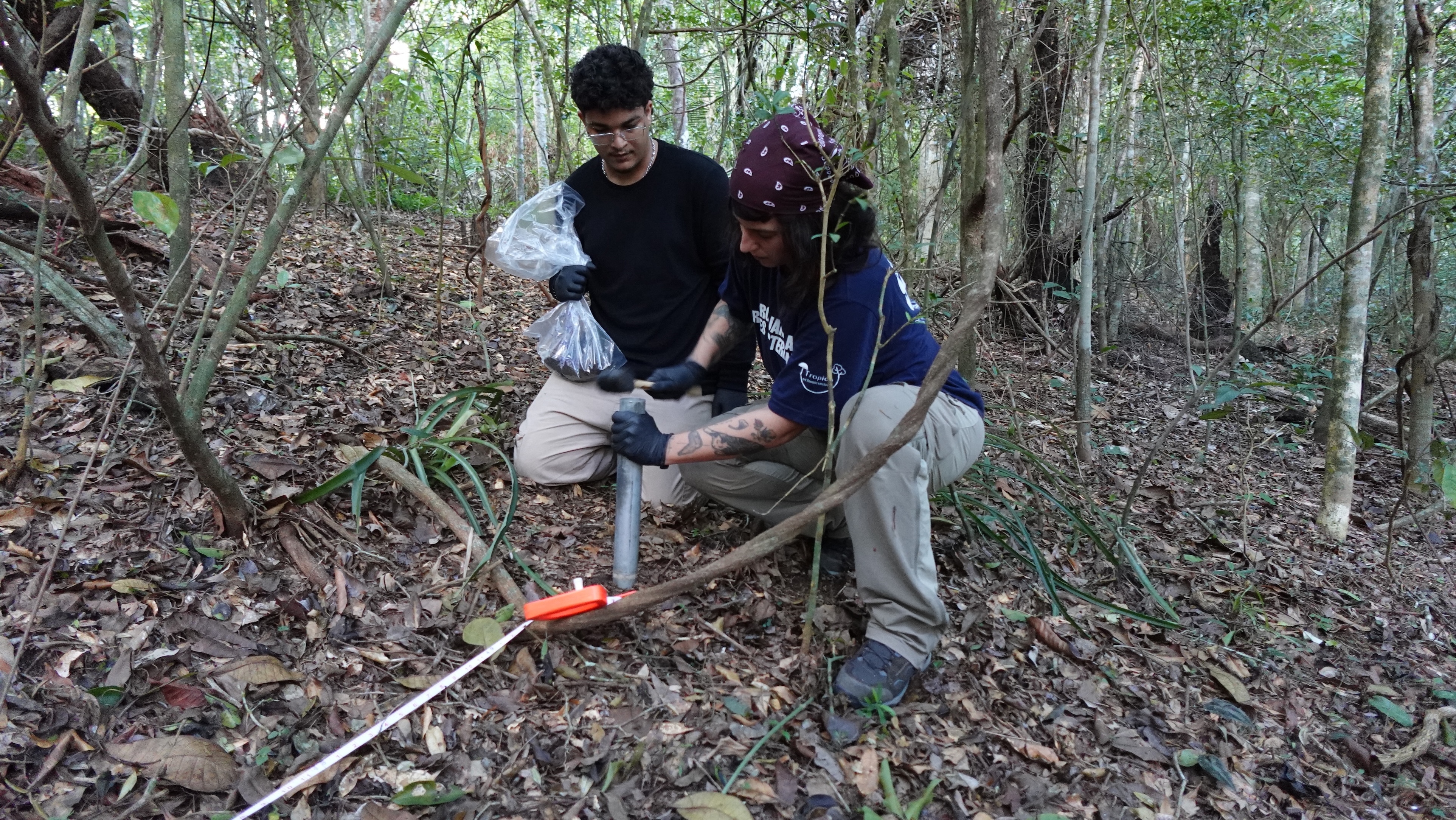

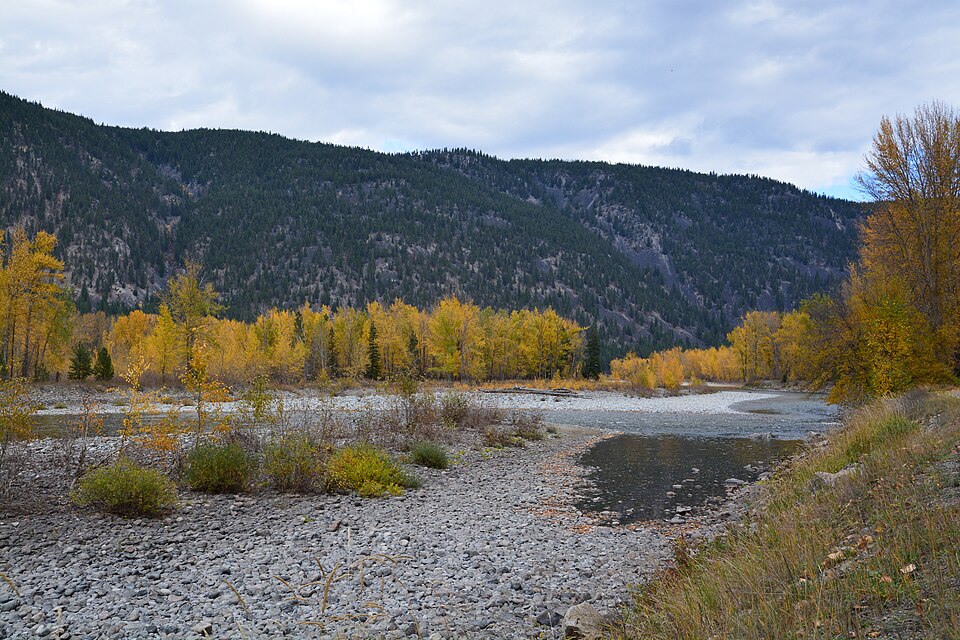
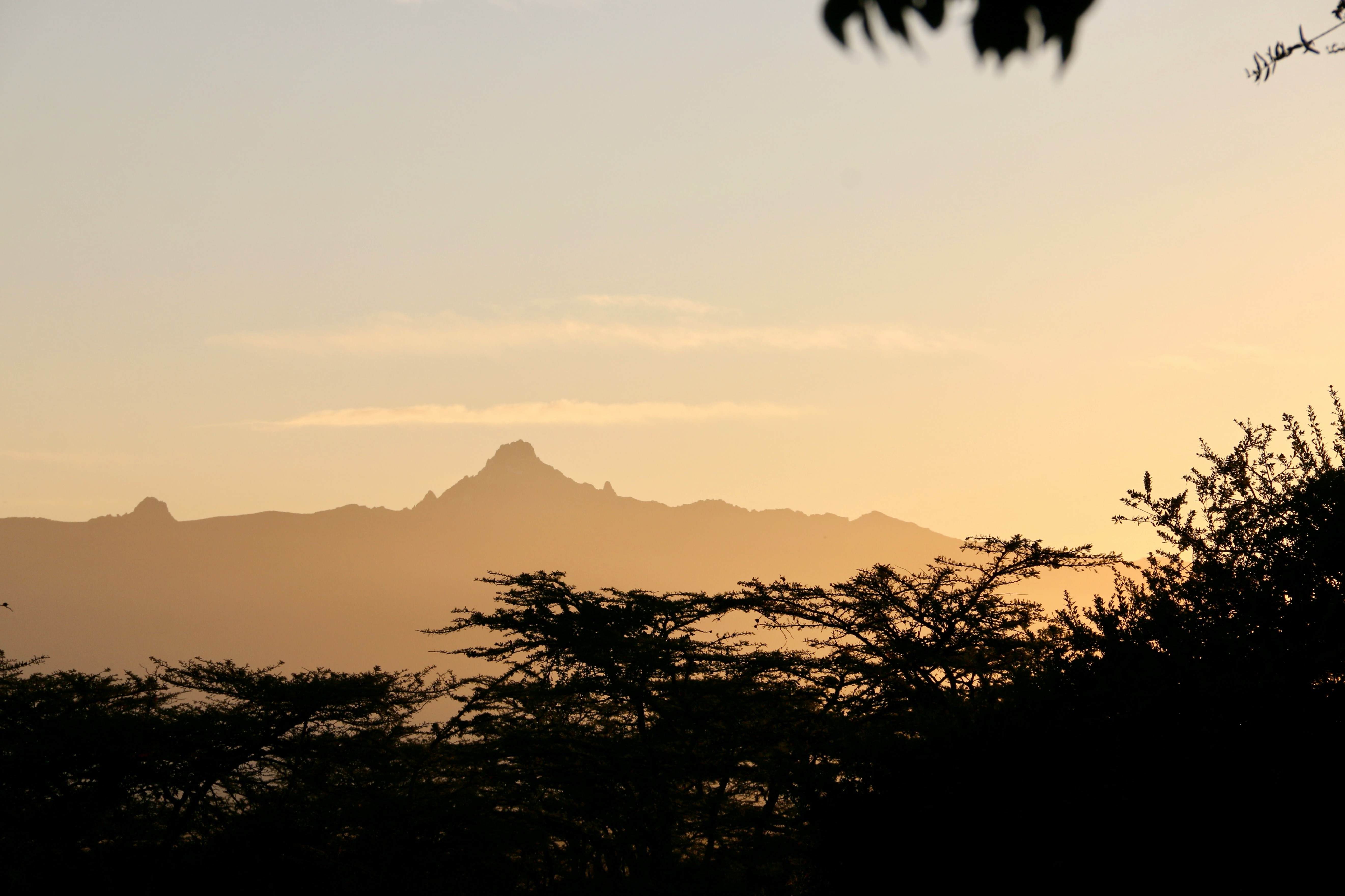
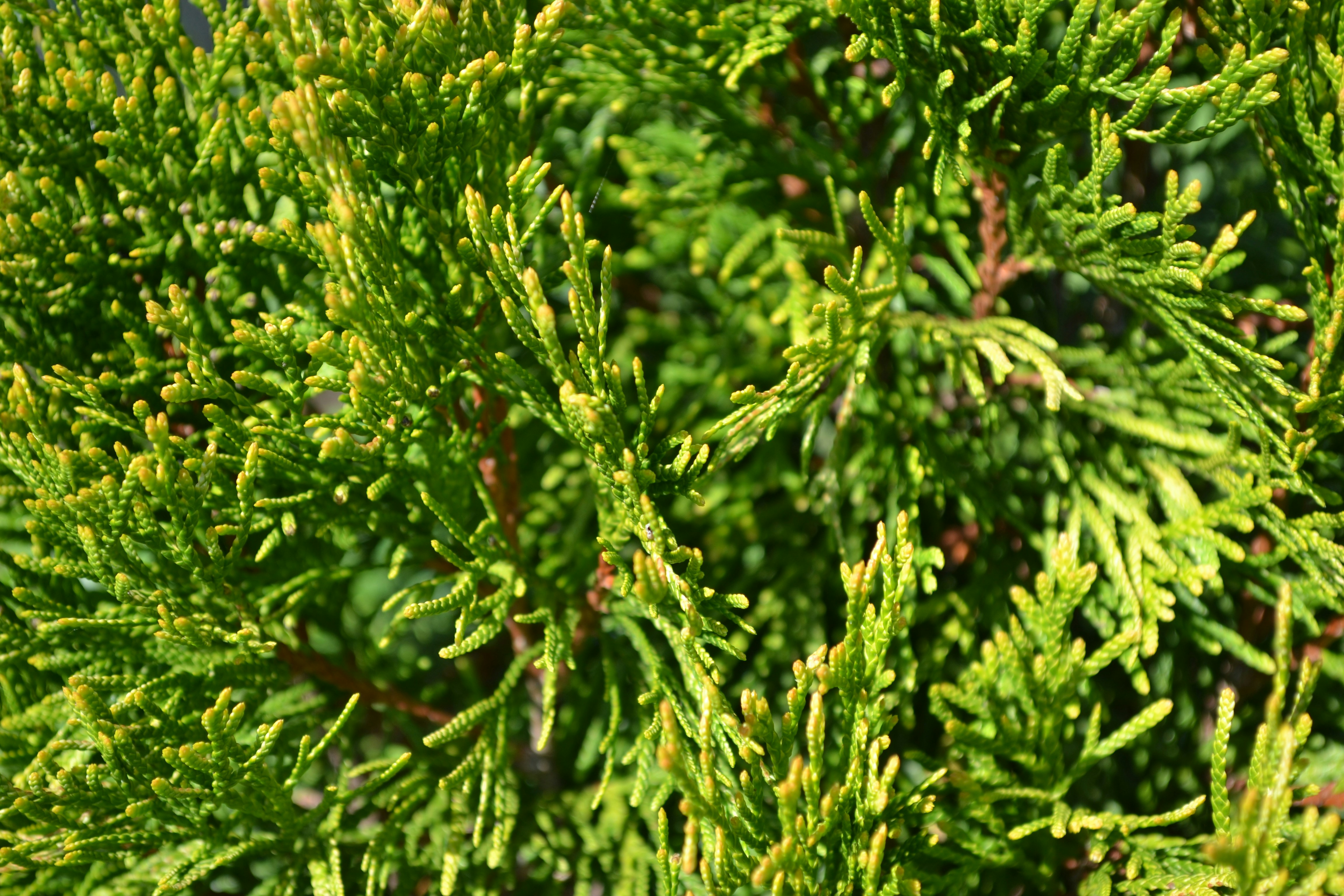
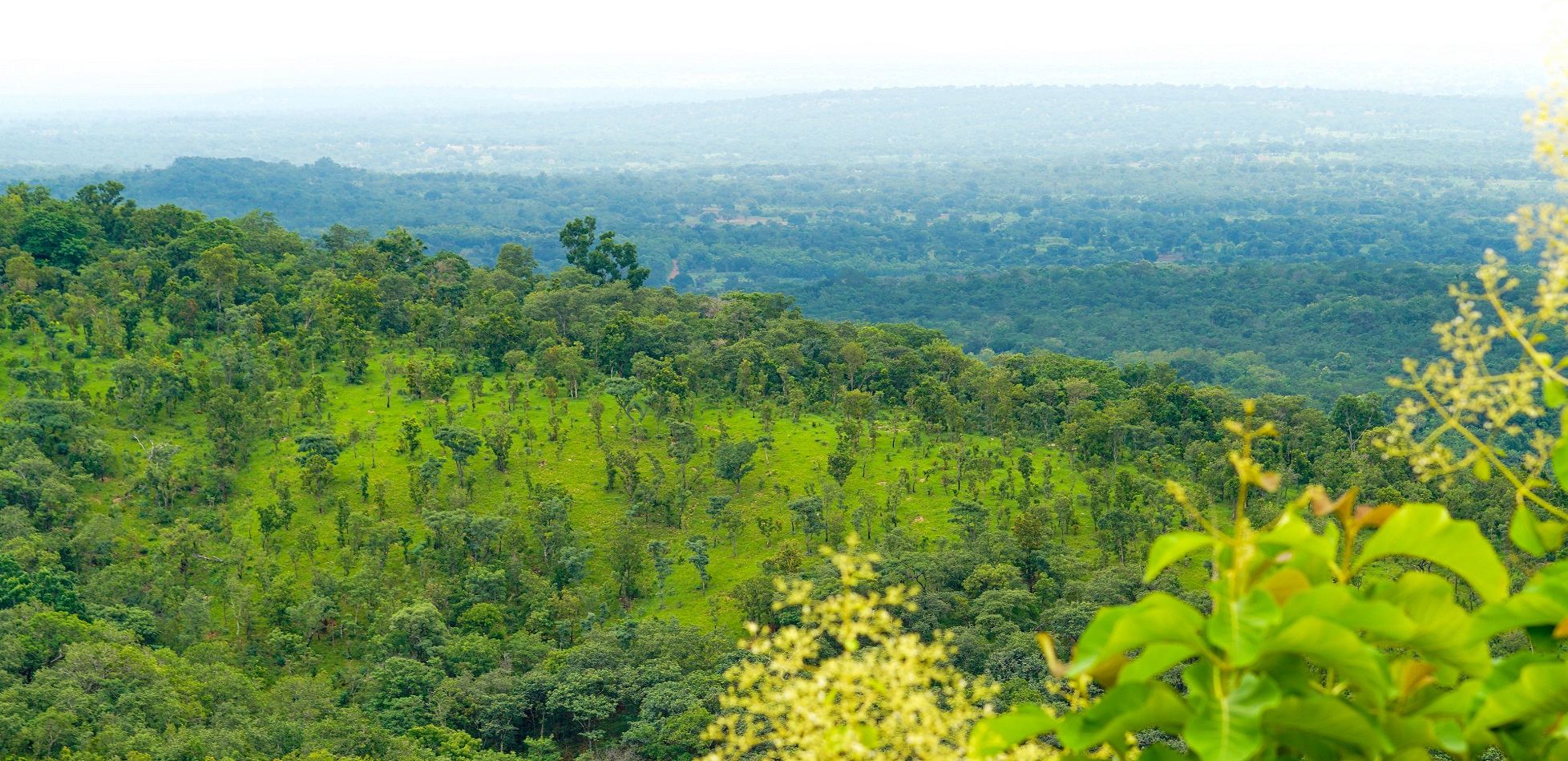
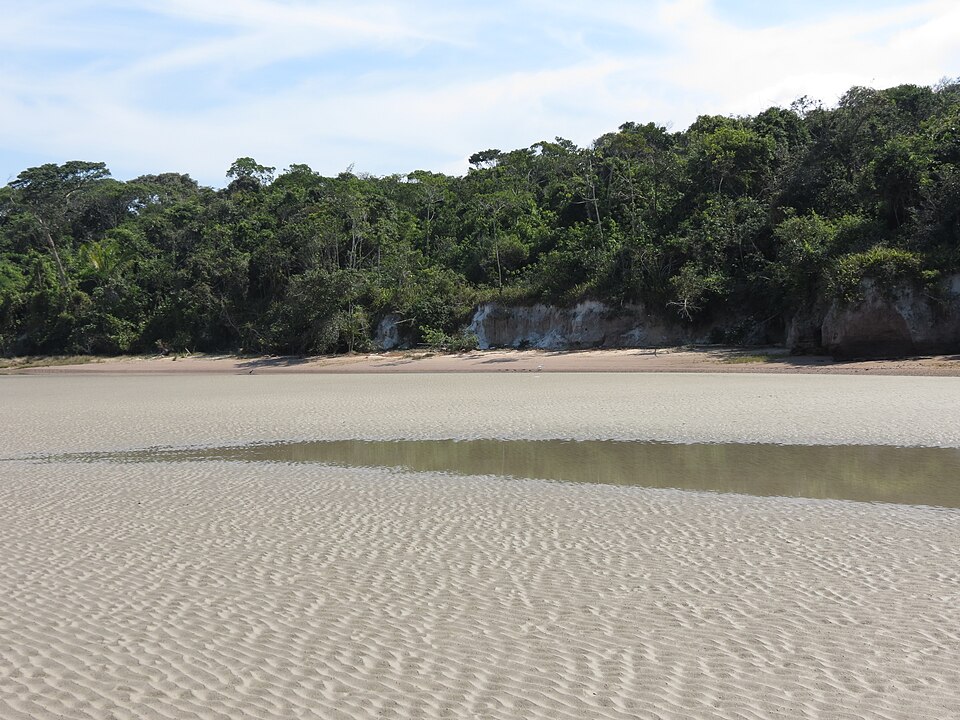
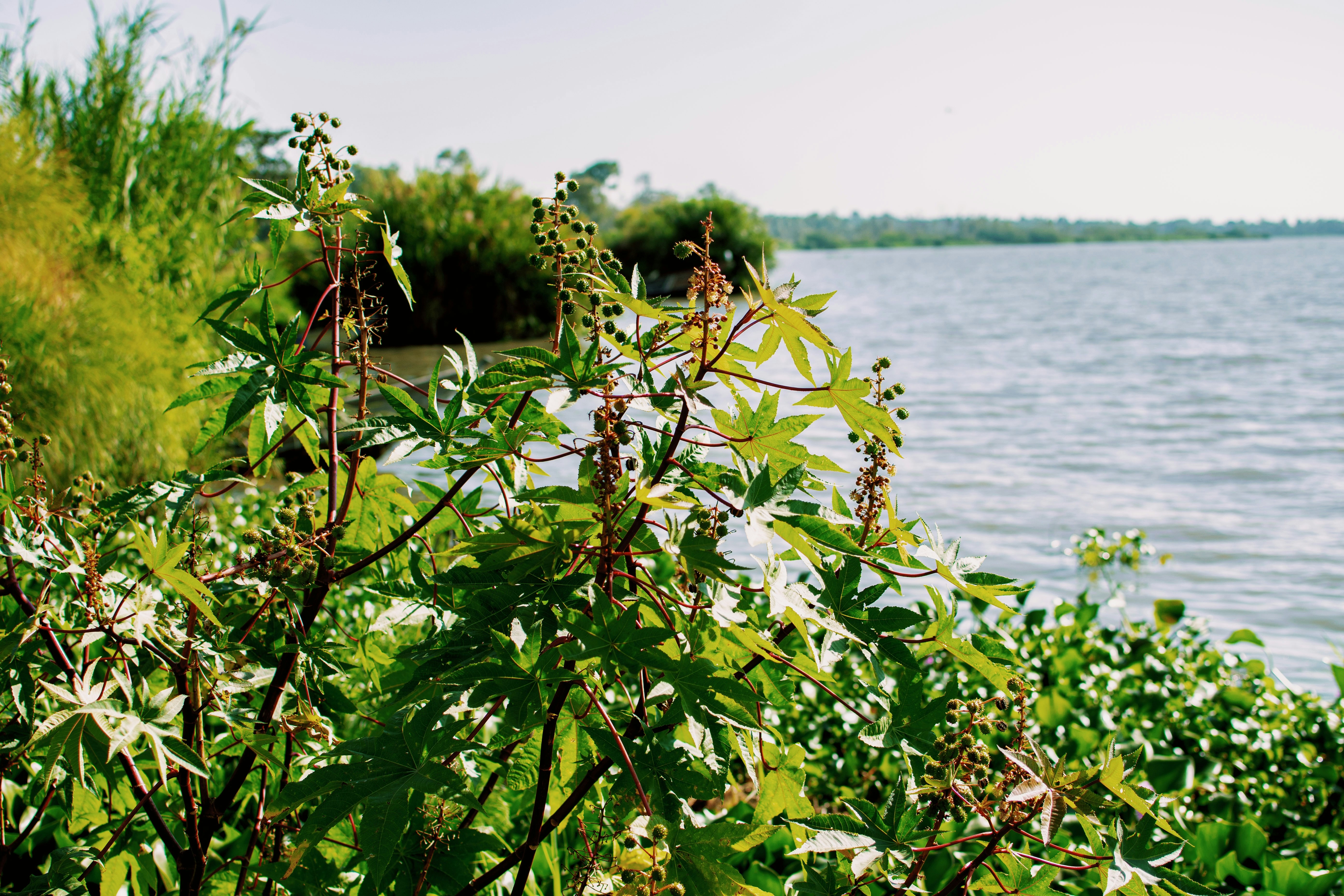
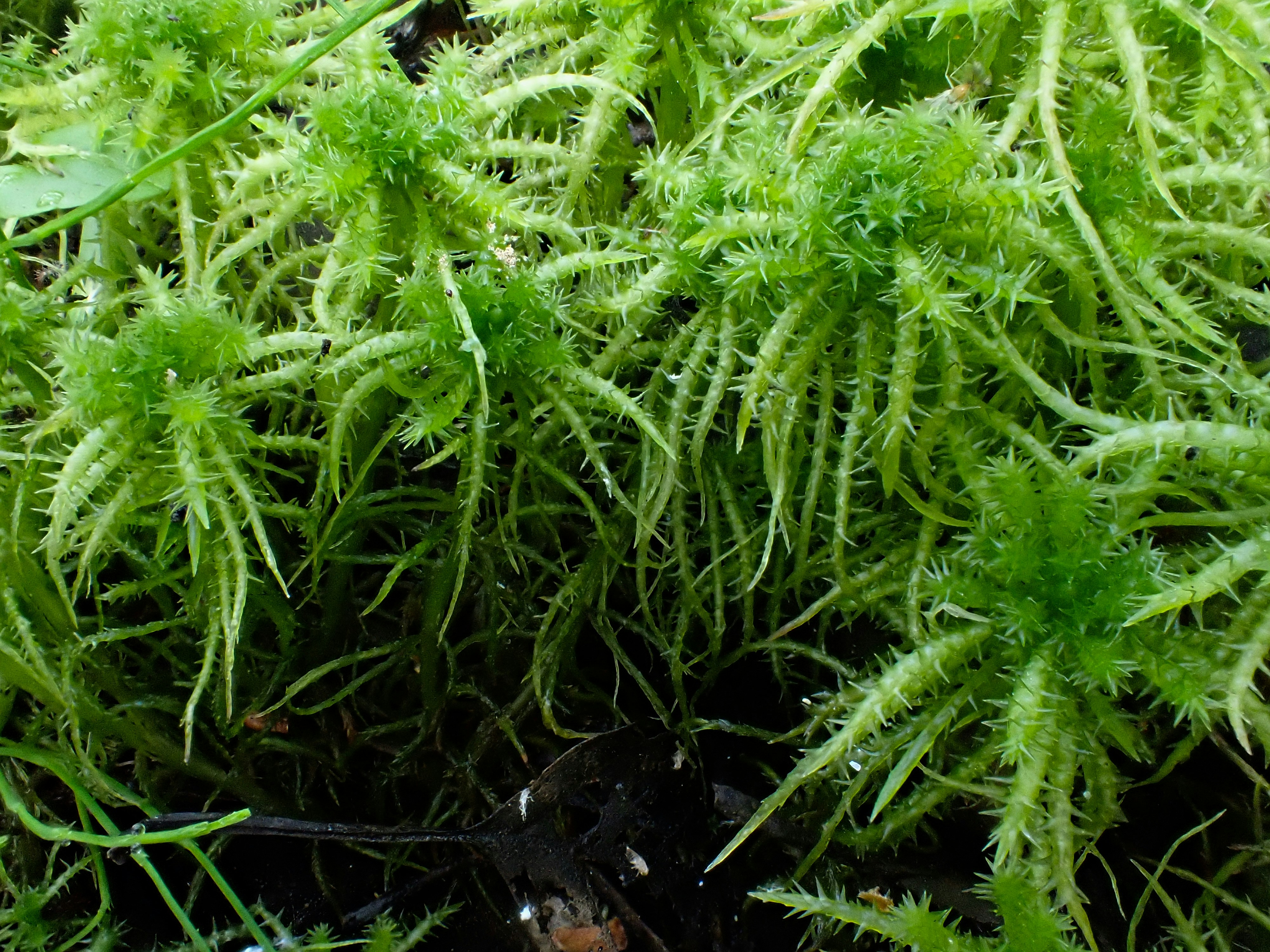

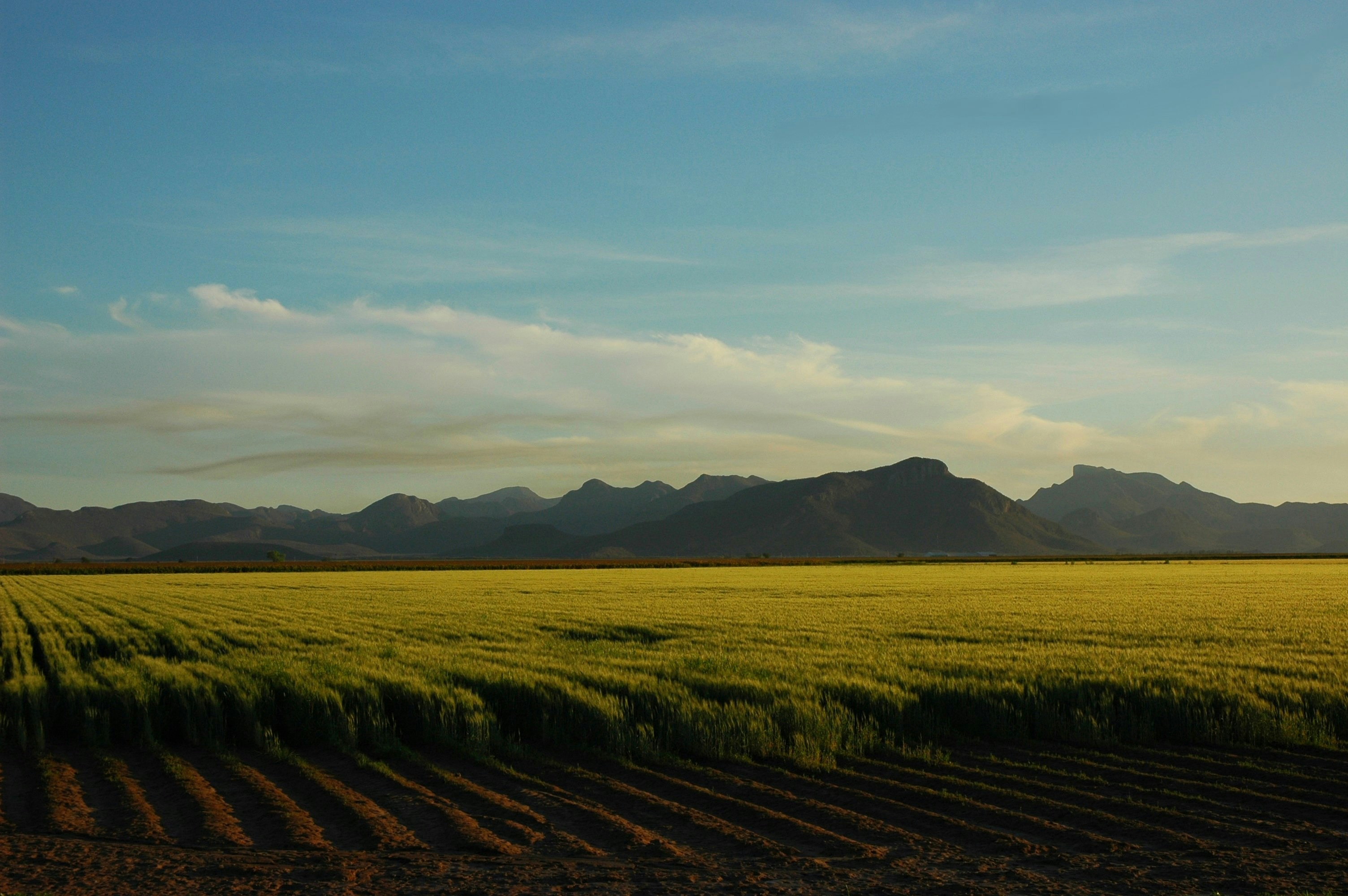
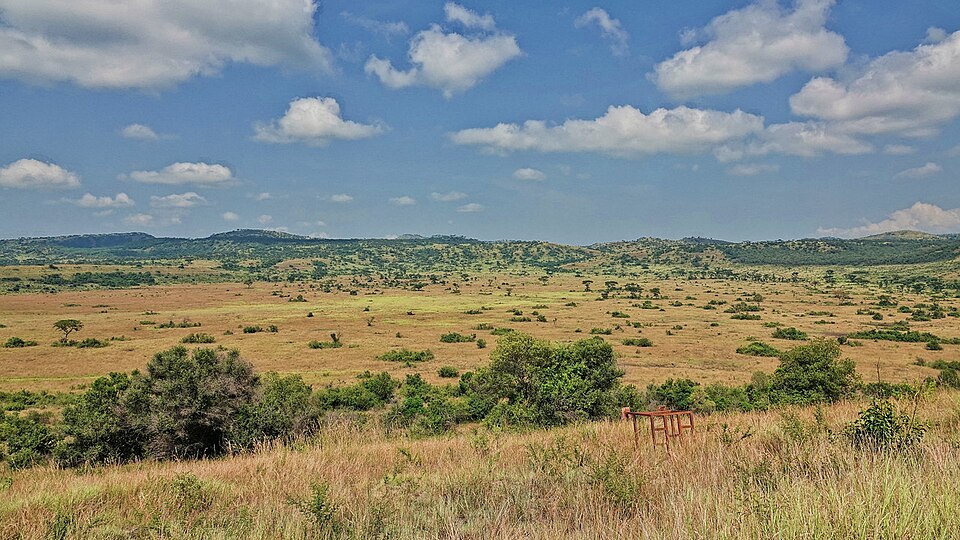
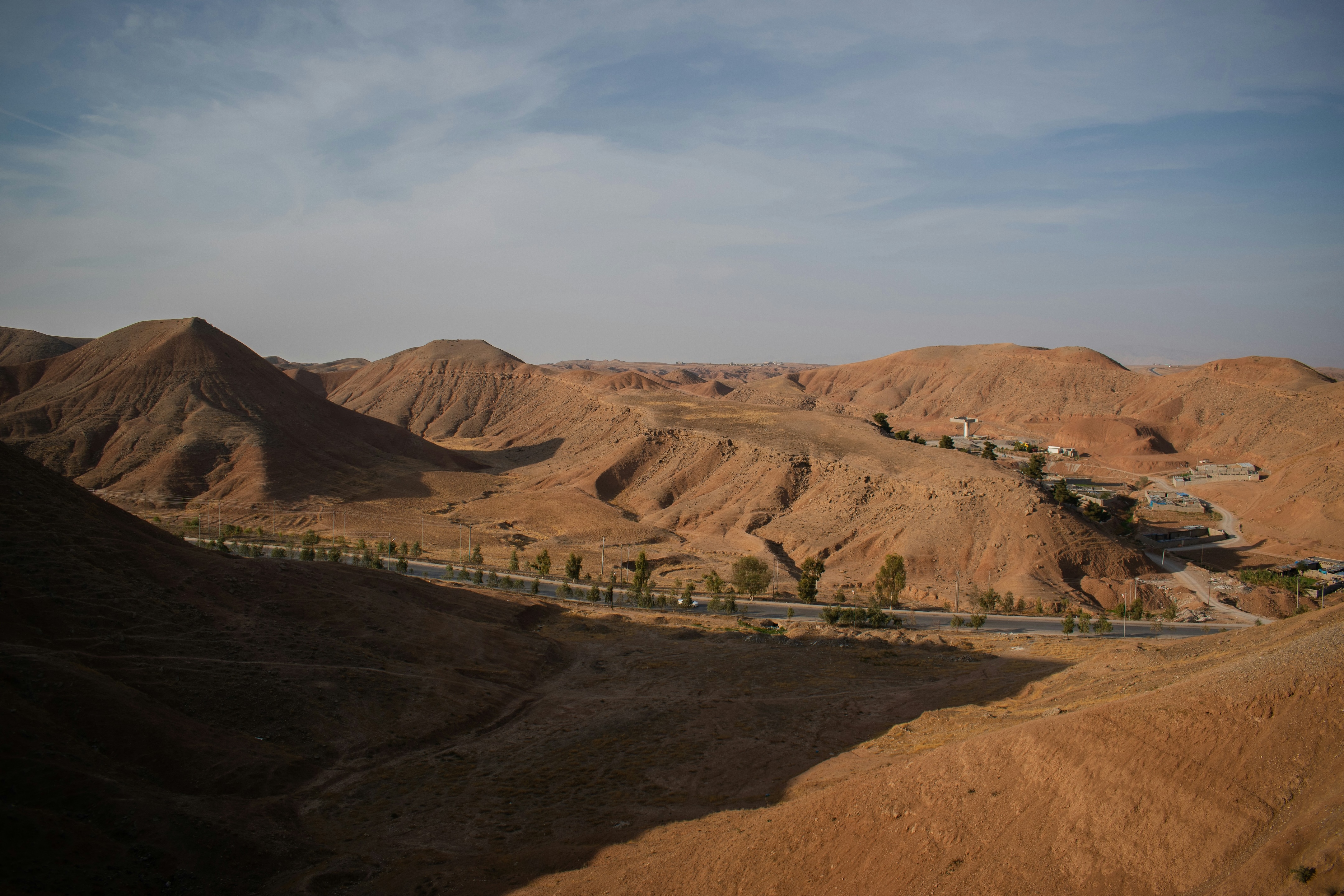
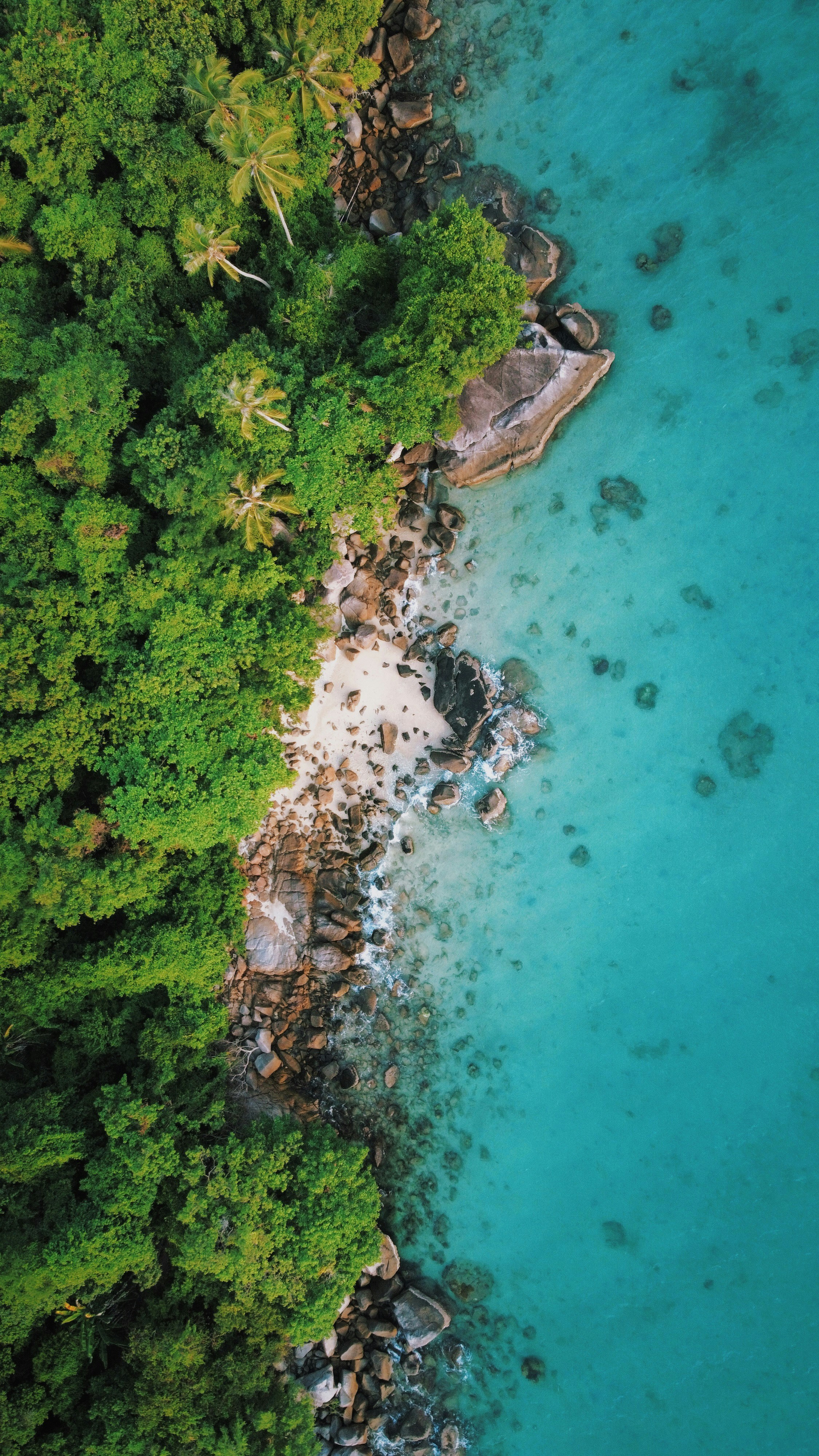
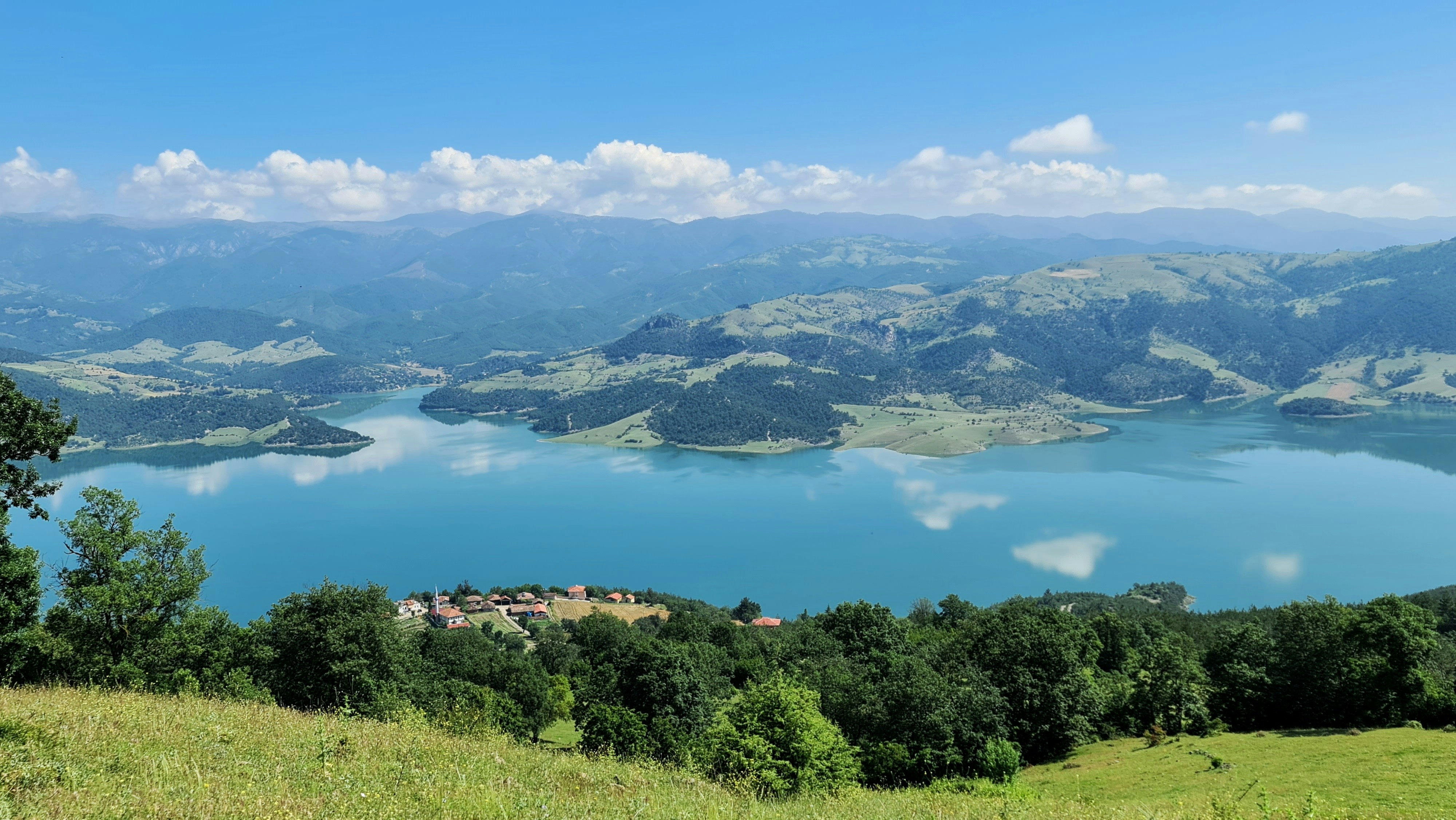
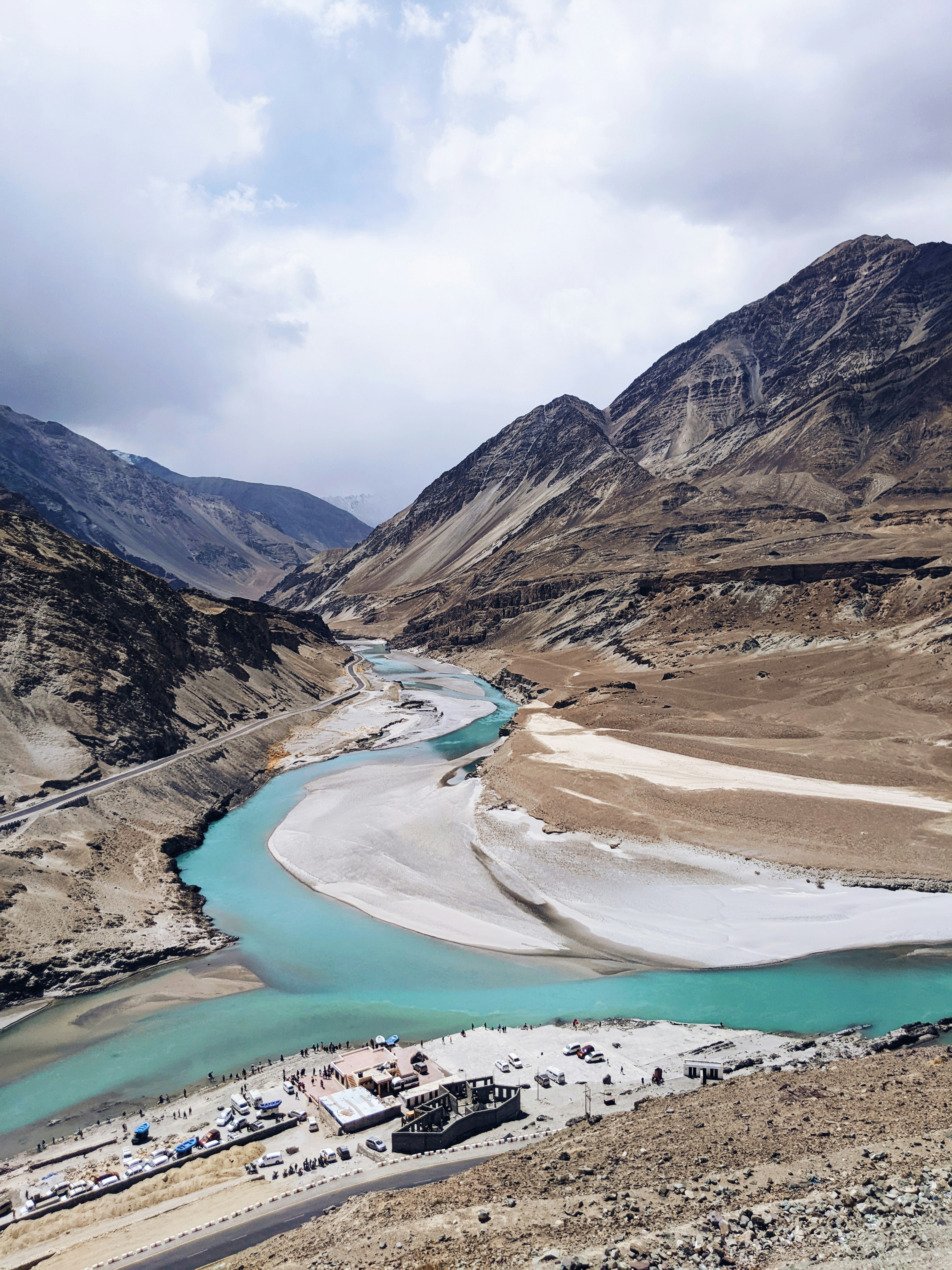
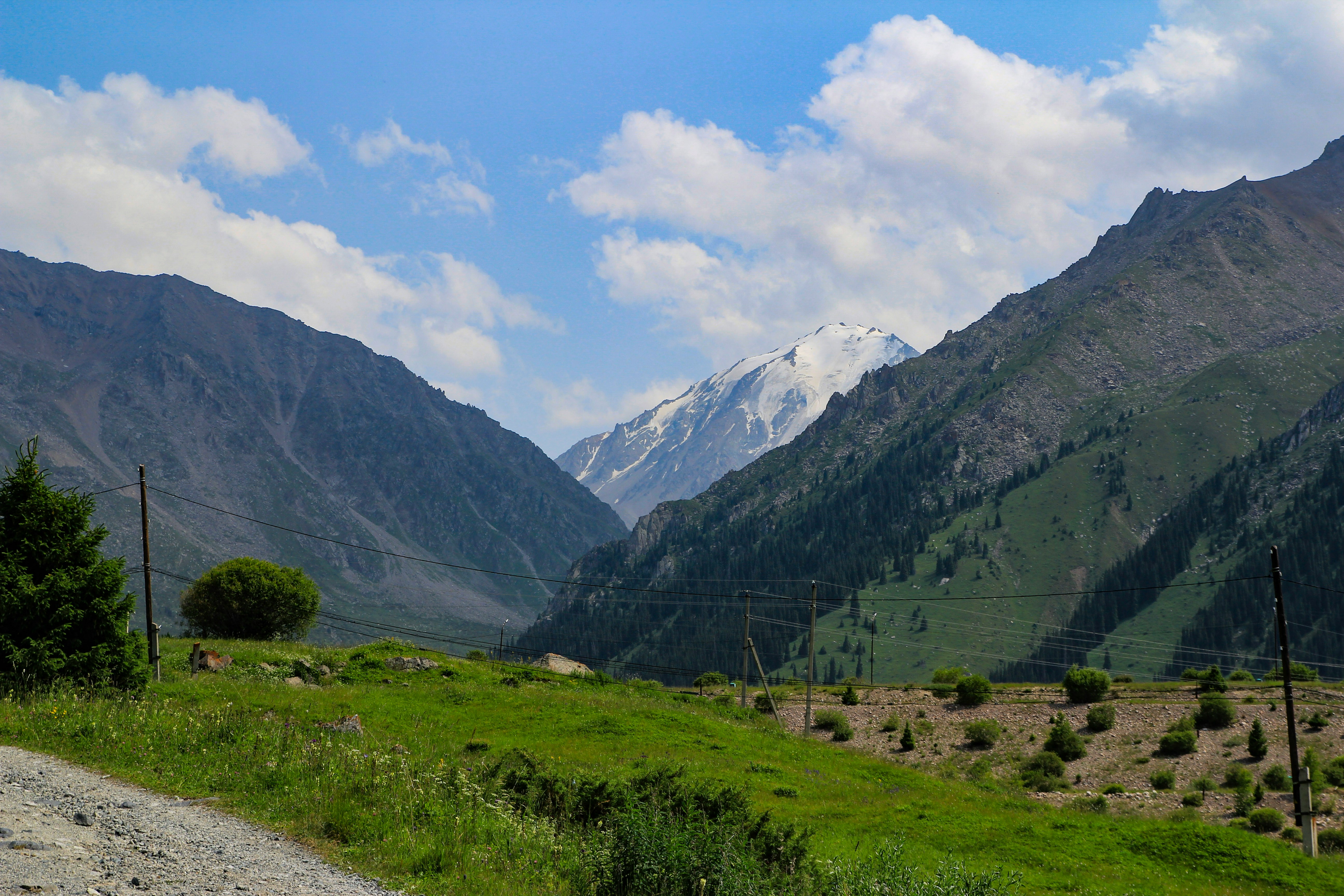

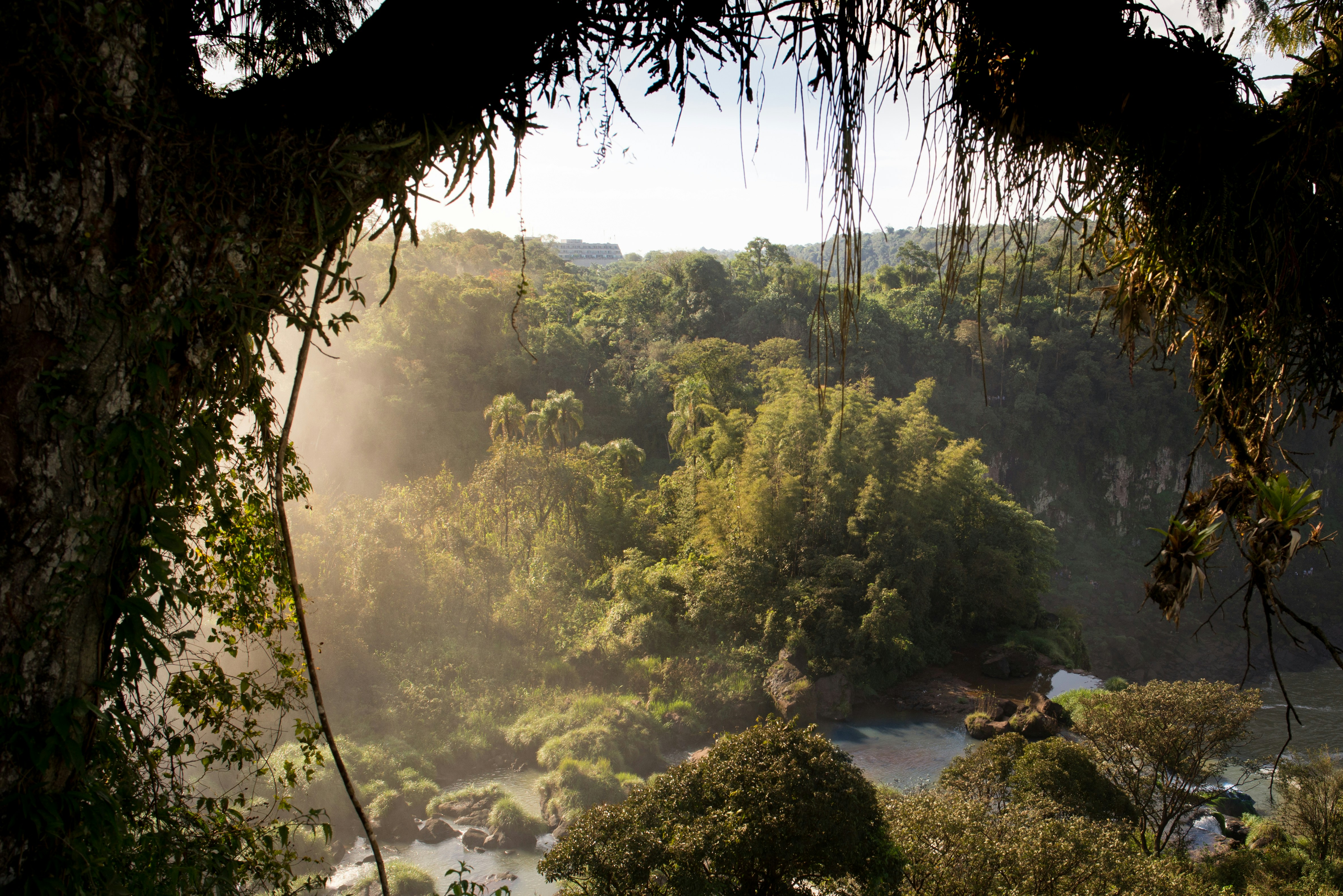
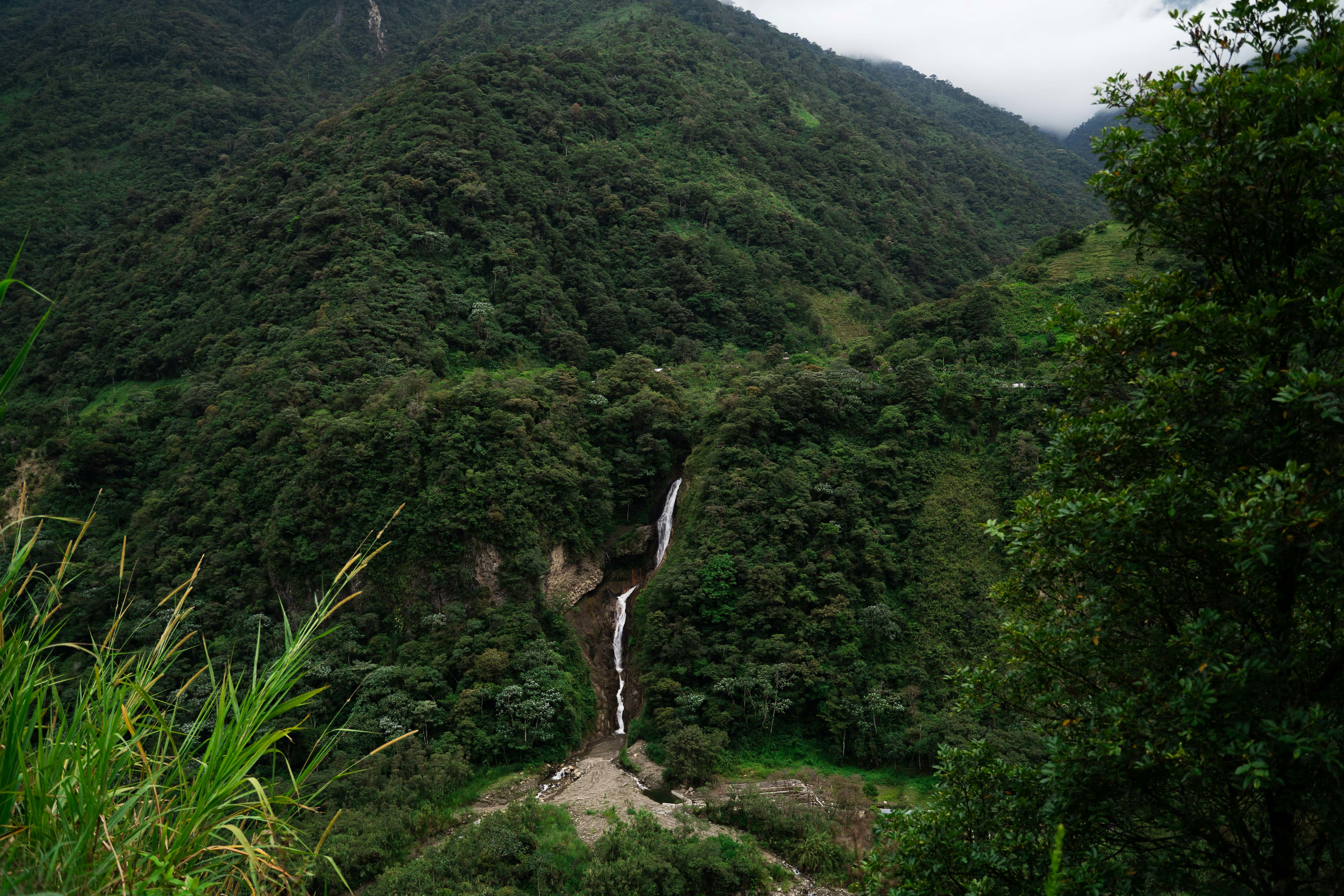
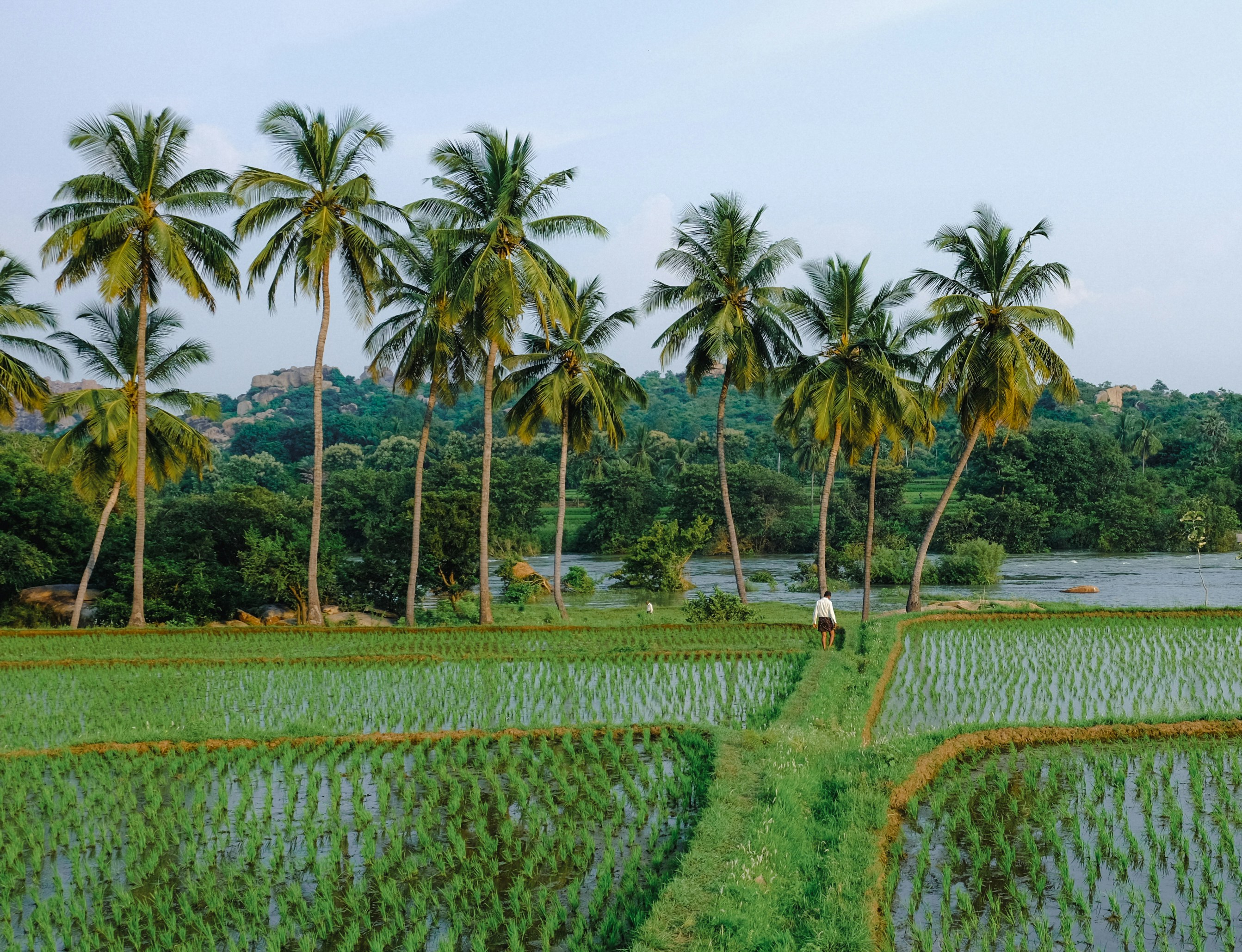
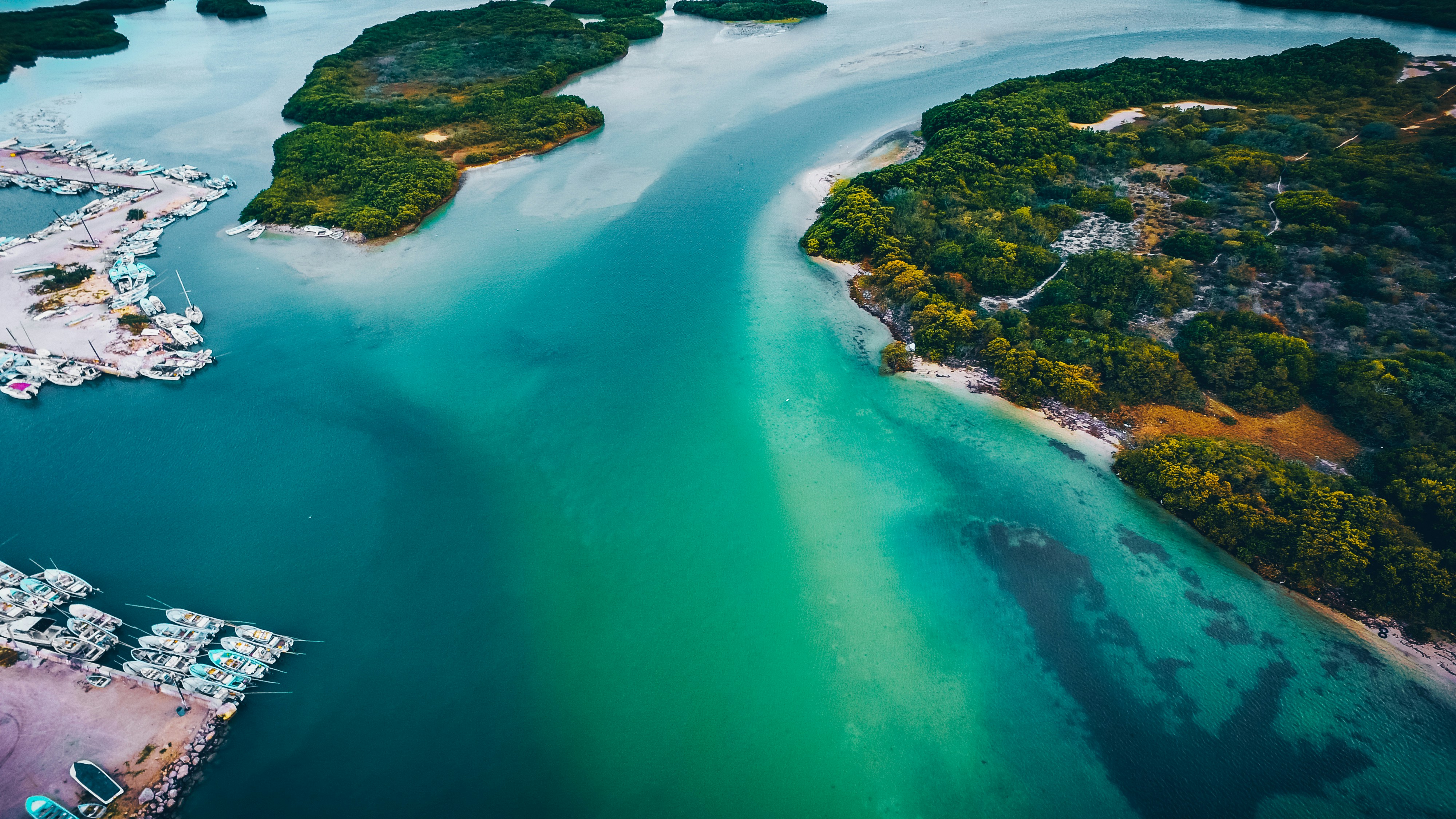
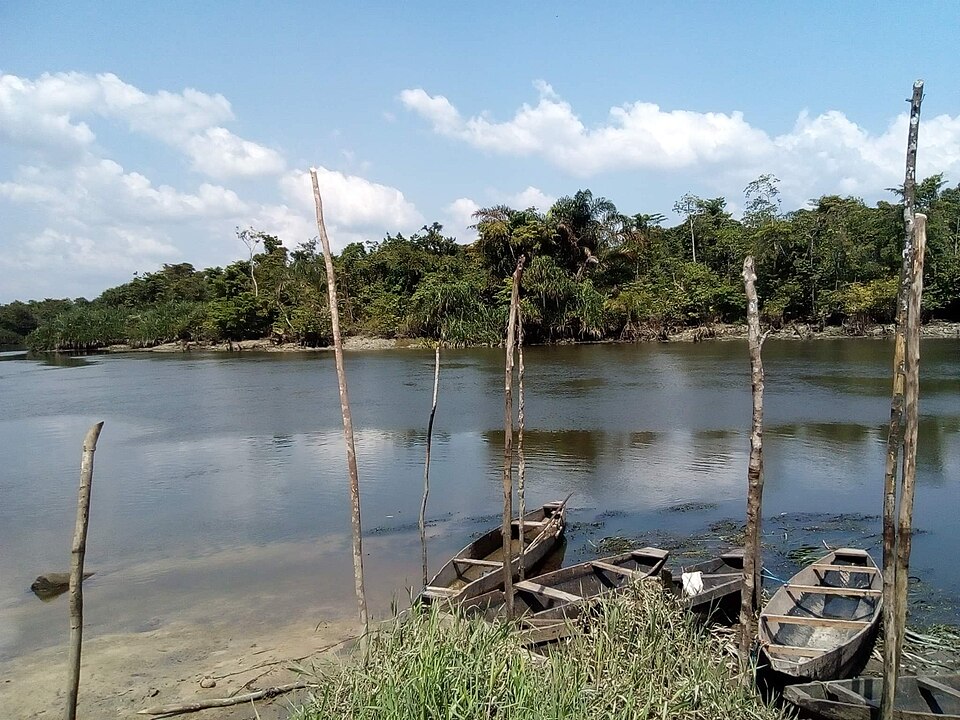
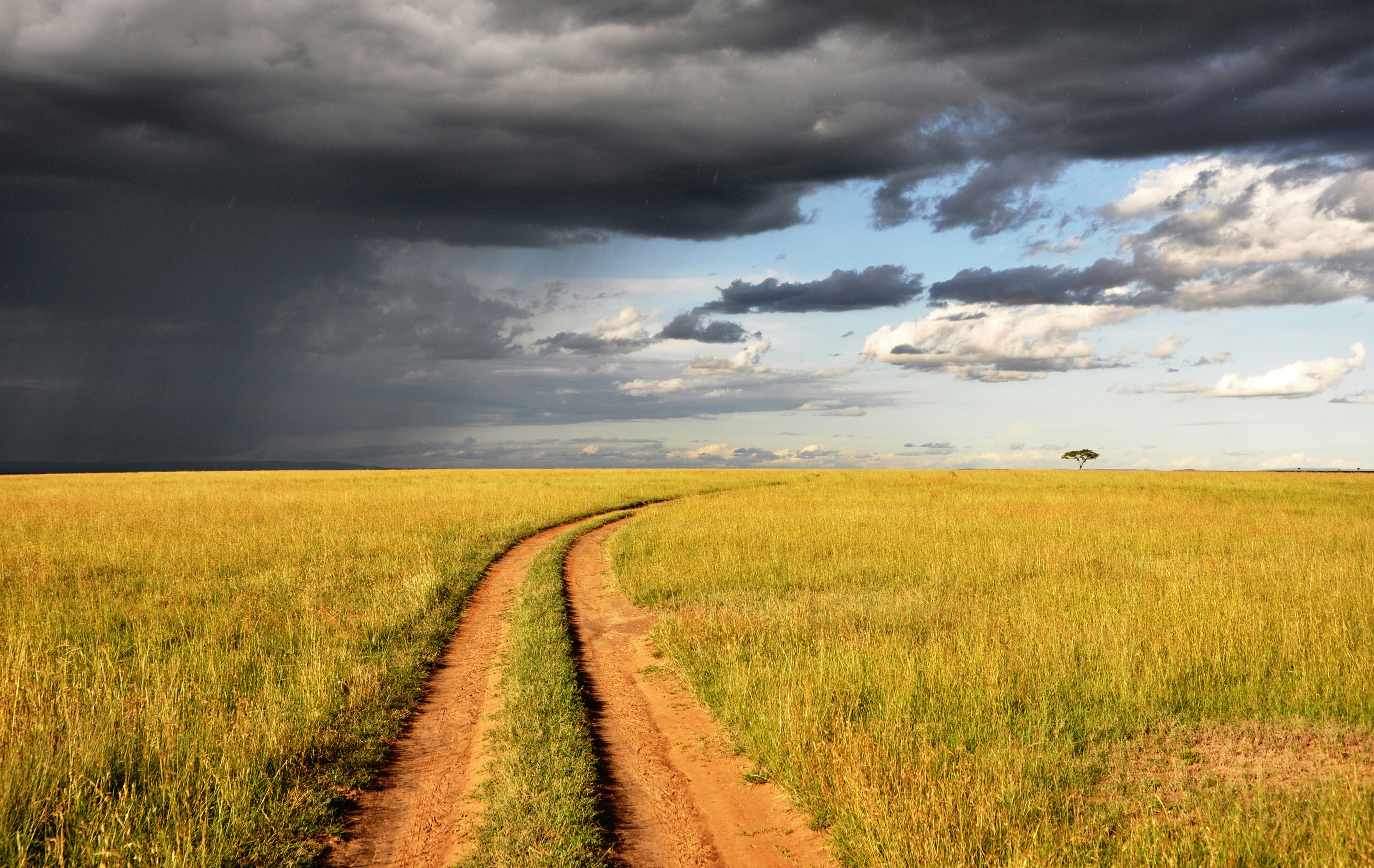
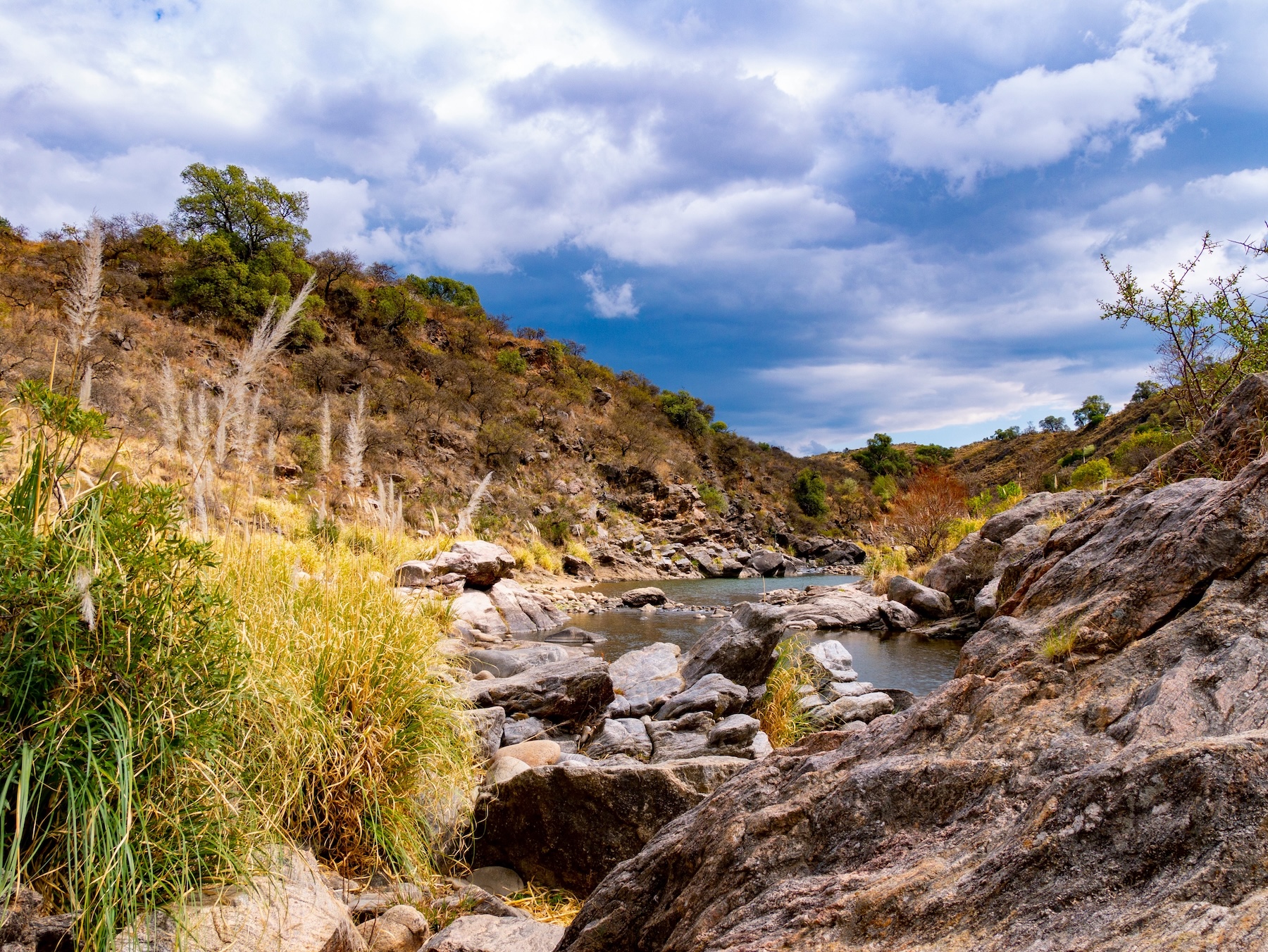

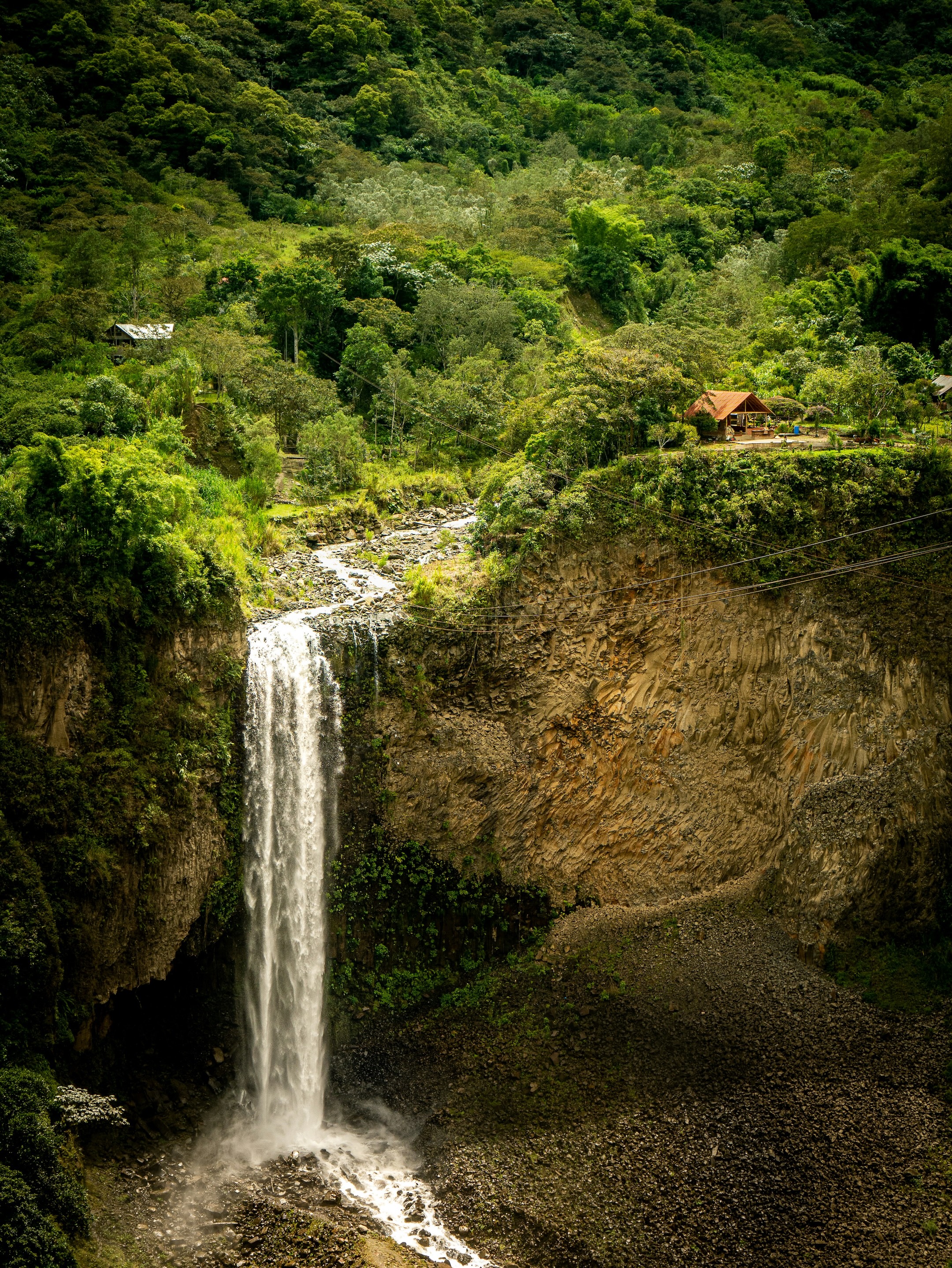
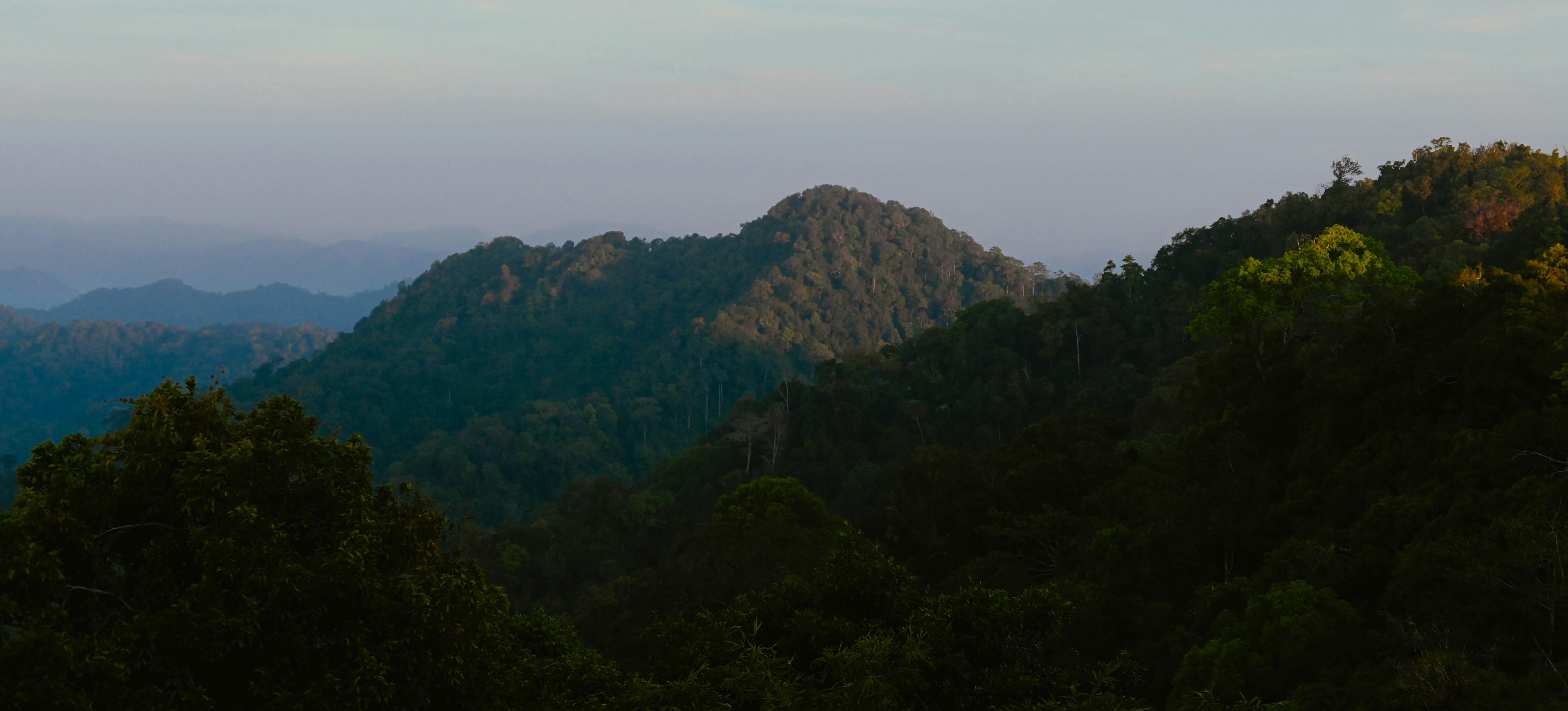


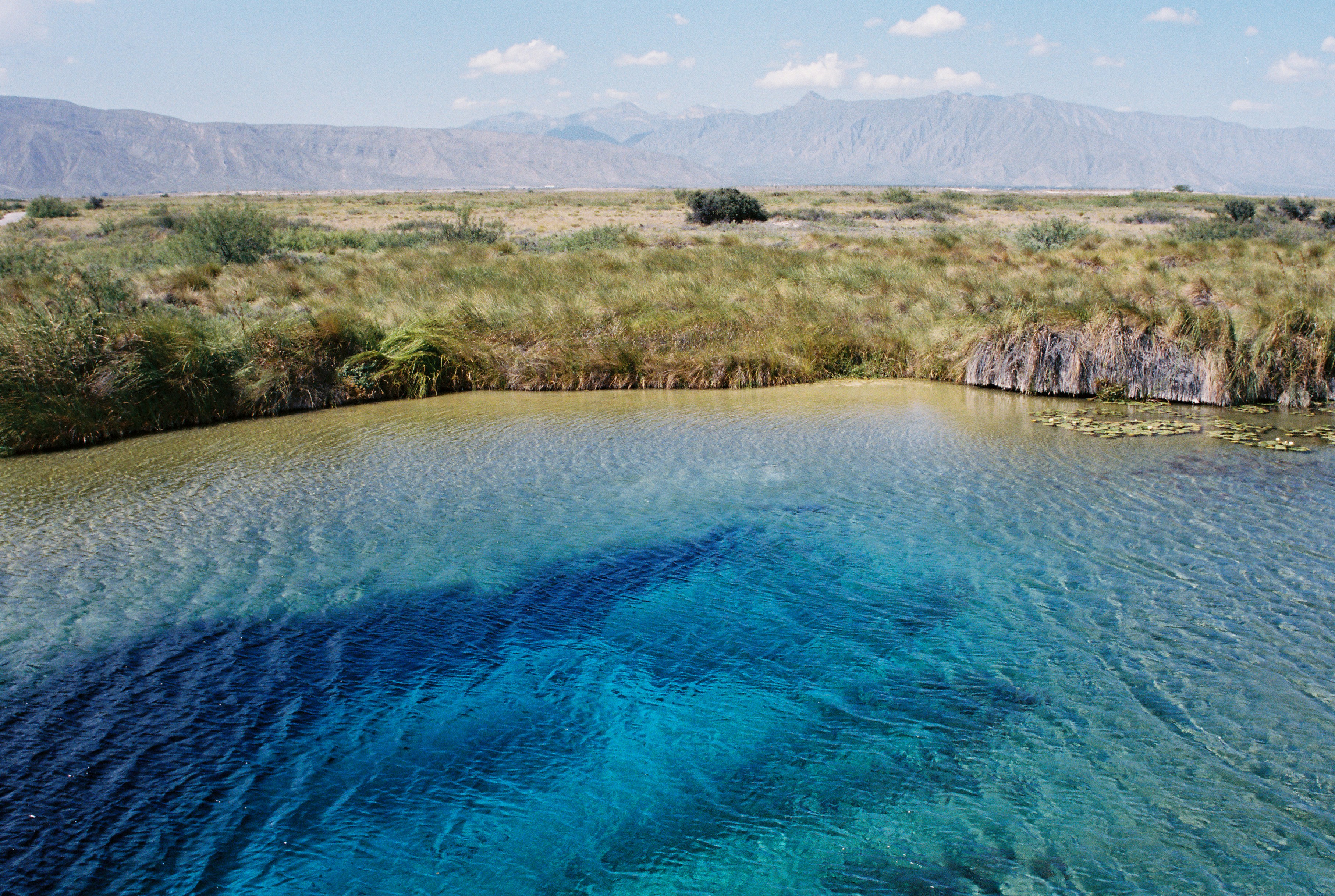
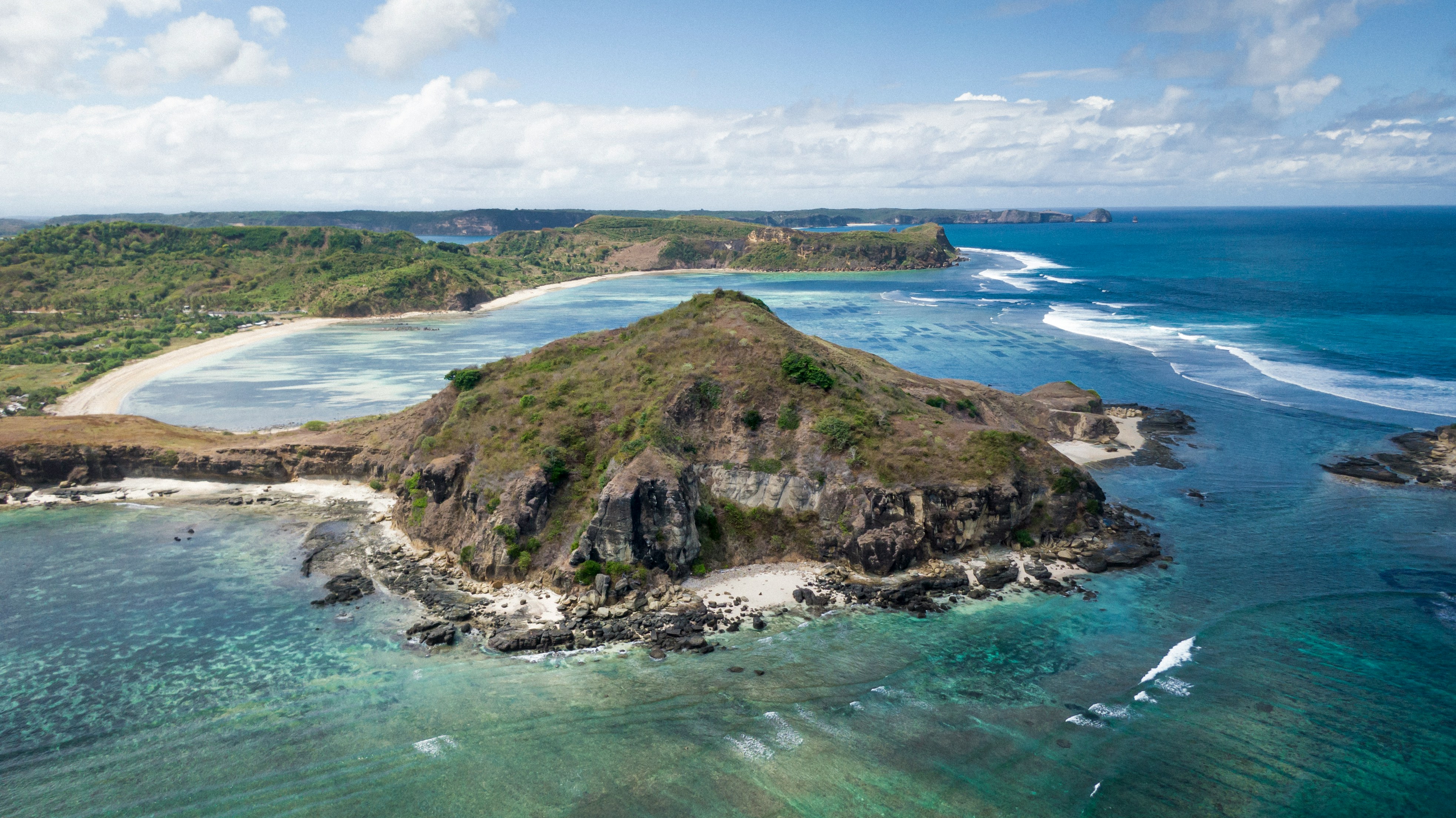
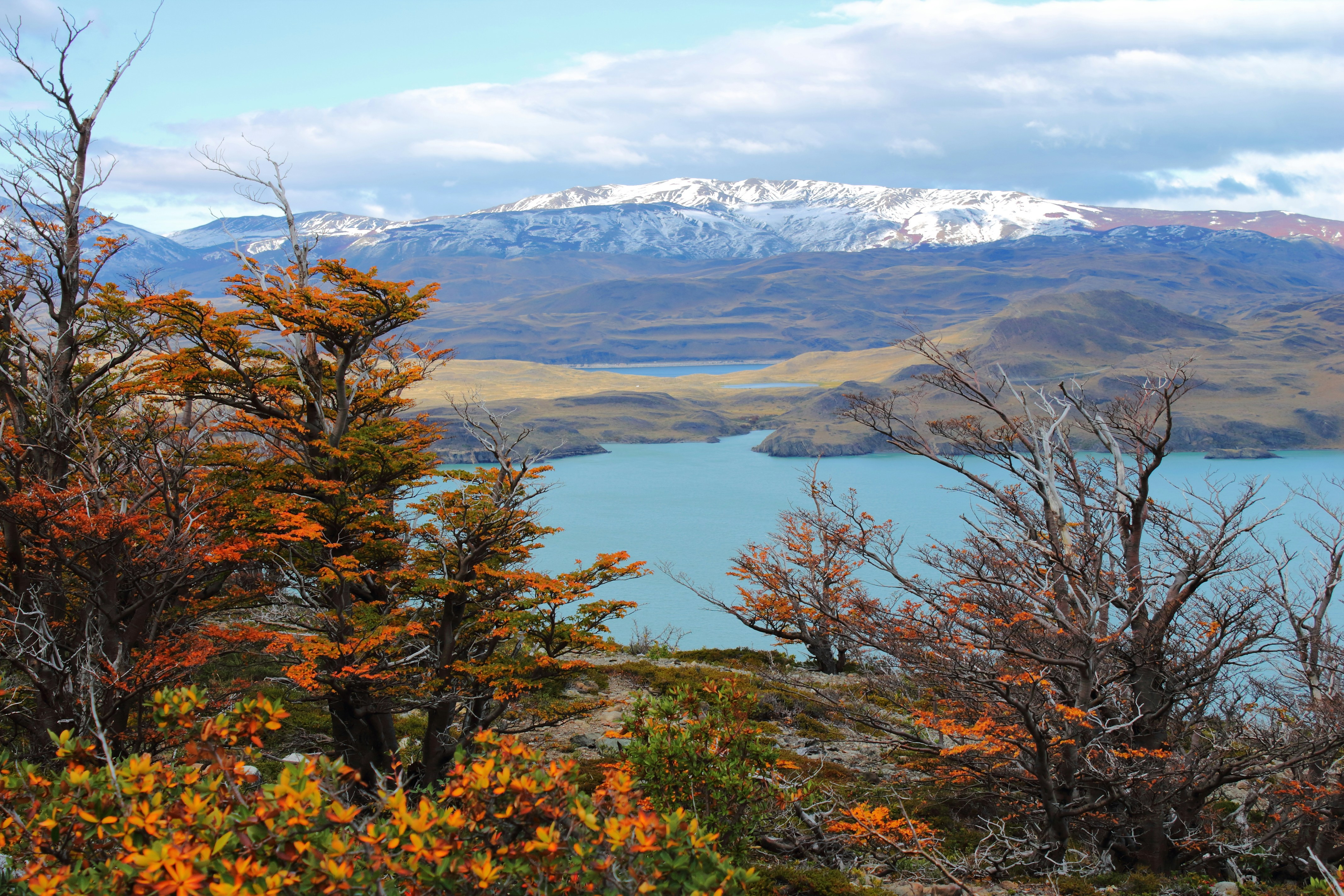
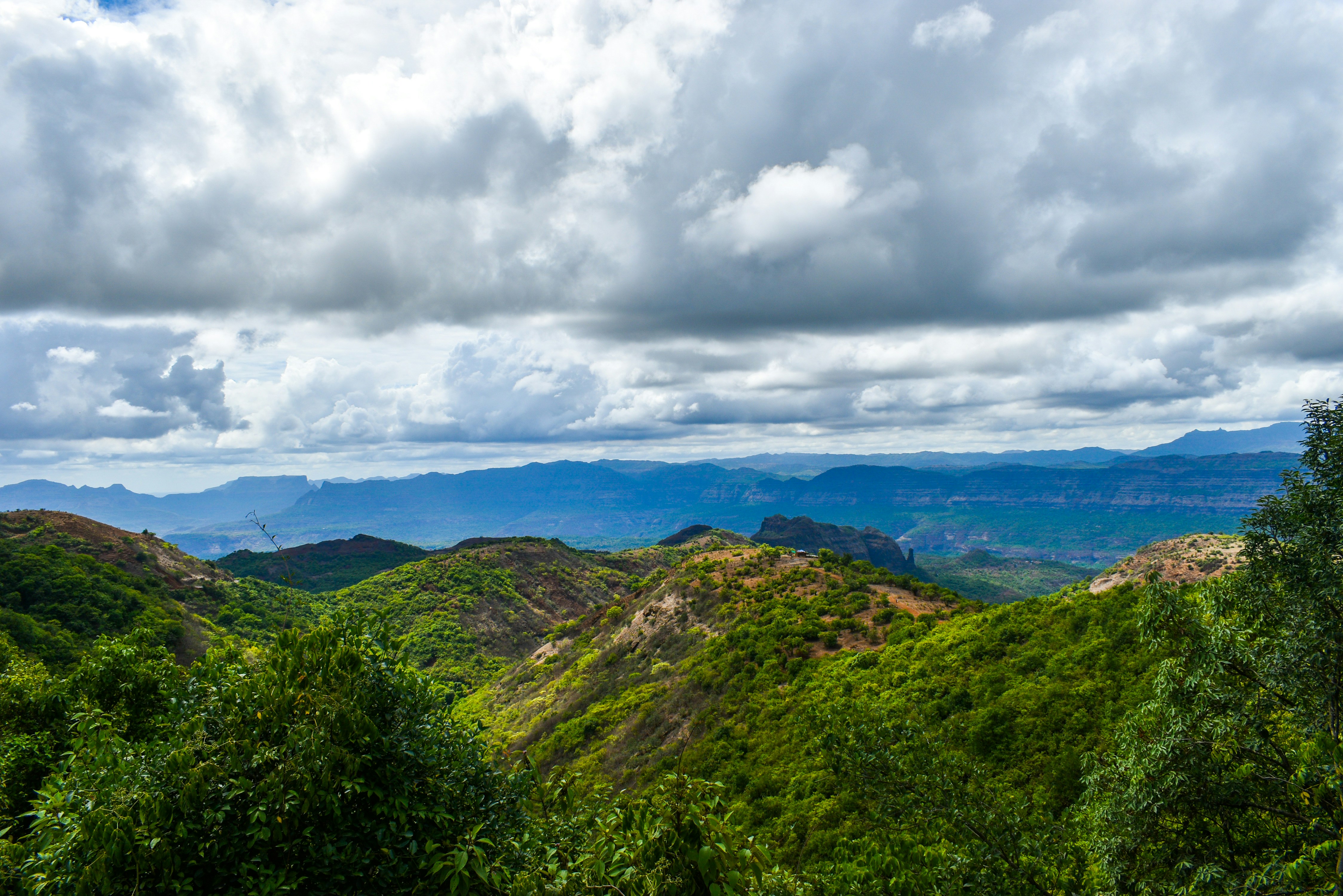
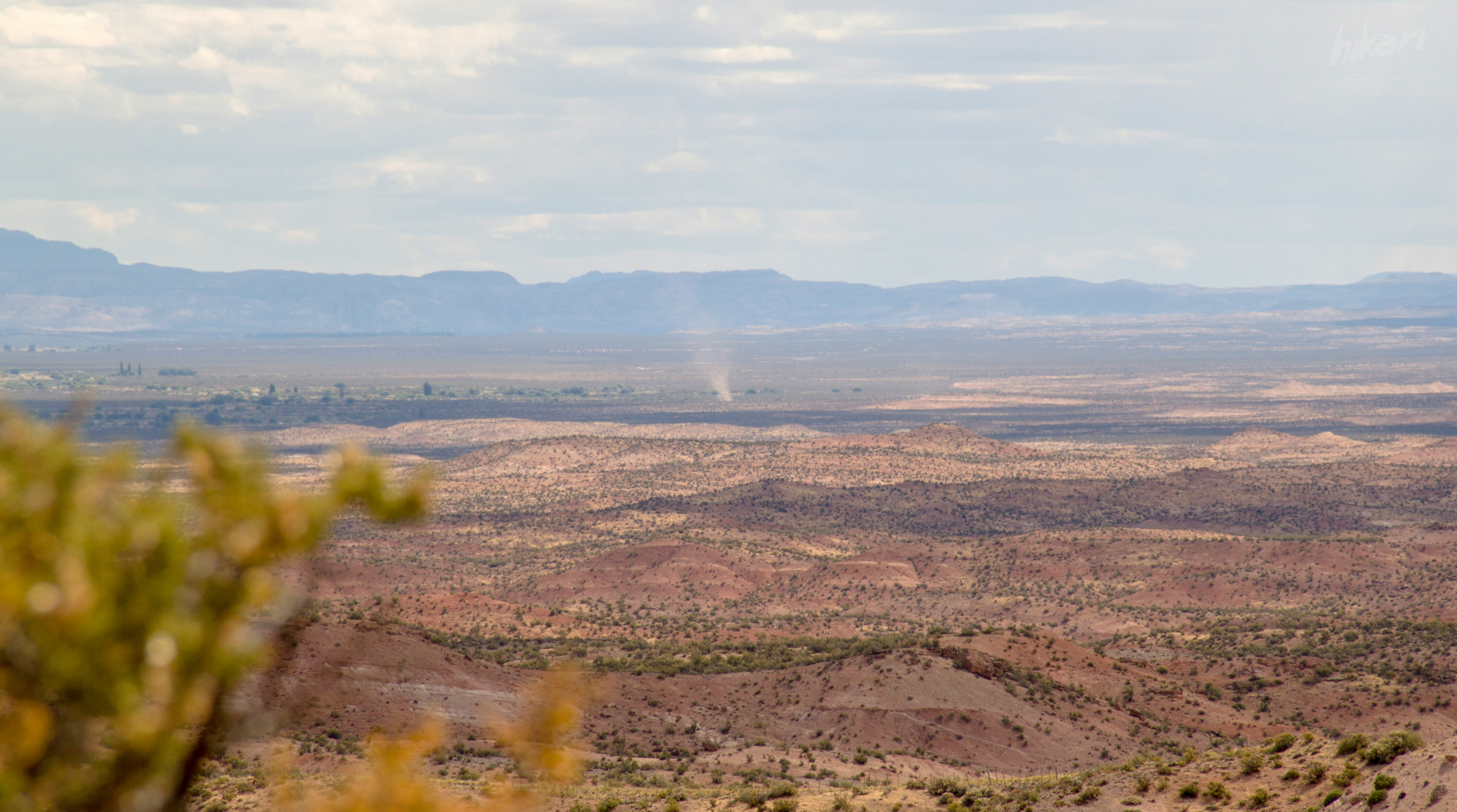
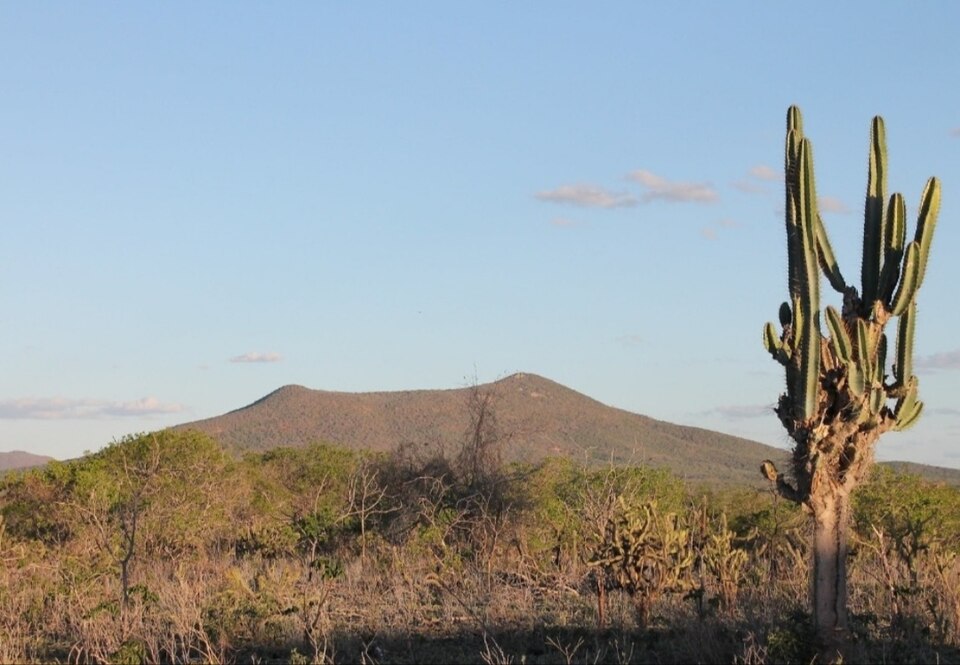
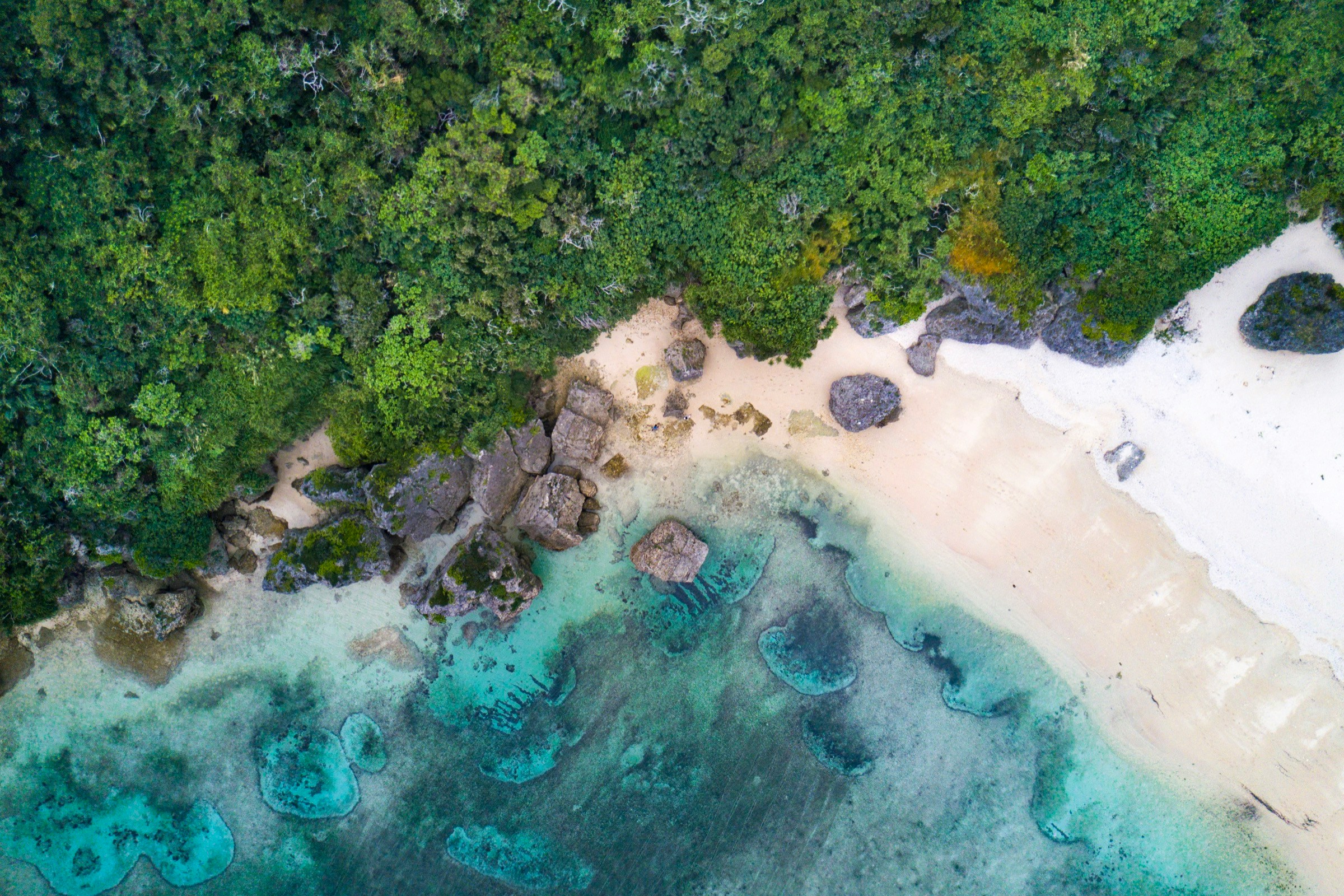
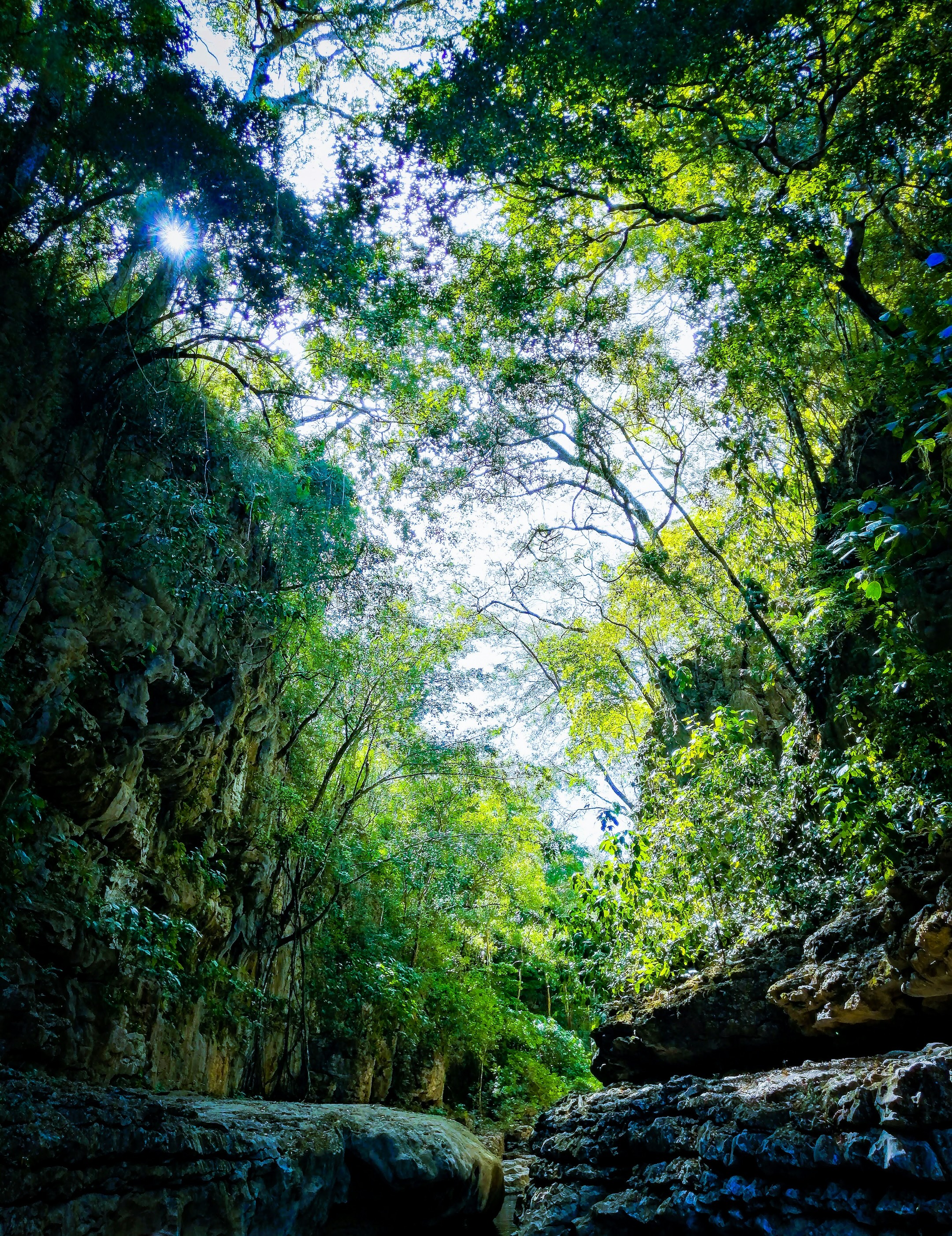
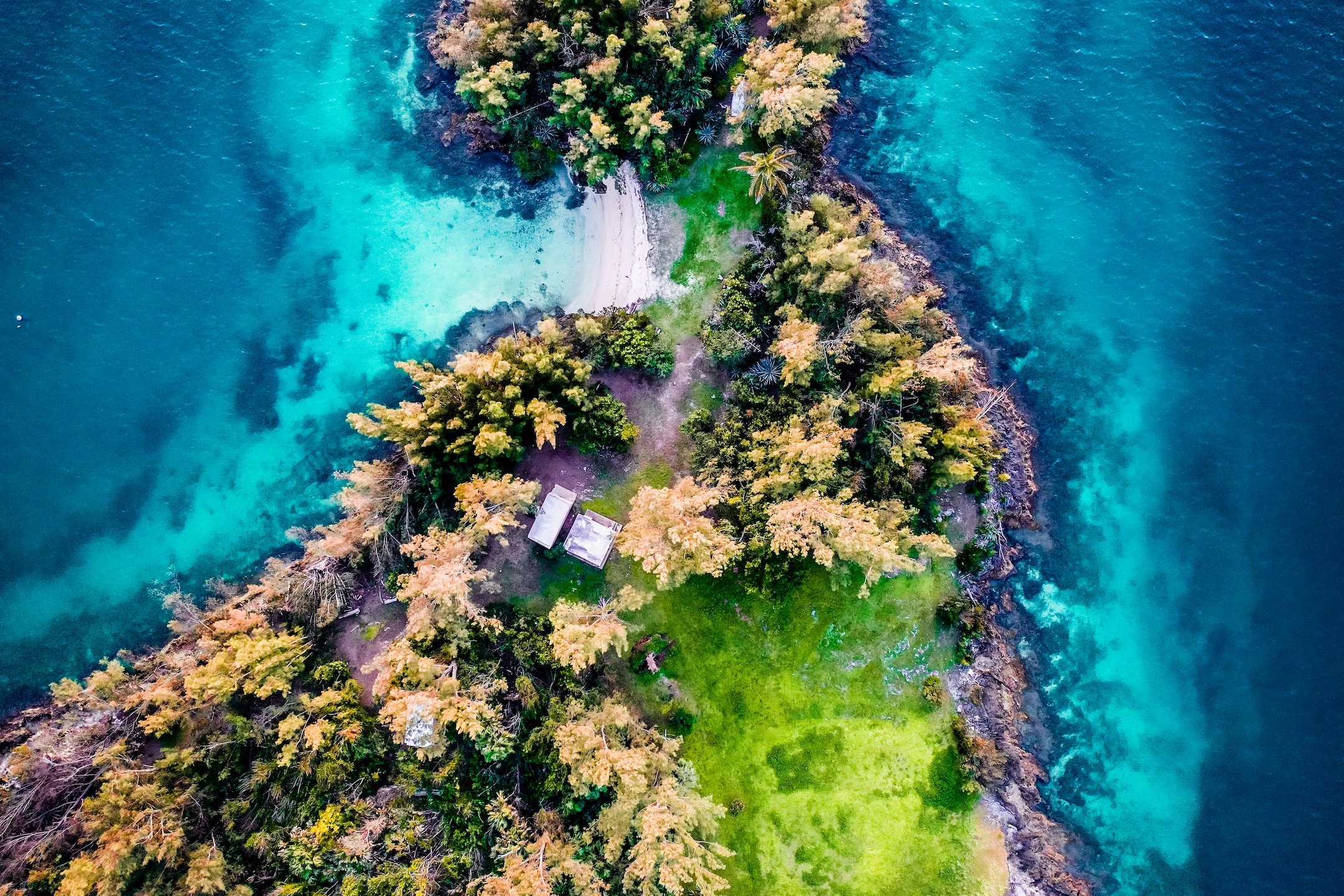
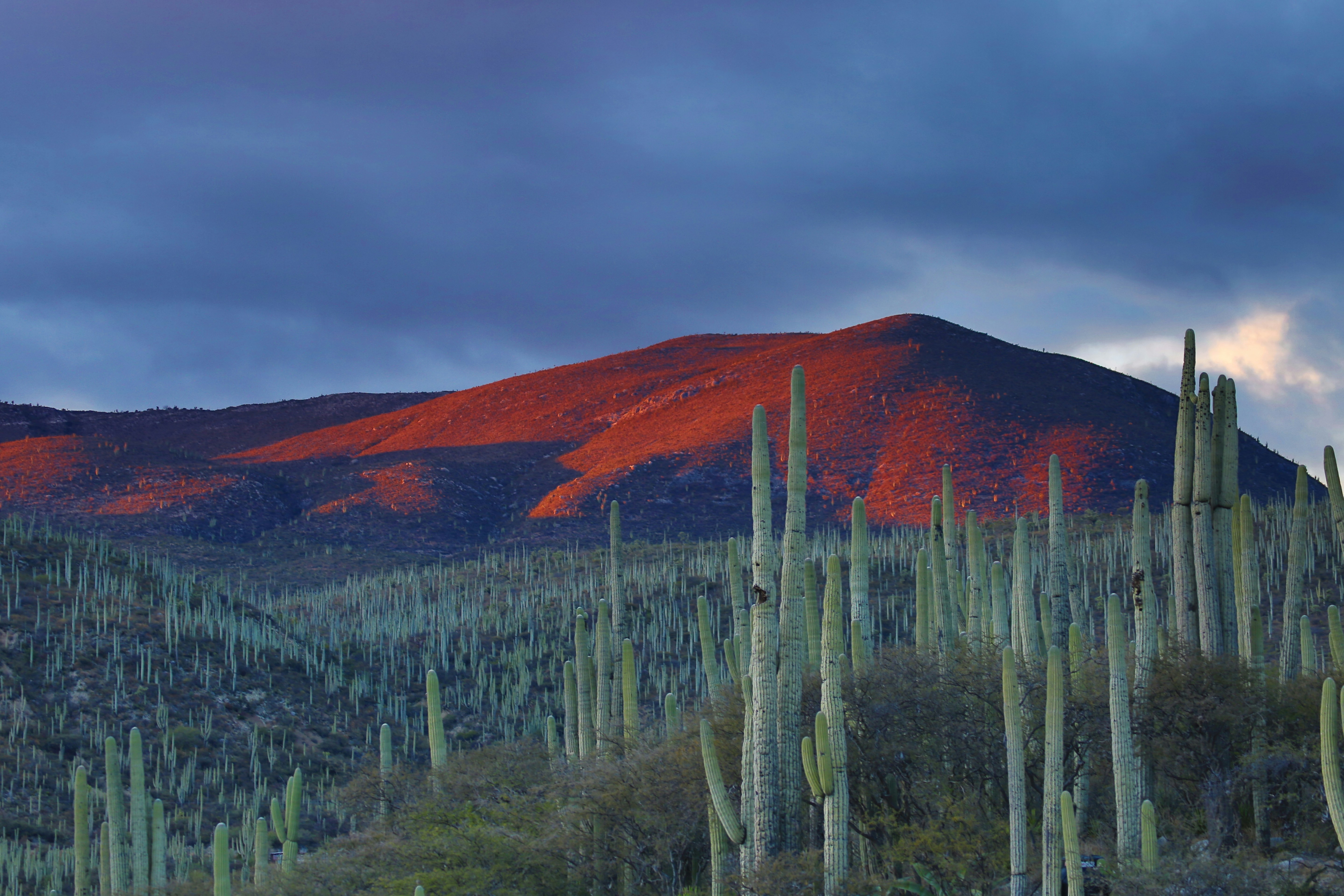
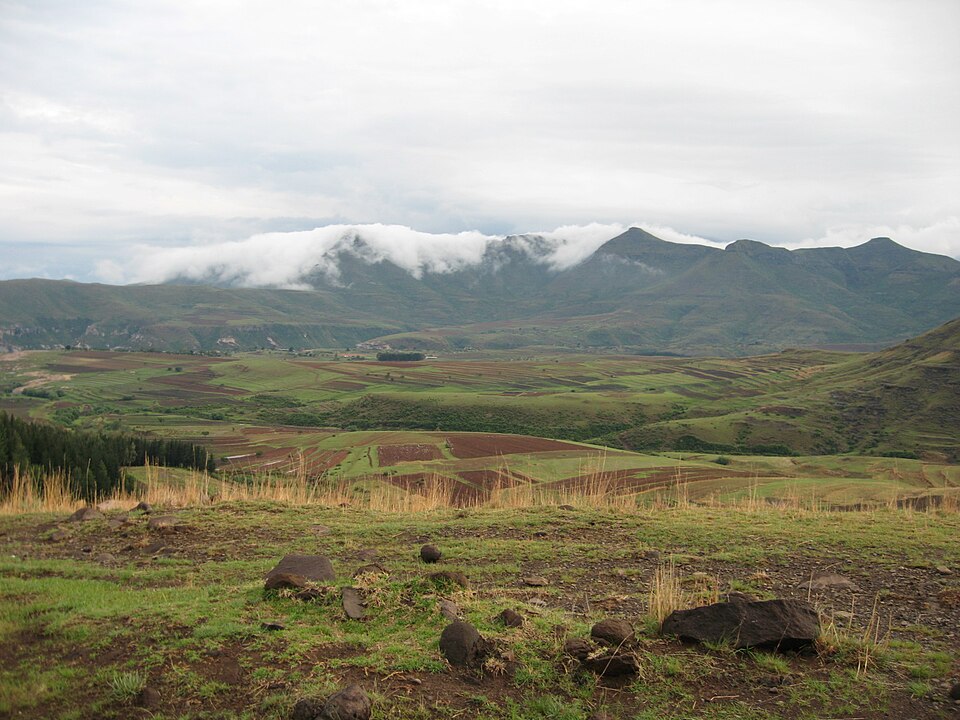
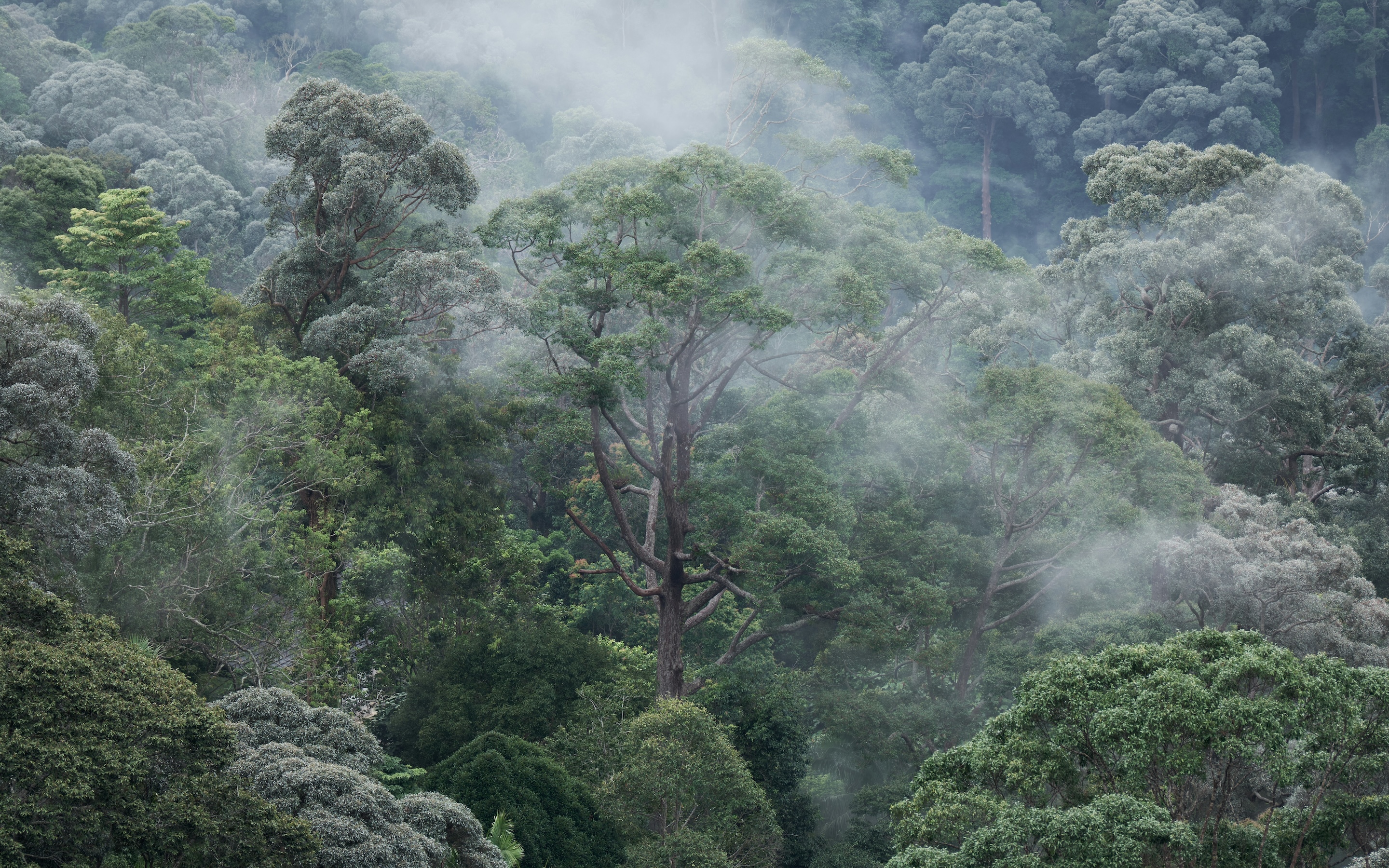
.jpg)

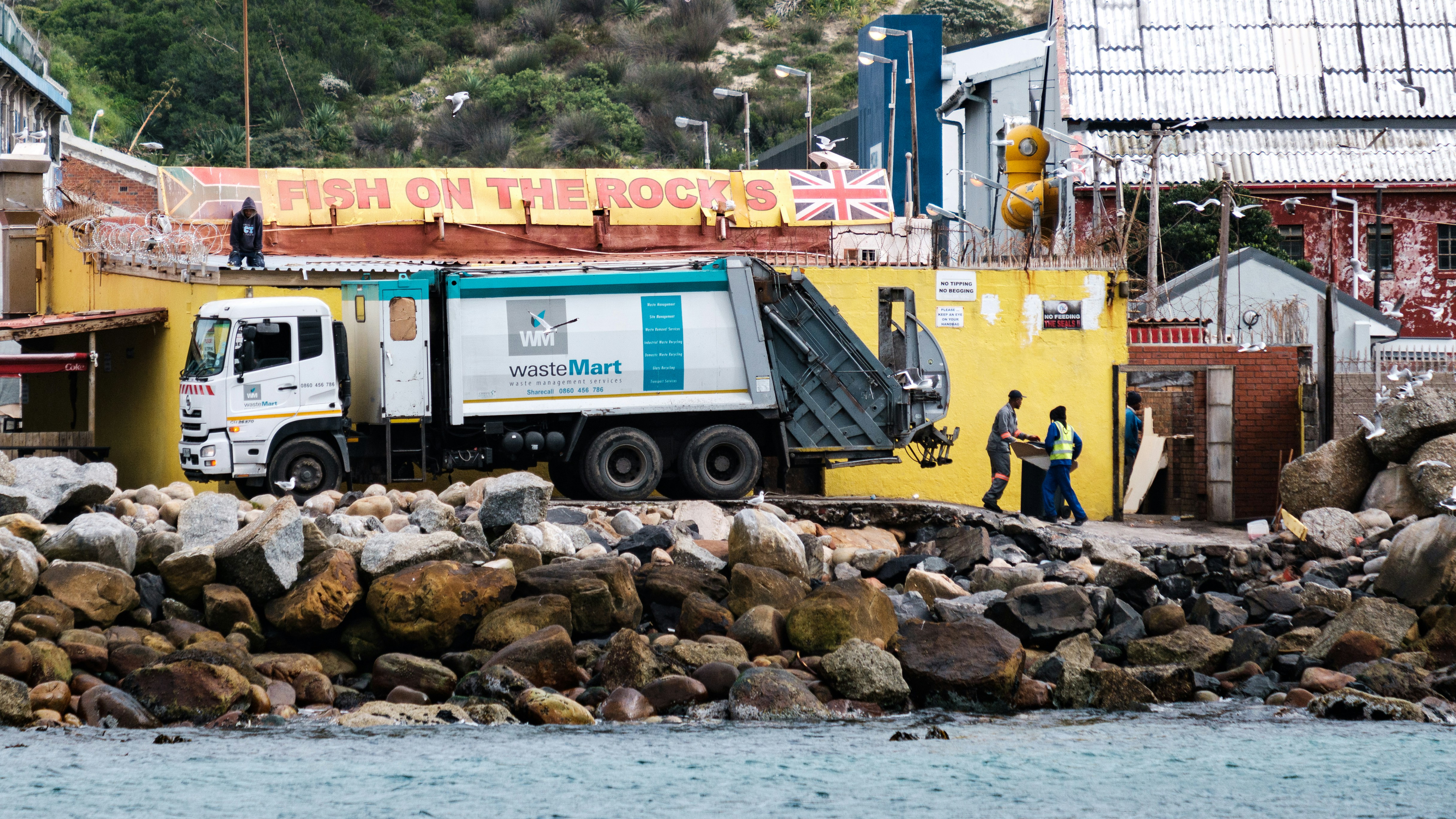
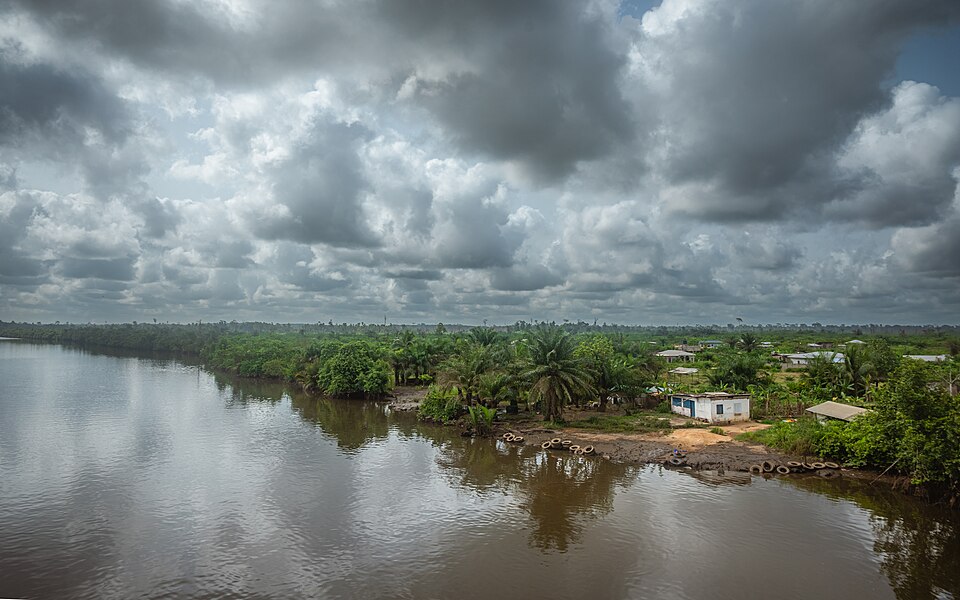
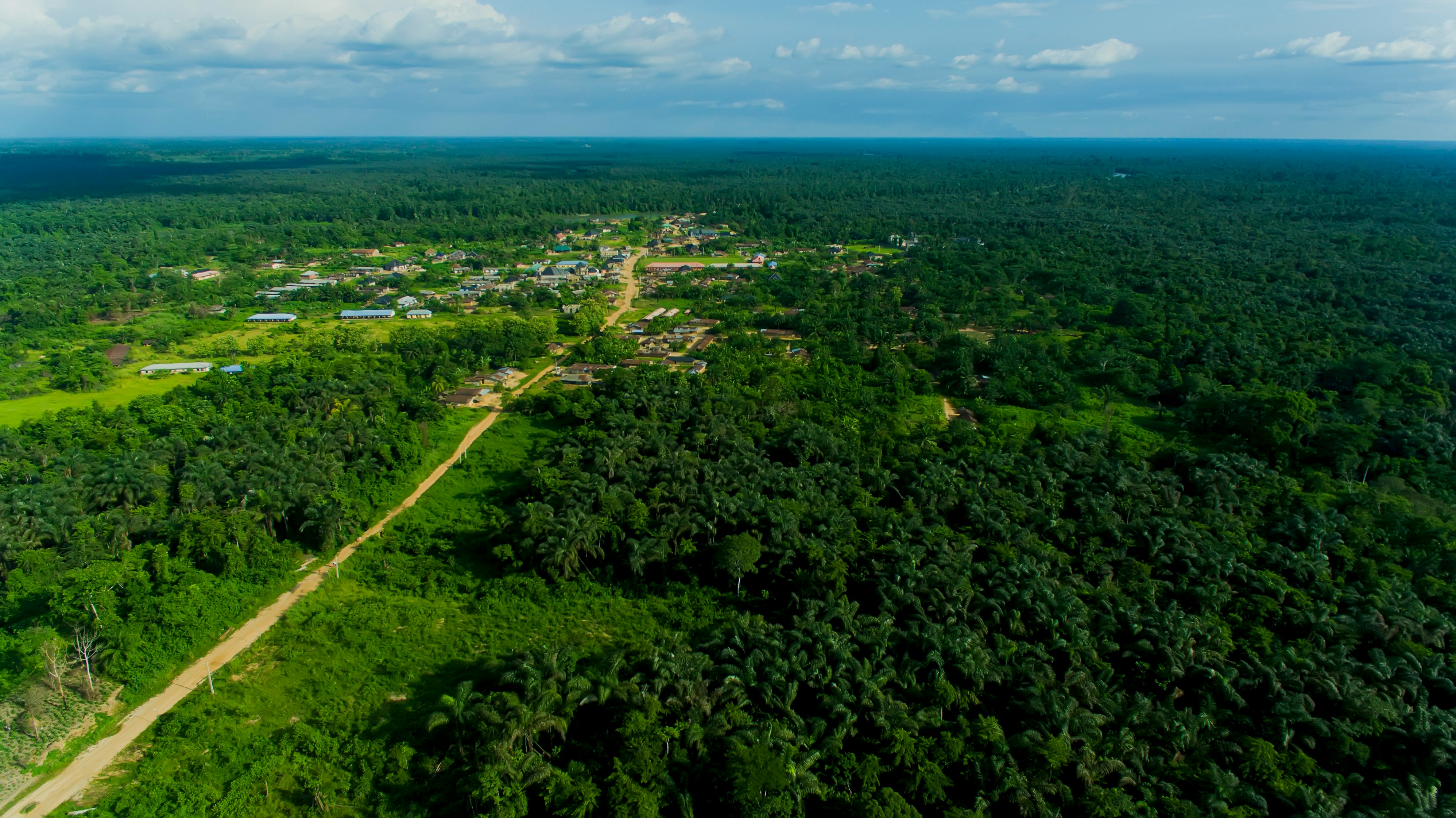
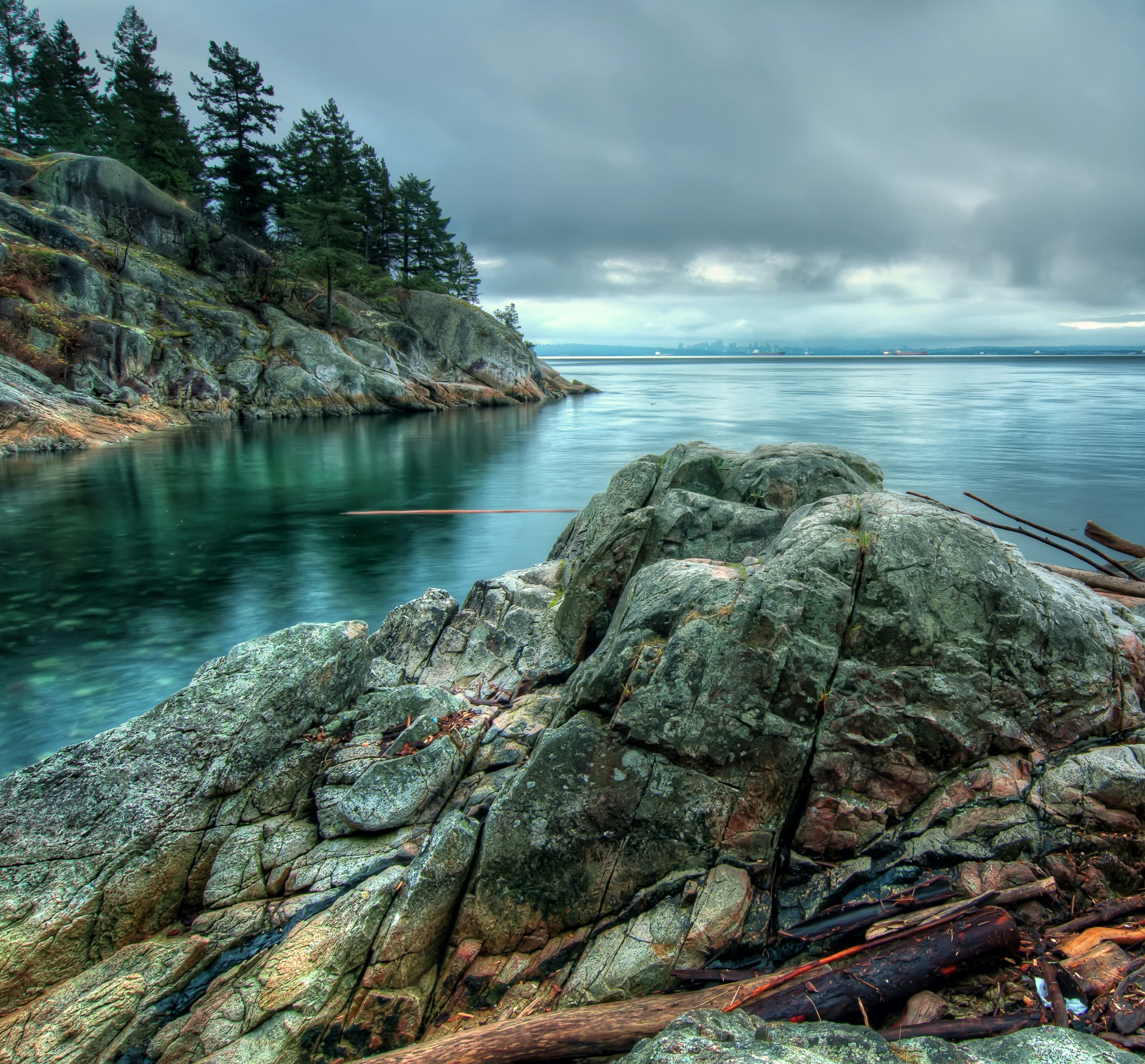
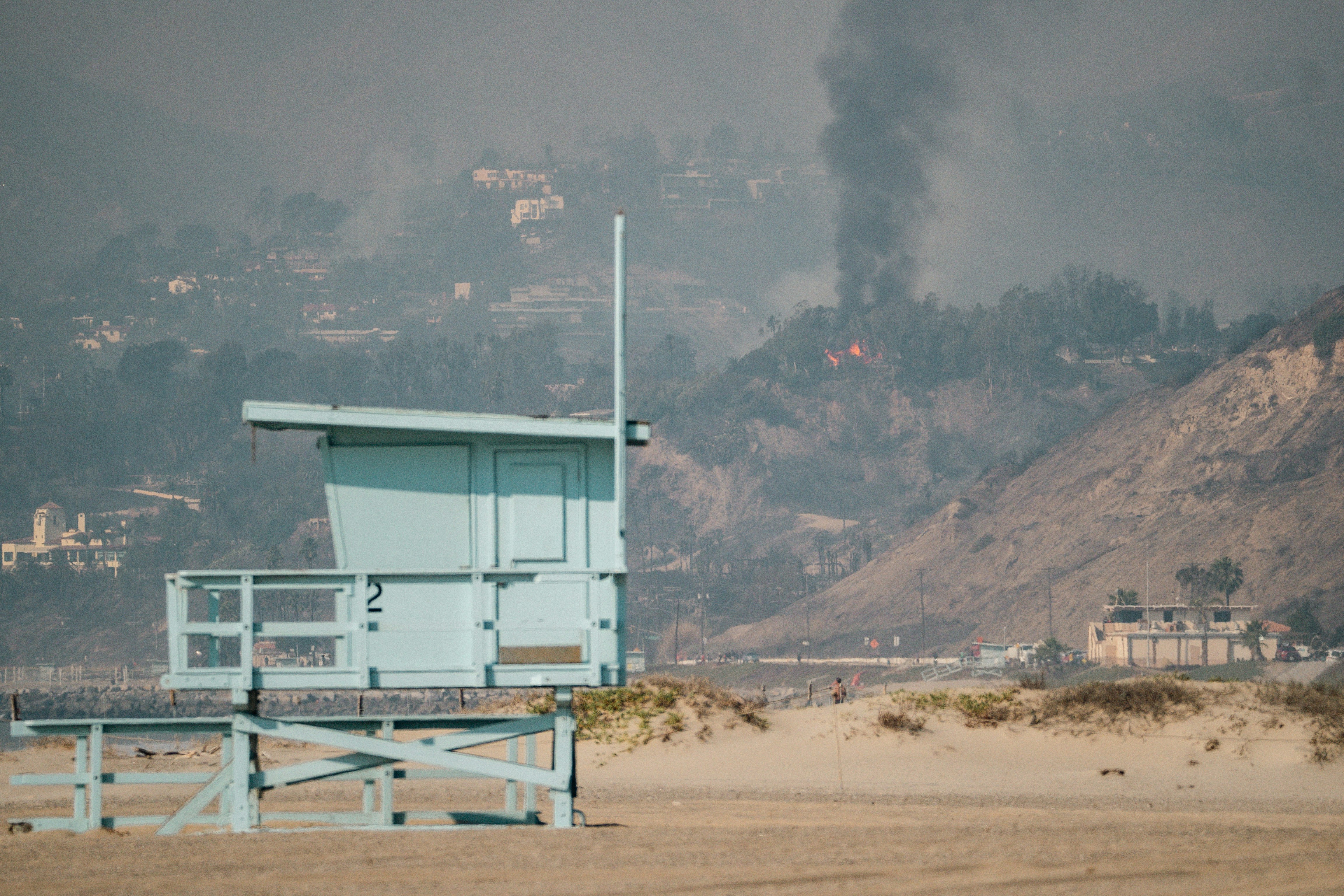
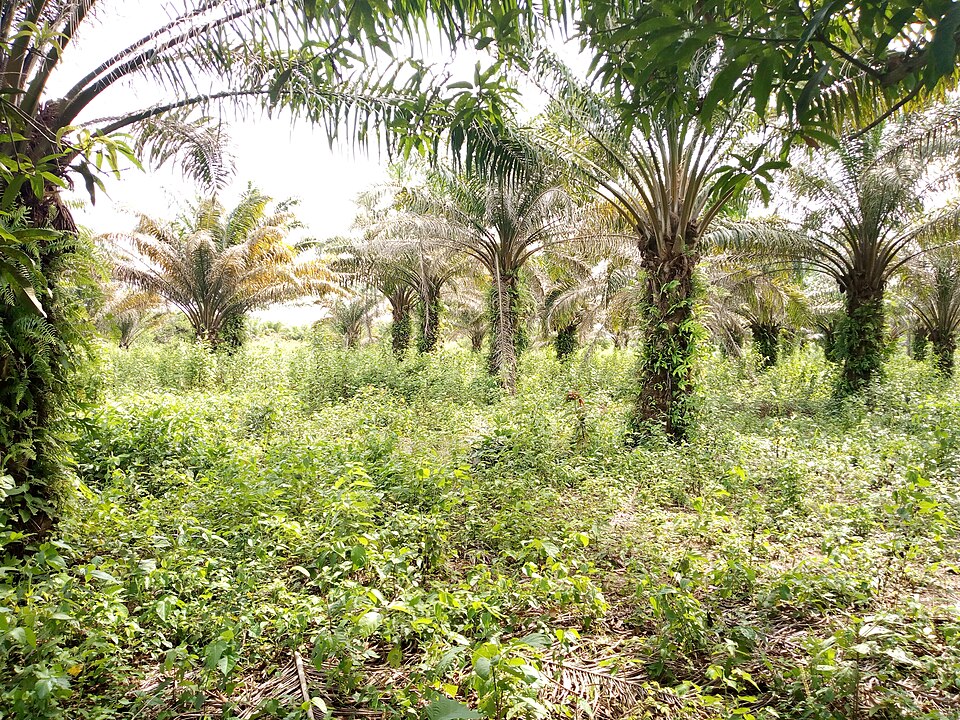
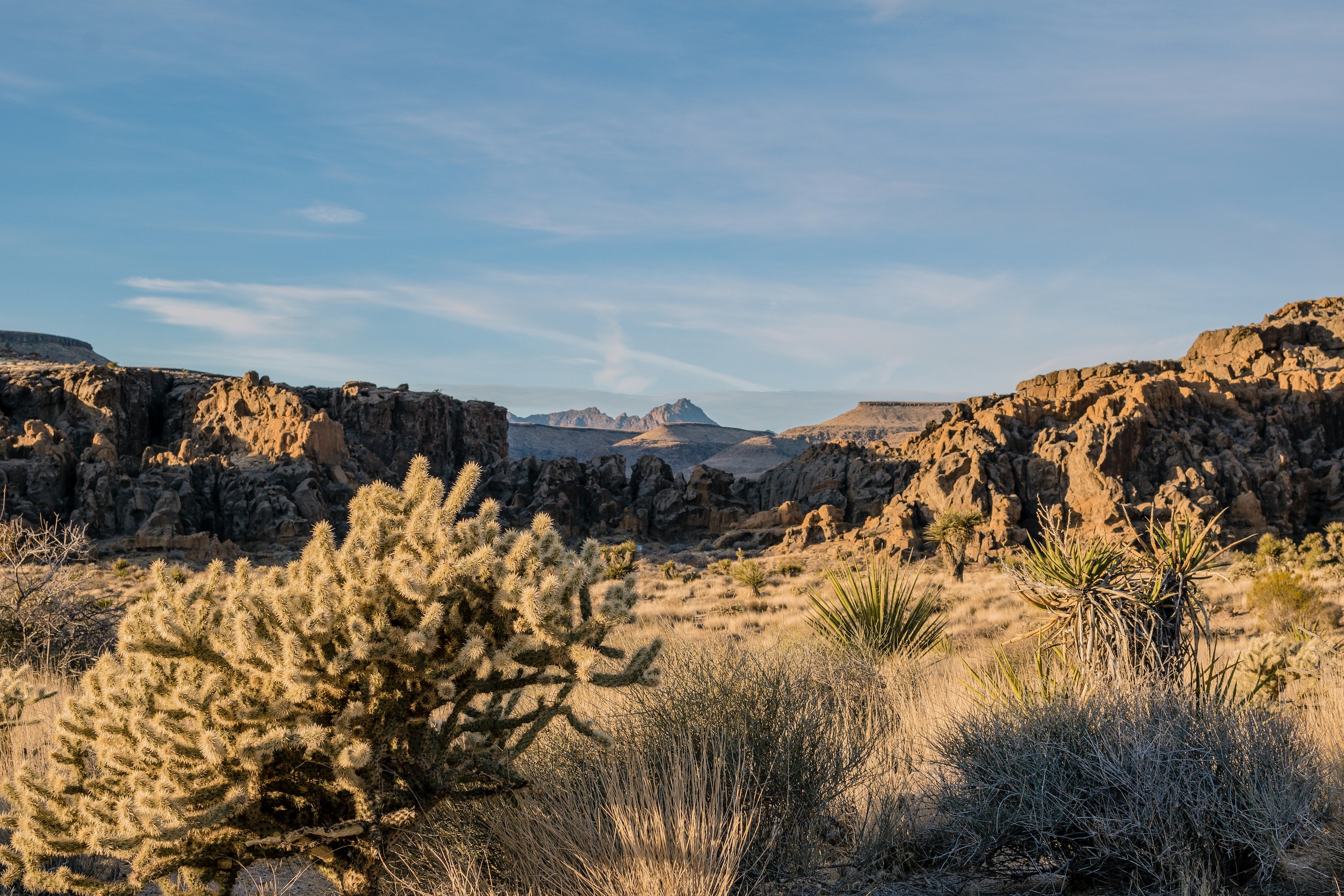
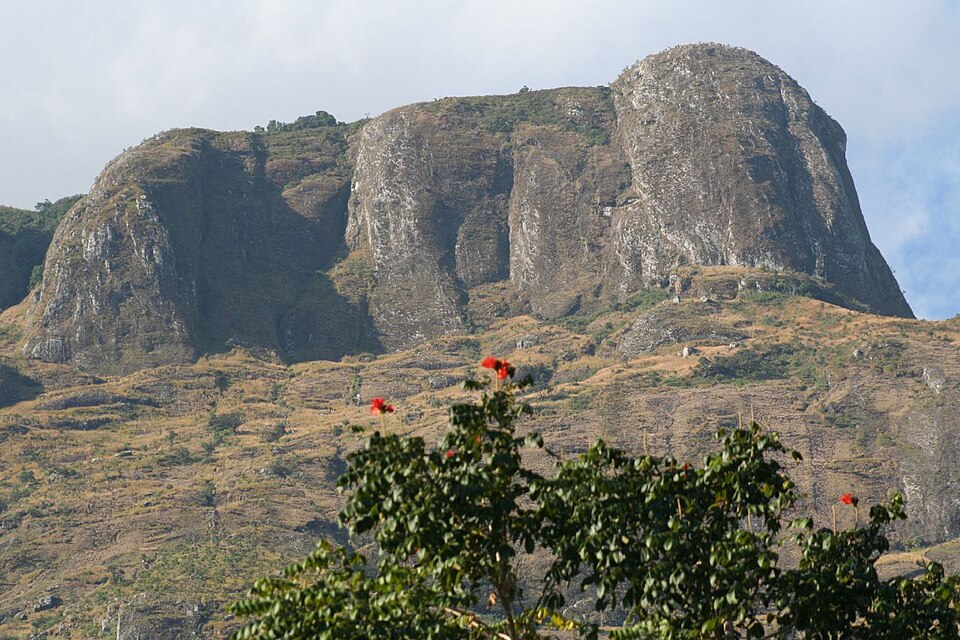

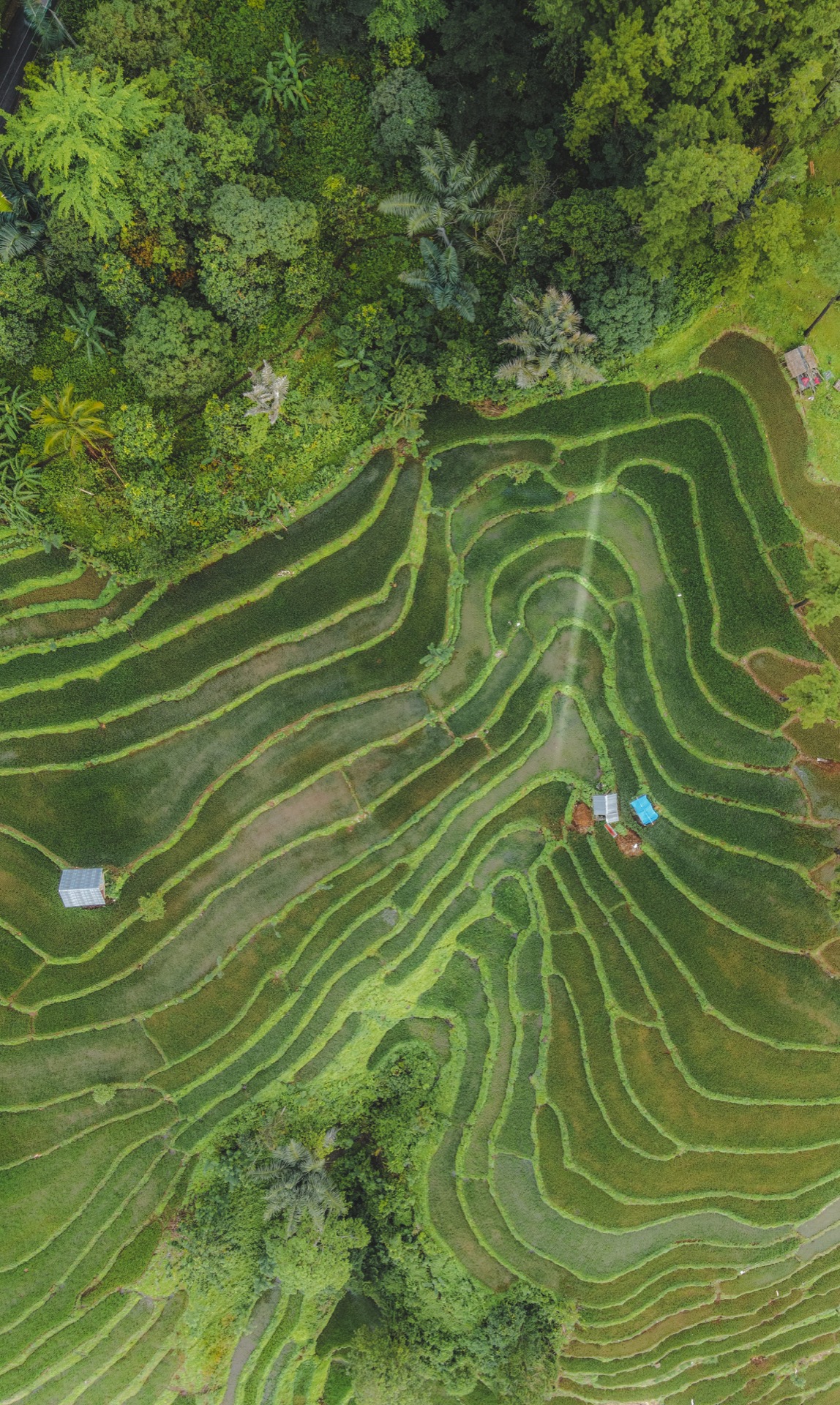
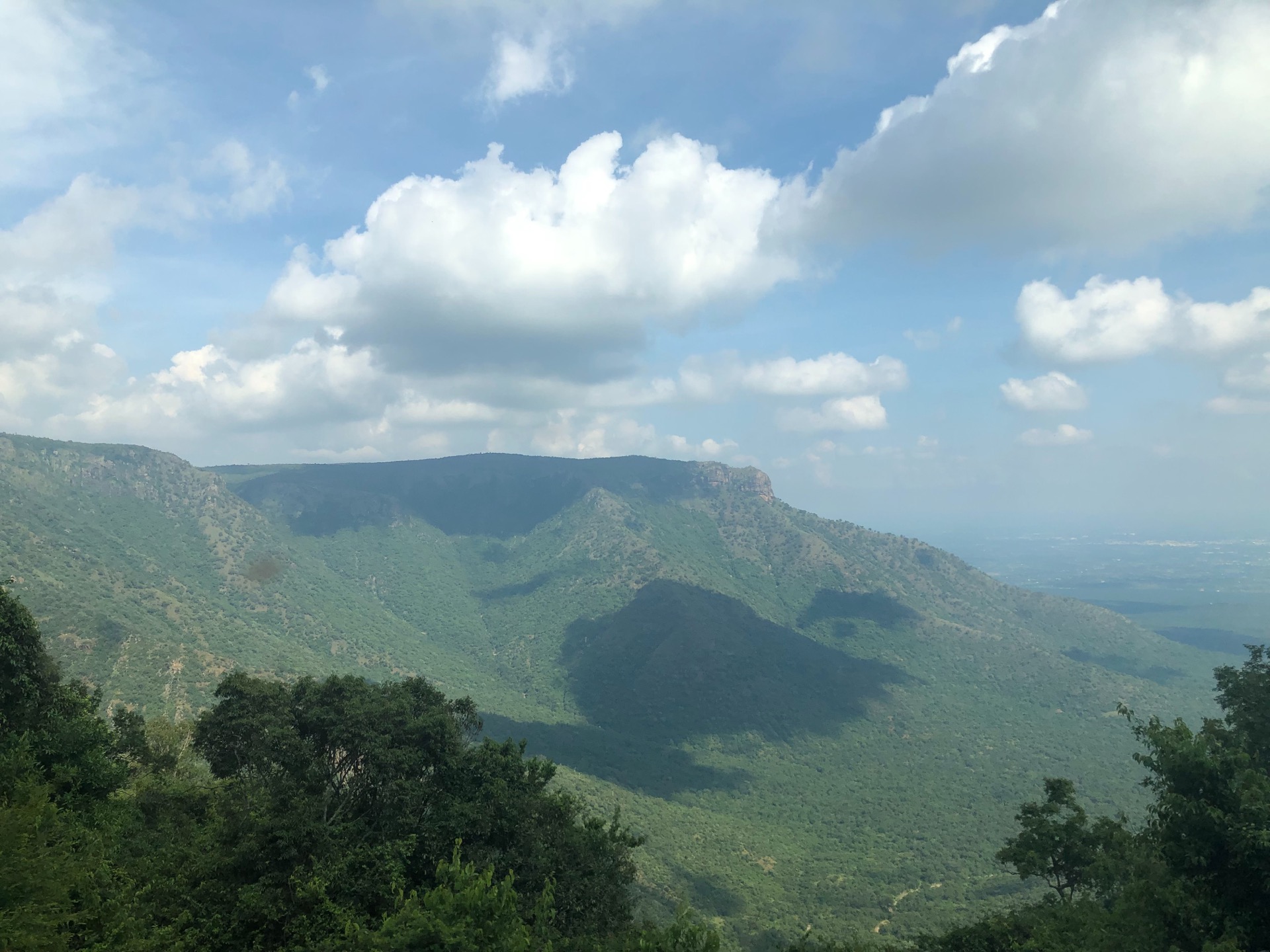
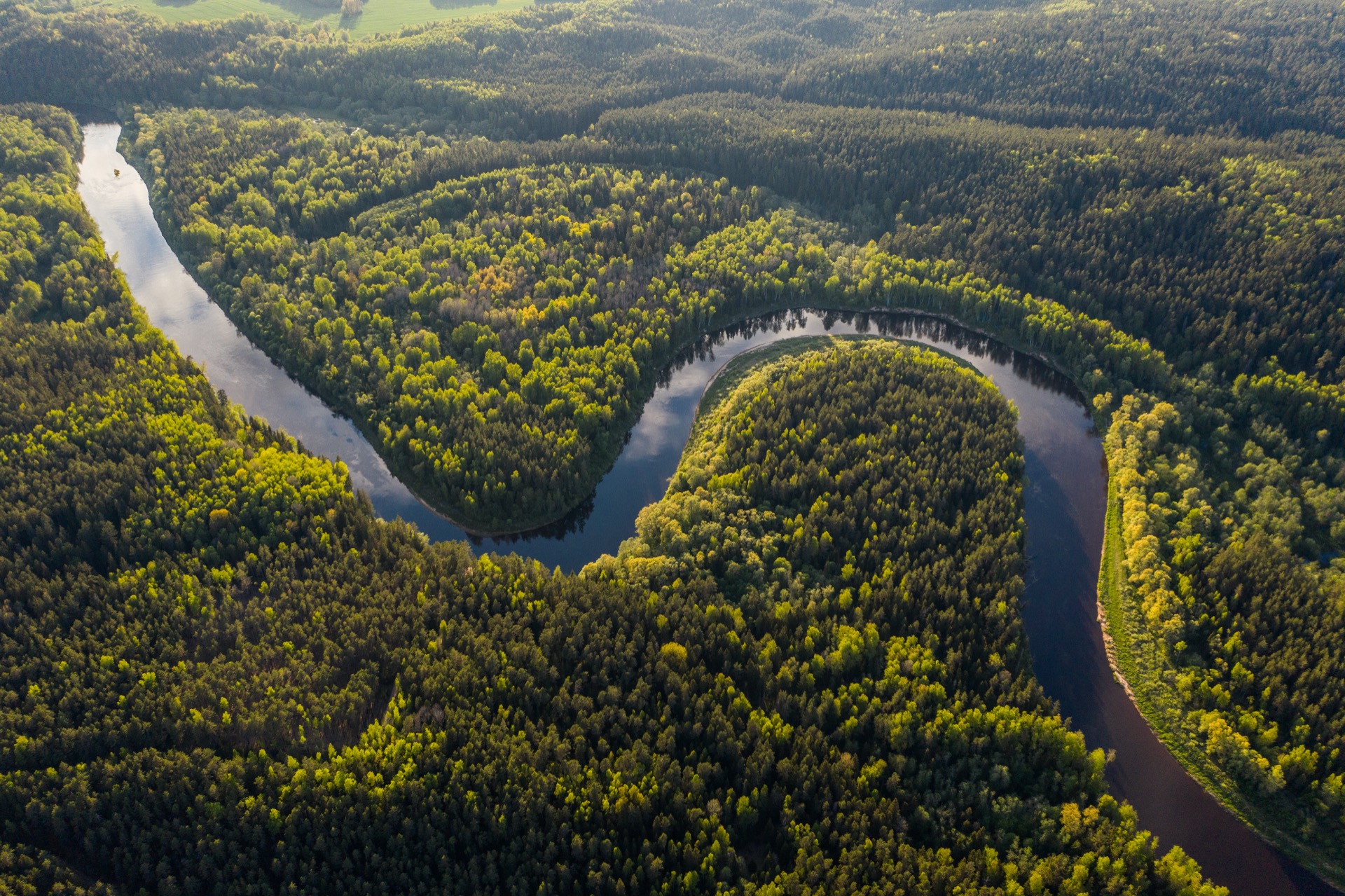
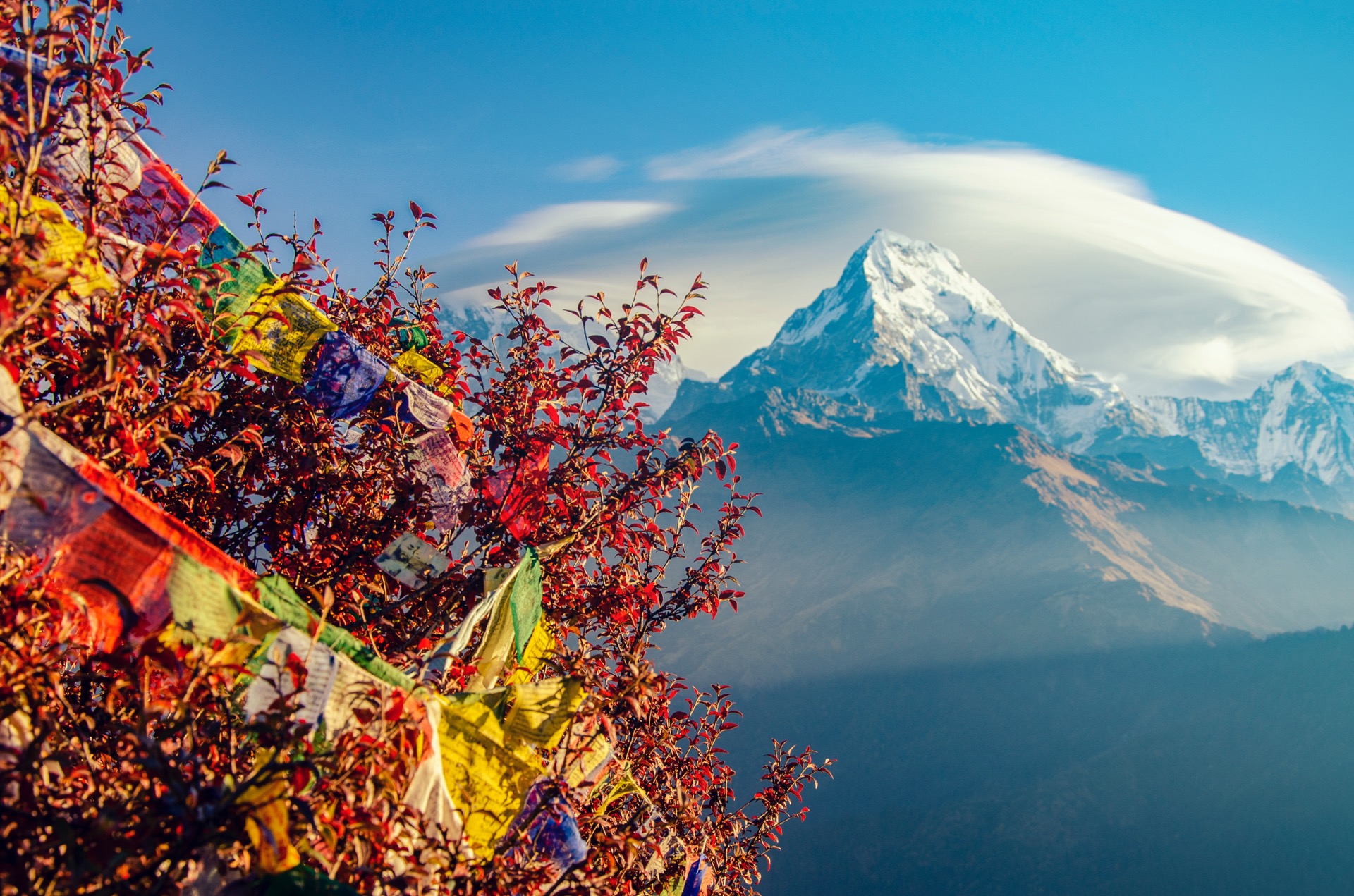
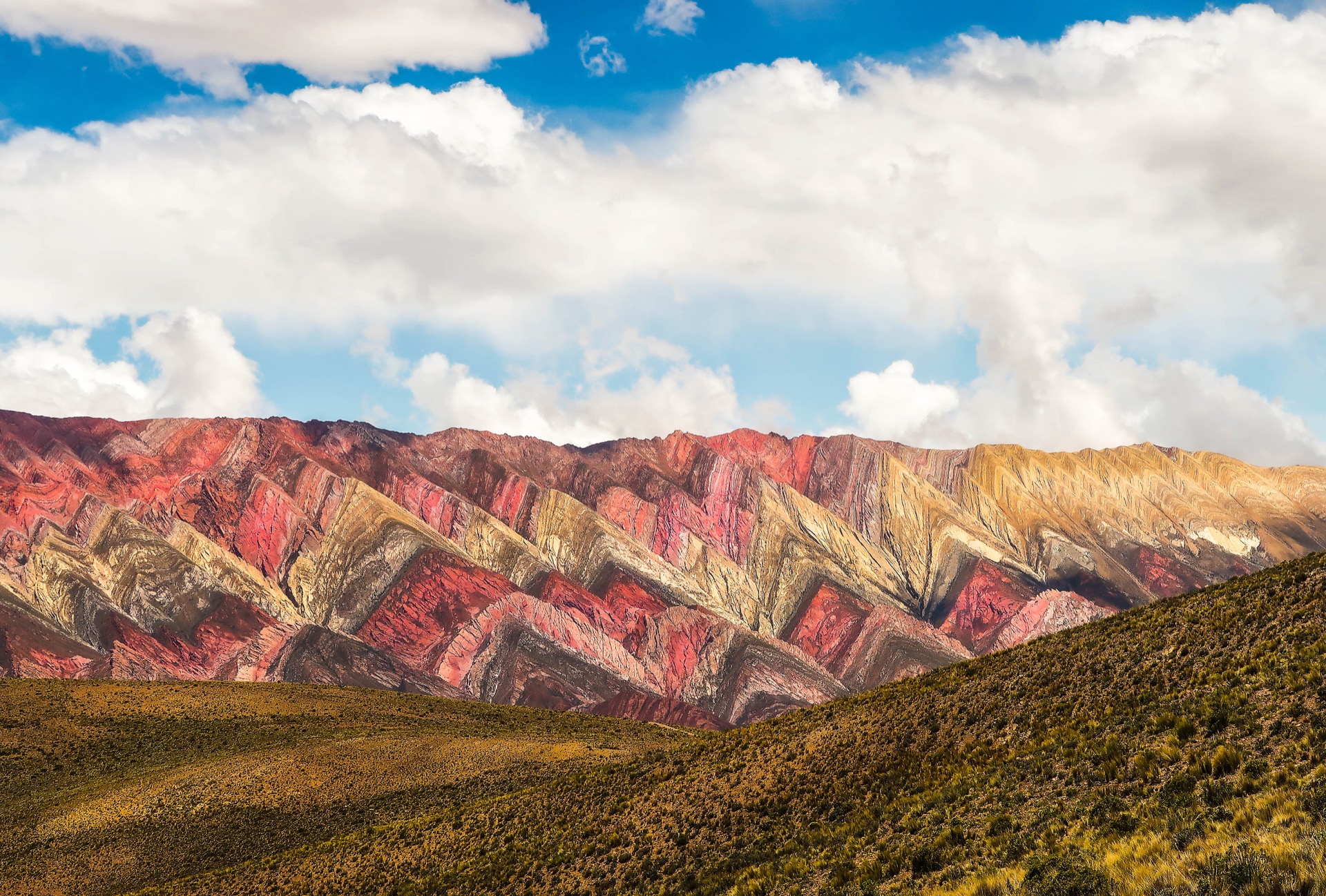

.png)
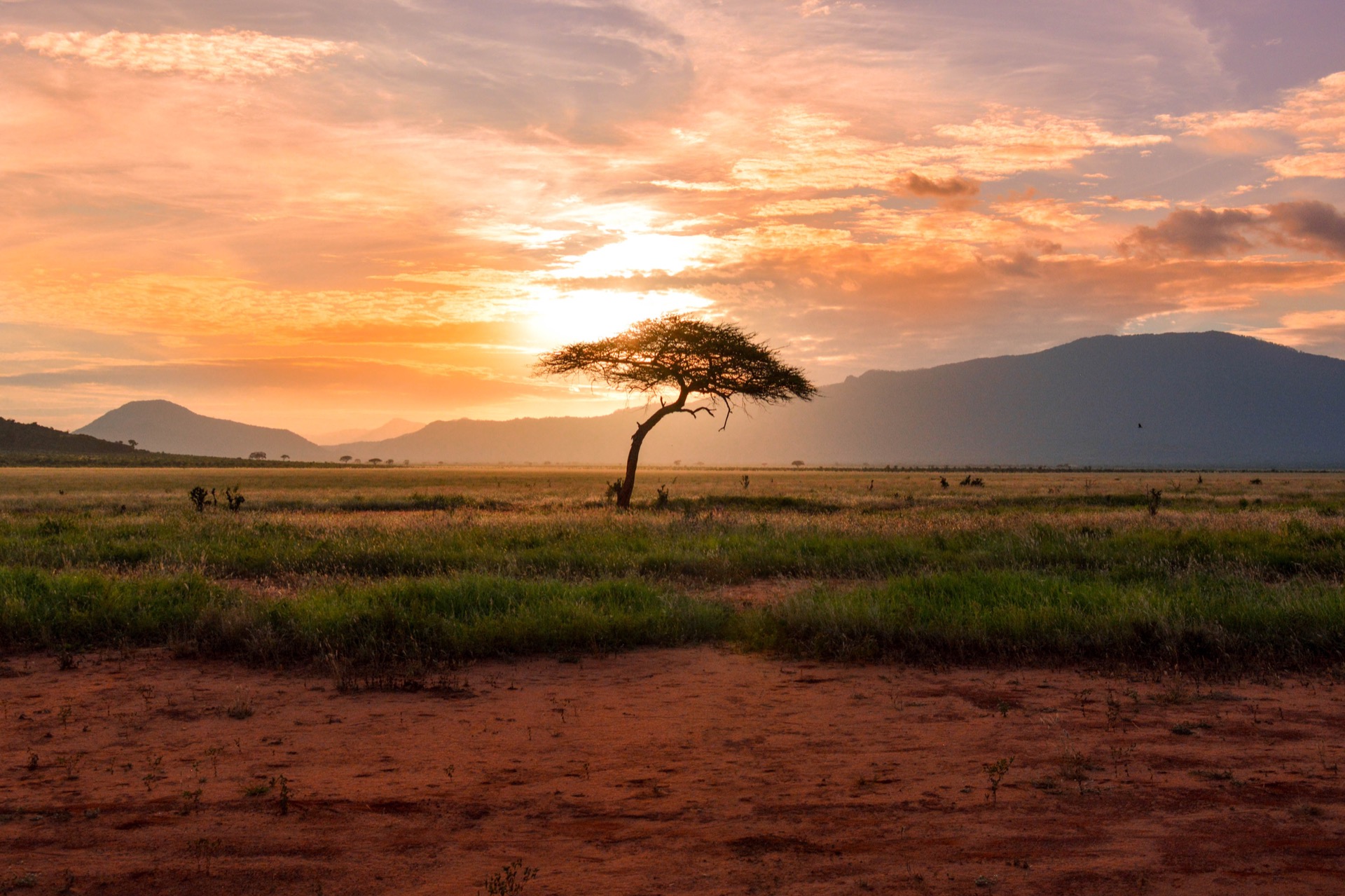

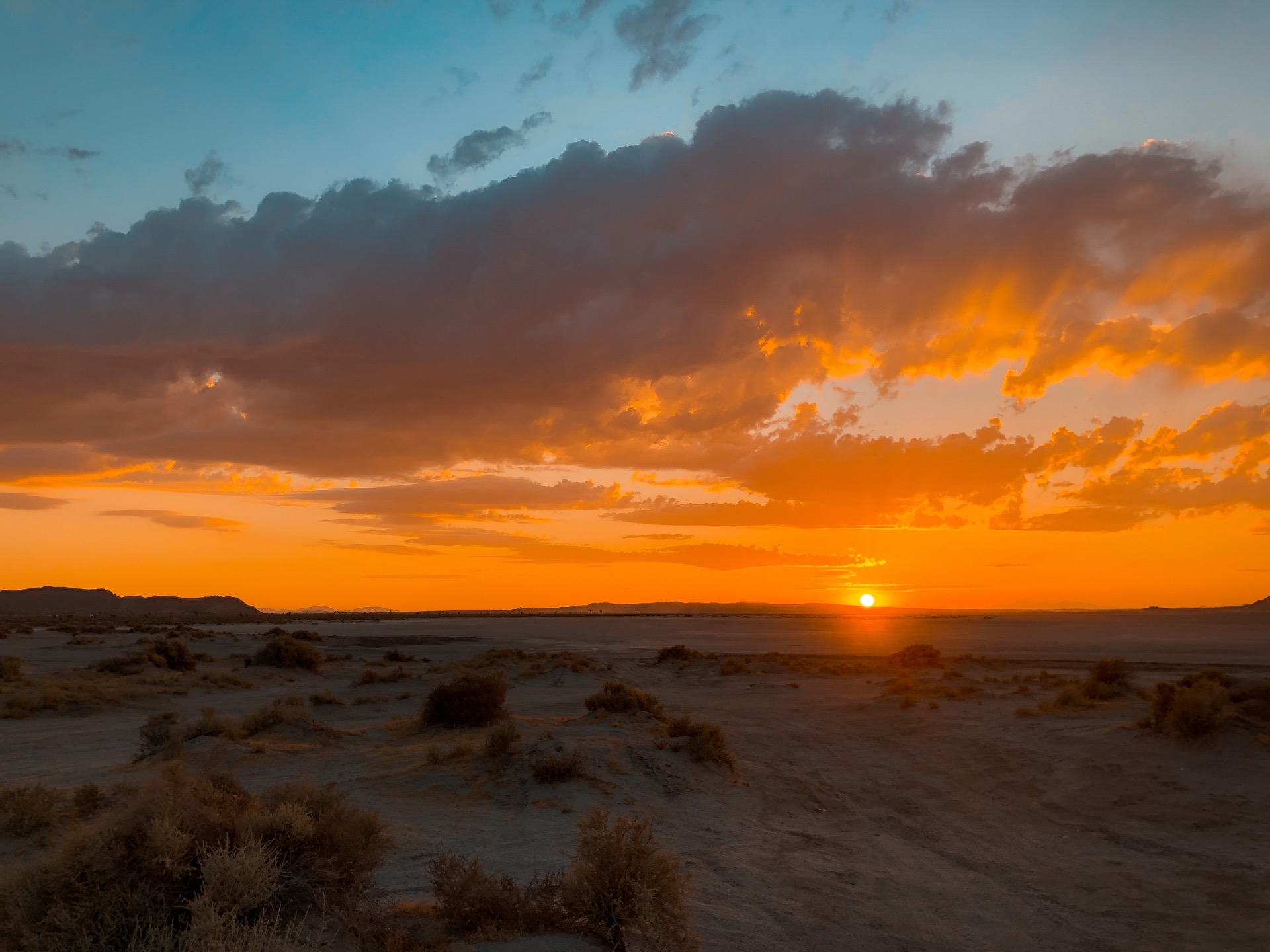
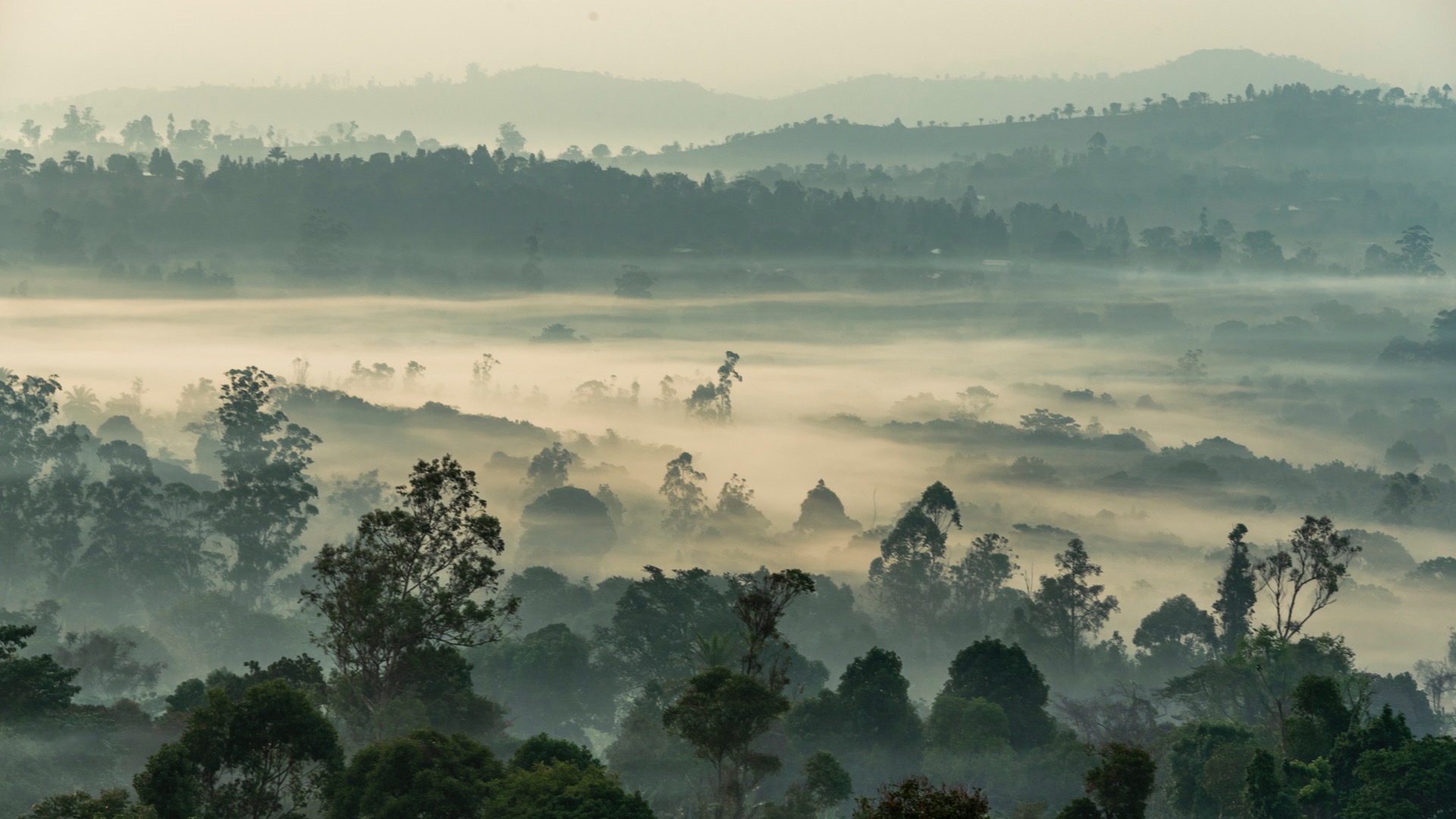
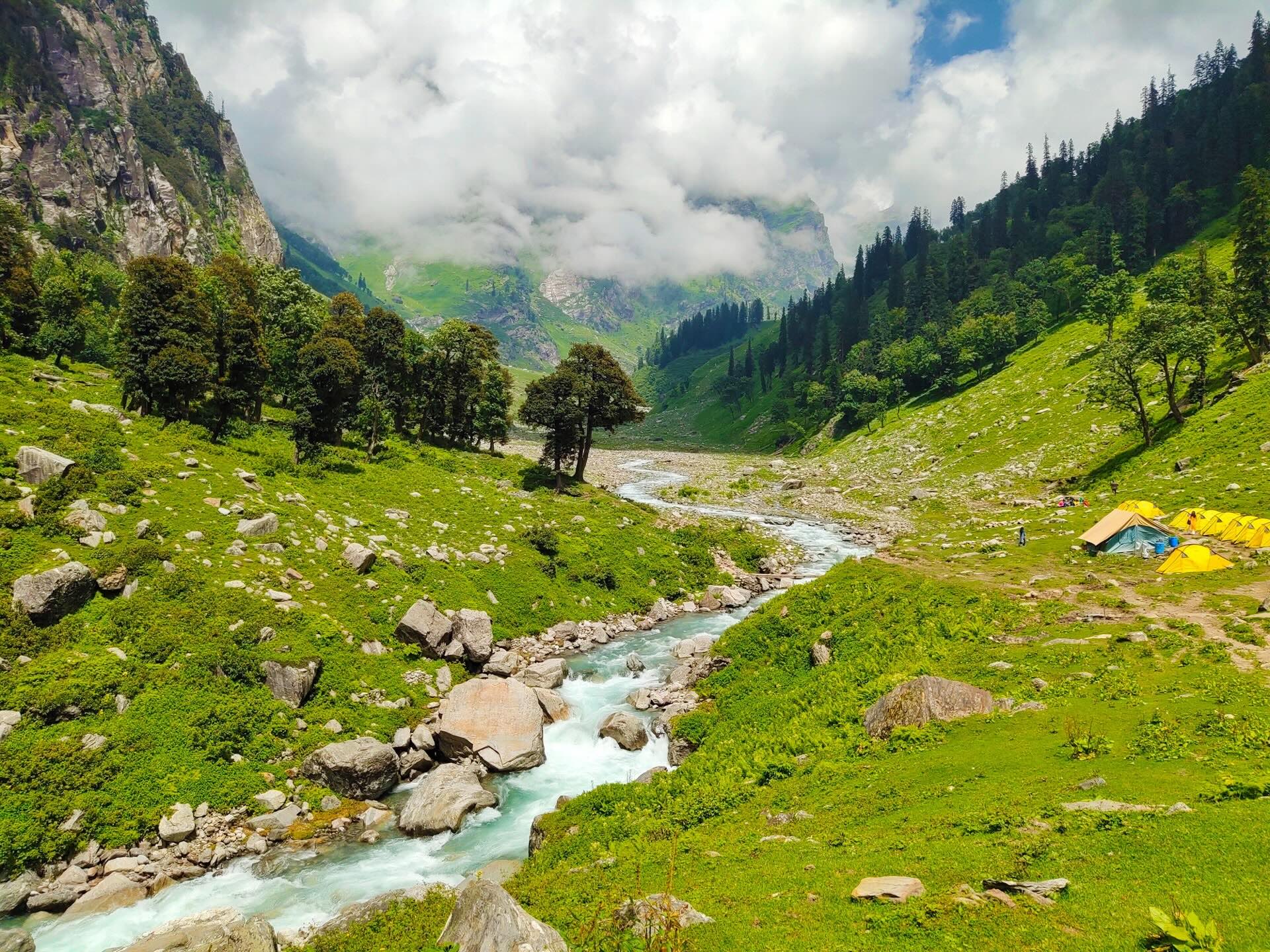
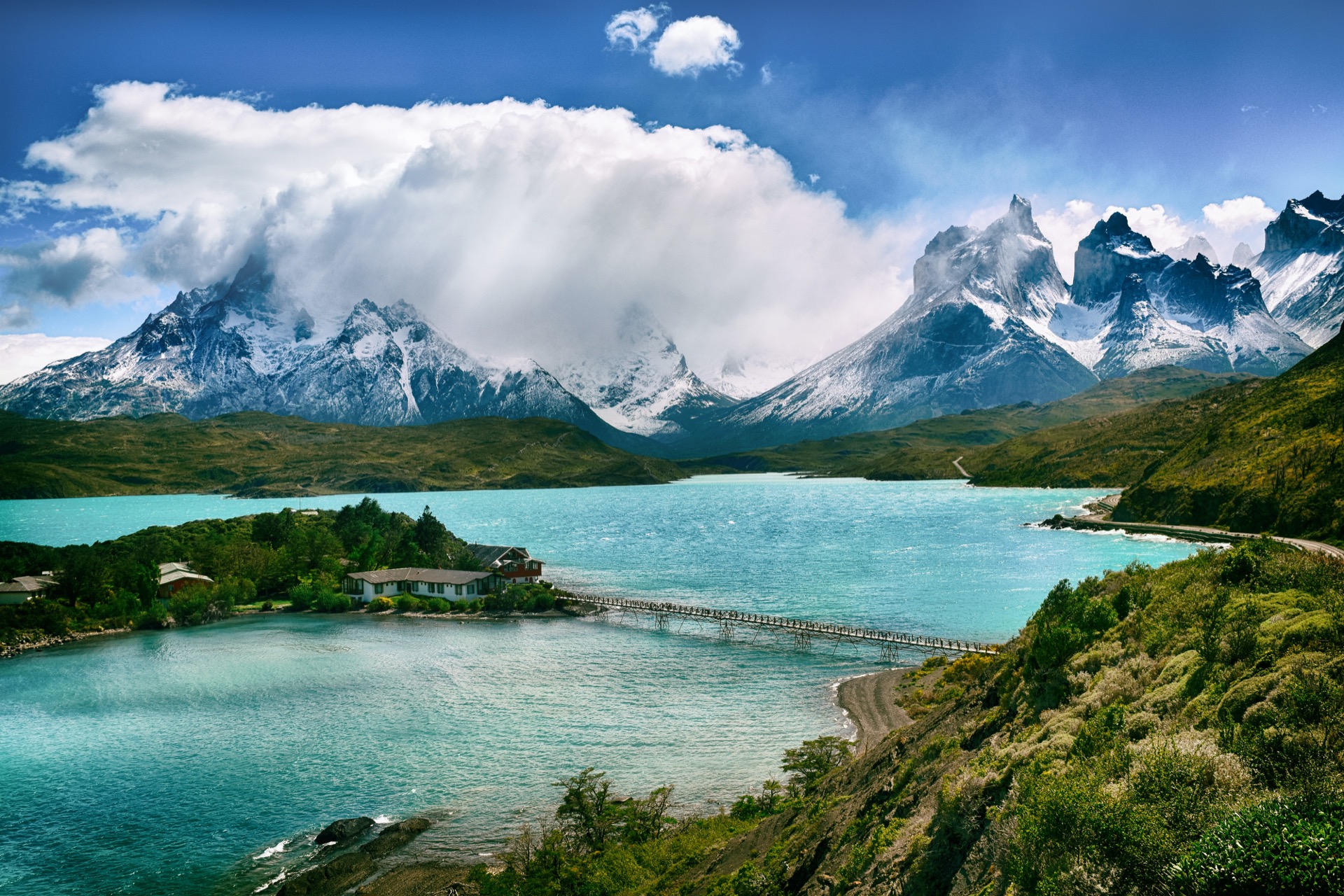
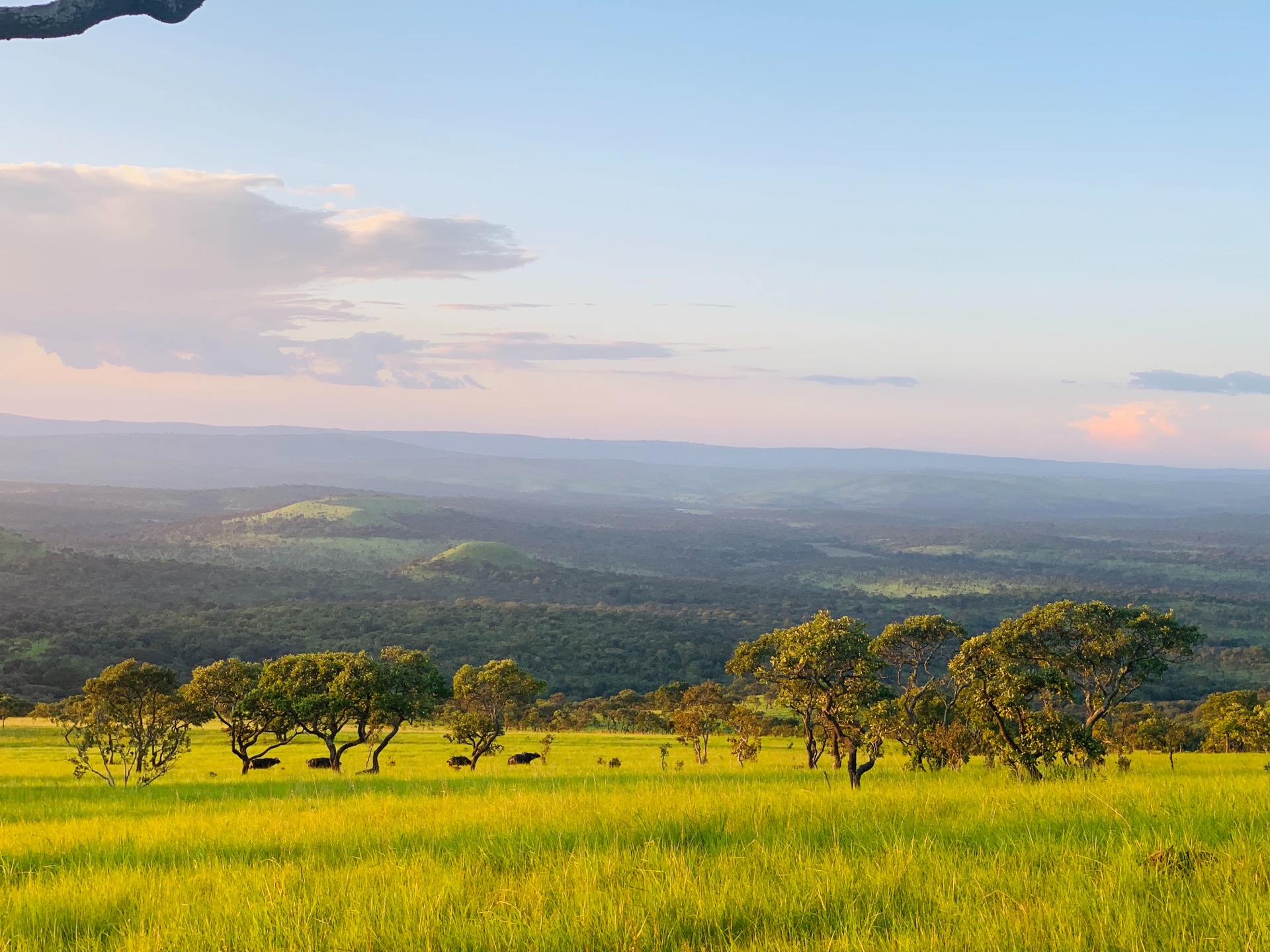
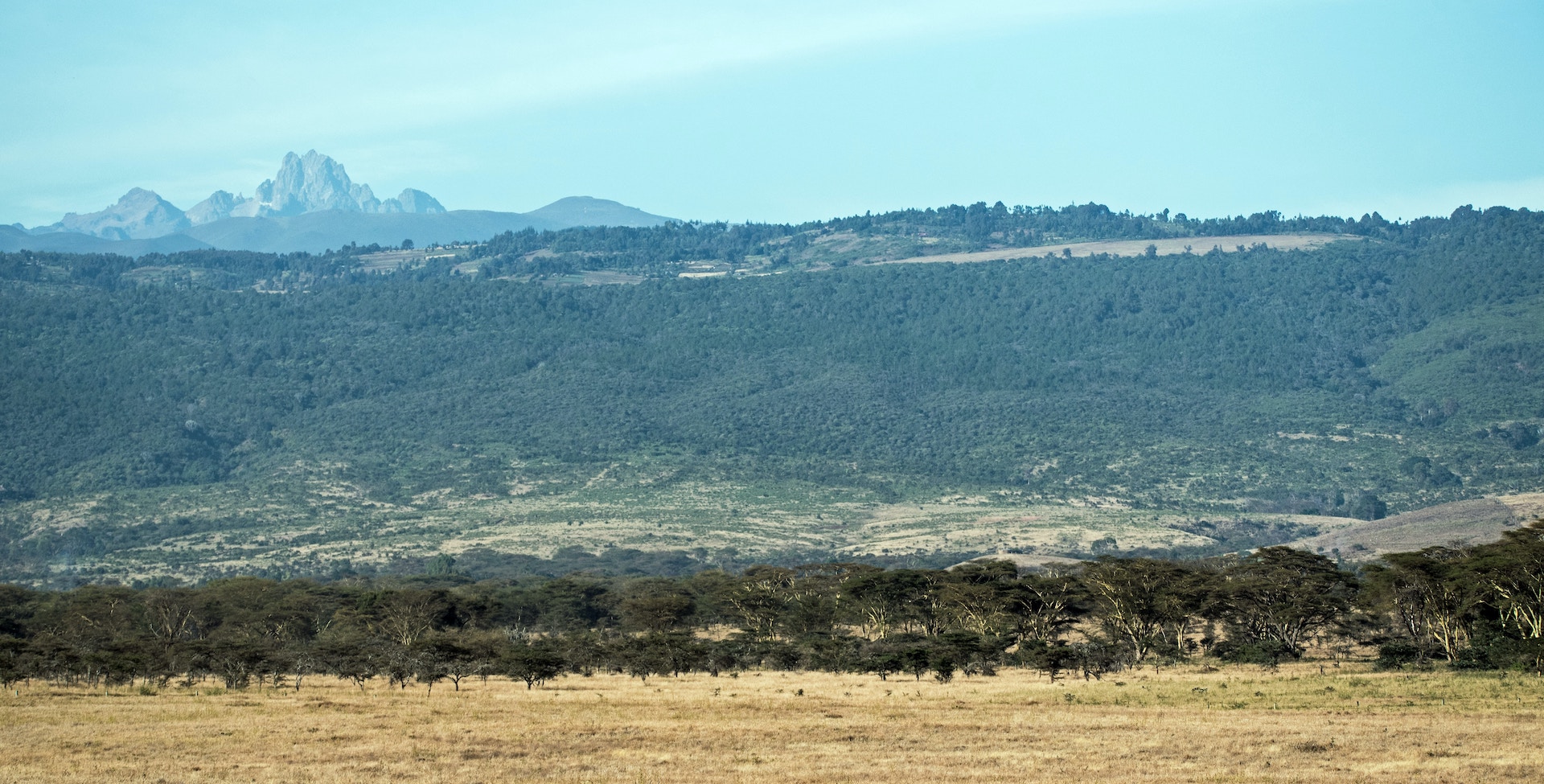
.jpg)
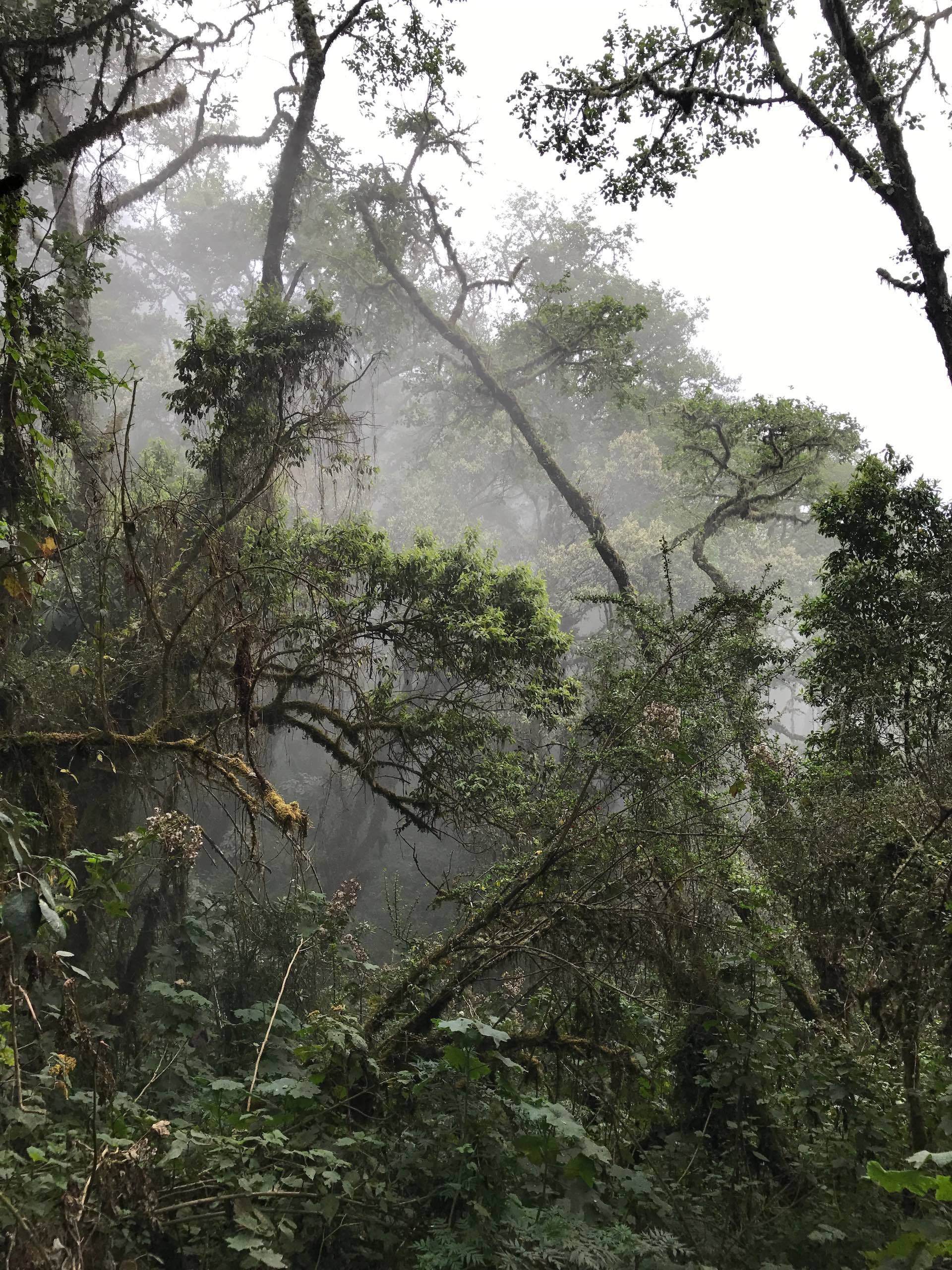

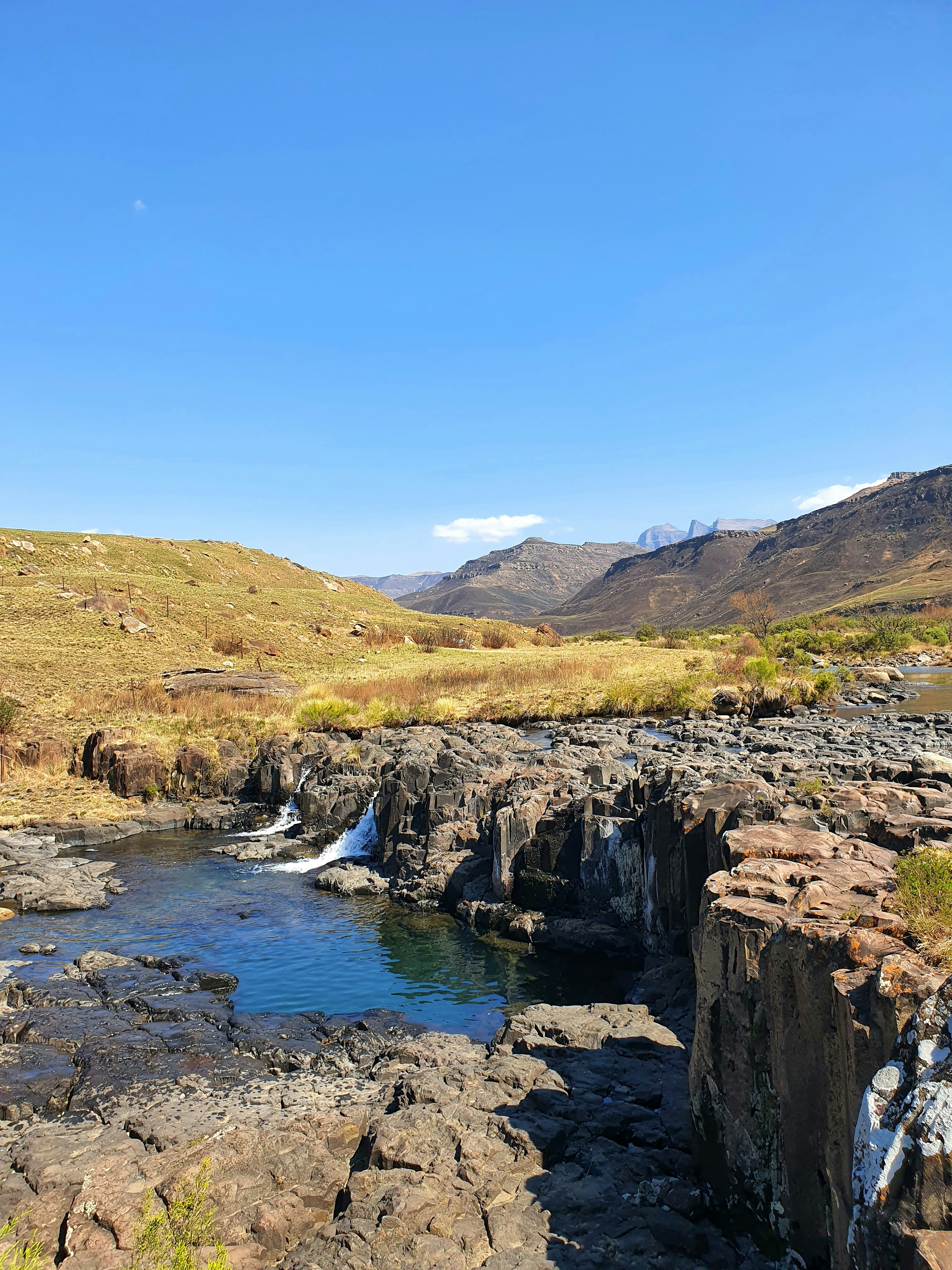

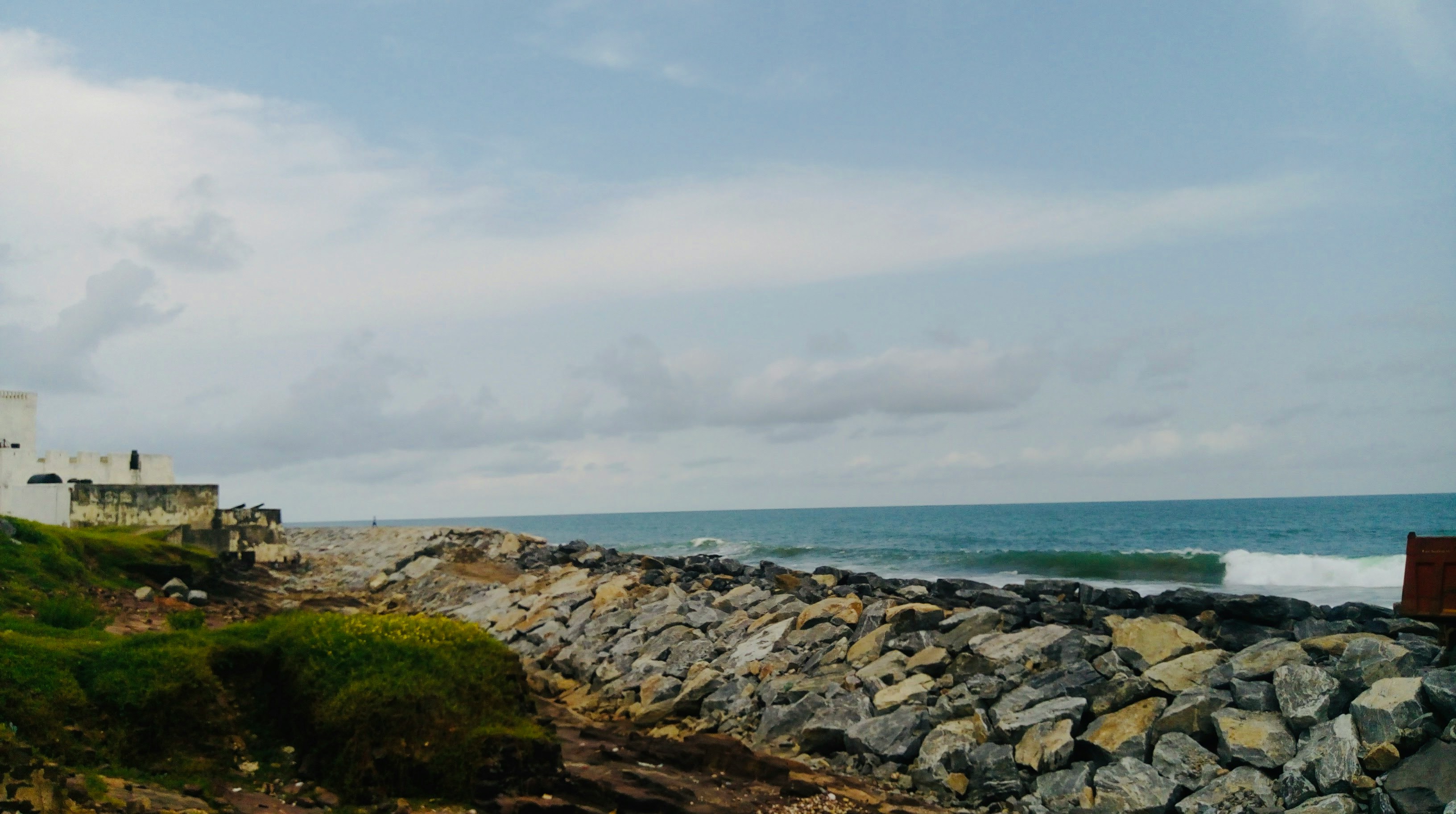
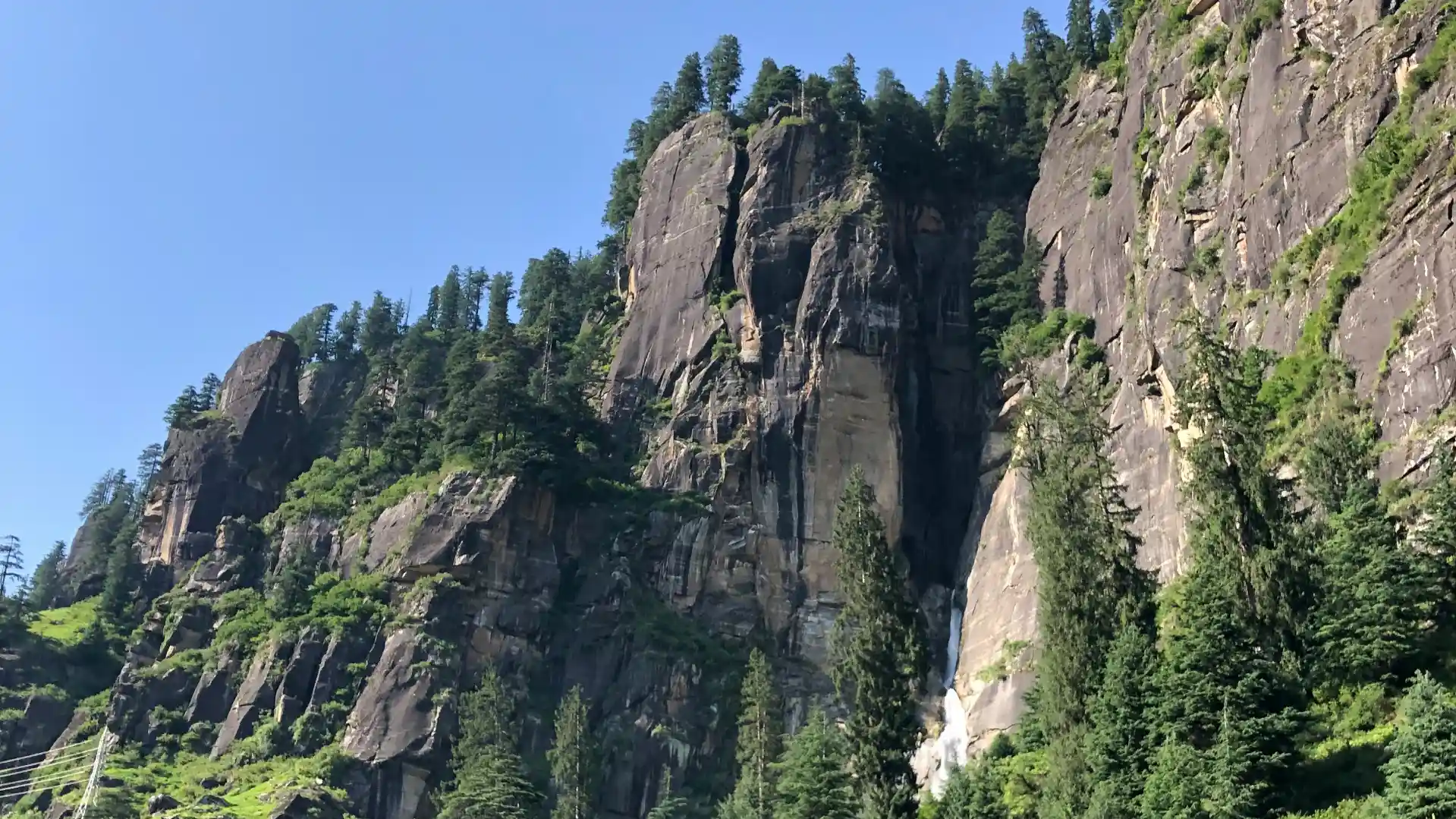

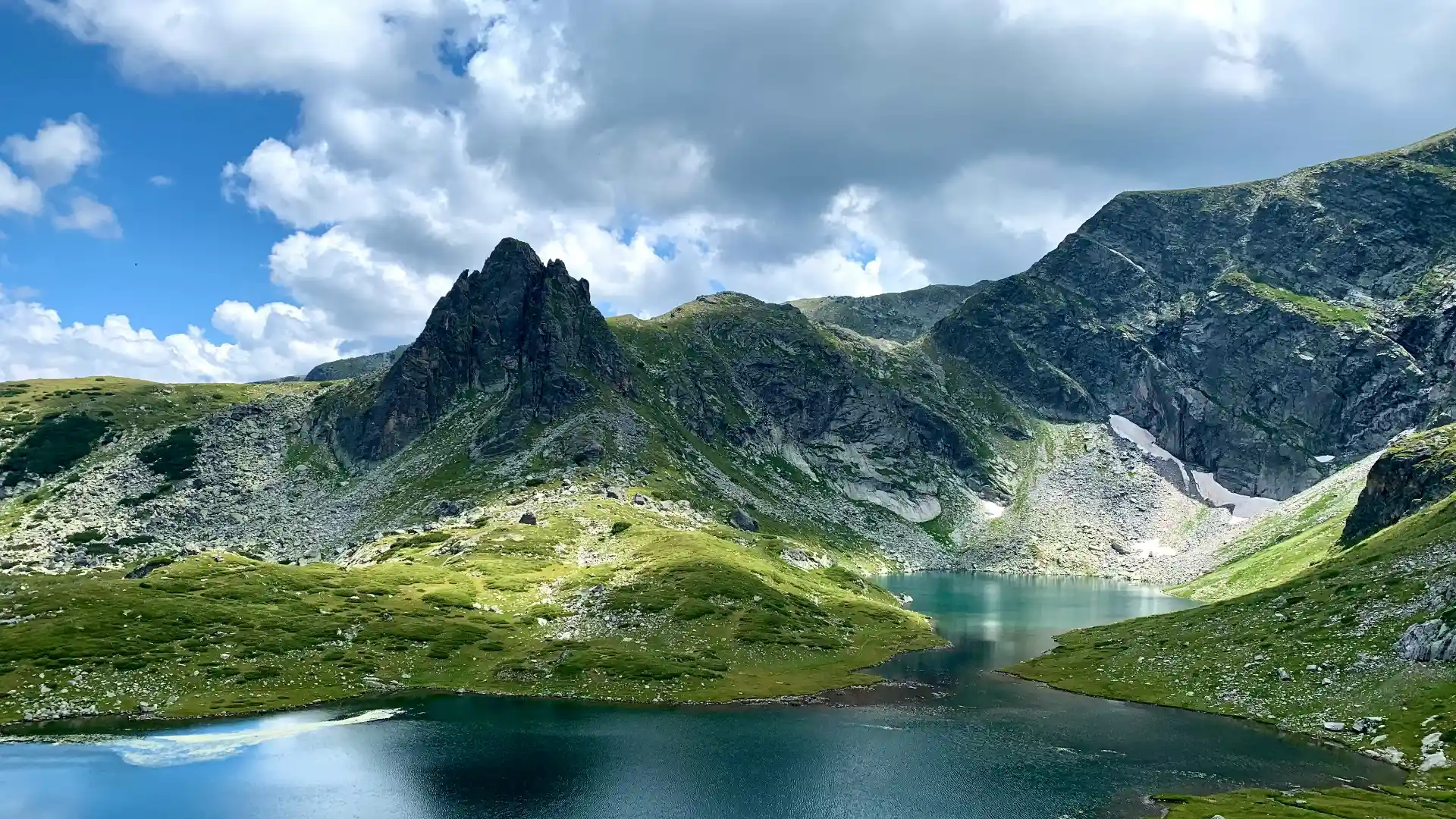
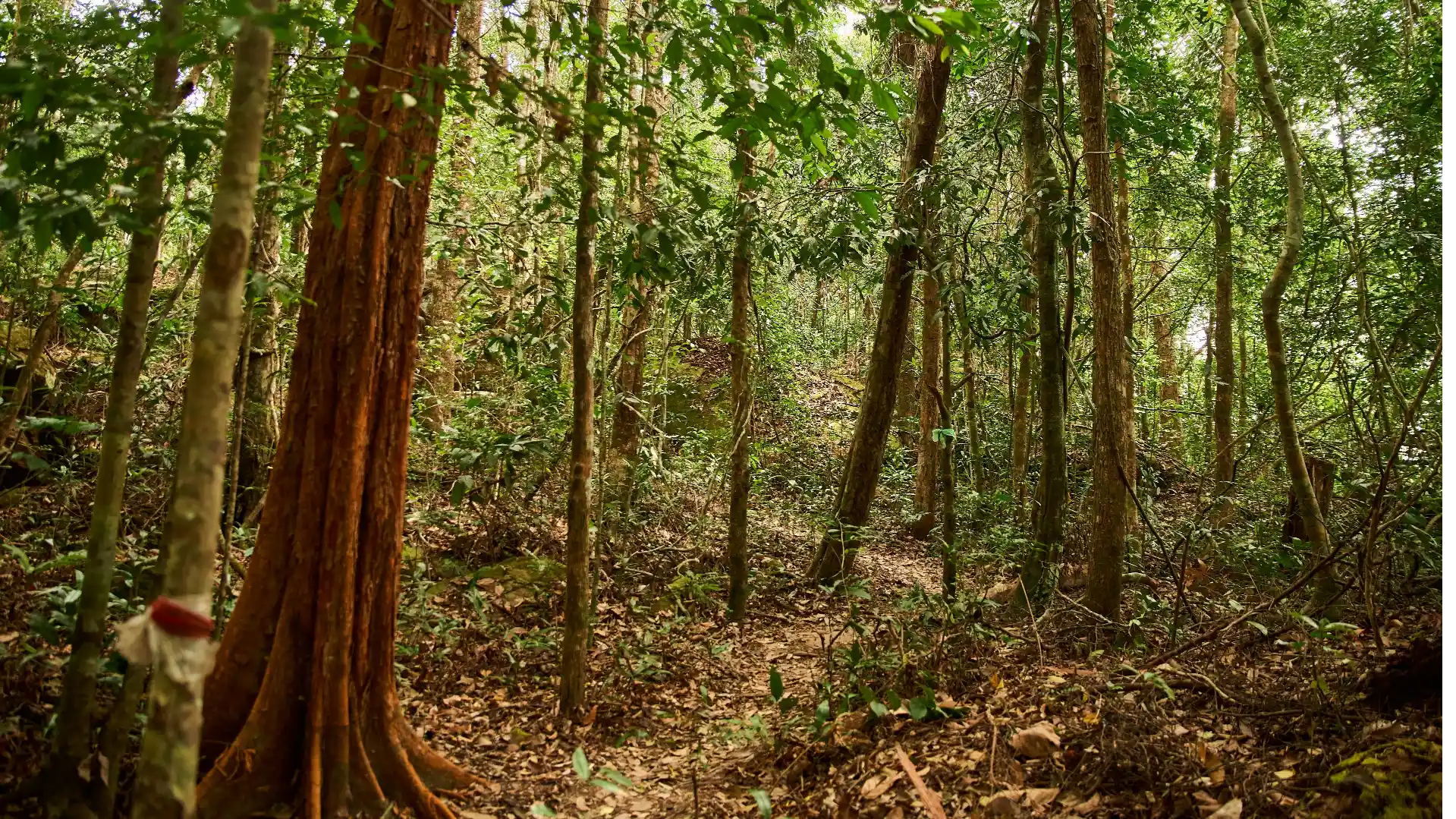

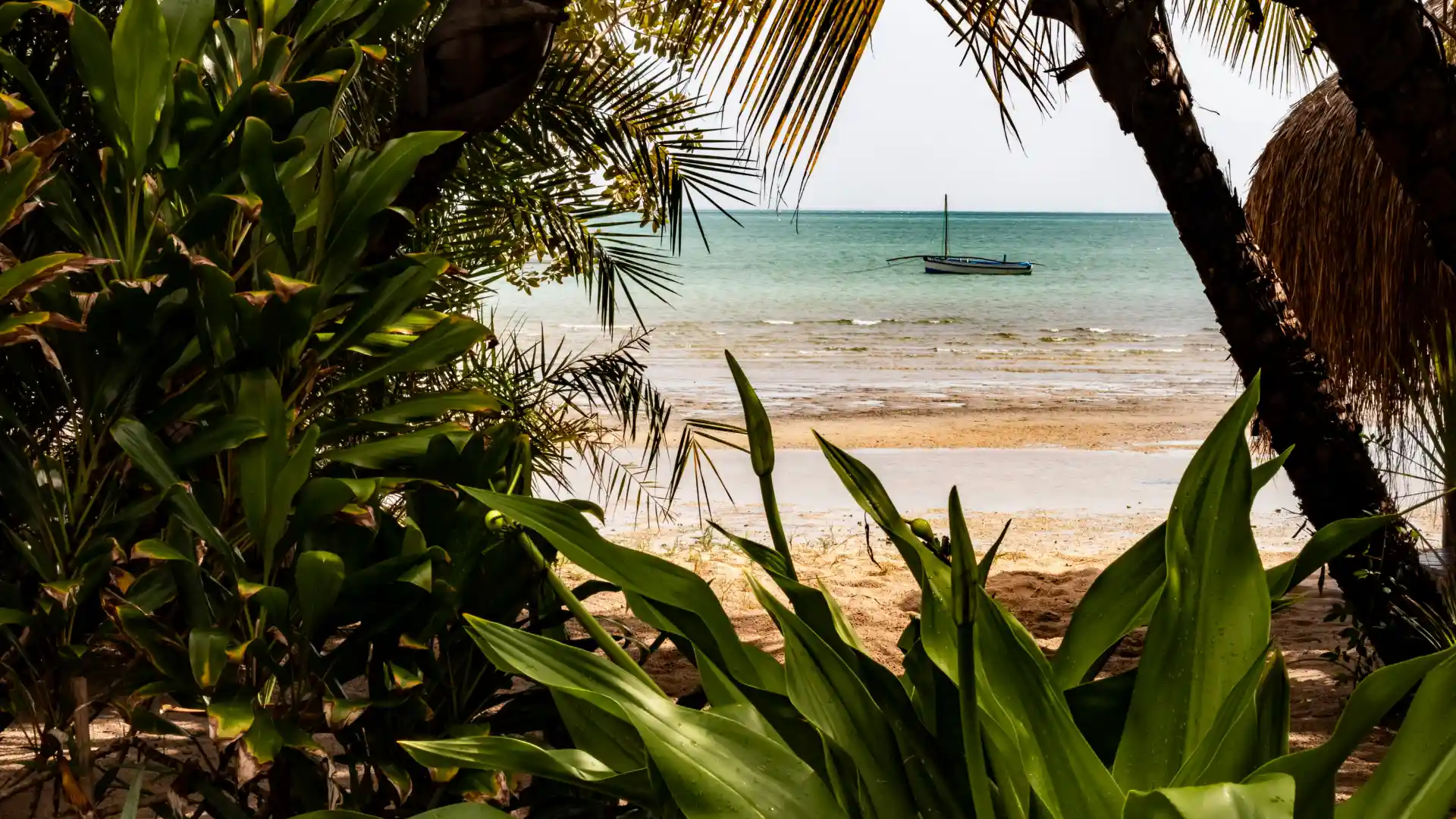


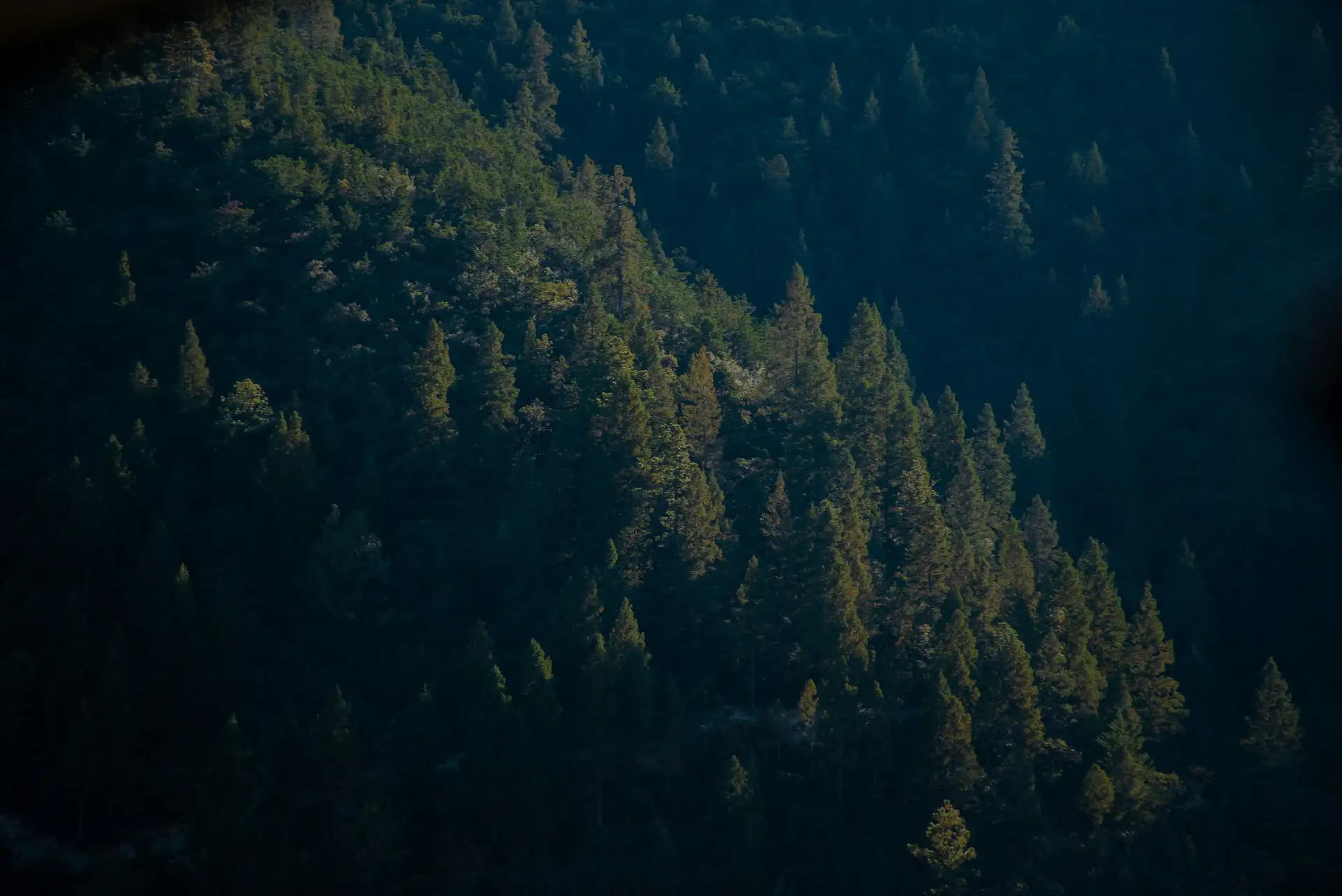

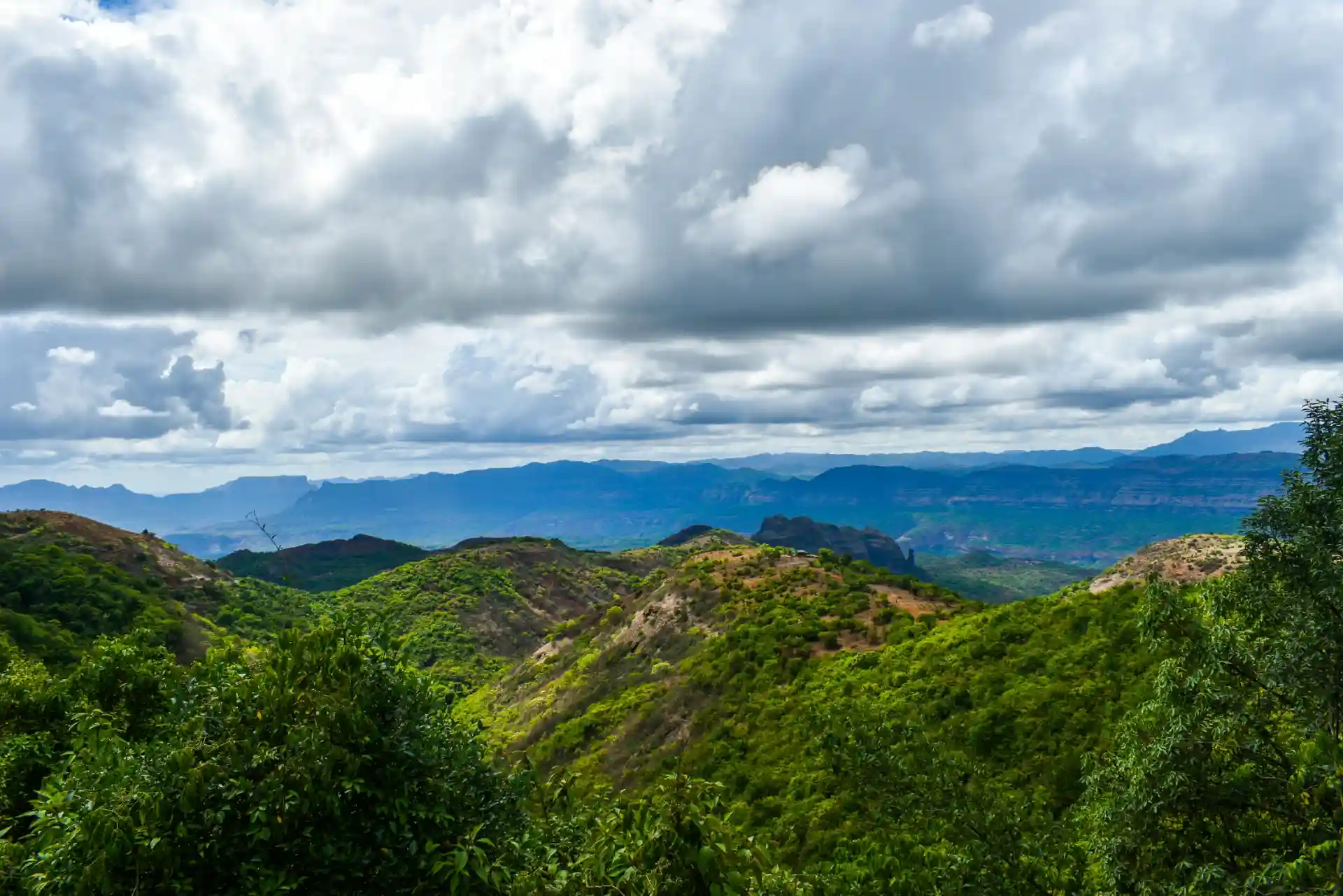
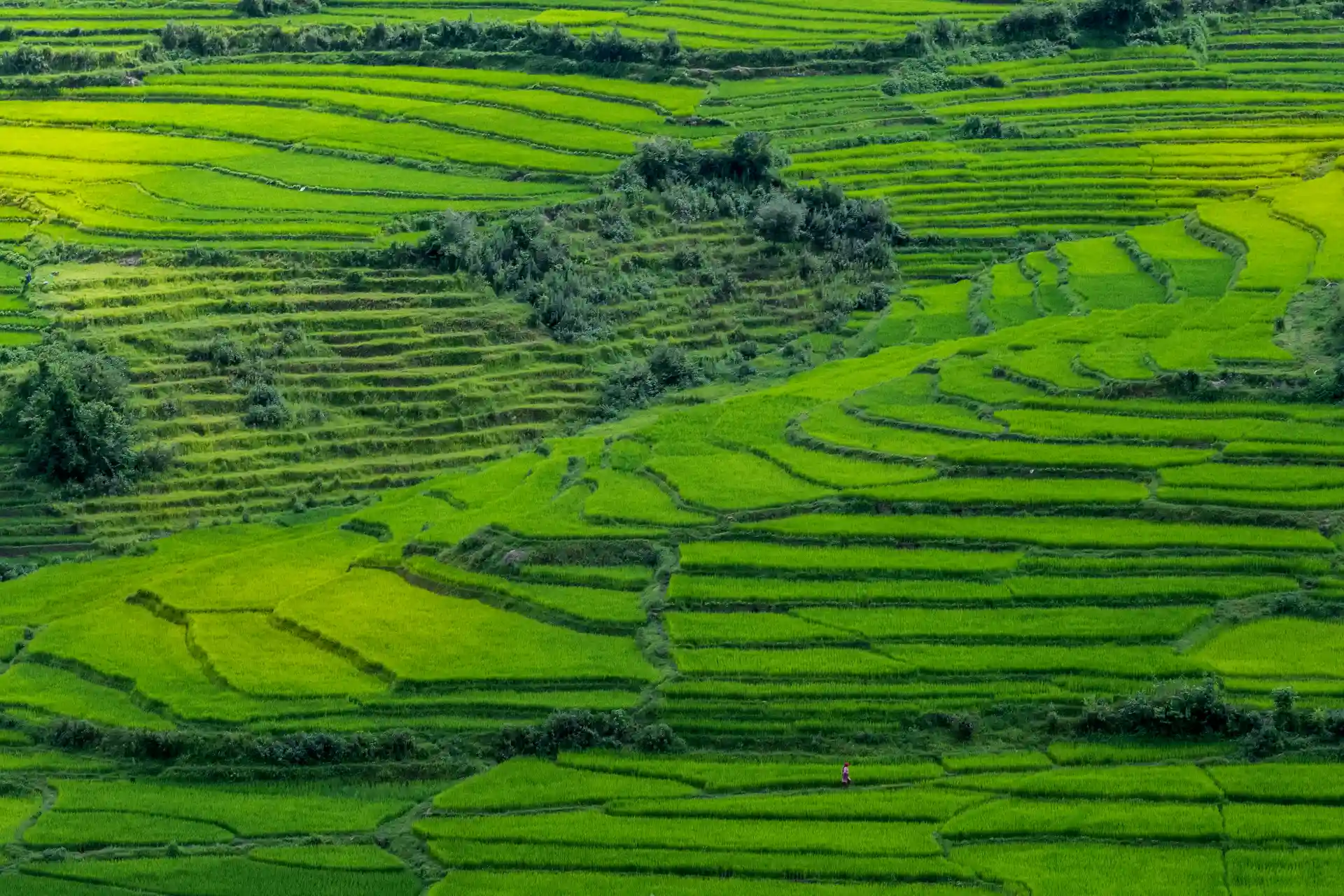

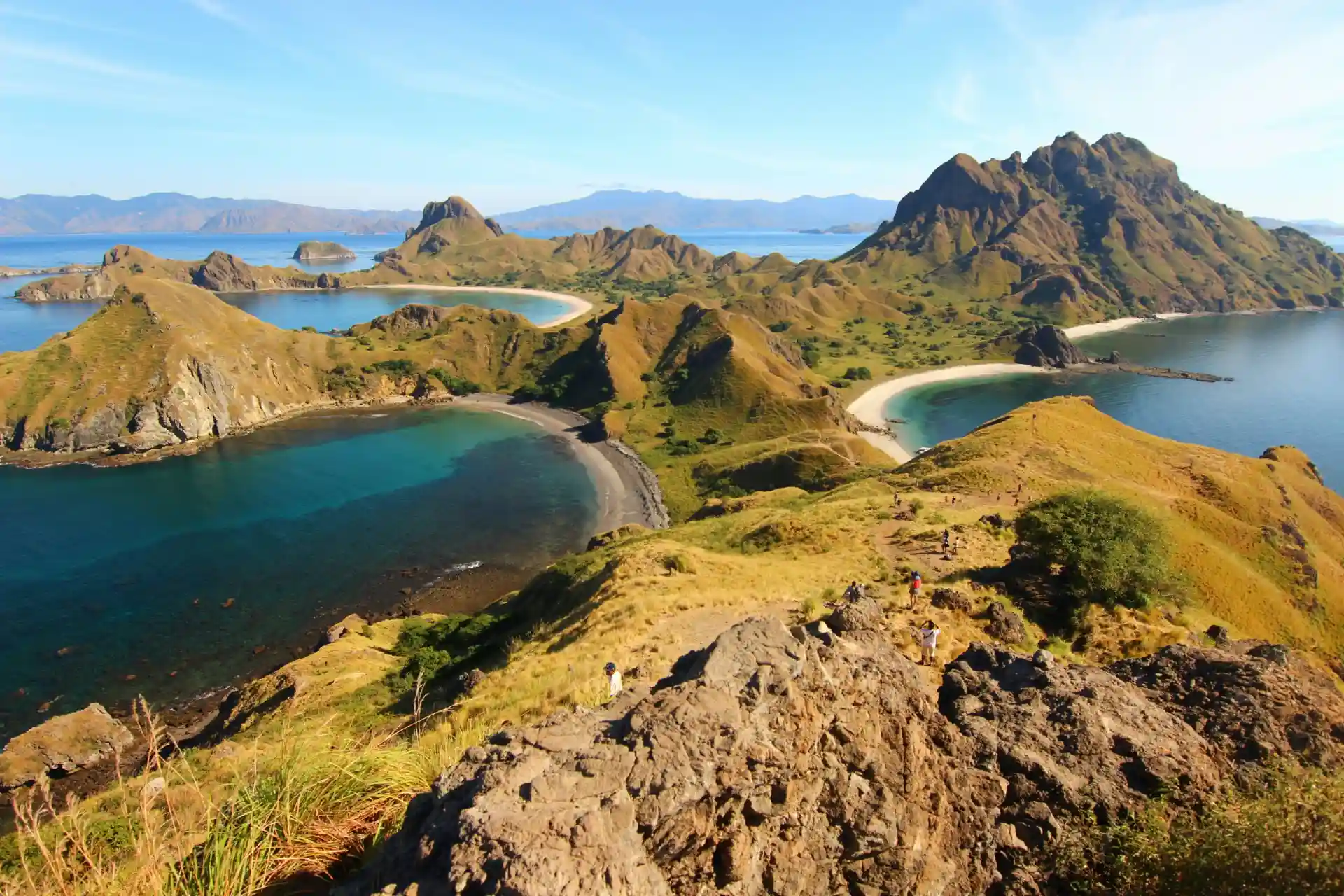
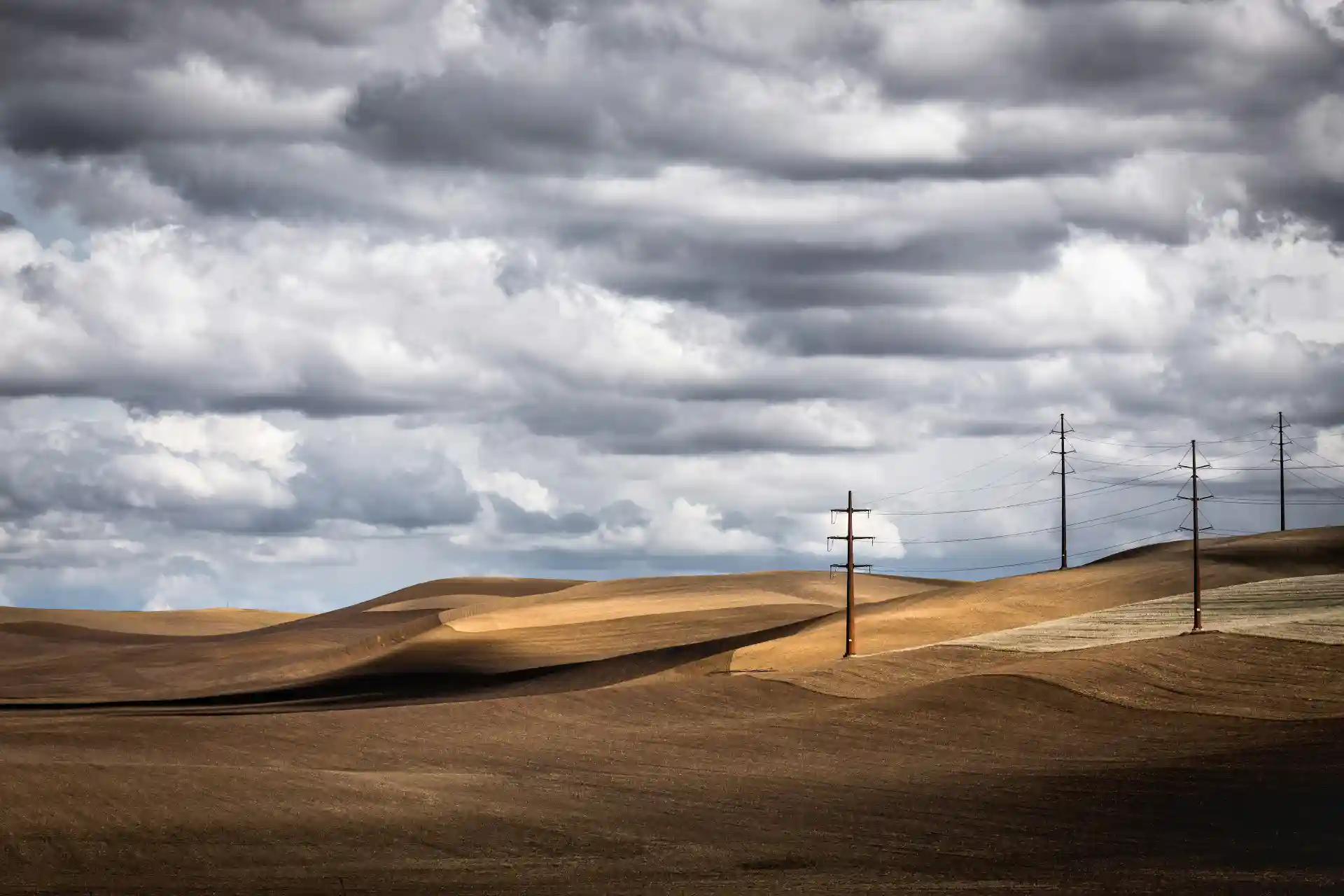



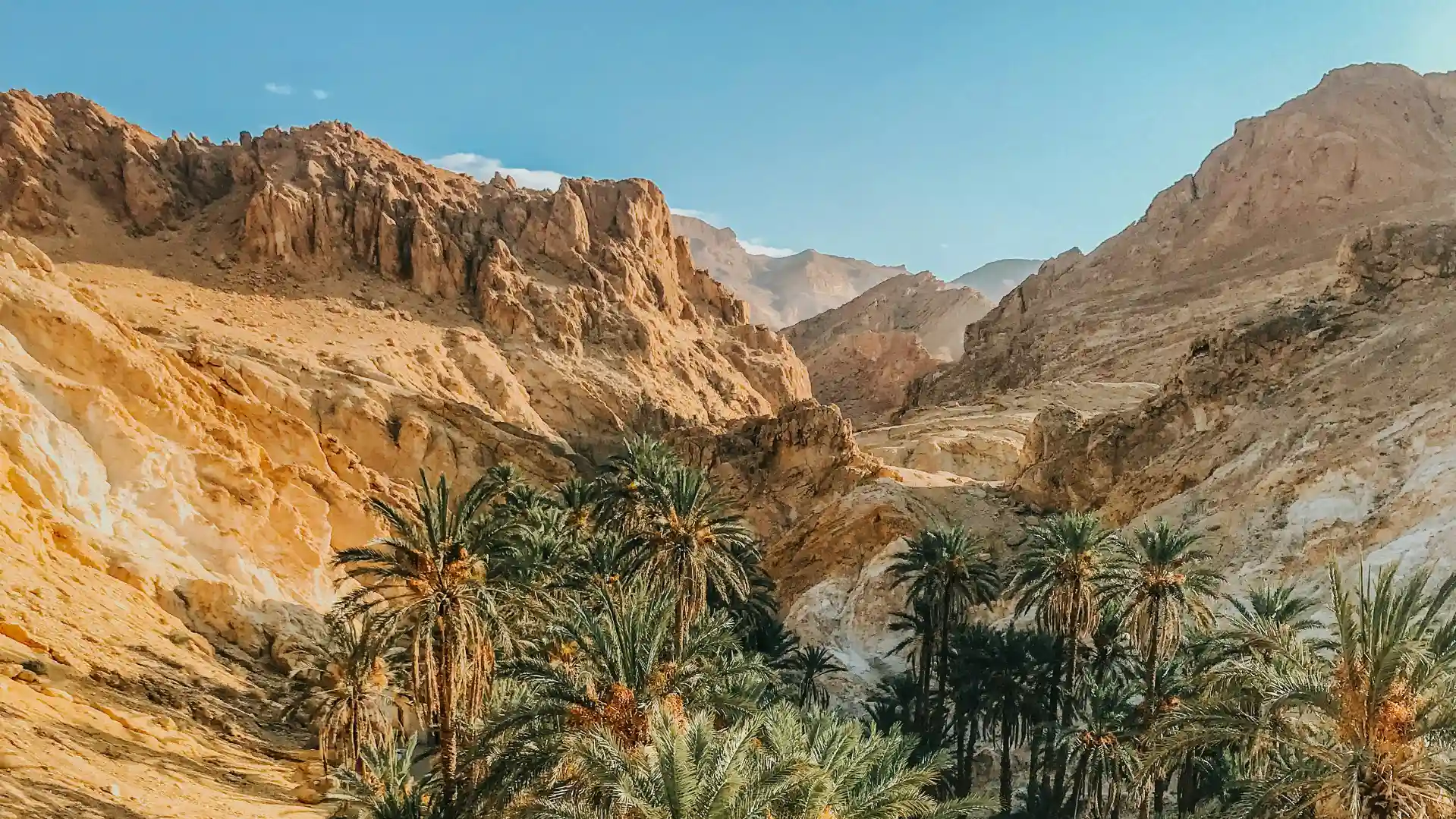




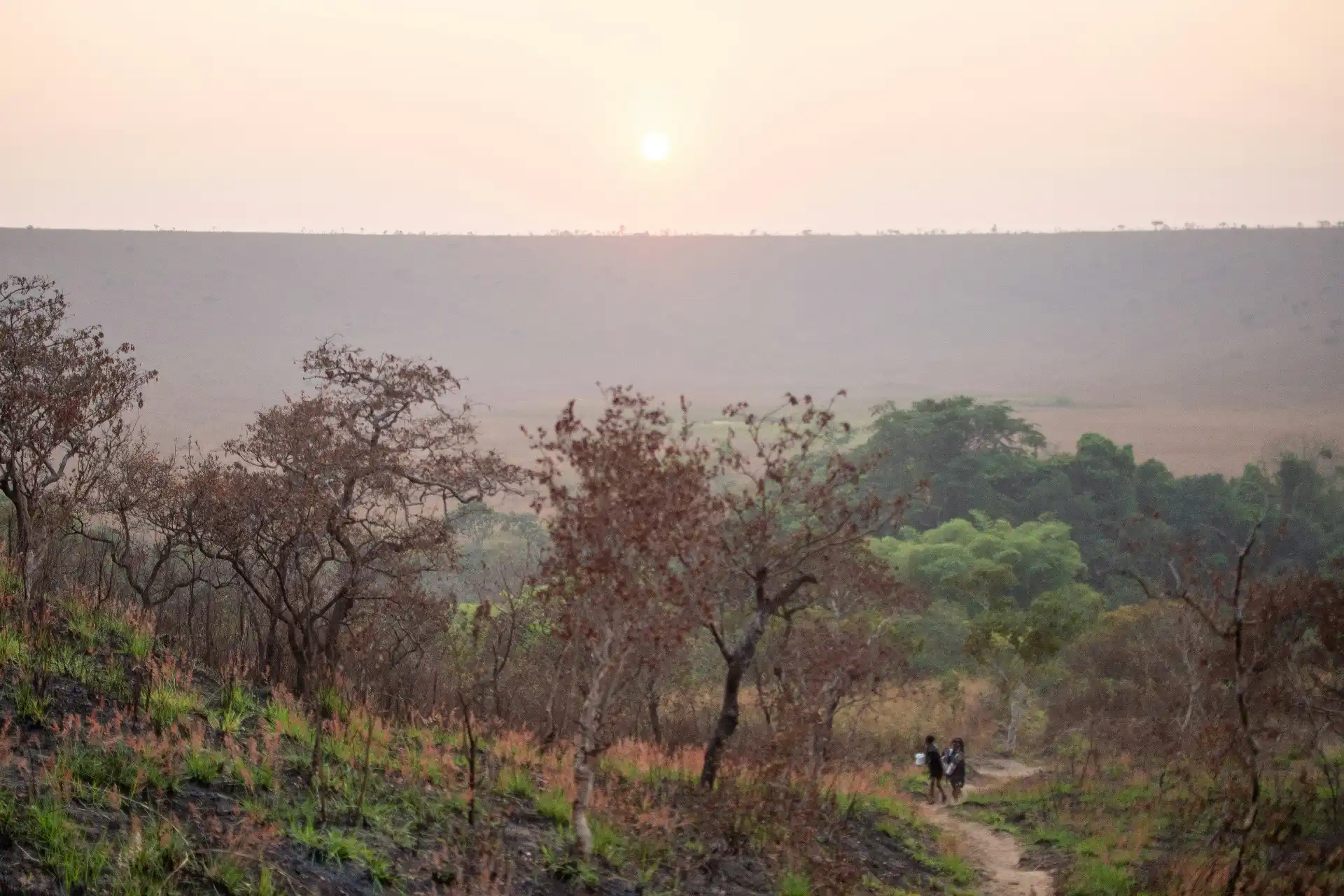

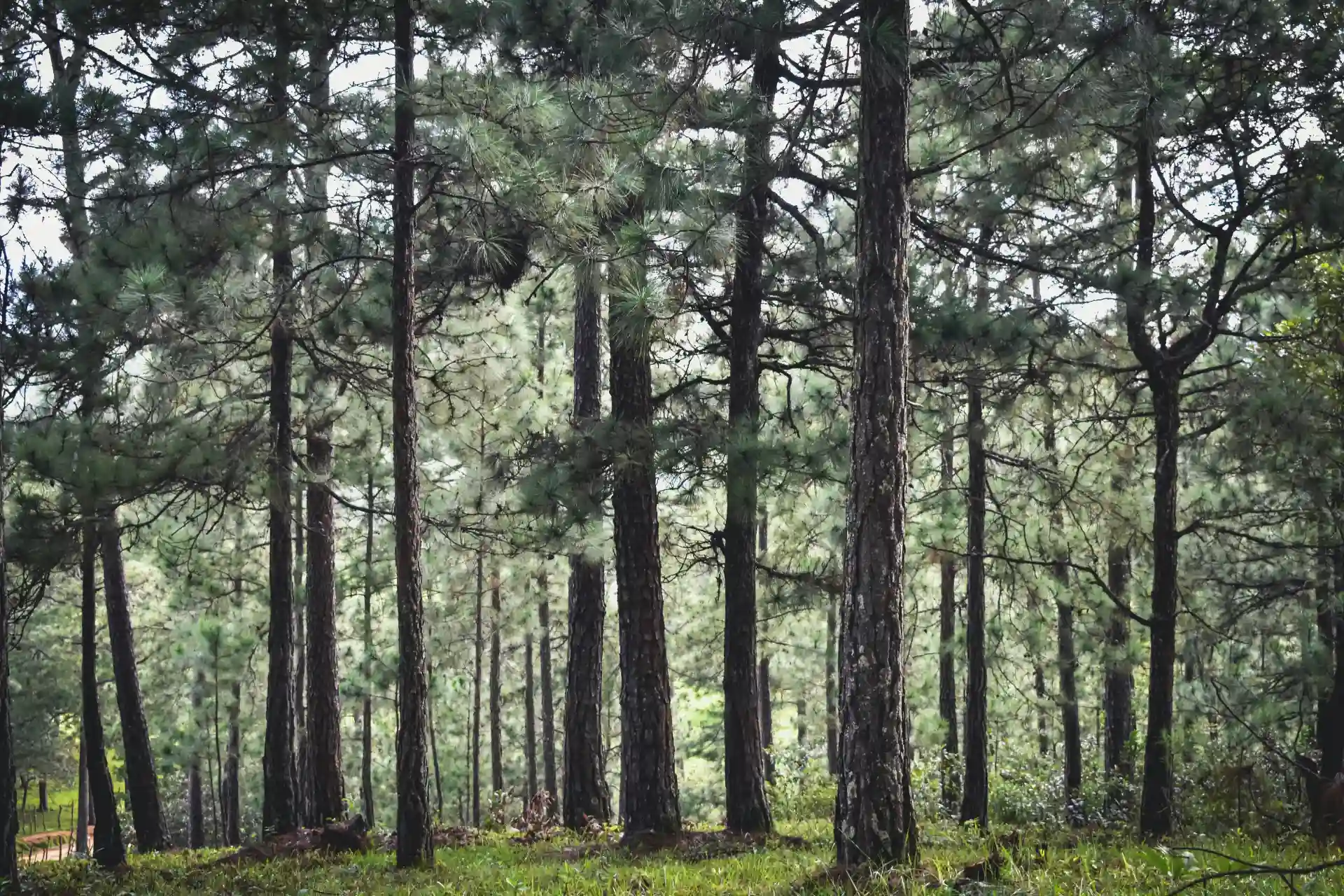

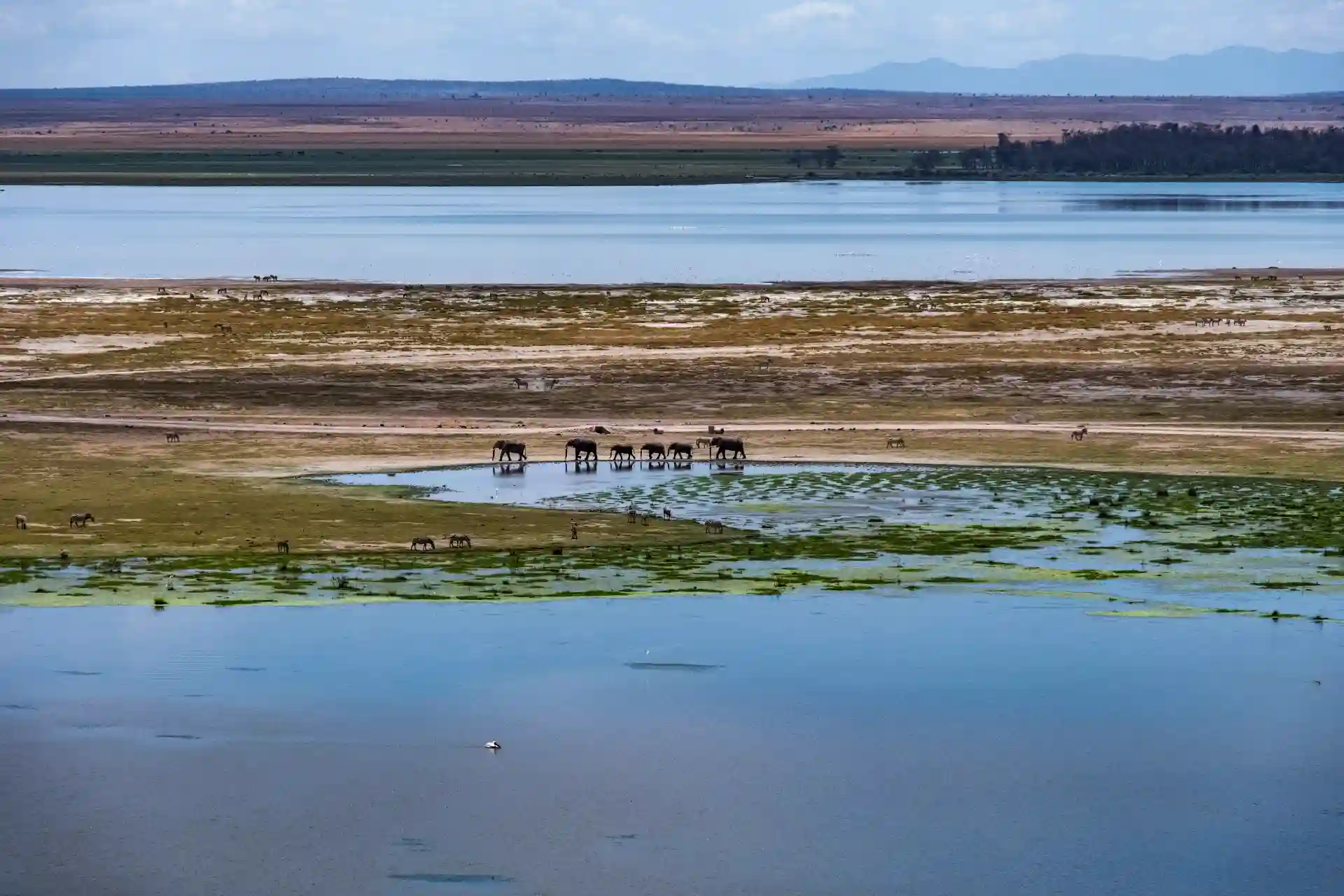
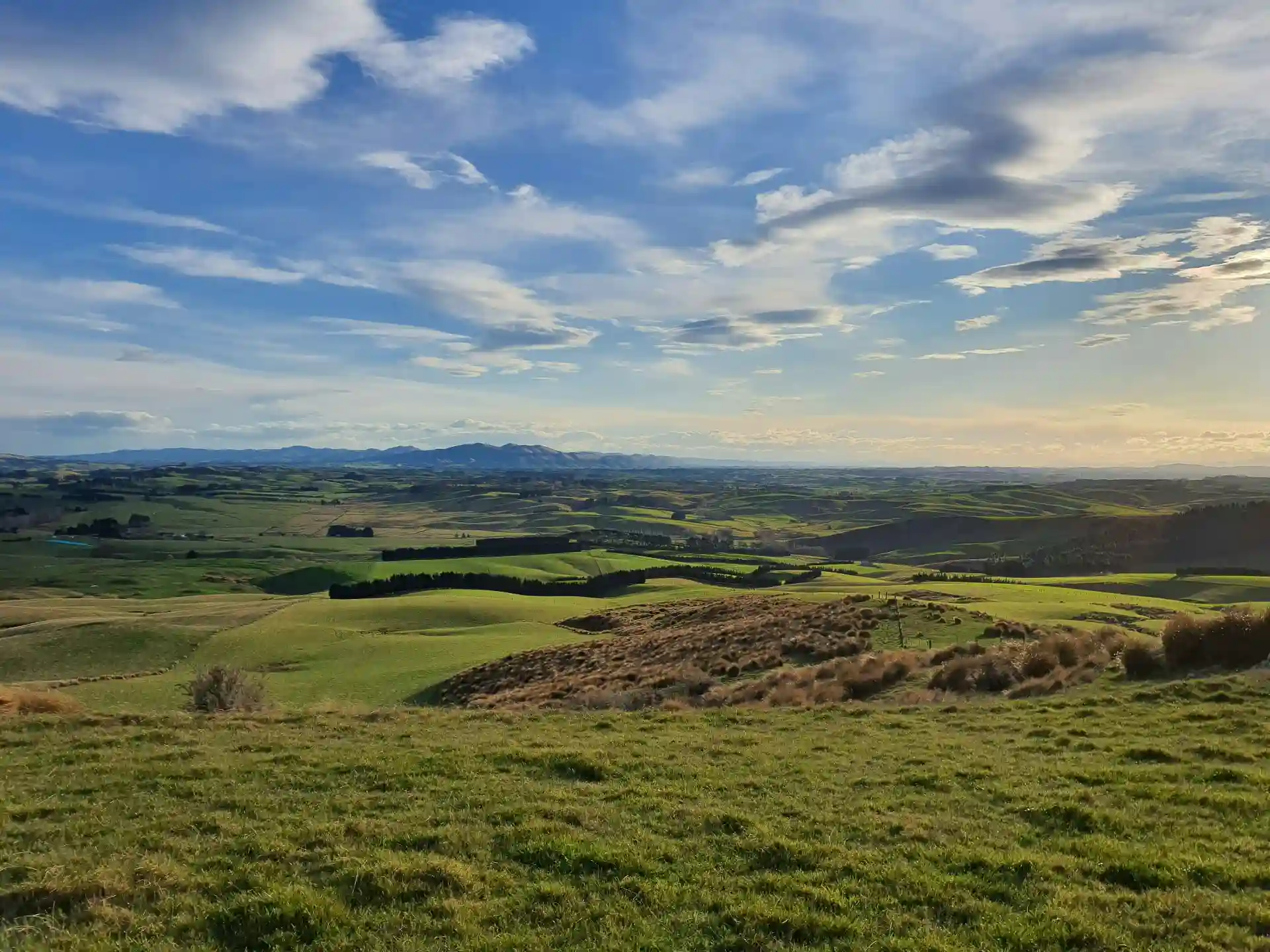

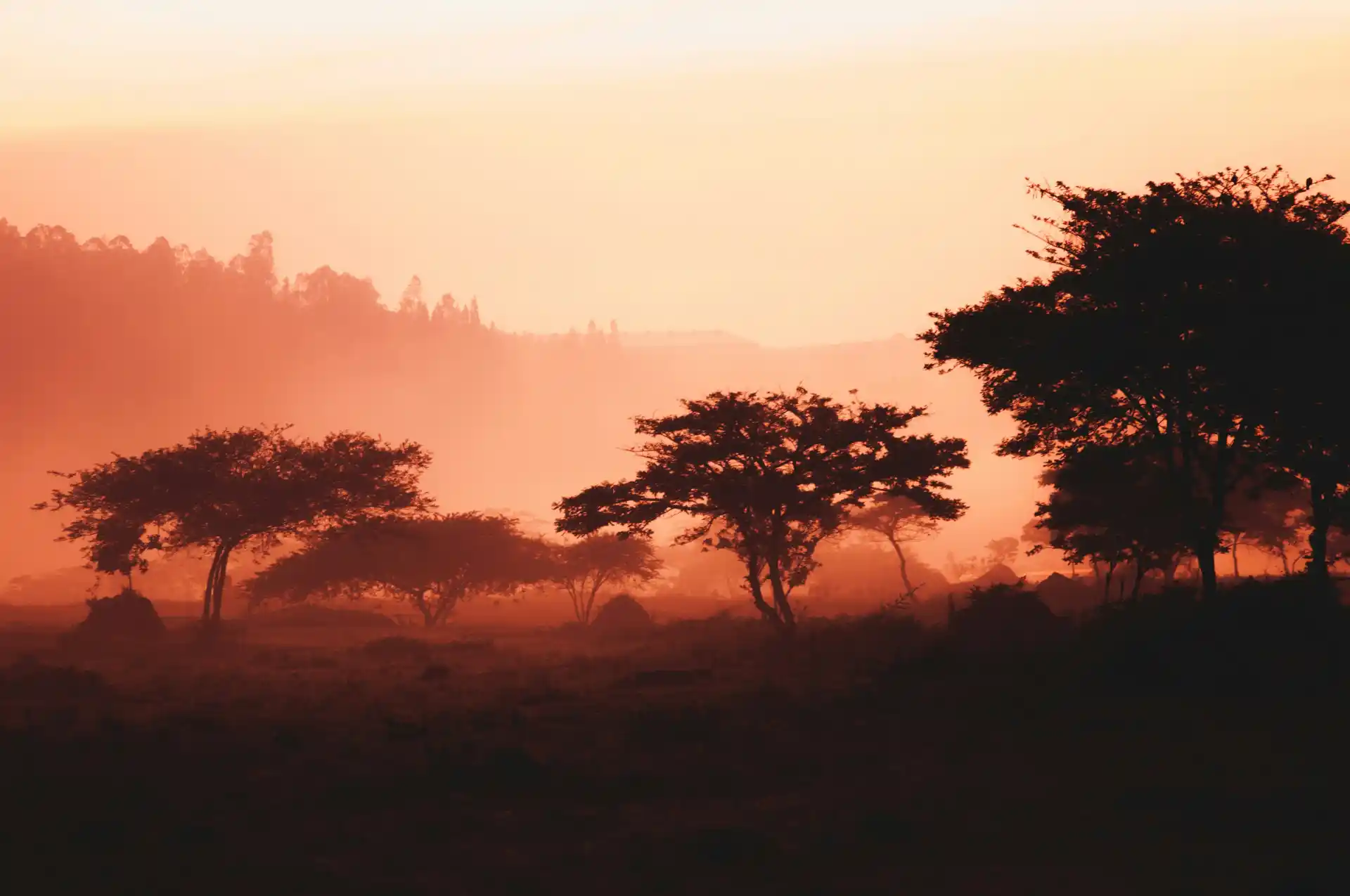

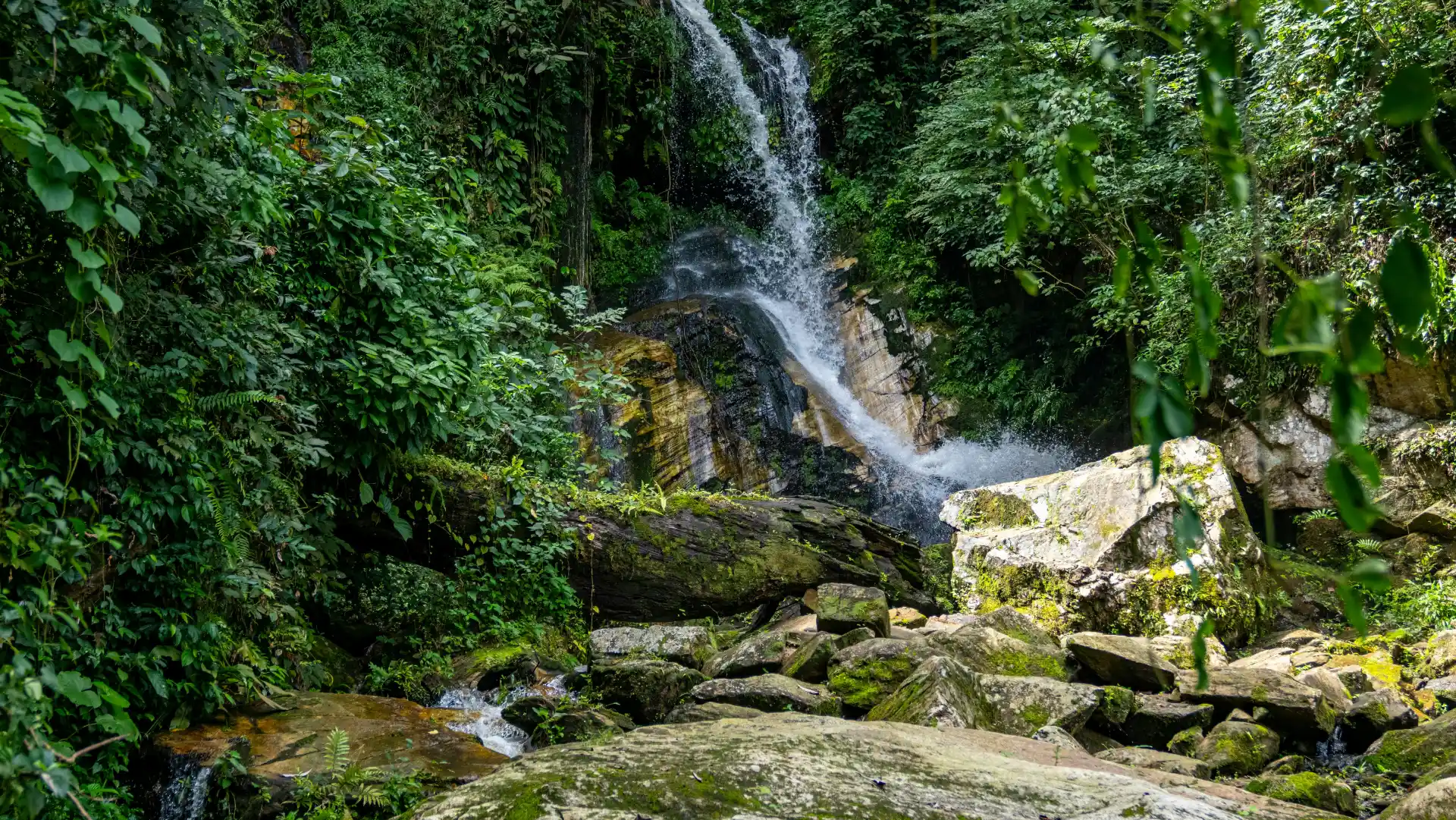
.jpg)
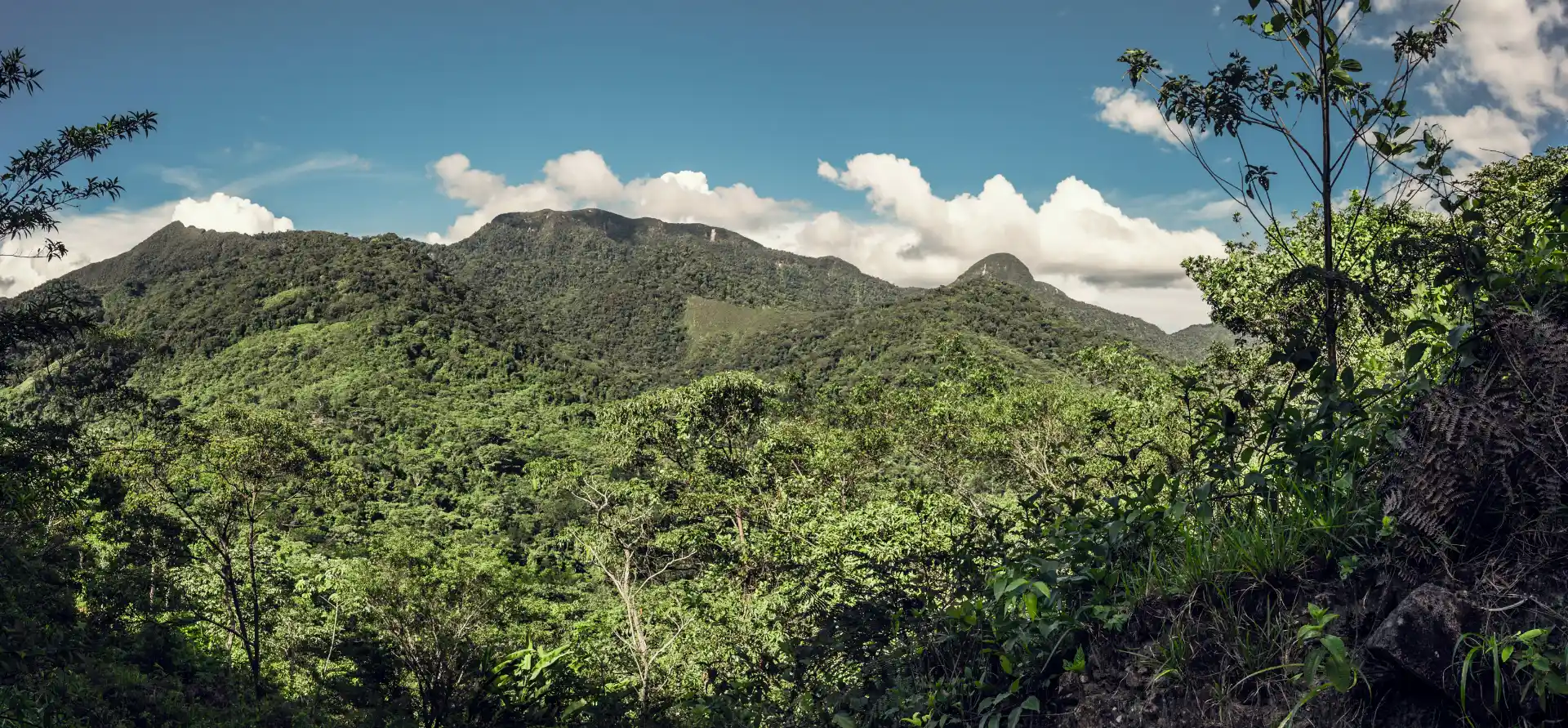

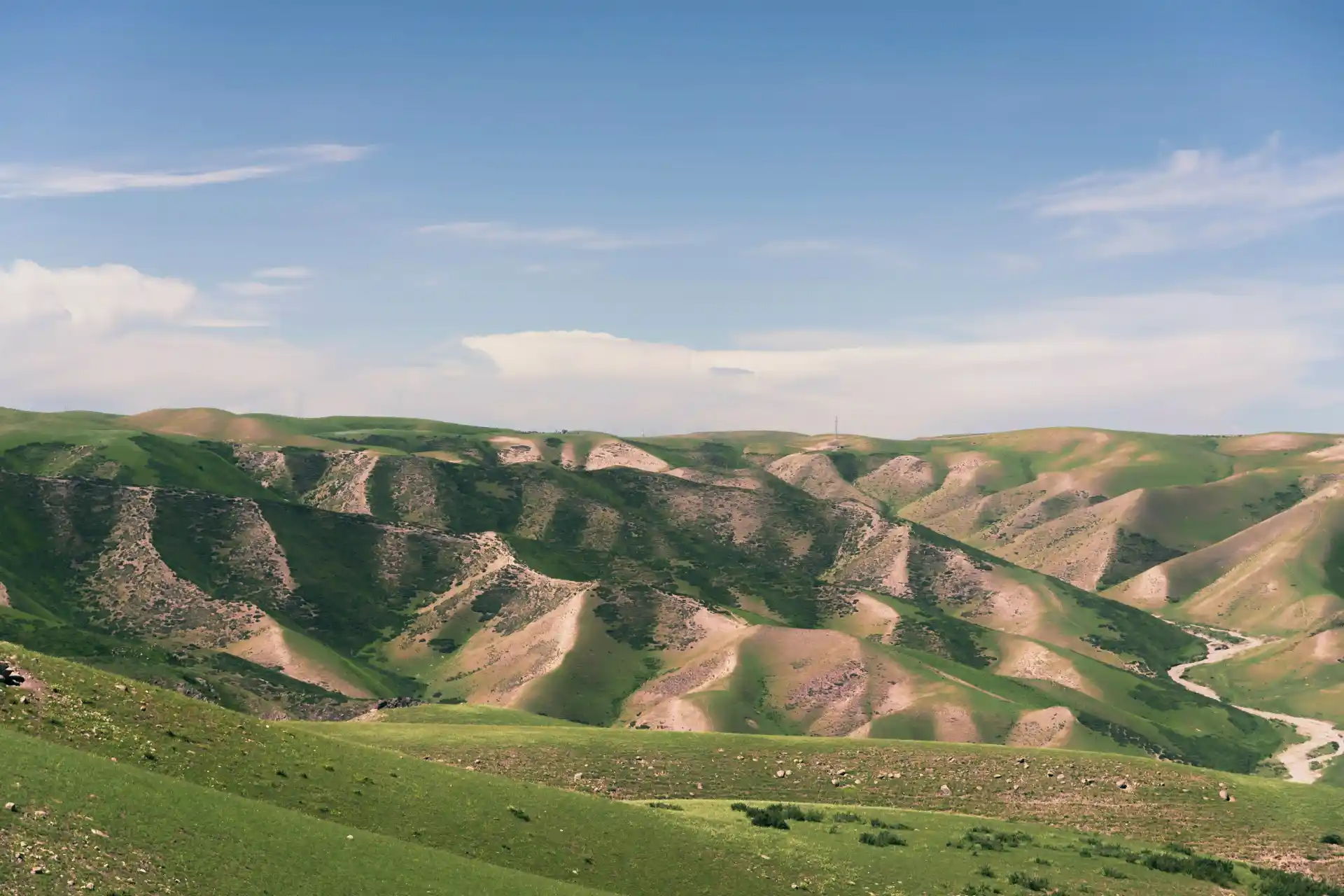


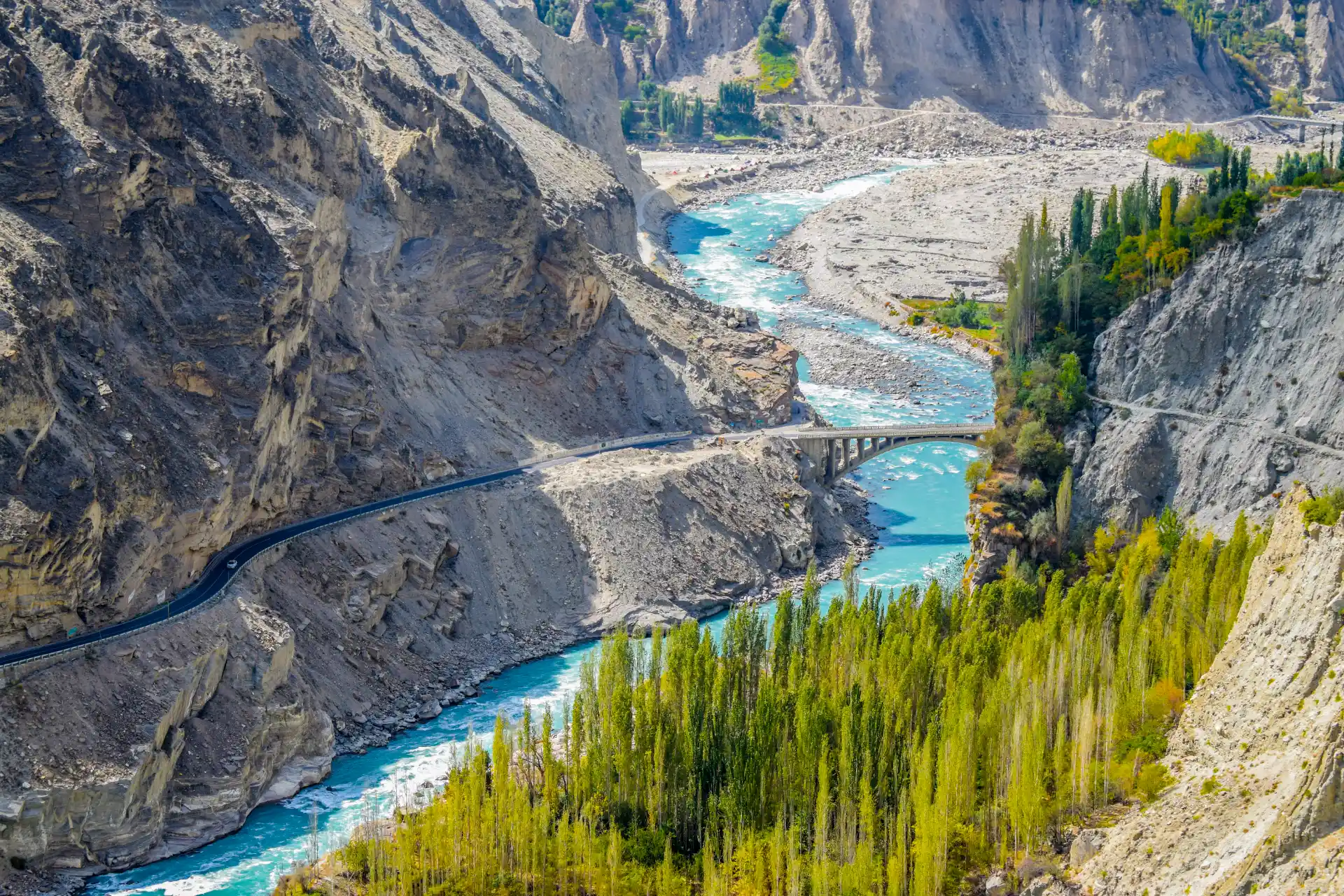

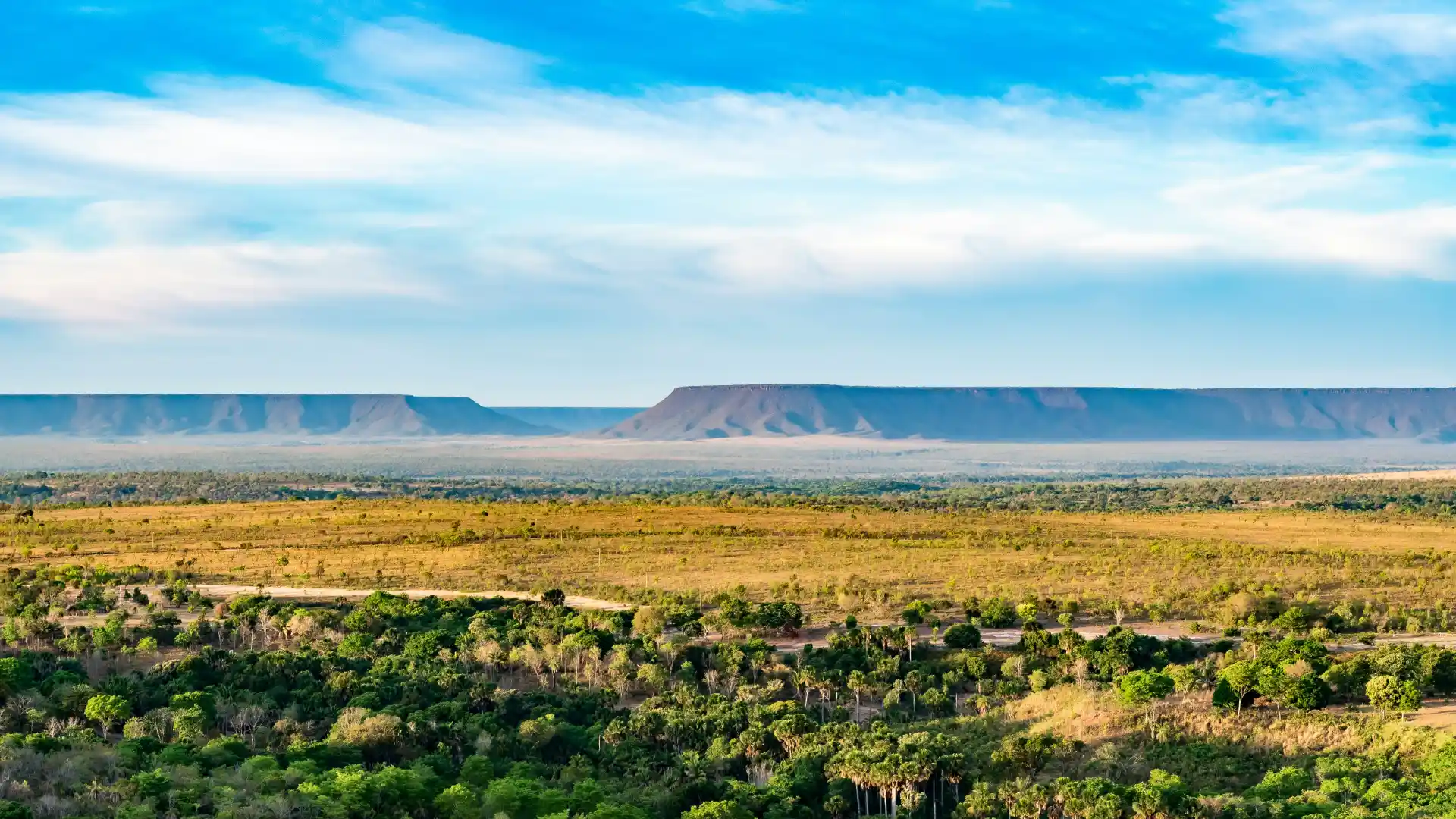

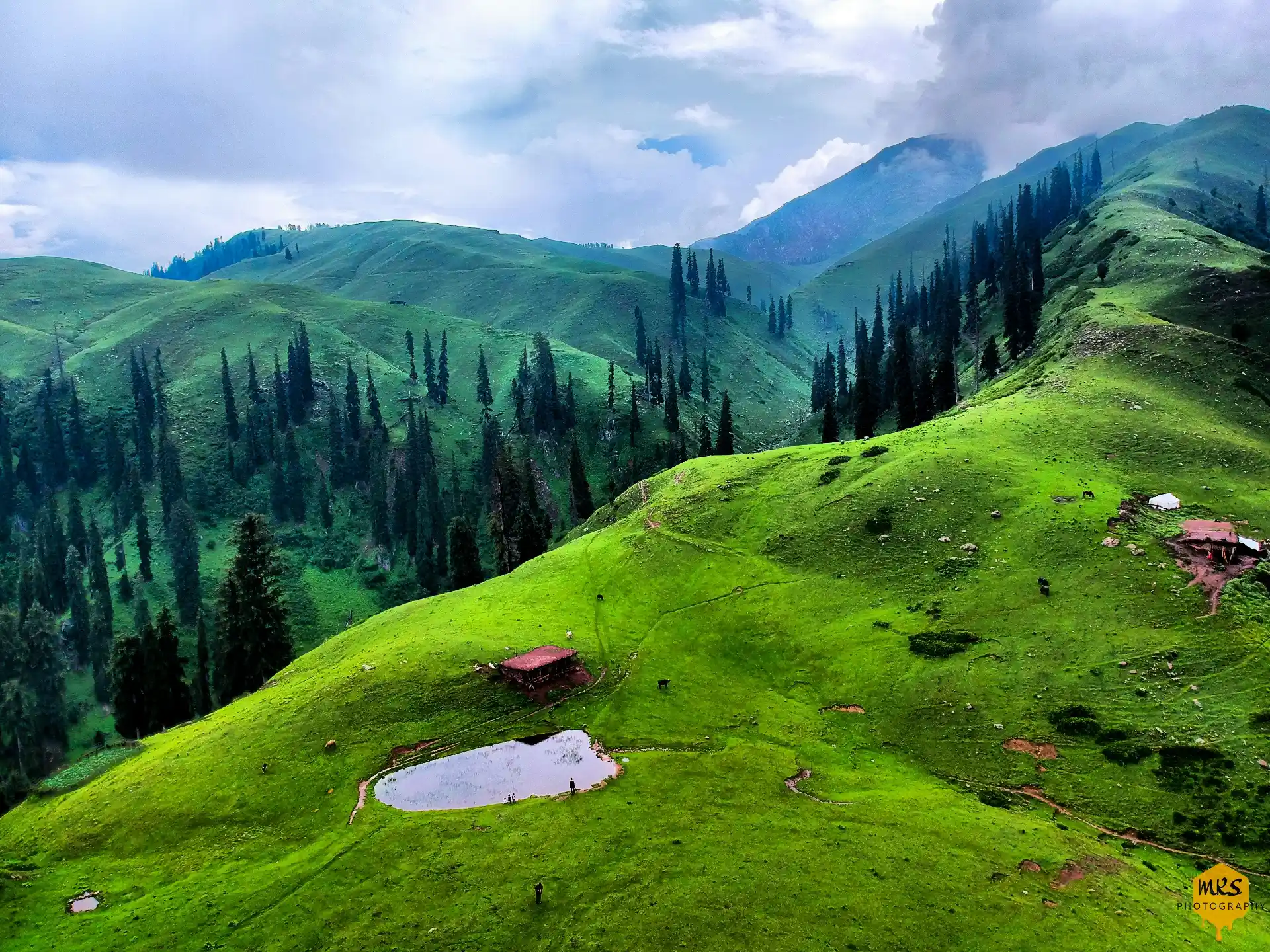
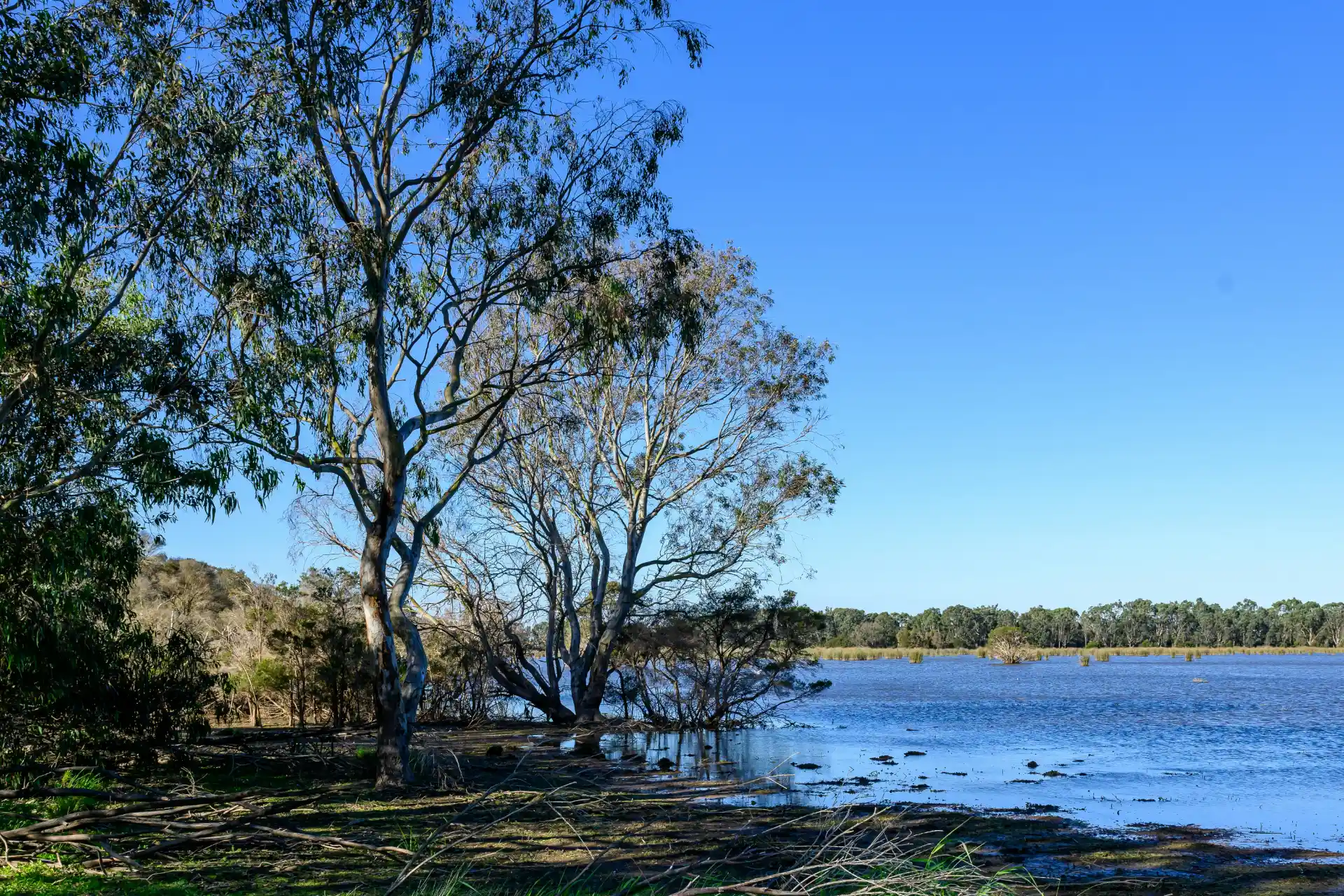

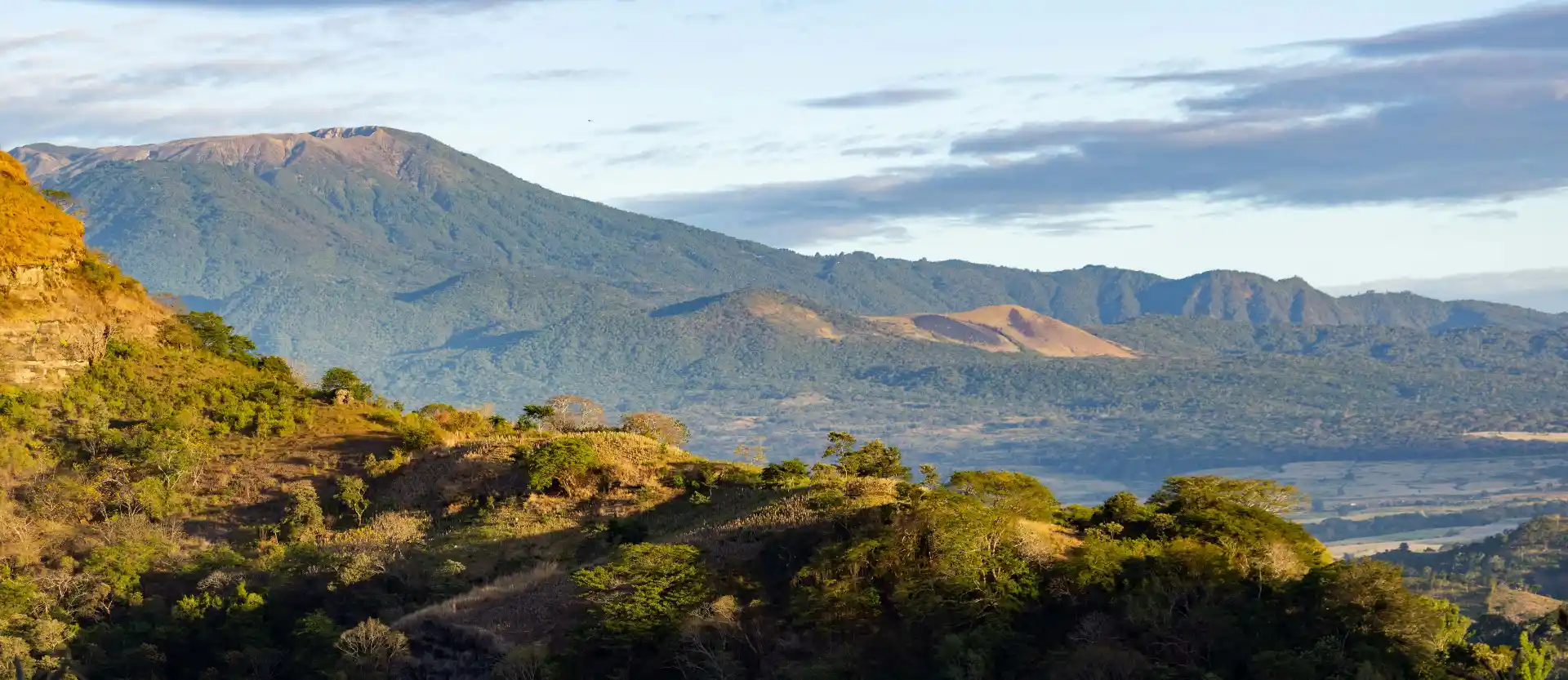
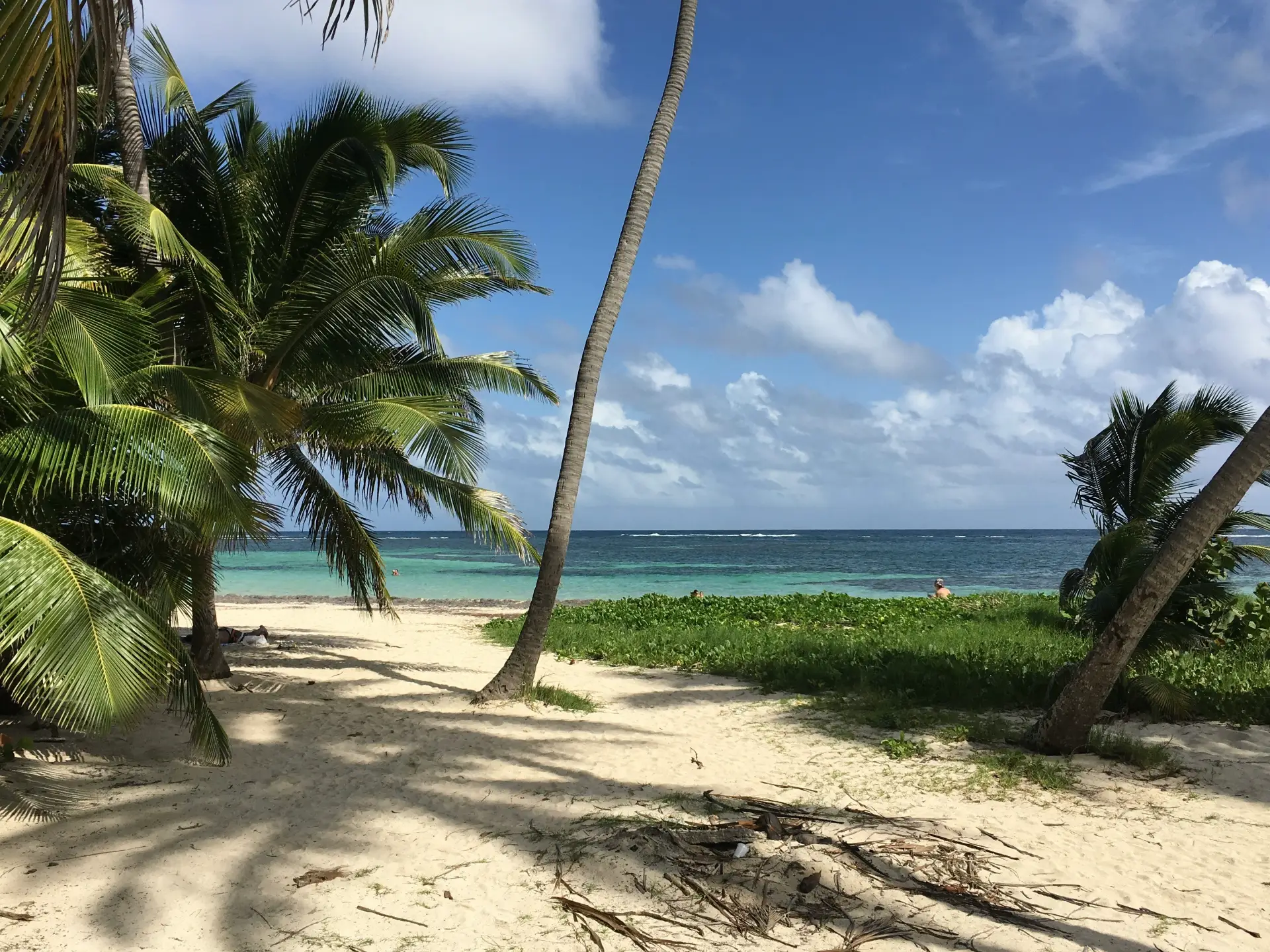
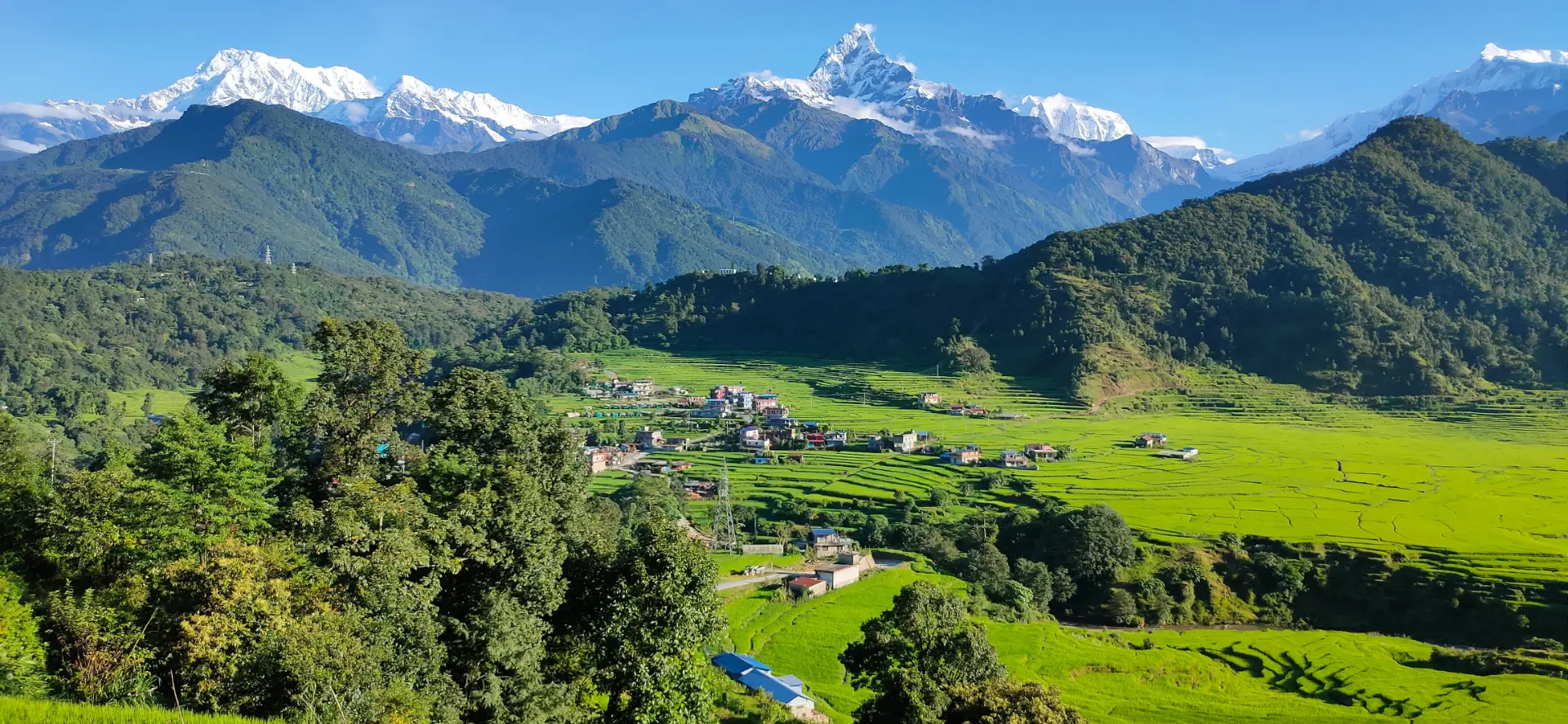

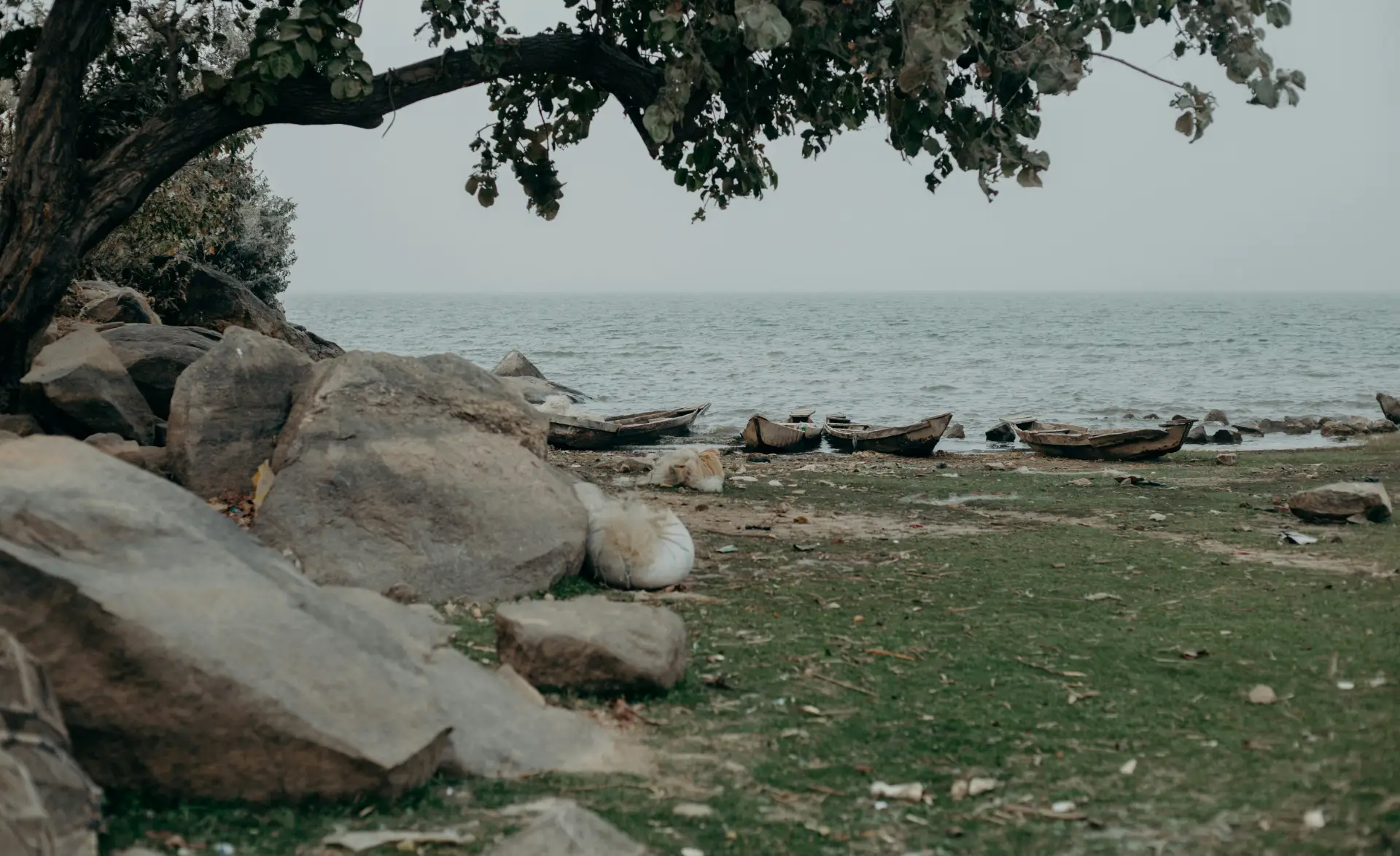

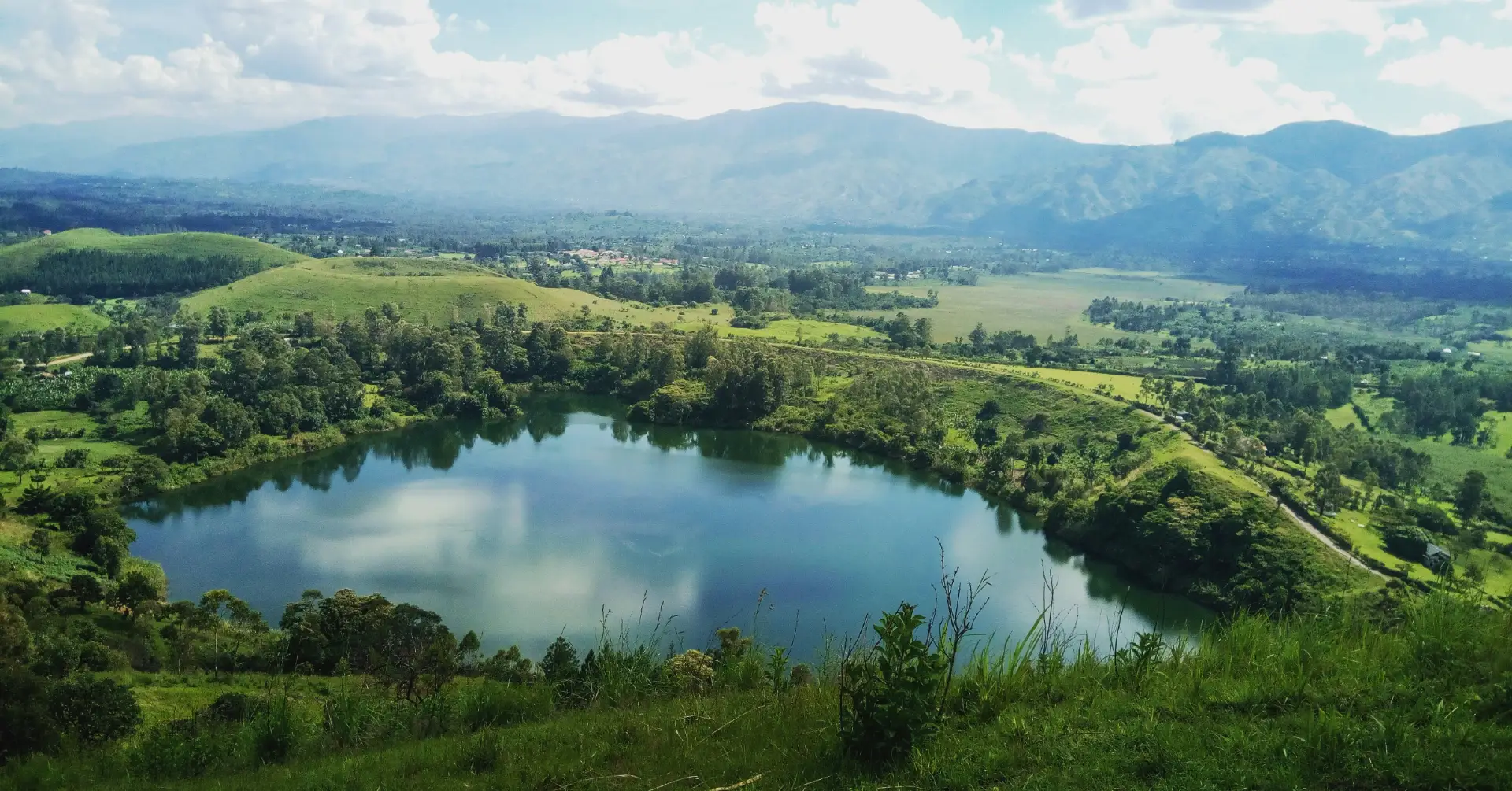
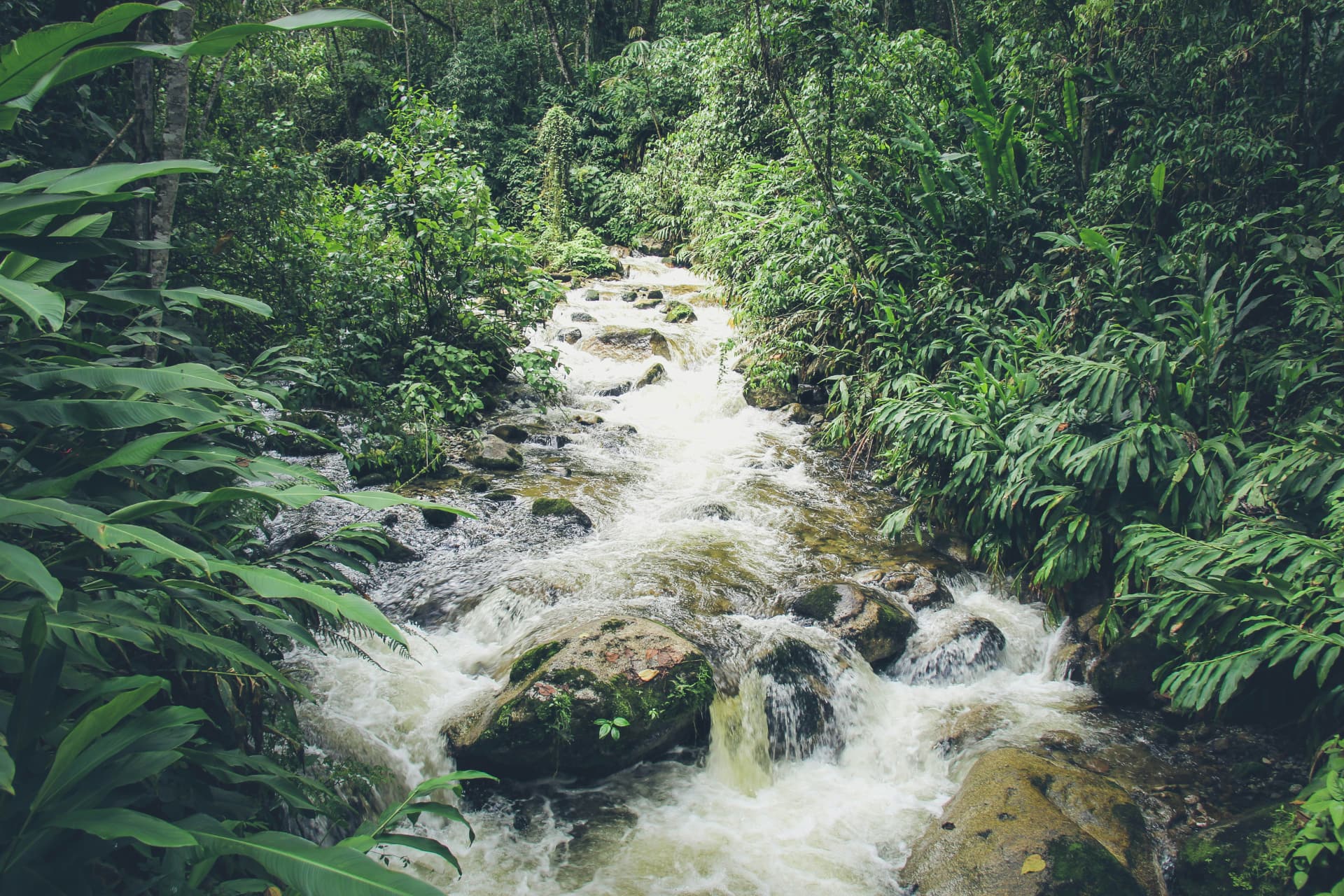

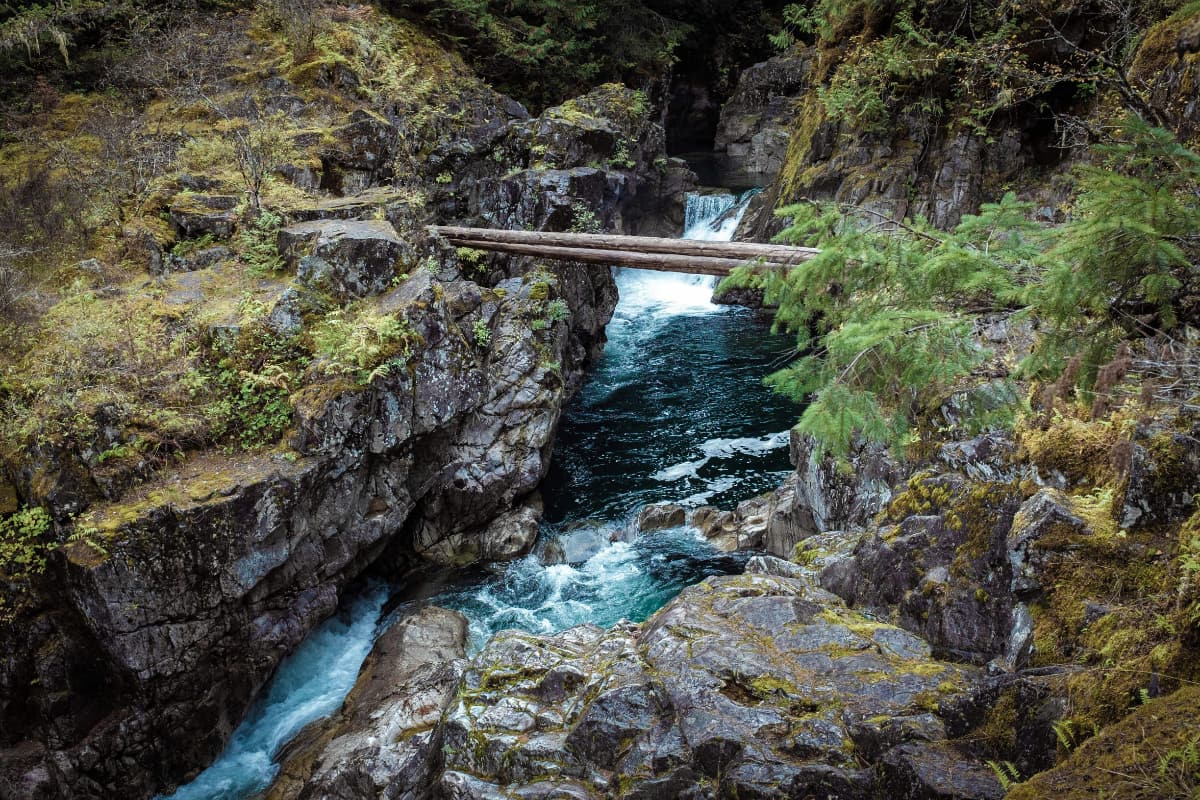

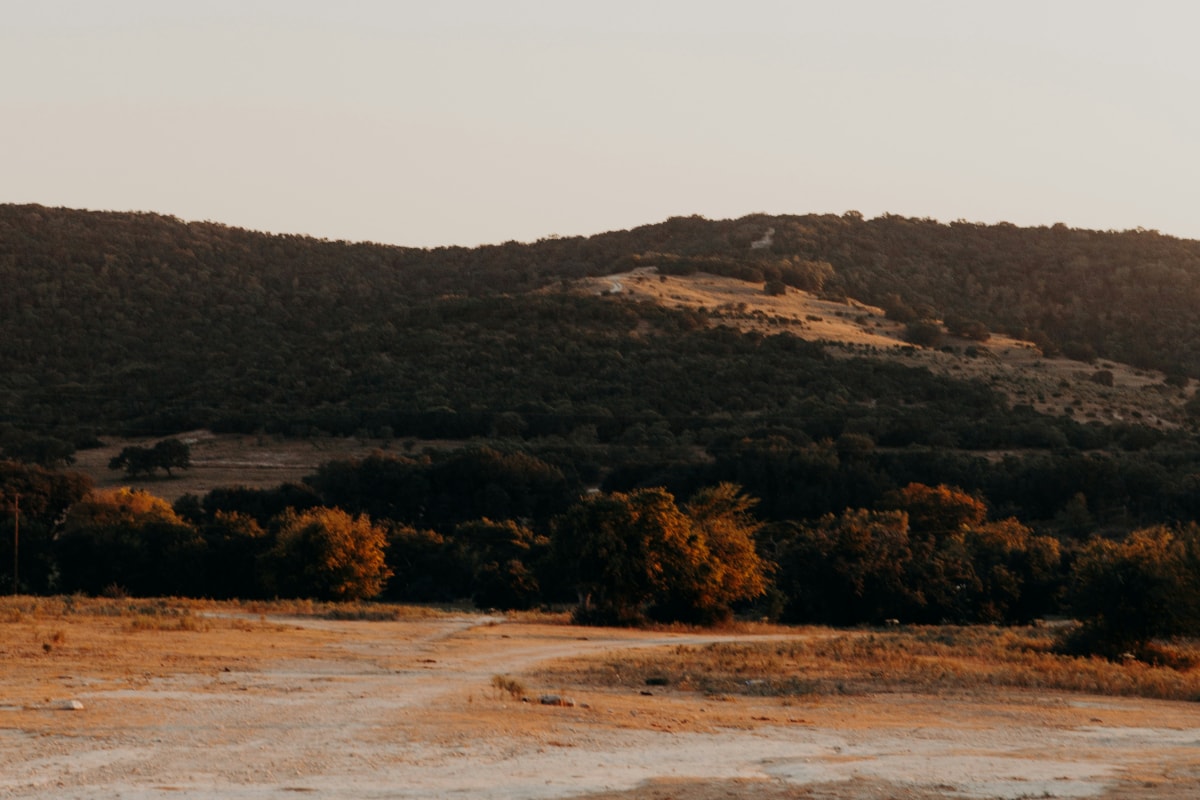

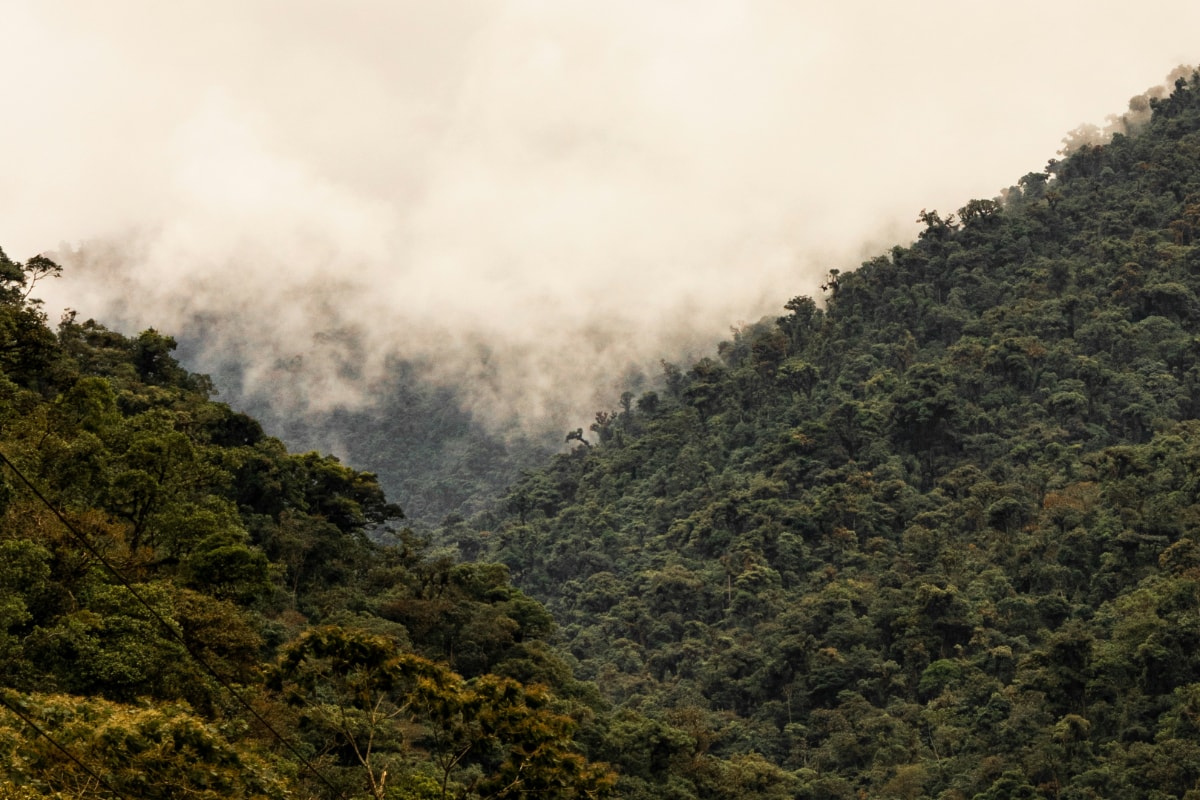

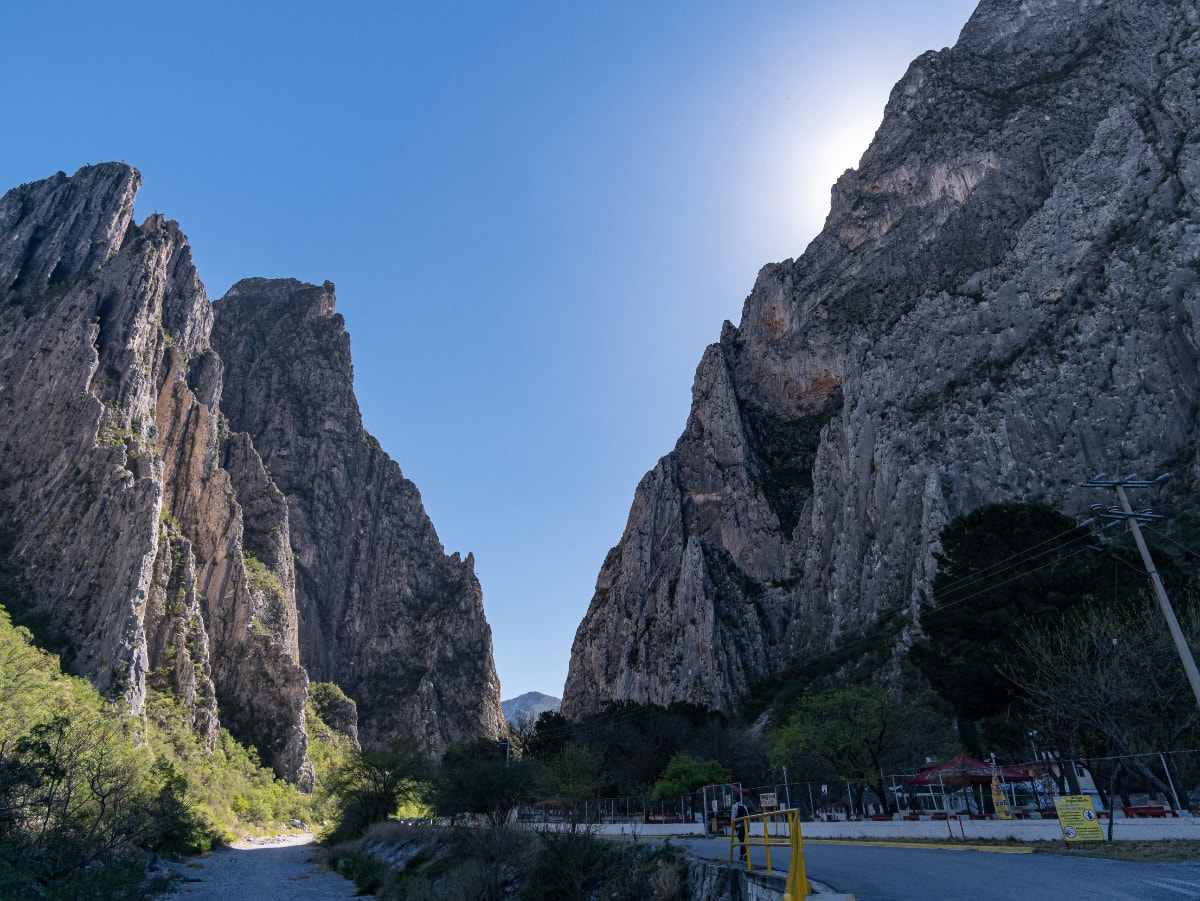

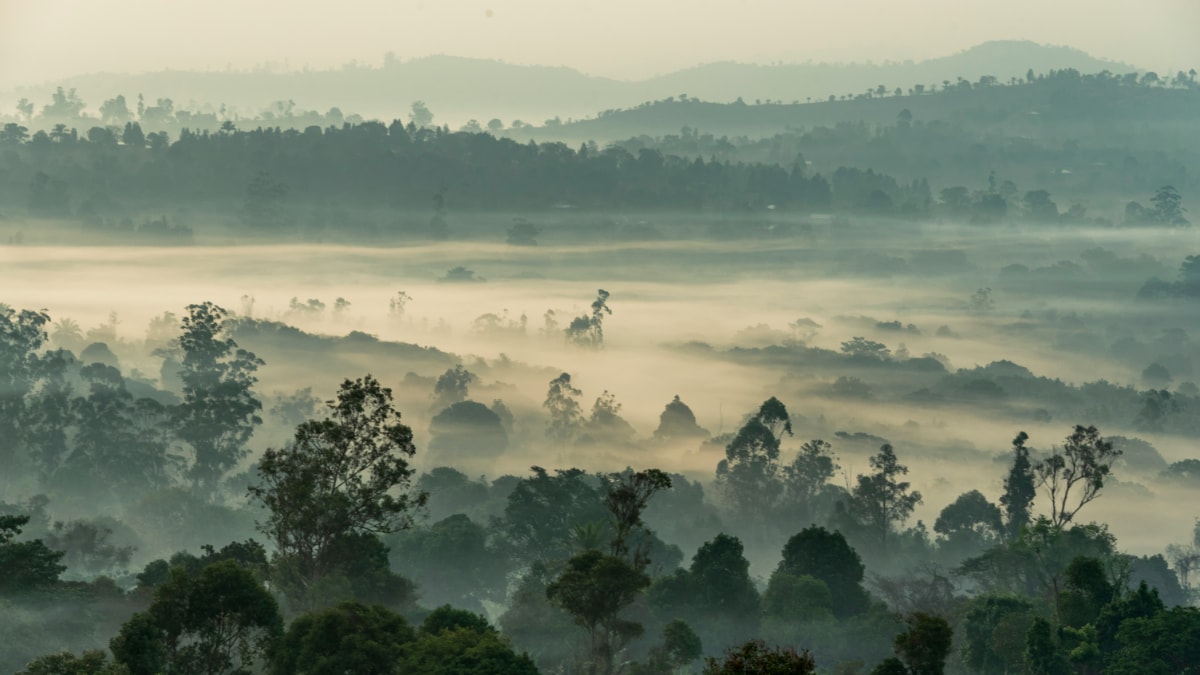

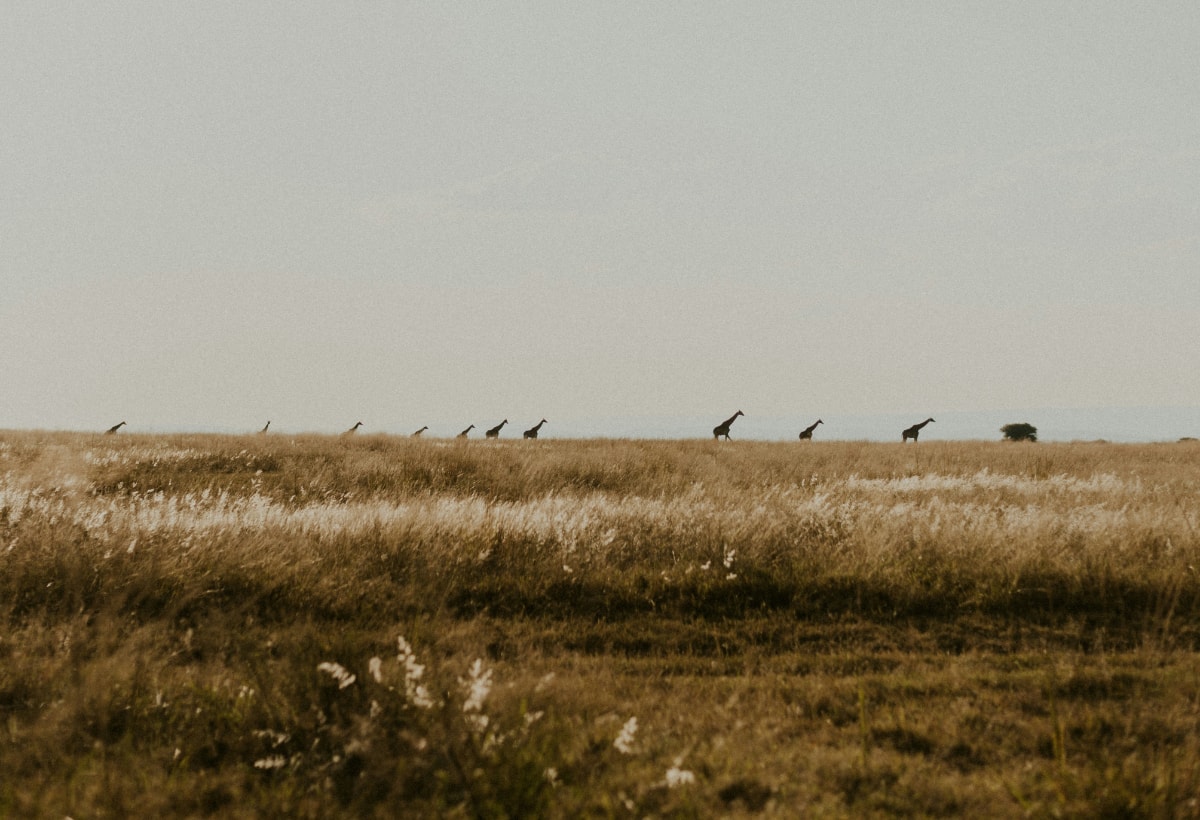

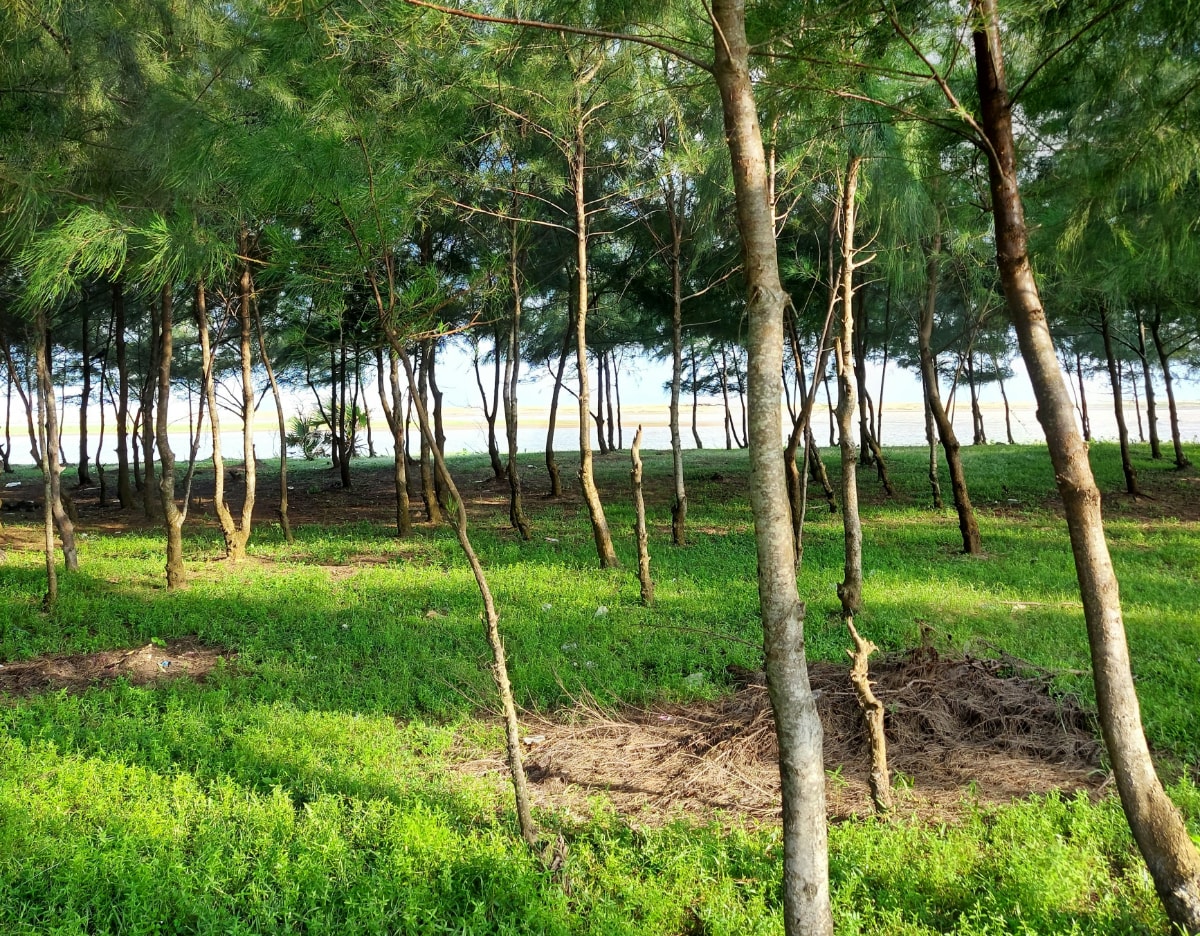

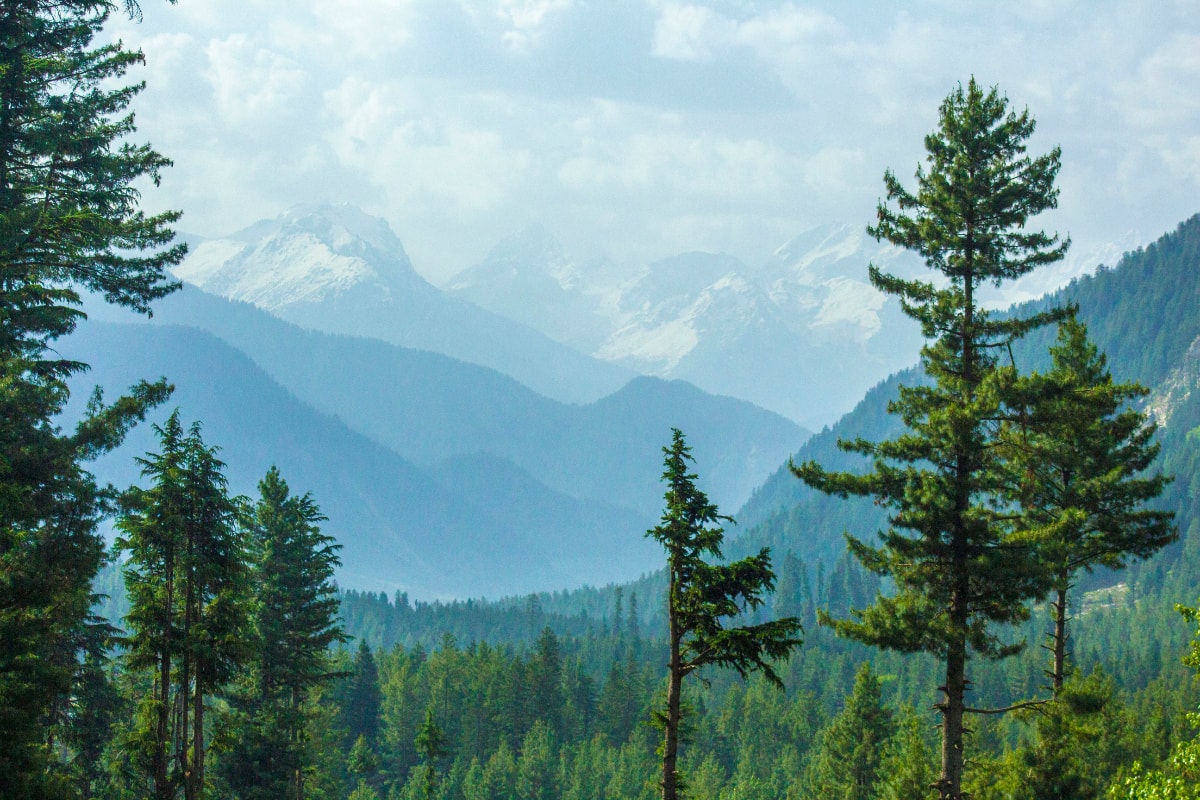
.jpg)
.jpg)

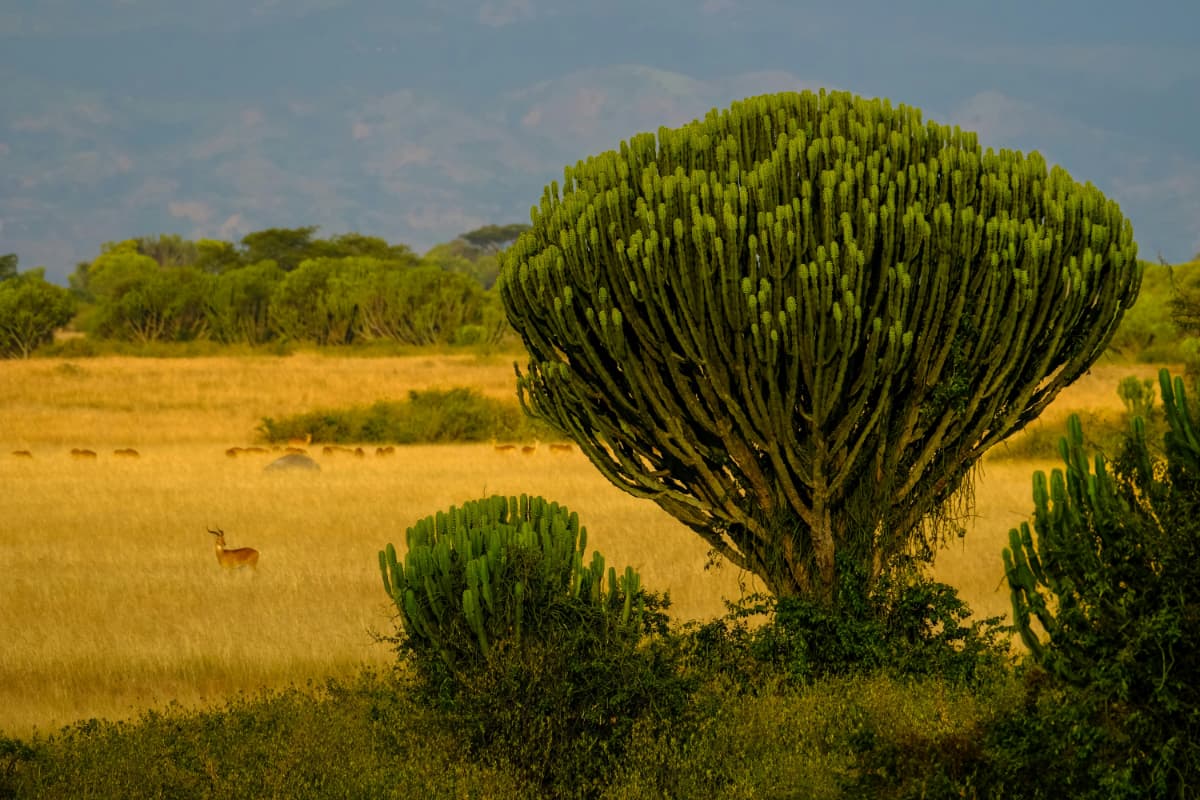

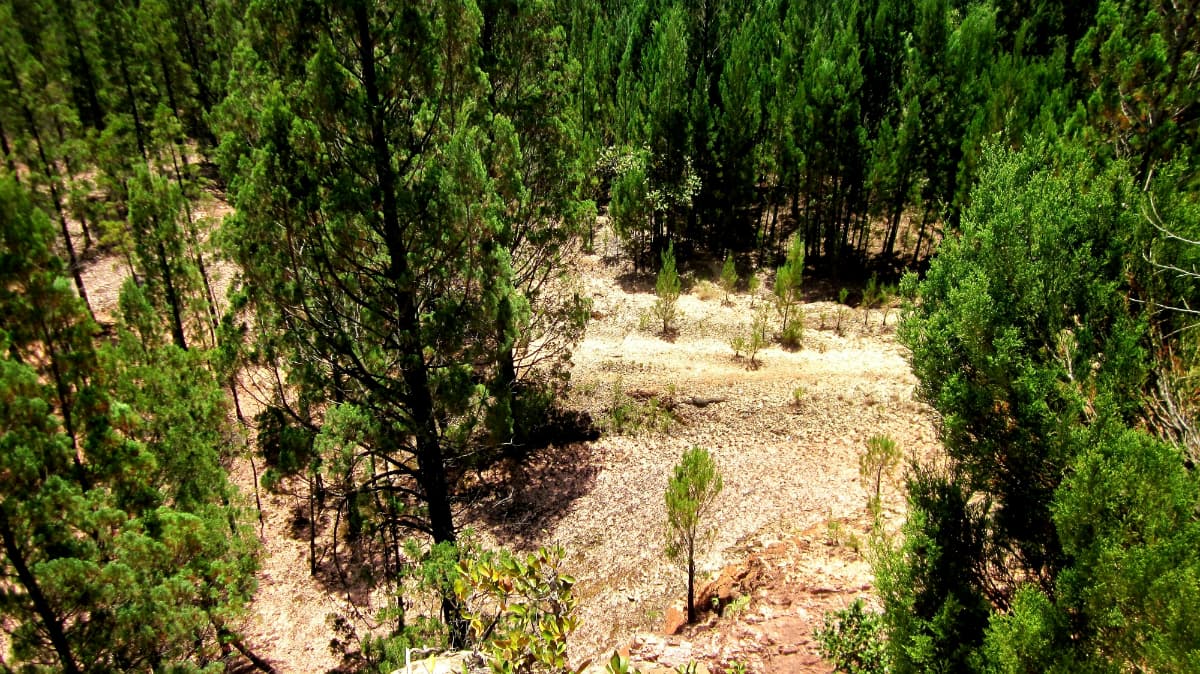

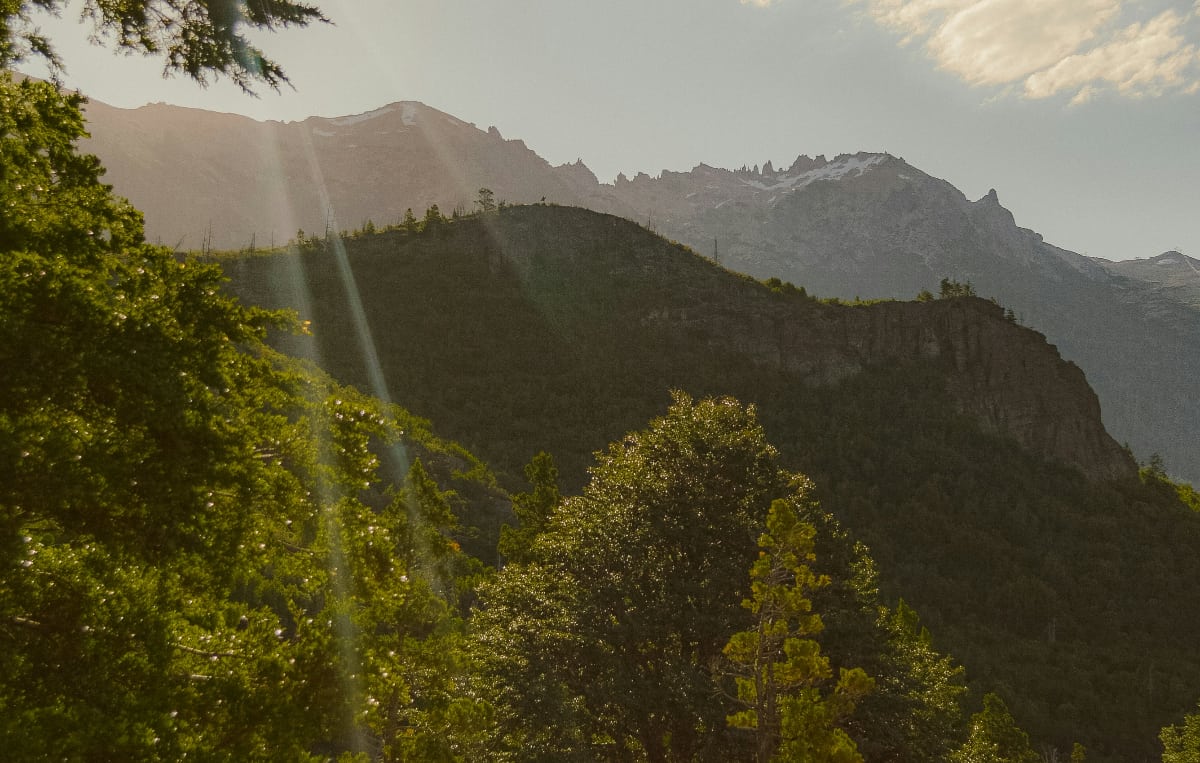

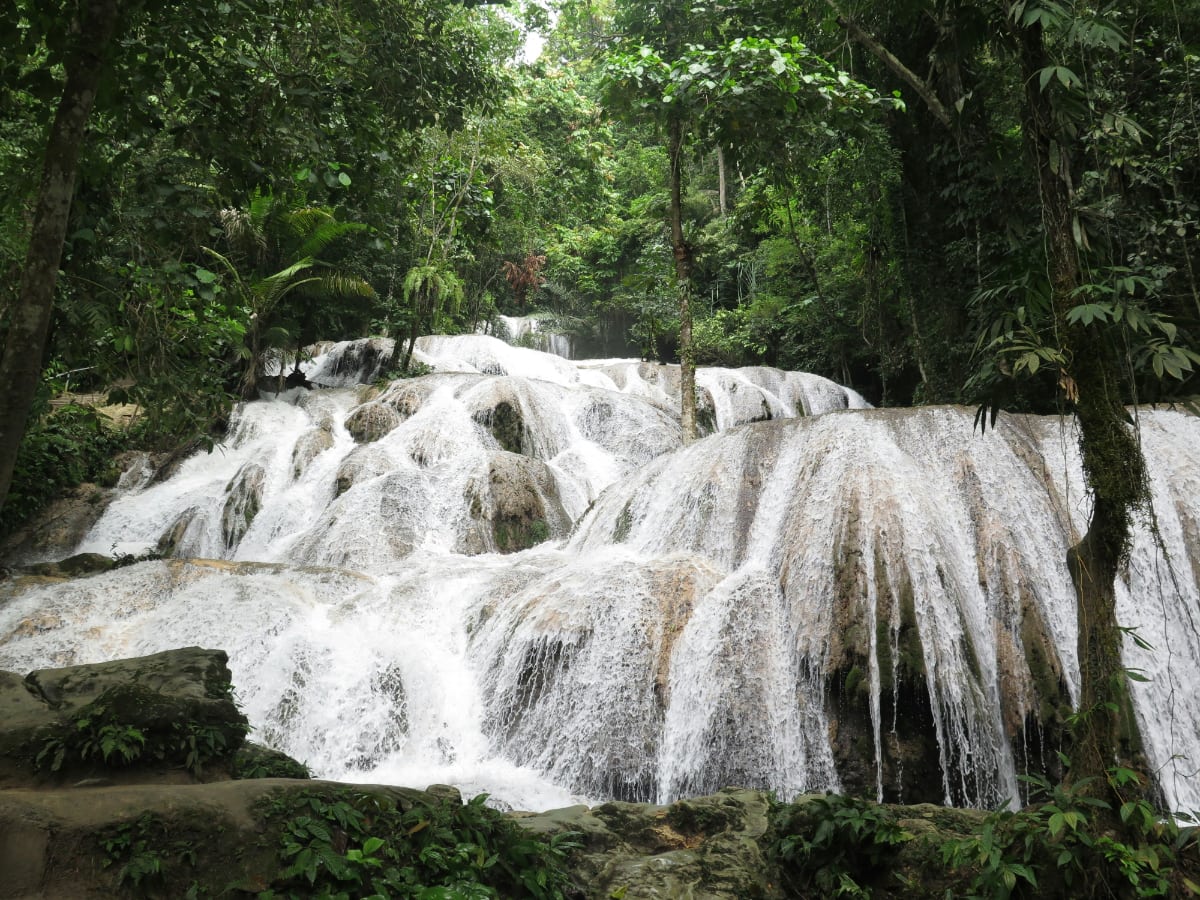

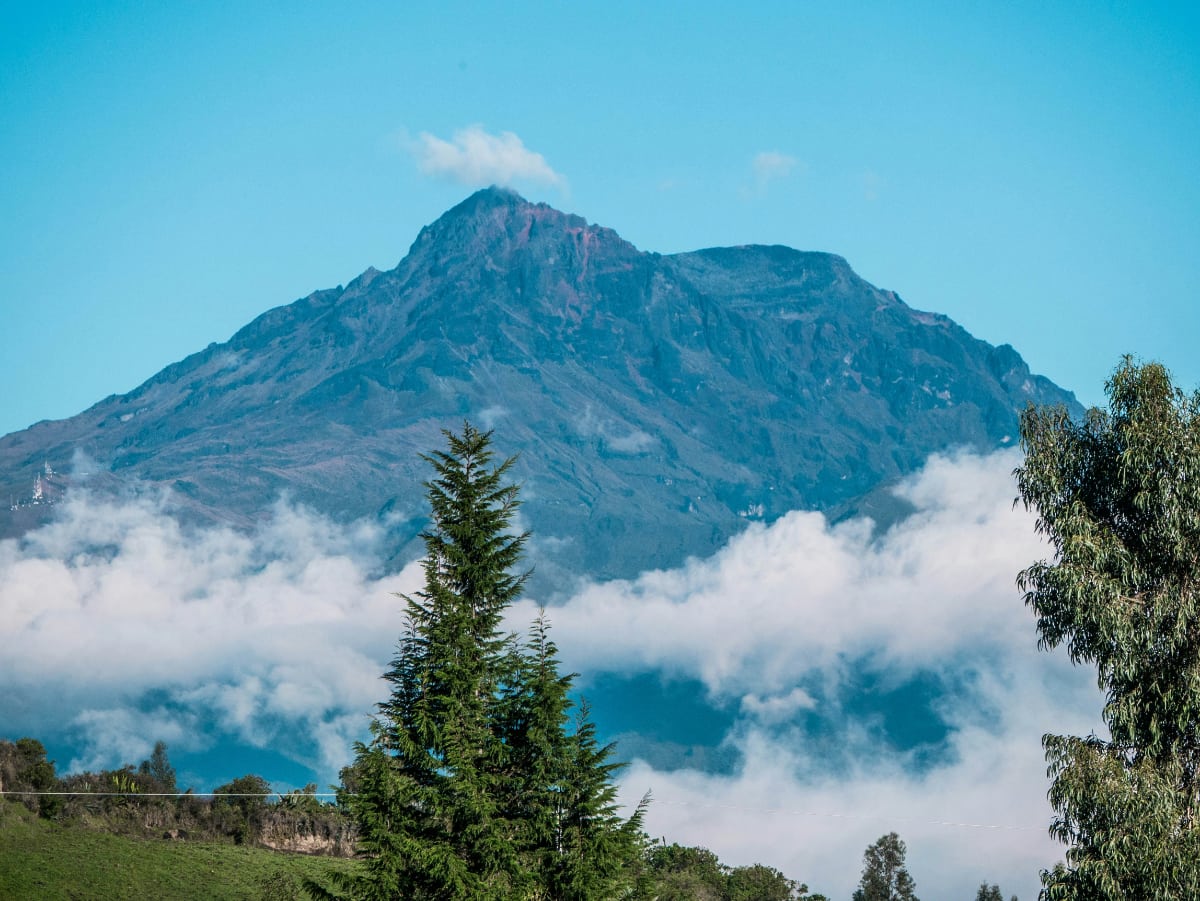

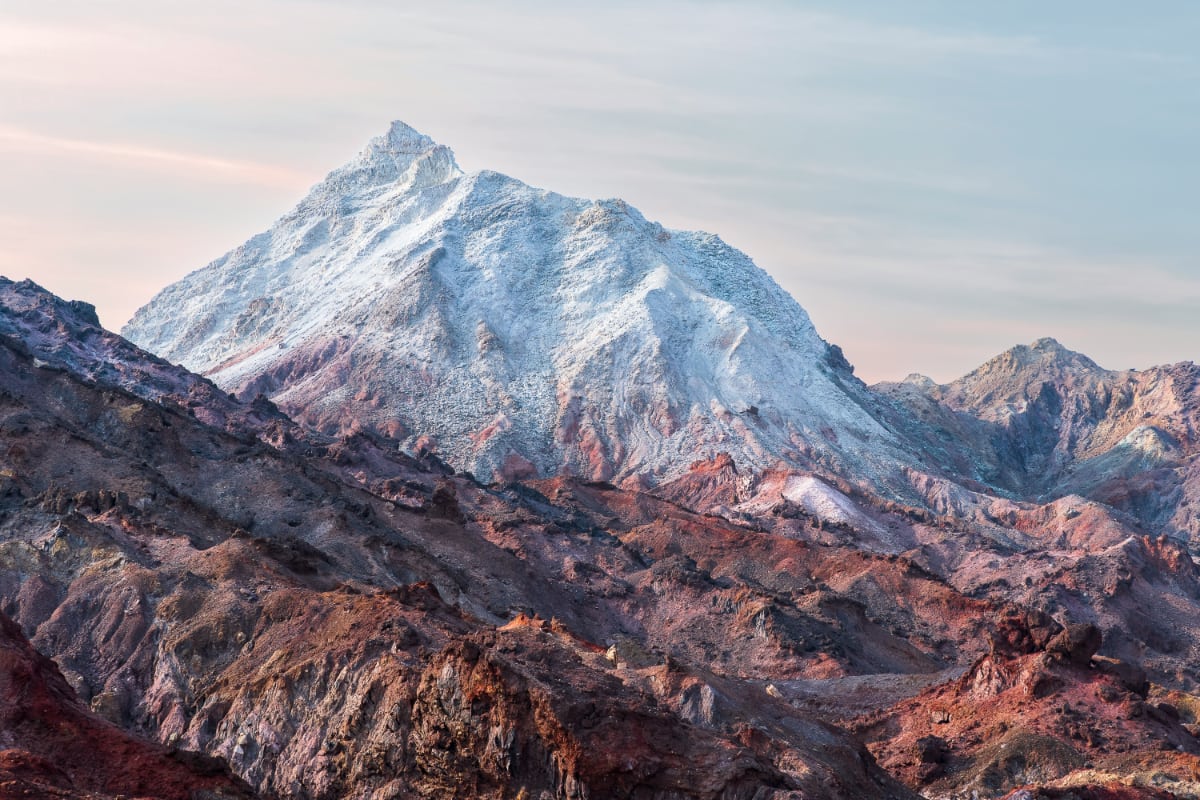

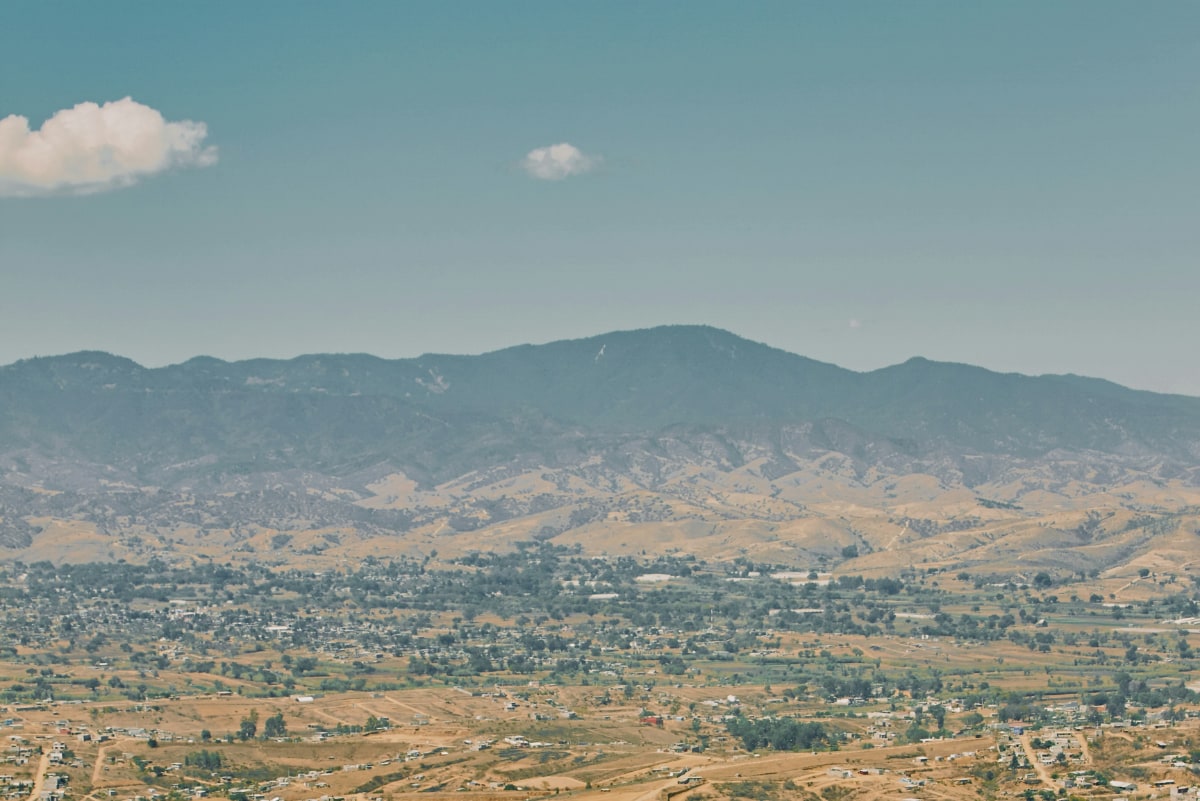

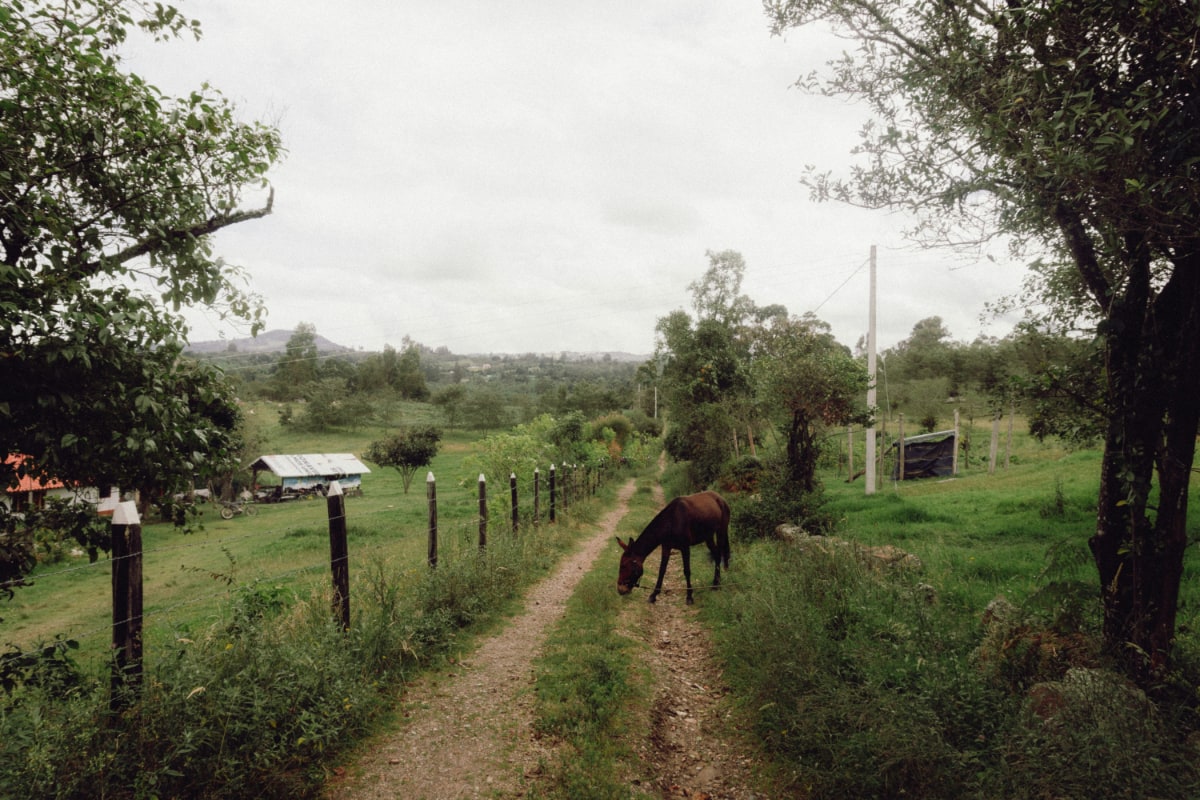

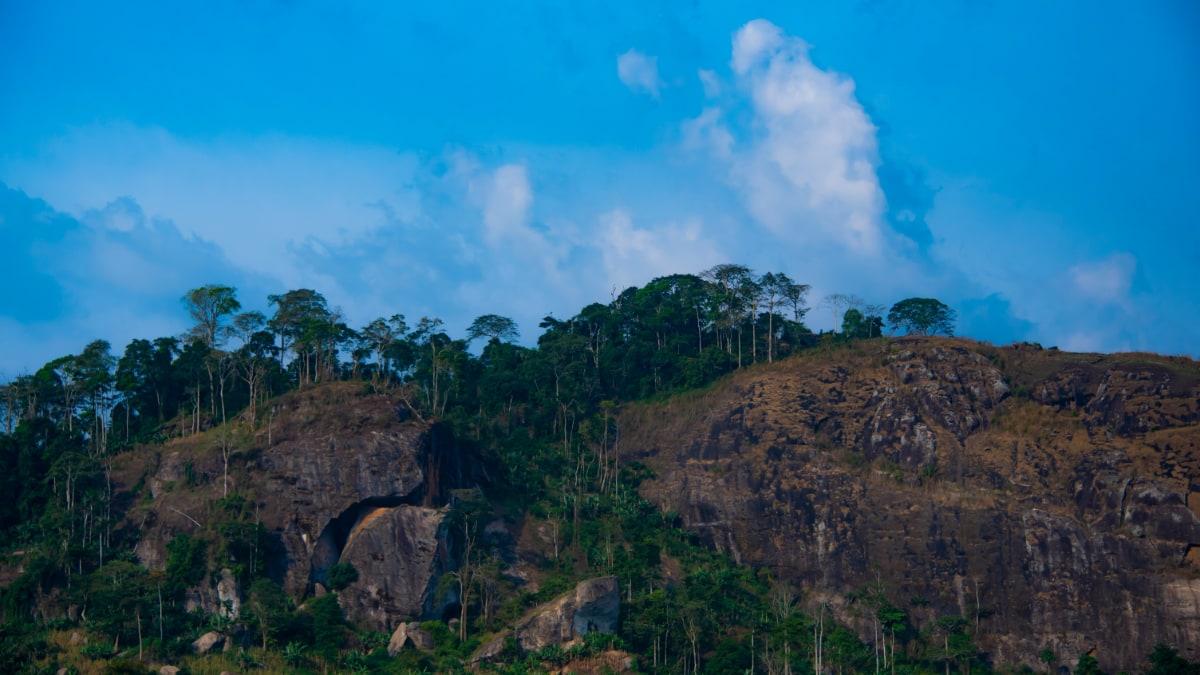

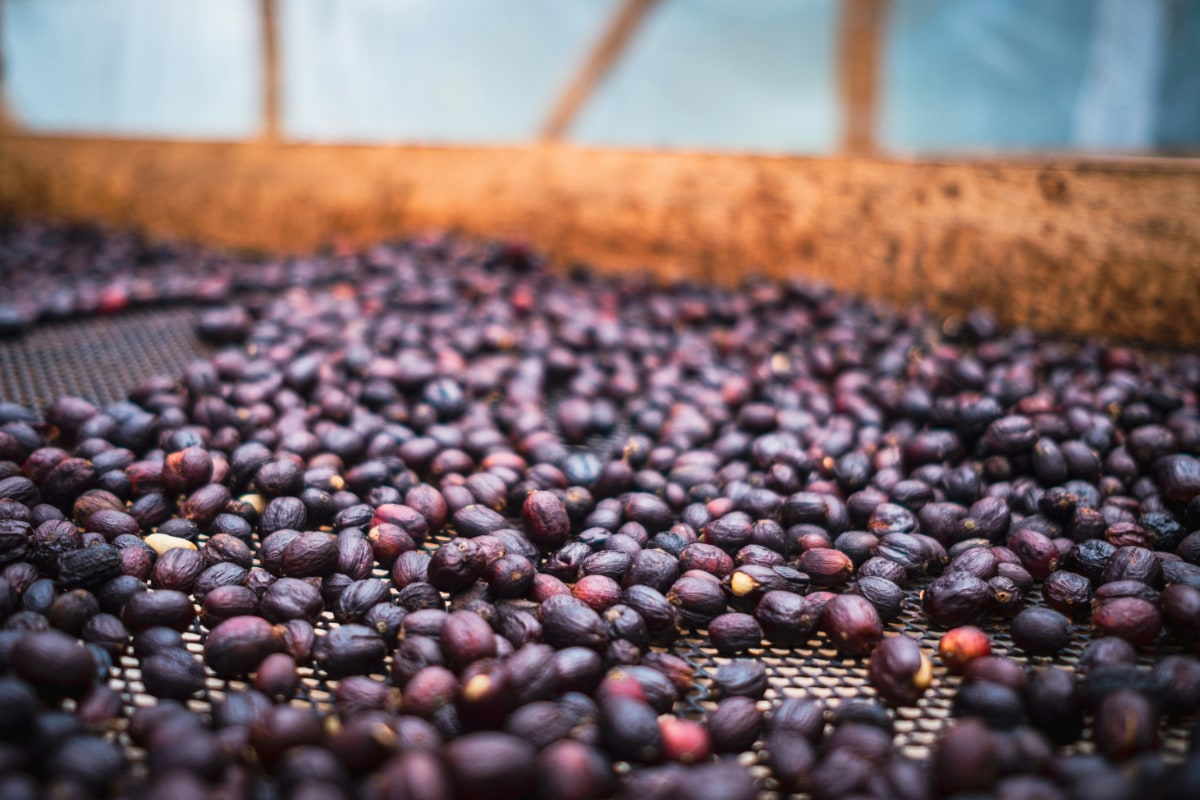

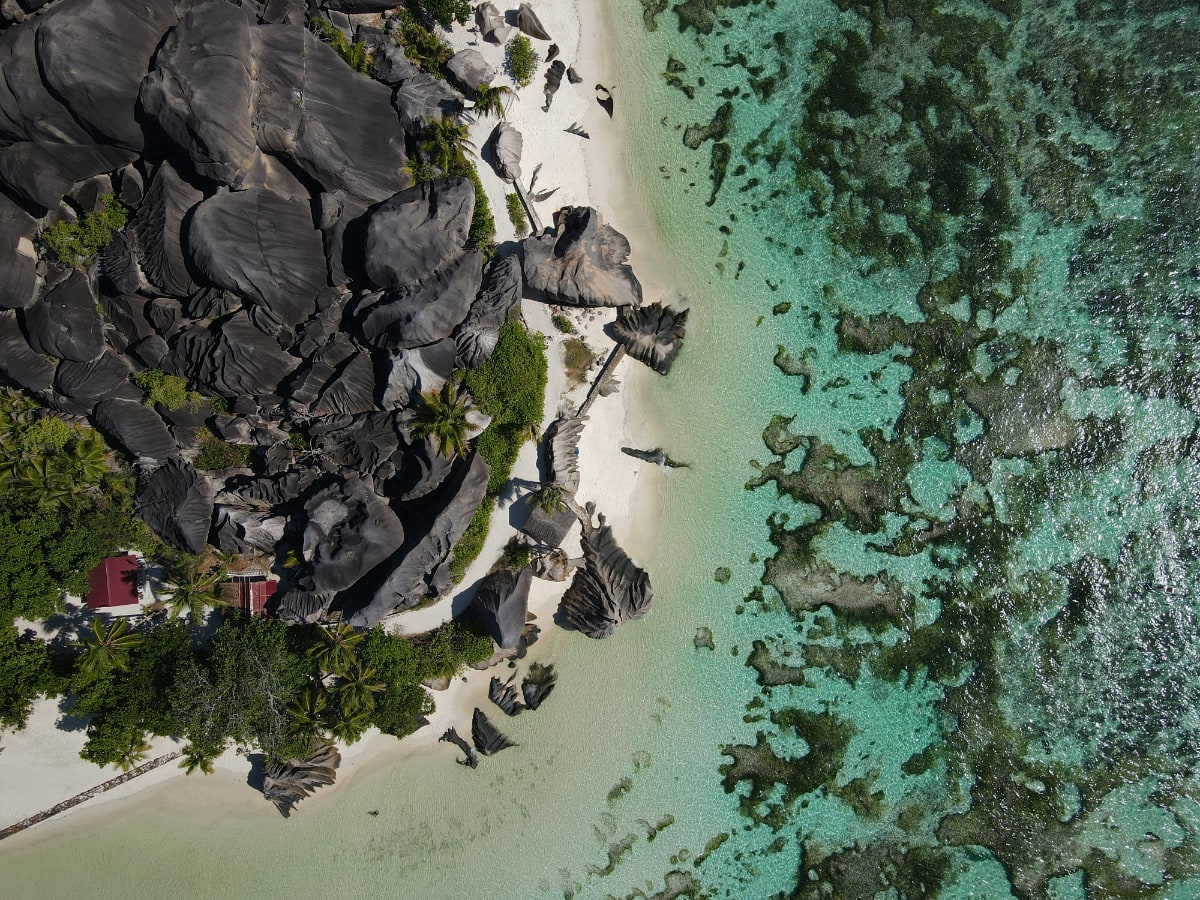

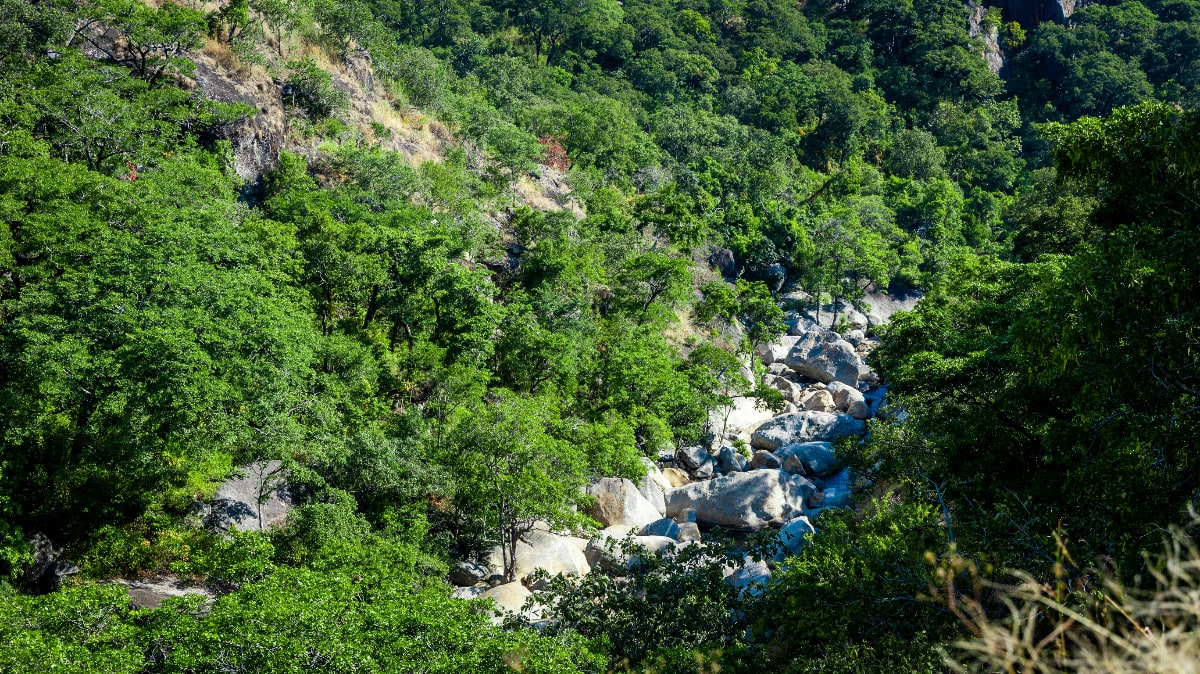

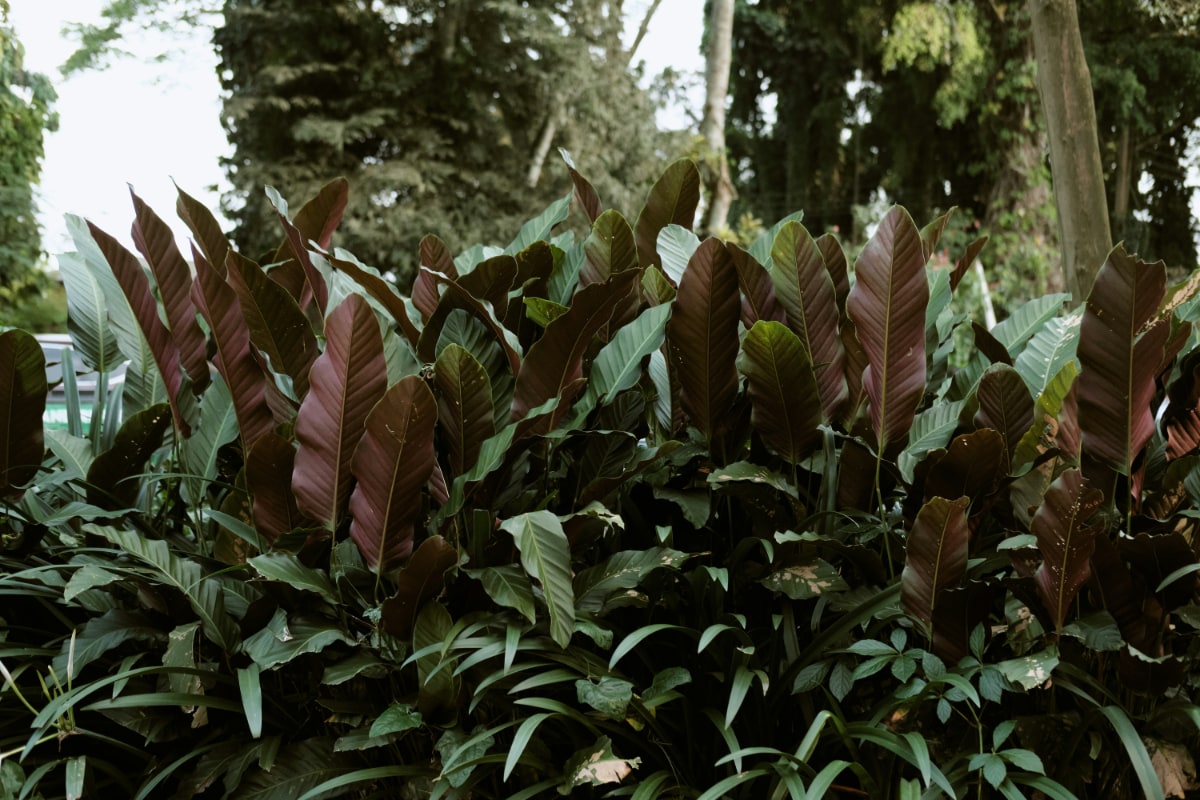

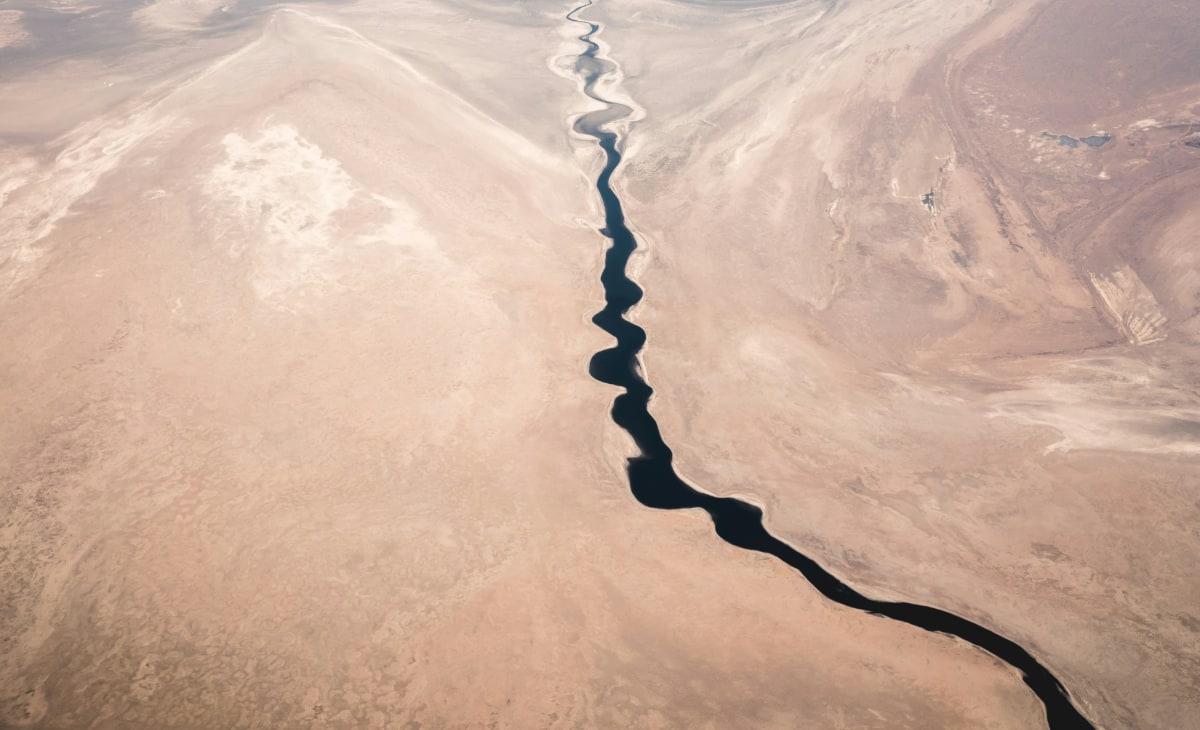

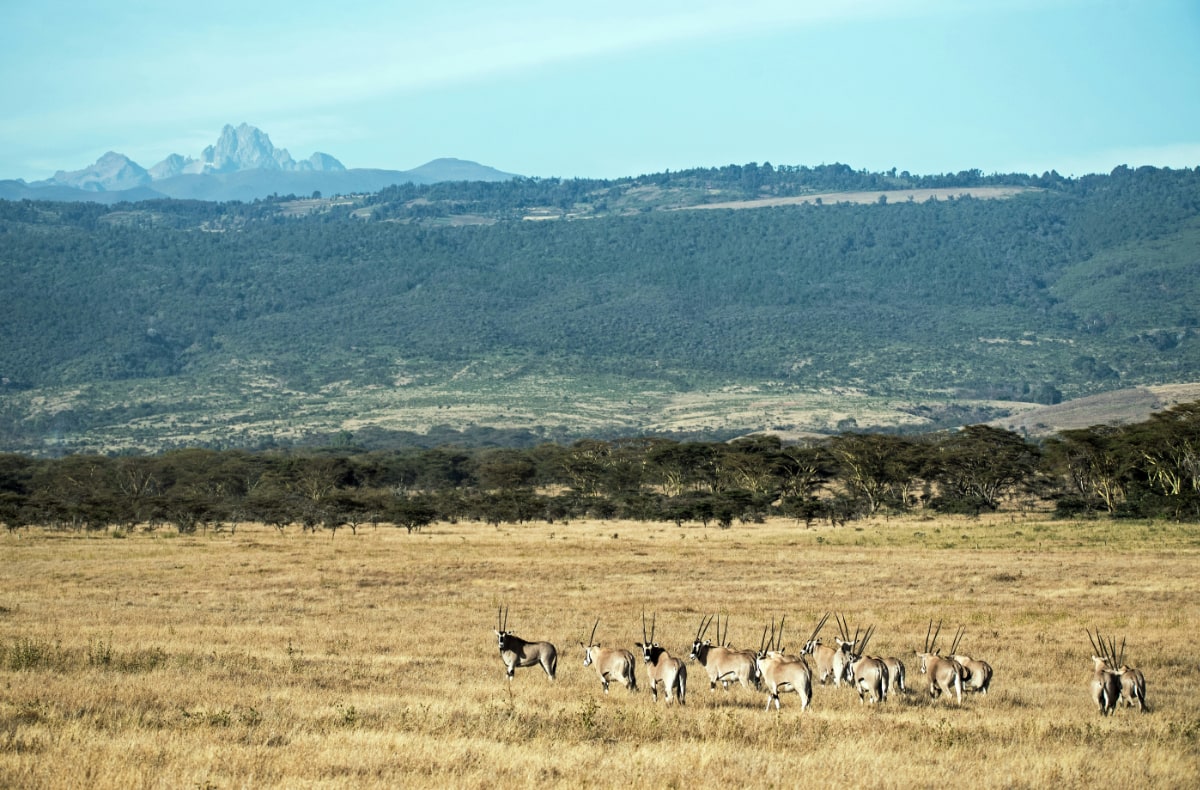

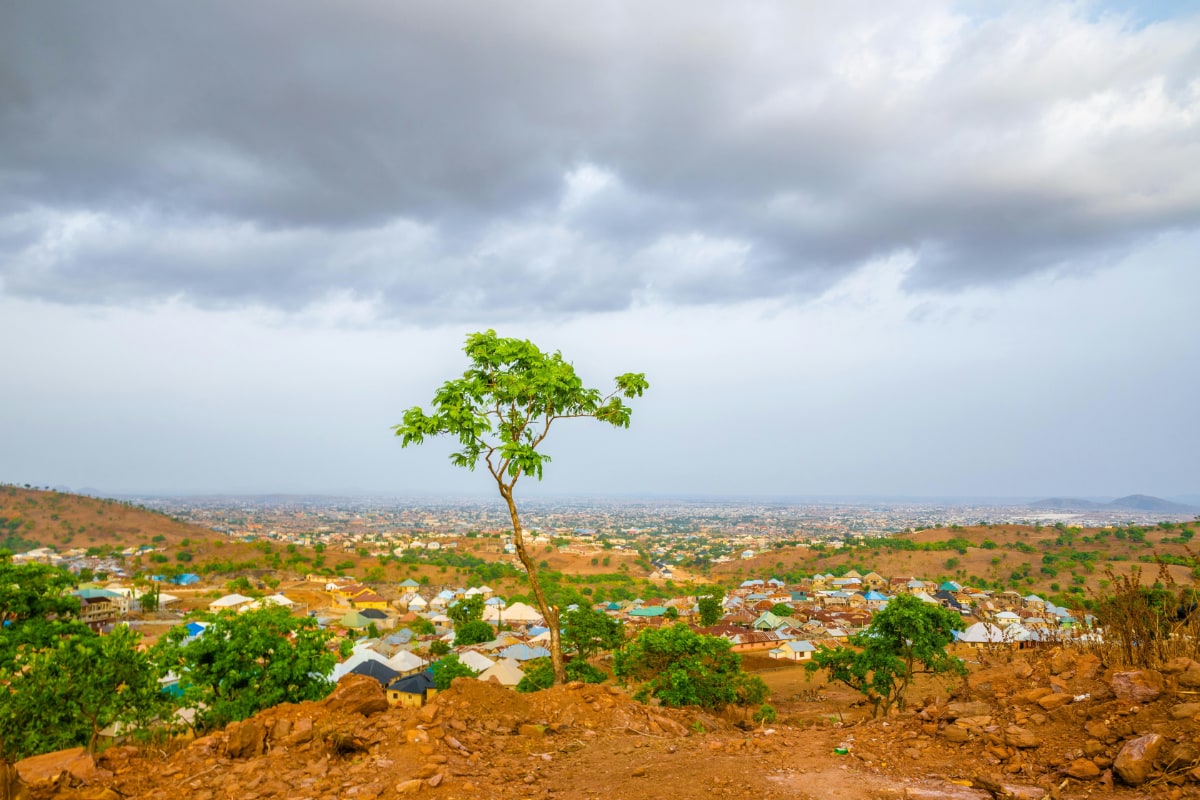

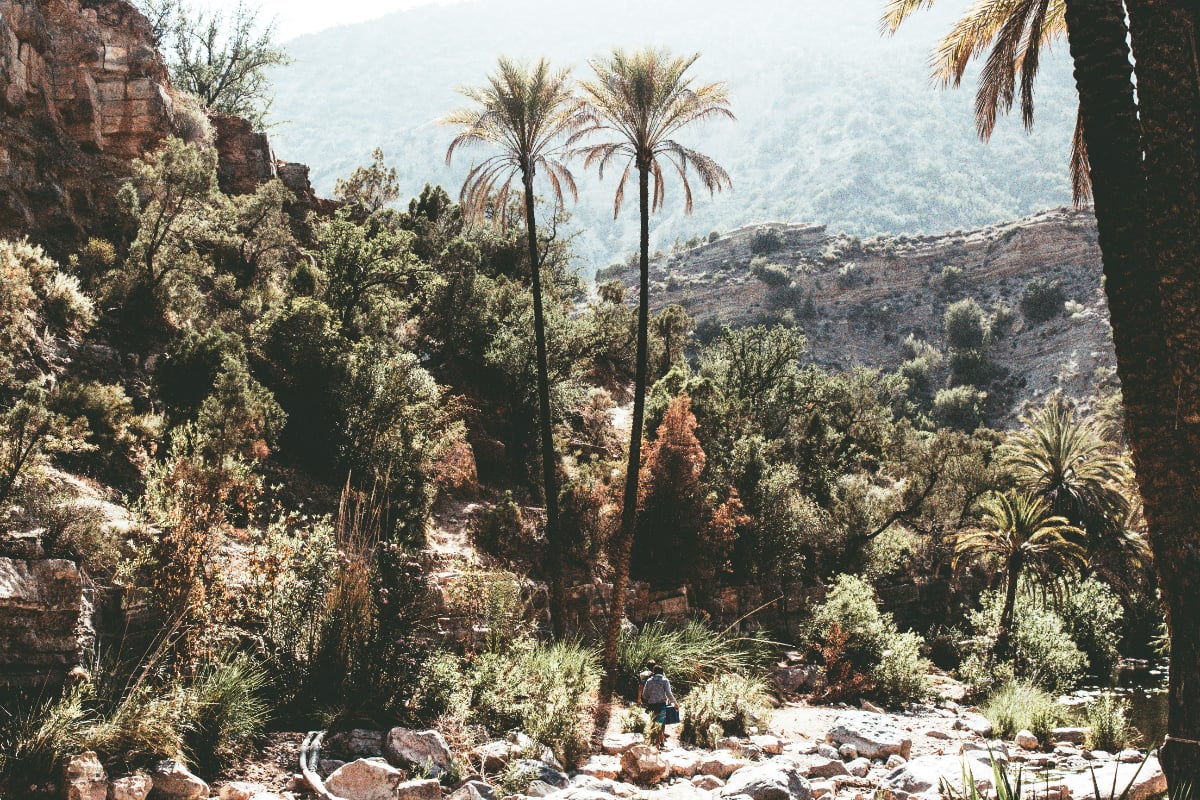

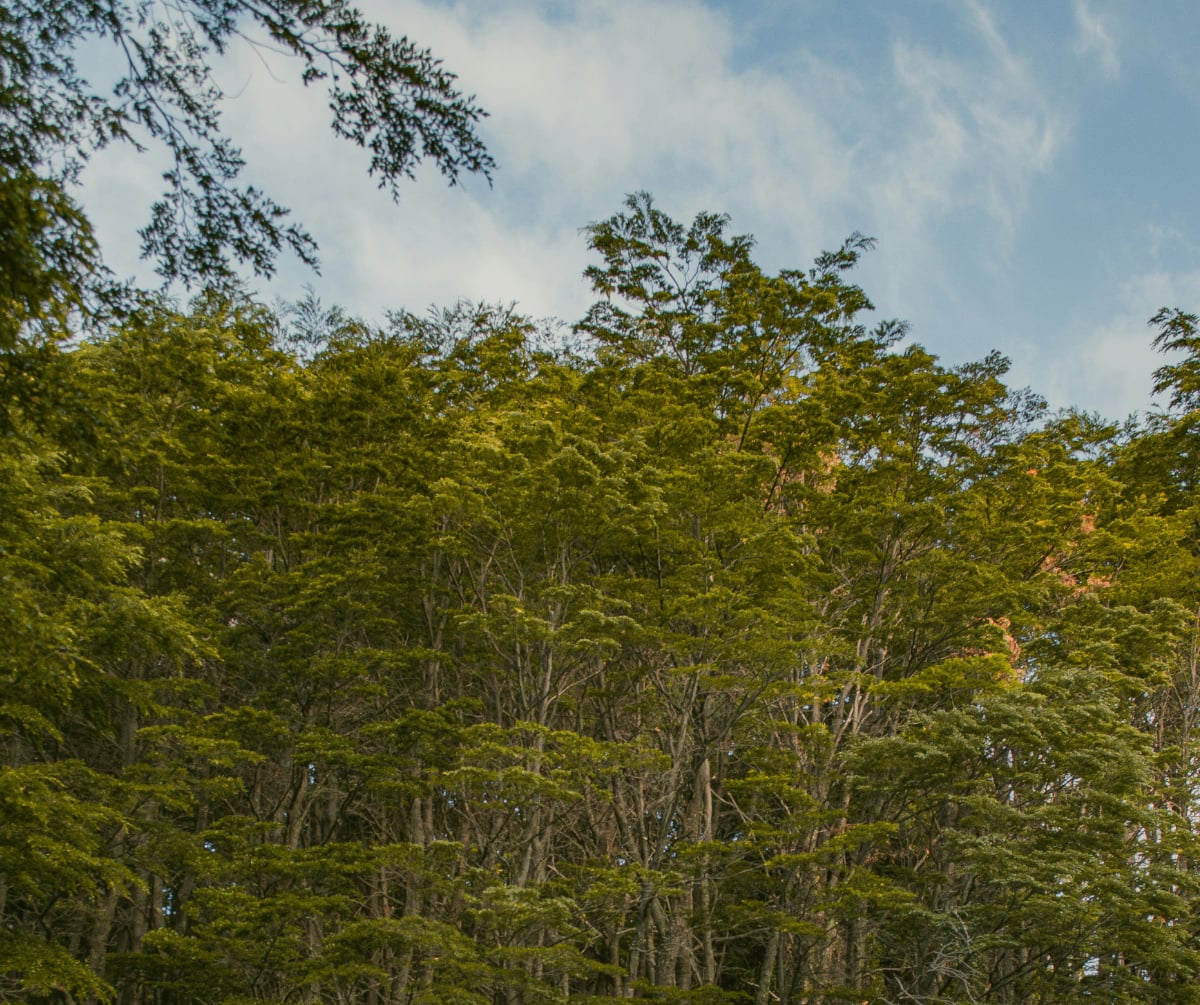

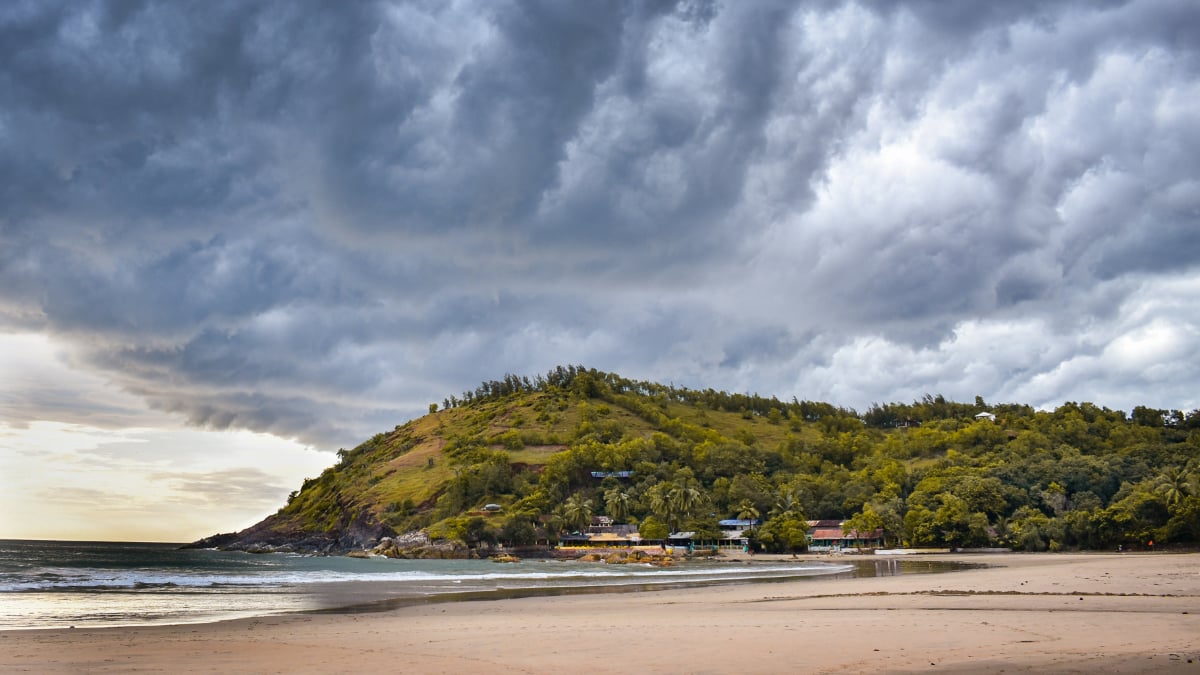






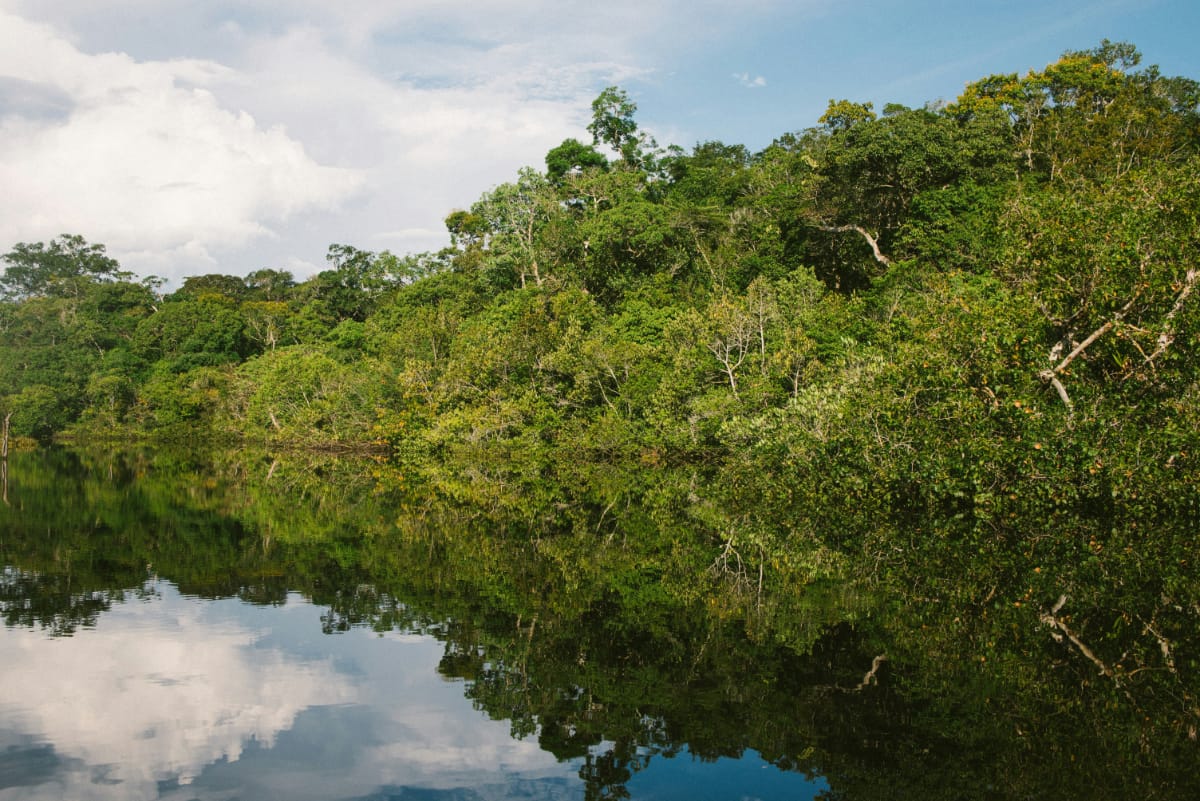

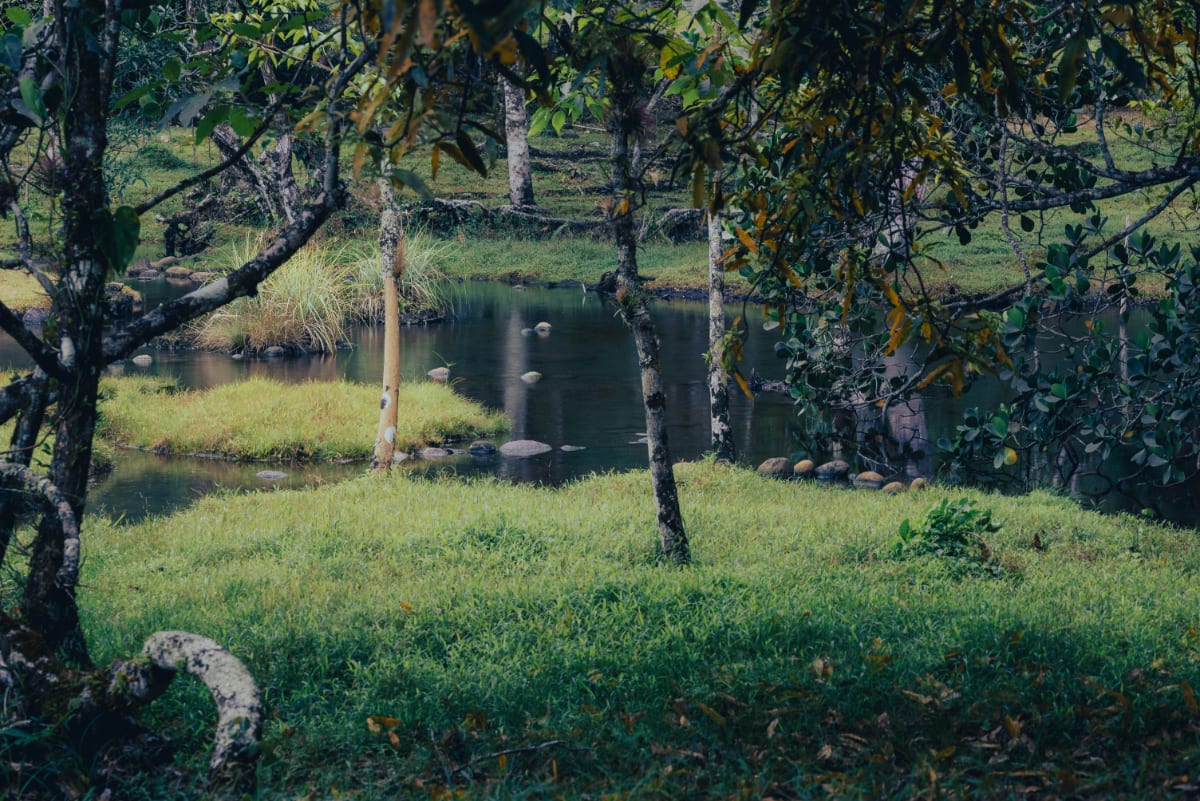

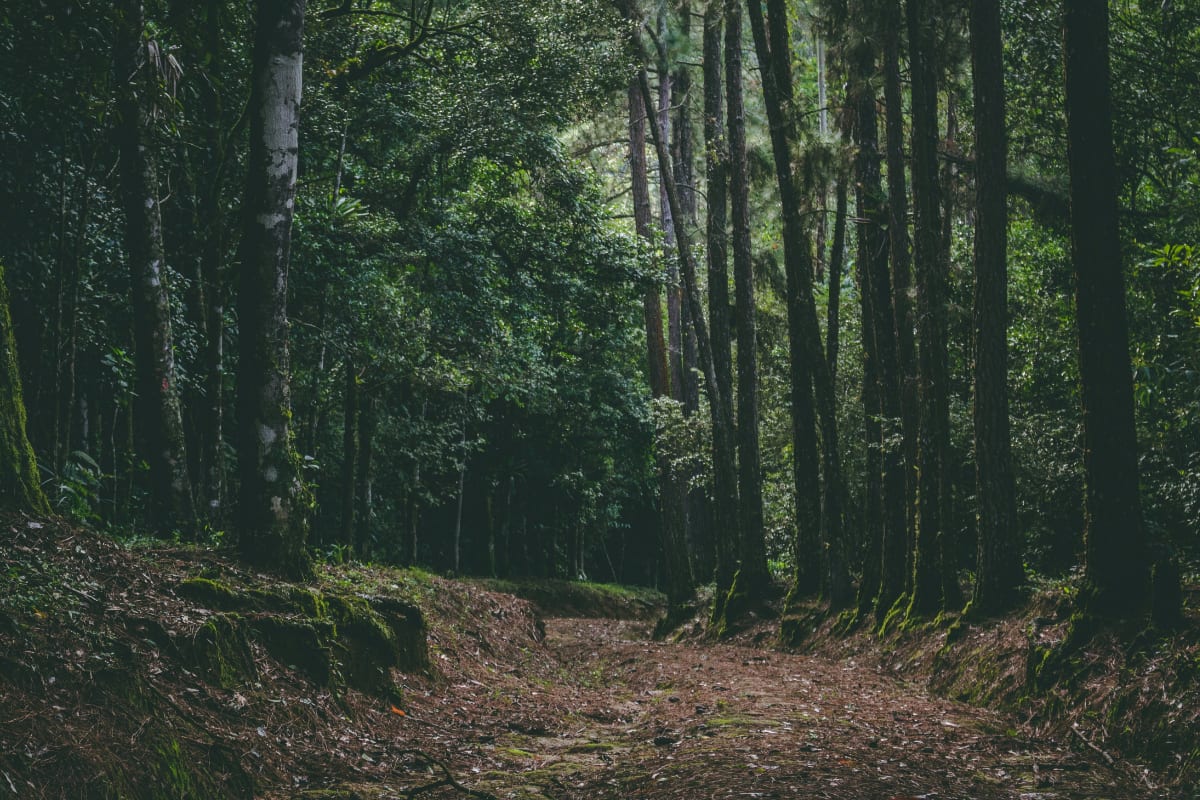

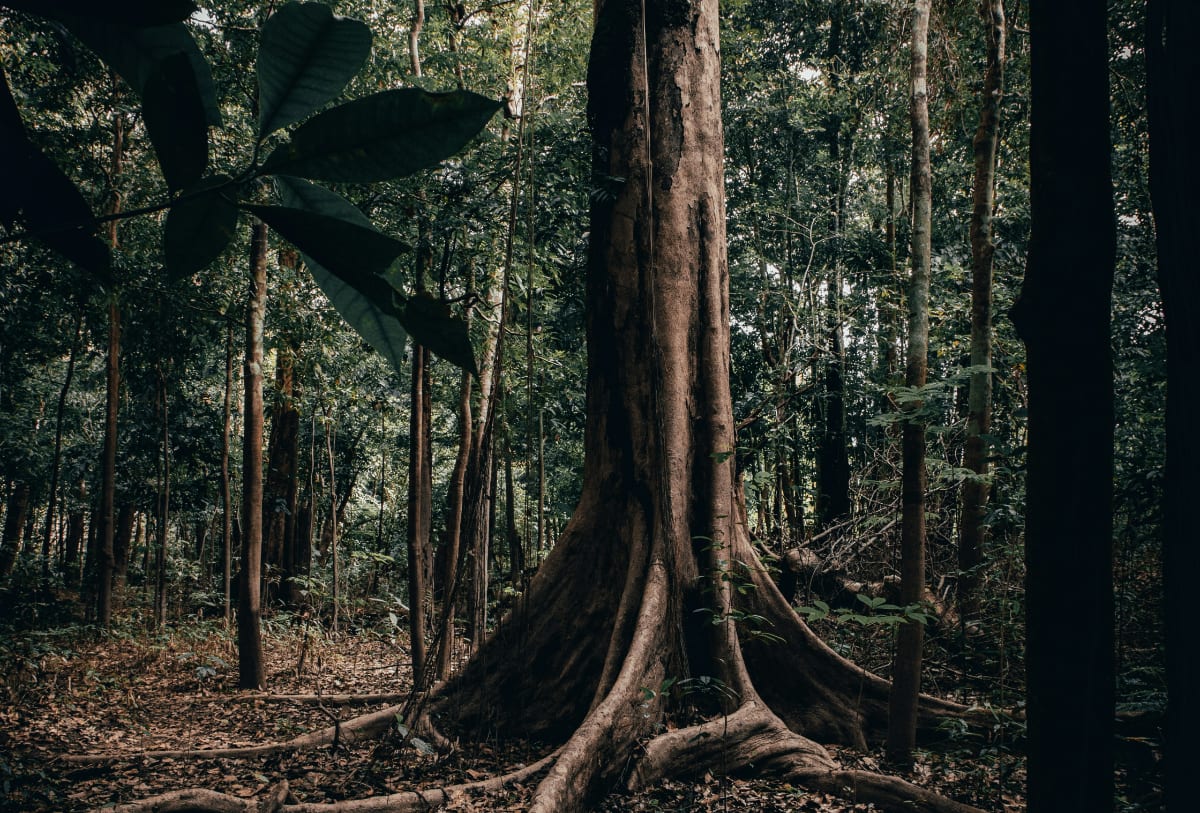

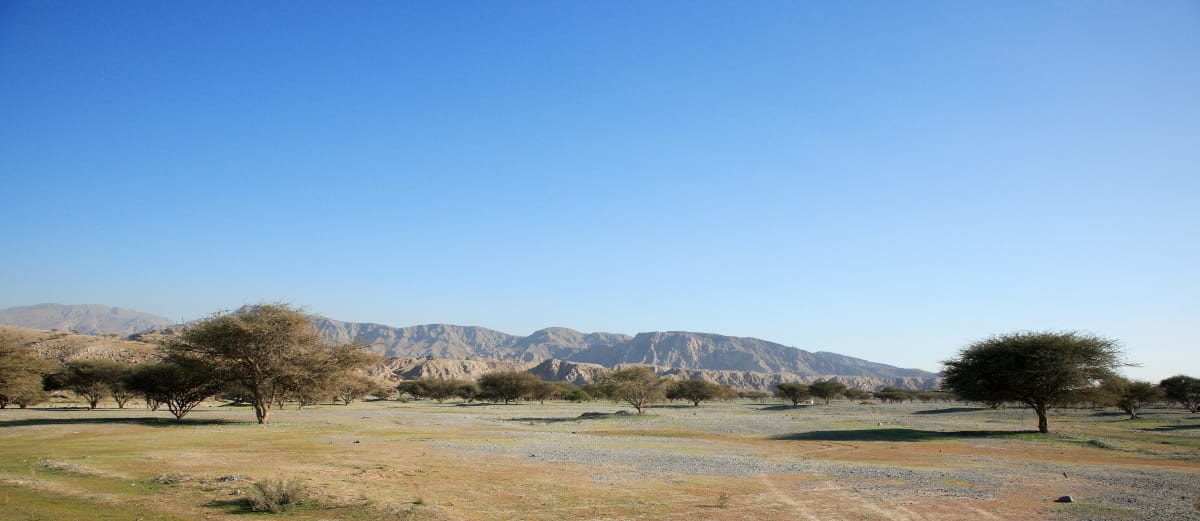

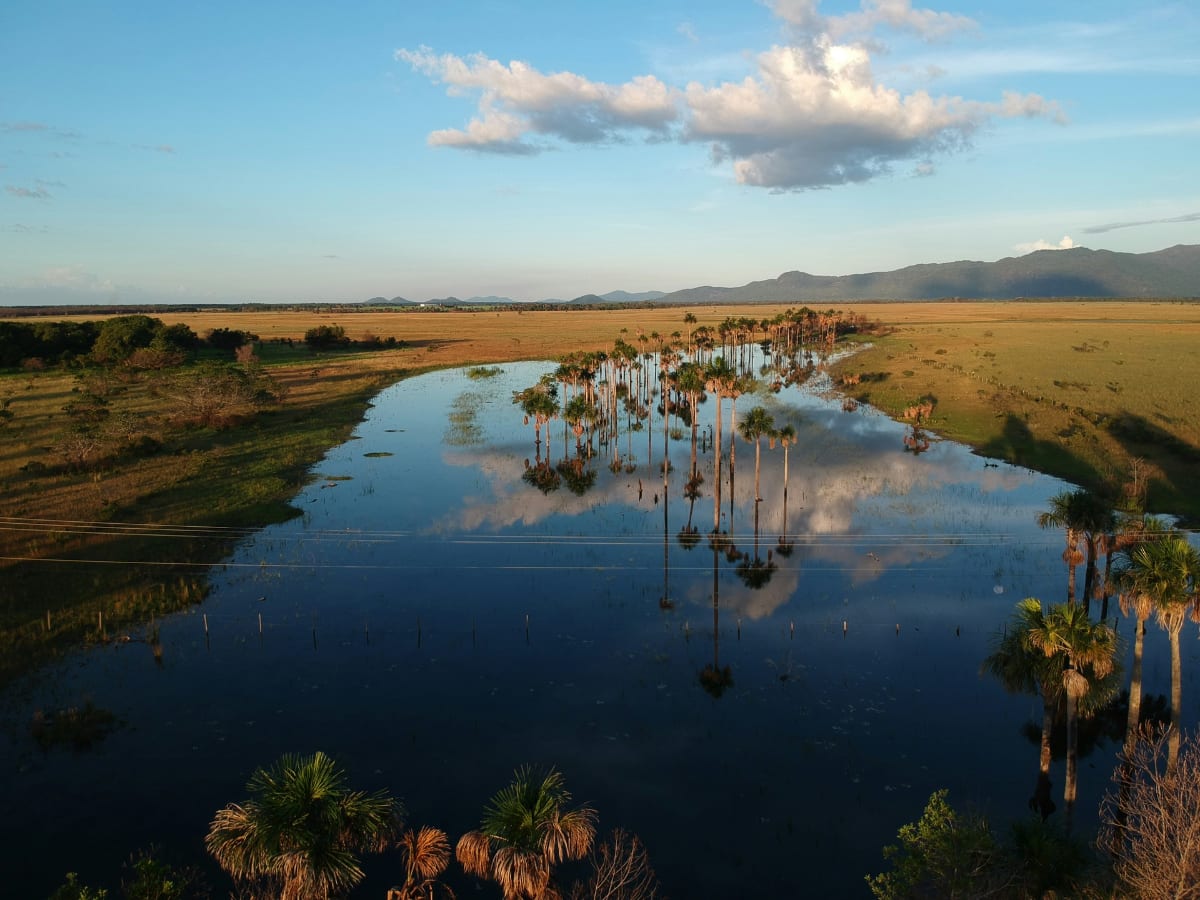

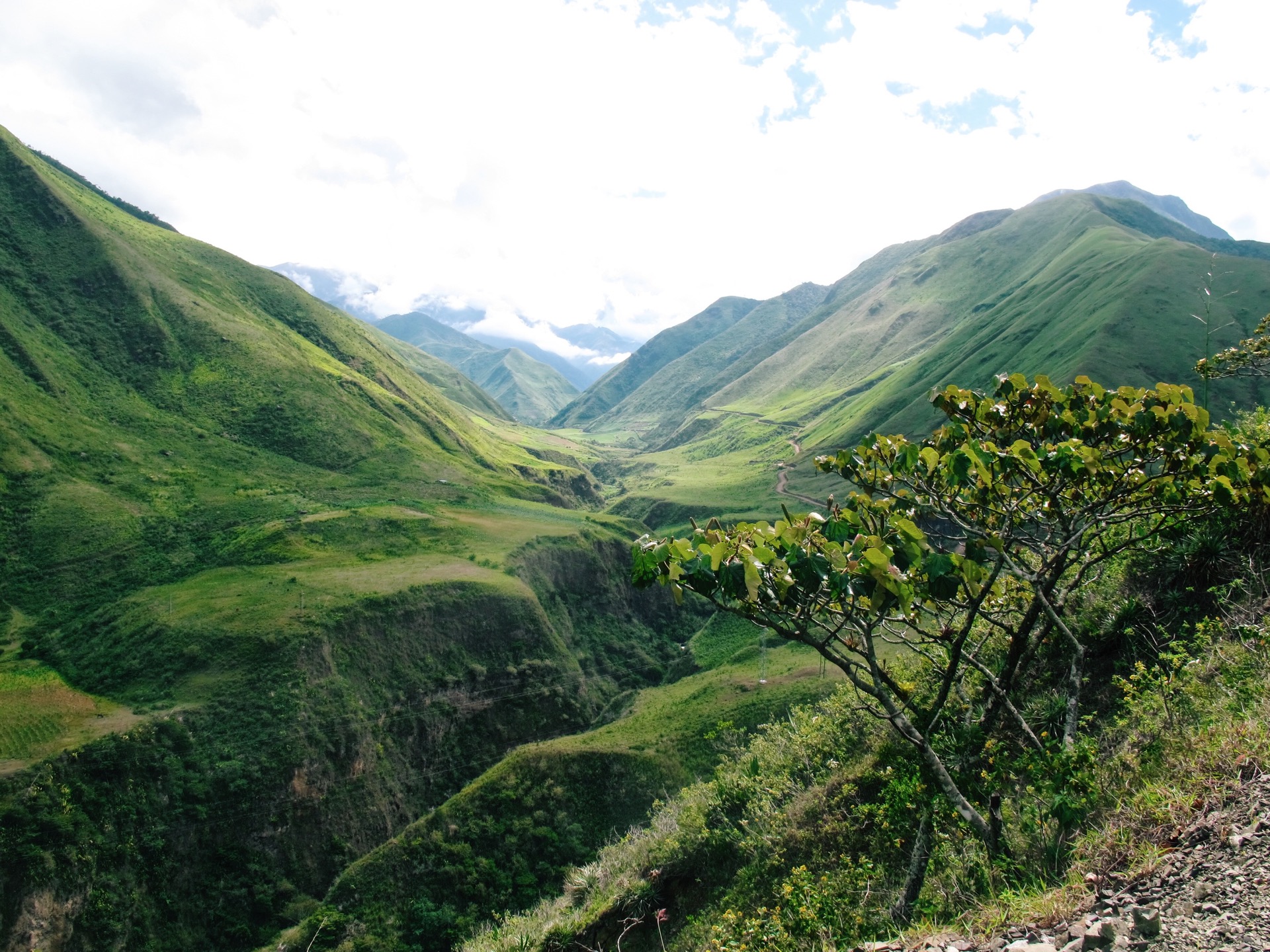






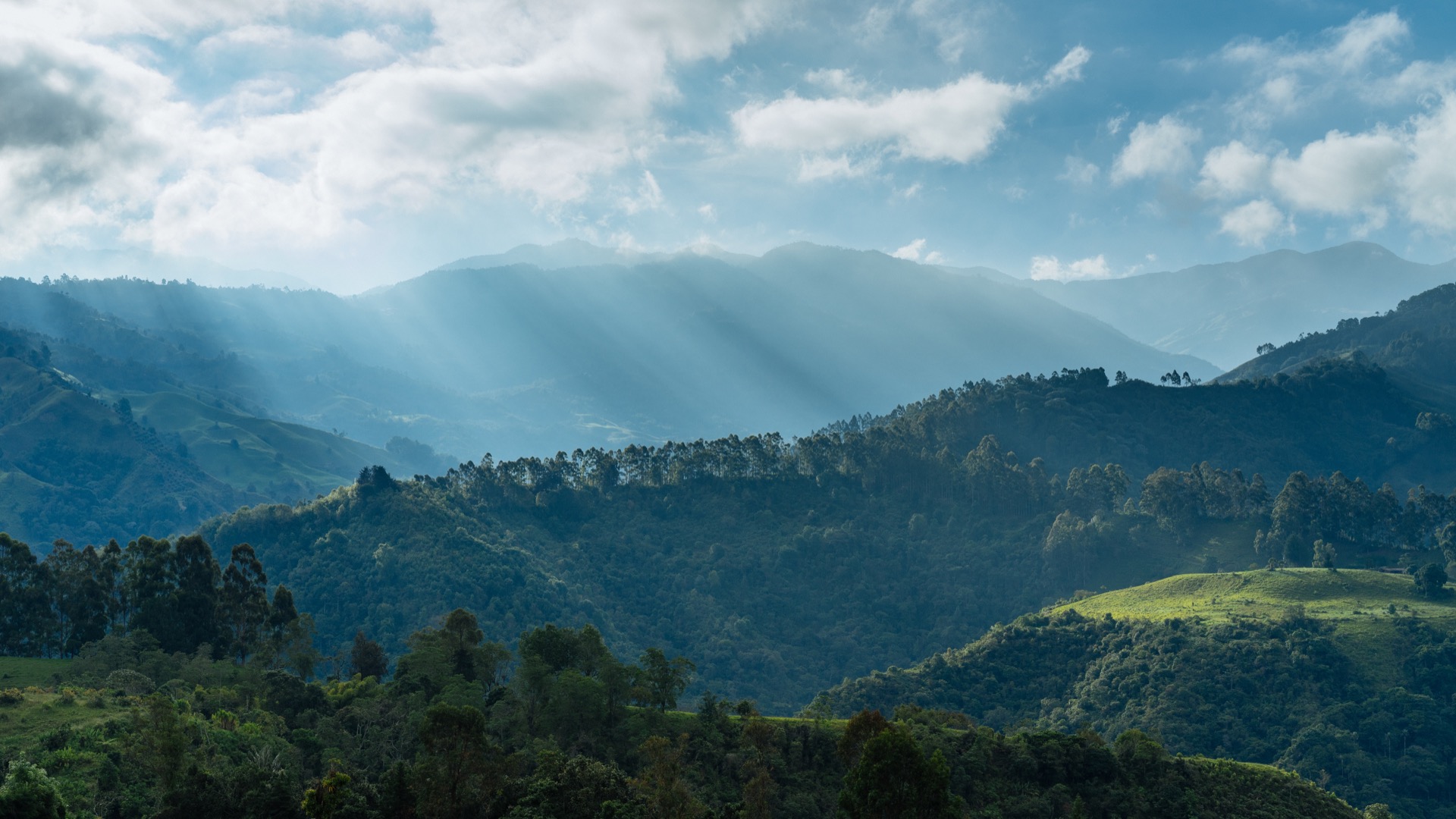

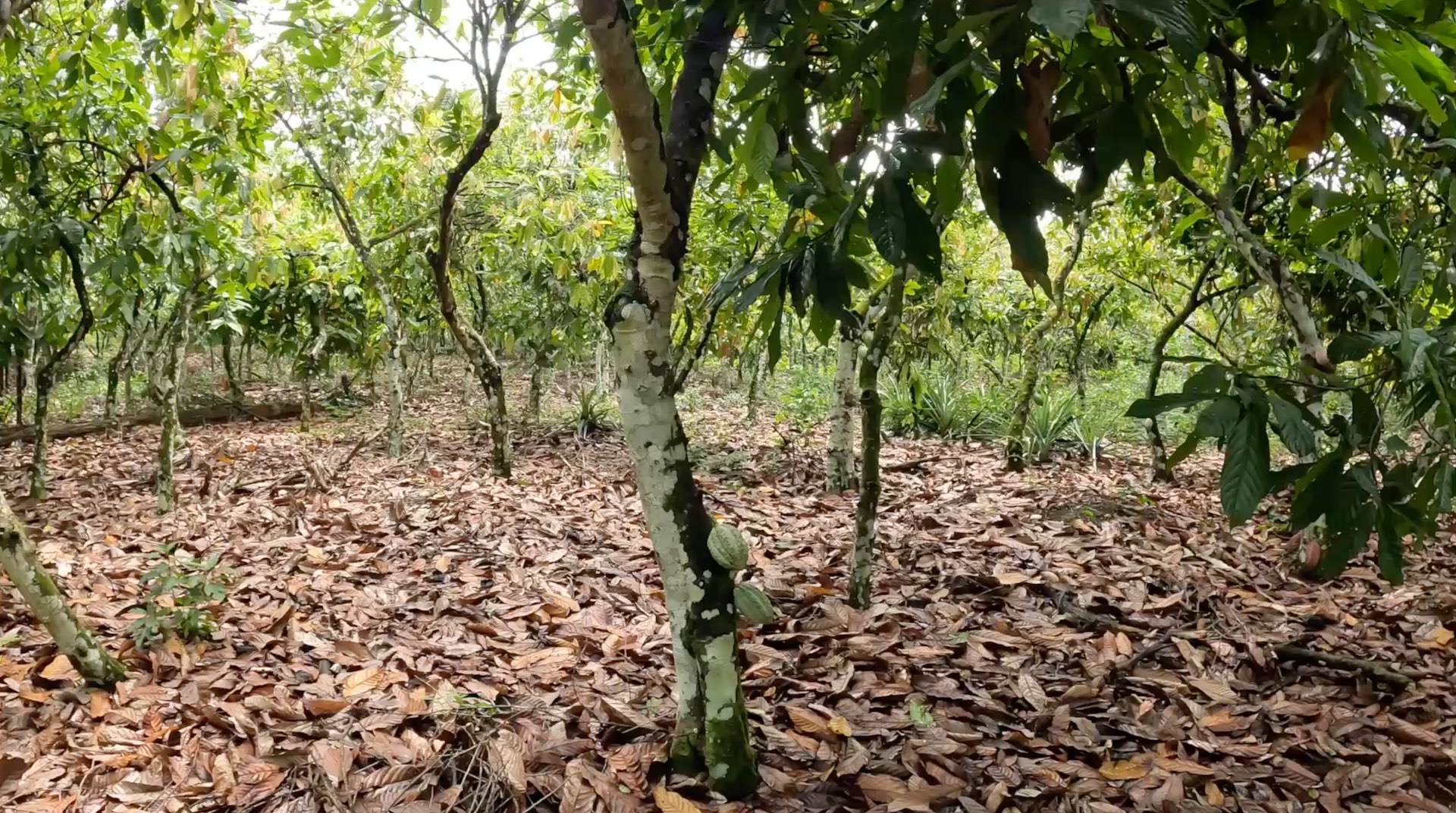


_Figure_2_(cropped).jpg)

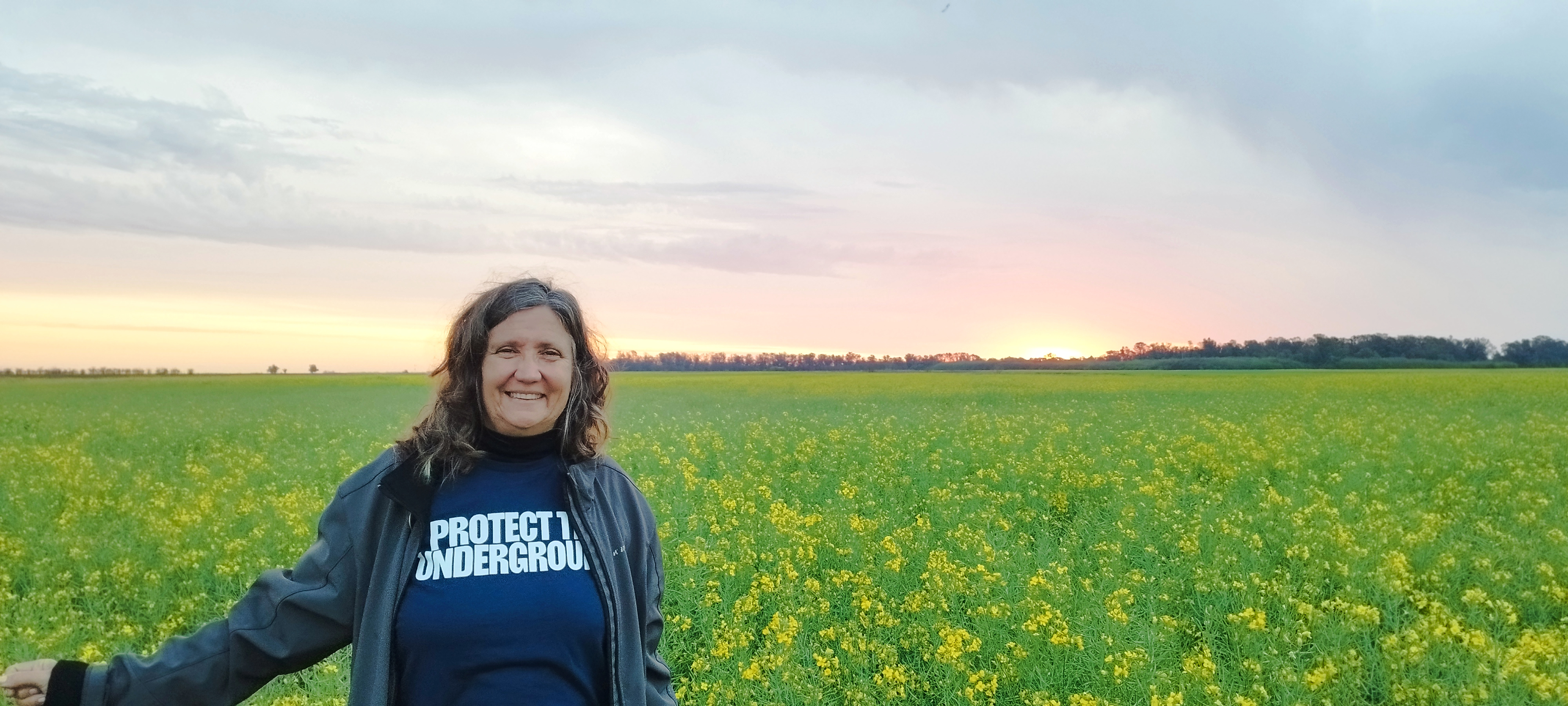
.jpeg)

.jpeg)
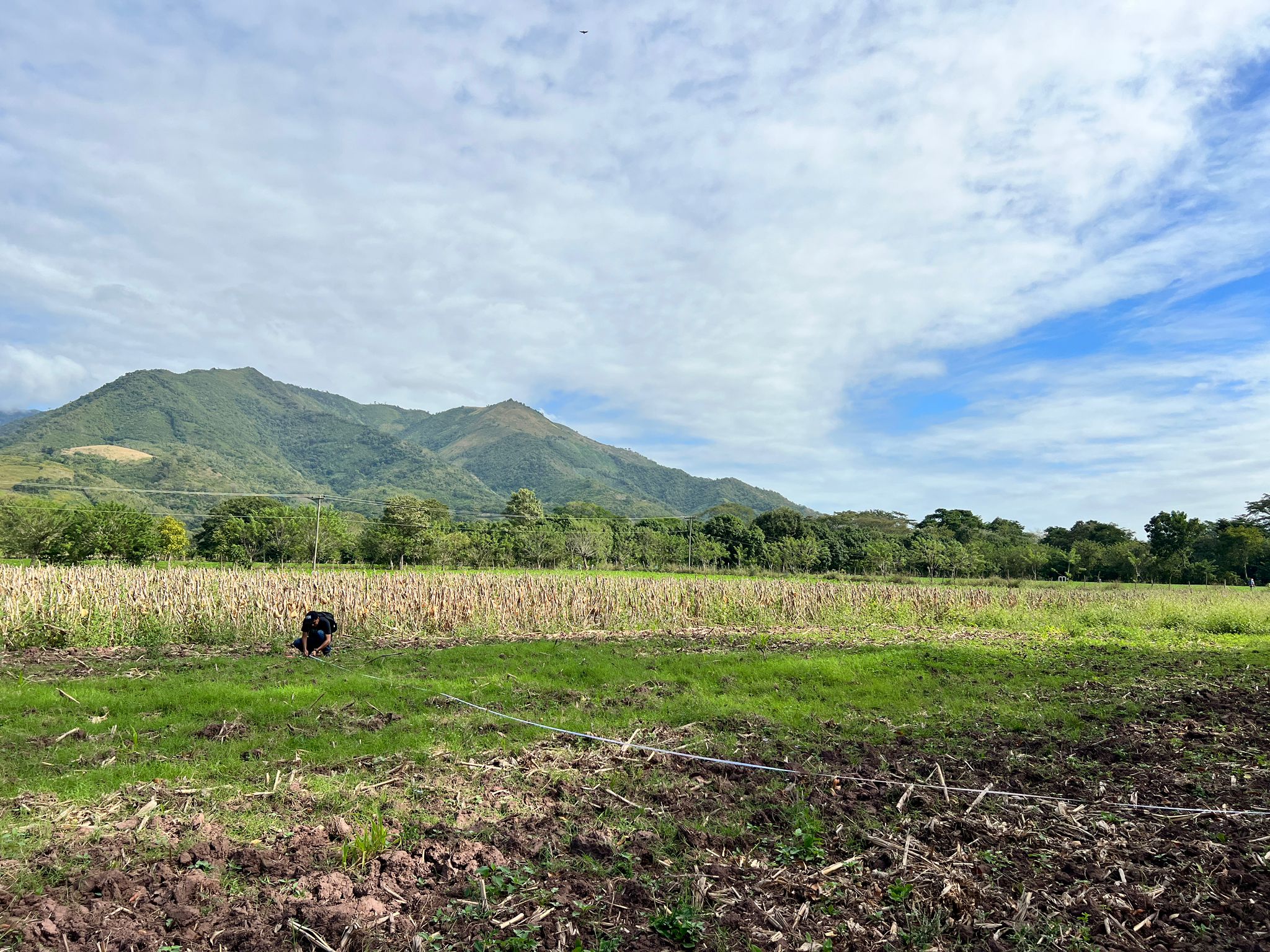
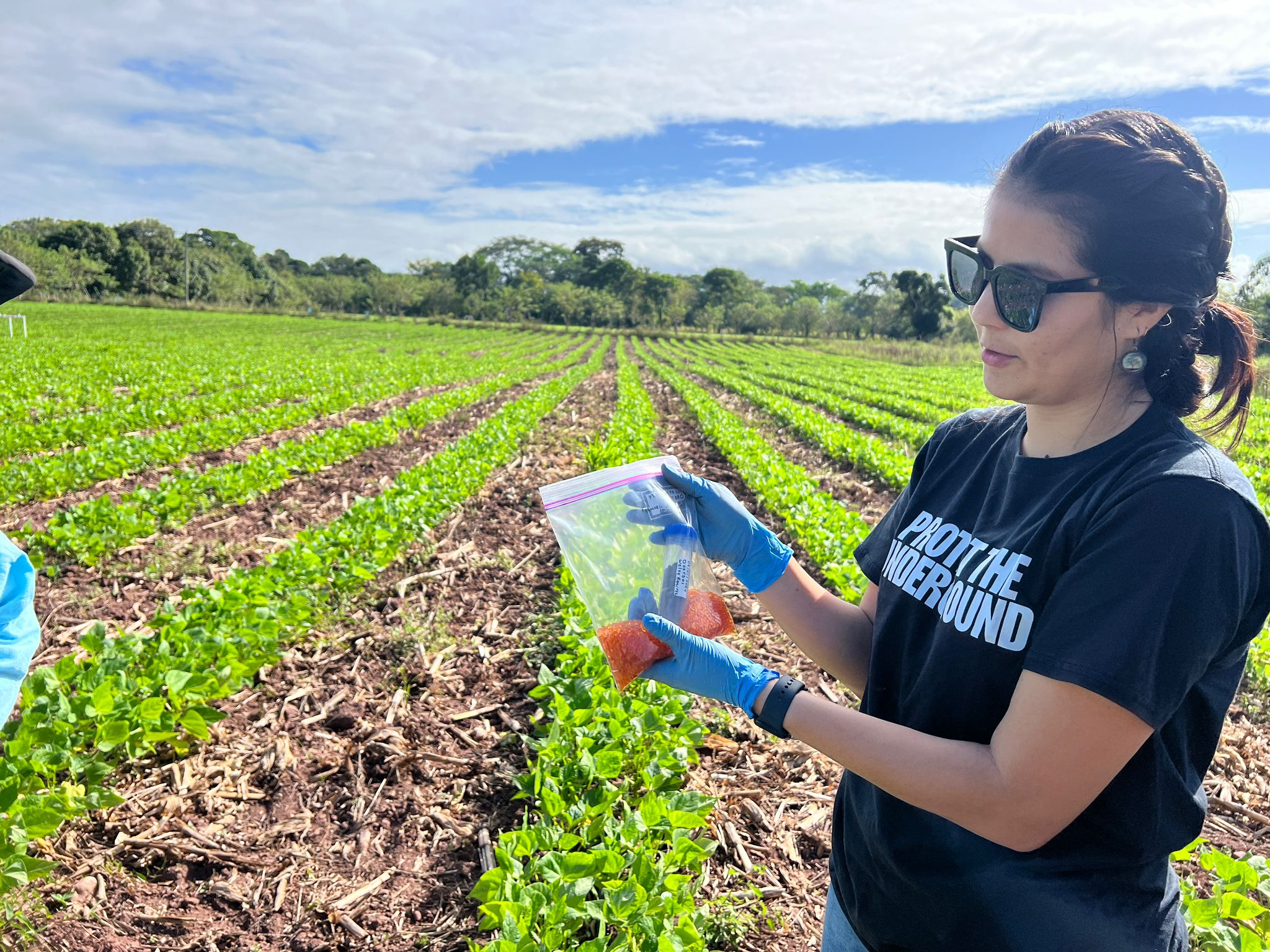
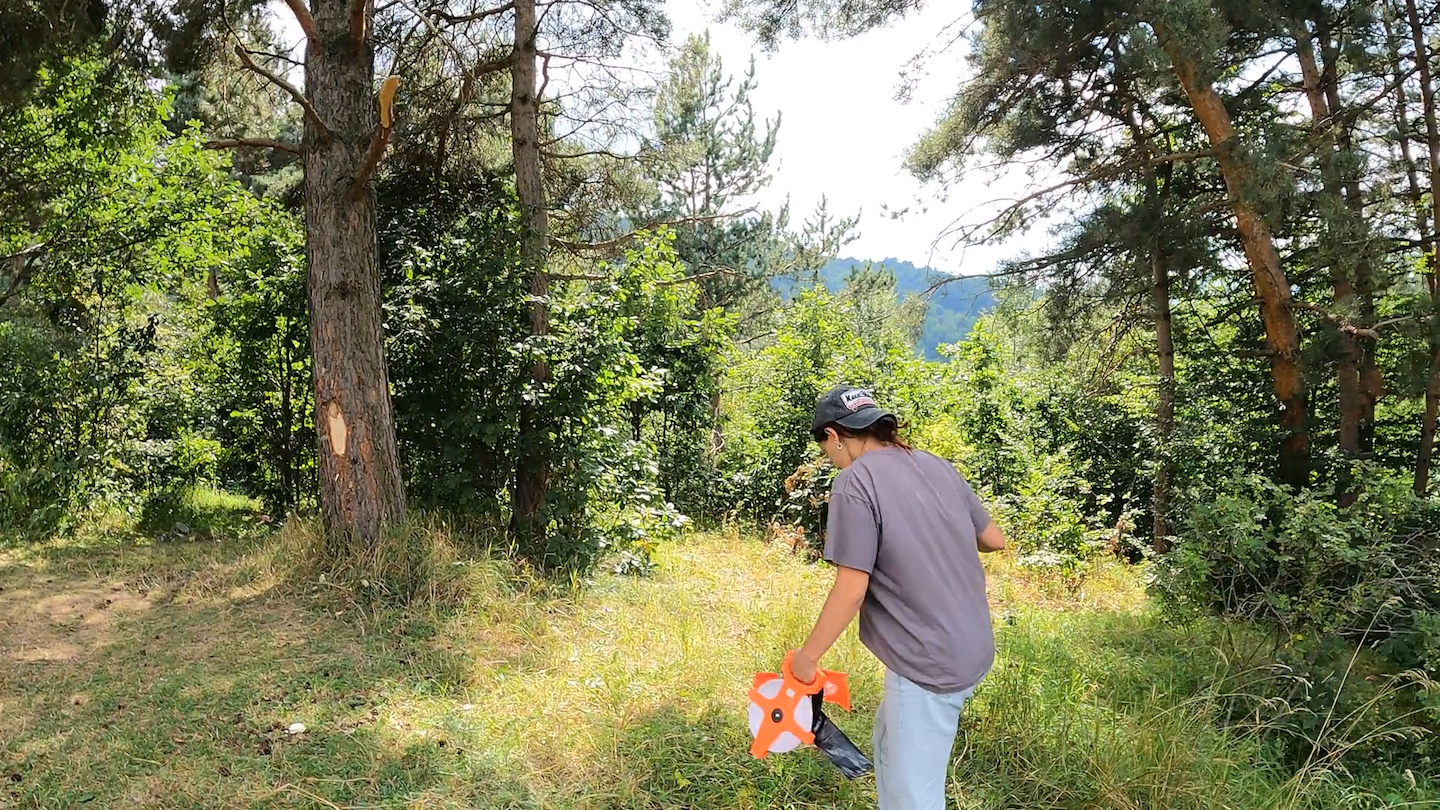
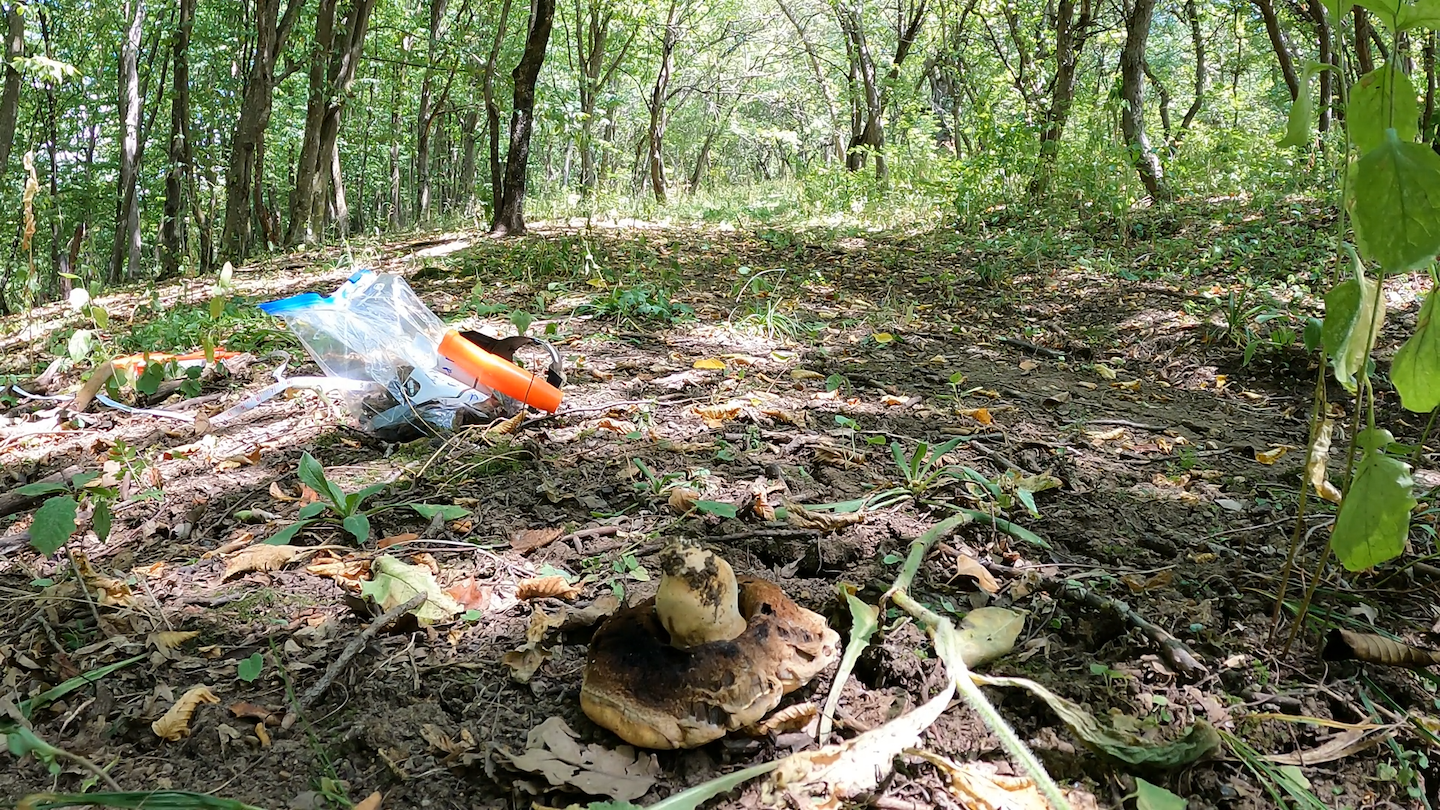
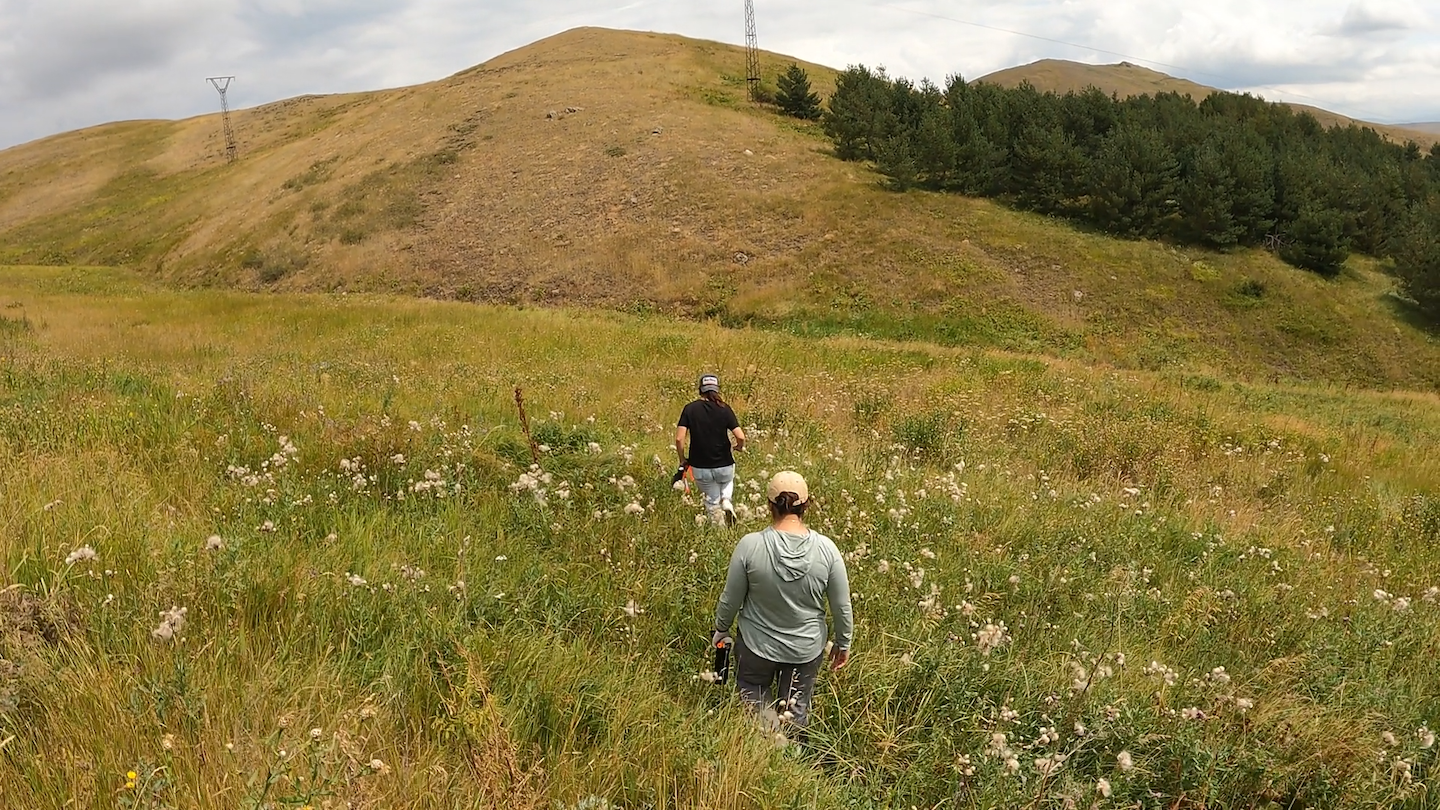
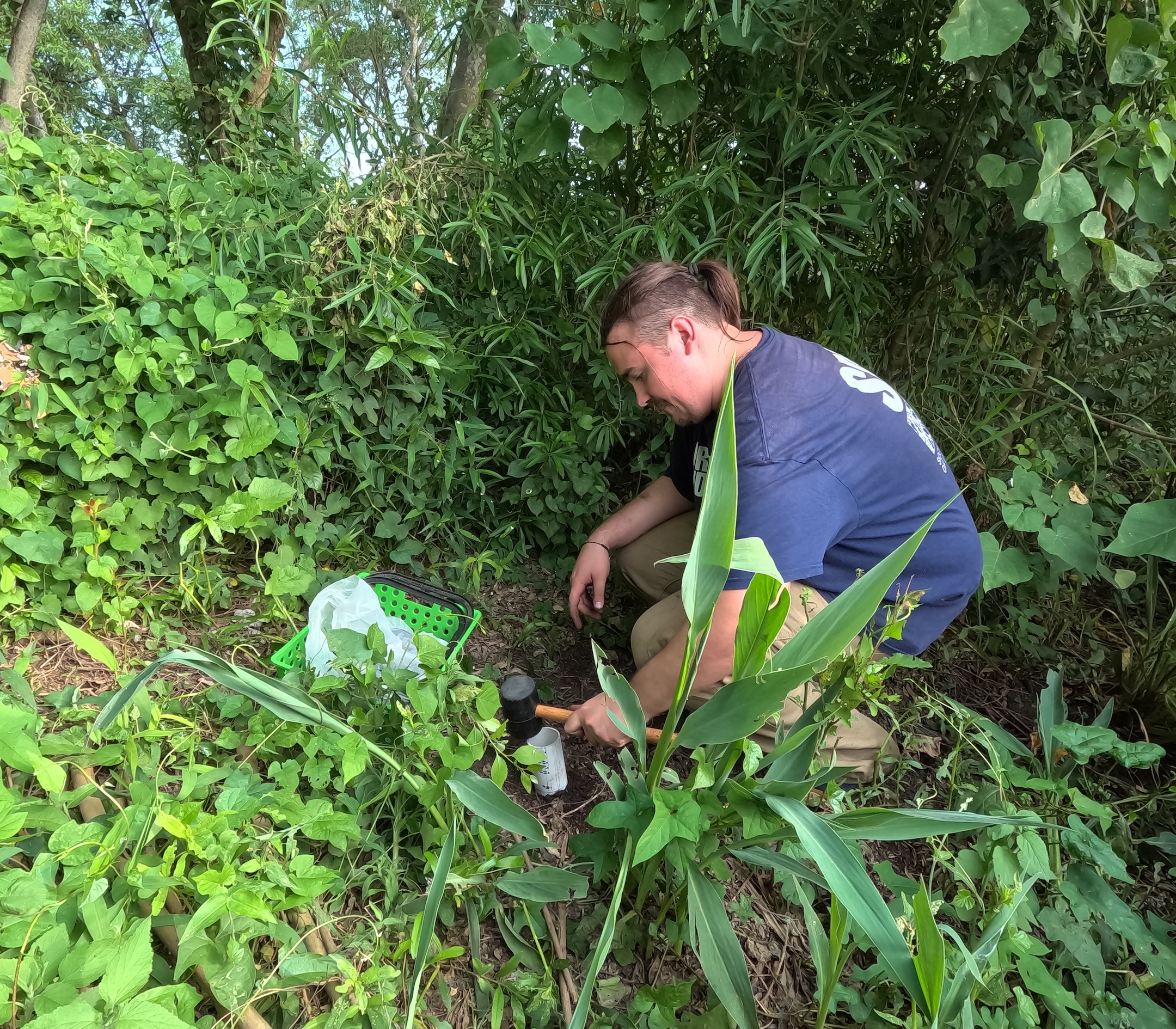
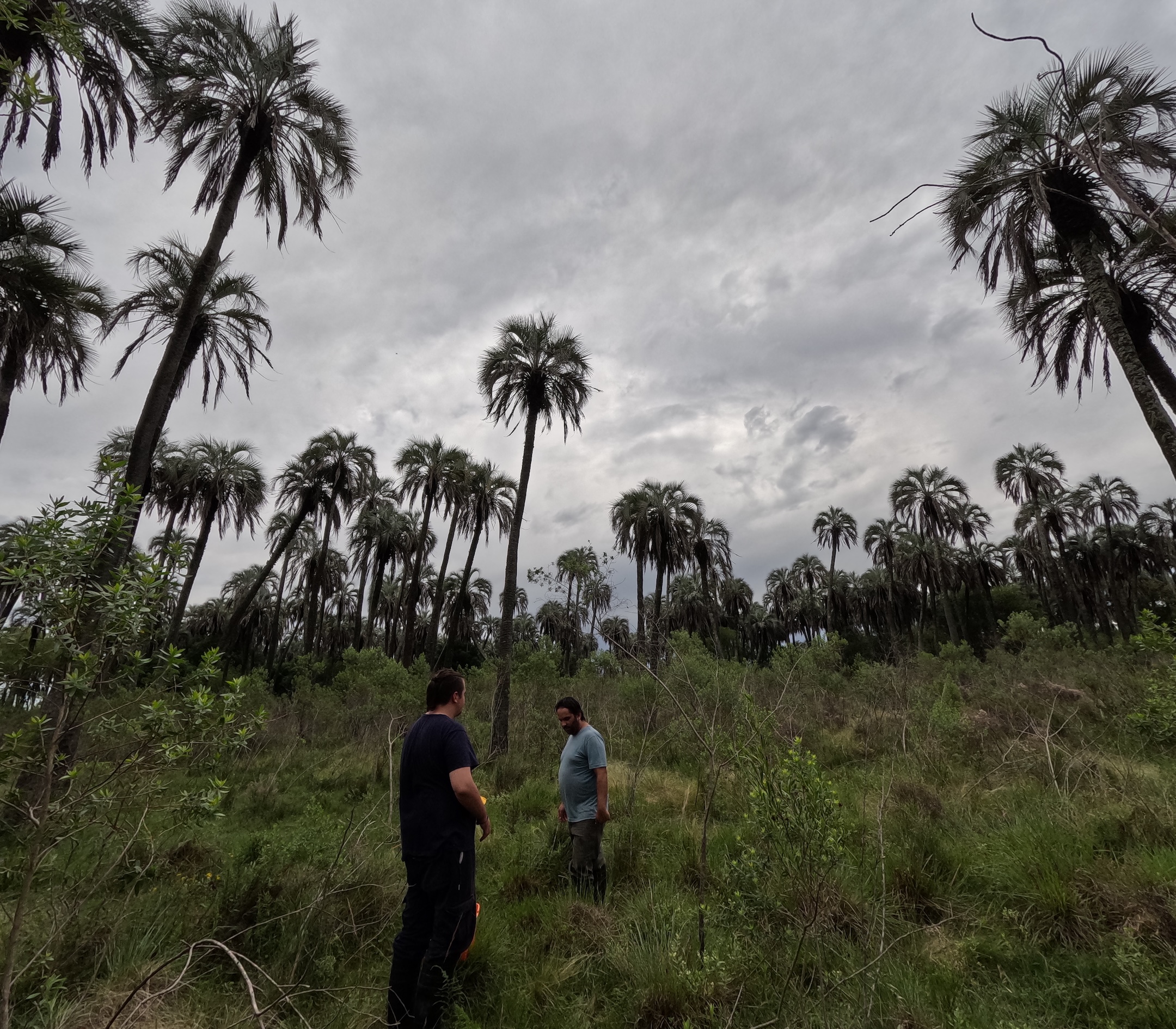
.JPG)
.jpg)
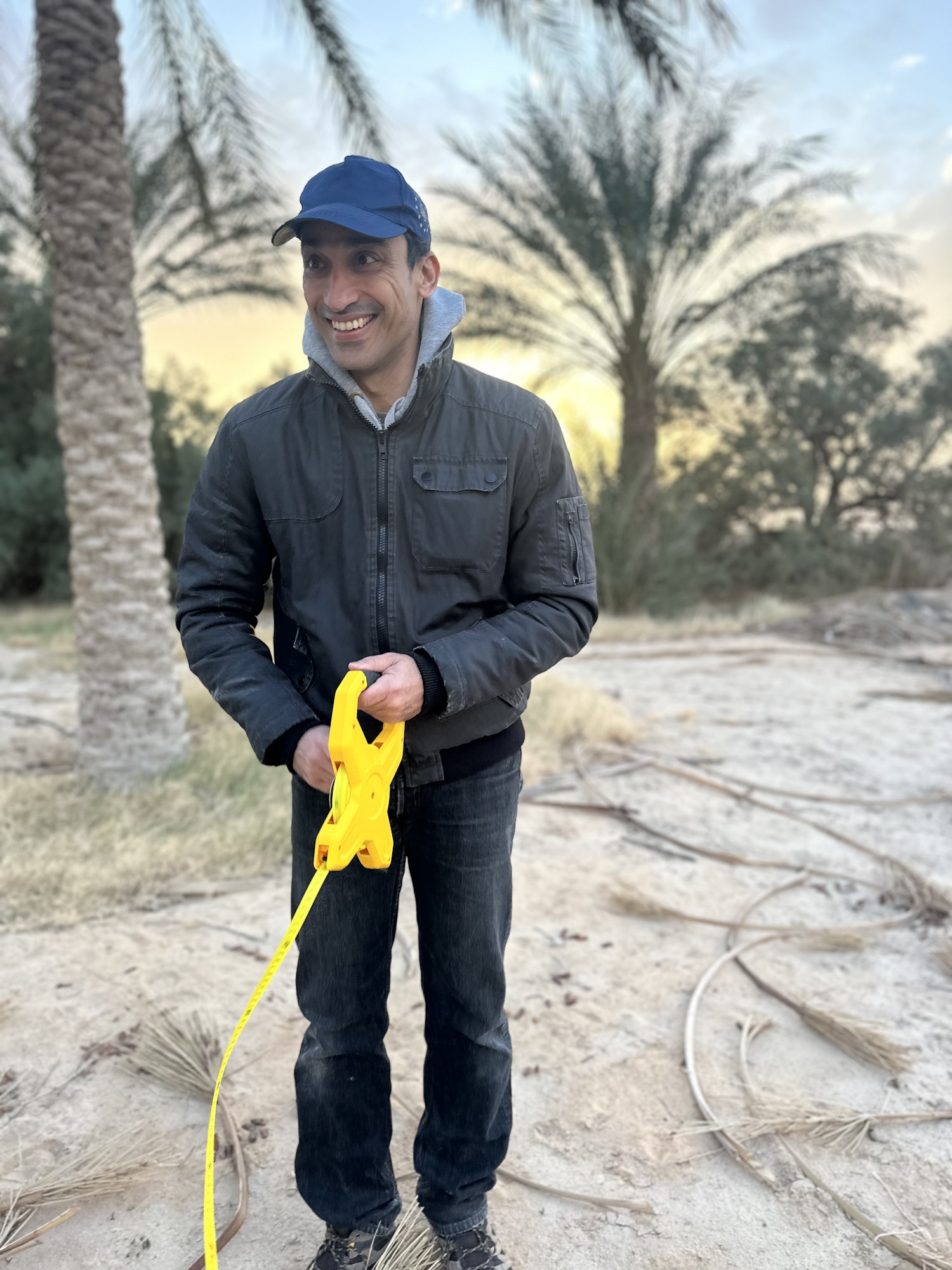
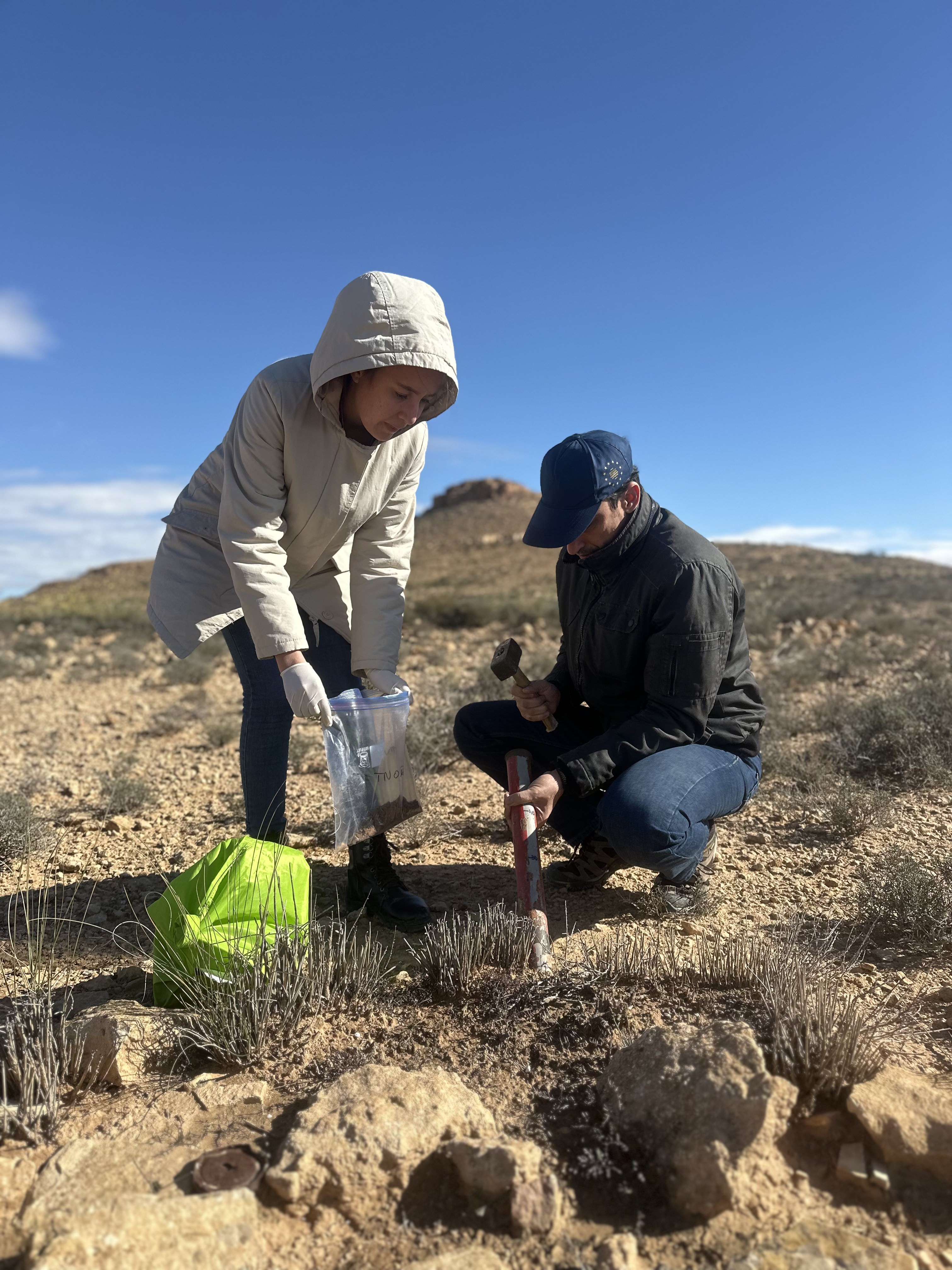
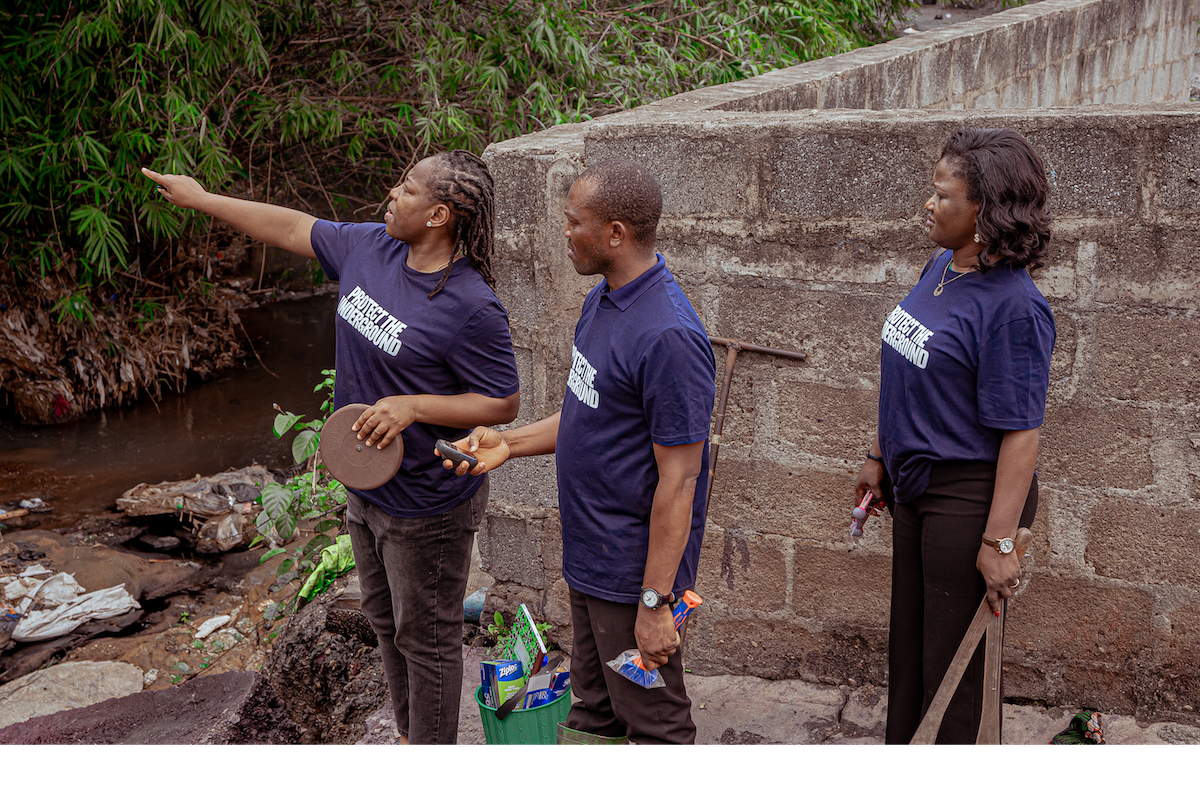
.png)
.png)
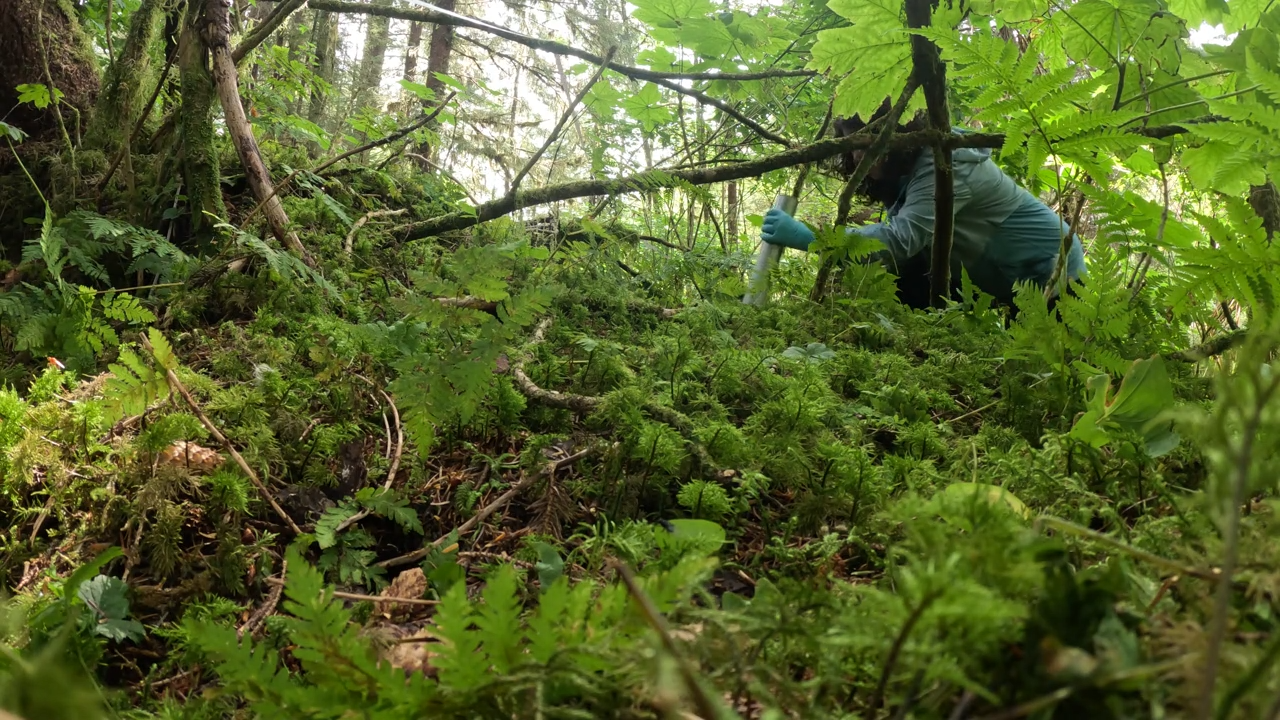
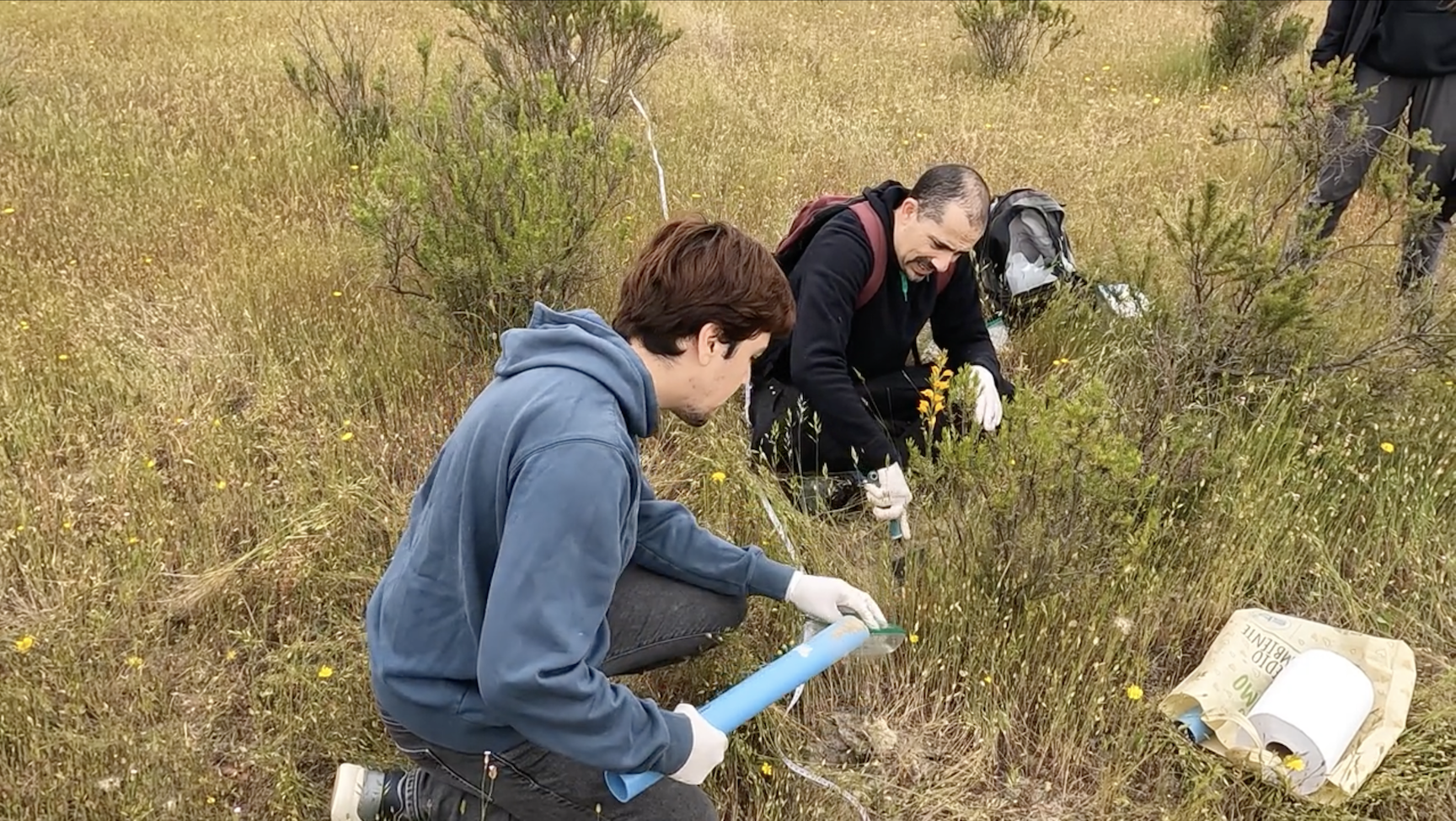
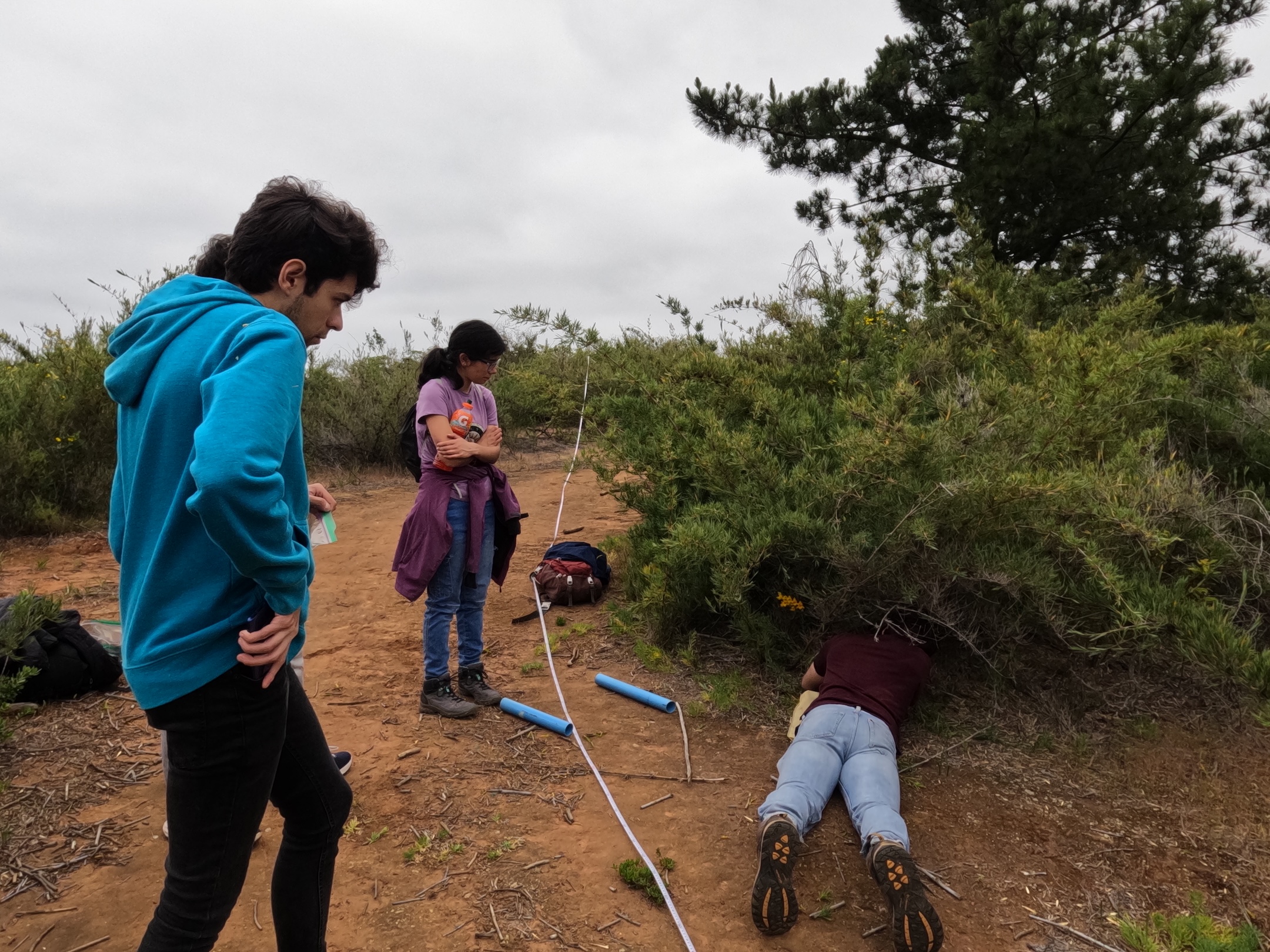
.JPG)


