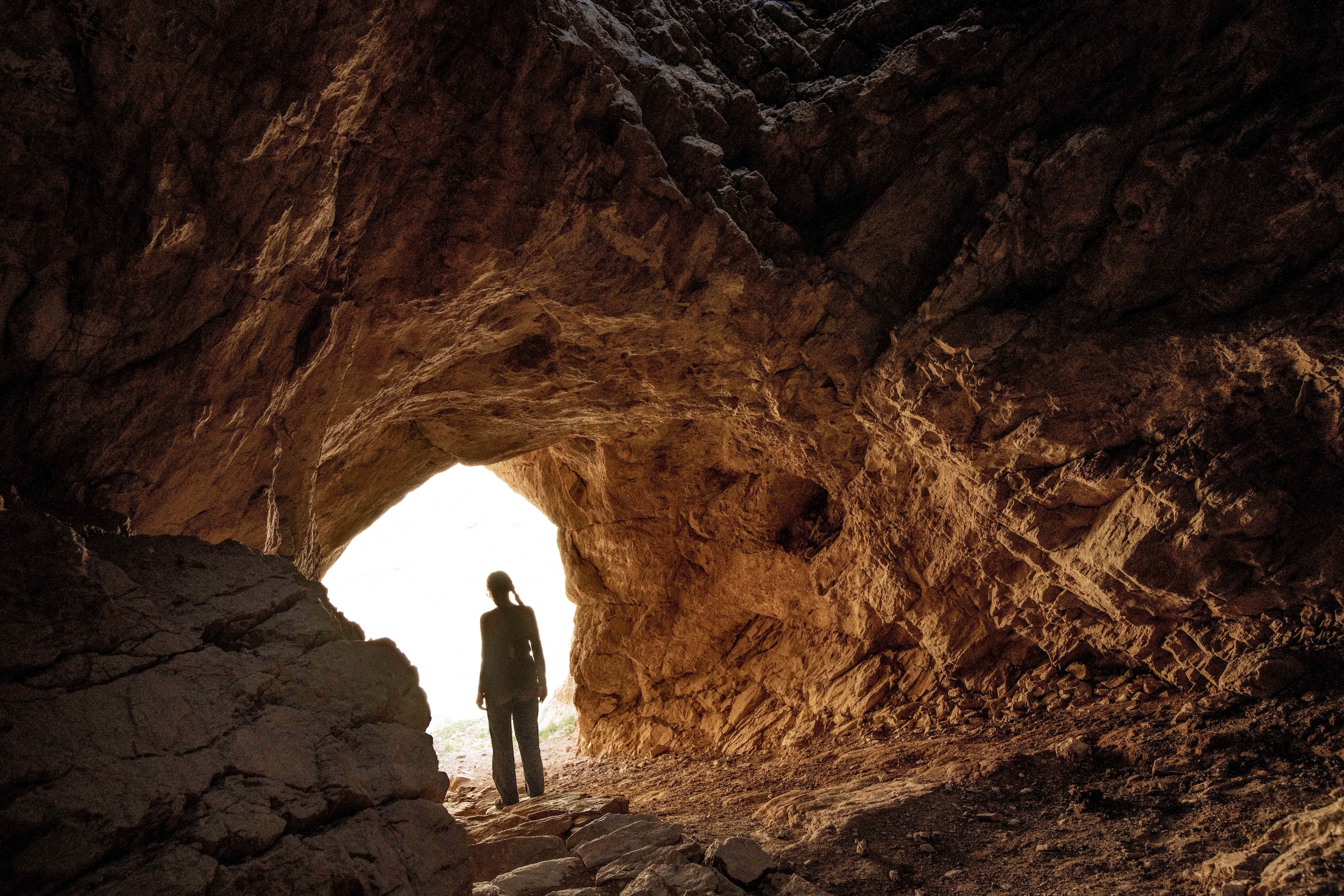
Nearly 90% Unknown: Rare Fungal Networks Powering Mongolia's Grasslands
Underground fungi vital for sustaining ecosystems are overlooked in combating global land degradation.

Rangelands, including grasslands, cover half of Earth’s land. Desertification, soil erosion and overgrazing are severely damaging these landscapes. Risks are exceptionally high in Mongolia, where 230,000 nomadic families herd livestock, and temperatures are rising three times faster than the global average. Three-quarters of the land is already degraded. The number of days with dust and sandstorms has tripled since the 1960s.
lien vers l'article
Fungi are uniquely adapted to harsh conditions and probably essential for steppe ecosystems. Yet land degradation has reduced fungal diversity up to 70 percent in some areas. If these fungi disappear, the plants that need them, including those initially surviving desertification, may not last.
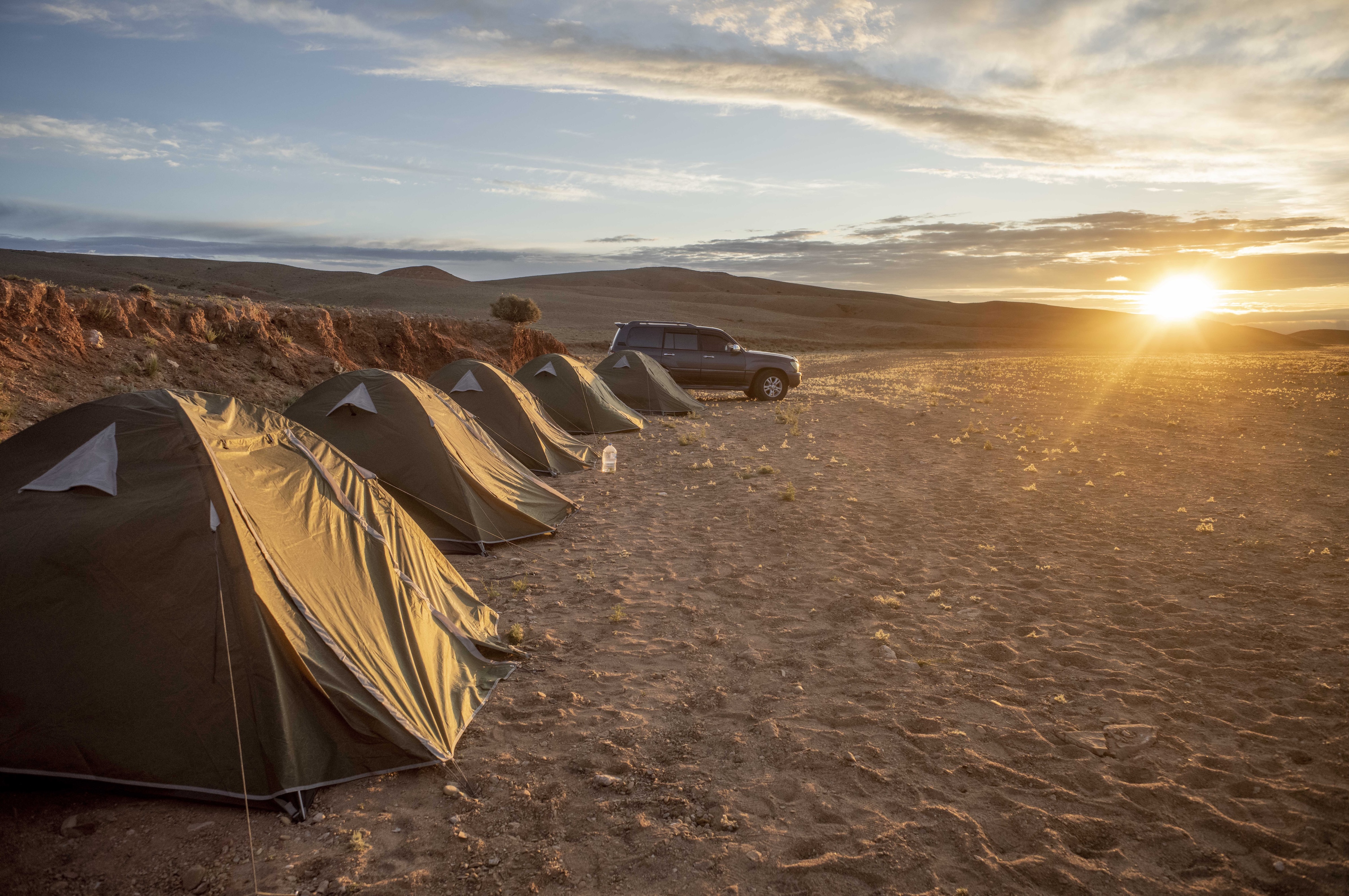
Vanishing rangelands in Mongolia’s Gobi Desert also threaten rare underground fungi that may be essential for sustaining what’s left and restoring what’s been lost. Two leading women scientists presented findings from recent expeditions to the Mongolian steppe at the French Embassy in Ulaanbaatar during COP17 of the United Nations Convention to Combat Desertification.
The researchers’ work is significant because the convention’s Land Degradation Neutrality framework urges adoption of policies to: prevent degradation of healthy land; reduce degradation where it’s still underway; and reverse the damage where possible. In Mongolia and elsewhere, the research suggests that safeguarding and restoring fungi in soils is vital to meeting all three goals. Yet the link between underground fungi and aboveground ecosystem health is largely absent from land conservation strategy.
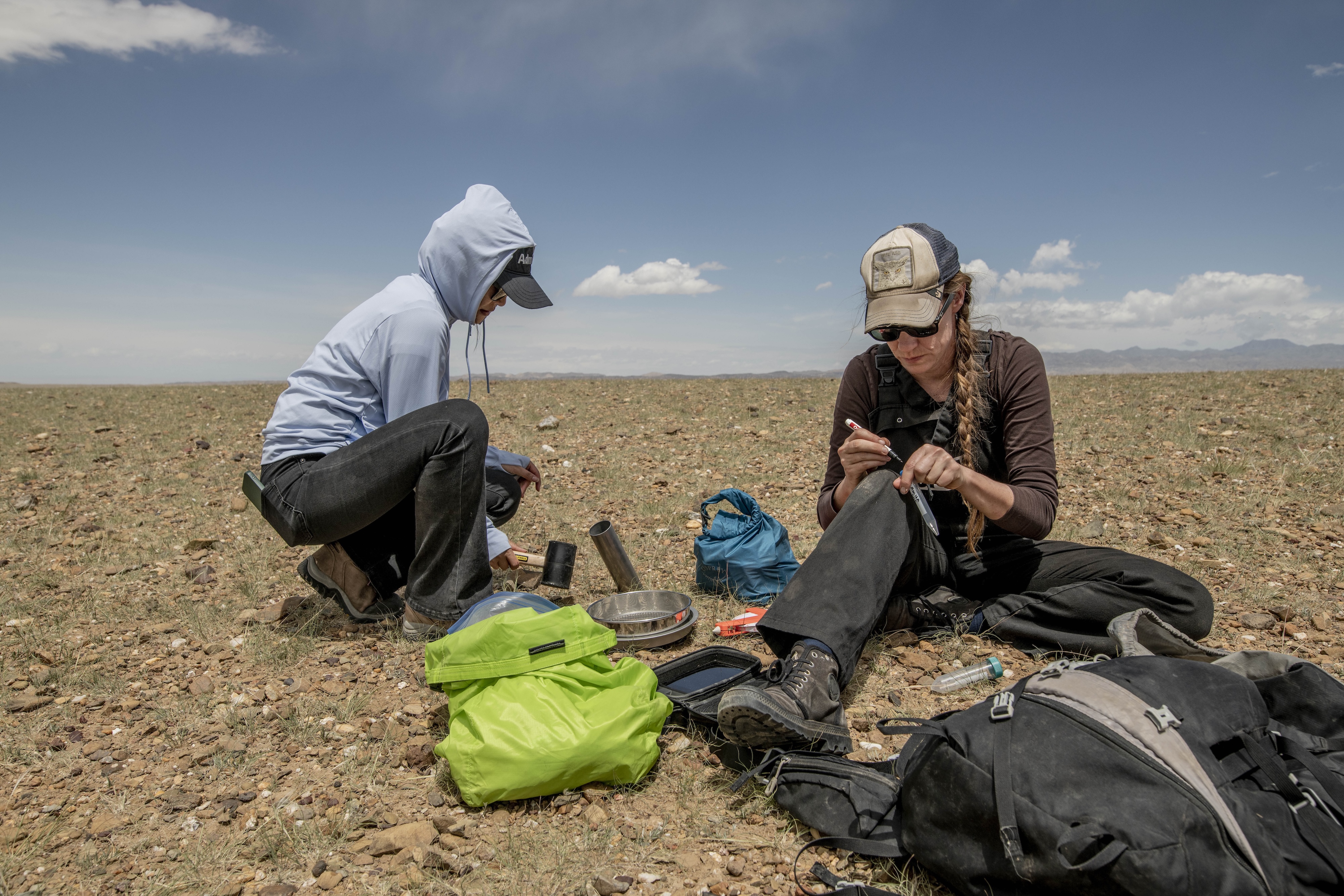
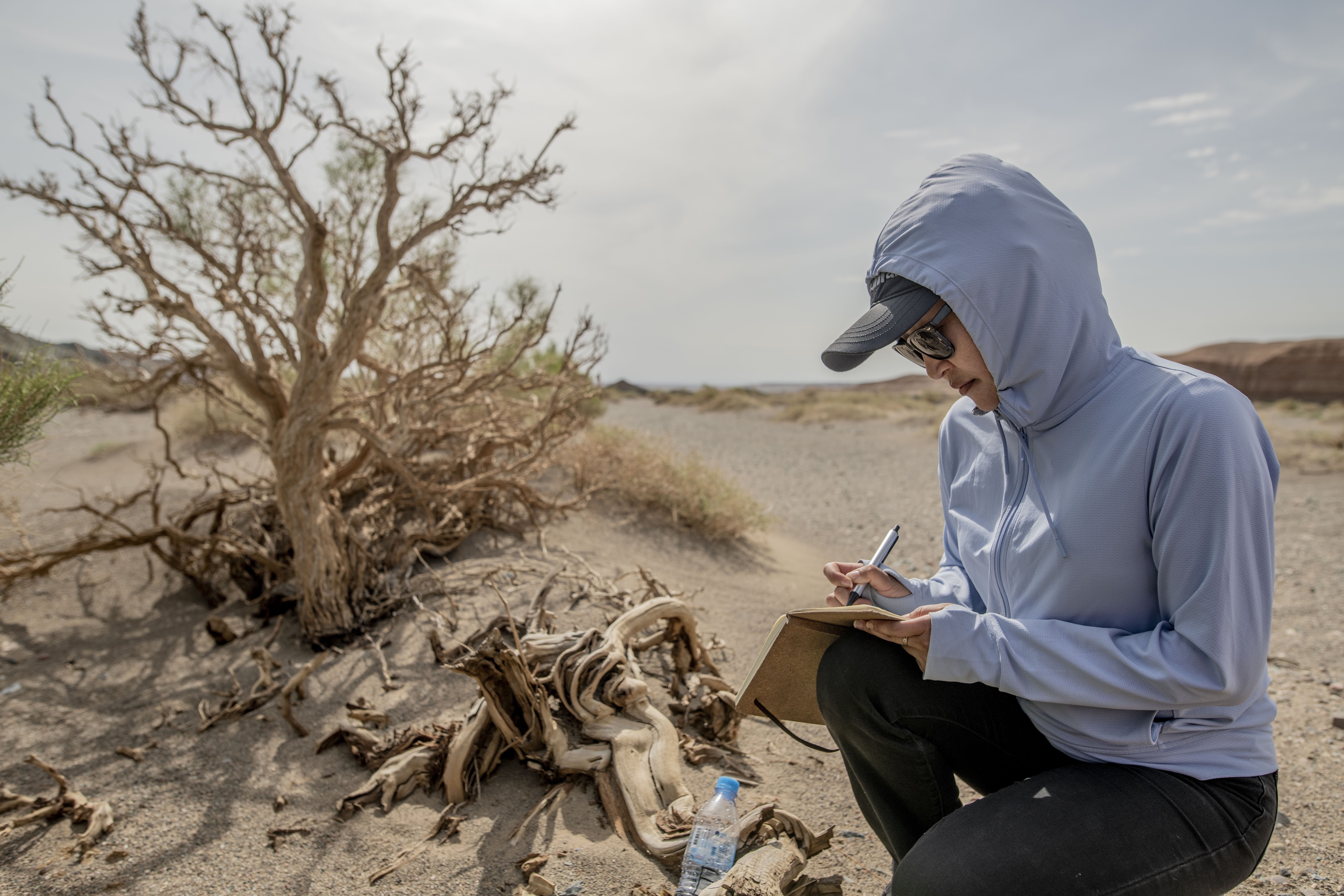
The research was presented by Dr. Burenjargal Otgonsuren, a Mongolian plant and fungal ecologist who studies mycorrhizal fungi, and Dr. Toby Kiers, Executive Director of the Society for the Protection of Underground Networks (SPUN).
Otgonsuren grew up in a small village in central Mongolia and has seen rangelands slowly degrade, pastures grow browner and less productive and livestock struggle to gain weight as droughts came more frequently and grew more severe. She became a researcher with a passion for grassland ecology.
THE PROBLEM: Rangelands, including grasslands, cover half of Earth’s land. Desertification, soil erosion and overgrazing are severely damaging these landscapes. Risks are exceptionally high in Mongolia, where 230,000 nomadic families herd livestock, and temperatures are rising three times faster than the global average. Three-quarters of the land is already degraded. The number of days with dust and sandstorms has tripled since the 1960s.
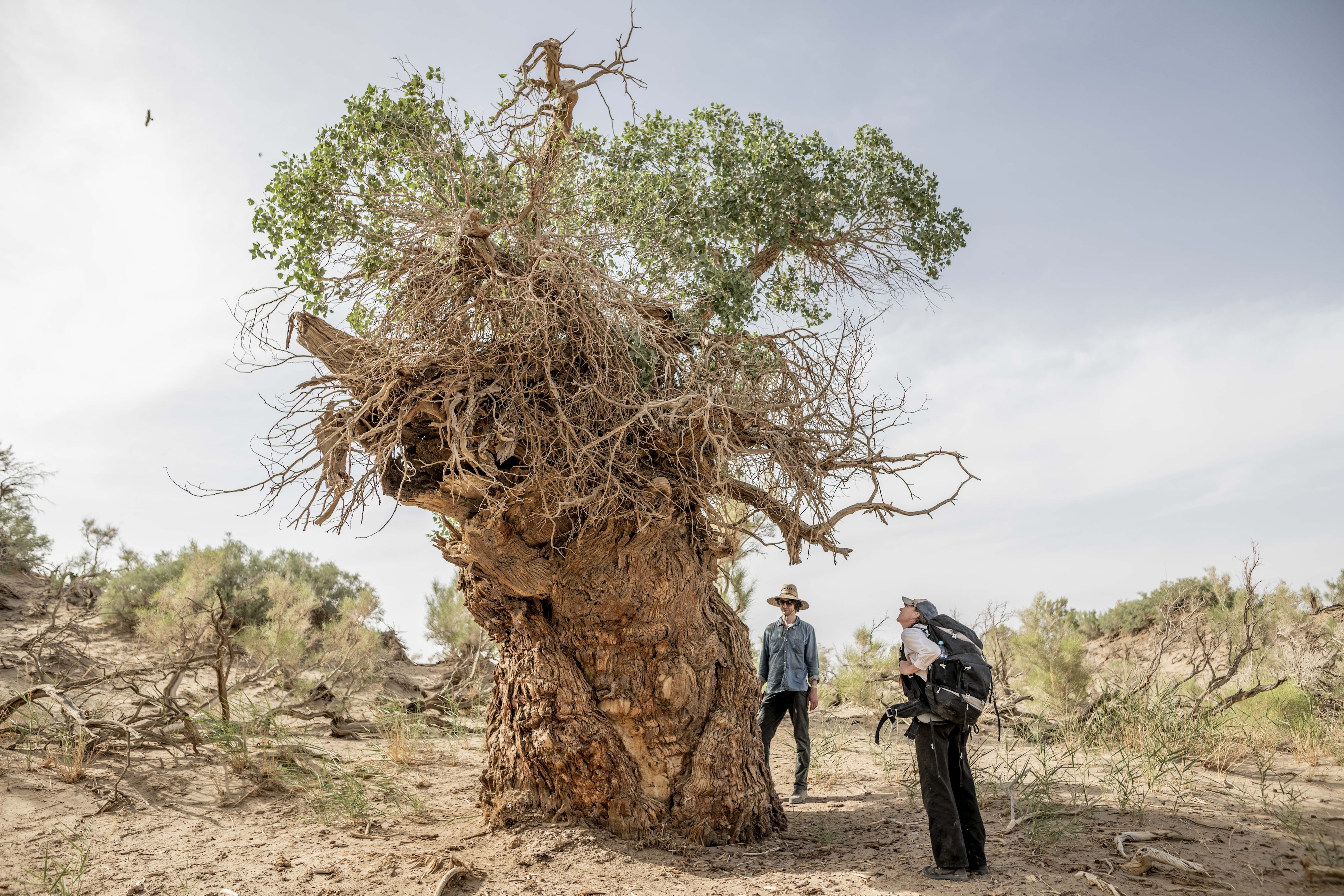
POTENTIAL SOLUTIONS: Dr. Otgonsuren’s and Dr. Kiers’ expeditions to Mongolia in 2024 and 2025 showed the desert steppe is home to high numbers of rare mycorrhizal fungi, some of which are found nowhere else. Nearly 90 percent of DNA sequenced by the team belonged to mycorrhizal fungi unknown to science. That suggests these fungi are uniquely adapted to harsh conditions and probably essential for steppe ecosystems. Yet land degradation has reduced fungal diversity up to 70 percent in some areas. If these fungi disappear, the plants that need them, including those initially surviving desertification, may not last.
Now the scientists are testing whether protecting and preserving small pockets of fungi could seed recovery of vanishing rangelands. The team set up small fenced plots to see if grasslands regenerate when grazing pressure is reduced. These protected areas also serve as a refuge for belowground fungi. The aim is to see if this reservoir of underground biodiversity also recovers.The findings from this expedition dovetail with many others that suggest mycorrhizal fungi can be a marker for ecosystem health.