
Dynamic Map Instructions (Delete This)
Don't delete "cru-ncf"-elements
Style in Webflow, modify in Dynamic Map App
In case of an issue...
Important Links


Style Guide – hidden on live site (don't delete or hide)
CMS List Item
Filter Reset / Empty State
Pop-Up
Tooltip
Filter Address Search
Filter Chip
Map Location Pin
Underground explorers program
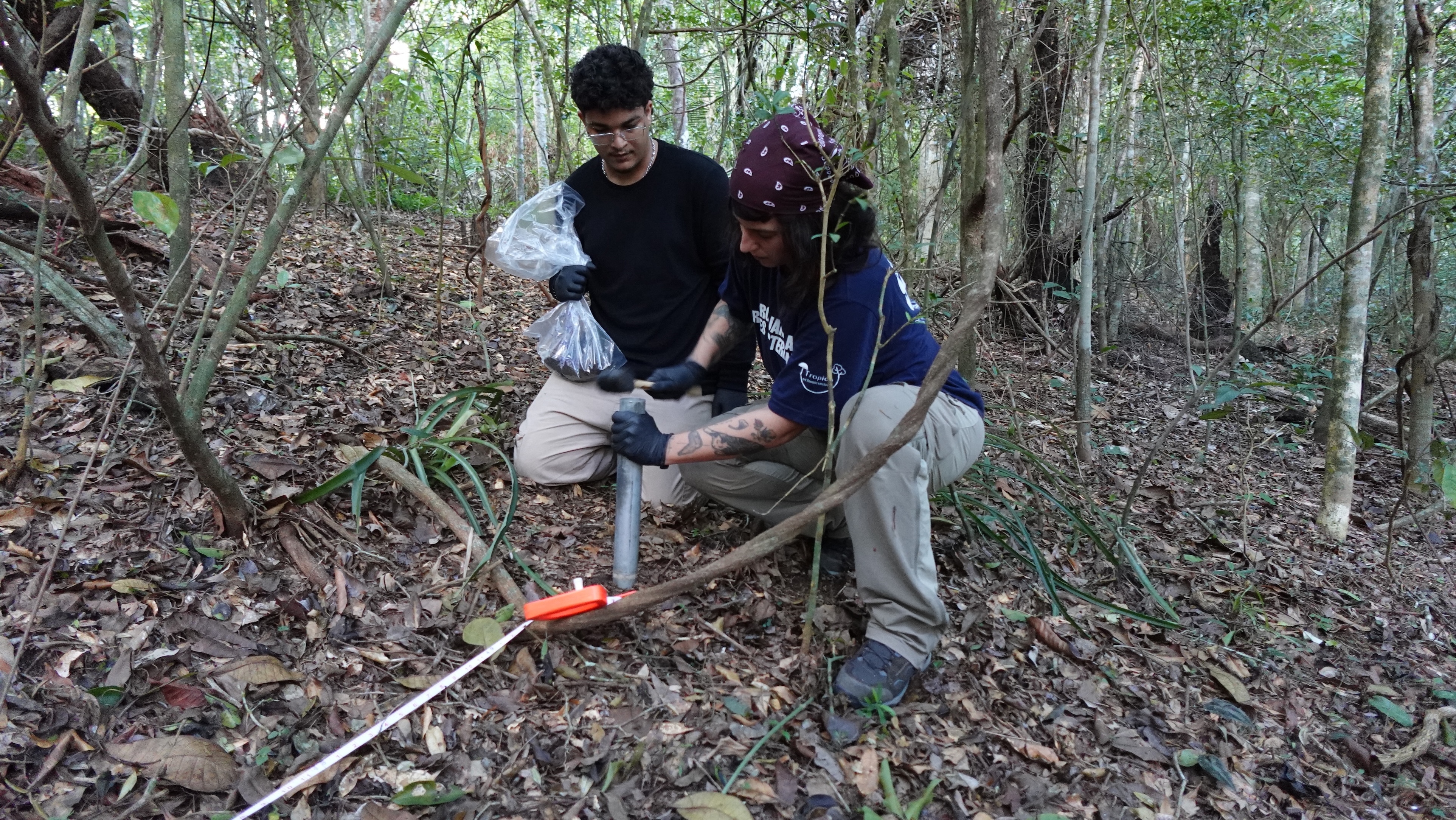
SPUN’s Underground Explorers Program ensures that research is driven by local researchers and communities. This model helps embed research within local contexts and culture. Underground Explorers define their research questions and determine how data are used and applied. SPUN provides funding, sequencing, and technical support. This program helps to:


Sample under-studied, hard-to-access ecosystems
Explorers are sampling and sequencing mycorrhizal communities to help close the fungal diversity knowledge gap. These samples will help grow SPUN's global maps of mycorrhizal diversity.
Connect researchers
We are building a network of mycorrhizal researchers to share ideas, protocols, and findings within their local communities and across the globe.
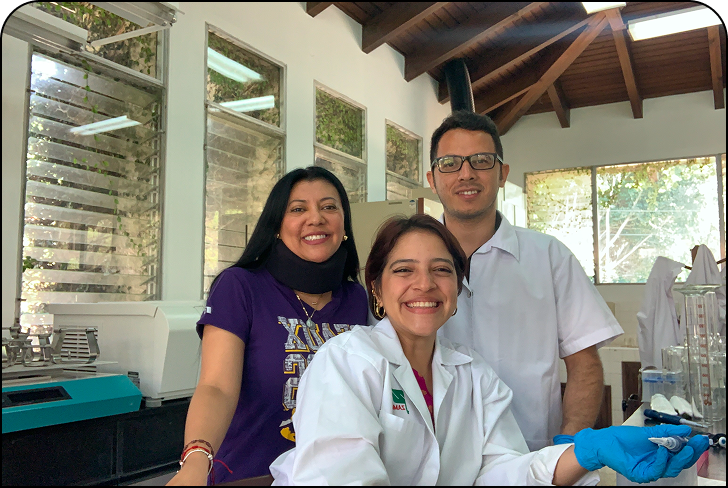
Elevate voices
Through the Underground Explorers and Underground Advocates Programs, we aim to give a platform to communities who have been historically underrepresented in mycorrhizal research, publication, and science-based advocacy.


Exploring impacts of grassland restoration on the arbuscular mycorrhizal fungi of Texas Hill Country
USA
2024

Exploring impacts of grassland restoration on the arbuscular mycorrhizal fungi of Texas Hill Country
Elena Leander
USA
Cohort:
2024
project abstract
On the eastern edge of Texas Hill Country, the intersection of the Edwards Plateau and Blackland Prairie ecoregions creates a hotspot of biodiversity and provides a home to a number of endemic species across trophic levels. It is here where the restoration efforts of the Hill Country Research Program take place in the Lady Bird Johnson Wildflower Center, Texas’s State Botanic Garden. For the past 23 years, land managers and researchers have leveraged prescribed fire and mowing treatments to address the spread of the invasive yellow bluestem (Bothriochloa ischaemum var songarica) and promote biodiversity within 75 acres of oak savanna. The resulting vegetation data has suggested the seasonality and frequency of these disturbances can have a significant impact on plant community composition and productivity (Ewing et al, 2005). Yet to be studied are the effects of restoration treatments on the associated arbuscular mycorrhizal fungi (AMF). Exploring the response of AMF communities within this system addresses a mechanistic link between disturbance and plant community recovery. The main goals of this study are to 1) identify the AMF unique to the calcareous glades and remnant prairies of the southern United States, and 2) explore how long-term restoration efforts impact the diversity and distribution of the ecoregions’ AMF communities.
Photo by Jessie Shaw on Unsplash

Restoring Underground Alliances: Mycorrhizal Fungi in Tallgrass Prairie Conservation and Restoration
USA
2025
Restoring Underground Alliances: Mycorrhizal Fungi in Tallgrass Prairie Conservation and Restoration
Elizabeth Koziol
USA
Cohort:
2025
project abstract
Threatened mycorrhizal communities of the tallgrass prairies: remnants, inoculants, and restorations
Photo by Brandon Stoll on Unsplash

Redes Micorrícicas en Humedales de Altura: explorando hotspots de biodiversidad subterránea en la Puna Central
Argentina
2025
Redes Micorrícicas en Humedales de Altura: explorando hotspots de biodiversidad subterránea en la Puna Central

Exploring Fungal Diversity in Honduras: Conservation, Indigenous Collaboration, and Ecosystem Dynamics
Honduras
2023
Exploring Fungal Diversity in Honduras: Conservation, Indigenous Collaboration, and Ecosystem Dynamics
Evelin Yulisa Reyes Mendez
Honduras
Cohort:
2023
project abstract
Our project aims to investigate the variation and complexity of fungal communities in different geographical locations in Honduras; Wampusirpe, Gracias a Dios; Catacamas, Olancho; Tegucigalpa, Francisco Morazán y La Esperanza, Intibucá. By collecting 108 samples from four diverse sites, the study will employ 16S rRNA metabarcoding and ITS regions, using the Illumina MiSeq platform, to understand the fungal diversity in tropical rainforests, mountainous terrains, grasslands, and urban landscapes. The research emphasizes the relationship between land-use practices, ecological gradients, and fungal community structure. This in-depth exploration holds significant importance for understanding ecosystem dynamics and will contribute valuable information for strategies in sustainable agriculture, conservation, and land management. Collaboration with indigenous communities, insights into small-scale farming, and alignment with the mission of the Society for the Protection of Underground Networks (SPUN) are integral aspects of this vital ecological research as well as providing valuable data for global conservation initiatives.
Photo by Esteban Benites on Unsplash

Eutrophication's double-edged sword: Mycorrhizal communities responses in the face of nutrient enrichment and biodiversity decline
Argentina
2026
Eutrophication's double-edged sword: Mycorrhizal communities responses in the face of nutrient enrichment and biodiversity decline
Facundo Fioroni
Argentina
Cohort:
2026
project abstract
Photo by Karla Robinson on Unsplash

Diversity of mycorrhizal fungal community along an altitudinal gradient: A study spanning from the Himalayan Foothills to the Indus Valley.
Pakistan
2025
Diversity of mycorrhizal fungal community along an altitudinal gradient: A study spanning from the Himalayan Foothills to the Indus Valley.
Farah Shafiq
Pakistan
Cohort:
2025
project abstract
Tallgrass prairies are among the most endangered ecosystems in North America, with less than 4% remaining. Their deep-rooted plants sustain biodiversity, store carbon, and protect soils, but the mycorrhizal fungi that underlie these functions are poorly understood. This project will characterize arbuscular mycorrhizal (AM) fungal communities in two old-growth remnant prairies and evaluate the persistence and benefits of prairie-derived inoculants in an eight-year restoration experiment. Using LSU and SSU rDNA sequencing and soil analyses, we will compare fungal composition, hyphal density, and soil health across remnant, inoculum, and restored plots. Results will test whether reintroducing native AM fungi improves soil structure, plant establishment, and ecosystem resilience. By linking remnant prairie diversity to field-scale restoration outcomes, this research will provide actionable guidance for restoring tallgrass prairies and contribute to global efforts to rebuild threatened mycorrhizal networks that sustain resilient ecosystems.
Photo by Mehtab Farooq on Unsplash

Cartographie de la diversité des champignons mycorhiziens dans une zone de transition forêt tropicale-savane au Gabon
Gabon
2026
Cartographie de la diversité des champignons mycorhiziens dans une zone de transition forêt tropicale-savane au Gabon
Fidele Evouna Ondo
Gabon
Cohort:
2026
project abstract
Mapping the diversity of mycorrhizal fungi in a forest–savanna transition zone in Gabon. This project aims to characterize the diversity of mycorrhizal fungi along a forest–savanna ecological succession gradient in the northeastern part of Lopé National Park, Gabon. Based on soil sampling conducted in 60 plots distributed along a 12-km transect, the study will analyze fungal communities associated with different vegetation stages, ranging from fire-maintained savannas to old-growth forests. Molecular analyses, using high-throughput sequencing of soil DNA, will allow the identification of ectomycorrhizal and arbuscular fungi and the assessment of their relationships with plant diversity, primary productivity, and carbon dynamics. The results will help fill knowledge gaps on belowground biodiversity in the Congo Basin, while strengthening local scientific compacity, supporting the management of Lopé National Park, and improving understanding of the role of soil microorganisms in tropical ecosystem functioning and climate regulation.

Mapping Soil Fungal Diversity Across Ecological Gradients in Lombok, Indonesia
Indonesia
2026
Mapping Soil Fungal Diversity Across Ecological Gradients in Lombok, Indonesia
Fitria Tisa Oktalira
Indonesia
Cohort:
2026
project abstract
Photo by Kilian Karger on Unsplash

Mycorrhizal Diversity and dispersal in the South Indian Ocean Islands
Belgium
2024
Mycorrhizal Diversity and dispersal in the South Indian Ocean Islands
Francois de Vleeschouwer
Belgium
Cohort:
2024
project abstract
The French insular territories of the South Indian Ocean (“Subantarctic” and “Eparse” Islands) are among the most isolated habitats on Earth that are protected by the French government through the “Terres Australes et Antarctiques Françaises (TAAF, https://taaf.fr/), that greatly limit human impacts and biological introductions, and preserves the local and endangered flora and fauna. These volcanic islands emerged between 130 million and 700,000 years ago and shaped unique habitats such as coastal, tundra and peatland ecosystems, influenced by Tropical or Westerly Winds. On these islands, recent studies have revealed a majority of unclassified fungi but no mycorrhizal fungi has been sequenced yet, whereas observations have been made on several plants. Supported by the logistics of the French Polar institute (IPEV) and the TAAF, we will sample soils from various districts: Crozet, Kerguelen and Amsterdam islands in the Subantarctic sector, and Tromelin island in the Eparse sector, where fungal habitat diversityremains greatly unexplored. Our expert team focuses on mycorrhizal diversity but also atmospheric dust particles, allowing us to evaluate how far local diversity could be influenced by long distance dispersal and Westerly Winds crossing theSouthern Indian Ocean.
Fungi Across Deep Time: Diversity Along Geochemical Gradients in the Precambrian-Analog Microbial Mats of Cuatro Ciénegas, Mexico
Mexico
2026
Fungi Across Deep Time: Diversity Along Geochemical Gradients in the Precambrian-Analog Microbial Mats of Cuatro Ciénegas, Mexico
Gabriela Olmedo Alvarez
Mexico
Cohort:
2026
project abstract
This project explores fungal diversity across microbial mats and surrounding vegetation in the Cuatro Ciénegas Basin, Mexico, an extreme, phosphorus-limited ecosystem that provides a modern analogue of ancient environments. We will compare fungi from microbial mats with those associated with grasses growing within, near, and away from the pools. Using DNA-based community profiling, we will investigate how fungal communities change across this aquatic-to-terrestrial gradient and test whether microbial mats harbor early-diverging fungal lineages related to modern mycorrhizal fungi. Because mycorrhizal-related fungi in microbial mats remain largely unexplored, this project may provide new insights into the evolutionary origins of plant–fungal associations while establishing an important fungal biodiversity baseline for this threatened desert oasis.
Photo by Ana Lucía Licea on Unsplash

Effects of anthropic fires on the interaction networks between arbuscular mycorrhizal fungi and hawkmoth pollinated plants Chaco Serrano Forest
Argentina
2024
Effects of anthropic fires on the interaction networks between arbuscular mycorrhizal fungi and hawkmoth pollinated plants Chaco Serrano Forest
Gabriel Grill
Argentina
Cohort:
2024
project abstract
Biodiversity and ecosystem functioning on a global scale are being strongly affected by human activities in the Anthropocene. In this context, it has been proposed that intentional fires can be significant promoters of ecosystem degradation. Anthropic fires, as part of land use changes, cause modifications in the structure of interaction networks. Disturbed sites where vegetation and other organisms are removed by fire can alter plant interactions with organisms both above and below the soil. Arbuscular mycorrhizal fungi (AMF) colonize the roots of approximately 80% of terrestrial plants and play a crucial ecological role in relation to the demographic patterns of plant species by aiding in the colonization of sites during early successional stages or enabling invasive plant species to colonize new ecosystems. Additionally, they are involved in numerous above-ground ecological processes of plants, such as pollination through their influence on flower production. However, interaction networks between plants, pollinators, and fungal symbionts are poorly studied, and even less so have the changes in these bipartite plant-pollinator and plant-AMF networks been evaluated in the same study in response to a disturbance. Therefore, it is unknown what happens to the structure of the two bipartite interaction networks (plant-AMF and plant-pollinator) in a region subjected to anthropic pressures like the Chaco Serrano. In this study, we propose to evaluate the influence of land use changes (i.e., intentional fires) on the interaction networks between moth-pollinated plants ("sphingophilous plants"), their AMF, and their sphingid pollinators in the Chaco Serrano forest.
Photo by Dámaris Azócar on Unsplash

Exploring the effects of multiple global change factors and restoration practices on arbuscular mycorrhizal fungal communities in a temperate grassland
China
2025
Exploring the effects of multiple global change factors and restoration practices on arbuscular mycorrhizal fungal communities in a temperate grassland
Gaowen Yang
China
Cohort:
2025
project abstract
The cooccurrence of global change factors (GCF), e.g., overgrazing combined with drought and climate changes, is a main reason leading to degradation of local grassland. We have conducted a two-factor experiment. One factor is an increasing number of GCFs, with 0, 1, 2, 4, 6 GCFs, following our previous study (Rillig et al. 2019, Science). Another factor is the practice of soil transfer and reseeding native species. There are 144 plots in total. We will test (1) an increasing number of global change factors will lead to the loss of AMF diversity and a decrease in abundance but will select those slow-growing taxa with high resistance; (2) a combined restoration of vegetation and soil communities can enhance the resistance AMF communities to multiple global change factors.
.jpg)
Molecular identification of arbuscular mycorrhizal fungi associated to Byrsonima crassifolia (L.) Kunth in San Martín, Peru
Peru
2024
Molecular identification of arbuscular mycorrhizal fungi associated to Byrsonima crassifolia (L.) Kunth in San Martín, Peru
Geomar Vallejos-Torres
Peru
Cohort:
2024
project abstract
These forests have not been explored and are located between the provinces of San Martin and Lamas. The indano tree, although of high commercial value, has decreased in number and only a few individual patches remain, which are important for reforestation programs. However, these forests have been affected by deforestation, land use change, and loss of endemic species. The Peruvian Amazon has seven main soil types, with ultisols being the most common. Arbuscular mycorrhizal fungi have been observed to be tolerant of drought and soil acidity conditions. However, the biodiversity of these fungi in the Amazon basin has not been studied. It is hypothesized that there are significant differences in the diversity and structure of these fungi in trees of B. crassifolia in San Martín, Peru, both as a function of size and altitude.
Análisis de la diversidad de hongos micorrízicos arbusculares en diferentes usos de suelos en ecosistemas agroforestales en la amazonia peruana
Peru
2025
Análisis de la diversidad de hongos micorrízicos arbusculares en diferentes usos de suelos en ecosistemas agroforestales en la amazonia peruana
Geomar Vallejos-Torres
Peru
Cohort:
2025
project abstract
La propuesta de investigación consistirá en analizar la diversidad de hongos micorrízicos arbusculares en diferentes usos de suelos en ecosistemas agroforestales en la amazonía peruana, lo que se pretende es descifrar cuál es el impacto del uso de suelo en la diversidad, abundancia y caracteres de hongos micorrízicos arbusculares en los ecosistemas de cacao, café y bosque tropical. Se dará inicio con la identificación de ecosistemas de cacao y café como monocultivo, en sistemas agroforestales y con árboles de inga sp. Asimismo, se identificarán ecosistemas de bosque primario, secundario y bosque deforestado. En este proceso de investigación tomaremos submuestras de 100 a 200 gramos y se trabajará en el Laboratorio de genética molecular de la Universidad Nacional Toribio Rodríguez de Mendoza gracias al convenio con la Universidad Nacional de San Martín. En seguida se extraerá el ADN a partir de las muestras de suelo y utilizaremos controles negativos secuenciados. Alternativamente, usamos el Nanodrop para cada muestra de ADN. En tanto, el secuenciamiento de ADN se realizará en The Scripps Research Institute, California EEUU.
Metabarcoding of Arbuscular Mycorrhizal Fungi (AMF) Communities Endemic to the Rhizosphere of the Argan Tree (Argania spinosa (L.) Skeels) Forestlands: Focus on Southwest Moroccan Forest Ecosystems
Morocco
2024
Metabarcoding of Arbuscular Mycorrhizal Fungi (AMF) Communities Endemic to the Rhizosphere of the Argan Tree (Argania spinosa (L.) Skeels) Forestlands: Focus on Southwest Moroccan Forest Ecosystems
Grace Gachara
Morocco
Cohort:
2024
project abstract
Mycorrhizal populations play pivotal roles in multiple ecosystem processes. Recent research has linked mycorrhiza strain types to specific functions such as biodiversity conservation, increased carbon sequestration, improved soil fertility and deposition of essential macronutrients. Investigation into arbuscular mycorrhizal fungal (AMF) diversity in any ecosystem, but especially forestland areas, is an important biological parameter that can be used to conduct assessment of environmental disturbances and inevitable climate stressors. The investigation of indigenous soil mycorrhizae, such as those endemic to the Argan forestlands of Morocco is urgently needed to help inform biodiversity conservation, ecosystem restoration, improvement of environmental tolerance to local conditions, low ecological risk and quick acclimatization to the harsh effects of climate change. This is because biodiversity and mutualistic partnerships among microbial organisms and plant hosts form the basis of stability and resiliency of most ecosystems.
Endemic to Morocco, the argan tree (Argania spinosa (L.) Skeels) is among the most important trees in Morocco. Research has shown argan forests confer multifaceted benefits, including the ability to preserve ecological stability, enhanced biodiversity conservation, minimized soil erosion, reducing desertification and high socio-economic value (due to the extraction of argan oil). However, the argan ecosystem continues to suffer from rapid and increased deterioration due to the devastating effects of climate change, anthropogenic activities and demographic pressures. Declared a UNESCO biosphere reserve, the arganeraie forestlands hold massive interest in Morocco. Yet, we lack studies of the role of AMF diversity and AMF community composition in Argan forestlands of Morocco. This proposed project aims at using emerging geospatial pipelines to map the mycorrhizal communities of Argan forestlands and determine their abundance, uniqueness (species and/or strains) and diversity. In particular, I am interested in levels of fungal endemism that are associated with this endemic tree. Previous research has shown that exploring local variants of AMF consortia and selecting high performance symbionts can greatly aid in restoration of degraded forestlands, improve biodiversity and conserve important ecosystems. However, we cannot utilize these local communities unless we understand who is there. Ultimately, my aim is to determine the diversity of AMF associated with Argan ecosystems through metabarcoding in order to protect underground mycorrhizal networks in southwest regions of Morocco, especially those in the edapho-climatic zones. It is anticipated that this study will culminate in the generation of qualitative data related to the distribution patterns of specific taxa of these AMFs, which is crucial when it comes to determining the functional roles, specificity of symbiotic relationships and species co-occurrence within the arganeraie tree ecosystem.
Photo by Louis Hansel on Unsplash

Mycorrhizal fungal communities across a mineral-soil to peat swamp gradient in an understudied Dipterocarpaceae forest of West Kalimantan, Indonesia
Indonesia
2026
Mycorrhizal fungal communities across a mineral-soil to peat swamp gradient in an understudied Dipterocarpaceae forest of West Kalimantan, Indonesia
Hanna Ekamawanti
Indonesia
Cohort:
2026
project abstract
Photo by Imat Bagja Gumilar on Unsplash

Soil fungal communities in sections of Mt Kenya forest under contrasting management regimes
Kenya
2023
Soil fungal communities in sections of Mt Kenya forest under contrasting management regimes
Hannah Karuri
Kenya
Cohort:
2023
project abstract
Soil biodiversity plays a key role in provision of ecosystem services. Conservation of soil organisms and their inclusion in policy agendas is imperative. The Mt. Kenya forest is a biodiversity hotspot but the diversity of most soil biota is unexplored. Mycorrhizal fungi are a key component of forest ecosystems and they influence different biogeochemical processes. This project will compare the diversity of mycorrhizal fungi in protected and unprotected areas within the Mt. Kenya forest. It will provide an insight on the status of mycorrhizal fungi and contribute to the conservation and monitoring of soil biodiversity.
Photo by David Clode on Unsplash

Ectomycorrhizal fungal communities in the eastern wallace line
Indonesia
2023
Ectomycorrhizal fungal communities in the eastern wallace line
Helbert Lim
Indonesia
Cohort:
2023
project abstract
To this date, most of the information about ectomycorrhizal (ECM) fungi in Indonesia has been generated from the western part of Wallace (Sumatra, Java, and Borneo). Meanwhile, in the eastern Wallace region (Sulawesi, the Moluccas, Papua), the information is limited. Within the project “Ectomycorrhizal fungal communities in the eastern Wallace line,” our aim is to generate a list of ECM species in Gandang Dewata, West Sulawesi, Indonesia, based on DNA information. The ITS Region and LSU will be used for metabarcoding, and Illumina Sequencing will be the chosen Sequence Platform. Additionally, we will gather more information related to the ecology of these ECM fungi by assessing their hosts and the existing above-ground fruiting bodies (mushrooms). New species, new records, and new collections could be obtained from this project.

Diversidad de hongos micorrícicos en el bosque seco de garachiné, Darién, República de Panamá
Panama
2023
Diversidad de hongos micorrícicos en el bosque seco de garachiné, Darién, República de Panamá
Hilario Espinosa
Panama
Cohort:
2023
project abstract
Tropical dry forests are unique ecosystems that are seldom studied. Currently they are under constant anthropogenic threats, such as deforestation and climate change. However, there is very little information about the mycorrhizal communities from these types of forests, partly because attention has focused largely on the most humid ecosystems. We will base our study on one of the last remnants of this type of forest located in the community of Garachiné, in the province of Darién, Panama. We will collect soil from the area and then apply molecular techniques to identify the mycorrhizae present. Our project is a collaborative effort with colleagues from the University of Panama who are developing botanical studies in the area, which will allow us to relate the mycorrhizal community with the flora typical of this type of ecosystem. Our results will allow us to know the diversity of mycorrhizae in an area never studied, as well as their possible relationships with the species of vascular plants present in the tropical dry forest. The information produced will help us motivate further research and the conservation of this unique Ecosystem.
Photo by Benedicto Menacho on Unsplash

Morphological diversity and interaction between Arbuscular Mycorrhizal Fungi (AMF) and plant in Kota Waterfall in Benin
Benin
2024
Morphological diversity and interaction between Arbuscular Mycorrhizal Fungi (AMF) and plant in Kota Waterfall in Benin
Hyppolite Aignon
Benin
Cohort:
2024
project abstract
Kota waterfall is an exceptional habitat located in northern Benin. In this locality, an oligotrophic flow coming from the Atakora range has dug into the quartzite granites and forms numerous stages which can reach around ten meters deep, over which the stream falls in cascades, surrounded by a riparian forest at evergreen leaves, in which Berlinia grandiflora (Vahl) Hutch. & Dalziel, Isoberlinia doka Craib & Stapf, I. tomentosa (Harms) Craib & Stapf, Uapaca togoensis Pax and Breonadia salicine (Vahl) Hepper and J.R.I., dominate and grow in the valleys of the ravine. The Kota waterfall, presents a riparian forest, structurally rich and natural due to the waterfall which makes the habitat humid throughout the year and the vegetation, makes Kota a reference site for mycological investigations as a hotspot of endemic fungal species in Benin. To highlight the fungal diversity hidden in the soil at Kota waterfall and their ecological importance, this project aims to (1) evaluate the diversity of Arbuscular Mycorrhizal Fungi (AMF) according to the health of the soil and (2) analyze the presence and density of mycorrhizal networks by highlighting how mycorrhizal associations evolve through the compositions of the plant community present. For our sampling, we will identify five microhabitats: Woodland, savannah, mixed dry forest, gallery forest and dense forest in this complex. In each microhabitat we will collect soil samples and DNA will be extracted from these samples, by targeting, amplifying and sequencing the SSU ribosomal RNA region using nested PCR approach. We expect that the remarkable diversity of flora within Kota reflects the subterranean microbial community of the habitats and that many previously unknown taxa can be found and identified. Indigenous peoples near to Kota waterfall are involved in this project.
Photo by Jeffrey Workman on Unsplash

From disturbance to resilience: Assessing mycorrhizal network structure along Kelud volcano disturbance gradients, East Java, Indonesia
Indonesia
2026
From disturbance to resilience: Assessing mycorrhizal network structure along Kelud volcano disturbance gradients, East Java, Indonesia
Ika Wahyuni
Indonesia
Cohort:
2026
project abstract
GusJuned, CC BY-SA 3.0 <https://creativecommons.org/licenses/by-sa/3.0>, via Wikimedia Commons

Arbuscular mycorrhizal fungi diversity using omics across protected and non-protected montane grassland and shrublands in the Jos, plateau Nigeria
Nigeria
2024
Arbuscular mycorrhizal fungi diversity using omics across protected and non-protected montane grassland and shrublands in the Jos, plateau Nigeria
Ikwuakonam George Okoro
Nigeria
Cohort:
2024
project abstract
This research intends to determine the arbuscular mycorrhizal fungi diversity across the protected and unprotected montane grassland and shrubland of the Jos plateau. The Jos plateau covers about 8600 km2 and is bounded by 300 – 600 escarpments around its boundaries. It has an average altitude of 1280m. Its ecobiome is montane grassland and shrubland that is home to communities of plants and animals from the surrounding lowlands and constitutes the Jos Plateau Forest Savannah mosaic ecoregion. A total of 36 samples will be collected for arbuscular mycorrhizal fungi (AMF) DNA extraction. This will be followed by PCR and amplification of the ITS2 and SSU regions to identify arbuscular mycorrhizal fungi from the extracted soil genomic DNA. The rapid barcoding kit 98 V14 (SQK-RBK 114.96) will be used, enabling me to multiplex up to 96 samples. Sequencing will be done using the Illumina MiSeq platform for the metabarcoding samples. The importance of these data to be collected and ideas are to provide the actual representation of the area of study which will also be essential in making informed decisions and accurate inferences concerning the arbuscular mycorrhizal fungi diversity and interaction within the area of study. The research findings will be shared through peer reviewed scientific publications and reputable outreach media. My team members include an expert in mycorrhizal study (Soil microbiologist), geographer, final-year student of Forestry and a plant scientist. At the end of the research, we and the local communities will clearly understand the arbuscular mycorrhizal dynamics peculiar to their ecoregion. It will also suggest a suitable guide for restoring and sustaining the mycorrhizal interaction across the unprotected montane grassland and shrubland of the Jos plateau.
Photo by Ovinuchi Ejiohuo on Unsplash

Redemptive mycorrhizal fungi of the dried Aral Sea
Uzbekistan
2024
Redemptive mycorrhizal fungi of the dried Aral Sea
Ilyor Mustafaev
Uzbekistan
Cohort:
2024
project abstract
The desertification of the Aral Sea, once the fourth largest lake in the world, has resulted in ecological devastation in Central Asia. The exposed seabed and concentrated seawater, with their extremely high salinity even exceeding the level of Dead Sea, presents a unique challenge for vegetation restoration. Interestingly, still there are domestic halophytes successfully adapted and thriving in the region. With a wonderful support of SPUN, our enthusiastic research team from Uzbekistan Academy of Sciences led by Dr. Ilyor Mustafaev in collaboration with Dr. Soon-Jae Lee in University of Lausanne, start the first underground exploration of the Aral Sea. In this study, we investigate the soil fungal communities as well as mycorrhizal fungi which support plant growth in the dried-up regions of the Aral Sea. We aim to characterize the diversity of arbuscular mycorrhizal fungi and other soil fungi across different salinity gradients and habitats within the Aral Sea basin. Our fieldwork involves the collection of soil samples from various locations across the Aral Sea basin. We work closely with local collaborators to share the expertise in mycology, plant ecology, and molecular biology. Anticipated scientific outcomes will serve as essential assets for future research endeavors for local conservation efforts for Aral Sea. Our outreach efforts will disseminate findings to the local communities in Uzbekistan and adjacent countries through media articles and presentations at the Institute of Botany of the Academy of Sciences. This pioneering study will bring an important data for successful ecological modelling of belowground diversity in high salinity regions for further conservation and prevention of the ecosystem collapsing. Considering the expected more frequent drought all over the world, which will accompany the salinity stress for the terrestrial vegetation, the results of this project will have value not only for the case of Aral Sea, but also for whole globe.
Photo by Patrick Schneider on Unsplash

Mapping the Mycorrhizal Fungi of Armenia
Armenia
2023
Mapping the Mycorrhizal Fungi of Armenia
International Congress of Armenian Mycologists
Armenia
Cohort:
2023
project abstract
Co-PIs:
International Congress of Armenian Mycologists or ICAM: Claudia Victoroff-Bashian, Patricia Ononiwu Kaishian, PhD, Arik Joukhajian, Tania Kurbessoian, PhD
The International Congress of Armenian Mycologists (ICAM) are conducting a nation-wide survey of soil fungi across the mountainous Republic of Armenia, targeting unique microclimates from humid deciduous mixed forest to semi-desert ecosystems clustered across a small geographic range. The Caucasus region and southwest Asia are listed as highly important regions for fungal conservation (Dahlberg et al., 2010), but anthropogenic threats to the Armenian landscapes continue to increase. While travel to portions of the affected regions remains impossible or impractical, the imposing threat of warfare has created an extreme urgency for biodiversity surveys within adjacent ecosystems. Understanding the identities and distribution of fungi in this region is paramount for plant and fungal conservation, and to contribute to a global understanding of soil fungus biogeography, but few studies have occurred within the Southern Caucasus region and even fewer studies have occurred in Armenia relative to its neighbors. By comparing the species composition of fungi across a stark environmental gradient within the small geographic range of Armenia, this project will provide critical information on how biotic soil conditions impact the distribution of mycorrhizal fungi.
Photo by Ani Adigyozalyan on Unsplash

Influence of biochar and biochar-fertilizer applications on Indigenous Arbuscular Mycorrhizal fungi diversity, Phosphorus solubilization and Maize growth in Kwale and Embu Counties in Kenya
Kenya
2024
Influence of biochar and biochar-fertilizer applications on Indigenous Arbuscular Mycorrhizal fungi diversity, Phosphorus solubilization and Maize growth in Kwale and Embu Counties in Kenya
Inviolata Lusweti
Kenya
Cohort:
2024
project abstract
Sustaining crop productivity in Africa is a major challenge given that the cropping systems rely on external low organic and/or inorganic inputs with continuous cultivation, leading to soil nutrient mining. Soil degradation is a distinctive feature affecting most poor households in rural Africa and its numerous consequences are a global concern, but the impact on African smallholders is a pressing matter and it is considered a major limiting factor for achieving household food sufficiency in most tropical and sub-tropical agricultural systems. Out of the major plant nutrients (N, P, K), most cultivated soils in the global South are P deficient, and this scenario is worsened under the P-fixing acidic soils with high Aluminium and Iron concentrations especially in ferralsols and humic nitisols. P inadequacy is a challenge to a sustainable farming system in Kenya hindering the quest to improve food production for an increasing population. Biochar has been suggested as a promising & a more sustainable organic approach soil amendment. Arbuscular Mycorrhiza Fungi (AMF) symbiosis, on the other hand, is associated with increased phosphorus uptake and also enhancing P supply to acidic soils where phosphorus is mainly bound with Fe, Al or Ca. Maize (Zea mays L.) is an important food crop, especially in the sub-Saharan Africa and statistics show that more land in Kenya is being used for (small-scale) maize production to meet future food demands. P and N deficiencies in Kenyan soils result in a 50% and 43% reduction in maize yield, respectively, and hence, maize production trend has not kept pace with the annual population growth rate.
This research aims at establishing the processes through which biochar applications in low P soils would improve maize yields by smallholder farmers in coastal semi-arid and highland areas in Kenya by utilizing soil-mycobiome pathways. Specifically, we will Isolate, screen, and identify the Indigenous AMF species from Control, Biochar and Biochar- fertilizer treated soils and then we will investigate the variations in soil P fractions caused by Indigenous AMF, Biochar and Biochar- fertilizer treatments in both sites. To achieve this, the project will adhere to the SPUN sample collection guidelines and employ advanced molecular techniques, such as metabarcoding of the rDNA region.
Utilizing biochar-mycobime-plant pathway(s) of P transformations for P Acquisition Efficiency (PAE) by diversity of indigenous AMF species and making use of indigenous AMF would be the most effective and sustainable alternative method of improving P nutrition in soils in maize cropping system thereby ensuring delivery on maximum maize productivity goals. Equally, knowledge that would be gathered after understanding how biochar influences root colonization of indigenous AMF diversity in maize cropping system & how AMF enhances P availability in soils, will be used to develop a product/technology for use by smallholder farmers who are constantly experiencing low maize productivity, to enhance their maize yields through use of cheaper and sustainable methods of production. Local collaborators in the project will include various stakeholders such as smallholder farmers, agricultural extension officers, researchers from local universities or agricultural institutions, and community-based organizations. These local collaborators will benefit by gaining insights into the types of indigenous AMF present in their soils and understanding how specific AMF species can help optimize agricultural practices, such as crop selection, fertilizer management, and irrigation strategies, leading to improved crop yields and overall farm productivity. Ultimately, it will be important to establish alternative fertilization methods using organic sources for promoting sustainable agriculture in Kenya, due to economic and ecological effects caused by excessive use of inorganic fertilizers in the wake of climate change.
Photo by David Clode on Unsplash

Belowground soil microorganism’s biodiversity study in Mount Mabu (Mozambique) by using high-throughput sequencing technology (BeMaSeq)
Mozambique
2022
Belowground soil microorganism’s biodiversity study in Mount Mabu (Mozambique) by using high-throughput sequencing technology (BeMaSeq)
Iris Victorino
Mozambique
Cohort:
2022
project abstract
Tropical forest ecosystems retain the highest levels of biodiversity, fact that makes them great contributors to Earth’s total biodiversity. Mount Mabu is a mountain located in the north of Mozambique of approximately 1700 meters covering roughly more than 7000 hectares. It is estimated that mount Mabu is the largest medium-altitude rain forest in Africa, encompassing diverse wildlife, unknown to scientists. To date, only the vegetation of the lower slopes in the south-eastern has been described – woodland, forest, and scrub/sedge patches on bare rock, remaining the rest unknown. The mycorrhizal fungi, a very important group of soil microorganisms, are present in many habitats but knowledge regarding their presence in tropical regions is still scarce. Their community structures is diverse between mountains at different altitudes, especially in tropical rainforests, so, it is expected that mount Mabu, as an unexplored forest, could represent a hotspot for many species including soil microorganisms such as the mycorrhizal fungi. To address this, sampling, collaborative efforts and use of molecular methodologies are encouraged. Our project intend to sample and isolate AMF using morphological and molecular techniques and lastly attempt to cultivate it in laboratory.
Image: Conradie W, Bittencourt-Silva GB, Engelbrecht HM, Loader SP, Menegon M, Nanvonamuquitxo C, Scott M, Tolley KA (2016) Exploration into the hidden world of Mozambique’s sky island forests: new discoveries of reptiles and amphibians. Zoosystematics and Evolution 92(2): 163-180.

Mycorrhizal fungi composition in an Afromontane forest ecosystem
Nigeria
2025
Mycorrhizal fungi composition in an Afromontane forest ecosystem
Iveren Abiem
Nigeria
Cohort:
2025
project abstract
The study will investigate the diversity and community composition of mycorrhizal fungi in Ngel Nyaki, an Afromontane forest in southeastern Nigeria. Montane forests comprise only 8% of Africa’s forest cover but have substantial biodiversity and provide numerous ecosystem services. The aim of this study is to assess the mycorrhizal fungal communities in this relatively drier, colder, and less diverse ecosystem compared to lowland tropical forests. We hypothesize that (1) mycorrhizal fungal diversity will be lower than in lowland forests, (2) arbuscular mycorrhizal associations will dominate, and (3) diversity will decline near the forest edge due to increased soil dryness. DNA will be extracted from the soil and the ITS2 rDNA region will be amplified and sequenced. A detailed assessment of the fungal taxa present will be carried out. By filling a major gap in tropical mycorrhizal research, our study will contribute to the broader understanding of microbial ecology in montane systems and probably, their role in supporting forest resilience under changing environmental conditions.
Photo by Ayoola Salako on Unsplash

Spatial distribution of mycorrhizal species in Ghana
Ghana
2024
Spatial distribution of mycorrhizal species in Ghana
Jacob Ulzen
Ghana
Cohort:
2024
project abstract
Mycorrhizal fungi play a key role in ecosystem health by providing nutrients to plants and drawing down carbon into soil systems. However, the power of these nutrient-providing fungal networks is under-exploited in Ghana's agriculture where there could be potential food insecurity in future. Ghana's coastal areas which are threatened by erosion and anthropogenic activities such as illegal mining are predicted to have abundance of mycorrhizal species. This study therefore sought to (i) map the mycorrhizal species and abundance in Ghana; (ii) to determine land use effect on mycorrhizal species and abundance, and (iii) evaluate the effect of illegal mining on mycorrhizal species.
Photo by Peace Itimi on Unsplash

A mosaic of the ectomycorrhizal diversity in the biogeographical Chocó region
Colombia
2023
A mosaic of the ectomycorrhizal diversity in the biogeographical Chocó region
Jaime Andrés Duque Barbosa
Colombia
Cohort:
2023
project abstract
The biogeographical Chocó region of Colombia is considered one of the hotspots of global biodiversity; however, it remains an under-sampled area. It is under high threat from several anthropic actions, such as extraction of timber plants without appropriate management plans, mining and the expansion of agricultural borders. For these reasons, it is necessary to increase knowledge of the area that can be used in strategies for conservation plans and the sustainable use of the resources of this region. Our objective is to study ectomycorrhizal fungi at two locations in the Chocó Department; one in the Tropical Moist and Rain Forest of the Nuquí municipality under the climate influences of the Pacific Ocean, and the other in the Tropical Moist Forest of the Capurganá bay under the climate influences of the Caribbean Sea. At both locations, we will work directly with the local communities and the region’s environmental leaders strengthening advocacy for conservation and understanding of the fungal diversity of this biogeographical zone so that the communities can take ownership of their fungal resources and use them appropriately. Additionally, information will be shared for use in future research on biodiversity, systematics, biogeography, ecological restoration, or even as foundation for the discovery of new species.
Photo by Michael Lechner on Unsplash

Ectomycorrhizal Fungal Networks in Dry Dipterocarp Forests of Northern Thailand
Thailand
2026
Ectomycorrhizal Fungal Networks in Dry Dipterocarp Forests of Northern Thailand
Jaturong Kumla
Thailand
Cohort:
2026
project abstract
Photo by Nicharrat Anantathirawat on Unsplash

Exploring Arbuscular Mycorrhizal Fungi (AMF) in Forest and Savanna Sites Restored Using an Ecosystem-based Adaptation Approach in Eastern Rwanda
Rwanda
2025
Exploring Arbuscular Mycorrhizal Fungi (AMF) in Forest and Savanna Sites Restored Using an Ecosystem-based Adaptation Approach in Eastern Rwanda
Jean de Dieu Habiyaremye
Rwanda
Cohort:
2025
project abstract
This research project explores the diversity and composition of Arbuscular Mycorrhizal Fungi (AMF) in forest and savanna ecosystems in Eastern Rwanda that have been restored through the Ecosystem-based Adaptation (EbA) approach. A total of 48 soil samples will be collected from two study sites: the Ibanda-Makera forest in Kirehe District and the Nyagatare savanna in Nyagatare District. The Ibanda-Makera site includes three distinct plots representing restored, degraded, and natural forest conditions. In contrast, the Nyagatare savanna site consists of three plots located at varying altitudes. Using high-throughput DNA metabarcoding of the ITS2 region and Illumina MiSeq sequencing, we aim to characterize AMF communities across varied vegetation types and restoration histories. We hypothesize that AMF diversity will vary significantly across Ibanda-Makera plots due to differences in vegetation and land use, while Nyagatare plots will exhibit more similar AMF compositions given their shared vegetation and management. Additionally, we expect AMF differences between restored savanna and restored forest plots. This research will generate essential baseline data on soil fungal biodiversity in Rwanda, inform restoration practices, and contribute to global understanding of AMF diversity, particularly in tropical regions that are often underrepresented in such studies.
Photo by maxime niyomwungeri on Unsplash

Humboldt's legacy on its journey through Ecuador from underground networks: mapping mycorrhizal fungal communities
Ecuador
2022
Humboldt's legacy on its journey through Ecuador from underground networks: mapping mycorrhizal fungal communities
Jessica Duchicela
Ecuador
Cohort:
2022
project abstract
Humboldt reported that tropical plant species richness decreased with increasing elevation and decreasing temperature. Tropical regions harbor the majority of the world’s biodiversity, surprisingly, patterns in plant and fungal diversity on tropical mountains have not yet been described. Alexander von Humboldt ascended the Chimborazo, Antisana and Pichincha volcanos in Ecuador. He recorded the distribution of plant species and vegetation zones along its slopes and in surrounding parts of the Andes. We propose to follow the steps of those three Humbold´s expedition, following an Andean transect traversing 3.5 to 5 km in elevation (equivalent to a 6.5°–26.4°C mean annual temperature range) to test whether the soil fungal species, particularity mycorrhiza, diversity and composition follow similar biogeographical patterns with shared environmental drivers. This will be done for the first time in Ecuador. With the help of historical records of Humboldt's Expedition.
Photo by Sane Sodbayar on Unsplash

Mycorrhizal Fungal Diversity in the Piedmont Evergreen Forest of Northwestern Ecuador: A Metabarcoding Study in the Mashpi Reserve.
Ecuador
2026
Mycorrhizal Fungal Diversity in the Piedmont Evergreen Forest of Northwestern Ecuador: A Metabarcoding Study in the Mashpi Reserve.
Jhonathan Paúl Gamboa Trujillo
Ecuador
Cohort:
2026
project abstract
Photo by Jonathan Ardila on Unsplash

How does accelerating winter climate change reshape tree-mycorrhizal associations in seasonally snow-covered forests?
USA
2025
How does accelerating winter climate change reshape tree-mycorrhizal associations in seasonally snow-covered forests?
Joanna Ridgeway
USA
Cohort:
2025
project abstract
Northeastern United States forests play a key role in the global carbon sink, are projected to shift in forest composition and mycorrhizal association over the next century, and are at the forefront of rapid winter warming. Here, increasingly inconsistent winters drive frequent dry/wet cycles from snowmelt and leave soils vulnerable to freezing without an insulative snowpack. To study how these novel winter soil climate conditions could differentially impact fungal biodiversity, we will leverage a new climate change experiment that melts snow in a New Hampshire forest and an observational gradient ranging from centimeters- to meters-deep snowpack in forests across the region. The snowmelt experiment enables us to isolate the impacts of rapid winter climate change to elucidate how winter warming impacts mycorrhizal fungi. Data from the gradient study will both expand our scope of inference and generate valuable data to inform local conservation or management strategies (e.g. replanting efforts, selective harvesting). As over half of the Northern Hemisphere is characterized by seasonally snowy winters, this research will enhance our ability to predict how changing winters may broadly transform plant-mycorrhizal symbioses.
Photo by Dylan Crawford on Unsplash

Towards revealing soil fungal diversity pattern in Ghana
Ghana
2024
Towards revealing soil fungal diversity pattern in Ghana
John Yangyuoru Kupagme
Ghana
Cohort:
2024
project abstract
The crucial role of soil fungi in ecosystem functioning and biodiversity cannot be overemphasised. Yet, their diversity and distribution patterns still remain unexplored in many parts of Africa, including Ghana. This project aims to explore the diversity of soil fungal communities across different terrestrial biomes in Ghana. Atewa Range Forest Reserves, Bobiri Forest Reserve, and Ankasa Forest Reserve are protected natural reserves located in the Southeastern, Southcentral, and Southwestern parts of Ghana, respectively. We hypothesised that soil fungal diversity will vary significantly across these habitats in Ghana. Using SPUN’s sampling protocol modified from the Silva Nova/SoilBon protocol, we will collect soil samples from these locations and leverage high-throughput sequencing techniques (PacBio) to provide an enhanced comprehension of the intricate fungal communities within these mycobiomes. Some local community members will receive training on soil sampling protocols during this expedition.
The findings from this expedition will be of significant value to both the local communities under study and the world at large as fungal community composition within these biomes will be revealed alongside the drivers of these diversity patterns. This investigation will also serve as a baseline for several endemic and potentially novel fungal species, which will underscore the rich yet underexplored fungal biodiversity in Ghanaian soils. These findings will also be important for understanding ecosystem health at large, as well as informed conservation strategies and enhanced sustainable land management practices against climate change.
Photo by Alfred Quartey on Unsplash

Unearthing mycorrhizal diversity across a degradation gradient in the western shortgrass prairies
USA
2024
Unearthing mycorrhizal diversity across a degradation gradient in the western shortgrass prairies
Jonathan Henn
USA
Cohort:
2024
project abstract
Grassland restoration is a growing practice throughout the world but we are rarely able to achieve plant community structure and diversity that mimic old growth grasslands. In fact, identifying and defining old growth grasslands is under debate. An ancient soil structure that hosts diverse microbial and fungal communities may be a hallmark of old growth grasslands which host high plant diversity and complex structure. The homogenization of soil structure may be one important limitation to grassland restoration because the simplified underground environment may not host a diverse belowground community and many “high quality” grassland plants rely on specialized mycorrhizal interactions more so than widespread weedy species. By better understanding how mycorrhizal diversity varies across remnant, agricultural, and restored grasslands, we will be able to understand whether old growth grasslands have unique belowground communities and whether restoration can increase soil community diversity and to what extent this relates to plant species diversity. This will aid in identifying old growth grasslands in places where management history is uncertain, providing evidence to back conservation of high quality ecosystems. These results could also guide decisions around potential soil inoculation throughout the restoration process to help build diverse soil communities.
Photo by Braden Collum on Unsplash

The Grass is Always Greener: Exploring the Dominant Grass Microbiomes of the North American Great Plains
USA
2023
The Grass is Always Greener: Exploring the Dominant Grass Microbiomes of the North American Great Plains
Jordan Alexander Siggers
USA
Cohort:
2023
project abstract
The North American Great Plains are composed of vast expanses of shortgrass, mixed, and tallgrass prairies. Each system is dominated by unique plant species, such as Andropogon gerardii and Bouteloua gracilis. Associations with arbuscular mycorrhizal fungi play an essential role in maintaining plant dominance in these systems, but the distribution of AMF across this major carbon sink is not well known. With the increasing frequency and severity of extreme climatic events, such as drought, it is critical to understand how these events alter plant-fungal associations across the Great Plains. Hence, we will leverage a network of recently decommissioned precipitation manipulation experiments to investigate the potential legacy effects of drought on plant and fungal communities. We seek to gain insight into the distribution of dominant AMF genera, along with an understanding of how drought of differing intensities influences long-term fungal community composition. We will partner with local nonprofit organizations to meet with community members, discuss the importance of mycorrhizal fungi in provisioning ecosystem services, and train individuals to investigate the fungal diversity around them.
Photo by Raychel Sanner on Unsplash

Diversity of Arbscular Mycorrhizal Fungal communities across different land uses in semi-arid region of Tanzania
Tanzania
2023
Diversity of Arbscular Mycorrhizal Fungal communities across different land uses in semi-arid region of Tanzania
Joseph Innocent Massawe
Tanzania
Cohort:
2023
project abstract
Arbuscular mycorrhizal fungi (AMF) play a vital role in ecosystem restoration and sustainability. These fungi form symbiotic relationships with plants to improve plant growth, protect the plants against root pathogens and environmental stress, and promote ecosystem stability. Therefore, understanding AMF diversity will be very important for land use management practice and conservation, especially in semi-arid regions. This project will focus on determining the diversity of AMF fungi in the semi-arid region of Dodoma, Tanzania, by comparing three sites: a natural forest reserve, a tree plantation, and grazing grassland. The AMF will be identified on 30 samples using the ITS region of the DNA and high-throughput sequencing technique using the Illumina platform. The data obtained from this study will not only provide insight on how different land use influences AMF diversity but also contribute to the conservation and management of these ecosystems, ultimately fostering ecological resilience.

Integrating mycorrhizal approaches into the conservation and restoration of the sacred kaya Kauma forest fragments and the environs
Kenya
2023
Integrating mycorrhizal approaches into the conservation and restoration of the sacred kaya Kauma forest fragments and the environs
Joyce Jefwa
Kenya
Cohort:
2023
project abstract
The area of study is the UNESCO heritage sacred Kaya Kauma and Kaya Chivara forest fragments within the Coastal region of Kenya (38.5° E and 41.5° E lies between 0° and 5° S), at 300m above sea level. The area experiences low and unpredictable rainfall with frequent severe droughts. The area is characterised by a variety of soil types and minerals. The two sacred forest fragments, 10.7 km apart, were once a continuous forest landscape stretch. It is intercepted by farmlands and settlements, rill and deep gulley erosion. The plant communities form association with ecto-mycorrhizal and arbuscular mycorrhizal. Tree planting is a common activity in the region with limited evidence of success. Root symbionts are overlooked in tree establishments, and yet the relationship may range from facultative to obligate. The integration of mycorrhizal association into the nursery management of seedlings is important for survival and subsequent establishment of tree seedlings. The use of native mycorrhiza may guarantee more success.
A total of 24 soil samples and ectomycorrhizal fruit bodies will be collected from distinct points. The samples and specimens will be transferred to the laboratory for characterization of both Ecto- and Arbuscular- mycorrhiza species and mineral analysis. Morphological and molecular methods involving DNA extraction and nested PCR amplification, will be used for the identification. A mycorrhizal inoculum potential assessment will be conducted using the Most Probable Number (MPN) method. An awareness creation will be undertaken to explain to the community nursery groups the role of mycorrhiza in ecosystem functions and plant nursery management. A semi-structured questionnaire will be used to evaluate management of seedlings. The mycorrhizal status of seedlings from four nurseries will be inoculated and planted near the sacred forest degraded landscape. Community members and school children will be selected to participate in laboratory observation of mycorrhizal fungi.
Photo by Wendy Brooks on Unsplash
New species of Lactarius and Lactifluus in threatened, endemic Trigonobalanus excelsa forests of Colombia
Colombia
2026
New species of Lactarius and Lactifluus in threatened, endemic Trigonobalanus excelsa forests of Colombia
JUAN ROSALES-ZAMBRANO
Colombia
Cohort:
2026
project abstract
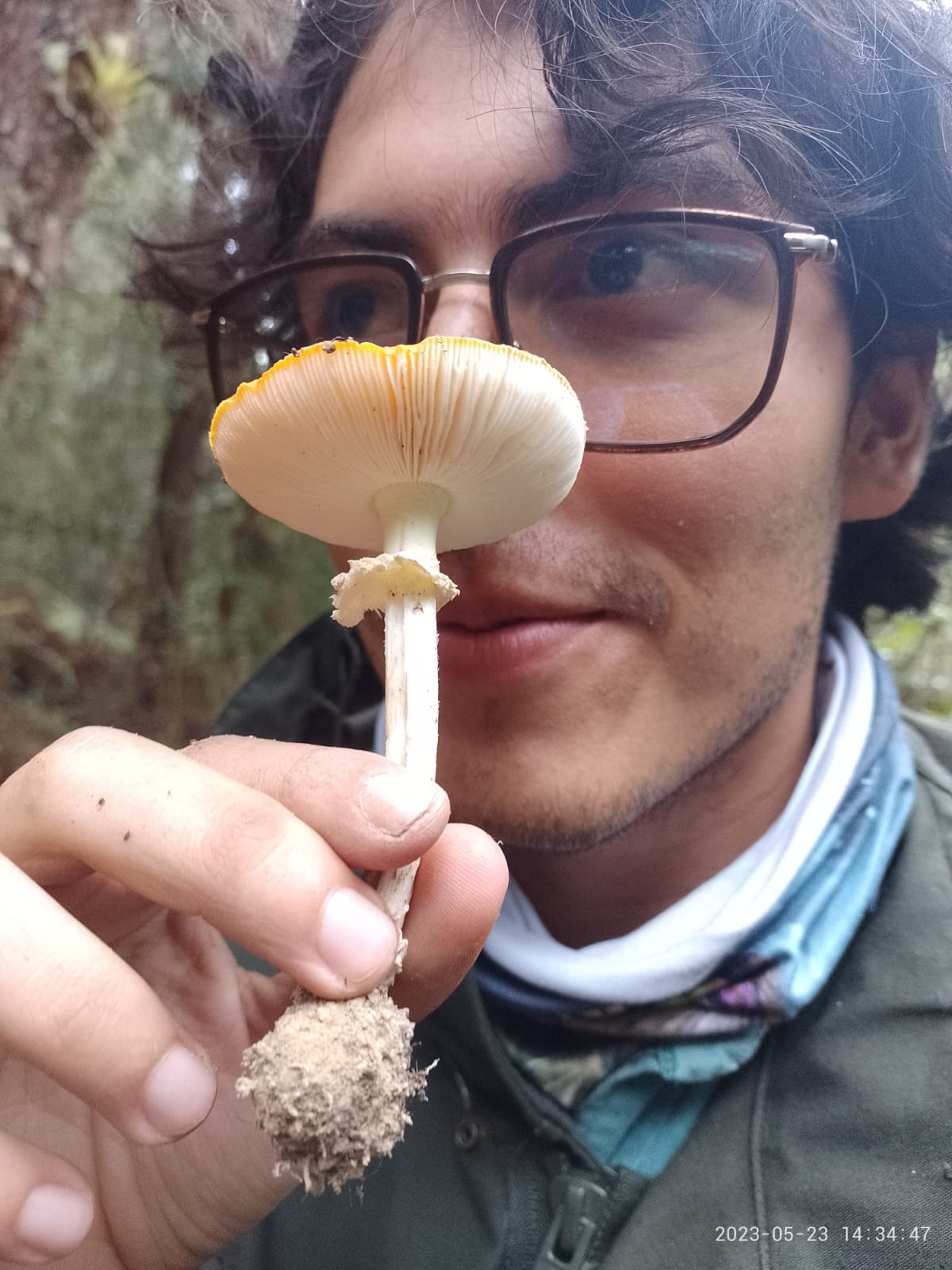
This project aims to describe new species of mycorrhizal fungi from the genera Lactarius and Lactifluus in black oak (Trigonobalanus excelsa) forests of Huila and Santander, Colombia. Through morphological analysis and multilocus sequencing, previously uncatalogued taxa will be mapped and identified in these relict and threatened ecosystems. The study's objectives align with forest propagation and conservation initiatives led by rural communities and universities, and therefore the research is being conducted in a participatory manner: members of peasant organizations, as well as other community actors, can participate in training sessions and the dissemination of results. The description of these new species is key to their protection, since formally naming them allows them to be included on red lists, facilitating their prioritization and enabling the design of more specific propagation trials for black oak by better understanding its mycorrhizal associations.
Photo by Maria Camila Bermúdez on Unsplash
Hongos ectomicorrízicos de los bosques tropicales de El Salvador y la península de Yucatán
El Salvador
2025
Hongos ectomicorrízicos de los bosques tropicales de El Salvador y la península de Yucatán
Julieta Alvarez-Manjarrez
El Salvador
Cohort:
2025
project abstract
Our project aims to explore the ectomycorrhizal fungal diversity from Yucatan Peninsula and El Salvador. Yucatan has been considered as one of the high endemic places around the globe and we want to sample all their different ecosystems to have better picture of what is leading to this incredible diversity. On the other hand, there are similar ecosystems in El Salvador but this country has been studied very scarcely, so this study will be the first on its type to describe its diversity and then compare it with data we have from other Neotropical places.
Photo by Alejandro Alas on Unsplash

Diversity and connectivity of AMF communities across a gradient of agricultural intensification and chemical fertilization in Pampean agroecosystems
Argentina
2026
Diversity and connectivity of AMF communities across a gradient of agricultural intensification and chemical fertilization in Pampean agroecosystems
Julieta Covelli
Argentina
Cohort:
2026
project abstract
Photo by Daniela Paola Alchapar on Unsplash

Characterisation of Arbuscular Mycorriza and Determination of Their Effect on Soil Nutrient and Growth Potential of Baobab
Malawi
2024
Characterisation of Arbuscular Mycorriza and Determination of Their Effect on Soil Nutrient and Growth Potential of Baobab
Kennedy Masamba
Malawi
Cohort:
2024
project abstract
Despite the important ecological functions played by arbuscular mycorrhizal fungi (AMF), few studies have been conducted on AMF associated with plant species particularly baobab in Malawi. Furthermore, the ecology under-which baobab thrives support limited number of tree species. This proposed study therefore seeks to explore the possible role of AMF on growth and establishment of baobab species within the selected ecological sites. The study will be conducted in Malawi in the following districts: Mangochi, Karonga and Salima. The study will comprise field soil sampling that will be done in collaboration with local communities followed by laboratory work. Field soil sampling will follow SPUNs standardized protocols and it is anticipated that atleast 30 soil samples will be collected. Laboratory work will involve DNA extraction, quantification, amplification as well as visualization of PCR products will locally be visualized using gel electrophoresis. Additionally, DNA will be sent to external laboratory for deep sequencing using oxford nanopore sequencing platform. The study will elucidate the genetic diversity of AMF associated with baobab and hence contribute towards biodiversity conservation strategies. Furthermore, the study will create awareness on the roles of AMF on baobab species and contributes towards the global science on AMF through publications and video clips.
Photo by Omar Hakeem on Unsplash

Mycorrhizal fungal communities in a restored semi-arid African rangeland
Kenya
2026
Mycorrhizal fungal communities in a restored semi-arid African rangeland
Kevin Mganga
Kenya
Cohort:
2026
project abstract
Photo by Pop & Zebra on Unsplash

Unveiling mycorrhizal associations of endemic species and native plant communities in Seychelles’ unique ecosystems
Seychelles
2024
Unveiling mycorrhizal associations of endemic species and native plant communities in Seychelles’ unique ecosystems
Laura Montano
Seychelles
Cohort:
2024
project abstract
The Seychelles is an archipelago comprising several unique and ecologically significant sites: Vallée de Mai on Praslin, home to the world’s largest intact coco de mer forest and five other endemic palm species; Aldabra Atoll, one of the world’s largest raised coral atolls with significant mangrove forests and seabird colonies; and Mahé, where the critically endangered jellyfish tree can be found. However, there is limited data on mycorrhiza in the soils of these ecosystems. Soil samples will be collected and analysed using metabarcoding, in collaboration with the University of Oxford, to investigate mycorrhizal associations in these key endemic plant species to understand their role in nutrient uptake and ecosystem dynamics. Specifically, this project aims to assess: a) mycorrhizal associations and their contribution to nutrient uptake in coco de mer trees that thrive in nutrient-poor soils; b) mycorrhizal associations with mangrove and terrestrial plants in seabird nutrient-enriched areas on Aldabra; and c) mycorrhizal associations with the jellyfish tree and their role in nutrient uptake.
Photo by Michaela Římáková on Unsplash

Metagenomics of Arbuscular Mycorrhizal Fungal (AMF) Diversity across the Niger Delta Swamp Forest of Nigeria
Nigeria
2026
Metagenomics of Arbuscular Mycorrhizal Fungal (AMF) Diversity across the Niger Delta Swamp Forest of Nigeria
Laura Nwogu-Chigozie
Nigeria
Cohort:
2026
project abstract
Arbuscular mycorrhizal fungi (AMF) are key soil microorganisms that enhance nutrient uptake, soil structure, and plant resilience, yet their diversity in Niger Delta swamp forest ecosystems remains poorly characterized. This study investigates the metagenomic diversity of AMF communities across the Niger Delta swamp forests of Nigeria. 35 soil samples will be collected from diverse swamp forest sites, to capture spatial and pollution-related variation. DNA extraction will be followed by PCR amplification and high-throughput sequencing at a SPUN-affiliated facility, targeting the 18S rRNA gene and ITS regions to assess AMF community composition, richness, and distribution in relation to soil physicochemical properties and oil pollution gradients. This approach will bypass culturing limitations to capture uncultured and rare AMF taxa, providing insights into ecosystem function and resilience. Findings are expected to identify native AMF taxa with bioremediation and plant-growth-promoting potential, supporting sustainable agriculture and land restoration in oil-impacted Niger Delta soils.
Kingsley Opurum, CC BY-SA 4.0 <https://creativecommons.org/licenses/by-sa/4.0>, via Wikimedia Commons
Are New Zealand farmers supporting mycorrhizal fungal abundance and diversity through mixed-species rotational grazing practices?
New Zealand
2025
Are New Zealand farmers supporting mycorrhizal fungal abundance and diversity through mixed-species rotational grazing practices?
Lauren Waller
New Zealand
Cohort:
2025
project abstract
Pastoral agriculture, especially when performed intensively and indiscriminitely, can diminish fungal communities through reductions in plant biomass and diversity. In contrast, mixed-species rotational grazing, a common practice on many New Zealand high country stations, can increase fungal diversity and abundance. By grazing species with different feeding preferences at different times, this approach can increase plant diversity and consequently support more fungi. This study will evaluate how this grazing practice influences fungal biomass, diversity, and species interaction network properties through it’s effects on plant community composition.
Photo by Scott Martin on Unsplash

Plant-Microbial Interactions in Miombo Woodlands
Zambia
2023
Plant-Microbial Interactions in Miombo Woodlands
Likulunga Emmanuel Likulunga
Zambia
Cohort:
2023
project abstract
The Miombo woodlands are tropical seasonal woodlands with extensive distribution in Africa, dominated by plant species belonging to the genera of Brachystegia, Isoberlinia and Julbernardia. The Miombo woodlands are economically important for timber production, firewood collection and provision of non-timber forest products among others. The Miombo woodlands are also significant for nutrient cycling due to their capability of forming symbiotic associations with microbes such as fungi. While microbes such as fungi are imperative for mediating ecosystem functions, the diversity and composition of these microbes in Miombo woodlands are poorly understood due to little or no knowledge availability. Further anthropogenic activities such as deforestation, coupled with global climate change, are threats to forest ecosystems with Miombo woodlands inclusive. Therefore, in our project we will explore soil and root associated fungal diversity and composition through fungal DNA barcoding in Miombo woodlands, integrating sites (unexplored for microbes) in Zambia showing variation in abiotic factors (e.g. climatic conditions and soil nutrient availability). The knowledge from this project will provide a better understanding on the interaction of Miombo woodland species with microbes, thereby contributing to sustainable management of these woodlands.

The roles of soil fungi and plant-mycorrhiza associations in stabilizing the Colombian treeline
Colombia
2023
The roles of soil fungi and plant-mycorrhiza associations in stabilizing the Colombian treeline
Lina Marcela Aragón Baquero
Colombia
Cohort:
2023
project abstract
We aim to understand the role that soil fungi and plant-mycorrhiza associations play in the stabilization of treeline in the Colombian Eastern Andes Cordillera. The ability of trees from high Andean forests to “migrate” and track suitable temperatures in a warming world may be limited by the absence of the right soil microorganisms and highly specific plant-mycorrhiza associations at higher elevations. To understand the role that each of these two factors plays in determining and stabilizing treeline, we will visit 10 sites around Bogotá city and, in each of them, collect soil and root samples along 3 transects spanning an altitudinal gradient from the High Andean Forest (~3,000 masl) into the Páramo (~3,400 masl) ecoregion. The high Andean Forest and the Páramo ecoregions are biodiversity hotspots severely threatened by climate change and pressures of multiple human activities such as agriculture, cattle farming, and urban development. These tropical montane ecosystems are also highly important as above- and below-ground carbon stocks and may serve as future “carbon refuges” if adequately preserved (Duque et al. 2021). Thanks to SPUN support, we will unveil if the absence of the right microorganisms in the soil will put the few remnants of the High Andean Forest in Colombia more at risk.
Photo by Niels van Altena on Unsplash

The role of Mycorrhizal fungi in Gazi's Community Managed Mangroves; a nature based solution to climate change adaptation
Kenya
2025
The role of Mycorrhizal fungi in Gazi's Community Managed Mangroves; a nature based solution to climate change adaptation
Linet Kiteresi
Kenya
Cohort:
2025
project abstract
Gazi Bay, located on Kenya’s southern coast, is a vital coastal ecosystem known for its extensive mangrove forests, seagrass meadows, and coral reefs. Home to all nine mangrove species found in Kenya, the area has been the focus of long-term conservation efforts and carbon monitoring initiatives. As a significant blue carbon sink, the mangroves provide ecological protection and socioeconomic benefits to local communities, including through carbon credit sales. Despite this, limited research has explored the role of Arbuscular Mycorrhizal Fungi (AMF) and Ectomycorrhizae (ECM) in carbon sequestration within these mangroves. This project aims to enhance understanding of AMF and ECM diversity and their contribution to carbon storage. Sampling will occur in the Mikoko Pamoja conservation area, and will include disturbed, undisturbed, regenerated, restored zones, in additional to 10 permanent monitoring plots—totaling 42 triplicate samples. By analyzing environmental DNA (eDNA) from sediment cores, the project seeks to reconstruct historical patterns in mycorrhizal community structure and relate them to environmental changes and management interventions. These insights are intended to support effective conservation strategies and reinforce the bay’s role in global blue carbon dynamics.
Photo by David Cashbaugh on Unsplash


