
Dynamic Map Instructions (Delete This)
Don't delete "cru-ncf"-elements
Style in Webflow, modify in Dynamic Map App
In case of an issue...
Important Links


Style Guide – hidden on live site (don't delete or hide)
CMS List Item
Filter Reset / Empty State
Pop-Up
Tooltip
Filter Address Search
Filter Chip
Map Location Pin
Underground explorers program
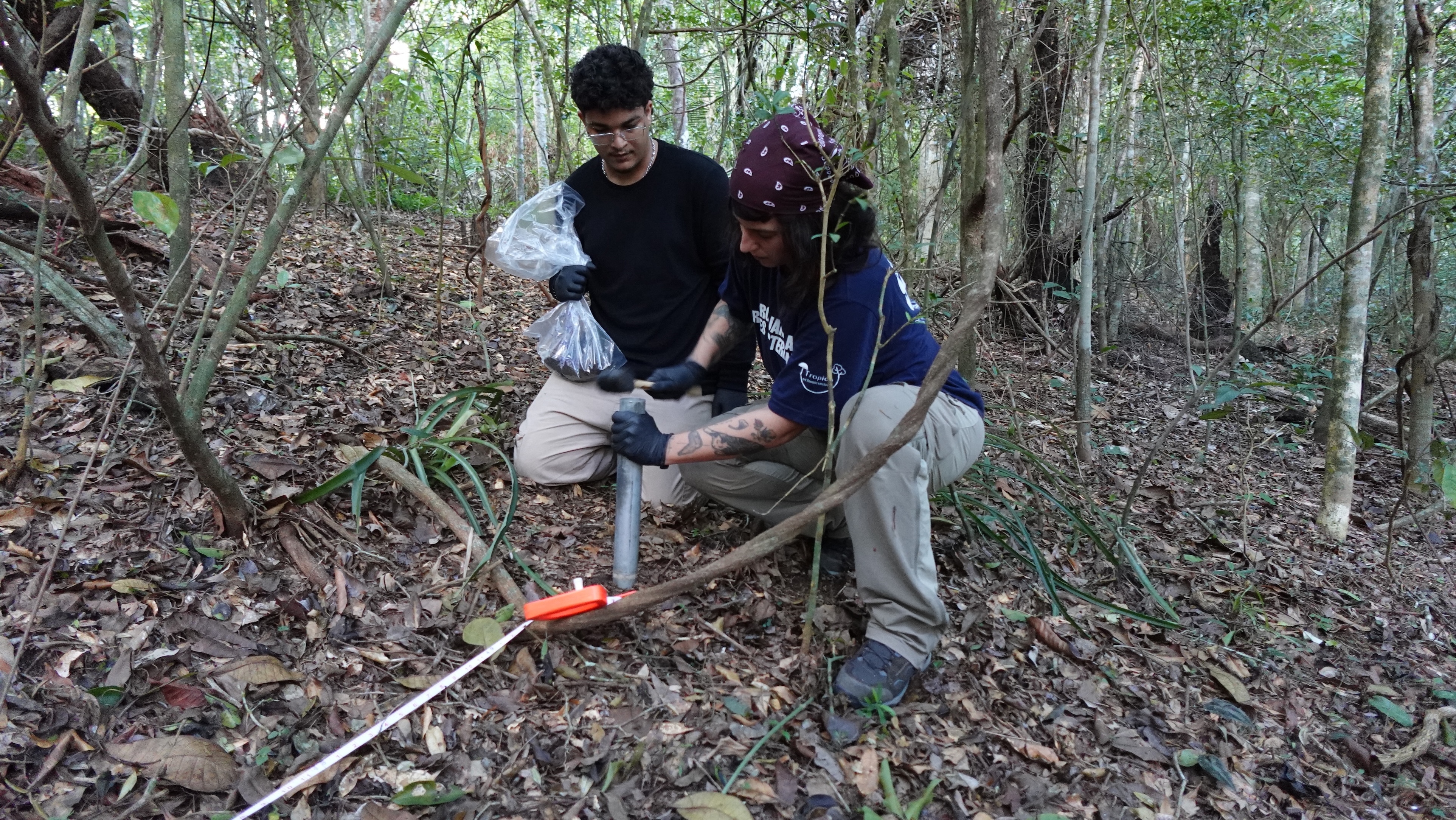
SPUN’s Underground Explorers Program ensures that research is driven by local researchers and communities. This model helps embed research within local contexts and culture. Underground Explorers define their research questions and determine how data are used and applied. SPUN provides funding, sequencing, and technical support. This program helps to:


Sample under-studied, hard-to-access ecosystems
Explorers are sampling and sequencing mycorrhizal communities to help close the fungal diversity knowledge gap. These samples will help grow SPUN's global maps of mycorrhizal diversity.
Connect researchers
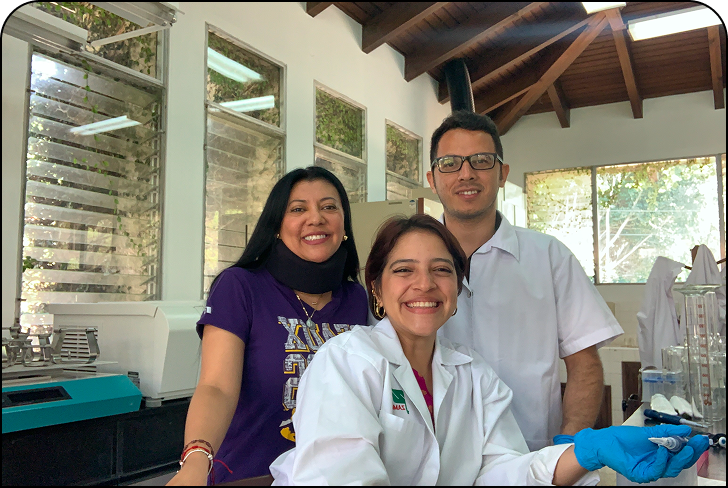
We are building a network of mycorrhizal researchers to share ideas, protocols, and findings within their local communities and across the globe.
Elevate voices
Through the Underground Explorers and Underground Advocates Programs, we aim to give a platform to communities who have been historically underrepresented in mycorrhizal research, publication, and science-based advocacy.




Comparative Analysis of Arbuscular Mycorrhizal Fungal Communities Across Diverse Forest types in Tenasserim-South Thailand between Wet and Dry Seasons
Thailand
2025

Comparative Analysis of Arbuscular Mycorrhizal Fungal Communities Across Diverse Forest types in Tenasserim-South Thailand between Wet and Dry Seasons
Lompong Klinnawee
Thailand
Cohort:
2025
project abstract
The Tenasserim region of Southern Thailand represents a critical biogeographical transition zone harboring unique flora and fauna assemblages, yet arbuscular mycorrhizal fungi (AMF) communities across its diverse forest ecosystems remain largely unexplored. This study aims to characterize AMF community composition and diversity across three distinct forest types: lowland evergreen forest, coastal sand dune forest, and mixed forest ecosystems, investigating seasonal variations between wet and dry seasons. Soil samples (n=48) will be collected from four protected areas during July and February, with AMF communities characterized through paired-end amplicon sequencing of the small subunit ribosomal DNA region using the Illumina NovaSeq6000 platform. We hypothesize that AMF community composition differs significantly across forest types, with highest diversity in mixed forests due to heterogeneous environmental conditions, and that seasonal variations significantly influence community structure with greater richness during wet seasons. This research will provide the first comprehensive baseline data on AMF diversity in the Tenasserim region, essential for conservation strategies of mycoheterotrophic plants including rare orchids and endangered species. The identification of native AMF strains will contribute to sustainable agriculture through biofertilizer development while advancing understanding of tropical forest ecology and mycorrhizal biogeography in Southeast Asia.
Photo by Hannah Tims on Unsplash

Study of ectomycorrhizal fungal communities in the miombo woodland in relation to their host trees (Democratic Republic of Congo)
The Democratic Republic of Congo
2025
Study of ectomycorrhizal fungal communities in the miombo woodland in relation to their host trees (Democratic Republic of Congo)
Longanga Rachel
The Democratic Republic of Congo
Cohort:
2025
project abstract
Despite the importance of ectomycorrhizal associations in facilitating the mineral uptake of poor soils and improving forest productivity, there is very little interest in them in management programs for tropical forest ecosystems in the Haut-Katanga region of the Democratic Republic of Congo, as the diversity of fungi at the origin of these associations is still unknown. This project will shed light on ectomycorrhizal fungal diversity and establish a list of the region's fungi and their host trees. At the end of the research that will be carried out, we expect different fungal communities depending on the type of forest (Miombo, Muhulu, Mushitu) due to different environmental conditions.
Photo by Trésor Kande on Unsplash

Mapping the role of mycorrhizal fungi in microplastic pollution—a nano-to-landscape scale assessment
USA
2025
Mapping the role of mycorrhizal fungi in microplastic pollution—a nano-to-landscape scale assessment
Louis Berrios
USA
Cohort:
2025
project abstract
A relic of California's past and part of the so-called Galápagos of North America, Santa Cruz Island (SCI) of the Channel Islands is home to diverse flora and fauna that inhabit varied vegetation habitats. Though several studies have investigated the island's aboveground population dynamics, few studies have explored the underground soil microbial communities – and recent reports have shown that the waters surrounding the island are polluted with microplastics, which may disperse via sea spray and endanger plant and soil communities. In light of this information, it is important to determine whether microplastics impact terrestrial plant and soil communities. To this end, our team will sample soils from diverse habitats that span elevational gradients and profile their microplastic and microbial community composition. This study will therefore detail how soil microbial communities change across various abiotic and biotic factors, providing not only a detailed inventory of microbial community responses to microclimate changes but also the first glimpse of microplastic dispersal potential from sea-to-land transitions.
Photo by Mc Jefferson Agloro on Unsplash
Unveiling the hidden symbiosis: the unexplored ecological and evolutionary diversity of Glomeromycota in the dry and humid forests of the Yucatán Peninsula
Mexico
2026
Unveiling the hidden symbiosis: the unexplored ecological and evolutionary diversity of Glomeromycota in the dry and humid forests of the Yucatán Peninsula
Luis Alberto Lara-Pérez
Mexico
Cohort:
2026
project abstract
Photo by Jorge Zapata on Unsplash

From páramos to savannas and sea with mycorrhizal fungi
Colombia
2023
From páramos to savannas and sea with mycorrhizal fungi
Luis Daniel Prada Salcedo
Colombia
Cohort:
2023
project abstract
This project focuses on Colombia, which ranks as the second most biodiverse country in the world but remains less explored in terms of underground communities. Colombia’s high biodiversity can be attributed to its unique geographic location and topography. This SPUN expedition explores different ecoregions by collecting soil samples in two sampling transects, ranging from highlands (moorlands, 3,000 m.a.s.l) through mid-altitudes, lowlands, and down to sea level. This expedition will encompass various ecoregions: Páramo, montane forests (bosque andino), llanos (tropical savannas), and the Caribbean coast.
The two distinct transects cover diverse environmental conditions and vegetation types that, with the help of different local communities, will enable us to uncover the fungal biodiversity in Colombia. The expedition faces challenges due to the difficult topography, limited routes, and necessary permissions for accessing some locations. However, overcoming these obstacles could lead to the discovery of novel mycorrhizal species and enhance our understanding of ecology and plant-mycorrhizal interactions.
In general, exploring these ecoregions will provide a more precise and realistic representation of underground resources worldwide. Similarly, at the local level, the expedition will empower local communities, stakeholders, and authorities to understand the significance of their natural resources and initiate initiatives for conservation, monitoring, and restoration
Photo by Fernanda Fierro on Unsplash

Investigating the Occurrence and Variability of Arbuscular Mycorrhizal Fungi in the Arid Grasslands of Masai in the Lowlands of Lake Turkana, Kenya.
Kenya
2023
Investigating the Occurrence and Variability of Arbuscular Mycorrhizal Fungi in the Arid Grasslands of Masai in the Lowlands of Lake Turkana, Kenya.
Lukelysia Nyawira Mwangi
Kenya
Cohort:
2023
project abstract
My research proposal focuses on investigating the presence and variability of arbuscular mycorrhizal fungi (AMF) within the arid grasslands of Masai, situated in the lowlands of Lake Turkana, Kenya. The area comprises a distinctive ecological zone characterized by vast expanses of open grassy terrain and minimal tree cover. The average temperatures in the region can soar above 30°C (86°F) during the hottest months, with occasional peaks reaching even higher. Rainfall in this arid environment is sparse, often falling below 300mm, resulting in limited vegetation and water resources. The grasslands are inhabited by a range of hardy plant species adapted to arid conditions, and they provide vital grazing grounds for indigenous wildlife, including herbivores and migratory species. The region's unique climate and topography create an environment where mycorrhizal fungi could play a crucial role in supporting plants' health and productivity, making it an intriguing focal point for ecological research.
This study aims to quantitatively assess AMF species, compare their community composition across diverse geographical sites and habitats, evaluate their impact on plant productivity, and identify key factors influencing AMF community distribution. Employing a combination of soil sampling, DNA extraction, PCR, sequencing, statistical analysis, and mapping.
Photo by Damian Patkowski on Unsplash


Unraveling Soil Fungal Communities in the Western Ghats, India: Conservation Implications and Future Directions
India
2023
Unraveling Soil Fungal Communities in the Western Ghats, India: Conservation Implications and Future Directions
Manikandan Ariyan
India
Cohort:
2023
project abstract
The Western Ghats of India are of tremendous global importance for biodiversity protection and are areas of significant geological, cultural, and aesthetic worth. It is a mountain range that runs parallel to the western coast of India, stretching approximately 1,600 kilometers (990 miles) from Gujarat in the north to Tamil Nadu and Kerala in the south. The Western Ghats mountain system, which is older than the Himalayas, contains geomorphic features of tremendous importance and distinct biophysical and biological processes. The high mountain forest ecosystems at the site impact the Indian monsoon weather pattern. The site, which moderates the region's tropical climate, is one of the outstanding examples of the world's monsoon system. It also boasts a high level of biological diversity and endemism and is considered one of the world's eight 'hottest hotspots' of biological diversity. The site's woodlands contain some of the best examples of non-equatorial tropical evergreen forests and at least 325 species of globally threatened flora, fauna, bird, amphibians, reptile, and fish. Metabarcoding approaches will enable a comprehensive assessment of the soil fungal communities in the Western Ghats, India, allowing for unraveling the intricate and diverse fungal assemblages in this region. The findings will demonstrate significant associations between soil fungal diversity and environmental variables, highlighting the impact of factors such as altitude, land use practices, and soil characteristics on fungal community composition. This research will contribute to the conservation implications and future directions for protecting the unique fungal diversity of the Western Ghats, aiding in the development of effective conservation strategies for this under-explored region.
Photo by Smaran Alva on Unsplash

Climate and Land-Use Drivers of Arbuscular Mycorrhizal Fungal Diversity in the Undersampled Indo-Gangetic Plains Agroecosystem
India
2026
Climate and Land-Use Drivers of Arbuscular Mycorrhizal Fungal Diversity in the Undersampled Indo-Gangetic Plains Agroecosystem
Manju Gupta
India
Cohort:
2026
project abstract
The Indo-Gangetic Plains are among the world's most important agricultural regions yet remain a major gap in global knowledge of arbuscular mycorrhizal fungal diversity. This project will investigate the effects of irrigation intensity, soil salinity, and land-use on AMF communities across agricultural landscapes in Sonipat district, Haryana, India. Soil samples representing semi-natural vegetation, irrigated croplands, and stress-affected fields will be analyzed using high-throughput sequencing of the AMF SSU rRNA region amplified with WANDA/AML2 primers. Environmental variables, including soil physicochemical properties, will be integrated with microbial diversity data to identify key drivers of AMF community structure. Machine-learning approaches will be used to predict environmental conditions supporting beneficial microbial communities. The study will generate the first AMF baseline for the IGP and contribute critical data to global mycorrhizal biodiversity initiatives.
Photo by Chrysanthi Ha on Unsplash

Diversity of arbuscular mycorrhizal fungi in agroecosystems established in Andisol soils of Caldas, Colombia
Colombia
2024
Diversity of arbuscular mycorrhizal fungi in agroecosystems established in Andisol soils of Caldas, Colombia
Marcelo Betancur Agudelo
Colombia
Cohort:
2024
project abstract
The project Diversity of arbuscular mycorrhizal fungi in agroecosystems established in Andisol soils of the department of Caldas, Colombia, explores soils from coffee farms in three municipalities with volcanic soils; Working together with the coffee growers who own the farms and university students, it is expected, in addition to knowing the diversity of mycorrhizae with metabarcording techniques, it is expected to see how AMF can relate to the availability of phosphorus in these agroecosystems, which are known for their high fixation and high expenses on fertilizer inputs.

The underground path to forest recovery: linking plant and soil composition in recovering forests of the Ecuadorian Chocó
Ecuador
2026
The underground path to forest recovery: linking plant and soil composition in recovering forests of the Ecuadorian Chocó
Mareli Sanchez Julia
Ecuador
Cohort:
2026
project abstract

How are mycorrhizae communities distributed in the mangrove, restinga, and forest on Santa Catarina Island?
Brazil
2023
How are mycorrhizae communities distributed in the mangrove, restinga, and forest on Santa Catarina Island?
Maria Alice Neves
Brazil
Cohort:
2023
project abstract
Santa Catarina Island, in southern Brazil, is covered with Atlantic Forest and has mangroves and restinga that act as buffers between the ocean and rainforest. The goals of this project are to understand how many taxa of mycorrhizal fungi are shared between the restinga and forest and to investigate the presence of mycorrhizae in the mangroves. Several woody species grow in the harsh conditions of the restinga, and a few of these also grow in the adjacent forest. These plants often have different habits, such as shrubs in the restinga and tall trees in the forest. Mangroves have their own distinct flora with species that are mostly restricted to this environment. We propose two hypotheses: 1) the community of ectomycorrhizal fungi in the restinga soil is similar to that in the forest; and 2) the diversity of ectomycorrhizal fungi in the mangroves is low. The mangroves and restinga are threatened due to climate change and real estate development. Another problem on the island is the spread of exotic Pinus and Eucalyptus species that were introduced. It is unknown how the local fungi communities are affected by the exotic fungi that were introduced with these plants. Knowing the soil fungal communities will allow us to better understand the effects of the invasive species on native plants and to select potential native taxa to be used in restoration projects.
We will promote events open to the public so local communities and students can be involved. For example, the Rick Foray and EctoSul will include field expeditions and talks that emphasize the importance of fungi in the soil. We will also teach participants how to look for ectomycorrhizal mushrooms and recognize and collect ectomycorrhizae in the field, as well as show them root tips with mycorrhizae using dissecting microscopes.
Mycorrhizal communities associated with ferns as indicators of successional gradients and ecological maturity in subtropical forest environments.
Argentina
2026
Mycorrhizal communities associated with ferns as indicators of successional gradients and ecological maturity in subtropical forest environments.
Maria Victoria Vignale
Argentina
Cohort:
2026
project abstract
Photo by Lucia Durdos on Unsplash

DIVERSIDAD DE HONGOS FORMADORES DE MICORRIZAS ARBUSCULARES EN LOS BOSQUES DE CALDÉN PRESENTES EN EL ESPINAL DE LA PAMPA, ARGENTINA.
Argentina
2023
DIVERSIDAD DE HONGOS FORMADORES DE MICORRIZAS ARBUSCULARES EN LOS BOSQUES DE CALDÉN PRESENTES EN EL ESPINAL DE LA PAMPA, ARGENTINA.
Mariela Lis Ambrosino
Argentina
Cohort:
2023
project abstract
In Argentina, the Espinal is characterized by the presence of deciduous xerophytic forests that rarely exceed 10 meters in height. Within this ecoregion, the Caldén District is constituted of an open forest where the dominant species is Neltuma caldenia (Burkart) C.E. Hughes & G.P. Lewis (caldén). More than 90 endemic plant species and 50 species of medicinal plants are part of this unique ecosystem in the world. Over the last 150 years, there has been an increase in shrub cover in different areas. Extensive cattle grazing with high pressure, forest fires, tree felling, and climate change are associated with vegetation cover loss, soil erosion, and aridification processes. Different management practices are performed in La Pampa to restore the caldén forests, recover their biodiversity, and their potential as providers of ecosystem services.
The study of arbuscular mycorrhizal fungi diversity will contribute to understanding the ecological role of these microorganisms in the restoration of degraded areas. Additionally, it will allow the establishment of relationships between fungi and caldenal plant species, enhancing the integration of mycotrophic plants and contributing to the development and survival of plant species in these semiarid environments.
Photo by Luciano Oldecop on Unsplash

Understanding symbiotic interactions for agroecosystems ecological intensification and restoration of Pampean landscapes
Argentina
2023
Understanding symbiotic interactions for agroecosystems ecological intensification and restoration of Pampean landscapes
Marina Omacini
Argentina
Cohort:
2023
project abstract
Pampa grasslands originally covered nearly 400,000 square kilometers of fertile plains in Argentina, and today are deeply reduced and threatened by agriculture, fragmentation and invasive plants. Understanding the impact of current activities on the soil biota is crucial for rethinking the management of these grasslands. Our goal is to characterize AMF communities across a gradient of agriculture intensification, spanning from native Pampean grasslands used for extensive husbandry to highly intensified soybean fields. Project outcomes will help design multifunctional landscapes that balance agriculture, conservation and ecosystem services to enhance crop/livestock production while promoting biodiversity.
Kwakwaka'wakw Cultural Keystone Mycology
Canada
2026
Kwakwaka'wakw Cultural Keystone Mycology
Mark Worthing
Canada
Cohort:
2026
project abstract
Photo by James Wheeler on Unsplash
Arbuscular Mycorrhizal Fungi in Extreme and Contaminated High-Andean Mining Landscapes: Diversity, Plant Associations and Implications for Ecosystem Restoration.
Argentina
2026
Arbuscular Mycorrhizal Fungi in Extreme and Contaminated High-Andean Mining Landscapes: Diversity, Plant Associations and Implications for Ecosystem Restoration.
Matias Alberto Gonzalez
Argentina
Cohort:
2026
project abstract
Our project will investigate arbuscular mycorrhizal fungal (AMF) communities associated with native plants in mining-impacted environments of the Andean Puna of northwestern Argentina, focusing on the La Concordia mine near San Antonio de los Cobres, Salta. We hypothesize that AMF diversity and community composition vary along gradients of metal contamination and environmental stress, with mining-impacted sites favoring stress-tolerant taxa and specific plant-fungus associations that enhance plant establishment and survival. By characterizing these belowground communities, the project will generate information on AMF diversity, composition, and plant-fungus associations in mine tailings of the Andean Puna. The results will advance understanding of mycorrhizal symbioses under extreme environmental conditions and identify native plant-fungus associations with potential for nature-based restoration and revegetation. Ultimately, this knowledge may contribute to strategies for soil stabilization, reduced contaminant mobilization, and improved protection of soil and water resources in mining-impacted landscapes.
R. MARIO, CC BY-SA 4.0 <https://creativecommons.org/licenses/by-sa/4.0>, via Wikimedia Commons

Investigating the threats chytrid fungi pose to arbuscular mycorrhizal fungi (AMF) along the eastern U.S. barrier islands and in AMF living collections
USA
2023
Investigating the threats chytrid fungi pose to arbuscular mycorrhizal fungi (AMF) along the eastern U.S. barrier islands and in AMF living collections
Matt Kasson
USA
Cohort:
2023
project abstract
Despite extensive ECM and AMF sampling across North America, unsampled ecoregions persist, especially the coastal regions along the Atlantic, Pacific and Arctic oceans. One of the unique landforms that comprise these under sampled coastal ecoregions particularly in the Eastern U.S. are barrier islands, which support coastal dune plant communities. Despite many U.S. barrier islands containing federally protected public lands, these islands have experienced significant coastal erosion because of sea level rise and storm surge. As such, the plant and mycorrhizal communities they support are quite vulnerable. In addition to abiotic factors that are threatening these mycorrhizal communities, chytrid fungi may also pose real threats to mycorrhizal networks, particularly in poorly drained plant communities common across the Mid-Atlantic Coastal Plain ecoregion. Our project aims to uncover the diversity of AMF communities across the eastern U.S. barrier islands and their associated chytrid communities to better understand the contemporary threats mycorrhizal communities face in a wetter, warmer world.
Photo by Jason Pischke on Unsplash

Characterizing AMF communities in soils and roots across elevation gradients in global biodiversity hotspot
India
2023
Characterizing AMF communities in soils and roots across elevation gradients in global biodiversity hotspot
Meghna Krishnadas
India
Cohort:
2023
project abstract
Discerning how climate drives the composition of Arbuscular Mycorrhizal Fungi is essential in mountains where change in elevation corresponds with prominent abiotic shifts across relatively small spatial scales. From low to high elevations, conditions become cooler and drier (mean temperature and precipitation decreases) which can drive the distribution of AMF in soil and how they associate with host plants. To better grasp the ecological role of AMF in different abiotic contexts, we also need to understand how AMF associate with host plants across abiotic gradients. This study will uncover the drivers of AMF diversity and composition across an elevation gradient in the South Western Ghats, part of a global biodiversity hotspot with high diversity and endemism of plant species. We will document AMF in the soil and record root-associated AMF for six tree species—two with wide elevation range and two each restricted to higher and lower elevations. This data will offer the first documentation of mycorrhizal diversity for this region and pave the way for in-depth assessments of how plant-fungal interactions will respond to global environmental change.
Photo by Vivek Kumar on Unsplash

Mycorrhizal diversity in dry Monte of Argentina (MYMO)
Argentina
2023
Mycorrhizal diversity in dry Monte of Argentina (MYMO)
Mélanie Roy
Argentina
Cohort:
2023
project abstract
Our project aims at sampling the fungal and mycorrhizal diversity in the foothills of the Andes in Argentina, where dry and shrubby vegetation occur – the Monte. With our team, including landscape ecologists, mycorrhizal experts, and students, we will target patches of Monte from Mendoza to the North of Argentina. Interestingly, these patches surround the viticultural regions of Argentina, and start to be considered as a major niche for biodiversity at a landscape level, becoming a pillar of sustainable agriculture. The Monte is also a habitat where many medicinal plants occur, and where local communities already care for plants and soils. We will discuss the sampling and results with local communities and winemakers to reinforce soil conservation, in the Monte and their landscape, and learn more about the high diversity of AMF already observed from our preliminary results. We expect to find a higher diversity closer to the Andes, where landscapes are more continuous. We also expect to learn about the traditional relationship to soil conservation in the Andes, and its potential impact on fungal diversity. This project will add crucial data to maps of fungal diversity in Argentina, targeting the driest habitats where underground fungi have so far never been explored.
Photo by Hector Ramon Perez on Unsplash

Investigating Mycorrhizal Fungal Diversity in Zambales Mountain Range, Luzon, Philippines
Philippines
2025
Investigating Mycorrhizal Fungal Diversity in Zambales Mountain Range, Luzon, Philippines
Melissa Pecundo
Philippines
Cohort:
2025
project abstract
Mount (Mt.) Tapulao in the Zambales Mountain Range is a Key Biodiversity Area in Luzon, Philippines, with diverse ecosystems ranging from lowland dipterocarp to sub-alpine forests. While its flora and fauna are relatively well-documented, the diversity and ecological role of mycorrhizal fungi remain largely unexplored. This research project aims to investigate the diversity, composition, and ecological drivers of mycorrhizal fungi across five elevational forest zones in Mt. Tapulao. The study hypothesizes that mycorrhizal diversity varies with elevation, soil properties, and host tree diversity. Soil samples will be collected and analyzed using DNA metabarcoding of the ITS region. Results will be analyzed to explore ecological interactions and inform conservation planning. Findings will serve as a baseline for conservation and restoration initiatives in the Philippines, particularly in Mt. Tapulao and other key biodiversity areas affected by tourism and mining. Community engagement will include a capacity-building workshop with local stakeholders, including indigenous Aeta communities and science educators, to raise awareness and share practical knowledge on mycorrhizal biodiversity. Project outputs will include peer-reviewed publications, local and international conference presentations, and educational materials (e.g., videos or poster) designed to promote fungal conservation and forest health in the Philippines.
Photo by Gabriel Banzon on Unsplash

A metagenomic survey of fungal microbial communities associated with arboreal bear dens on Vancouver Island and Haida Gwaii
Canada
2024
A metagenomic survey of fungal microbial communities associated with arboreal bear dens on Vancouver Island and Haida Gwaii
Miranda Hart
Canada
Cohort:
2024
project abstract
The ancient temperate rainforests of Vancouver Island and Haida Gwaii (BC, Canada) are part of the Coastal Western Hemlock biogeoclimatic zone, in which Western Redcedar and Western Hemlock trees dominate. These coastal rainforests produce trees that can live over 1,000 years and measure up to 5 metres in diameter. Black bears in these forests commonly use hollow trees for denning, but large hollow trees are generally removed during forest harvesting operations, leaving few suitable options after forest harvesting. Given the relatively short harvest schedule of forests in BC, there is little opportunity for such bear dens to persist, or develop in future forests. Understanding the ecological conditions necessary to create suitable arboreal bear dens is critical to sustainable bear management in BC. This project represents the first molecular characterization of the wood decay fungi responsible for creating cavities suitable for denning. Knowing the identity and distribution of the microbes responsible for this process is step one in being able to predict, protect and create the conditions needed for the survival of arboreal bear dens in BC, and the bears that rely on them.
Photo by Mathijs Deerenberg on Unsplash

Assessment and Utilization of Mycorrhizal Fungal for the Conservation and Restoration of the Sacred Forest of the Western Highlands
Cameroon
2024
Assessment and Utilization of Mycorrhizal Fungal for the Conservation and Restoration of the Sacred Forest of the Western Highlands
Moforcha Lilian Zemenjuh
Cameroon
Cohort:
2024
project abstract
Mycorrhiza networks are fundamental to forest organization because they create favorable conditions for tree growth and establishment. The study sites are located in the Western Highlands of Cameroon on a surface area of 13.890 km at an altitude of 2000 masl. The sacred forests are found in the department of Bambouto. Batcham district harbors Mbing Mekoup forest while Bamendjinda and Bamendjo forests are situated at Mbouda district. Mbing Mekoup is an independent sacred forest away from the chief residence established on slope and valleys with rocky levelling in some places and relief marked by interfluves to steep slopes, plateaus and plains. It has an area of 27.7 ha. Bamendjinda forest with an area of 4.2 ha is marked by a flat slope partly surrounded Eucalyptus. Bamendjo sacred forest is located on a gentle slope with a relatively closed canopy measuring a surface area of about 1.8 ha with a cool and humid climate. This is a mountain climate “Cameroonian” characterized by a short dry season of 4 months (mid-November to mid-March) and a long rainy season of 8 months (mid-March to mid-November characterized by low and constant temperatures due to the high altitude. The sacred forests protected at all times, are considered as the only witnesses of the forest element in the zones where agricultural exploitation is growing. Nevertheless, they are subjected to intense human pressure which can pave way to complete disappearance. The vegetation types comprise of closed canopy wet and dry forests and open woodlands with variety of soil types. The sacred forest conservation groups own tree nurseries for agroforestry, restoration, and business with very little success rate. Using SPUN protocol, the members of the team will collect 30 soil samples evenly across the sacred forest from distinct points and 30 fruiting bodies according to its availability in each site. The ITS region of the DNA and high-throughput sequencing technique of the Illumina MiSeq metabarcoding on nuclear ribosomal ITS2 region will be done. Data from this study will help nursery managers to reduce seedling loss and will guide them to produce healthy seedlings for better survival at establishment. Awareness creation will be done with community nursery groups on the role of mycorrhiza in ecosystem functions and semi-structured questionnaires will be used to evaluate management of seedlings from seedling managers. At the end, the mycorrhizal status of seedlings from four nurseries will be inoculated and planted near the sacred forest degraded landscape to improve rate of survival of seedlings.
Photo by Edouard TAMBA on Unsplash
Exploring Mycorrhizal Communities of Picea schrenkiana Forests in Central Asian Mountains
Kazakhstan
2026
Exploring Mycorrhizal Communities of Picea schrenkiana Forests in Central Asian Mountains
Moldir Zhumagulova
Kazakhstan
Cohort:
2026
project abstract
Photo by GWANGJIN GO on Unsplash

Mapping Belowground Fungal Diversity and Mycorrhizal Networks in the Indus Valley Desert Ecosystem of Pakistan
Pakistan
2026
Mapping Belowground Fungal Diversity and Mycorrhizal Networks in the Indus Valley Desert Ecosystem of Pakistan
Muhammad Asif
Pakistan
Cohort:
2026
project abstract
Photo by Dessidre Fleming on Unsplash

Could native woody plant species facilitate the invasion of non-native congeneric plants mediated by ectomycorrhizal symbionts?
Argentina
2022
Could native woody plant species facilitate the invasion of non-native congeneric plants mediated by ectomycorrhizal symbionts?
Nahuel Policelli
Argentina
Cohort:
2022
project abstract
The goal of this project is to understand whether non-native invasive plants are able to successfully displace native congeners by interacting with their native obligate symbionts: ectomycorrhizal fungi. The project will take place in the eastern region of Patagonia, Argentina, a steppe ecosystem, dominated by xerophytic herbaceous and shrubby plants. Even when the steppe is the dominant ecosystem in the southern cone of South America, belowground studies in Patagonia drylands are underrepresented compared to Andean temperate forests. We will sample soil under native and non-native invasive riparian populations of Salix spp. (willows). These tree species are the only ectomycorrhizal hosts in this habitat, which constitutes the limit of their southern distribution, where mutualisms are expected to be key for their establishment and survival. Studying whether invasive plant species can interact with native fungi and the potential changes in the native fungal community driven by invasions, will shed light into previously overlooked belowground impacts of plant invasions in the steppe and open new management possibilities, helping to prevent economic and biodiversity losses. We will actively work with local stakeholders, the private sector, and local and native communities, increasing the awareness of the fungal component of invasions and encouraging them to get involved in the idea that fungi can also be invasive and that we need to protect native funga from degradation.
Photo by Diego Jimenez on Unsplash
Study of the Mycorrhizal Diversity Associated with Wild Grapevine (Vitis vinifera var. sylvestris) in Georgia
Georgia
2025
Study of the Mycorrhizal Diversity Associated with Wild Grapevine (Vitis vinifera var. sylvestris) in Georgia
Nana Bitsadze
Georgia
Cohort:
2025
project abstract
Wild grapevine (Vitis vinifera var. sylvestris), the ancestor of cultivated grapevine, is distributed across diverse ecosystems of Georgia. These plants form symbiotic associations with arbuscular mycorrhizal fungi (AMF), which enhance nutrient uptake and increase stress tolerance. The diversity of AMF associated with wild grapevine in Georgia has not yet been studied.The project aims to investigate the mycorrhizal diversity of wild grapevine (Vitis vinifera var. sylvestris) in different ecoregions of Georgia using modern molecular biology methods and in collaboration with international colleagues.
Photo by Mike Swigunski on Unsplash

Assessing the Impact of Diverse Land-Uses on Arbuscular Mycorrhizal Communities in the Gulf of Urabá
Colombia
2024
Assessing the Impact of Diverse Land-Uses on Arbuscular Mycorrhizal Communities in the Gulf of Urabá
Nancy Johanna Pino Rodríguez
Colombia
Cohort:
2024
project abstract
This project aims to investigate how different land uses in the Gulf of Urabá affect arbuscular mycorrhizal fungi (AMF) communities. The region’s diverse landscapes, ranging from mangrove forests to rainforests, face threats from deforestation, agriculture, urbanization, and pollution. By studying these impacts across varied locations—including agricultural zones, urban gardens, and conservation areas—the project seeks to understand the health of microbial communities, soil quality, and vegetation. The goal is to provide insights for sustainable management and conservation strategies. It is hypothesized that AMF diversity and abundance are lower in areas with intensive agriculture and increase toward conservation areas. This suggests a gradient effect where agricultural practices negatively impact beneficial soil fungi while promoting harmful microorganisms. The hypothesis highlights the significance of AMF in soil health and their potential use as bioindicators. The project will promote ecosystem sustainability, biodiversity conservation, and climate change mitigation in the Gulf of Urabá. It aims to enhance local awareness and capacity for sustainable land management through educational initiatives.

BENEATH THE STEPPE: UNDERSTANDING FUNGAL RESPONSES TO HYDROCARBON CONTAMINATION IN PATAGONIA
Argentina
2026
BENEATH THE STEPPE: UNDERSTANDING FUNGAL RESPONSES TO HYDROCARBON CONTAMINATION IN PATAGONIA
Nati Fernández
Argentina
Cohort:
2026
project abstract
Beneath the Steppe investigates how hydrocarbon contamination alters soil and root-associated fungal communities in the Patagonian steppe, an ecologically important but underrepresented semi-arid ecosystem. The project will compare sites along a contamination gradient, from uncontaminated soils to areas with low, medium, and high oil pollution. Using standardized soil and root sampling, mycorrhizal assessments, soil physicochemical analyses, and Illumina sequencing of fungal communities, we will identify changes in fungal diversity, composition, and ecological guilds. Particular attention will be given to native mycorrhizal fungi that persist under contamination and may serve as bioindicators or contribute to bioremediation. The results will support ecosystem monitoring, restoration, and more sustainable land-management strategies in hydrocarbon-affected Patagonian landscapes. The project also includes collaboration with local landowners, public outreach, scientific training, and measures to protect wildlife and promote the recovery of the contaminated site.
Photo by Miranda Salzgeber on Unsplash

Chinchaysuyu kallamp community: Navigating mycorrhizal community stewardship of Biocultural Andes, Chichupampa Clan, Cotacachi, Imbabura, Ecuador
Ecuador
2024
Chinchaysuyu kallamp community: Navigating mycorrhizal community stewardship of Biocultural Andes, Chichupampa Clan, Cotacachi, Imbabura, Ecuador
Nawi Flores
Ecuador
Cohort:
2024
project abstract
As an underground explorer, Nkwi aims to pilot an Indigenous R&D governance framework and Indigenous research methodology, elucidating the relationship between the stewardship of native mycorrhizal communities in bioculture-designed Andean agroecology systems and who gets to ask research questions and define research findings. This pilot research is conducted at Kinray Hub, Living Systems Lab, within the Chichupampa Clan territory in the Cotacachi Andes, Imbabura, Ecuador. Through this work, we seek to develop an evolved form of the dichotomies of 'conservation' vs. adaptation and mitigation by strengthening the scientific agency and processes of Indigenous communities to safeguard and improve their bioculture-designed agroecology systems and soil health stewardship, challenging current "hyper-object" creation of "Traditional Ecology Knowledge on Western conservation.
Photo by darlex david on Unsplash

Mycorrhizal Diversity Associated with the Endemic Oak Quercus macdougallii in Oaxaca, Mexico
Mexico
2024
Mycorrhizal Diversity Associated with the Endemic Oak Quercus macdougallii in Oaxaca, Mexico
Nelly Jazmín Pacheco Cruz
Mexico
Cohort:
2024
project abstract
This project aims to explore mycorrhizal fungi associated with Quercus macdougallii, an oak species listed as endangered (IUCN Red List). Found exclusively in the Sierra Juárez region of Oaxaca, Mexico, this oak species inhabits an area characterized by high levels of endemism and biodiversity, considered one of Mexico's most preserved areas. Despite its ecological significance, little is known about the fungal communities associated with it. Through comparison of samples from different biogeographic zones and targeting soil adjacent to the oak, we anticipate revealing novel fungal species and their ecological roles within the oak ecosystem, as well as identifying mycorrhizal taxa crucial for the oak's persistence. The project's molecular methodology includes DNA extraction using the DNeasy PowerSoil Pro Kit and sequencing of the ITS region with Illumina's HiSeq platform. This research not only addresses critical knowledge gaps in mycorrhizal ecology but also contributes to conservation efforts. The collaboration between academic institutions such as the National Autonomous University of Mexico (UNAM), the Metropolitan Autonomous University (UAM), and the University of the Sierra Juárez (UNSIJ), along with the local communities (Chinantec and Zapotec communities), underscores the project's interdisciplinary and community-driven approach and enriches the project's societal impact.
Photo by Girl with red hat on Unsplash

Estudio de la diversidad de hongos micorrízicos en el territorio Sarayaku
Ecuador
2025
Estudio de la diversidad de hongos micorrízicos en el territorio Sarayaku
Nelson Alex Dahua Machoa
Ecuador
Cohort:
2025
project abstract
El estudio de la diversidad de hongos micorrízicos en el territorio Sarayaku, liderado por Nelson Alex Dahua Machoa y financiado por SPUN, abarca 144.000 hectáreas de bosques primarios en la cuenca del río Bobonaza, Pastaza, Ecuador. Este proyecto, enmarcado en la cosmovisión Kawsak Sacha, busca muestrear 60 muestras de suelo para analizar la composición de hongos micorrízicos mediante secuenciación Illumina, amplificando las regiones ITS2 y SSU, en colaboración con la Universidad UFA-ESPE y Scripps Research Institute. La hipótesis plantea que las prácticas tradicionales y la alta biodiversidad vegetal de Sarayaku favorecen comunidades fúngicas más diversas. Se capacitarán tres miembros comunitarios en muestreo de suelos, integrando saberes indígenas y científicos. Los resultados fortalecerán la conservación del ecosistema, la fertilidad del suelo y prácticas agroforestales sostenibles, además de generar una publicación científica. El proyecto incluye charlas educativas, materiales bilingües (español-kichwa) y capacitaciones en monitoreo ambiental para las siete comunidades de Sarayaku, promoviendo la soberanía territorial y la resiliencia frente al cambio climático.

Conservation of the arbuscular mycorrhizal fungi associated with at risk native Hawaiian dryland forests
USA
2023
Conservation of the arbuscular mycorrhizal fungi associated with at risk native Hawaiian dryland forests
Nicole Hynson
USA
Cohort:
2023
project abstract
The focus of this study are the arbuscular mycorrhizal (AM) fungi associated with what is considered by many, the most endangered tropical ecosystem: native Hawaiian dryland forests. These forests have been negatively impacted by land conversion, invasive species and climate change including drought and increased fire frequency. These impacts have reduced the current extent of native dryland forests to 5-10% of their historic range. Hawaii is infamously known as the endangered species capitol of the world and more than 25% of Hawaii's endangered species are found in these forests, but only 3% of the remaining forests are considered healthy. Dryland forests also hold deep cultural significance for Native Hawaiians. Active restoration efforts are underway to preserve and restore these ecosystems, but to date there has been no assessment of the mycorrhizal fungal communities associated with dryland forest native host plants including many endangered and endemic species, the majority of which should partner with AM fungi. The goals of this project include: 1) cataloging the diversity of AM fungi found across the Hawaiian archipelago in the last remaining native dryland forests and, 2) cultivating and preserving AM fungi for native vegetation inoculation trials and restoration projects.
Photo by Karsten Winegeart on Unsplash
Hidden Fungal Diversity and Mycorrhizal Function in Underexplored Tropical Forests of Lombok Island, Indonesia
Indonesia
2026
Hidden Fungal Diversity and Mycorrhizal Function in Underexplored Tropical Forests of Lombok Island, Indonesia
Nilam Fadmaulidha Wulandari
Indonesia
Cohort:
2026
project abstract

Soil fungal diversity in dry shrublands of the Persian Gulf: Mainland vs Island
Iran
2024
Soil fungal diversity in dry shrublands of the Persian Gulf: Mainland vs Island
Niloufar Hagh Doust
Iran
Cohort:
2024
project abstract
The diversity of soil microbiomes, particularly mycorrhizal fungi, remains inadequately studied in the southern regions of Iran. This area holds significant ecological value beyond its terrestrial ecosystems, functioning as an ecoregion that connects the Zagros Mountains and central deserts of Iran to the Persian Gulf. It features unique habitats, such as mangrove forests, which contribute to its ecological significance. The diverse habitat types within this ecoregion render it an intriguing landscape and present an excellent opportunity to test various ecological hypotheses. This project aims to investigate the soil fungal diversity in mainland dry shrublands compared to the fungal communities found on the Persian Gulf islands. The data collected will enhance our understanding of soil biodiversity in arid and semi-arid regions. It is imperative to study and consider the rare and unique ecological communities of island ecosystems in comprehensive regional conservation and restoration plans to prevent their loss. Examining the soil fungal diversity of the largest island in the Persian Gulf and comparing it to the mainland is crucial for improving the sustainability of these fragile ecosystems. Moreover, characterizing the soil communities in unexplored areas and ecoregions will enhance our ability to predict the loss of soil biodiversity under climate change.
Photo by mostafa world on Unsplash
The soil mycobiome at the tree line of Manu National Park, Cusco, Peru
Peru
2023
The soil mycobiome at the tree line of Manu National Park, Cusco, Peru
Norma Salinas
Peru
Cohort:
2023
project abstract
Across terrestrial plant species, symbiotic relationships between fungi and roots is common. Various mycorrhizal types prevail in distinct biomes, with arbuscular mycorrhizae colonization contingent upon evolutionary and ecological constraints. Peru boasts a wealth of endemic flora and fauna, nestled within the globally recognized biodiversity hotspot of the "Tropical Andes." Within the Peruvian Andes lie the Puna grasslands and montane forests, constituting the Puna-timberline ecotone, which serve as habitats for endemic plant and animal species and harbor hidden underground biodiversity. Our SPUN project aims to highlight these regions as potential biodiversity hotspots for mycorrhizal fungi while recognizing them as some of the most uncharted territories for soil fungi research. We anticipate observing distinct fungal communities, particularly ectomycorrhizal, with a marked diversity turnover pattern across the three ecosystems: forests, ecotones, and grasslands.
Photo by Willian Justen de Vasconcellos on Unsplash

Soil mycobiome diversity and composition in Cacao plantations under different management regimes in Ivory Coast (West Africa)
Ivory Coast
2022
Soil mycobiome diversity and composition in Cacao plantations under different management regimes in Ivory Coast (West Africa)
Nourou S. Yorou
Ivory Coast
Cohort:
2022
project abstract
The project aims at producing high quality data on the diversity and abondance of soil mycobiome in Cacao plantations of Ivory Coast. Ivory Coast (West African) is the largest cocoa (Theobroma cacao) producer in the world with three production regions (East, Centre-Western, and the South-Western). Cacao plantation are subject to different management regimes, including agroforestry systems in the vicinity of natural dense forests. We hypothesized that plantations under long term management regime (old plantations) have an altered structure of soil mycobiome that has led to a decrease in the diversity of soil fungi. Three different management regimes (+ natural forests) from four sites of the ongoing CacaoSAF project (Alliance Bioversity - CIAT), will be considered. At each of the 14 sampling sites, composite soil cores and fine roots will be sampled from a total of 10 cacao trees and from most dominant tree in the dense forests. Mycorrhizal dependence and AMF spores’ identification and density will be performed at the University of Parakou in Benin. Doubled of soil samples will be shipped to the Swedish Agricultural University for metabarcoding (NGS). Semi-structured interviews will be conducted with the farmers of the CacaoSAF tool project to collect information about the age of the plantation, the management regime, productivity over time and the natural forest. For each sample we will fill the metadata form. At the end of the project, the farmers of the CacaoSAF project can appreciate how their management practices affect soil mycobiome. Partner scientists from the Institute National Polytechnique Félix Houphouët-Boigny will benefit from molecular data and the identification of AMF of the cocoa trees in Ivory Coast. We expect to generate at least one paper in peer-reviewed applied ecological journal or in organisms’ diversity journals. Generated sequence data will be shared with the CacaoSAF tool developed by the Alliance Bioversity-CIAT, as well as on international accessible platforms.

The diversity of arbuscular mycorrhiza along the transformation rainforest to managed ecosystems in Central Sulawesi Indonesia
Indonesia
2024
The diversity of arbuscular mycorrhiza along the transformation rainforest to managed ecosystems in Central Sulawesi Indonesia
Nur Edy
Indonesia
Cohort:
2024
project abstract
In Indonesian Wallace, one of the most significant ecoregions in Southeast Asia and the world, the largest land area is Central Sulawesi. It has unique species and species that exist in Asian and Australasian origin. On the other hand, Central Sulawesi is also designated as a national strategic area, especially for nickel and gold mining, which contradicts the conservation of the below and above grounds. Long studies have been reported that arbuscular mycorrhizal fungi (AMF) as a plant roots associate that contributes to the land and vegetation conservations. However, more basic biological information needs to be known related to the functional diversity of AMF. This study will investigate the AMF diversity in rainforests and its transformation ecosystems: monoculture plantation and mixed agricultural ecosystems. Also, the study will assess the AMF diversity in agricultural ecosystems close to the nickel mining area and replanted ex-mining area. The hypothesis proposes that an intensified production of cash crops and mining causes a decrease in AMF diversity. Soil samples collected from the study sites will be the sources of the DNA. The AMF genomic DNA will be extracted from the soil and then used as a DNA template for PCR and DNA sequencing. The DNA also will be extracted from the single spore of AMF. For this part, the morphological spore characteristics will surely be named after the DNA sequencing from the AMF spore. The expedition will be in a team consisting of the main researcher, collaborators, students, local people, and the ranger of the forest authority. This study, will contribute to the national and global databased related to AMF diversity along the transformation of rainforest to managed ecosystems.
Photo by Ayu Putri D on Unsplash
Diversity, Distribution, and Conservation Status of Mycorrhizal Fungi Associated with Globally Threatened Trees in the Lakes Region, Türkiye
Turkey
2026
Diversity, Distribution, and Conservation Status of Mycorrhizal Fungi Associated with Globally Threatened Trees in the Lakes Region, Türkiye
Oğuzhan KAYGUSUZ
Turkey
Cohort:
2026
project abstract
Photo by Shafagh Faridifar on Unsplash

Exploring underground biodiversity of Humid Suptropical forests and savannas of Argentina: impacts of land use change and conservation efforts
Argentina
2024
Exploring underground biodiversity of Humid Suptropical forests and savannas of Argentina: impacts of land use change and conservation efforts
Pablo Adrián García-Parisi
Argentina
Cohort:
2024
project abstract
The Humid-Subtropical Region of north-east Argentina is a mosaic of diverse biomes, including subtropical grasslands, savannas, shrublands, flooding grasslands, and moist forests. This region features ecoregions such as the Humid Chaco, Mesopotamian Savanna, Paraná Flooded Savanna, and the biodiverse Misiones Jungle and Araucaria Mist Forest. These areas are home to local producers and indigenous communities engaged in agriculture and livestock farming. Despite the ecological and cultural significance, these ecoregions face pressures from land conversion for agriculture, livestock, and forestry. This project aims to understand the impact of replacing native vegetation with various production systems on mycorrhizal fungi diversity. We will compare pure forest systems, natural grasslands, sown pastures grazed by cattle, and mixed systems combining forestry and cattle against pristine areas representative of each ecoregion. By comparing diverse productive systems to pristine sites, we seek to reveal the intricate relationships between land use, biodiversity, and ecosystem services, particularly in these understudied subtropical regions. The project outcome will guide land-management practices that preserve biodiversity while supporting agricultural and forestry productivity. Understanding these dynamics is crucial for balancing conservation with food production in this vital region of South America.
Photo by Dámaris Azócar on Unsplash

Fire and nurse plants in the sclerophyllous forest of Chilean Matorral: How do they affect the diversity of arbuscular mycorrhizal fungi?
Chile
2023
Fire and nurse plants in the sclerophyllous forest of Chilean Matorral: How do they affect the diversity of arbuscular mycorrhizal fungi?
Patricia Silva Flores
Chile
Cohort:
2023
project abstract
The Chilean Matorral has a high degree of plant endemism and a high vulnerability due to anthropogenic pressures, mainly anthropogenic fires, which is why it is currently recognized as a biodiversity hotspot. There is evidence that fire can reduce the richness and abundance of microorganisms in the soil, including mycorrhizal fungi, thus modifying their diversity. On the other hand, there is evidence that after a fire it is possible to find trees that survive and are able to resprout, so they function as nurse plants and can in turn be a source of mycorrhizal fungi for a potential recovery of the affected system. That said, in this study we aim to test the effect of fire and nurse plants on the diversity of arbuscular mycorrhizal fungi in the sclerophyllous forest. This forest is the most representative vegetation formation of the Chilean Matorral and the dominant plant species present there form arbuscular mycorrhiza. A lower diversity of arbuscular mycorrhizal fungi is expected in sites affected by fires and without the presence of nurse plants compared to sites not affected by fires and with the presence of resprouting nurse plants. This project includes work with local communities in order to transfer knowledge among all participants.
Photo by Diego Jimenez on Unsplash

Unravelling underground interactions in a natural successional experiment
Uruguay
2025
Unravelling underground interactions in a natural successional experiment
Patricia Vaz Jauri
Uruguay
Cohort:
2025
project abstract
The study site is located in a split structure within the fluvial wetland of the Rio Uruguay, the largest of its kind in Uruguay. The site offers a natural experiment for studying vegetation succession, with three areas at clearly defined stages: mature, intermediate, and neoformation, progressing from north to south. Although the ecosystem holds significant conservation value, it faces serious threats from the invasive legume Gleditsia triacanthos, which is displacing native species in parts of the riparian forest. In Uruguay, Gleditsia triacanthos is recognized as one of the two most invasive woody species, posing a significant threat to native forests due to its ability to outcompete and replace native vegetation. Soil microbial communities play key roles in plant health and establishment, thus, we aim to investigate how this invasive species interacts with the soil microbial community and how this interaction differs from that of native species. This site presents an opportunity to enhance our understanding of the relationship between a non-native invasive species and the native microbial community within the framework of ecological succession.
Photo by Alex Teixeira on Unsplash

Diversity of Mycorrhizal Fungi in Kakamega Forest, Western, Kenya
Kenya
2024
Diversity of Mycorrhizal Fungi in Kakamega Forest, Western, Kenya
Peter Wachira
Kenya
Cohort:
2024
project abstract
Kakamega forest is the only forest of its kind, the remnant of the Guineo-Congolian equatorial rainforests occurring in Kenya. It is an Important Bird Area (IBA), rich in tree species and a home to endemic plants and animals. The forest is in IUCN, 2015 priority list for conservation of indigenous forest. Its global significance earned Kakamega the UNESCO World Heritage Site title in 2010. However, despite this significant global recognition, the biodiversity in this area is under threat due to human activities. Over 100 years the forest has undergone major land use changes such as conversion of indigenous forest to plantations, forest fragmentations, degradation and various human activities. Consequently, over 50% forest cover has been lost in the last 38 years and habitats suitable for the survival of biodiversity are greatly threatened. Currently seven habitats types are evident. They include the indigenous primary and secondary forests, secondary plantation forest (exotic and indigenous tree species), open grasslands, riverine and swamp sites and the adjacent mono and mixed crop farmlands.
This study seeks to understand how land use changes have affected the occurrence and the diversity of soil mycorrhizal fungi in the study area. The project will use the recommended SPUN protocols for soil samples collection and used molecular techniques to quantify the mycorrhiza fungi. The project will involve the community and other stake holders in samples collection, processing and training on mycorrhiza. Results from the project will be disseminated through workshops, local and international conferences, and publications. It is envisaged that the community will be sensitized on the soil mycorrhizal fungi, their role to plants, threats and the need to conserve the habitats leading to their protection and conservation actions.
Photo by Derricks Nature Book on Unsplash

Hidden Fungal Highways: Linking Mycorrhizal Biodiversity to Carbon Stabilization Along Environmental Gradients
Malaysia
2026
Hidden Fungal Highways: Linking Mycorrhizal Biodiversity to Carbon Stabilization Along Environmental Gradients
Petr Hedenec
Malaysia
Cohort:
2026
project abstract
Tropical peat forests in Mak Jintan and Ibok, Terengganu, harbor diverse belowground microbial communities, yet the ecological roles of ectomycorrhizal (ECM) fungi remain poorly understood. This study investigates the diversity, community composition, and functional significance of ECM fungi along a riverbank-to-inland moisture and vegetation gradient. We hypothesize that ECM fungal diversity increases inland, that community composition shifts across the gradient, and that greater ECM diversity promotes the accumulation of stable carbon in mineral-associated organic matter (MAOM) rather than particulate organic matter (POM). Soil samples will be collected from five transect points at each site, generating 50 composite samples for analysis. ECM fungal communities will be characterized using ITS-region amplicon sequencing, while soil organic matter will be fractionated into POM and MAOM using sodium hexametaphosphate. Soil physicochemical properties will also be measured. The findings will enhance understanding of ECM fungal contributions to carbon stabilization and ecosystem functioning in tropical peat forests.
Photo by Mika Wegelius on Unsplash

Comparative Analysis of Mycorrhizal Fungal Diversity and Its Impact on Soil Health Across the Aravalli Range in Haryana
India
2025
Comparative Analysis of Mycorrhizal Fungal Diversity and Its Impact on Soil Health Across the Aravalli Range in Haryana
Pratima Vasistha
India
Cohort:
2025
project abstract
This project will explore how mycorrhizal fungi and microbial communities contribute to soil health and carbon/nutrient dynamics across India’s diverse ecosystems. Through soil sampling in the Himalayan forests of Mukhteshwar, the tropical zones of Guwahati, coastal Goa, and urban Delhi, the study will aim to uncover patterns of fungal and microbial diversity shaped by both ecological richness and human impact. Using whole metagenome sequencing (WMS), we will generate high-resolution profiles of soil microbiomes, focusing on taxonomic diversity, functional genes, and their roles in carbon and nutrient cycling. The findings will enhance our understanding of interactions between mycorrhiza and other soil microbes across eco-regions, and will provide evidence-based recommendations for regenerative land management and improved soil health. This project will contribute to SPUN’s global mapping efforts and highlight the ecological intelligence beneath our feet.
Photo by Abhishek Kirloskar on Unsplash

Evaluating the impact of mycorrhizal fungal inoculations on native plant restoration in the endangered Palouse prairie
USA
2025
Evaluating the impact of mycorrhizal fungal inoculations on native plant restoration in the endangered Palouse prairie
Rachel Berner
USA
Cohort:
2025
project abstract
The Palouse prairie of Washington (USA) is an endangered habitat, where less than 1% of the habitat remains due to land conversion. Restoration of the Palouse prairie may require reintroduction of plant and fungal species, if native fungi have been disrupted by non-native plants. Some late-successional native plants of conservation interest have high reliance on native arbuscular mycorrhizal (AM) fungi. However, the establishment of fungi and plants may depend on whether roots are pre-colonized with fungi prior to transplanting into field plots or inoculated at the time of planting. In this study, we will evaluate the impact of pre-colonization with soil fungi from a remnant prairie on fungal and plant establishment. The native plant, Silene spaldingii (Threatened), was grown in a greenhouse with or without soil from a remnant prairie. Uninoculated plants were inoculated during transplanting into field plots. I will compare 1) the community structure of soil fungi in the remnant prairie and the restoration area prior to, and one year after, restoration (SSU, ITS2), 2) the growth of S. spaldingii and 3) development of seeded plant communities. This work will provide insights into how pre-colonization with native fungi influences the establishment of fungi and plants in restored grasslands.
Photo by Jarred Decker on Unsplash

Plant–Mycorrhizal Interactions and Belowground Diversity in Arid and Semi-Arid Ecosystems of Iraq
Iraq
2026
Plant–Mycorrhizal Interactions and Belowground Diversity in Arid and Semi-Arid Ecosystems of Iraq
Raghad Mouhamad
Iraq
Cohort:
2026
project abstract
Photo by Levi Meir Clancy on Unsplash

Ex-gold mining soil mycorrhiza exploration in Central Sulawesi for remediation efforts
Indonesia
2025
Ex-gold mining soil mycorrhiza exploration in Central Sulawesi for remediation efforts
Rahadian Pratama
Indonesia
Cohort:
2025
project abstract
Intensive gold mining activities in Central Sulawesi have caused severe soil degradation and ecosystem disruption within the biodiversity-rich Wallacea region. The extensive mining operations have compromised soil integrity and natural ecosystem recovery processes, creating an urgent need for effective restoration strategies. This study investigates the potential of indigenous mycorrhizal fungi as agents for ecological restoration in degraded mining soils. Mycorrhizae establish beneficial symbiotic relationships with plants, enhancing nutrient uptake, improving stress tolerance, and restoring soil structure. By identifying and characterizing stress-tolerant mycorrhizal fungi native to the region, this research aims to develop biologically-based restoration approaches that leverage below-ground biodiversity to accelerate ecosystem recovery and support sustainable land management practices in post-mining landscapes. The findings will contribute to understanding how indigenous soil microorganisms can be utilized for effective rehabilitation of degraded mining areas, ultimately supporting both biodiversity conservation and sustainable land use in one of the world's most biodiverse regions. This research addresses the critical need for scientifically-grounded restoration methods that can restore ecosystem function while preserving the unique endemic biodiversity characteristic of the Wallacea biogeographical region.
Arbuscular Mycorrhizal Fungal Communities in Dalbergia Sissoo: Comparing Diversity in Wilted and Healthy Groves of Nepal’s Natural and Plantation Forests
Nepal
2025
Arbuscular Mycorrhizal Fungal Communities in Dalbergia Sissoo: Comparing Diversity in Wilted and Healthy Groves of Nepal’s Natural and Plantation Forests
Ram Khadka
Nepal
Cohort:
2025
project abstract
Arbuscular Mycorrhizal Fungal Communities in Dalbergia Sissoo: Comparing Diversity in Wilted and Healthy Groves of Nepal’s Natural and Plantation Forests Ram Bahadur Khadka, Ph.D. Nepal Agricultural Research Council Abstract Dalbergia sissoo (Sissoo) is an ecologically and economically important tree species in Nepal, severely affected by Sissoo wilt disease. Arbuscular mycorrhizal fungi (AMF) play a crucial role in plant health and stress resistance, yet their association with D. sissoo in wilt-affected and healthy stands remains poorly understood. This study aims to compare AMF diversity and community composition in the rhizospheres of healthy and wilted D. sissoo trees across natural and plantation forests in Nepal. Soil and root samples will be collected from selected groves, and AMF spores will be isolated and identified using morphological and molecular techniques. Differences in AMF richness, diversity, and abundance between healthy and diseased trees, as well as between natural and plantation forests, will be analysed. The findings will provide insights into the role of AMF in Sissoo wilt resilience and contribute to sustainable forest management strategies for mitigating the sissoo decline. Keywords: Dalbergia sissoo, arbuscular mycorrhizal fungi (AMF), Sissoo wilt, fungal diversity, Nepal, forest health.
Photo by Sushanta Rokka on Unsplash


