
Dynamic Map Instructions (Delete This)
Don't delete "cru-ncf"-elements
Style in Webflow, modify in Dynamic Map App
In case of an issue...
Important Links


Style Guide – hidden on live site (don't delete or hide)
CMS List Item
Filter Reset / Empty State
Pop-Up
Tooltip
Filter Address Search
Filter Chip
Map Location Pin
Underground explorers program
SPUN’s Underground Explorers Program ensures that research is driven by local researchers and communities. This model helps embed research within local contexts and culture. Underground Explorers define their research questions and determine how data are used and applied. SPUN provides funding, sequencing, and technical support. This program helps to:


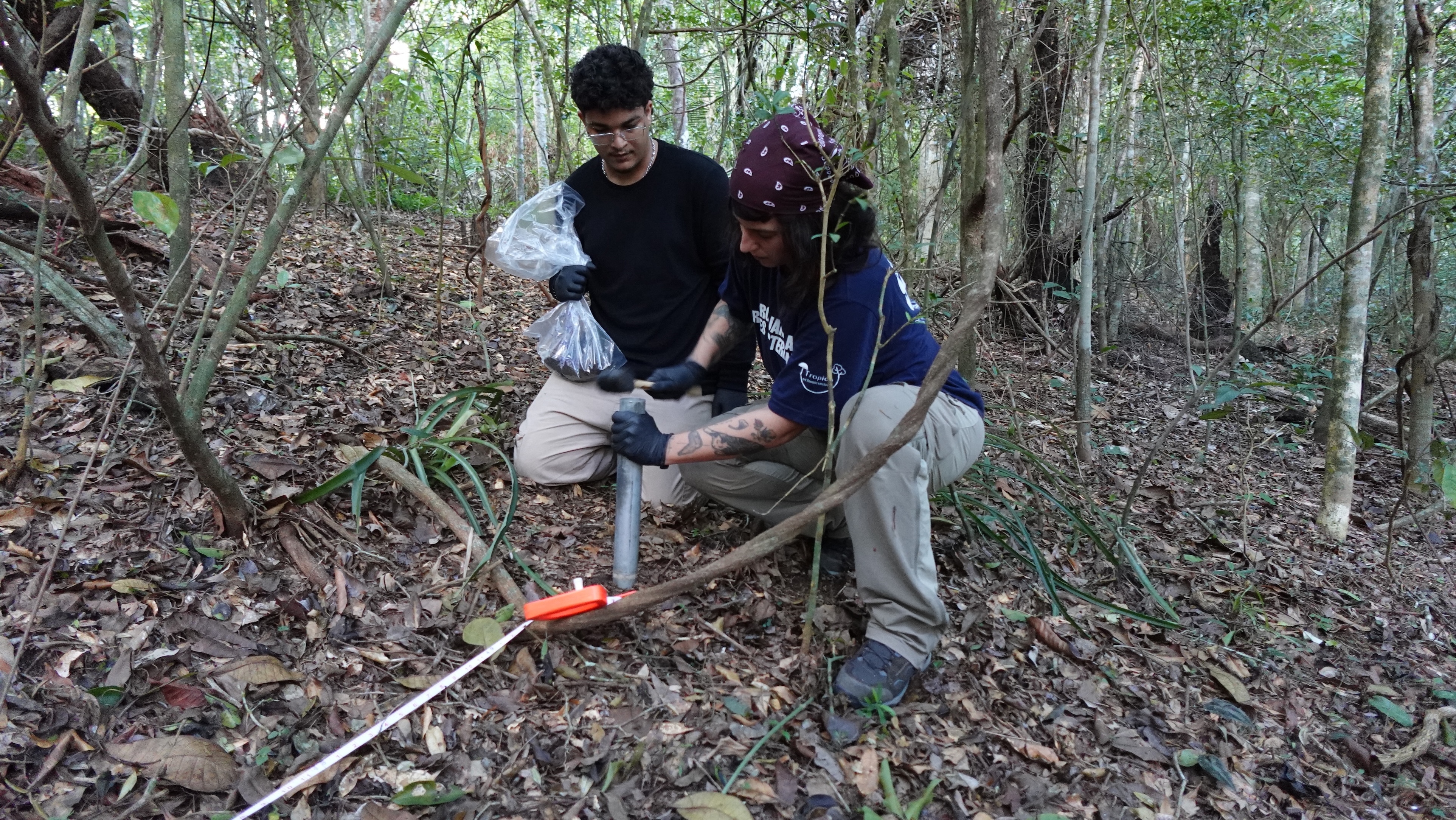
Sample under-studied, hard-to-access ecosystems
Explorers are sampling and sequencing mycorrhizal communities to help close the fungal diversity knowledge gap. These samples will help grow SPUN's global maps of mycorrhizal diversity.
Connect researchers
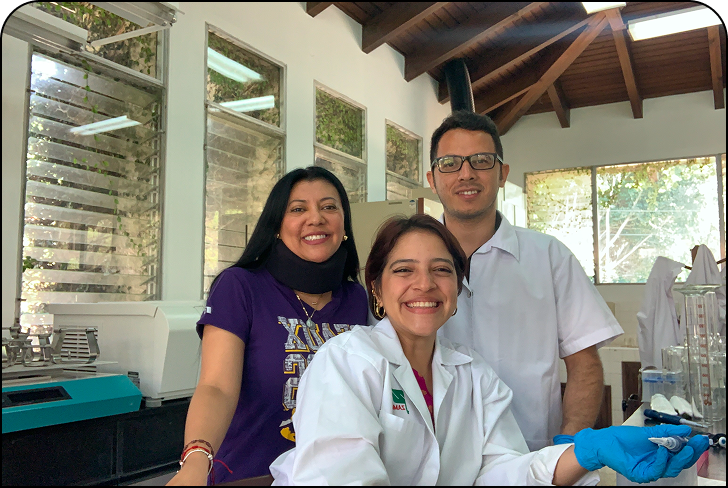
We are building a network of mycorrhizal researchers to share ideas, protocols, and findings within their local communities and across the globe.
Elevate voices
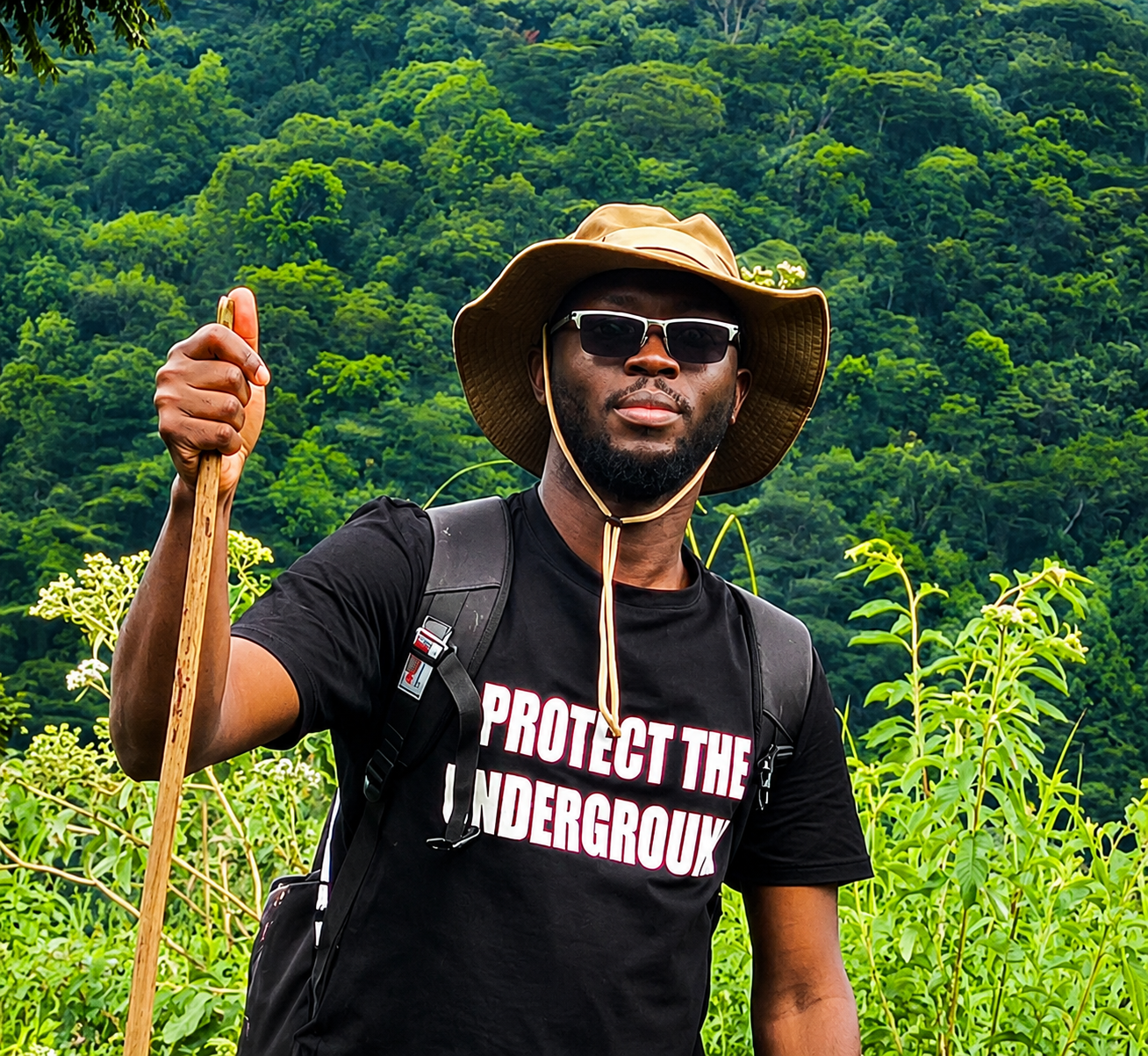
Through the Underground Explorers and Underground Advocates Programs, we aim to give a platform to communities who have been historically underrepresented in mycorrhizal research, publication, and science-based advocacy.


Comparative assessment of mycorrhizal fungal diversity across forest and savanna ecosystems in western Uganda (FungiSAVE)
Uganda
2026

Comparative assessment of mycorrhizal fungal diversity across forest and savanna ecosystems in western Uganda (FungiSAVE)
Rapheal Wangalwa
Uganda
Cohort:
2026
project abstract
Mycorrhizal fungi underpin terrestrial ecosystem functioning by mediating nutrient cycling, plant productivity, and carbon storage, yet their diversity and distribution across African biomes remain poorly resolved. Here, we investigate patterns of mycorrhizal fungal diversity across contrasting forest and savanna ecosystems in Western Uganda, represented by Kibale National Park and Queen Elizabeth National Park. Using environmental DNA metabarcoding, spatial analyses, and environmental characterization, we assess fungal community composition, distribution, and ecological drivers. By linking belowground biodiversity to vegetation, climate, soil, and land-use gradients, this study will provide critical insights into the ecological processes shaping tropical fungal communities and inform biodiversity conservation, ecosystem restoration, and climate-resilient landscape management in East Africa.
Tumwinekenneth, CC BY-SA 4.0 <https://creativecommons.org/licenses/by-sa/4.0>, via Wikimedia Commons

Underexplored Mycorrhizal Fungal Communities of Bwindi Impenetrable National Park, Uganda (FUNGI-BIP)
Uganda
2024
Underexplored Mycorrhizal Fungal Communities of Bwindi Impenetrable National Park, Uganda (FUNGI-BIP)
Rapheal Wangalwa
Uganda
Cohort:
2024
project abstract
Mycorrhizal fungi form mutualistic associations with plant roots, they provide mineral nutrients to the plant and in return obtain carbohydrates. Mycorrhizal fungi are also indicators of the health of forest ecosystems and they are key in promoting the growth of plants thereby increasing plant diversity. Many mycorrhizal fungal communities across the globe remain underexplored including in countries like Uganda. In this project, we aim to determine the diversity of Mycorrhizal fungi in one of Uganda’s forest ecosystems of Bwindi Impenetrable National Park. The forest is regarded as one of the most significant forest ecosystems in Uganda, known for the conservation of huge biodiversity and home to almost half of the world's total mountain gorillas. It is an Afromontane forest with various distinct ecoregions/zones characterized by high-altitude montane bamboo, low-altitude mixed mature forest, and medium-altitude tropical evergreen forest which are expected to support a high diversity of fungal communities. We hypothesize that these different microclimates of Bwindi Impenetrable National Park could affect the diversity of mycorrhizal fungi communities. The project is expected to accomplish the following objectives: 1) Determining the diversity of mycorrhizal fungi in Bwindi Impenetrable National based on metabarcoding using soil and root DNA 2) Mapping the distribution of mycorrhizal fungal species in the three altitudinal zones of Bwindi Impenetrable National Park and 3) Determining the physical-chemical parameters of rhizosphere soil collected from the climatic regions of Bwindi Impenetrable National Park. A total of 36 root and soil samples will be collected from three altitudinal zones of the forest using SPUN’s standardized protocols. The Mycorrhizal fungal communities will be assessed using ITS2 rDNA metabarcoding. Studying mycorrhizal fungal communities in Bwindi Impenetrable National Park will give us a thorough understanding of the Bwindi’s forest ecosystem function. Furthermore, mycorrhizal fungal sequences from Bwindi Impenetrable National Park will provide first-time insights into the diversity of forest mycorrhizal fungal communities of Uganda.
Photo by Francesco Ungaro on Unsplash

Wildfire impacts on fungal communities of the Yukon-Kuskokwim Delta, Alaska
USA
2023
Wildfire impacts on fungal communities of the Yukon-Kuskokwim Delta, Alaska
Rebecca Hewitt
USA
Cohort:
2023
project abstract
Rising temperatures in tundra drive heightened wildfire activity, profoundly affecting fungal communities. Recent research highlights the significant influence fungi have on ecosystem carbon balance in northern ecosystems. Fungi impact primary production through plant nutrient acquisition, soil organic matter formation, and C losses via priming. Understanding post-fire shifts in fungal diversity is crucial for predicting wildfire consequences and climate feedbacks. The Yukon-Kuskokwim Delta in Alaska remains relatively understudied. By analyzing fungal diversity across unburned, recently burned, and historically burned sites, we can assess the effects of fire on fungal communities. Initial findings suggest that shrub abundance increases in the first decade following fire, potentially favoring ectomycorrhizal and ericoid mycorrhizal fungi as host plants respond positively to low-intensity burning with strong impacts on soil carbon accumulation and cycling rates. Building on an ongoing investigation of wildfire impacts on components of ecosystem carbon balance, including fluxes of greenhouse gasses and carbon stored in plant biomass and soils, this study will reveal fungal taxonomic identities that may be important regulators of these ecosystem dynamics. Our study will provide new insights into the connections between fungal identities and biogeochemical processing in a critical yet understudied tundra region and support training opportunities for undergraduate students.
Photo by Hari Nandakumar on Unsplash

Diversity of mycorrhizal mushrooms (ECM & VAM) in the biosphere reserve Sierra de las Minas, Guatemala, in relation to altitude gradient and dominant vegetation
Guatemala
2023
Diversity of mycorrhizal mushrooms (ECM & VAM) in the biosphere reserve Sierra de las Minas, Guatemala, in relation to altitude gradient and dominant vegetation
Roberto Flores Arzu
Guatemala
Cohort:
2023
project abstract
The project will be carried out in the main biodiverse mountain system of Guatemala, Sierra de las Minas, a particular geological and natural system originated from the encounter of ancient land blocks and tectonic plates. It is still now the natural limit in America of Holartic genera as Abies and Acer but contains many others that are distributed in Central America as well as many Neotropical genera. The scope of this project is to identify molecularly the mycorrhizal composition of its different forest according to the altitudinal gradient. And after then, 1. To identify the dominant fungal genera and species, 2. To identify those that could be useful for inoculum in forestry and 3. To determine or confirm the taxonomic identity of many fruit bodies of ectomycorrhizal mushrooms, mainly basidiomycetes in the orders Russulales, Boletales and Cantharellales collected before and during the sampling. This is the first large molecular study that will provide information about fungal diversity in the country.
Photo by Theodore Moore on Unsplash

Effects of "Sembrando Vida" agroecological governmental program on mycorrhizal networks
Mexico
2026
Effects of "Sembrando Vida" agroecological governmental program on mycorrhizal networks
Roberto Garibay
Mexico
Cohort:
2026
project abstract
Photo by Wonderlane on Unsplash

The Atlas of Mexico’s Soil Biodiversity
Mexico
2022
The Atlas of Mexico’s Soil Biodiversity
Roberto Garibay-Orijel
Mexico
Cohort:
2022
project abstract
This is an interdisciplinary nationwide project with more than 30 scientists from UNAM (National Autonomous University of Mexico). It is part of the University Program of Interdisciplinary Soil Studies (PUEIS) Developed primarily at the Institute of Biology, Institute of Ecology, Faculty of Sciences, and Faculty of Higher Education of Iztacala.
The soil constitutes the ecological interface that harbors the greatest biodiversity in terrestrial ecosystems. Soil regulates global biogeochemical cycles, supports biological diversity, activity, and productivity, and provides the nutrients necessary for plant growth. A conserved soil is a biodiverse soil maintaining ecological functions such as microbial activity, carbon and nitrogen mineralization, and enzymatic activity. Despite the importance of soil this resource is not renewable, and its conservation is threatened by mismanagement and the lack of effective communication strategies about it. In Mexico, 45% of the territory has degraded soils, which means that they have lost the ability to maintain their ecological function, their biodiversity, and their productivity. Part of the problem is the lack of data and information on biodiversity and soil function in large geographic areas of Mexico to strengthen decision-making aimed at its sustainable management.
The Atlas of Mexico’s Soil Biodiversity have three guiding principles (Research, Teaching and Society Outreach), each with the following objective. Research – To generate frontier knowledge using public biodiversity databases, collaboration networks and the most modern DNA sequencing technologies to produce the greatest possible amount of knowledge in the shortest time and at the lowest cost. Teaching – To generate learning elements for high school, undergraduate and postgraduate levels to promote knowledge of life in Mexican soils and the need to protect this non-renewable resource. Outreach – To create an interface for data display and analysis to provide information to decision makers that promote friendly management practices with soil diversity, as well as programs for its conservation and monitoring.
Photo by Samuel Aguayo on Unsplash

Contribution of ectomycorrhizal fungi to European beech drought-adaptive potential along a wide elevation range
Romania
2025
Contribution of ectomycorrhizal fungi to European beech drought-adaptive potential along a wide elevation range
Rodica Pena
Romania
Cohort:
2025
project abstract
This project investigates how European beech trees adapt to climate change, particularly drought, through their partnership with ectomycorrhizal fungi. We study beech forests across nine sites in Romania, spanning from lowland areas to high mountain regions, including some of the country’s oldest and most pristine forests. These fungi play a crucial role in helping trees absorb nutrients, especially under stress. By examining how ectomycorrhizal communities vary with climate and elevation, we aim to better understand their role in supporting forest health. Using a combination of DNA sequencing, soil analysis, and plant trait data, our research reveals how forests respond to environmental challenges and highlights the importance of protecting belowground biodiversity as part of broader conservation efforts.
Photo by CALIN STAN on Unsplash

Exploring the diversity and distribution of ectomycorrhizal clavarioid fungi in temperate and subtropical regions of Mexico
Mexico
2025
Exploring the diversity and distribution of ectomycorrhizal clavarioid fungi in temperate and subtropical regions of Mexico
Rodolfo Salas Lizana
Mexico
Cohort:
2025
project abstract
The main goal of our project is to advance the knowledge on the systematics and diversity of ectomycorrhizal clavarioid mushrooms in underexplored regions of Mexico. Genus Clavulina is a well-known ectomycorrhizal fungus with high diversity in Mexico. However, other clavarioid genera, like Clavulinopisis and Ramariopsis, are poorly known in our country and therefore deserve more attention. We will sample basidiomata in regions of Sierra Norte de Puebla and Sierra Madre Occidental, which include temperate and cloud forests. For all specimens we will obtain DNA sequences of ITS and 28S ribosomal loci, as well as detailed macroscopic and microscopic descriptions, which will allow us to identify new records and new species. Considering the high diversity of plant hosts and ecosystems, we hypothesize that the sampled region harbors a high diversity of undescribed species. On the other hand, the new information on Clavulina will help us to evaluate the conservation status of some known species using IUCN standards. Local people will be involved in the project by exchanging knowledge through workshops, increasing awareness of the local fungal diversity and the importance of its protection at all levels.
Photo by Jonathan Coronado on Unsplash
.jpg)
Mangrove mycorrhizae mapping: unveiling biodiversity for conservation and restoration in Benin
Benin
2024
Mangrove mycorrhizae mapping: unveiling biodiversity for conservation and restoration in Benin
Roël Dire Houdanon
Benin
Cohort:
2024
project abstract
The Mono Biosphere Reserve of Benin represents an important component of the Benin wetland complex. Among this complex, mangroves represent an ecosystem rich in plant, animals, and fungi. In Benin, most of studies implemented in mangrove focused only on plants and animals without addressing fungi which plays a significant role in mangrove ecosystem functioning. However, mangroves are facing significant pressures and their area decreased from 5500 ha in 1995 to 1105 ha in 2015, representing a reduction of 80 % in 20 years. Thus, it becomes urgent to explore fungal diversity poorly documented until now. The objective of this project is to identify and quantify fungal taxa present in mangrove ecosystems and thus providing valuable information about their biodiversity and composition. This data is crucial for effective conservation and restoration efforts. It can help assess the impact of disturbances (human, water quality, etc.) on fungal diversity, identify indicator species, and guide the development of strategies to protect and restore mangrove ecosystems.
Photo by Ade Kegnide on Unsplash

Survey of Arbuscular Mycorrhizal Flora of the Cameroon Estuary Mangrove forests and its role on Conservation issues.
Cameroon
2026
Survey of Arbuscular Mycorrhizal Flora of the Cameroon Estuary Mangrove forests and its role on Conservation issues.
Romuald OBA
Cameroon
Cohort:
2026
project abstract
Sidoine Mbogni, CC BY-SA 4.0 <https://creativecommons.org/licenses/by-sa/4.0>, via Wikimedia Commons

Soil Biodiversity Assessment in Nepal
Nepal
2022
Soil Biodiversity Assessment in Nepal
Roshan B. Ojha
Nepal
Cohort:
2022
project abstract
Nepal is a country with abrupt elevation gradient, ranges from 50 to 8848 meters above sea level, towards the North resulting in contrasting climate and habitat formation. This change in elevation and climate allows diverse habitat formation and floral and faunal diversity vary greatly across the regions. Furthermore, In the East-west gradient, the precipitation patterns greatly vary in the country. In the monsoon season (June-Aug), heavy precipitation occurs in the Eastern regions and the western region receives less rainfall. In the winter season, the Western region receives more rainfall than the Eastern region. However, the total rainfall in the winter season is lesser than monsoon season. This creates a different soil moisture regime in East-West regions. Therefore, elevation and climate gradient towards the North and precipitation gradient towards East-West make Nepal rich in floral and faunal (aboveground) biodiversity hotspots, however, soil (belowground) biodiversity hotspots are yet to be determined. We assume the change in elevation gradient and habitat types altered the soil biodiversity. Soil sampling across elevation, climate, and precipitation gradient will help us to elucidate the diverse soil flora and faunal diversity. We will also have an opportunity to understand and assess the soil biodiversity in higher elevation zones, which is unique to Nepalese landscapes. Currently, we are collecting soil samples (voluntarily) from each of the physiographic areas. We only have three paired sites for this assessment. We followed the Soil Biodiversity Network (SoilBON) protocols to collect, prepare, store, and ship the samples. These sites broadly cover the soil biodiversity status of Nepal but are limited to covering all habitat types towards North-South and East-West regions. Therefore, we would like to extend our sampling sites from 3-paired sites to additional 18-paired sites and the results will contribute directly to the sample pool of SoilBON.
Photo by Binit Sharma on Unsplash

eDNA-Based Biodiversity Assessment of Soil Fungi in the Mangrove Ecosystem of the Indian Sundarbans: Unlocking Insights for carbon sequestration and coastal protection
India
2025
eDNA-Based Biodiversity Assessment of Soil Fungi in the Mangrove Ecosystem of the Indian Sundarbans: Unlocking Insights for carbon sequestration and coastal protection
Sabdar Rahaman
India
Cohort:
2025
project abstract
The Indian Sundarbans, covering 4,260 square kilometers and are the world's largest contiguous mangrove forest. This ecoregion is UNESCO World Heritage and a Ramsar Site. Which are located in the Ganges-Brahmaputra-Meghna delta in the West Bengal Province of India-Bangladesh. The region is home to Heritiera fomes and Avicennia alongside famed Bengal tiger and other IUCN-listed animals dolphins and bird species. Santal, Munda, Oraon, Ho, and Bhumij are the indigenous groups that depend upon fishing, honey harvesting, and ecotourism. The Sundarbans serve a key role in carbon sequestration, controlling coastal hydrology, and functioning as natural storm barriers, thereby minimizing the impacts of climate change.The Indian Sundarbans' fungal diversity is threatened by rising sea levels, salinization, overtourism and climate change-driven habitat fragmentation, disrupting soil and water balances. Ineffective conservation policies prioritize flagship species over microbial biodiversity, leaving fungi vulnerable to habitat loss, undermining ecosystem services like carbon sequestration and coastal protection.
Photo by Subhadeep Dishant on Unsplash
Responses of mycorrhizal fungi community to megafauna defaunation in the Brazilian Cerrado
Brazil
2026
Responses of mycorrhizal fungi community to megafauna defaunation in the Brazilian Cerrado
Samia Gomes-da-Silva
Brazil
Cohort:
2026
project abstract
Photo by Charles Betito Filho on Unsplash

Ectomycorrhizal belowground diversity from neglected diversity rich western Himalayan subtropical broadleaf forests of Pakistan
Pakistan
2024
Ectomycorrhizal belowground diversity from neglected diversity rich western Himalayan subtropical broadleaf forests of Pakistan
Samina Sarwar
Pakistan
Cohort:
2024
project abstract
The project aims to investigate the belowground diversity of ectomycorrhizal fungi in the Himalayan subtropical broadleaf forests of Pakistan, a region characterized by diverse habitats and unique ecological niches. These forests, located in northern Pakistan, span altitudes ranging from 500 to 2,000 meters above sea level and are dominated by broadleaf tree species such as oak, maple, walnut, and rhododendron. Additionally, tall trees, including Sal, Terminalia, Bauhinia, Schima, and Castanopsis, contribute to the dense canopy, creating shaded understories ideal for fungal growth. Climbers and epiphytes further enhance biodiversity in these forests.
Our hypothesis proposes that environmental variables, including altitude, soil type, and tree species composition, exert significant influence on ectomycorrhizal fungal diversity within these forests. We anticipate that higher elevation sites will harbor fungal communities adapted to colder temperatures, while lower elevation areas may support different species due to warmer conditions. Soil properties such as pH, moisture levels, and nutrient availability are also expected to shape fungal community composition.
Molecular aspects of the project involve metabarcoding of the rDNA region, targeting both the ITS and LSU regions using fungal-specific primers. This approach will facilitate accurate identification and classification of fungal taxa present in soil samples, providing insights into ectomycorrhizal belowground diversity. Sampling procedures adhere to standardized protocols, ensuring careful collection and preservation of fungal specimens from designated sites within the Himalayan subtropical broadleaf forests. Morphological, anatomical, and molecular characterization of specimens will be conducted to provide a comprehensive understanding of ectomycorrhizal diversity.
The anticipated outcomes of the project include peer-reviewed publications, thesis chapters, and reports documenting fungal diversity and community structure in the Himalayan subtropical broadleaf forests of Pakistan. These findings will contribute to scientific knowledge, inform conservation policies, and guide future research directions in mycology and forest ecology. Furthermore, the evaluation of conservation status based on fungal diversity assessments will support evidence-based decision-making and conservation prioritization efforts.
Expedition engagement and outreach activities will involve scientific dissemination, community workshops, educational programs, and social media outreach. Through these initiatives, the project aims to foster collaboration between researchers and local communities, raise awareness about fungal diversity and forest conservation, and inspire action towards the preservation of Himalayan subtropical broadleaf forest ecosystems.
Overall, the project seeks to advance our understanding of ectomycorrhizal belowground diversity in the Himalayan subtropical broadleaf forests of Pakistan and contribute to the conservation and sustainable management of these critical forest ecosystems.
Photo by Shujaat Muzaffar on Unsplash

Unveiling the Ecology and Function of Rhizosphere fungi in the World’s Southernmost Peatlands
Chile
2026
Unveiling the Ecology and Function of Rhizosphere fungi in the World’s Southernmost Peatlands
Sebastián Zambrano
Chile
Cohort:
2026
project abstract
This project takes place in the Magallanes region, located at the southernmost tip of the American continent. In particular, this study will focus on the rhizosphere fungal community of trees inhabiting peatland ecosystems, dominated by the Sphagnum magellanicum moss. Southern high-latitude peatlands remain understudied compared to their northern counterparts, and especially their associated microbiome, with fungi still undescribed. In particular, studies describing the ecological and functional role of rhizosphere fungi of vascular plants inhabiting peatlands are still lacking. This project will provide the first characterization of the mycorrhizal fungal community of Nothofagus antarctica inhabiting ombrotrophic peatlands of Sphagnum magellanicum in the subantarctic region of Magallanes. By addressing a critical gap in belowground mycorrhizal diversity, we hope that this research will have implications for conservation and management of vascular plants living in this unique ecosystem, and for Sphagnum peatlands as a whole.
Photo by Henry Schneider on Unsplash

Voices of the forest: What ectomycorrhizal fungi from nutrient-poor amazonian forests in Peru reveal and how they are affected by human activity
Peru
2025
Voices of the forest: What ectomycorrhizal fungi from nutrient-poor amazonian forests in Peru reveal and how they are affected by human activity
Sheena Yuliana Sangay Tucto
Peru
Cohort:
2025
project abstract
This project investigates the variety and adaptability of ectomycorrhizal fungi in Peru's nutrient-poor Amazonian forests, particularly in the Yungas forests of POTSOM POSHOLL and the white-sand forests of the Allpahuayo-Mishana Reserve. Our goal is to find fungal symbioses that promote ecosystem functioning through soil and root sampling, metabarcoding methods (ITS and AMF markers), and community involvement. In order to produce ecological knowledge that will direct soil conservation, restoration, and sustainable management in tropical forest landscapes. The project will evaluate how these fungi respond to human pressures.
Photo by Igor Zelenov on Unsplash

Mapping of mycorriza through a gradient of natural forest, reforested land and degraded savanna grassland, with stakeholder sensitization, in Lake Victoria Basin, Kenya
Kenya
2026
Mapping of mycorriza through a gradient of natural forest, reforested land and degraded savanna grassland, with stakeholder sensitization, in Lake Victoria Basin, Kenya
Sheila Okoth
Kenya
Cohort:
2026
project abstract
The aim of the project is to identify and preserve the mycorrhizae in the stretch of the natural forest remnants in the Great Lake Victoria Basin (GLVB) of Kenya, resulting from mismanagement of the environment, change in land use and misuse of environmental resources. Uncontrolled tree felling to give way to land for farming and establishment of new homesteads as population increases; trees for fuelwood, building construction, and religious activities have resulted in reduced forest cover. This study will collect samples from sacred Ramogi and Abiero Hill Forests, the only two remnant forests in Siaya County, one of the three counties in the GLVB. The community will be involved with the field work to ensure they appreciate that soil is alive and thus the importance of conserving below ground diversity. They will be trained on the role of mycorrhizae in the soils and their contribution to soil health.
Photo by Nala Okallo on Unsplash

Exploring mycorrhizal fungal diversity and composition across elevation and land use types in Eastern Himalayan subalpine conifer forests, Everest Region, Nepal
Nepal
2023
Exploring mycorrhizal fungal diversity and composition across elevation and land use types in Eastern Himalayan subalpine conifer forests, Everest Region, Nepal
Shiva Devkota, PhD
Nepal
Cohort:
2023
project abstract
This research seeks to redress the limited consideration that fungi have received in Nepal's research and conservation priorities, especially within the broader context of the Hindu-Kush Himalayan region. It aims to investigate mycorrhizal fungal diversity and composition in the Eastern Himalayan subalpine conifer forests of Sagarmatha National Park, known as the realm of Mount Everest (8848m). By examining three elevation levels (3000m, 3400m, and 3800m) and two land use types (natural forests and meadows), the study seeks to understand how mycorrhizal communities vary across different altitudes and land use patterns. To achieve this, the project will adhere to the SPUN sample collection guidelines and employ advanced molecular techniques, such as metabarcoding of the rDNA region.
A significant aspect of this study is its emphasis on community involvement in the research process. The research findings will be shared through peer-reviewed scientific publications and outreach mediums. Moreover, the project aspires to contribute to educational materials, including to update brochures for Sagarmatha National Park and the national checklist of fungi in Nepal. Furthermore, by enhancing our understanding of mycorrhizal diversity, this research aims to highlight the vital role these fungi play in the Himalayan ecosystem and advocate for their preservation through conservation actions.
Photo by Sylwia Bartyzel on Unsplash

Soil fungal community dynamics during ecosystem development following shifting cultivation and across altitudinal gradients in India
India
2024
Soil fungal community dynamics during ecosystem development following shifting cultivation and across altitudinal gradients in India
Shri Kant Tripathi
India
Cohort:
2024
project abstract
Ecological succession provides fundamental descriptions of ecosystem processes by studying vegetation composition and structure, and soil properties. However, information is scanty on soil microbial communities particularly fungi and their relationship to the process of succession. This proposal aims to examine the recuperation of soil fungal diversity during ecosystem development following shifting cultivation in sub-tropical forests of North-east India (part of both the Himalaya and Indo-Burma biodiversity hotspots) having steeply sloped terrain and high forest cover. On second location, the project proposal covers the increasing ages (up to 50 years old) since shifting cultivation in the eastern coast of India (i.e. central Odisha), and on third location, it will focus on an elevation gradient (spanning over 100 m to 2000 m tropical to temperate forest) in Mizoram (North-east Indian states) with undisturbed forests paired with secondary disturbed forests of 40 years of age using metagenome sequencing (as per SPUN’s standardized protocols). We will test the hypothesis that forest disturbance influences soil fungal community composition but that fungi re-converge on similarity to primary forests as secondary forests age (it takes about 10 years for bacteria). We further anticipate that it will take longer for community re-convergence in uplands than lowland due to the slower vegetation regrowth at higher elevations.
This project will provide clues to the linkages, mechanisms and feedback that regulate soil fungal community assembly during ecosystem development following shifting agriculture in highly biodiverse sub-tropical region and elevation and disturbance gradients (on tropical, sub-tropical and temperate forests) of North-east India, and Odissa (tropical deciduous forest) which are unexplored. The project output will be expanding our understanding on: a) how does forest disturbance alters the fungal communities? b) how fungal communities are shaped during ecosystem recovery? and c) how does forest altitude affects fungal community composition in Northeast Indian forests of Indo-Burma region? We anticipate at least two high-quality publications from this work as both region lacks molecular data on soil fungi and on shifting cultivation globally. Further, we anticipate that the project outcome may provide useful link to develop potential indigenous biofertilizers for sustaining shifting agriculture in the region.
This project is Indian-led with collaborating team including Prof. S.K. Tripathi an ecosystem ecologist from Department of Forestry, Mizoram University along with his team, Dr. Ghosh an experienced microbiologist from Bose Institute, Kolkata and his team, and Dr Hombegowda working in the state of Odisha in the secondary forests. The team will be supported by Dr Francis Brearley broadly experienced in tropical plant-soil-fungal ecology who is already collaborating with Prof. Tripathi and published number of papers together.
Prof. Tripathi is already working with tribal communities and promoting organic farming practices in the region through MoUs between Mizoram University and farming societies (i.e. Tachhip Organic Growers Society and Tanhril Organic Growers Society) and providing them technology packages including biofertilizers to improve livelihood options for farming communities involved in shifting cultivation in Northeastern India. Any potential fungal strains identified in this study will be helpful in developing more suitable biofertilizer for better option to tribal farming communities to boost their farm income.
Photo by Anish Mathew Jose on Unsplash

An assessment of the diversity of Mycorrhizal Fungi associated with South African Savanna grassland.
South Africa
2024
An assessment of the diversity of Mycorrhizal Fungi associated with South African Savanna grassland.
Sibusiso Trevor Dlamini
South Africa
Cohort:
2024
project abstract
This project is looking at exploring the soil fungal abundance and diversity from bulk and rhizosphere samples at Wits Rural Facility a Lowveld Savannah Ecosystem in Limpopo, South Africa. The ecosystem is economically important to the region for animal and plant biodiversity, supporting ecotourism, farming, dry and wet wood harvesting. Sampling will be conducted following the SPUN sampling protocol on two forest patches of Terminalia sericea (silver cluster) and Dochrostyachys cinerea (sicklebush) and their adjacent open grass patches. The ecosystem is a biodiversity hotspot with the open grassy patches composed of Hyperthelia dissolute, Panicum maximum, Heteropogon contortus and Themeda triandra as the common grasses with few below ground biodiversity studies having carried out in the ecosystem. After DNA extraction, PCR amplification, sequencing will be done on both ITS2 and SSU using Illumina MiSeq platform, to explore the abundance and diversity of fungi with a special interest in arbuscular mycorrhiza in the ecosystem. Scientific impacts of the study will be to give further insight on the top-down effects of fire and encroachment on the ecosystem and its implications to below ground fungal diversity and a significant contribution to global diversity mapping. Social benefits will include the sharing of knowledge about fungi and soil sampling techniques to the local communities and how they can improve their management of the ecosystem for environmentally friendly future sustainability.
Photo by Natalie Comrie on Unsplash

Diversity of arbuscular mycorrhizal fungi in the southern Brazilian Restinga
Brazil
2026
Diversity of arbuscular mycorrhizal fungi in the southern Brazilian Restinga
Sidney Sturmer
Brazil
Cohort:
2026
project abstract
The study will be conducted in the Acarai State Park, situated with the Atlantic Rain Forest floristic domain (Serra do Mar coastal forest ecoregion) in Santa Catarina state, southern Brazil. The ecosystem type is Restinga, a coastal ecosystem consisting of sandy, nutrient-poor soil vegetation ranging from herbaceous near the ocean to shrubs and trees inland. Three vegetation types will be analyzed within the Park: embryonic dunes, semi-fixed dunes, and arboreal restinga. Soil samples will be collected following SPUN's protocol and AMF species will be identified by spore morphology and environmenal DNA targeting the SSU, ITS, and LSU rDNA regions. Trap cultures will be established to induce AMF sporulation and use spores to establish single cultures of AMF that will be part of the germoplasm of the International Culture Collection of Glomeromycota (CICG).
Miguelrangeljr, CC BY-SA 3.0 <https://creativecommons.org/licenses/by-sa/3.0>, via Wikimedia Commons

Fungal diversity in Amazon coastal ecosystems
Brazil
2023
Fungal diversity in Amazon coastal ecosystems
Silvia Fernanda Mardegan
Brazil
Cohort:
2023
project abstract
The Amazon basin ranges from the Andes to the Atlantic Ocean. It is one of the most diverse biomes in the world and encompasses a series of ecosystems and vegetation types. The Amazon coastline is influenced by the Amazon River and its drainage basin, hosting about 85% of the mangroves and 35% of the sandy coastal plains (‘restingas’) of Brazil. Mangroves and restingas thrive under several limiting environmental factors and provide many ecosystem services, including recreation and tourism, soil protection, carbon sequestration, and nutrient cycling. They are also home to indigenous communities that have a deep connection with them. As these coastal ecosystems develop under unique environmental conditions, they are critically fragile and sensitive to human disturbances. The aim of this project is to identify the molecular diversity of the fungal community and its potential functional role in mangroves and restingas from Northeast Amazon. We also aim to identify indicator species or functional groups associated with their specific soil conditions, to support conservation and rehabilitation projects. The analysis of fungal diversity will allow us to understand the aspects that contribute to mangrove and restinga maintenance, tolerance, and even their resilience in the face of emerging environmental changes.
Photo by Ivars Utināns on Unsplash

Exploring mycorrhizal fungal communities across a charcoal production disturbance gradient in the mopane ecosystems of southern Mozambique
Mozambique
2025
Exploring mycorrhizal fungal communities across a charcoal production disturbance gradient in the mopane ecosystems of southern Mozambique
Silvia Mausse Sitoe
Mozambique
Cohort:
2025
project abstract
Charcoal production in southern Mozambique’s mopane woodlands, dominated by Colophospermum mopane, has led to widespread ecosystem disturbance. These woodlands, which are ecologically and economically significant, are increasingly degraded due to overharvesting and expanding urban charcoal demand. This study explores how such disturbances affect the diversity and composition of mycorrhizal fungal communities, which are vital for soil health and vegetation regrowth. Using a chronosequence approach in the Mabalane District (23.8478° S, 32.6249° E), we will assess fungal communities across abandoned charcoal kiln sites of varying ages and compare them to pristine mopane areas. Soil samples will be collected from 80 plots and analyzed using ITS region metabarcoding, with fungal identification performed via the UNITE database. Vegetation surveys will complement fungal data to examine regeneration patterns. Our research aims to determine whether passive restoration can support fungal and ecosystem recovery. Outcomes will inform sustainable land-use practices, conservation efforts near key biodiversity areas such as Kruger National Park, and policies aligned with REDD+ objectives. By integrating ecological, molecular, and spatial data, this work supports strategies for balancing charcoal production with the long-term resilience of mopane ecosystems—benefiting local livelihoods, biodiversity conservation, and broader environmental sustainability in semi-arid southern Africa.
Photo by Dan Maisey on Unsplash

Patterns of mycorrhizal fungal communities across the Atacora Mountains of Togo under gold mining pressure, and their implications for belowground conservation
Togo
2026
Patterns of mycorrhizal fungal communities across the Atacora Mountains of Togo under gold mining pressure, and their implications for belowground conservation
Soloum Clément Teteli
Togo
Cohort:
2026
project abstract
The Atacora Mountains of Togo (AMT) host diverse plant communities and unique biodiversity, serving as ecological corridors and refuges for species of conservation concern. However, these ecosystems are increasingly threatened by artisanal gold mining, which degrades soils, reduces forest cover, and disrupts belowground habitats. This project investigates how these disturbances affect mycorrhizal fungal communities, which are essential for ecosystem functioning. We hypothesize that mycorrhizal fungal diversity and abundance are higher in undisturbed areas than in sites affected by mining. To test this, the study will use eDNA metabarcoding to assess the diversity and distribution of arbuscular and ectomycorrhizal fungi along AMT and to compare impacted and non-impacted sites. The project will generate the first DNA baseline for these fungal groups in Togo and assess how mining pressure shapes their taxonomic patterns. Its findings will support impact assessment, restoration strategies, and the long-term conservation of belowground biodiversity in this important mountain landscape.
Image redit: Abdoul-Azize BOUKARY via Wikimedia Commons
Biodiverse but insufficiently sampled: Bridging knowledge gaps in mycorrhizal fungi from biodiversity hotspots in Bulgaria
Bulgaria
2025
Biodiverse but insufficiently sampled: Bridging knowledge gaps in mycorrhizal fungi from biodiversity hotspots in Bulgaria
Stefaniya Kamenova
Bulgaria
Cohort:
2025
project abstract
Our project will contribute to map several under-sampled areas, ecosystems and habitats in Bulgaria, which are also major biodiversity hotspots and conservation sites within Europe. We will provide essential mycorrhizal biodiversity reference data points, while potentially identifying new mycorrhizal biodiversity hotspots. The local impact will be tremendous as mycorrhizal research in Bulgaria is underdeveloped. We will establish new research directions and build state-of-the-art expertise, especially in molecular ecology.
Photo by George Ivanov on Unsplash

Abundance and Diversity of AMF in the Indo-Myanmar Biological Hot spot in North East Hills of India
India
2023
Abundance and Diversity of AMF in the Indo-Myanmar Biological Hot spot in North East Hills of India
Subrata Nath Bhowmik
India
Cohort:
2023
project abstract
Northeast India is situated at the confluence of Indo-Malayan, Indo-Chinese and Indian bio- geographical realms and as a result of this the region harbours rich and diverse culture and high biodiversity and endemism. The region’s vegetation types range from tropical rain forest in the foothills to Alpine meadows and cold deserts which amount to more than one-third of the country's total biodiversity. The region is an important part of the Indo-Myanmar biodiversity hotspot, one of the 12 mega biodiversity hotspots of the world and represents 50 percent of Indian biodiversity. Seven hill states that include Arunachal Pradesh, Manipur, Meghalaya, Mizoram, Nagaland, Sikkim and Tripura in the region are collectively referred to as North Eastern Hill Region (NEHR). It is located between of 21°58' to 29°30'N latitude and 88°58' to 97°30' E longitude and is spread over 1, 83,741 km2 area. Climate of the region varies from tropical to alpine type with a very high range of variation in precipitation. AM fungi are obligate symbionts, their population and diversity may be determined by the plant species present in the given ecosystem. The hilly terrain of NEH interspersed with valleys and plains; the altitude varies from almost sea-level to over 7,000 meters above MSL. The change in elevation and climate allowed vegetation/forests of six major categories viz., tropical, subtropical, temperate, montane, subalpine and alpine. Above ground floristic diversity impacts below ground microbiome especially AMF. Information on the distribution and frequency of occurrence of specific AM fungi in the Indo Myanmar Biosphere of the NEH area is very scarce. Hence, we hypothesize to study the abundance and diversity of AMF across gradients in the Indo Myanmar Biosphere of the NEH in the light of changes in elevation and climatic variations in interactive and intra-active mode with native macroflora and microflora respectively.
Refugia to Farmlands: Assessing Native AMF Diversity in Pristine Forests and Organic Farms of the Eastern Himalayas, Sikkim
India
2026
Refugia to Farmlands: Assessing Native AMF Diversity in Pristine Forests and Organic Farms of the Eastern Himalayas, Sikkim
Subrata Nath Bhowmik
India
Cohort:
2026
project abstract

Mycorrhizal allies of the Barbary Thuja forest: Linking belowground biodiversity to climate resilience and sustainable wood craft heritage in Morocco
Morocco
2026
Mycorrhizal allies of the Barbary Thuja forest: Linking belowground biodiversity to climate resilience and sustainable wood craft heritage in Morocco
Sulaimon Basiru
Morocco
Cohort:
2026
project abstract
The Thuya forest (Tetraclinis articulata) is considered one of the driest coniferous forest ecosystems in the world. In Morocco, it acts as an ecological barrier against desertification while providing valuable economic resources for the tourism industry. Arbuscular mycorrhizal fungi (AMF) are crucial allies of many plants thriving in extreme environments; however, the diversity and distribution of AMF associated with the Thuya tree are not known, despite increasing exploitation of these forests, which threatens belowground biodiversity. Therefore, this project aims to characterize the diversity and distribution of AMF associated with Thuya forests across three Moroccan ecoregions: the High Atlas Mountains, the Rif Mountains, and the continental plateau. We aim to investigate how bioclimatic conditions and forest degradation gradients influence AMF communities under varying soil, climatic, and disturbance regimes. Findings from this study will inform forest management, identification, and conservation of key AMF taxa that could benefit forest regeneration and reforestation efforts.
Effects of Land Degradation on the Diversity of Mycorrhizal Fungi in Naibunga Community Conservancy, Laikipia North, Kenya
Kenya
2026
Effects of Land Degradation on the Diversity of Mycorrhizal Fungi in Naibunga Community Conservancy, Laikipia North, Kenya
Susan Kabacia
Kenya
Cohort:
2026
project abstract

Mycorrhizal diversity in different land use types in the Highlands Forests of Cameroon
Cameroon
2024
Mycorrhizal diversity in different land use types in the Highlands Forests of Cameroon
Tonjock Rosemary Kinge
Cameroon
Cohort:
2024
project abstract
Land use types influences the diversity of mycorrhizal fungi. Our project aims at sampling the mycorrhizal diversity in three land use types (natural forest reserve, tree plantation, and grazing grassland) in the Highlands Forests of Cameroon. The area consists of mixed forest and savannah grasslands with some of the highest levels of endemism in the Western Highlands. This area is a biodiversity hotspot of global significance that supports a high diversity of animal and plant species, large numbers with restricted ranges, and many of which are threatened and critically endangered. The natural habitats are encroached on and are shrinking. Research on fungi diversity in this area is limited with few studies. With our team, including landscape ecologists, mycology expert, postdoctoral researcher, PhD and MSc students as well as local community members, we will carryout a field sampling according to SPUN standardized protocol. A total of 30 soil samples and 20 ectomycorrhizal fruit bodies will be collected from three land use types. The ITS region of the DNA and high-throughput sequencing technique of the Illumina MiSeq metabarcoding on nuclear ribosomal ITS2 region will be done. Field sampling and results will be discussed with local communities and conservation groups to reinforce soil conservation in the Bamenda highlands, and the communities will learn more about the importance of mycorrhizal in general. Therefore, the scientific data will be shared with the communities in the Bamenda highlands to speak more loudly about the importance of mycorrhizal networks. This project will add crucial data to the map of fungal diversity in Cameroon, targeting the different land use types where the underground fungi have so far never been explored. The data obtained from this study will not only provide insight on how different land use influences mycorrhizal diversity but also contribute to the conservation and management of these ecosystems, ultimately fostering ecological resilience. The results will provide useful information on key fungal components to be further exploited as indicators in a sustainable ecosystem management perspective.
Photo by Edouard TAMBA on Unsplash
Survey of AMF Mycorrhizal Fungi in Can Gio, Mangrove Forest Area
Vietnam
2025
Survey of AMF Mycorrhizal Fungi in Can Gio, Mangrove Forest Area
Trương Hoàng
Vietnam
Cohort:
2025
project abstract
Can Gio mangrove forest covers a natural area of 70,445.20 hectares. In light of current climate change, the role and benefits of mangrove forests are becoming increasingly valuable and practical. Arbuscular mycorrhizal fungi (AMF) represent a symbiotic association between plants and root fungi that is very common in nature. This demonstrates the intimate interaction between AMF and the microbial community, with the composition of AMF influencing both the function and the response of species to current climate change conditions. Thirty soil samples will be collected from Can Gio, and each soil sample will be used to isolate mycorrhizal spores. All collected spores will then be subjected to DNA extraction using the Qiagen DNA extraction kit, following the manufacturer’s protocol. The Small Subunit (SSU) gene region will be amplified for metabarcoding, and Illumina sequencing will be used as the sequencing platform. Mycorrhizal fungi will be identified from the SSU sequences using LotuS2. The coordinates of soil sampling points for AMF isolation will be recorded based on a grid system or the geographic characteristics of the Can Gio area. The results will be exported as a raster map illustrating the probability of AMF presence across the study area.
Photo by Dmitriy Soloduhin on Unsplash

Metabarcoding of Soil Fungi of East Deccan Dry Evergreen Forest of India
India
2025
Metabarcoding of Soil Fungi of East Deccan Dry Evergreen Forest of India
Udaya Prakash
India
Cohort:
2025
project abstract
East Deccan Dry Evergreen Forest of India (EDDEFI) is Unique in its character as they are confined to a part of the Peninsular India (25458 sq.km spread over). EDDEFI is present along the coast of Bay of Bengal extending from Nellore of Andhra Pradesh and towards Tanjore District in Tamil Nadu state, India. The forest is restricted within the range of 30 to 100 km away from the coast with the stretch of more than 500km uniquely possessing evergreen plants. 1200mm - 1400mm rainfall, 75 - 85% humidity, 17oC in winter and 45oC in summer as temperature and dews from December to February are characteristics of EDDEFI. Small part of these sort of vegetation is found to strive at these environment making EDDEFI as Unique in its ecosystem at global level. The forest is highly threatened by local communities where only 5 % of the EDDEFI is possessing the natural vegetation. Currently we are exploring the beautiful Eco-region for the presence of Mycorrhiza.
Photo by Ankit Choudhary on Unsplash
Study on the diversity of Mycorrhizal fungi from Sathyamangalam Forest Range, Tamil Nadu, India
India
2023
Study on the diversity of Mycorrhizal fungi from Sathyamangalam Forest Range, Tamil Nadu, India

Discovering the underground networks of mycorrhizal fungi that lie in Argentina’s Atlantic forest
Argentina
2023
Discovering the underground networks of mycorrhizal fungi that lie in Argentina’s Atlantic forest
Valeria Faggioli
Argentina
Cohort:
2023
project abstract
The Selva Paranaense is home to the entire Atlantic forest of Argentina, one of the largest remaining virgin forests in the world. The Selva Paranaense is home to 52% of Argentina’s biodiversity, with more than 150 species of mammals, 564 species of birds, 260 species of freshwater fish, 116 species of reptiles, 68 species of amphibians, and thousands of species of plants and fungi. Due to the high levels of biological diversity and its many endemic species, it is classified as a global biodiversity hotspot. The Paranaense Forest faces serious threats of deforestation from agricultural expansion and the invasion of introduced and invasive species. In the last 120 years, 95% of the native forest has been lost, severely affecting the region’s flora and fauna. It should be noted that a large number of plant species have not yet been fully classified. The counterpart of the enormous plant diversity remains undiscovered: the arbuscular mycorrhizal fungi. These essential actors of nature have not been studied so far in crucial national and provincial reserves. Thanks to SPUN, we will unveil the underground networks of mycorrhizal fungi in these priceless relics.

Exploration of microbial communities in tropical lowlands in Sulawesi, Indonesia
Indonesia
2023
Exploration of microbial communities in tropical lowlands in Sulawesi, Indonesia
Valeria Verrone
Indonesia
Cohort:
2023
project abstract
Sulawesi is an island located between two oceanic trenches that separate the Asian and Australian continental shelves. Due to its geographic isolation and extraordinary geology, Sulawesi has developed very distinctive flora and fauna, becoming a hotspot of endemic species (Whitten et al., 2002, Middleton et al 2019, Butarbutar et al., 2022). Two distinct ecoregions can be found in Sulawesi: lowland rain forest (LRF) and montane rain forest. For our sampling campaign we have identified a location for its unique concentration of endemic and threatened species: Rawa Aopa Watumohai National Park (in LRF, South East Sulawesi). The park presents mangrove forests, coastal forests, savanna freshwater swamp forests, which are our main focus for this research. We will collect soil samples, vegetation and mushroom specimens. DNA will be extracted from soil samples, and ITS, SSU and 16S rRNA regions will be amplified and sequenced with Oxford Nanopore Technology (ONT) MinION. We expect that the remarkable diversity found in flora and fauna is reflected in the underground microbial community of Sulawesi swamp forests and that undiscovered taxa can be found in the pristine forest sites. Students and researchers from Tadulako University, IPB University and Indonesian Native Plant Foundation will collaborate on this project.
Photo by Faried Anzyari on Unsplash

Distribution and fungal diversity of tropical forests on the island of Mo'orea in French Polynesia in a context of vulnerability to plant invasions and climate change
French Polynesia
2022
Distribution and fungal diversity of tropical forests on the island of Mo'orea in French Polynesia in a context of vulnerability to plant invasions and climate change
Valerie Tchung
French Polynesia
Cohort:
2022
project abstract
Plant-fungal interactions, such as mycorrhizal symbiosis, are major determinants of plant biogeographic range size, population dynamics and plant community composition. In tropical forest ecosystems of oceanic islands, native and endemic plant communities tend to be replaced by introduced and invasive plant communities resulting in significant changes in the overstory, understory and forest floor. However, in these regions of the world, the impact of biological invasions on soil fungal biodiversity is poorly documented. In this project, we propose to (1) conduct a molecular inventory of soil fungi in the rainforests of Mo'orea, one of the high islands of French Polynesia and (2) assess the impact of the invasive plants Miconia calvescens and Spathodea campanulata on these fungal communities.
The taxonomic inventory of fungal species will be based on high-throughput sequencing techniques of ribosomal DNA (metabarcoding). It will be conducted on DNA extracted from the soils of the high altitude rainforest called "cloud forest" and in the low altitude mesophilic forest on an experimental site listed as a natural area of ecological and heritage interest (ENIEP of Opunohu). The aim is to evaluate the impact of biotic factors (e.g. presence of invasive plants) and abiotic factors (e.g. level of precipitation) on the composition and richness of soil fungi communities (saprotrophs and mycorrhizal symbiotics).A better knowledge of fungal communities in forest soils and endemic tree roots should inform us on the effects of fungal microbial communities on the vulnerability and resilience of tropical rainforests to plant invasions, in a context of climate change.
Photo by Tevei Renvoyé on Unsplash

Exploring the interactions between cliff mycorrhizal communities and cliff-specialist plants in xeric shrublands Northeast Mexico
Mexico
2024
Exploring the interactions between cliff mycorrhizal communities and cliff-specialist plants in xeric shrublands Northeast Mexico
Victor Felipe Morales Armijo
Mexico
Cohort:
2024
project abstract
Cliffs are extreme environments that hold unique and diverse plant communities with a great ability to adapt to their particular severe conditions. Cliffs hold specialist plant species, many of them being endemic and threatened plant species. Mutualistic interactions with mycorrhizal fungi may favor their adaptation, as they can ameliorate plants toward biotic stress mitigation or efficient water nutrient acquisition. Moreover, considering the potential specific selectivity of arbuscular mycorrhizal fungi (AMF) to cliff plant hosts, the cliff mycorrhizal community may be unique. However, these questions remain largely unexplored. An in-depth understanding of cliff microbiota and their distinctive and specific interactions with cliff plants is key to understanding this unexplored system. Considering all this, we hypothesize that: H1.-Cliff-specialist plants hold specific mycorrhizal communities that favour their adaptation to cliffs environments. H2.-Generalist species inhabiting cliffs form different mycorrhizal symbioses than the same species growing on a horizontal stratum in the vicinity of the cliff.
Invisible Soil Fungi: A Metabarcoding Biodiversity Study in the Chota-Nagpur Dry Deciduous Forest of India
India
2025
Invisible Soil Fungi: A Metabarcoding Biodiversity Study in the Chota-Nagpur Dry Deciduous Forest of India
Vineet Vishal
India
Cohort:
2025
project abstract
The Chota-Nagpur ecoregion, a part of the Deccan Peninsula Biogeographical Zone in the Indo-Malayan realm, spans 122,419 km² and comprises a tapestry of landscapes—from lateritic plateaus and rugged ravines to dramatic cliffs, deep alluvial plains, gorges, and monadnocks. The ecoregion, characterized by a tropical monsoon climate with distinct dry and wet seasons, is home to Asia's largest Sal (Shorea robusta) dry deciduous forests. Yet, despite its ecological richness, the fungal biodiversity of this ecoregion remains largely unexplored, presenting a unique opportunity to explore its diverse soil fungal communities. Mycorrhizal fungi, in particular, are invaluable bioindicators of forest health, but despite their ubiquity and importance, they often remain unseen, neglected, and not studied. Regrettably, forest fires, climate change, and extractive industry activities are causing fungi to become extinct at an accelerated rate. Therefore, a dedicated green restoration and conservation study is urgently needed. This soil mycobiome consortium study can effectively map and identify new species while providing insights into the hidden ecological dynamics, allowing us to harness them as a climate solution before they go extinct. Protecting these tiny, invisible underground fungi not only safeguards the forest land from extractive industries but also enhances the broader environmental context.
Photo by Leeshiv Chand on Unsplash

Arbuscular mycorrhizal fungi predict carbon storage and plant diversity across Andean timberline ecosystems
Peru
2024
Arbuscular mycorrhizal fungi predict carbon storage and plant diversity across Andean timberline ecosystems
Walter Huaraca Huasco
Peru
Cohort:
2024
project abstract
Tropical Andean montane forests are hotspots of endemic plant species and provide a number of ecosystem services in terms of biodiversity, water, and carbon sequestration. The Andean timberline ecosystems in upper montane forests have been inhabited since prehistoric times for grazing and agriculture activities for ancient civilizations. However, anthropic activities have increased to perpetrate illegal mining and new cropland frontiers, and the long-period drought events caused by climate change increases the flammability of treelines for fire events. This study challenges the understanding of the soil microbiota diversity across undisturbed and disturbed treeline montane forest and grassland ecosystems along the eastern flank of the SE Peruvian Andes. The main hypotheses of this research pave the way to gather this understanding that arbuscular mycorrhizal fungi diversity decreases from montane cloud forest to puna grassland ecosystems, which will be related to grazing, fire events, abiotic factors, and plant diversity, and to what extent these patterns are determined by soil nutrients availability. Our outcomes will be engaged with national and international mycologists to expand and find new frontiers of knowledge about belowground soil biota for tropical regions, and this project is open to collaborate with other projects to understand the forest ecosystem functioning.

Análisis Metagenómico de Hongos Micorrícicos asociados a la Rizosfera de Theobroma cacao: Exploración entre Prácticas Agroforestales Ancestrales y Convencionales en Costa Rica
Costa Rica
2025
Análisis Metagenómico de Hongos Micorrícicos asociados a la Rizosfera de Theobroma cacao: Exploración entre Prácticas Agroforestales Ancestrales y Convencionales en Costa Rica
William Watson-Guido
Costa Rica
Cohort:
2025
project abstract
This project investigates the impact of traditional indigenous agroforestry on mycorrhizal fungal diversity in cacao cultivation within the Osa Peninsula, Costa Rica. Indigenous Térraba and Boruca communities manage cacao using ancestral techniques, which may enhance soil biodiversity compared to modern cultivation systems. Through metabarcoding of the 18S rRNA gene (SSU region) using Wanda primers and high-throughput sequencing (Illumina MiSeq), this study will assess fungal community composition across 50 sites. Bioinformatics analysis will leverage Öpik and Maarjam databases for species identification. Complementary morphological and molecular analyses will provide a comprehensive characterization of mycorrhizal diversity. Findings will offer insights into sustainable soil management, contributing to conservation efforts and aligning with UN Sustainable Development Goals on resilient agriculture and land preservation. The research will also empower indigenous farmers with knowledge on soil microbiome dynamics, strengthening agroforestry systems and local economies. Expected outcomes include a peer-reviewed scientific publication, workshops for indigenous communities, and practical recommendations for integrating traditional practices into modern cacao cultivation. By bridging ancestral knowledge with scientific research, this project aims to promote biodiversity conservation and sustainable agricultural practices in tropical ecosystems
Photo by Christian Holzinger on Unsplash

Mycorrhizal communities associated with 'monumental trees' in the Bieszczady part of Polish Carpathian primal forests
Poland
2022
Mycorrhizal communities associated with 'monumental trees' in the Bieszczady part of Polish Carpathian primal forests
Władysław Polcyn
Poland
Cohort:
2022
project abstract
The idea of our project within SPUN is to provide evidence of root mycobiome biodiversity around monumental trees forming the backbone of East Carpathian Biosphere Reserve. Polish NGOs have provided us with GPS coordinates of 3675 ‘monumental trees’ which should be considered as the ‘hot spots’ of the region, but still are being logged there at an alarming rate.
We intend to support the initiative to include this priceless sites in the Bieszczady National Park. Therefore, we want to share the scientific data with the activist and artistic communities in Poland to speak more loudly about the importance of forest mycorrhizal networks.
Photo by Janusz Maniak on Unsplash
Belowground Fungal Diversity of Algerian Dayas
Algeria
2026


