

How Underground Networks Power Life Aboveground: 6 Extraordinary Things Mycorrhizal Fungi Do For Planet Earth
An Overview of Ecosystem Functions Provided by Mycorrhizal Fungi

This is a short explainer about the contributions of mycorrhizal fungi to a healthy functioning ecosystem on planet Earth.
article link
Here is a list of six important ecosystem functions provided by mycorrhizal fungi. These are processes which contribute to the structure and stability of ecosystems on Earth.
- Nutrient cycling
- Water circulation and management
- Protection against pathogens and stress
- Soil structure and health
- Biodiversity
- Carbon cycling

This article is a short explainer about the contributions of mycorrhizal fungi to a healthy functioning ecosystem on planet Earth.
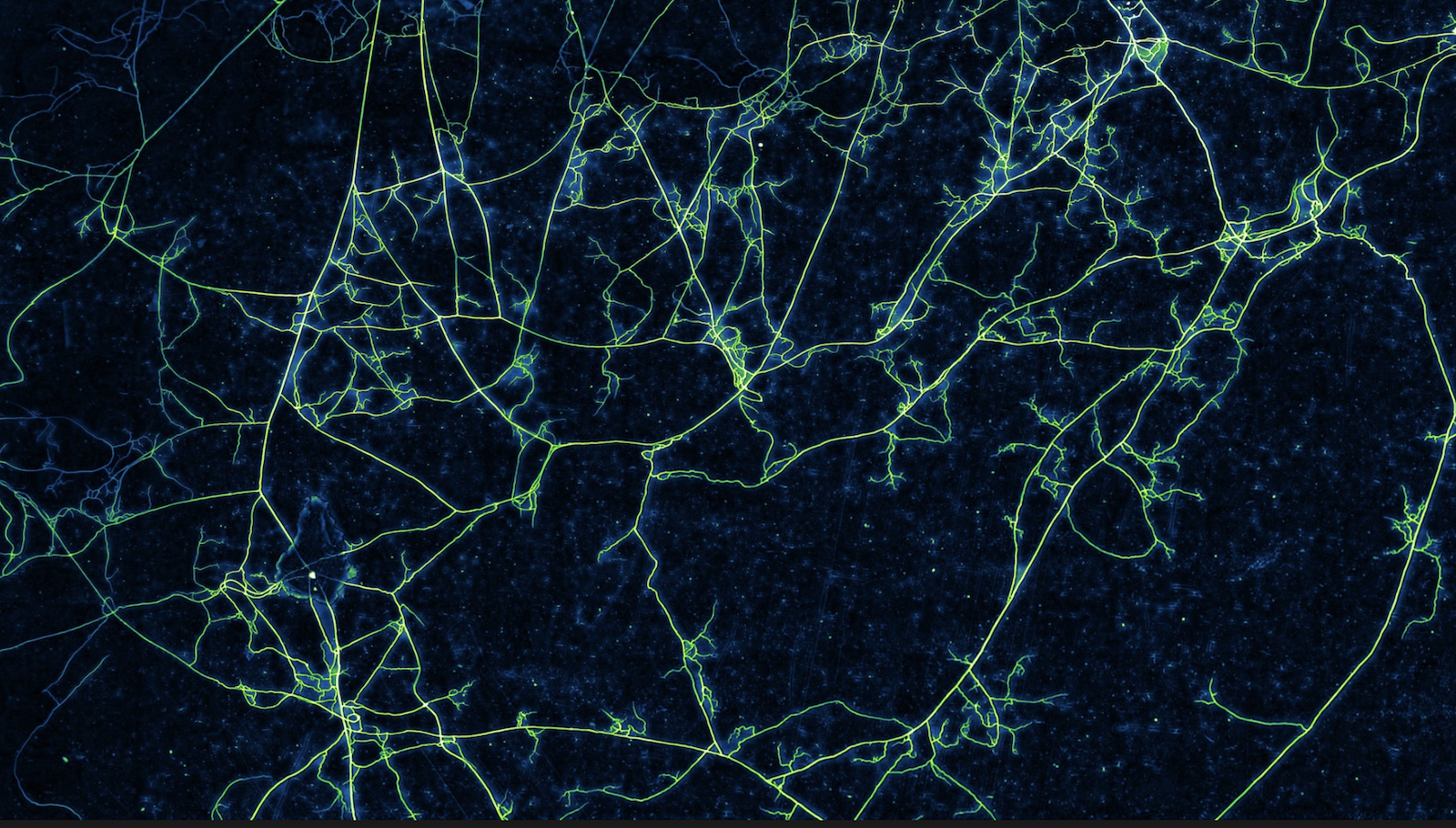
Mycorrhizal fungal networks are found across almost all underground ecosystems on Earth - an estimated 110 quadrillion kilometres of arbuscular mycorrhizal network alone. Mycorrhizal fungi form partnerships with nearly 80% of plant species, providing plants with nutrients and water, and receiving carbon in return. These partnerships are formed across different types of ecosystems, in all biomes, on all continents.
Underground networks provide many benefits, both directly for humans and indirectly for the health of the planet. The partnership, or symbiotic relationships, that mycorrhizal fungi form effectively extend plant root systems into soils, allowing plant hosts to get the nutrients they need to grow. As a result, mycorrhizae offer many potential benefits such as nutrient uptake, and drought and pathogen resistance, leading to healthier plants and crops and increased yields.
What are ecosystem functions?
Ecosystem functions are processes which contribute to the structure and stability of an ecosystem, such as nutrient cycling or plant biomass growth. These processes operate independently of human presence or benefit. When humans benefit from these processes, for example by climate regulation, food production, and clean water, this is known as ecosystem services.
This list of ecosystem functions which occur as a result of plant-fungi symbiosis demonstrates how mycorrhizal fungi contribute to the structure and stability of ecosystems on Earth.
1. 🌾 Nutrient cycling
Nutrient uptake, affecting plant productivity and soil fertility (agricultural and natural productivity). Mycorrhizal fungi can provide plants with up to 80% of their nitrogen and phosphorus in some ecosystems (van der Heijden et al. 2015). Mycorrhizal fungi also influence plant growth and survival, nutrient and carbon cycles, soil structure and biodiversity.
- Enhanced Nutrient Uptake
- Plant Nutrition and Productivity
- Nutrient Cycling and Soil Fertility
2. 💧 Water circulation and management
Improving water uptake and absorption - water availability during normal and stress (drought) times. Field studies found that mycorrhizal fungi increased plant biomass by 31% on average under drought (Zaman et al. 2024).
- Enhanced Plant Water Uptake
- Improved Water Absorption Into Soil
.jpg)
3. 🌱 Pathogen and stress protection
Resistance to pathogens and disease, increased resistance and tolerance to stress. A meta-analysis of 93 studies demonstrated that the positive effects of AMF on soil aggregation, water flow, and disease resistance were equal in magnitude to the effects on plant nitrogen and phosphorus uptake (Delavaux et al. 2017).
- Pathogen Resistance and Disease Suppression
- Ecosystem Resilience and Stress Tolerance
4. 🪨 Soil structure and health
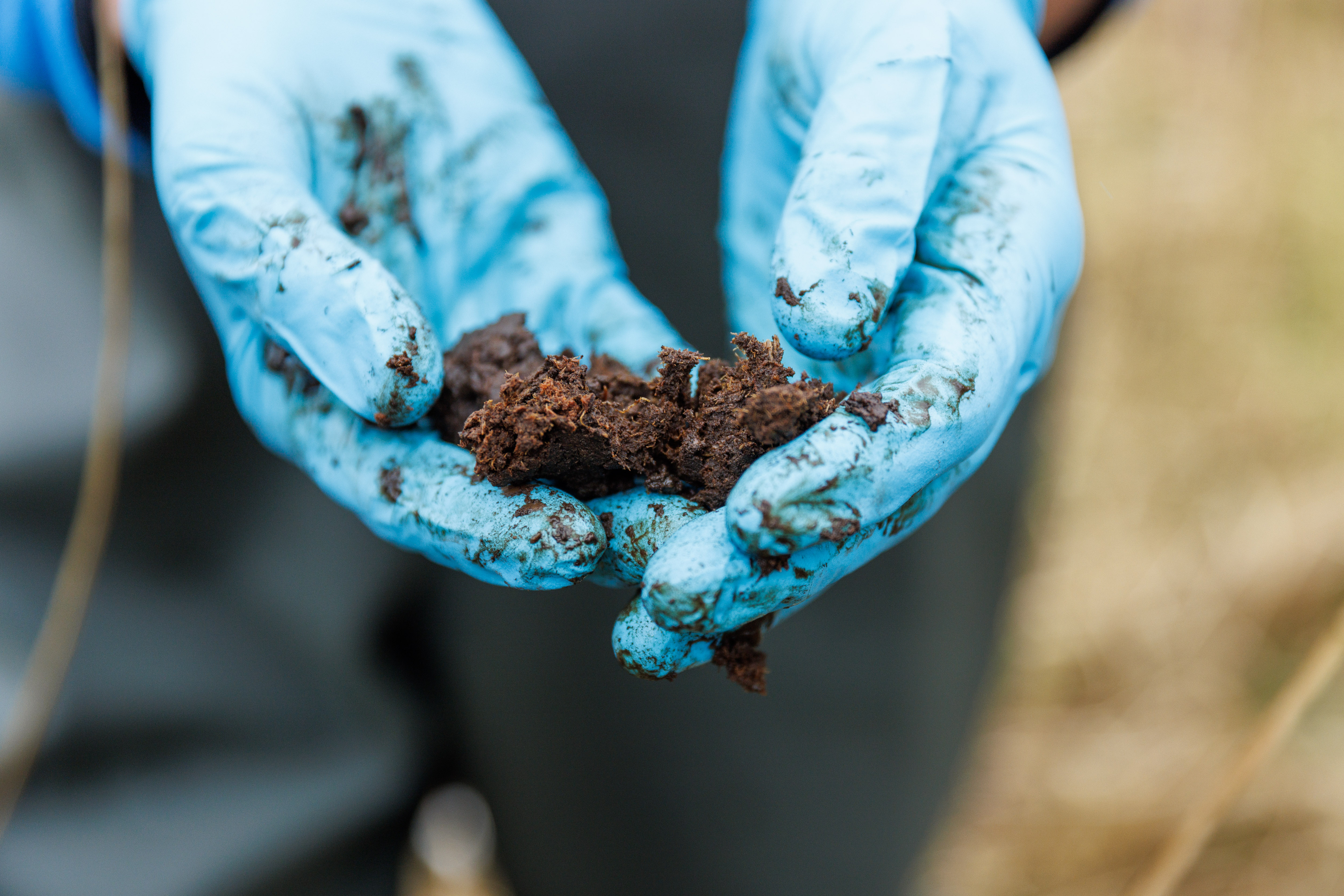
Overall soil health, structure, functionality, and erosion resistance. Arbuscular Mycorrhizae Fungi have a beneficial effect on soil structure, acting as a binding agent to create stable soil aggregations (Fall et al. 2022).
- Improved Soil Structure and health
- Erosion Prevention
- Supporting soil food webs
5. 🌍 Biodiversity
Native arbuscular mycorrhizal fungi change which plants established, increase plant diversity and floristic quality, support later-successional native plants, and reduced weeds and non-native species (Koziol et al. 2025).
- Influencing Community Structure
- Regulating Plant Establishment and Growth
6. 🔄 Carbon cycling
Storing and regulating carbon - climate regulation. Plants allocate about 13.12 billion metric tons of CO2 equivalent to mycorrhizal fungi each year (Hawkins et al. 2023).
- Regulating Carbon Cycling and Climate
- Carbon Drawdown
_Andre%CC%81s%20Pacheco%20-%20La%20Cueva%20Cine.jpg)
Aboveground health depends on belowground health
In conclusion, it is not an understatement to say that the health of our planet aboveground is directly linked to underground health. Mycorrhizal fungi partner with the vast majority of land plants. They mediate nutrient uptake, enhance drought tolerance, stabilize soils, and shape plant community composition and succession. Click here to read more about the wonders of underground networks.


