
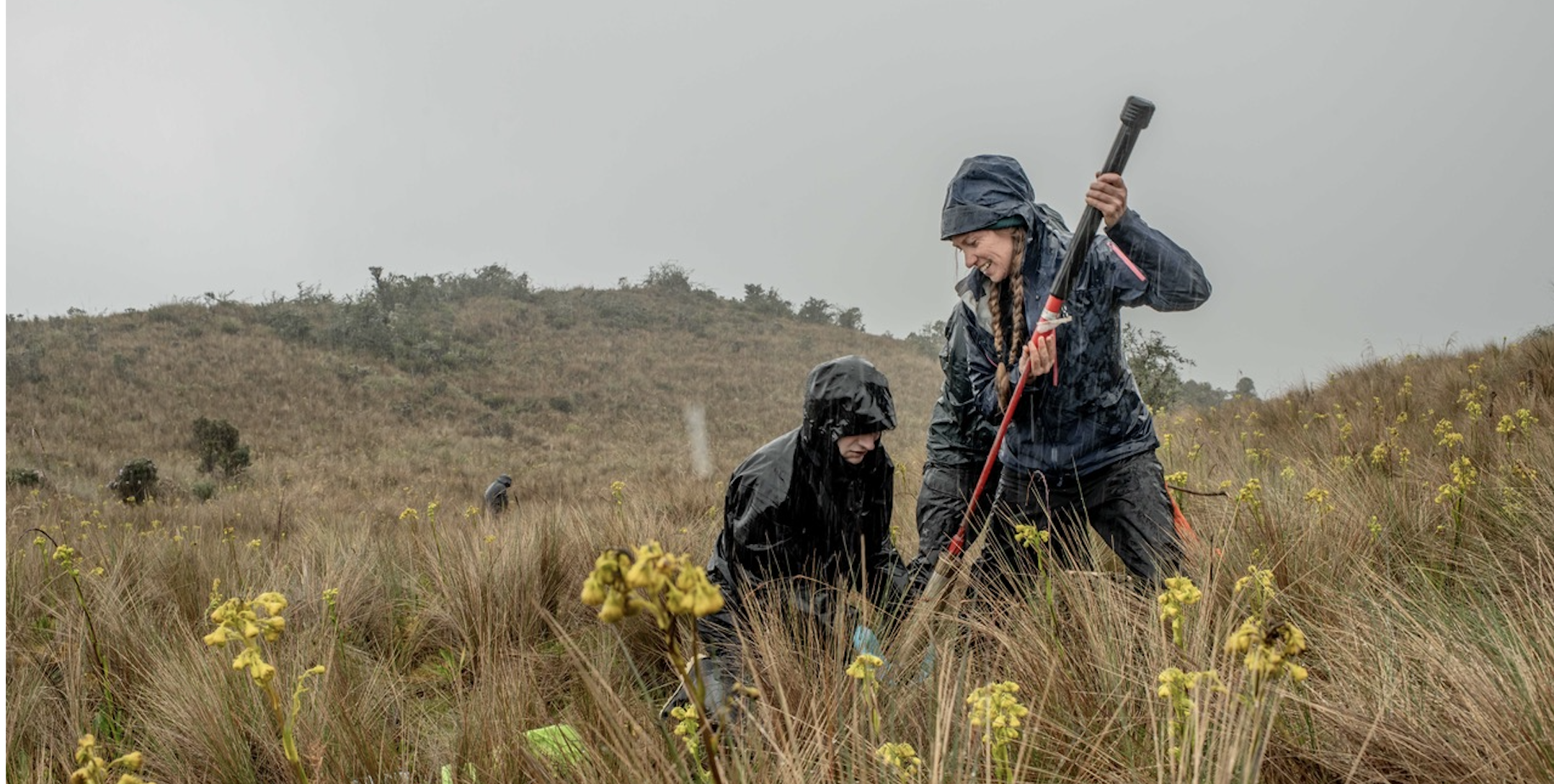
Fungal Restoration Defined
How restoring native plants together with native fungi can increase the growth, durability, and speed of ecosystem recovery

Fungal restoration is currently receiving widespread attention as we learn about its many benefits and better understand the science. In this article we define fungal restoration, list the potential benefits, and explore how it works.
article link
- Fungal restoration is the process of reintroducing and encouraging native, diverse communities of fungi, including mycorrhizal fungi
- Restoring underground mycorrhizal systems can help restoration outcomes, increasing the resilience, speed, and effectiveness in some restoration projects
- Long-term studies have shown that actively restoring mycorrhizal communities can increase plant size, survival, and overall plant diversity
- There are practical ways to encourage the establishment of mycorrhizal communities in new and existing restoration projects
Fungal restoration is currently receiving widespread attention as we learn about its many benefits and better understand the science. In this article we define fungal restoration, list the potential benefits, and explore how it works.
Historically, underground fungal systems have been almost entirely absent from how conservation and restoration are planned, funded, and measured.
What Is fungal restoration?
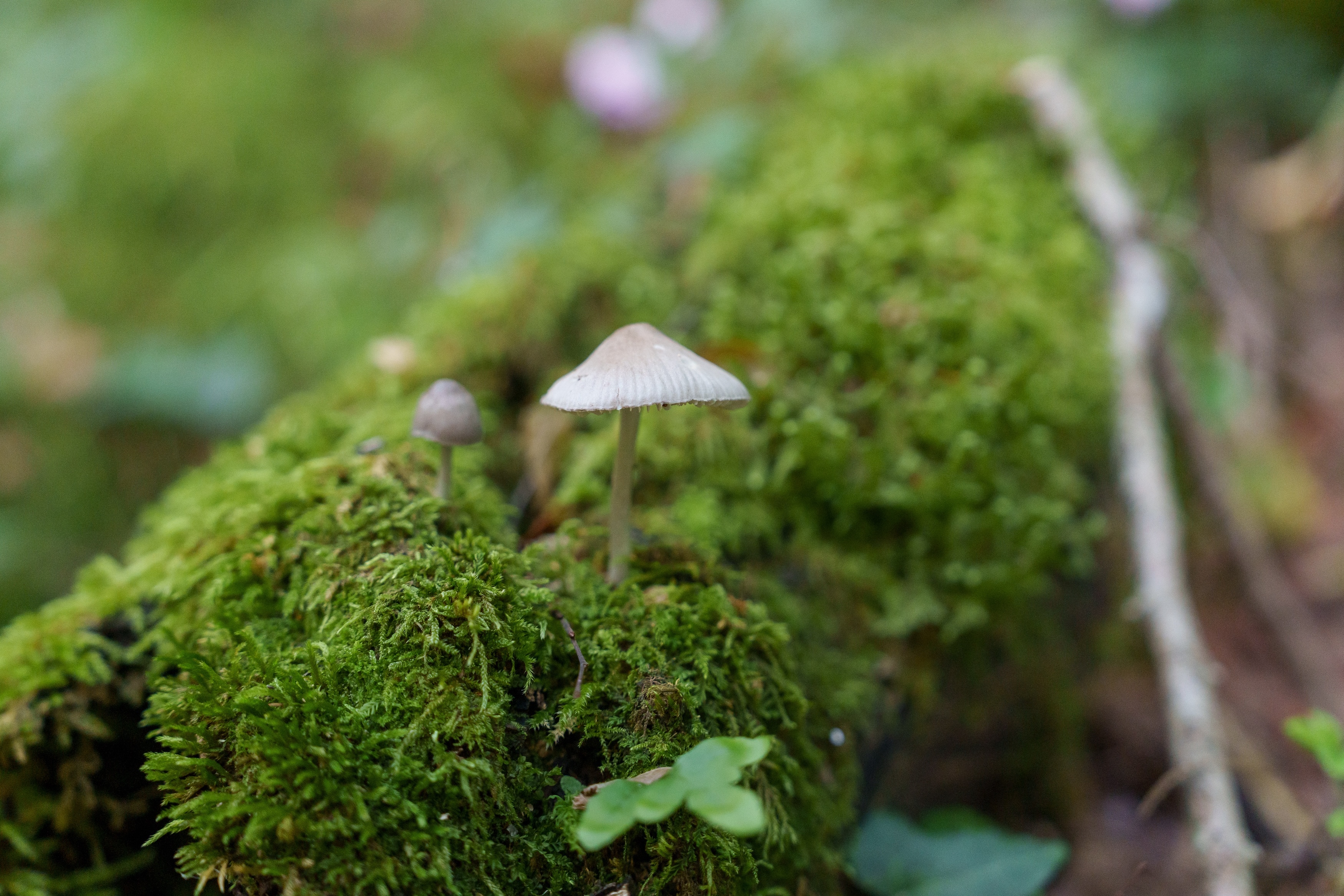
Fungal restoration is the process of reintroducing and encouraging native, diverse communities of fungi into ecosystems. In underground ecosystems, mycorrhizal fungi are central to this work. Fungal restoration can support the return of aboveground native plant communities, rebuild soil health, break down environmental pollutants (bioremediation), improve water circulation, and increase carbon storage belowground.
Why is fungal restoration promising?
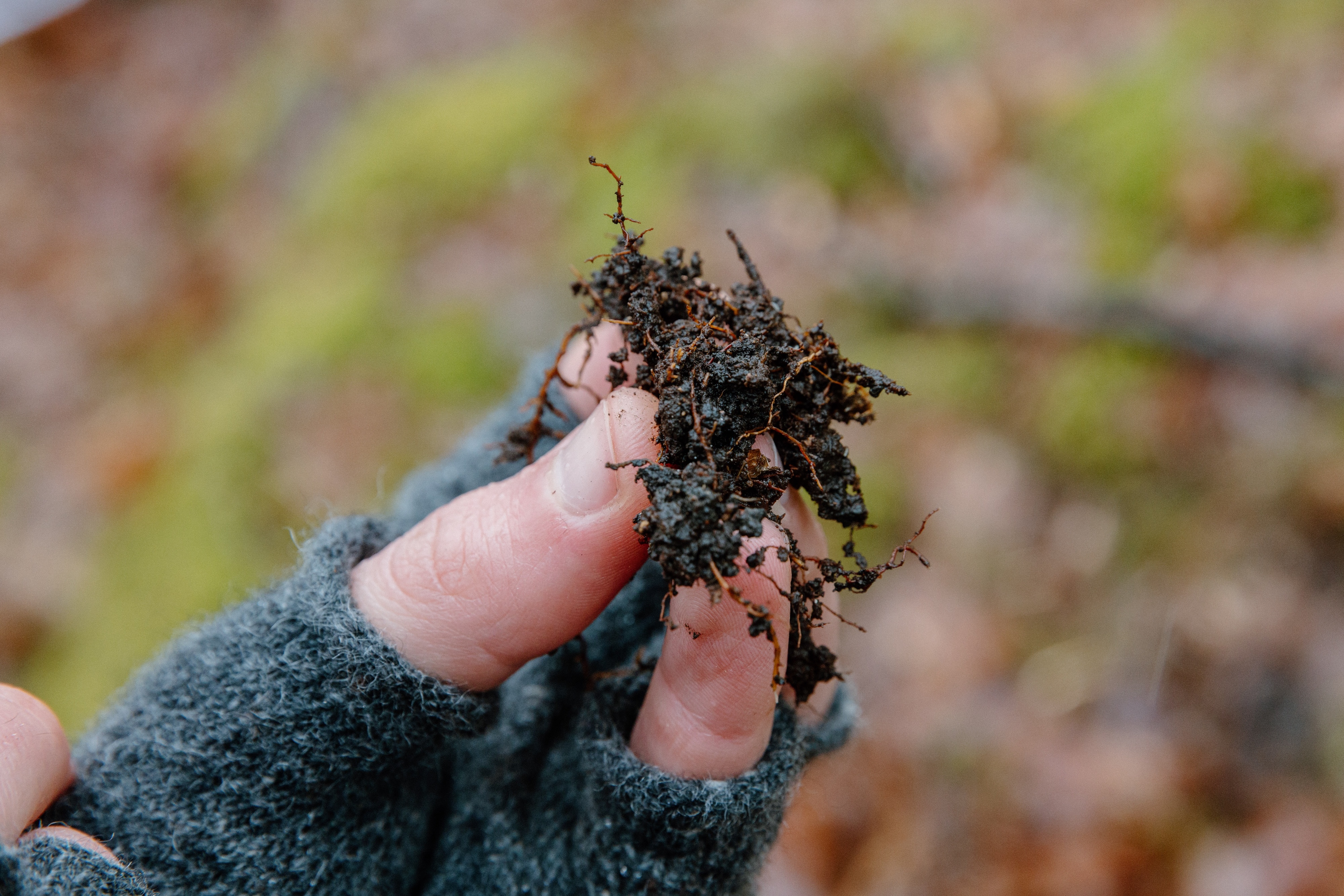
- Belowground fungal health plays a major role in ecosystem recovery
- Restoration success (speed, durability, plant survival) can significantly increase when mycorrhizal fungi are incorporated into restoration plans from the start
- Conserving local, intact fungal ecosystems, or 'fungal refugia,' before they are degraded provides sources of fungal diversity for future restoration projects. Fungal refugia are important for future restoration efforts because they protect locally adapted fungal communities that can act as donor sites for fungal diversity which may be critical for restoration success.
Two Major Types of Mycorrhizal Fungi
Mycorrhizal fungi form an ancient and essential nutrient exchange partnership with plants. There are two major functional types of mycorrhizal fungi. Knowing these functional types is important because plant species tend to partner with one or the other, and in rare cases both types.
ARBUSCULAR MYCORRHIZAL (AM) FUNGI
These form associations with approximately 80% of plant species, dominating in tropical forests, grasslands, and croplands.
ECTOMYCORRHIZAL (EcM) FUNGI
These form associations with only about 2% of plant species, but their host plants comprise over 25% of global vegetation and dominate high-latitude forests.

Why is fungal restoration important?
According to the United Nations, habitat restoration involves stopping and reversing environmental degradation in order to enhance ecosystem functions and restore biodiversity. The approach can include a broad range of restoration methods that vary based on local environmental conditions and community priorities. Through restoration efforts, degraded areas can regain their ability to support wildlife by providing essential food and shelter. Restoration also improves important ecological processes such as water filtration, runoff reduction, and carbon storage.
Historically, underground fungal systems have been almost entirely absent from how conservation and restoration are planned, funded, and measured today. Restoration has largely been guided by what is visible aboveground, limiting its ability to deliver on its full promise.
This needs to change because mycorrhizal fungi are a critical component of soil health and structure, supporting aboveground diversity and resilience as a life support system. Mycorrhizal fungi are intricately linked to plant productivity and health. Mycorrhizal fungal networks mediate carbon cycling, drought resilience, nutrient transfer, and plant community structure.

Benefits of mycorrhizal restoration:
- Fungal systems can rebuild biodiversity and improve ecosystem functions, such as water quality and underground carbon flows
- Restoring mycorrhizal fungi can help build food-webs, for example plants supported by healthy fungal networks have been shown to make bigger, sweeter flowers that support pollinator populations
- Fungal restoration can help remediate toxic soils, for example following mining
- Benefits of native fungal restoration can be visible for years, with improved native grassland diversity and weed suppression
- Mycorrhizal restoration can improve plant development and nutrient availability under drought stress, suggesting fungal systems may be especially valuable in dry, nutrient-limited, or failure-prone restoration sites
- Restoration success is very context dependent. Plant functional type, soil fertility, degradation history, and source of native fungal communities all matter
Mycorrhizal fungi can play a significant factor in long-term ecosystem recovery. This is because mycorrhizal fungi do not just improve plant biomass, but can also improve community assembly, increase plant richness, and allow for target-species establishment. This has been demonstrated in grasslands, where native AM fungi inoculation was followed over seven years, and shown to increase native plant diversity while suppressing invasive weeds.
A key question however, is how mycorrhizal communities can be introduced into new restoration plans.

Mycorrhizal restoration strategies
There are many intervention strategies that are emerging for restoring mycorrhizal fungal communities in degraded ecosystems, ranging from completely passive recovery to highly controlled fungal inoculation approaches. These interventions differ in cost, ecological risk, technical complexity, and consistency of outcomes across ecosystem types. Together, they represent a gradient from relying on natural successional processes to actively rebuilding belowground networks using native soil communities or cultured fungal strains. Evidence from 172 field-restoration and forestry inoculation studies suggests that intervention success depends strongly on ecosystem context, disturbance severity, and whether locally adapted native fungi are reintroduced. Here are 6 broad approaches, but new ideas continue to emerge.
- Passive rewilding: less active intervention but degraded soils may be baited with resources that attract fungi to accelerate colonization
- Whole-soil transfer at site: soil from a donor site containing healthy, intact native fungal communities is broadcast or placed directly into degraded soils
- Whole-soil transfer to seedlings: seedlings are exposed to soils from donor site containing healthy, intact native fungal communities
- Amplified native community inoculum: fungi in soils from donor sites are propagated using host plants without knowing the identity of all fungal species
- Defined-strain cultured inoculum: native fungal species are isolated, identified, and introduced to seedlings or directly into soils as a well-defined consortia
- Commercial inoculum products: typically produced in a lab and tend to show low viability, weak field performance, and potential risks to native fungal communities
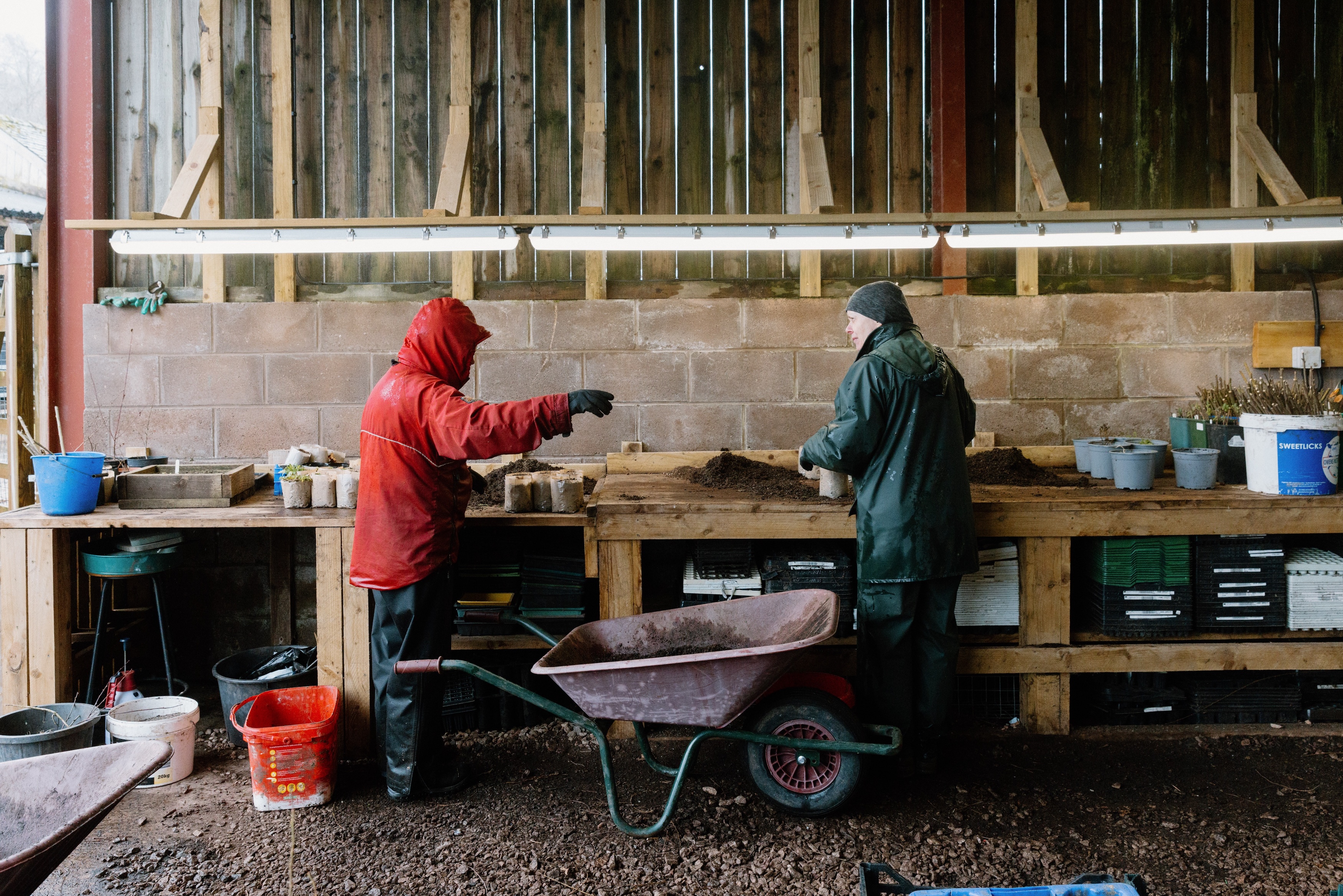
While more work is needed, the strongest and most repeatable evidence for restoring mycorrhizal fungal communities comes from interventions that reintroduce intact native soil biota rather than relying on passive recovery or commercial products. Grasslands, prairies, drylands, and mined landscapes tend to respond positively to active inoculation, especially when whole-soil transfer is applied directly at restoration sites. These approaches often accelerate native plant establishment, improved soil function, and shifted plant communities toward reference ecosystem conditions. Defined-strain native inocula also showed strong positive effects on biomass, species richness, and long-term persistence, with some benefits lasting seven years or more. However, outcomes tend to be context dependent, particularly in forests where existing ectomycorrhizal (EcM) communities, soil texture, and regional conditions are incredibly important.
Past work has found that commercial inoculum products tend to perform poorly across multiple independent meta-analyses, with many products showing low viability, weak field performance, and potential risks to native fungal communities. Overall, the evidence strongly supports prioritizing locally adapted native inocula and ecosystem-specific strategies over generalized commercial solutions.
Take-away messages for using mycorrhizal fungi to improve restoration success:
- Grasslands, prairies, savannas, and mined lands respond especially well to active mycorrhizal restoration
- Forest restoration outcomes can be more context dependent
- Native fungal inocula can be more effective and ecologically safe than commercial inocula
- Commercial inocula frequently show poor propagule viability and may disrupt native fungal communities
- Long-term monitoring and dose-response studies remain major gaps in mycorrhizal restoration research


