
Dynamic Map Instructions (Delete This)
Don't delete "cru-ncf"-elements
Style in Webflow, modify in Dynamic Map App
In case of an issue...
Important Links


Style Guide – hidden on live site (don't delete or hide)
CMS List Item
Filter Reset / Empty State
Pop-Up
Tooltip
Filter Address Search
Filter Chip
Map Location Pin
Underground explorers program
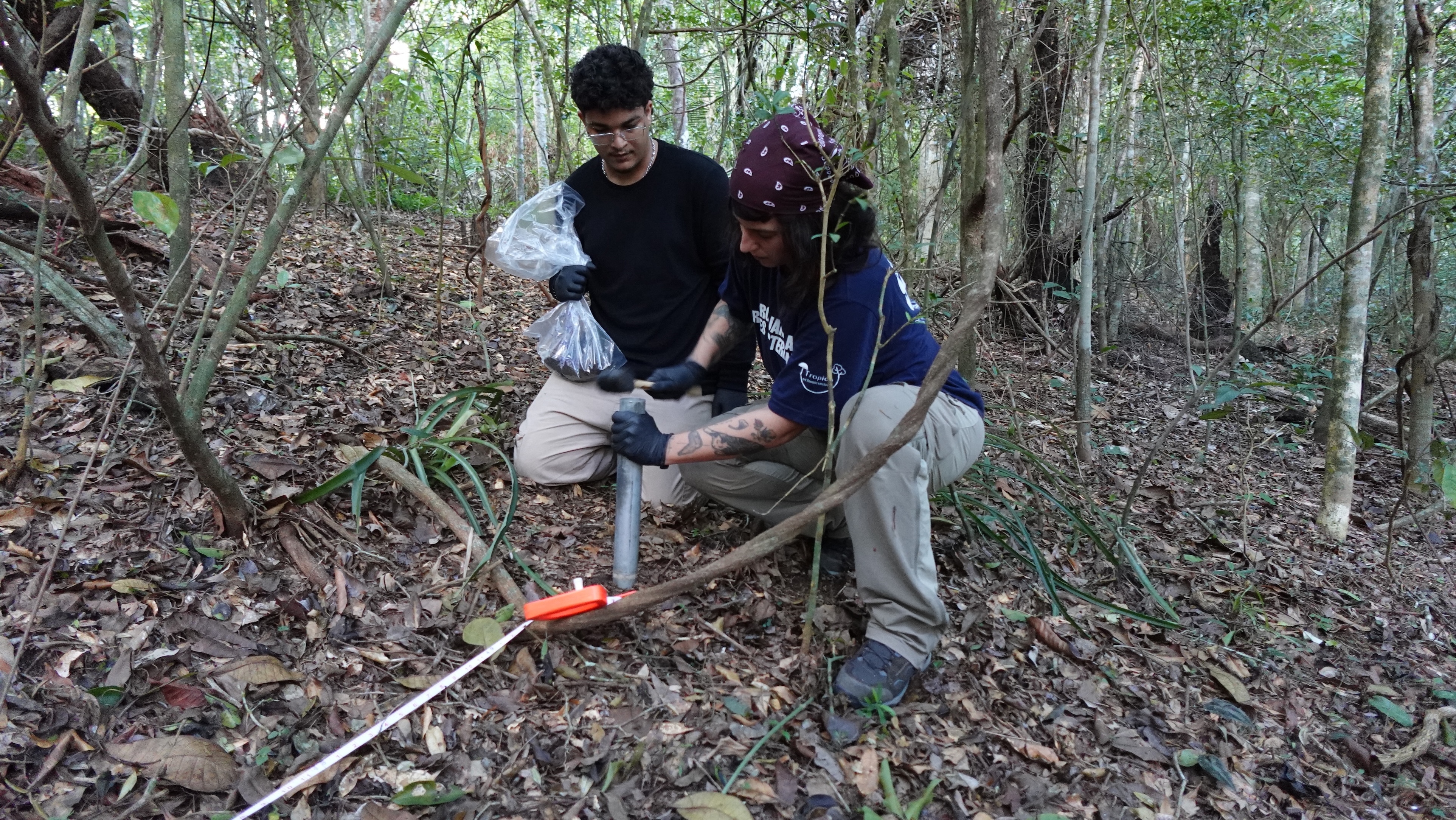
SPUN’s Underground Explorers Program ensures that research is driven by local researchers and communities. This model helps embed research within local contexts and culture. Underground Explorers define their research questions and determine how data are used and applied. SPUN provides funding, sequencing, and technical support. This program helps to:


Sample under-studied, hard-to-access ecosystems
Explorers are sampling and sequencing mycorrhizal communities to help close the fungal diversity knowledge gap. These samples will help grow SPUN's global maps of mycorrhizal diversity.
Connect researchers
We are building a network of mycorrhizal researchers to share ideas, protocols, and findings within their local communities and across the globe.
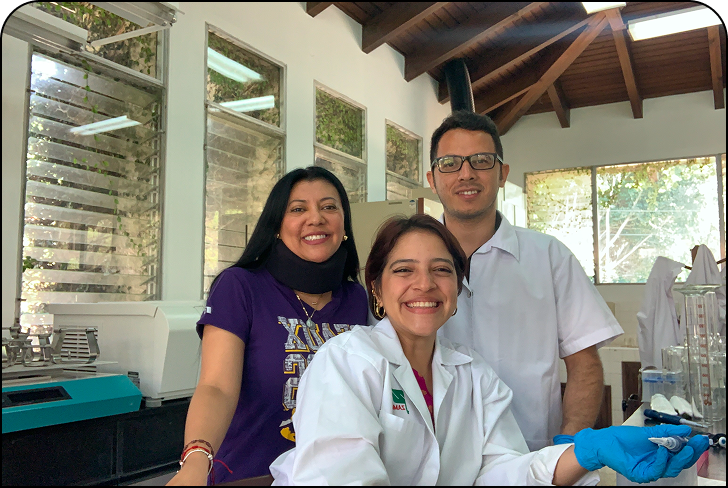
Elevate voices
Through the Underground Explorers and Underground Advocates Programs, we aim to give a platform to communities who have been historically underrepresented in mycorrhizal research, publication, and science-based advocacy.


Mycobiome Diversity of Treeline Ecotones in the North Western Himalaya (MD-TEN WH)
India
2023

Mycobiome Diversity of Treeline Ecotones in the North Western Himalaya (MD-TEN WH)
Aabroo Fatima Qazi
India
Cohort:
2023
project abstract
The alpine treeline in the north-western Himalaya forms a distinct ecological boundary between the upper limit of closed-canopy forests and the alpine vegetation. Trees in this ecotone are highly sensitive to climate change, and soil microbes can help relieve climatic stress for them. Investigating how the soil mycobiome responds to environmental changes, including shifts in temperature and precipitation patterns associated with climate change, can help predict and mitigate the impacts of climate change on soil fertility, carbon storage, and ecosystem stability. In this context, the documentation of the soil mycobiome within the treeline ecotone of climate-sensitive Himalayan landscapes is of utmost importance. In the present project, we will collect baseline data on the soil mycobiome using molecular methods (DNA extraction from soil, its amplification using specific primers, and subsequent data analysis). This will help us gain information with potential use in monitoring and assessing ecosystem functionality and tracking the ecosystem impact of impending global climate change. It can also be used to understand how the diversity, distribution, and functionality of the soil mycobiome itself may be affected by the changing climate. The valuable insights gained from the proposed project can be applied to ecosystem restoration programs.
Photo by Akshat Vats on Unsplash

Diversity Of Soil Culturable Fungi and Mycorrhizal mapping In the Rwenzori Tropical Montane Cloud Forest of Uganda
Uganda
2025
Diversity Of Soil Culturable Fungi and Mycorrhizal mapping In the Rwenzori Tropical Montane Cloud Forest of Uganda
Adeyinka Odebode
Uganda
Cohort:
2025
project abstract
Rwenzori Tropical montane cloud forest exhibit a high diversity of plant species and communities, as a result of high humidity and mild temperatures that create favorable conditions for the coexistence of temperate and Neotropical flora. The forest has five distinct vegetation zones, several endangered species and the richest montane flora in Africa. Hence, it is necessary to determine how mycorrhizal fungi community diversity and structure differ in the different forests. The project will assess the diversity of soil fungi through meta-barcoding of soil in these cloud forests to know the true diversity that exists through mycorrhizal mapping.
Photo by Keith Kasaija on Unsplash

Exploring Arbuscular Mycorrhizal Biodiversity In Grassland Ecosystems In Uruguay
Uruguay
2022
Exploring Arbuscular Mycorrhizal Biodiversity In Grassland Ecosystems In Uruguay
Adriana Montañez
Uruguay
Cohort:
2022
project abstract
Uruguay is part of the temperate subhumid grasslands in the eastern part of South America. Our territory is described as Campos within Biome Pampa according to physiognomic, geomorphologic, and edaphic features. This region shows year-round photosynthetic activity and represents one of the world's most diverse, largest, and less transformed grassland areas. Despite their apparent physiognomic homogeneity, these grasslands hold high species diversity, having grasses as the dominant life form except for a few scattered shrubs and trees. Actually, Uruguay lost 10% of its pastures. A regional mapping work of the Pampa biome (Brazil, Argentina, and Uruguay) shows the reduction of the grassland ecosystem over two decades. Our country's main driver of pasture losses was agriculture, followed by forestry and invasive plants.
It is widely recognized the key role of arbuscular mycorrhizal fungi (AMF) in terrestrial ecosystems, as they regulate nutrient and carbon cycles influencing soil structure, plant community, and ecosystem multifunctionality. The role of mycorrhizal symbiosis has been usually related to its impact on the plant mineral nutrition However, it has been demonstrated that this symbiotic process has a key role in ecosystem stability and restauration. AMF is a mutualistic microorganism that links biotic and abiotic components of ecosystems, mediating plant competition and nutrient distribution. Our question is, within Campos, which factors are driving and modulating AMF biodiversity? Four sites representing conserved grasslands will be sampled; we will combine different approaches to understanding AMF diversity by looking at the links between AMF and plant community structure, geochemistry, and soil microbial community interactions.
Three hypotheses are proposed: (1) AMF diversity is affected by soil type, and physicochemical environmental conditions; (2) AMF diversity responds to changes in above-ground plant community diversity; and (3) AMF diversity is affected by the interactions with soil microbial communities (fungi and bacteria) that coexist in the same site.
During this project, motivation to local communities will be through seminars and talks. Local communities, especially students from rural schools, could keep the plant communities under observation within passive conservation and restoration mini-projects aimed to involve them in a change of mind about soil health and below- and above-ground biodiversity.
Photo by luciano paris on Unsplash

Environmental Drivers of Mycorrhizal Fungal Communities in Landfill-Polluted Soils in South Africa
South Africa
2026
Environmental Drivers of Mycorrhizal Fungal Communities in Landfill-Polluted Soils in South Africa
AFOLAKEMI ALIMI
South Africa
Cohort:
2026
project abstract
Photo by Joshua Kettle on Unsplash

Regional and large scale patterns of soil fungi in the Amazon forest of Colombia
Colombia
2022
Regional and large scale patterns of soil fungi in the Amazon forest of Colombia
Aida Marcela Vasco
Colombia
Cohort:
2022
project abstract
The Amazon Region has a large number of ecosystems, which house a high biotic diversity. It is considered a hotspot for soil fungi and protects a high level of fungal endemism (Tedersoo et al. 2014, 2022). The project intends to study soil fungal communities, including arbuscular mycorrhizae and ectomycorrhizae, at three contrasting and distant points in the Colombian Amazon, which will allow us to learn more about the distribution patterns of soil fungal communities, and in particularly mycorrhizae. In addition to studying white-sand forests and terra firme forests, alluvial plain or várzea forests will be included, which have not yet been studied.
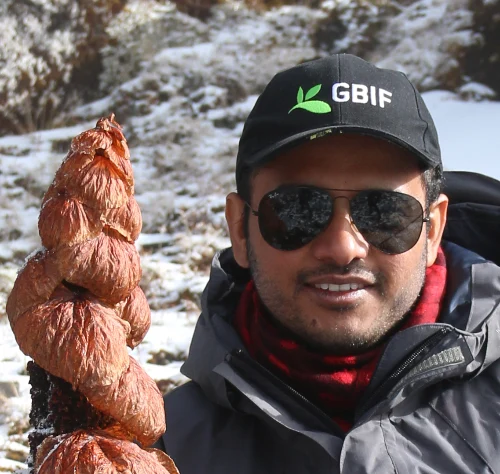
Exploring the Role of Mycorrhizal Communities in Sustaining Rangeland Ecosystems in the Hindu Kush Himalayan Region.
Nepal
2025
Exploring the Role of Mycorrhizal Communities in Sustaining Rangeland Ecosystems in the Hindu Kush Himalayan Region.
Ajay Neupane
Nepal
Cohort:
2025
project abstract
This proposal aims to investigate the role of mycorrhizal communities in sustaining rangeland ecosystems in Khaptad National Park (KNP), Nepal, within the Hindu Kush Himalayan region. Despite rangelands covering 12% of Nepal's area and supporting highland communities, they are under-researched and face significant degradation from overgrazing, shrub encroachment, and anthropogenic pressures. This research aims to fill this gap by investigating three key hypotheses: 1) Mycorrhizal diversity in highland rangelands is linked to native plant species composition and ecosystem function; 2) Mycorrhizal fungi enhance soil fertility and plant resilience through nutrient cycling; and 3) Mycorrhiza contribute to the stability and resilience of plant communities under increasing anthropogenic pressures. The study will involve collecting 50 soil samples from five stratified sites within KNP, based on vegetation types and disturbance gradients. The findings are expected to have significant local, regional, and global impacts, including updating Nepal's national fungal checklist, informing conservation strategies like the Nepal National Biodiversity and Action Plan (NBSAP), and developing awareness materials on wild mushrooms. Ultimately, this project seeks to integrate fungal ecology into sustainable rangeland management policies and enhance local community awareness of the importance of mycorrhiza for their livelihoods.
Photo by Nirajan Dhakal on Unsplash

Mycorrhizal fungal diversity on savanna palm swamps in the Cerrado biome
Brazil
2024
Mycorrhizal fungal diversity on savanna palm swamps in the Cerrado biome
Alessandra Monteiro de Paula
Brazil
Cohort:
2024
project abstract
Among the phytophysiognomies of the Cerrado biome, the second most threatened biome in Brazil, palm swamps represent the most sensitive areas to human intervention, mainly due to the ecosystem services they perform as carbon storage (carbon stock in the soil) and in the regulation and availability of water. Land use conversion can alter moisture levels, soil characteristics, patterns of environmental heterogeneity, vegetation composition and microbial diversity, especially the AM community. Consequently, patterns and processes can be changed, compromising the functioning of the ecosystem. The project hypothesizes that the diversity of arbuscular mycorrhizal fungi in palm swamp areas varies depending on the water availability in the soil, estimating greater diversity in more drained environments. The analysis of arbuscular mycorrhizal fungi diversity will contribute to the maintenance and resilience of palm swamp areas in the face of environmental changes. Including the identification of species that can favor the establishment of native plant species in areas undergoing regeneration and recovery.
Photo by Rogean James Caleffi on Unsplash

The mycorrhizal fungus of the Argentine Mesopotamia is being modified by introduced forest
Argentina
2023
The mycorrhizal fungus of the Argentine Mesopotamia is being modified by introduced forest
Alex Ernesto Somrau
Argentina
Cohort:
2023
project abstract
Argentine Mesopotamia is a region composed of 3 provinces and 3 very different ecoregions: the Espinal Ecoregion; the Southern Cone Mesopotamian Savannah, where the Iberá Wetlands are located, the second largest wetland in the world; and the Upper Paraná Atlantic Forest, where one of the 7 natural wonders of the world, the Iguazú Falls is located, and where 52% of the country's biodiversity is found. Despite the ecological importance of this region, it concentrates more than 75% of the country's afforestation with species introduced more than 80 years ago, with pine and eucalyptus, two exotic species with mycorrhizal associations, being the most cultivated. However, it is not known how many mycorrhizal species have been introduced and how they have affected the native fungi. Therefore, the aim of this project is to analyze the diversity of exotic and native mycorrhizae in order to assess the impact of afforestation on native mycorrhizal diversity and to initiate awareness and mitigation measures.
Photo by Ignacio Aguilar on Unsplash

Mapping Arbuscular Mycorrhizal Fungal Diversity Associated with African Yam Bean (Sphenostylis stenocarpa) in Nigerian Agroecosystems
Nigeria
2026
Mapping Arbuscular Mycorrhizal Fungal Diversity Associated with African Yam Bean (Sphenostylis stenocarpa) in Nigerian Agroecosystems
Amina Badmos
Nigeria
Cohort:
2026
project abstract
Confidence24, CC BY-SA 4.0 <https://creativecommons.org/licenses/by-sa/4.0>, via Wikimedia Commons

Submerged half of the hidden kIngdom: Mycorrhizal fungal diversity in mangrove ecosystems across contrasting marine coastlines in the United Arab EmIrates
United Arab Emirates
2024
Submerged half of the hidden kIngdom: Mycorrhizal fungal diversity in mangrove ecosystems across contrasting marine coastlines in the United Arab EmIrates
Amit Kumar
United Arab Emirates
Cohort:
2024
project abstract
This research investigates the fungal diversity with special emphasis on mycorrhizal fungal diversity, within the dominant mangrove species in the United Arab Emirates (UAE). Despite their significance, mangrove ecosystems along the UAE coasts are often overlooked as ecological hotspots, however, they play important ecological and cultural roles while contributing to climate change mitigation. Through a comprehensive examination of fungal communities across diverse habitats characterized by varying environmental conditions, the project aims to understand the ecological adaptations and compositions of mycorrhizal fungi within these ecosystems. Furthermore, the study aims to identify core mycorrhizal fungal taxa that may be conserved across different environments, providing crucial clues for conservation strategies.
Photo by Saj Shafique on Unsplash

Amazonian forest degradation: impacts on soil fungi
Brazil
2024
Amazonian forest degradation: impacts on soil fungi
Andressa Monteiro Venturini
Brazil
Cohort:
2024
project abstract
The Brazilian Amazon is facing unprecedented threats, including increasing deforestation and degradation (fires, extreme droughts, timber extraction, and edge effects) that collectively impact half of the original forest area. Amazonian soil microbes are sensitive indicators of land conversion, which has been linked to a rise in microbial methane emissions and antibiotic-resistant genes. However, soil fungal communities have been neglected in land-use studies in the region, with inconsistent results across publications. Additionally, their responses to forest degradation are still unknown. Our goal is to address these gaps by evaluating total and arbuscular mycorrhizal fungal communities in soils from the Eastern Brazilian Amazon. Samplings will be conducted in a natural forest and forests undergoing various degradation processes, as well as in a pasture and a soybean field. Our project will help elucidate the intricate connections among forest degradation, soil microbiome, and soil health, contributing to the conservation and sustainable management of the Amazon biome.
Photo by Vinicius Löw on Unsplash
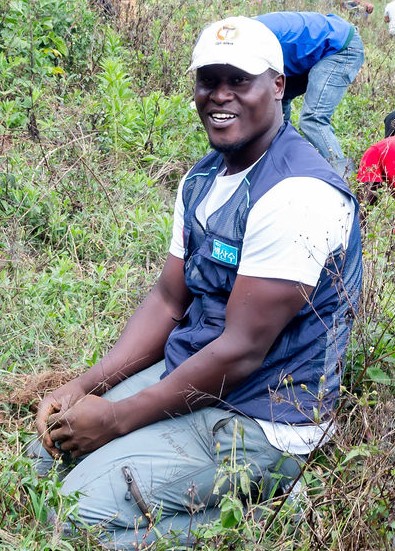
MyFERSE - Mycorrhizal Fungi for Ecological Restoration of Savanna Environments
Kenya
2026
MyFERSE - Mycorrhizal Fungi for Ecological Restoration of Savanna Environments
Andrew Gichira
Kenya
Cohort:
2026
project abstract
Nina R from Africa, CC BY 2.0 <https://creativecommons.org/licenses/by/2.0>, via Wikimedia Commons

Metabarcoding of soil fungi from Humid and dry forests in Madagascar
Madagascar
2023
Metabarcoding of soil fungi from Humid and dry forests in Madagascar
Anna Berthe Ralaiveloarisoa
Madagascar
Cohort:
2023
project abstract
The number of fungal species in Madagascar is unknown. Ralaiveloarisoa (2022) estimated that there might be as many as 84,000 – 140,000 species in Madagascar while less than 1000 species (less than 2%) have been described. Many of these species are already under threat due to slash and burn agriculture and might disappear without knowing them. Thus, metabarcoding of the fungal community would be imperative to increase the knowledge on Malagasy fungi more rapidly than is possible with the traditional methods before their vanish. The aim is to produce DNA barcodes of the whole fungal community within a sample using high-throughput DNA sequencing technology and to understand the distribution and the ecological roles of fungi quicker. The results will allow us to compare the fungal diversity from the humid forests in the center and eastern Madagascar to those present in the dry forest in the South-Western. The data produced during this project will increase the number of sequences present in the public repositories so that they also can be used to evaluate the conservation status of Malagasy species.
Photo by Sergey Zhesterev on Unsplash

Exploring the ectomycorrhizal community associated with restinga, forest and Caatinga moist enclaves in Paraíba
Brazil
2024
Exploring the ectomycorrhizal community associated with restinga, forest and Caatinga moist enclaves in Paraíba
Ariadne Nóbrega Marinho Furtado
Brazil
Cohort:
2024
project abstract
Home to several endemic species, less than 10% of Paraíba's territory, in Brazil, is officially protected, including 6% of the Atlantic Forest and only 1.2% of the former Caatinga formation. Deforestation, mining, excessive extraction of forest products, fires, animal overload are some of the actions that have led to greater fragmentation and threatened the survival of restinga, fragments forestry and Caatinga enclaves in the state. Knowing the local fungal communities and how they are interrelated between various environments will allow us to identify potential taxa to be used in restoration strategies for areas already so affected. We propose three hypotheses: 1) ectomycorrhizal fungal community is higher in Caatinga enclave moist regions than in restinga and forest; 2) the composition of fungi in restinga soils is distinct from forest soils, with some parallels regarding more resilient species; 3) the Northeast restinga has a more diverse ectomycorrhizal community than South Brazil. This hypothesis will be tested using data obtained by the SPUN Grantee project led by Dr. Maria Alice Neves (How are mycorrhizae communities distributed in the mangrove, restinga and forest in Santa Catarina Island?). The data produced during this project will allow us to understand how the habitat determines the ectomycorrhizal diversity gradient and how soil communities are structured in these ecosystems. We also hope to provide a more complete overview of restinga fungal communities by combining data generated in two regions of the country. The development of this proposal will improve our understanding of communities by complementing previously conducted macrofungal taxonomy studies, as well as allowing the training of specialists in the study of mycorrhizae, promoting the formation of research groups focused on ectomycorrhizal diversity.
Photo by Ronaldo de Oliveira on Unsplash

Ectomycorrhizal Diversity from Himalayan Forests of Pakistan
Pakistan
2023
Ectomycorrhizal Diversity from Himalayan Forests of Pakistan
Arooj Naseer
Pakistan
Cohort:
2023
project abstract
The Himalaya Hindu Kush mountain range is a biodiversity hotspot, yet underexplored for soil fungal diversity. It exhibits broad environmental gradients in elevation as well as geographical and temporal gradients in precipitation. These mountains host many ectomycorrhizal trees like oaks, pines, cedars. These sites will be explored for ectomycorrhizal fungi (EMF) including dry and moist temperate forests in Pakistan. The moist temperate forests are located in Kaghan and Bahrian with the dry temperate forests located in Kalam and Parachinar. The ectomycorrhizal fungi will be identified by amplification of ITS as well as LSU region (SSU, rpb if needed). The soil samples will be analyzed by illumina sequencing. Repeating sampling throughout the year will further determine differences among seasons, specifically in relation to the monsoon which is a key climatic event in the region where 80 % of yearly precipitation falls in 3 months. The contrasting precipitation patterns among the habitats and seasons will identify the driving forces for distribution of EMF taxa in relation to this key environmental parameter. The data obtained will unveil the hidden treasure of below-ground plant root symbiotic fungal taxa.
Photo by Saravanan Rajaraman on Unsplash
What do tree canopies tell us about soil microbes? Linking canopy structural complexity to mycorrhizal functional diversity
Malaysia
2026
What do tree canopies tell us about soil microbes? Linking canopy structural complexity to mycorrhizal functional diversity
Ashish Nambiar
Malaysia
Cohort:
2026
project abstract

Variation in root and soil fungal communities associated with the tropical conifer Podocarpus in Panama
Panama
2024
Variation in root and soil fungal communities associated with the tropical conifer Podocarpus in Panama
Astrid Ferrer
Panama
Cohort:
2024
project abstract
The Podocarpaceae is a family of conifers that occurs in closed canopy forests throughout the tropics, typically on isolated patches of low fertility soil. The basis for this association is unclear. However, among their adaptations to nutrient limitation is the presence of nodulated fine roots. While there is no convincing evidence that N fixation takes place in these structures, preliminary results show nodules are heavily colonized by fungi including arbuscular mycorrhizas and abundant Leotiomycetes. We will take advantage of the diverse habitats occupied by podocarp species in Panama to sequence and identify symbionts present in roots and surrounding soil at six sites on coastal Caribbean and Pacific islands, and in lowland and montane forests. These sites represent almost the full range of climate types in which Podocarpus occur in the tropics. We will also determine whether nodules support fungal communities that are distinct from adjacent un-nodulated fine root sections. Our research team includes graduate students and Panamanian collaborators engaged in the conservation and management of Panama’s rare plants. The results of this study will provide insights into nodule function in podocarps and into how these unusual plants have survived in angiosperm dominated tropical forests.
Photo by Jaunathan Gagnon on Unsplash
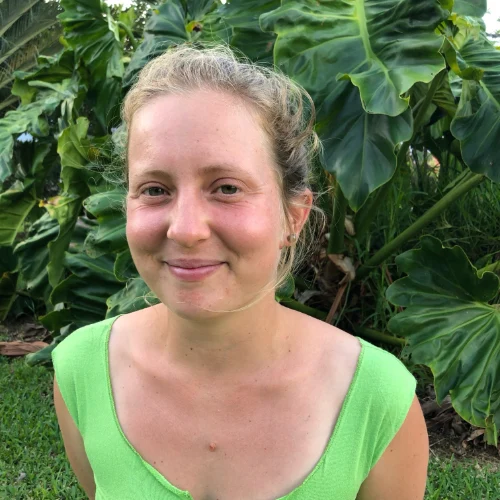
Mycorrhizal fungal diversity in the West Indian Islands.
Martinique
2025
Mycorrhizal fungal diversity in the West Indian Islands.
Ayla Mongès
Martinique
Cohort:
2025
project abstract
As a Caribbean island, Martinique is one of 36 global biodiversity hotspots. Its biodiversity is recognized as one of the richest and most endangered on the planet. The northern end of the island catches most of the rainfall and is heavily forested, the terrain is mostly mountainous due to volcanic origin. The southern part is drier and dominated by savanna-like bushland, but also mangrove ecosystems that support a vast array of marine and terrestrial species. Banana and sugar cane farming are the main agricultural activities, but people depend mostly on subsistence crops cultivated in permaculture, in remote places, which makes them particularly dependent on soil health and biodiversity.As an island isolated from the continent, Martinique has an endemism rate above 10%. However, it is not far enough from the continent not to be subject to species exchanges. The fungal diversity in the soil or on epiphyte roots is probably following the same pattern with some endemism, but also similar species as found in Central and South America. We also expect a large diversity of fungi according to the very diverse ecosystems found is the island.
Photo by Teddy Charti on Unsplash

Exploring Arbuscular Mycorrhizal Fungal Communities in Indigenous Trees of Fragmented Afromontane Forests, Gamo Highlands, Southwest Ethiopia
Ethiopia
2026
Exploring Arbuscular Mycorrhizal Fungal Communities in Indigenous Trees of Fragmented Afromontane Forests, Gamo Highlands, Southwest Ethiopia
Aynalem Gochera Sade
Ethiopia
Cohort:
2026
project abstract
Graham Maclachlan, CC BY-SA 3.0 <https://creativecommons.org/licenses/by-sa/3.0>, via Wikimedia Commons
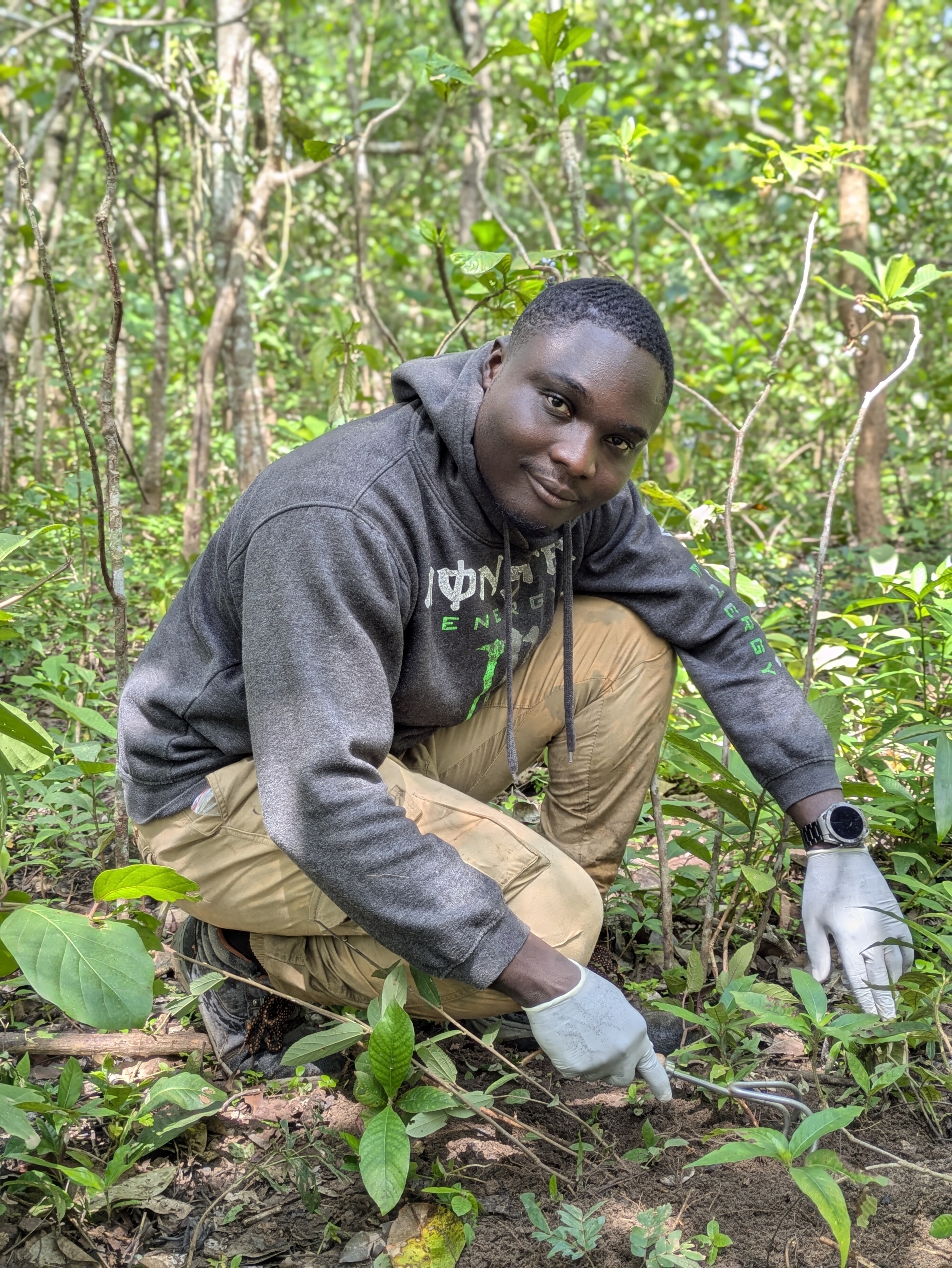
Assessing the impact of agricultural practices on the conservation of arbuscular mycorrhizal fungi associated with vegetable in Benin
Benin
2026
Assessing the impact of agricultural practices on the conservation of arbuscular mycorrhizal fungi associated with vegetable in Benin
Basile Hounwanou
Benin
Cohort:
2026
project abstract
Adoscam, CC BY-SA 4.0 <https://creativecommons.org/licenses/by-sa/4.0>, via Wikimedia Commons

Molecular-Based Investigation of Mycorrhizal Response to the Remediation of Crude Oil Polluted Soils in Ologbo Lowland Forest, Edo State, Nigeria
Nigeria
2026
Molecular-Based Investigation of Mycorrhizal Response to the Remediation of Crude Oil Polluted Soils in Ologbo Lowland Forest, Edo State, Nigeria
Benjamin Egnabonma
Nigeria
Cohort:
2026
project abstract
Photo by Paul Edesemi on Unsplash

Descubriendo la diversidad de hongos micorrícicos asociados a plantas desérticas de la Península de Baja California, México
Mexico
2026
Descubriendo la diversidad de hongos micorrícicos asociados a plantas desérticas de la Península de Baja California, México
Blanca Romero
Mexico
Cohort:
2026
project abstract
Photo by Andrés Sanz on Unsplash

Spatial Variability of Arbuscular Mycorrhizal Fungi in Azo Dye Degraded Ecosystem in Nigeria
Nigeria
2025
Spatial Variability of Arbuscular Mycorrhizal Fungi in Azo Dye Degraded Ecosystem in Nigeria
Bolaji Thanni
Nigeria
Cohort:
2025
project abstract
Mycorrhizal diversity and composition can serve as natural indicators of pollution due to their sensitivity to environmental stress. A decrease in richness can indicate pollution levels, while a shift in community composition can indicate the severity of contamination.This study will provide data for local conservation banks and serves as a bio-monitoring tool to assess soil health.By highlighting the impact of textile effluents, the findings can encourage the adoption of eco-friendly dyes, promoting soil restoration and sustainable practices. In addition, the outcome of the research can help local advocating groups advocate for stricter regulations on waste disposal.
Photo by Kamal Sadiq Adam on Unsplash

Arbuscular Mycorrhizal Fungi in soil and litter under degradation effects in the Brazilian Amazon
Brazil
2023
Arbuscular Mycorrhizal Fungi in soil and litter under degradation effects in the Brazilian Amazon
Bruno Tomio Goto
Brazil
Cohort:
2023
project abstract
The project aims to answer the following questions: (i) how are Arbuscular Mycorrhizal Fungal (AMF) communities structured along native and impacted (degraded) areas of southern Amazon? (ii) AMF inhabit and colonize the Amazon leaf litter? (iii) how AMF communities differ between the soil and the adjacent litter? (iv) what is the degree of loss of diversity and functional groups between pristine and degraded areas - What is the impact of degradation? and (v) which and how soil and litter properties can influence the composition of AMF communities under different conservation conditions? The project represents a pioneering study on environmental sequencing of mycorrhizal fungi in soil and litter in the Amazon. The Amazon harbors one of the largest shares of global biodiversity, especially in plant species that can contribute to a huge diversity of microorganisms in the soil and litter. However, it is the Brazilian biome with the fewest diversity inventories for many groups of fungi, such as AMF, especially in the south portion of Amazon, where no work has been effectively published.
Photo by Nathalia Segato on Unsplash

Ectomycorrhizas of Mongolian boreal forests
Mongolia
2022
Ectomycorrhizas of Mongolian boreal forests
Burenjargal Otgonsuren
Mongolia
Cohort:
2022
project abstract
The boreal forests of Mongolia are on the southern edge of the Taiga and form a transition to the forest-steppe biome. The forests are composed of mainly Siberian larch (Larix sibirica), Siberian pine (Pinus sibirica), Scots pine (Pinus sylvestris), Japanese white pine (Betula platyphylla) and Siberian spruce (Picea obovate), and experience extremely low winter temperatures with deep soil freezing, and are strongly limited by precipitation.
There are few published investigations of ectomycorrhizal communities in Mongolian forests, however it is known from investigations in other biomes that some of the tree genera have narrow range ectomycorrhizal taxa. In this project we will investigated the ectomycorrhizal communities in mixed and single species forests of in the Bogd Khan protected area, in Umnudelger, Binder soum, Khentii province, and in the Burkhan Khaldun World Heritage Site. Whereas the Bogd Khan protected area is close to Ulaanbaatar, the Burkhan Khaldun World Heritage Site is a remote pristine area. At these sites, we will collect soils and fine roots, and assess the ectomycorrhizal community in soils using metagenomics. The ectomycorrhizal community on fine roots will be assessed by morphotyping the ectomycorrhizas, and the final identification using DNA sequences. We predict and in these extreme conditions a number of unique ectomycorrhizal taxa will be identified. The project will be carried out at the Mongolian University of Life Sciences, and at the Institute of Forest Ecology at BOKU, Vienna.
Photo by Sane Sodbayar on Unsplash

Diversity of arbuscular mycorrhizal fungi in the eastern Brazilian Amazon
Brazil
2024
Diversity of arbuscular mycorrhizal fungi in the eastern Brazilian Amazon
Camila Pinheiro Nobre
Brazil
Cohort:
2024
project abstract
The Brazilian Amazon is under constant pressure from illegal logging and the opening up of new areas for cattle ranching and agribusiness. The part of this biome present in the state of Maranhão is limited to small areas such as the Gurupi Biological Reserve. Access to the diversity of fungi, especially arbuscular mycorrhizal fungi, in this previously unrecorded area of tropical forest is important to (i) verify how AMF communities respond to anthropogenic impacts; (ii) select resilient species with potential for use in environmental regeneration strategies. Three land use types will be selected: Old-growth forest, secondary forest and a burned forest. During the dry season, each land use type will be sampled in triplicate, on hilltops and lowlands. Soil samples will be collected using the SPUN sampling protocol. DNA will be extracted from each soil sample and amplified for sequencing using Illumina. Glomerospores will also be collected for morphological identification. We will perform extraction and quantification of glomalin fractions and chemical and physical analysis of the soil.
Photo by Nathalia Segato on Unsplash
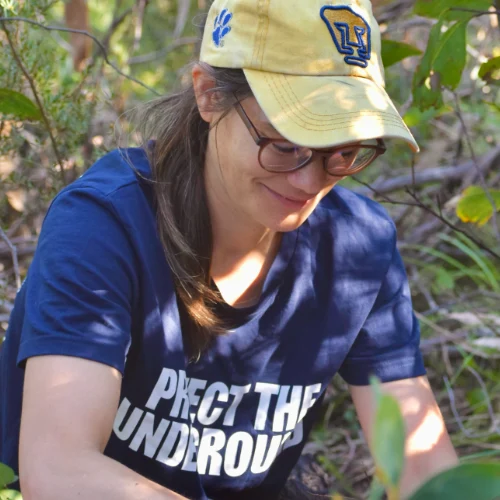
Exploring the underground networks of the Simpson Desert
Australia
2025
Exploring the underground networks of the Simpson Desert
Camille Truong
Australia
Cohort:
2025
project abstract
In central Australia, the Simpson desert is composed of parallel sand dunes that run for hundreds of kilometers. It has the particularity to encompass a network of rivers that originate in subtropical regions with high rainfall and penetrate into the dune fields from the North. Oncoming floods create the largest ephemeral wetlands in arid Australia, bringing water and sediments that contribute to soil fertility and dune formation. These exceptional conditions engender a relatively luxuriant vegetation compared with other arid regions that receive similar rainfall. While most plant species in the Simpson desert associate with arbuscular mycorrhizal fungi, Acacia and Eucalyptus shrubs that colonize interdunal corridors and riparian habitats can form mycorrhizal associations with ectomycorrhizal fungi, including iconic desert truffles. There is mounting evidence that drought conditions provoke plant nutrient deficiencies and that mycorrhizal fungi improve plant drought tolerance, but knowledge on mycorrhizal associations from arid regions is limited. We aim at filling this gap by establishing baseline knowledge of mycorrhizal diversity across landscapes in the Simpson Desert. We hypothesize that arbuscular mycorrhizal diversity is generally low and structured based on habitat type across the dune-interdune sequence, while riparian habitats within the desert are a source of ectomycorrhizal diversity.

Mycobiome diversity of coastal dune ecosystems in barrier islands in South Texas bays
USA
2023
Mycobiome diversity of coastal dune ecosystems in barrier islands in South Texas bays
Candice Lumibao
USA
Cohort:
2023
project abstract
The coastal dune ecosystems of the barrier islands along South Texas bays in the northern Gulf of Mexico provide important ecosystem services such as wildlife habitat and serve as the first line of defense against hurricanes and sea level rise. They represent a unique system as the South Texas estuaries and bays surrounding the barrier islands lie along a gradient of salinity (from 8 ppt to 40 ppt) but are considered at-risk ecosystems as they are also subject to different degrees of natural and anthropogenic degradations including oil pollution. It is an ideal system to study the mycobiome diversity of the ecoregion as it can serve as a space-for-time substitution of environmental change impacts on belowground fungal communities. Our project aims to assess the diversity of mycorrhizal communities (and soil mycobiome) in coastal dune ecosystems of barrier islands and how the environment and any concomitant changes shape these communities. Insights gained from the study can help inform conservation of underground communities and coastal management, and potentially aid in nature-based solutions for conservation and rehabilitation of barrier island habitats.

Accidental restoration underground: How have AMF communities changed during succession from abandoned farmlands to tropical dry forest?
El Salvador
2025
Accidental restoration underground: How have AMF communities changed during succession from abandoned farmlands to tropical dry forest?
Carlos Aguilar Trigueros
El Salvador
Cohort:
2025
project abstract
Our project aims to understand how fungal communities bounce back in restored tropical dried tropical forest in El Salvador (Central America). Dried tropical forest are one of the most endangered ecosystems in the Neo-tropics due to their suitability for agriculture and urban expansion. However, in El Salvador, several patches of forest have resurged in the last 30 years as a result of changes in land use. The outcome of this process is a mosaic of restored forest with different ages. We will sample soil in these forests and, will determine whether the changes in vegetation match changes in fungal communities across these patches.
Photo by Roberto Peña on Unsplash

Mapping the Underground Invasion: Mycorrhizal Displacement and Symbiont Plasticity of Casuarina equisetifolia in Bermuda
Bermuda
2026
Mapping the Underground Invasion: Mycorrhizal Displacement and Symbiont Plasticity of Casuarina equisetifolia in Bermuda
Carolina Piña Paez
Bermuda
Cohort:
2026
project abstract
Uncovering Bermuda’s Underground Legacy: Mapping Soil Mycobiomes to Drive Island Forest Restoration. Isolated island ecosystems are highly vulnerable to invasive plant species that disrupt native plant-fungal interactions. In Bermuda, invasive Casuarina equisetifolia trees threaten endemic species such as the Bermuda cedar (Juniperus bermudiana), yet the subterranean drivers of this displacement remain unexplored. This project delivers the first comprehensive map of Bermuda’s soil mycobiome through a partnership with the Society for the Protection of Underground Networks (SPUN). This research will yield a predictive map of fungal mutualists and pathogens for the Department of Environment and Natural Resources (DENR) to optimize native reforestation strategies, while establishing Bermuda Institute of Ocean Sciences as a central research hub for mid-Atlantic soil biodiversity conservation.

Diversity of arbuscular mycorrhizal fungi in an ancestral farming system in the Desierto del Monte
Argentina
2024
Diversity of arbuscular mycorrhizal fungi in an ancestral farming system in the Desierto del Monte
Carolina Rothen
Argentina
Cohort:
2024
project abstract
In the Department of Castro Barros (Province of La Rioja, Argentina) there is an ancestral form of cultivation that is still alive today. There, farmers have a deep knowledge of the environment that, together with their hereditary soil management practices, make possible the cultivation of corn and squash in the driest areas of the Monte Desert. This project proposes to study the diversity of arbuscular mycorrhizae present in this ancestral form of cultivation and in the surrounding Desierto del Monte. Our hypothesis is that these agroecosystem management practices conserve a high diversity of arbuscular mycorrhizal fungi. The results obtained will demonstrate the precious knowledge of these farmers to achieve regenerative agriculture in the desert, and value for society the products they obtain free of chemical inputs.
Photo by Darío Bonzi on Unsplash

Sea to Summit: Mycorrhizal mediation of marine-derived nutrients from salmon returns to culturally plants in temperate rainforests of Lingít Aaní in southeast Alaska
USA
2024
Sea to Summit: Mycorrhizal mediation of marine-derived nutrients from salmon returns to culturally plants in temperate rainforests of Lingít Aaní in southeast Alaska
Caroline Daws
USA
Cohort:
2024
project abstract
In the coastal temperate rainforests of the Tongass National Forest, one of the largest migrations of biomass from sea to land occurs as Pacific salmon return to their home rivers to spawn. Salmon bring an immense flux of marine-derived nutrients into the terrestrial system, nourishing animals, forests, and the Lingít people for thousands of years. Such an intense annual nutrient pulse can quickly increase plant-available nutrients, but evidence is mixed on how those nutrient inputs affect terrestrial plant community composition. Despite the importance of mycorrhizal and saprotrophic fungi in mediating nutrient cycling, even less is known about how fungi are affected by marine-derived nutrients from salmon returns. The main purpose of this project is to understand how salmon nutrient inputs in coastal temperate rainforests affect soil microbial communities and how those microbes might affect plant community composition in a changing climate. In particular, we will focus on the abundance and diversity of mycorrhizal fungi that associate with culturally important and vulnerable plants such as Yellow cedar, hemlock, and several types of berries. Ultimately, this study will yield key insights into the microbial role of marine-derived nutrient cycling in these highly productive old growth forests.
Photo by Elly Furlong on Unsplash
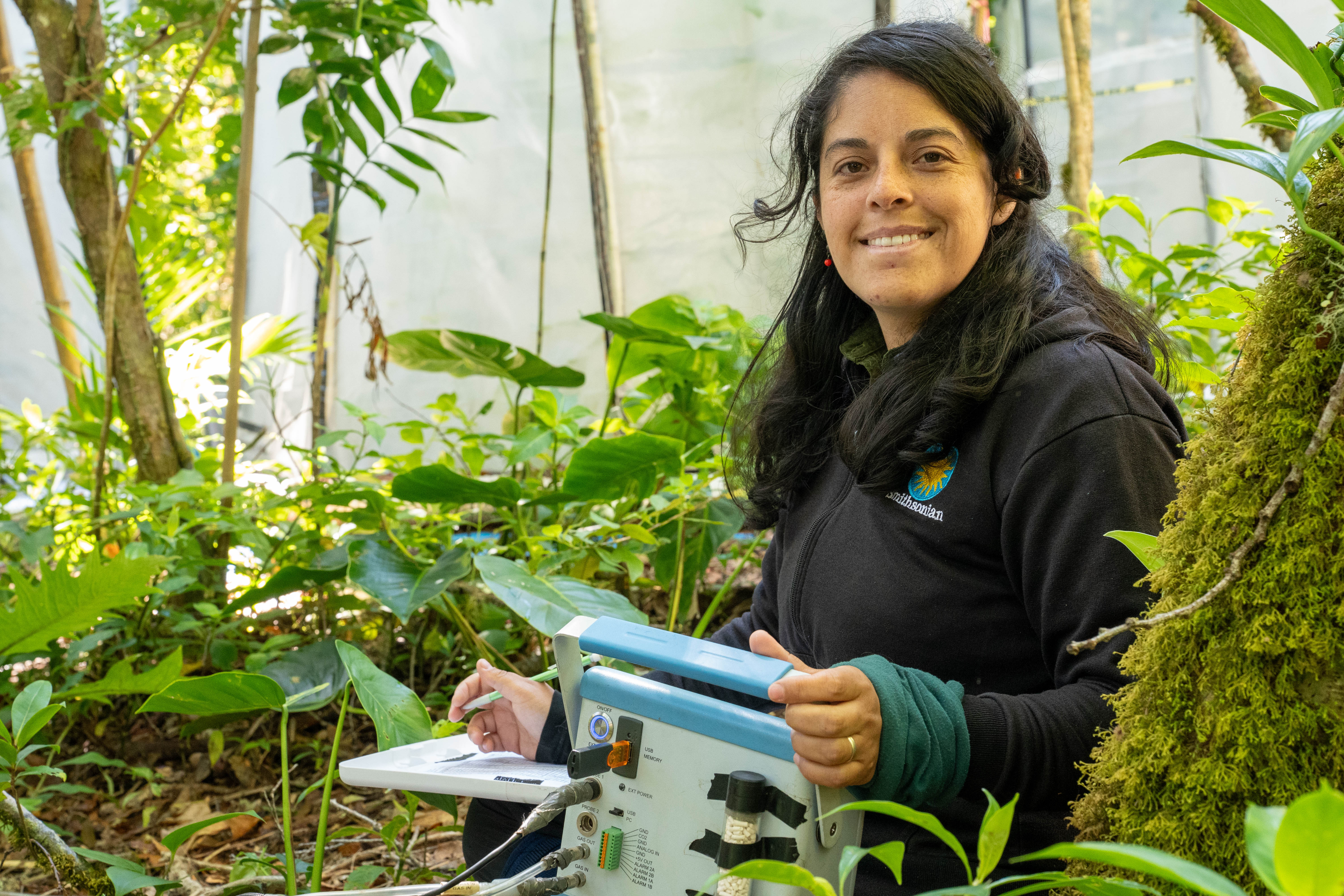
Climate change effects on soil microbial communities in a Neotropical montane forest
Panama
2026
Climate change effects on soil microbial communities in a Neotropical montane forest
Cecilia Prada
Panama
Cohort:
2026
project abstract
Photo by Octavio Fossatti on Unsplash

Investigating below-ground mycorrhizal fungi for landscape restoration in highlands miombo woodlands of Burundi
Burundi
2023
Investigating below-ground mycorrhizal fungi for landscape restoration in highlands miombo woodlands of Burundi
Chabi Bogo Taïbatou
Burundi
Cohort:
2023
project abstract
The project is titled "Study of Underground Mycorrhizal Fungi for Landscape Restoration in the Miombo Highlands of Burundi.”. The project aims to generate high-quality data on the belowground diversity of ectomycorrhizal fungi in miombo forests. Sampling will be conducted precisely in the provinces of Buhunnyuza and Isale. Fieldwork will include various tasks such as collecting soil and root samples and conducting surveys of planters. All of this work will be documented using GoPro cameras. A soil subsample will be utilized for DNA metabarcoding, while another will be used to assess AMF spore density and abundance. Soil subsamples will be stored at -80°C until we begin lab work. Fine root samples will be sampled and preserved in ethanol to document and illustrate ECM dependency ratios. Project outputs will elucidate the links between native trees and the diversity of ECM fungi and will support the efforts of local communities to restore the landscape from these native forest species.

Impact of Forest Expansion on Soil Fungal Community Composition in Alpine Ecosystems of the Eastern Himalaya, Bhutan
Bhutan
2024
Impact of Forest Expansion on Soil Fungal Community Composition in Alpine Ecosystems of the Eastern Himalaya, Bhutan
Chandra Man Rai
Bhutan
Cohort:
2024
project abstract
The alpine ecosystems in the Himalayan region are critical for regulating water resources, preserving biodiversity, storing carbon, and providing essential habitats for unique flora and fauna, crucially supporting the livelihoods of millions of people. However, the encroachment of forests into these high-altitude alpine regions poses a severe threat, disrupting their delicate balance and jeopardizing the ecological services they provide, including below biodiversity. Through the SPUN grant, this study investigates the impact of forest expansion on belowground biodiversity, particularly the soil fungal community, across three alpine ecosystems in Bhutan's Eastern Himalaya. The expansion of forests has created a significant forest-alpine ecotone, allowing us to compare fungal communities in the forest, ecotone, and alpine zones. Forest encroachment not only has ecological ramifications but also profound social implications, as these ecosystems are crucial alpine rangelands for livestock, sustaining pastoral communities' livelihoods. Therefore, this study also explores the social impacts of forest expansion into these alpine rangelands. By addressing these dual ecological and social dimensions, this research seeks to provide a comprehensive understanding of the consequences of forest expansion in alpine ecosystems, aiding in the formulation of sustainable conservation and management strategies.
Photo by Aaron Santelices on Unsplash

Sməlqmix mycorrhizal fungi restoration in a fire-impacted semi-arid shrub-steppe ecosystem
Canada
2026
Sməlqmix mycorrhizal fungi restoration in a fire-impacted semi-arid shrub-steppe ecosystem
Charlotte Dawe
Canada
Cohort:
2026
project abstract
Wildfires are increasing in frequency and severity, making effective post-fire land restoration critical—not only for reducing future fire risk and supporting biodiversity, but for forest recovery that moves beyond timber-industry interests. This study investigates how restoration, guided by Indigenous legal orders, protocols, and teachings, influences the recovery and recolonization of beneficial fungal species following wildfire. Using a paired, comparative field design, we will sample soil fungal properties across nine restored and nine unrestored burned sites on the unceded territory of the Lower Similkameen Indian Band (LSIB), controlling for environmental variables such as soil type, climate, and burn severity. We predict fungal diversity will be significantly higher in areas under Indigenous-led restoration. Co-led by the LSIB, this research integrates Indigenous knowledge and Western science in both data collection and interpretation. Findings will help support the Smelqmix Indigenous Protected and Conserved Area and support fungal inoculation of plants used in restoration.
Shaundd, CC BY-SA 4.0 <https://creativecommons.org/licenses/by-sa/4.0>, via Wikimedia Commons

Mycorrhizal Fungal Communities Shaped by Unique Soil Chemistry and Dispersal Limitations Across the Subtropical Islands of Okinawa, Japan
Japan
2026
Mycorrhizal Fungal Communities Shaped by Unique Soil Chemistry and Dispersal Limitations Across the Subtropical Islands of Okinawa, Japan
Chikae Tatsumi
Japan
Cohort:
2026
project abstract
Okinawa, Japan's southernmost and only subtropical prefecture, comprises numerous islands that form a natural laboratory for testing how dispersal limitation and island-specific soil chemistry shape mycorrhizal fungal communities. Some islands are derived from coral limestone, whereas others are volcanic in origin, creating strong contrasts in soil properties and nutrient availability. We will survey multiple islands and collect standardized soil samples alongside plant-community, soil-biogeochemical, and airborne fungal-spore data. Fungal communities will be characterized using metabarcoding of fungal DNA markers. We hypothesize that geographic isolation limits fungi with poor long-distance dispersal, while contrasting soil conditions select for fungi with distinct nutrient-acquisition capacities. By integrating community composition, dispersal potential, and soil nutrient data, we will identify mechanisms governing fungal community assembly across islands. The findings will support the conservation of plant–fungal partnerships and inform land management to protect biodiversity, enhance carbon sequestration, and reduce nutrient loss to coastal waters.
Photo by Ryo Yoshitake on Unsplash

Exploring Arbuscular Mycorrhizal (AM) Fungal Diversity in Mulanje Mountain Ecosystems and Surrounding Agricultural Fields
Malawi
2026
Exploring Arbuscular Mycorrhizal (AM) Fungal Diversity in Mulanje Mountain Ecosystems and Surrounding Agricultural Fields
Chris Tembo
Malawi
Cohort:
2026
project abstract
africankelli africankelli, CC BY 2.0 <https://creativecommons.org/licenses/by/2.0>, via Wikimedia Commons

Underground facilitation in Caatinga dry forest: the role of arbuscular mycorrhizal fungi diversity and distribution
Brazil
2026
Underground facilitation in Caatinga dry forest: the role of arbuscular mycorrhizal fungi diversity and distribution
Claudia Paz
Brazil
Cohort:
2026
project abstract
CesarCoelho667, CC BY-SA 4.0 <https://creativecommons.org/licenses/by-sa/4.0>, via Wikimedia Commons

Orchid-fungi specificity in endemic orchid species from central coast of Chile
Chile
2023
Orchid-fungi specificity in endemic orchid species from central coast of Chile
Cristian Atala Bianchi
Chile
Cohort:
2023
project abstract
Central Chile is part of a global biodiversity hotspot. This Mediterranean ecosystem includes many endemic sclerophyllous plants. It’s currently threatened since it is the most densely-populated area of the country and an agriculture center. This area has the highest diversity of vascular plants, and is the center of diversity of some genera such as the orchid genus Chloraea. Some Chilean orchid species are critically endangered and urgent actions are needed to ensure their long-term conservation. Chilean orchids are terrestrial and associate with mycorrhizal fungi (usually Rhizoctonia-type) that are key for their germination and their subsequent growth and survival. To establish propagation, conservation and restoration programs of Chilean orchids, a full understanding of the diversity and distribution of their fungal partners is required. In particular, we require an understanding of orchid-fungi specificity, since rare and/or endangered orchids could be restricted by the presence of specific orchid fungi in the soil. In this project, we aim to understand the diversity of mycorrhizal fungi in the soil close to different orchid species found in a latitudinal gradient in Central Chile and to compare this diversity with the fungal species that can be found inside the root system of the plants.
Photo by Olga Stalska on Unsplash

Mycorrhizal mapping to conserve tropical rainforest ecosystems in Southwest Nigeria
Nigeria
2024
Mycorrhizal mapping to conserve tropical rainforest ecosystems in Southwest Nigeria
Damilola Olanipon
Nigeria
Cohort:
2024
project abstract
Southwest Nigeria is a part of the Guinean forests of West Africa and a biodiversity hotspot consisting of tropical rainforest, mangrove forests, highland forests and sacred groves. The dense vegetation of various canopy layers these forest favourable habitats for various fauna ranging from animals like chimpanzees, monkeys and birds to microbial populations such as mycorrhizal fungi and bacteria species. However, a few of these ecosystems are currently been protected by local communities due to their species richness and endemism. These special features therefore present these forest ecosystems as key subjects in biodiversity conservation and management studies. Southwest Nigeria consists of six major states – Ekiti, Ondo, Osun, Ogun, Oyo and Lagos. In our previous research, we focused on mapping Arbuscular Mycorrhizal Fungi (AMF) communities across both roots and soils in a forest reserve in Ekiti State to identify plant-fungal interaction networks. Our preliminary results identified AMF species belonging to the families Glomeraceae, Acaulosporaceae, Gigasporaceae, Diversisporaceae, Ambisporaceae and Paraglomeraceae to be associated with soils and tree species in a tropical rainforest forest in Ekiti State. The study further indicated that there is a network of mycorrhizal sharing among tree species. Consequently, the SPUN Underground Explorer grant will determine how mycorrhizal fungi community diversity and structure differ in two other states, Ondo and Osun States. Specifically, we will employ the established sampling protocol of SPUN, molecular analyses of soil and root samples and metabarcoding of the 18S SSU rDNA region to characterize mycorrhizal fungal communities in the study sites. Furthermore, we will identify the plant species lost in degraded areas of the forests compared to pristine areas and how mycorrhizal diversity and abundance will differ along different elevation gradients (uplands and lowlands) of the forest ecosystems. Our project specifically addresses the sustainable development goals; hence we will enlighten the local communities, both the male and female genders on the following aspects i.e. SDGs – 11 (sustainable use of forest communities); 14 (influence of mycorrhiza networks in climate regulation, nutrient cycling and ecosystem stability) and 15 (combating deforestation, halting land degradation and loss of biodiversity such as plant and soil microbes). Local communities will be trained to understand more about mycorrhizal fungi and soil sampling protocol and emphasis will be placed on the roles of mycorrhizal in Earth’s ecosystem and in forest conservation, whilst also campaigning against over-exploitation of forest resources. To facilitate learning, poster, hand bills and other pictorial representations/videos on sampling protocols and relevance of mycorrhizal fungi to ecosystem stability and balance will be employed. These activities are aimed towards community-based conservation initiatives and stewardship over the forest sites.
Photo by HisArt Photos on Unsplash

Mycorrhizal Fungi and Metals in Post-Fire Soil Restoration
USA (Canadian)
2026
Mycorrhizal Fungi and Metals in Post-Fire Soil Restoration
Danielle Stevenson
USA (Canadian)
Cohort:
2026
project abstract
Photo by Venti Views on Unsplash

Mycorrhizal Networks in the World's Oldest Man-Made Forest
Pakistan
2025
Mycorrhizal Networks in the World's Oldest Man-Made Forest
Daniyal Gohar
Pakistan
Cohort:
2025
project abstract
Changa Manga Forest in Punjab, Pakistan—one of the world’s oldest and largest man-made forests—offers a unique opportunity to investigate mycorrhizal fungal networks in a historically altered yet ecologically complex landscape. Despite their critical role in nutrient cycling, plant health, and ecosystem stability, mycorrhizal communities in man-made forests, particularly in South Asia, remain poorly understood. This project addresses a key knowledge gap by examining how anthropogenic disturbance and plant species composition shape mycorrhizal diversity and structure. The project aims to test two hypotheses: (1) that mycorrhizal diversity declines with increased human impact, and (2) that native plant species support more diverse fungal communities than exotic species. Soil samples will be collected along biodiversity gradients using standardized protocols and analyzed via Illumina MiSeq sequencing of the fungal ITS rDNA region to produce high-resolution profiles of community composition. Findings from this study will provide valuable insights into the ecological functioning of soil fungal networks in human-managed systems and their potential role in forest restoration and resilience. Beyond scientific outcomes, the project will foster local collaborations, build research capacity, and promote biodiversity awareness. The results will inform conservation strategies in Pakistan and contribute to broader global efforts to understand and protect underground microbial diversity.
Photo by Muhammad Khubaib Sarfraz on Unsplash

Soil fungal and mycorrhizal diversity in the Monte Desert, Dry Chaco, and Espinal of central-western Argentina.
Argentina
2026
Soil fungal and mycorrhizal diversity in the Monte Desert, Dry Chaco, and Espinal of central-western Argentina.
David José De la Cruz López
Argentina
Cohort:
2026
project abstract
Photo by Leonardo Martinez on Unsplash

Mapping arbuscular mycorrhizal diversity in under-explored ecoregions of India: A comparative metabarcoding study of invasive versus non-invasive co-introduced congeners
India
2026
Mapping arbuscular mycorrhizal diversity in under-explored ecoregions of India: A comparative metabarcoding study of invasive versus non-invasive co-introduced congeners
David Manohar Kothamasi
India
Cohort:
2026
project abstract
Biological invasions pose a critical threat to global biodiversity, yet the below-ground microbial mechanisms driving their success remain poorly understood. While Lantana camara has devastated 40% of India's tiger habitats, its co-introduced congeners (L. indica, L. veronicifolia) remain non-invasive. This project maps under-explored arbuscular mycorrhizal fungi (AMF) communities across a wide latitudinal range spanning three critical Indian ecoregions: the Western Ghats, Upper Gangetic Plain, and Himalayan foothills. Using a dual-approach field survey and full-factorial microcosm experiment, we test if L. camara facilitates its dominance by selectively recruiting high-efficiency, low-diversity AMF communities to hijack indigenous underground networks. Soil and root AMF lineages will be characterized via 18S rDNA metabarcoding (NS31-AML2) on the Illumina MiSeq platform. This research identifies key microbial biomarkers of plant invasion, providing actionable data for the Global Mycorrhizal Atlas and informing fungal-aware forest restoration protocols.
Photo by Abhishek Kirloskar on Unsplash

Microbial diversity along climatic gradients in alpine region of Western Himalaya
India
2023
Microbial diversity along climatic gradients in alpine region of Western Himalaya
Dinesh Thakur
India
Cohort:
2023
project abstract
High elevation regions are unique in their biodiversity and are among the ones facing the highest rate of climate change. This change is causing many irreversible changes in high elevation ecosystems necessitating the elucidation of unique biodiversity present there. This project aims to test for the effect of temperature and precipitation on mycorrhizal diversity by using natural climatic gradients in Western Himalaya as proxy for climate. Along with the effect of climate, we will also test how plant diversity and plant traits influence mycorrhizal diversity. To fulfill the project aim, we plan to sample a total of 25 localities in western Himalayan region. These localities will represent a factorial combination of temperature and precipitation. To estimate mycorrhizal diversity, 2.5 kb fragment of rDNA will be sequenced. We will involve local people and researchers from Himalayan region during the project work. We expect to generate at least one scientific publication in a peer-reviewed ecological journal. The outputs of the project will be disseminated to the scientific audience as well as the general public for its maximum impact. All the datasets generated during this project will be open access for everyone to use after publication.
Photo by DINESH BOCHARE on Unsplash

An Integrated Approach to Advancing Knowledge on Lactfluus caatingae (Basidiomycota, Russulales), an Endangered Brazilian Milkcap
Brazil
2025
An Integrated Approach to Advancing Knowledge on Lactfluus caatingae (Basidiomycota, Russulales), an Endangered Brazilian Milkcap
Diogo Rezende
Brazil
Cohort:
2025
project abstract
Understanding the biology of threatened species is key to addressing the current biodiversity crisis. This project aims to expand biological and ecological knowledge of Lactifluus caatingae, a rare ectomycorrhizal fungus known only from the Caatinga region of Brazil and currently listed as Endangered on the IUCN Red List. We will conduct field expeditions in the type locality and environmentally similar areas to locate sporomes, identify host plants, map the species’ distribution, and evaluate threats to its survival. In parallel, environmental DNA (eDNA) from soil and root samples will be analyzed using a metabarcoding approach to detect the presence of L. caatingae and uncover its mycorrhizal associations. The data generated will refine our understanding of the species’ distribution and ecological interactions, potentially informing a reassessment of its conservation status. In light of recent Brazilian policies that incorporate fungi into National Red Lists, these findings could support its inclusion in national conservation strategies. Furthermore, the use of high-quality eDNA data will enhance broader knowledge of soil fungal diversity in underexplored areas of the Brazilian semiarid, contributing to conservation efforts in one of the most threatened ecosystems in the tropics.
Photo by Charles Betito Filho on Unsplash

Diversity of arbuscular mycorrhizal fungi associated with floristic resources in six ecosystems of Mount Cameroon and Bioko montane forests.
Cameroon
2023
Diversity of arbuscular mycorrhizal fungi associated with floristic resources in six ecosystems of Mount Cameroon and Bioko montane forests.
Dr. Dejuani Astride Carole
Cameroon
Cohort:
2023
project abstract
The mountain forests of Mount Cameroon and Bioko belong to the volcanic chain that extends northwards along the border between Cameroon and Nigeria, and south-westwards to the islands of São Tomé, Príncipe, and Annobón, and extends to the heights of the island of Bioko Bioko (Equatorial Guinea). The western slope of Mount Cameroon is probably the most diverse and richest area of the mountain and is the only area in West and Central Africa where there is a pristine gradient vegetation of lowland evergreen tropical forest that starts at sea level, crosses montane forests, mountain meadows and alpine meadows near the summit. This link between ecosystems is the main source of the area's great biological diversity. Six main vegetation types have been identified on the mountain. Lowland rainforest (0-800 m above sea level), sub-mountain forest (800-1600 m above sea level), mountain forest (1600-1800 m above sea level), mountain thicket (1800-2400 m above sea level), mountain meadow (2000-3000 m above sea level), and sub-alpine meadow (3000-4100 m above sea level). The general objective of this project is to determine the diversity of mycorrhizal fungi associated with the diversity of the dominant floristic resources of Mount Cameroon. However, this study focuses on answering questions such as; Do the different forest ecosystems of the montane forests of Mount Cameroon and Bioko have the same types of mycorrhizal fungi? Does the floristic diversity of the soil types of each forest ecosystem determine the types of arbuscular mycorrhizal fungi present? Do anthropogenic activities carried out in this area have an impact on the diversity of arbuscular mycorrhizal fungi? Our commitment to this project also involves local communities. In line with the sustainable development objectives, we will focus on: - Educating local communities about the use of CMAs and their importance in agricultural production through videos and explanations in local languages (SDG - 4 and SDG -2). - Show them the impact of their various anthropogenic activities on the life of soil mycorrhizal fungi, while highlighting their responsibility for biodiversity conservation (SDG -12). - Men and women from local communities will be educated together, without distinction and priority (SDG -5).
Photo by Edouard TAMBA on Unsplash

Fungal Community Changes Associated with California Grassland Conversion
USA
2023
Fungal Community Changes Associated with California Grassland Conversion
Edith Lai
USA
Cohort:
2023
project abstract
In California, the Central Valley region once sprawled with lush grasslands of perennial bunchgrasses and endemic forbs unique to a Mediterranean climate region. However, colonization and subsequent urbanization have significantly altered this precious ecoregion. Sites across the landscape have experienced compounded threats from overgrazing, drought, fire regime change, and particularly intense invasion by European species. Current conservation actions include protecting remaining habitats, improving management, and, if possible, converting land to restored grasslands. This project aids these efforts through the investigation of how the soil microbial community has changed along an invasion gradient. For instance, associations with fungal symbionts could confer competitive advantages or cause diseases in the recipient community that contribute to invasion success. We will learn more about how fungi are participating in landscape change either as a consequence or conduit of grassland invasion.
Photo by Marek Okon on Unsplash


