
Underground Explorers
Press coverage around SPUN and mycorrhizal fungal networks.
Underground facilitation in Caatinga dry forest: the role of arbuscular mycorrhizal fungi diversity and distribution
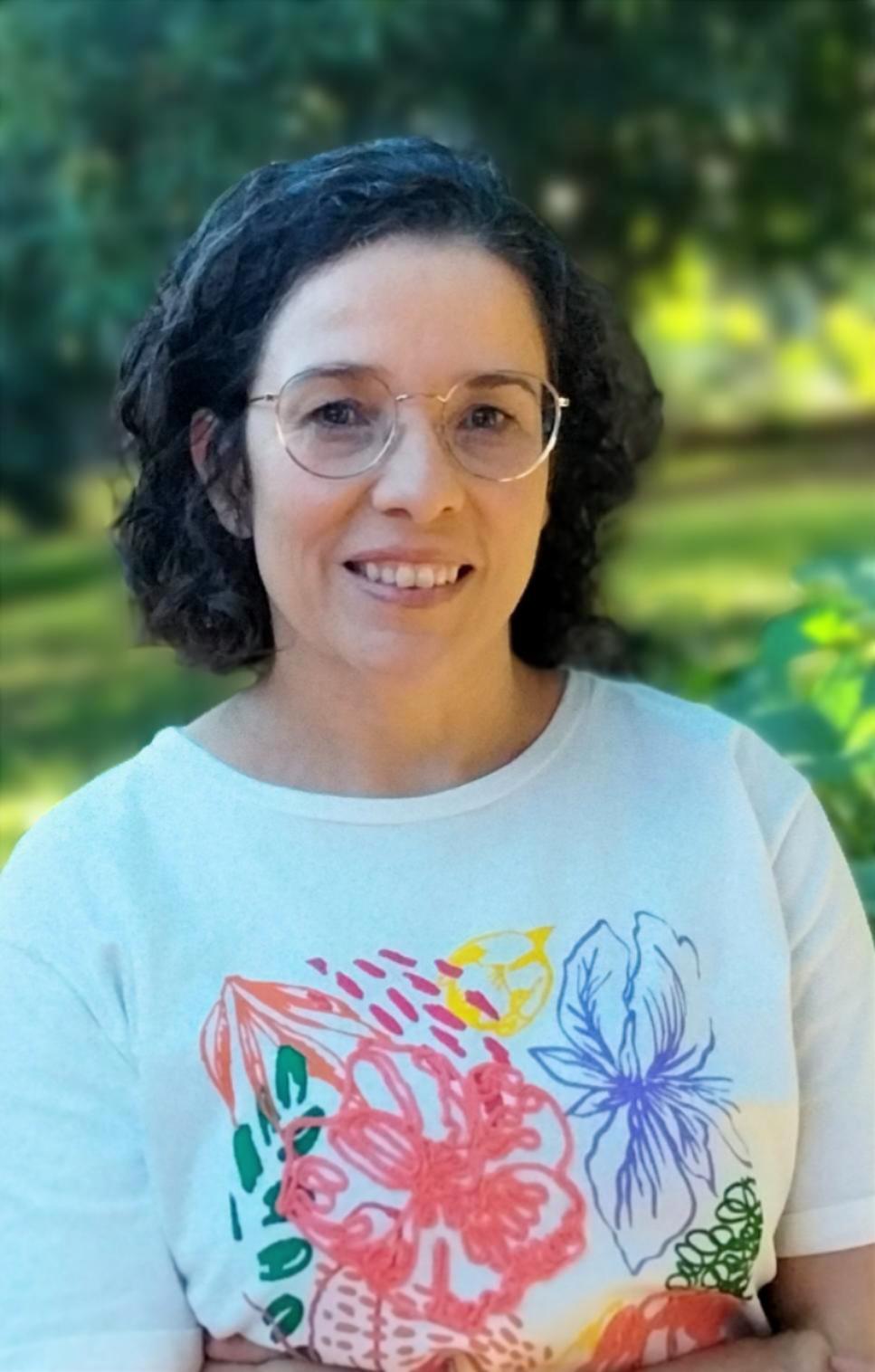
Claudia Paz
Brazil
Cohort:
2026
project abstract
The Brazilian Caatinga, the largest seasonally dry tropical forest in the Americas, faces severe degradation driven by land-use change and increasing drought. Yet, the role of belowground biodiversity in supporting ecosystem resilience remains poorly understood. This project investigates the diversity and distribution of arbuscular mycorrhizal fungi (AMF) and their contribution to plant facilitation in this threatened biome. Using environmental DNA metabarcoding, we will characterize AMF communities across the landscape and examine whether tree species that facilitate the recruitment of other plants host richer AMF assemblages than less facilitative species. By generating the first large-scale molecular assessment of AMF diversity in the Brazilian semiarid region, this research will provide essential ecological knowledge to improve restoration strategies, enhance seedling production techniques, promote soil carbon stabilization, and support climate change mitigation. The project also aims to establish a regional AMF spore bank and produce educational and scientific outputs with lasting conservation impact.
CesarCoelho667, CC BY-SA 4.0 <https://creativecommons.org/licenses/by-sa/4.0>, via Wikimedia Commons


