
Underground Explorers
Press coverage around SPUN and mycorrhizal fungal networks.
Mycorrhizal allies of the Barbary Thuja forest: Linking belowground biodiversity to climate resilience and sustainable wood craft heritage in Morocco
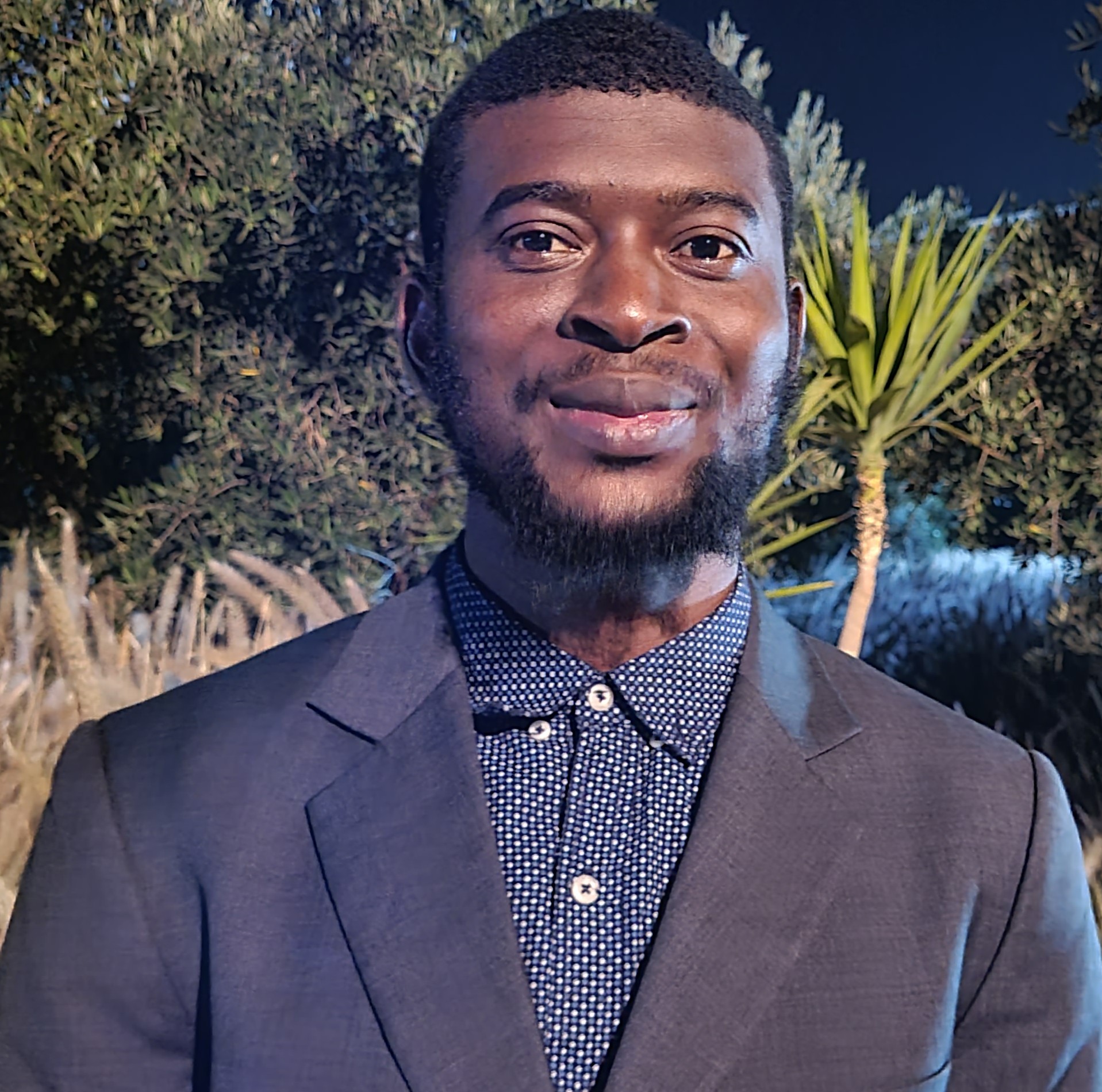
Sulaimon Basiru
Morocco
Cohort:
2026
project abstract
The Thuya forest (Tetraclinis articulata) is considered one of the driest coniferous forest ecosystems in the world. In Morocco, it acts as an ecological barrier against desertification while providing valuable economic resources for the tourism industry. Arbuscular mycorrhizal fungi (AMF) are crucial allies of many plants thriving in extreme environments; however, the diversity and distribution of AMF associated with the Thuya tree are not known, despite increasing exploitation of these forests, which threatens belowground biodiversity. Therefore, this project aims to characterize the diversity and distribution of AMF associated with Thuya forests across three Moroccan ecoregions: the High Atlas Mountains, the Rif Mountains, and the continental plateau. We aim to investigate how bioclimatic conditions and forest degradation gradients influence AMF communities under varying soil, climatic, and disturbance regimes. Findings from this study will inform forest management, identification, and conservation of key AMF taxa that could benefit forest regeneration and reforestation efforts.


