Fungal Restoration in Cumbria
A Case Study in Landscape Restoration

Case Study: Mycorrhizal Restoration in Cumbria
A practitioner-oriented example from Cumbria Connect for restoring trees, soils, and belowground recovery across upland pasture-to-woodland transitions.
What this case study shows: Cumbria illustrates a common restoration problem: aboveground woodland creation is being attempted on landscapes whose soils are still organized around long-grazed grassland communities. In this setting, mycorrhizal restoration is not a standalone intervention. It is a practical way to improve site selection, refine nursery and planting practice, and monitor whether the belowground system is moving from pasture conditions toward a functioning woody mosaic.
article link
- The project assesses how restoring mycorrhizal fungi can enhance tree (re)planting success in the Cumbria Connect site
- This is a flagship case study demonstrating fungal restoration’s practical application and scientific monitoring: we assess how adding native mycorrhizal fungi by adding small amounts of healthy soil from mature forest to oak and birch saplings planted out onto grazed hillsides may improve their growth and survival
- SPUN's role is to support practitioners with scientific validation by creating baseline data to monitor how mycorrhizal communities respond to different restoration interventions over time
- Mycorrhiza or "fungus-root" refers to fungal roots and the symbiotic partnership between trees, plants, and fungi. Please click here for a definition of mycorrhizal fungi
Mycorrhizal fungal inoculation
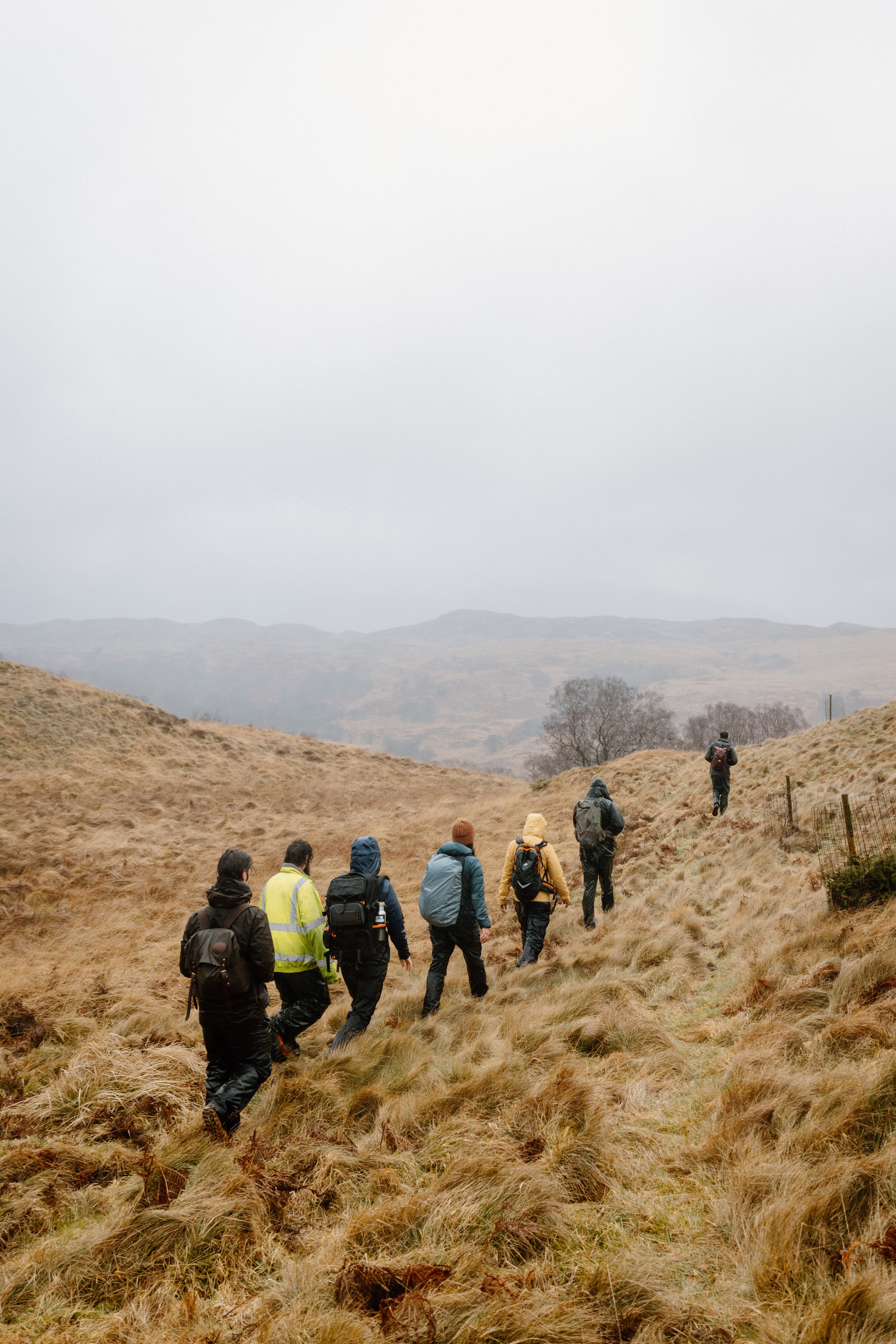
SPUN are playing a scientific role in a restoration project in Cumbria, UK called Cumbria Connect. Cumbria Connect is a landscape-scale restoration project that has been working with SPUN to incorporate fungal restoration to improve tree planting success: a component of Cumbria Connect’s restoration aims is the re-establishment of trees in some of the area’s valleys and hillsides. Most of the restoration area is at Wild Haweswater, one of Cumbria Connect’s core sites, managed by the RSPB and owned by United Utilities. It is common land that has previously supported intensive sheep grazing but has more recently switched to native cattle. Grassland soils like this lack the communities of mycorrhizal fungi that many tree species, including oak and birch, need to establish and grow well.
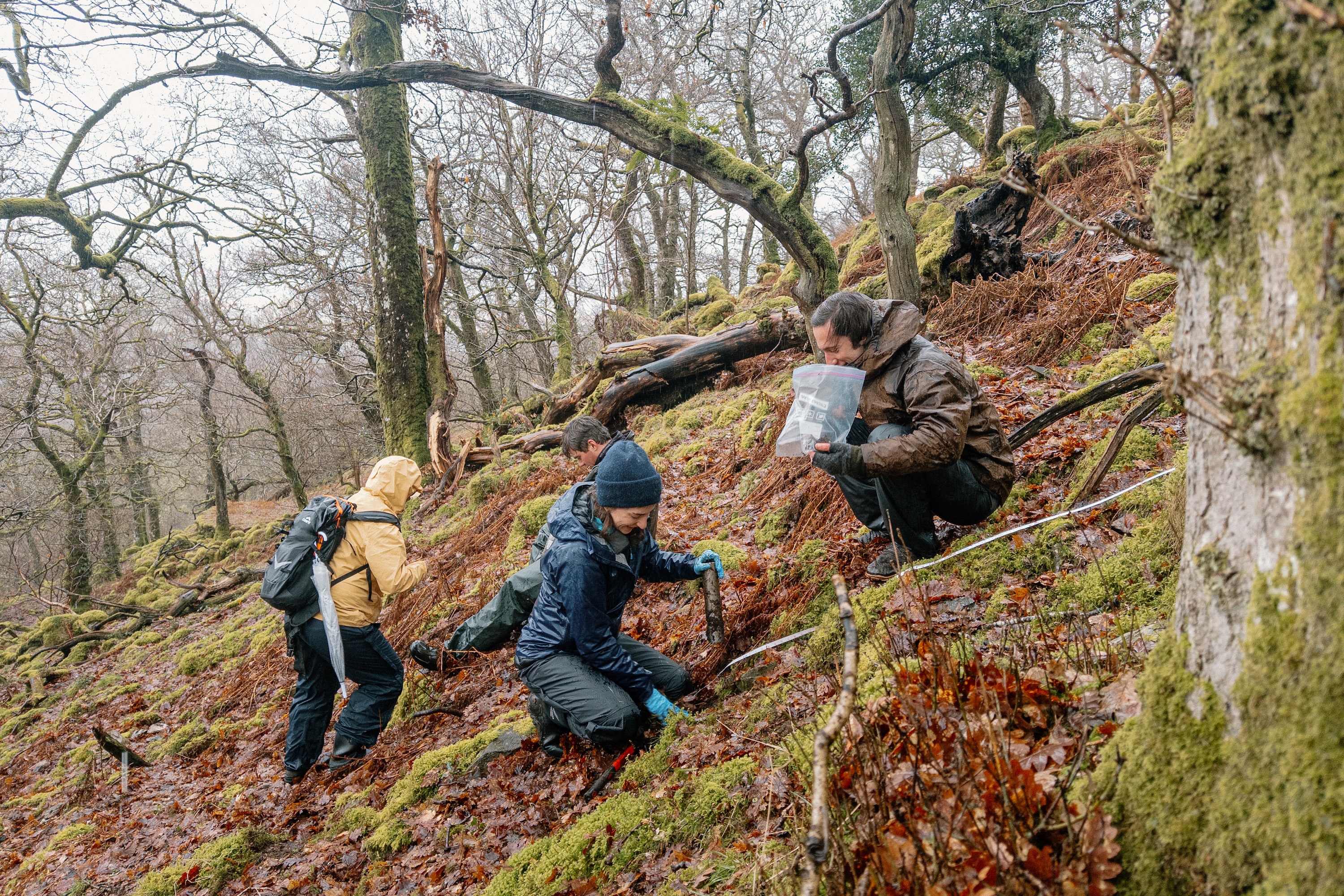
SPUN and Cumbria Connect are studying whether restoring mycorrhizal fungi alongside trees will improve restoration success. In this case, restoration success refers to the percentage of trees which survive and grow. Because recent research highlights the importance of using local, adapted fungal communities, tree planting will be conducted using soil containing mycorrhizal fungi from Naddle Forest, an area of temperate rainforest at Wild Haweswater. This inoculation approach provides natural fungal partnerships that trees need to thrive.
Planting trees where the required mycorrhizal communities are absent is like completely stripping somebody of their microbiome (the special bacteria needed in our guts to help us with digestion) and can therefore negatively impact on the trees ability to establish and grow successfully.
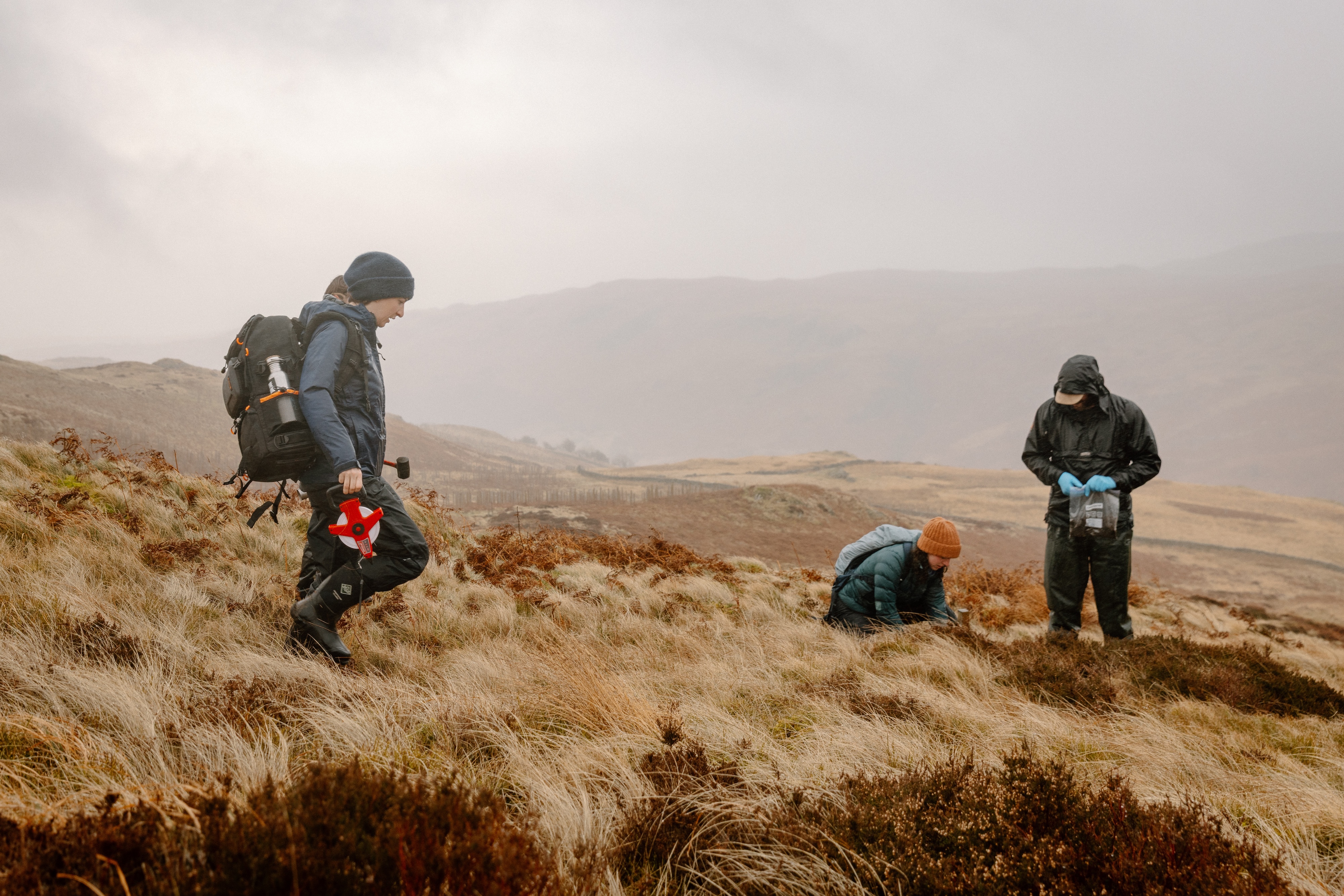
Fungal restoration means re-introducing and encouraging healthy, native fungal communities such as mycorrhizal fungi into underground ecosystems.
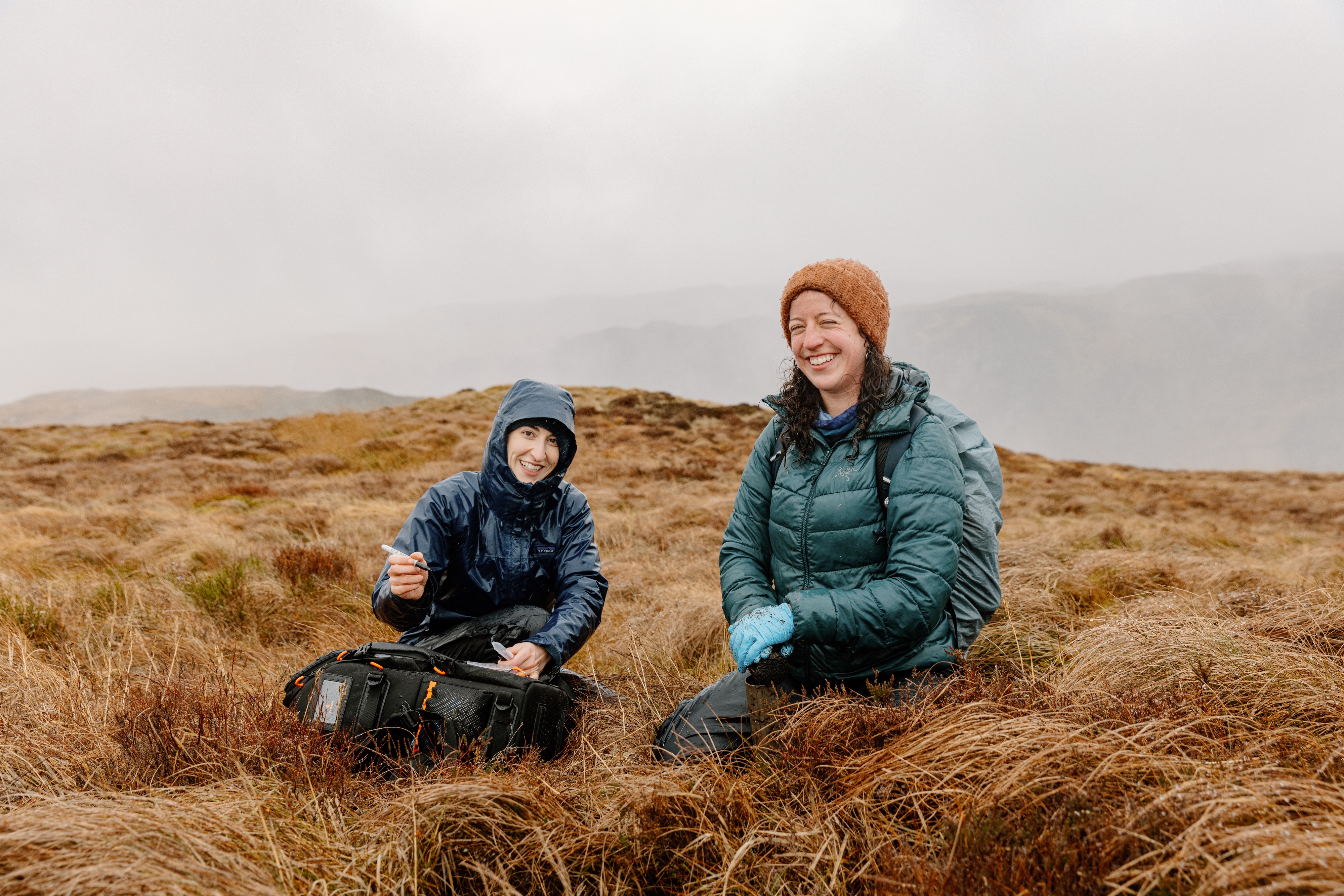
SPUN is helping to monitor how mycorrhizal fungal communities change as the Cumbria Connect team carry out active restoration strategies such as grazing exclusion and restoration of scrub and woodland habitats. The results will inform restoration and replanting strategies. eDNA sequencing allows researchers to look into the underground and see which mycorrhizal fungi are present, and how fungal communities change alongside these practices. SPUN’s goal is to produce scientific evidence to support and improve restoration techniques by taking baseline data and measuring change.
Research questions
1. Does inoculation of tree seedlings with whole soil inoculum improve tree establishment?
NOTE: Whole soil inoculum means the application of entire soil microbial communities from a donor site to a restoration area, usually one that is degraded. Mycorrhizal inoculation is the introduction of mycorrhizal fungi onto plant roots or into target areas in order to establish symbiotic relationships between plants and mycorrhizal fungi. Click here for a definition of mycorrhizal inoculation.
2. How do mycorrhizal communities, the species present and their different combinations, change alongside aboveground active restoration practices?
Background
Cumbria is a region in North West England. The Lake District, a UNESCO World Heritage Site, is located in Cumbria. Cumbria Connect is restoring natural processes across about 42,000 ha in northwest England through woodland, peatland, and grassland restoration, habitat connectivity, and species recovery.
A significant barrier to restoration success is mycorrhizal mismatch. In this case, grassland soils are dominated by arbuscular mycorrhizal fungi (AMF) while many target temperate tree species in Cumbria, including oak and birch, depend on ectomycorrhizal fungi (ECM) partners. Mycorrhizal fungi are one of the hidden variables which may explain why visually similar sites end up with different outcomes during restoration. Ancient woodlands are reference conditions for the fungal community which projects may be trying to recover, and so are candidate sources of local inoculum.
The Cumbria Connect nursery experiment is especially valuable because it is designed to answer a question practitioners often ask but are rarely able to test: does local woodland soil improve tree planting success?
Partners
Cumbria Connect is a collaborative project led by the RSPB with United Utilities, Natural England and Lowther estate, and is one of the projects within the Endangered Landscapes and Seascapes Programme.
Project summary
This project is a practitioner-oriented example for restoring trees, soils, and belowground recovery across upland pasture-to-woodland transitions. Cumbria illustrates a common restoration problem: aboveground woodland creation is being attempted on landscapes whose soils are still organized around long-grazed grassland communities. In this setting, mycorrhizal restoration is not a standalone intervention. It is a practical way to improve site selection, refine nursery and planting practice, and monitor whether the belowground system is moving from pasture conditions towards a functioning woody mosaic.
Landscape Scale Restoration
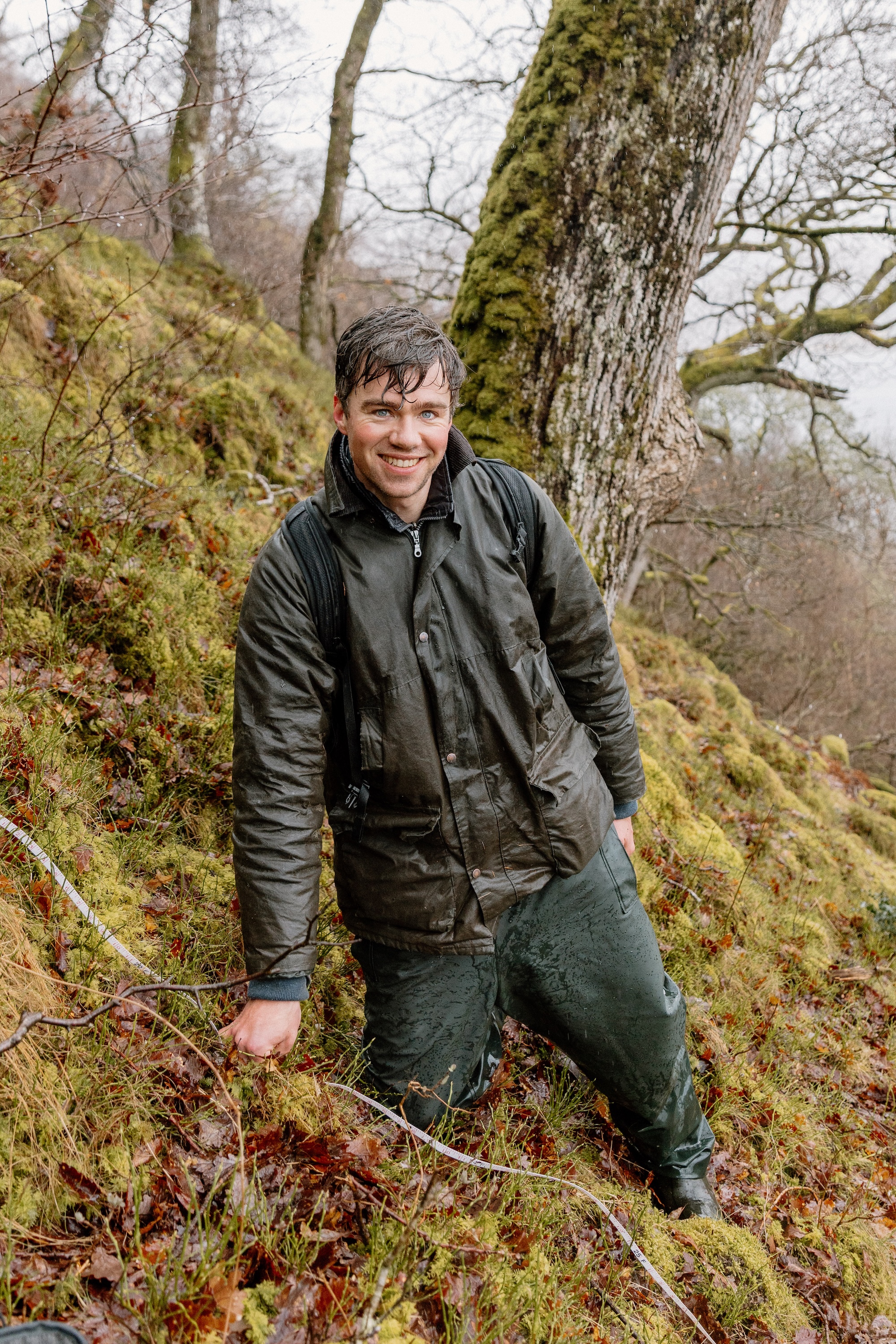
Cumbria Connect is a landscape-scale restoration project. This means restoring a large area, a mosaic of habitat types; wetlands, areas around rivers, hillsides, and forest cover. A large landscape is valuable because it restores multiple components and connects habitats. At Wild Haweswater, the RSPB is demonstrating an alternative approach to upland management, by restoring natural processes that benefit drinking water, wildlife and people.
The project area includes peat bogs and scrub at the top of the hills (fells), grazed grasslands on hillsides, and fragments of ancient temperate rainforest. A large part of this project involves restoring temperate rainforests. This is a now-rare ecosystem; Atlantic rainforest.
The project wants to explore how mycorrhizal fungi can help return areas of grassy pastureland to mature woodland. Inoculating with specific native soil is intentional active restoration. The plan is to inoculate saplings of oak and birch growing in the RSPB’s native tree and plant nursery, ready to plant out on the hillside.
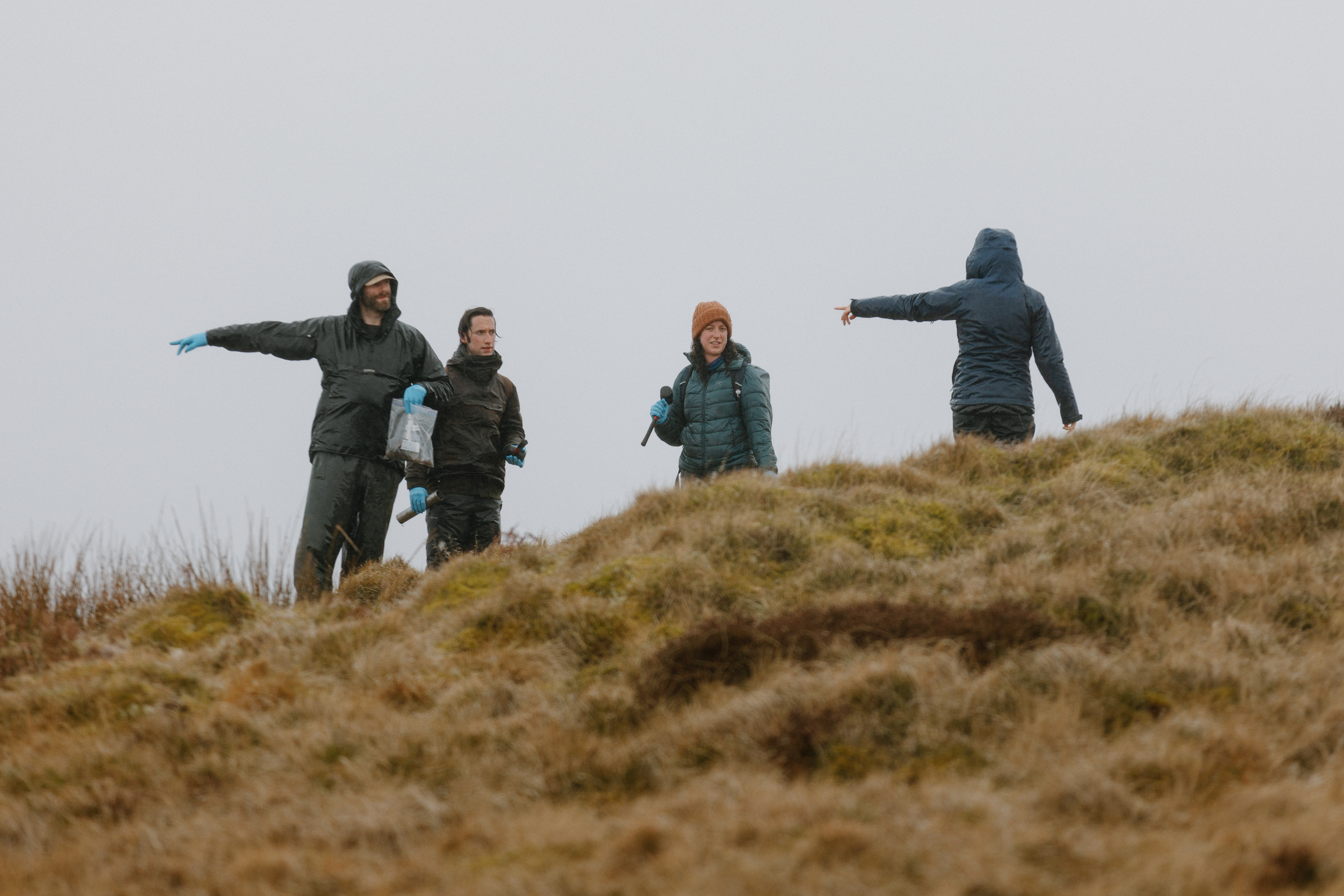
There hasn’t been woodland in many areas of Cumbria for many hundreds of years. This tends to mean that the mycorrhizal fungi that support many temperate tree species are absent from these soils.
People are increasingly turning to mycorrhizal fungi, and suggesting that an explanation of low success rates is the lack of established mycorrhizal networks in the soil. Planting trees where the required mycorrhizal communities are absent is like completely stripping somebody of their microbiome. This is unlikely to lead to establishment and long-term growth success.
Project Design
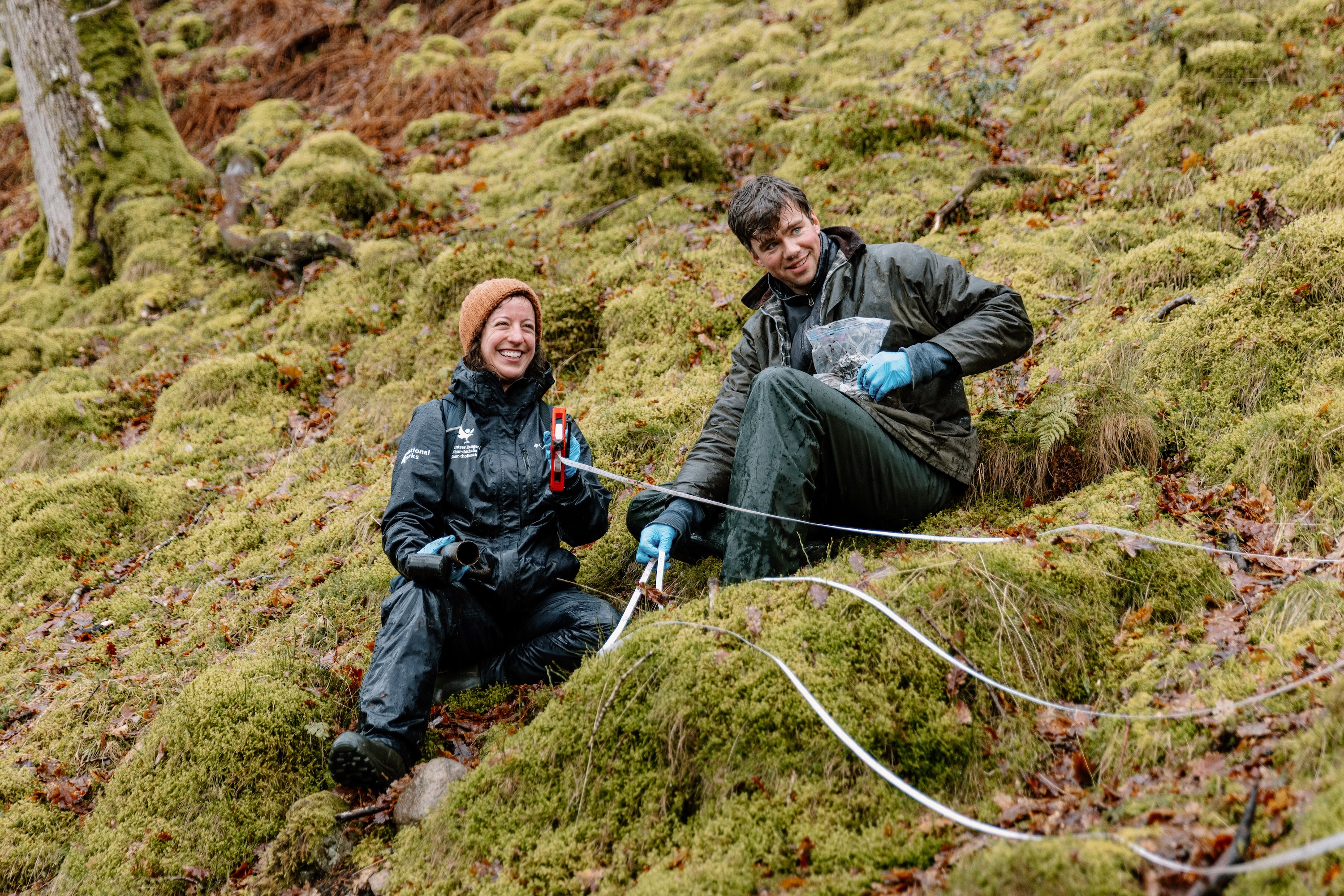
One part of the project in Cumbria is baselining the Mardale Grazing experiment, a long-term restoration experiment set up by the RSPB that consists of a large mosaic hillside comprised of block systems. Grazing by deer or cattle is excluded from certain treatment blocks to allow for natural regeneration, and active replanting is practiced in others. We want to see which mycorrhizal fungi are currently there and which species and communities start to come back or emerge with these treatments, and how quickly that happens.
Reforestation and afforestation, the creation of woodland where none currently exists, is an important practice across many countries. Many practitioners want to improve the success rate of tree replanting, especially of oaks and birches, key species in the restoration of the UK’s Atlantic rainforest habitat.
Technique
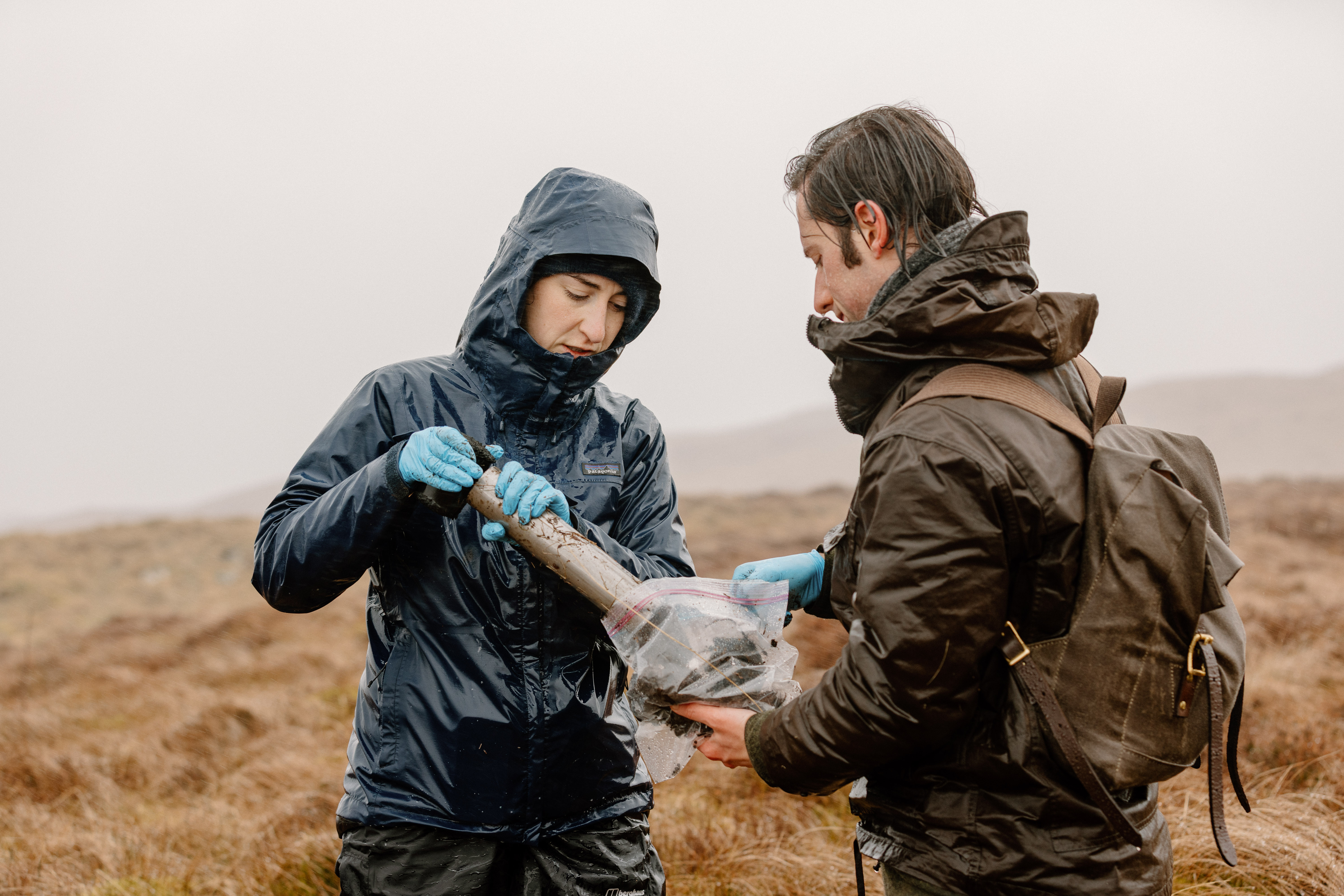
We are using soil from an existing fragment of Atlantic rainforest local to the replanting sites where established oak and birch trees and their mycorrhizal symbionts already exist. We therefore know that the mycorrhizal fungi in these soils are the partners of these trees, and are locally adapted.
This technique of transplanting soil microbiomes is well established. We want to measure and quantify how important restoring mycorrhizal communities is to tree establishment and growth, and how mycorrhizal fungal communities develop and change over time in restoration contexts.
Article Conclusion
Mycorrhizal mismatch is a potential barrier to success. When fungal partners are sparse or absent, tree establishment may be contingent on nearby inoculum sources. This does not imply that every failed planting is a fungal failure. Herbivory, soil quality, drainage, propagule pressure, and planting stock quality still matter. But mycorrhizae are one of the hidden variables that can explain why visually similar sites produce different outcomes and why tree cover alone is not a sufficient measure of restoration progress.
This project and its findings matter beyond Cumbria. Across the UK uplands and many other pasture-to-woodland transitions, managers are trying to rebuild woodland on soils that have been simplified by grazing, nutrient legacies, and the loss of fungal-host partnerships. In other words, how can we use mycorrhizal science to make soil suitable for trees after long periods of grazing? This case study investigates how mycorrhizal restoration can move from an understanding that mycorrhizal fungi are important to tree hosts, to an operational framework: diagnose the current situation, match host and fungal strategy, source inoculation safely and locally, and monitor belowground recovery as a restoration outcome in its own right. Simply put: we understand that the soils need mycorrhizal fungi in order for this type of restoration to take place, and so we need to develop a framework for carrying out the work.