

SPUN Field Update: Monkeys, mysteries, and the secret life below the hottest place on Earth
SPUN field notes October 2026

enlace al artículo
How are fungi experiencing extreme climate shifts in countries like Bhutan – and what can they teach us about life in severe environments around the world? In Southern California, we wondered: Can mycorrhizal fungi help save the iconic Joshua tree ecosystems? We've also begun experiments to monitor and measure fungal restoration success at sites in the UK and Colombia and welcomed a crew of more than four dozen new Underground Explorers from countries as diverse as Japan, Iraq, Gabon, and Brazil.
Read more highlights below.
Field Notes
United Kingdom
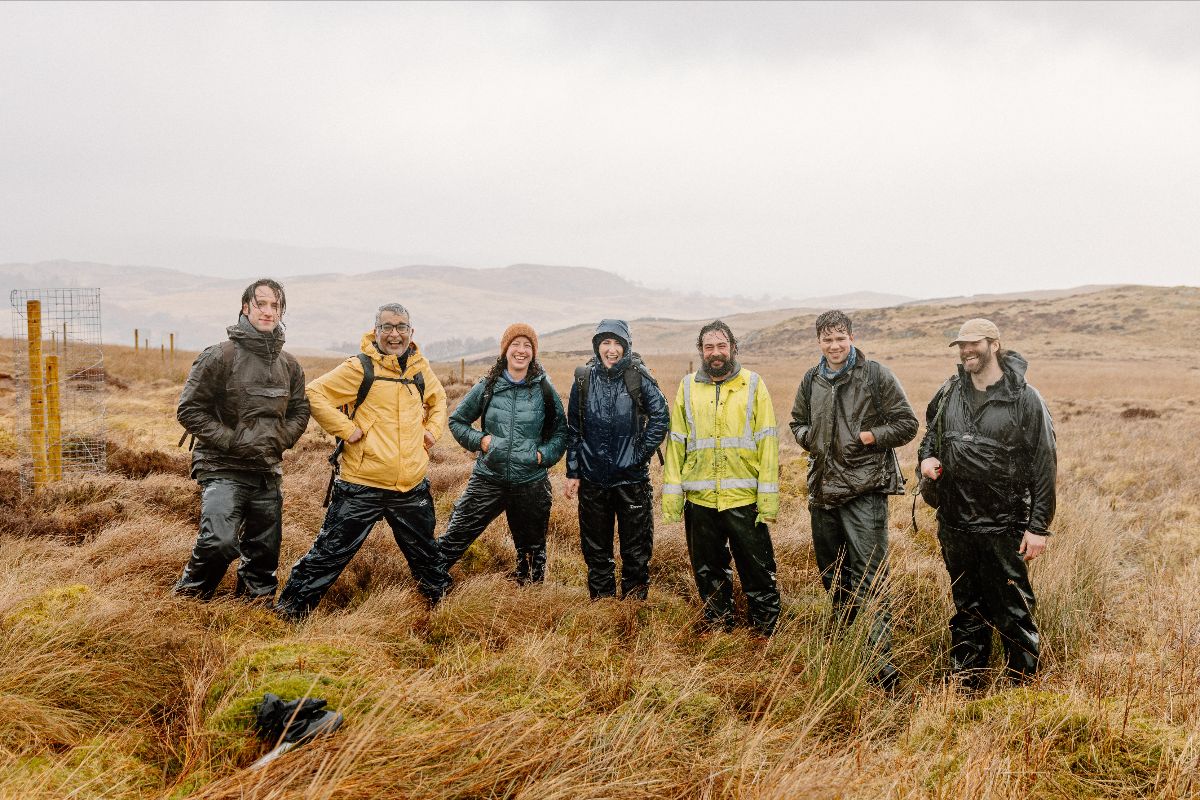
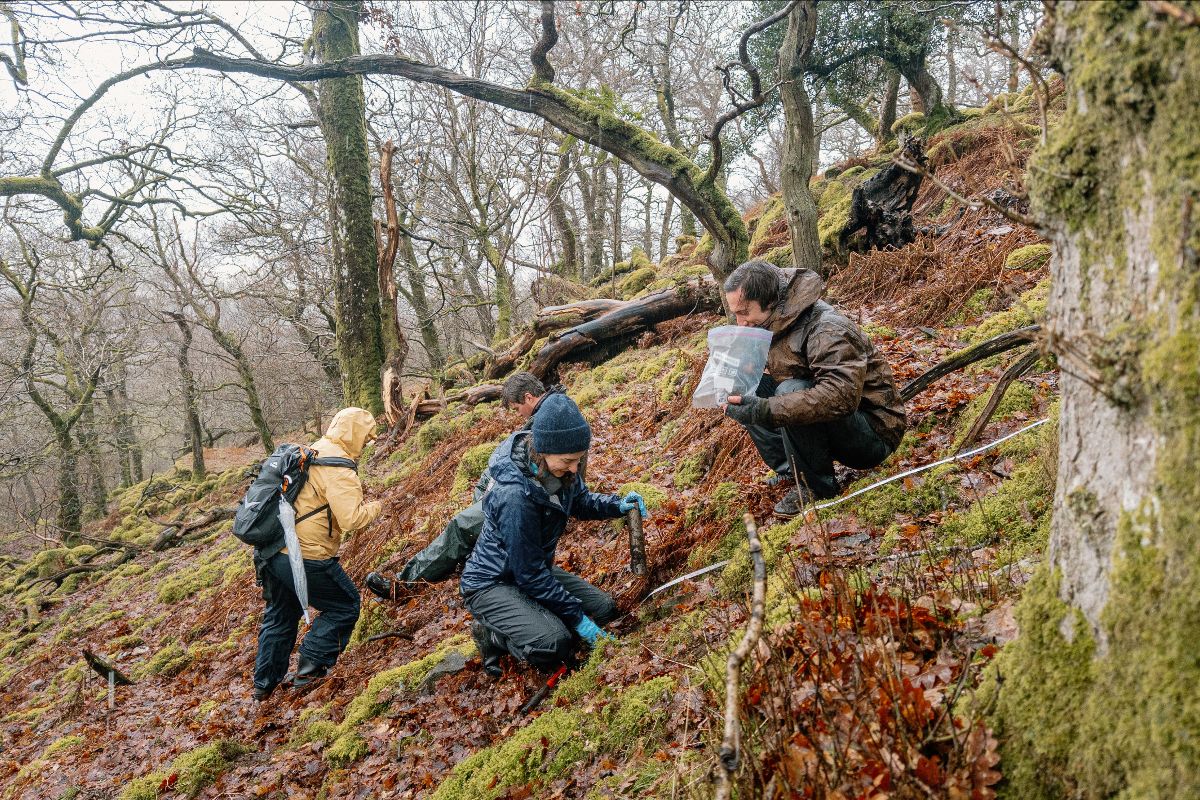
SPUN team members Bethan Manley, Sujai Kumar, and Victoria Beall spent two weeks in February tromping through soggy moors in the UK’s Lake District. They came in part to help the Royal Society for the Protection of Birds learn how mycorrhizal fungi might help restore native woodlands to a place that supplies the city of Manchester with much of its fresh water. The team also took soil samples among the sedges and heather at the top of the Cumbria region’s rugged fells, where scientists are studying how different levels of sheep and cattle grazing might alter life above and below ground.
Once made up of thick temperate forests of gnarled and mossy oak and birch, the lower regions around the Haweswater Reservoir were cleared over time, often for sheep grazing. By sampling below surviving pockets of these ancient forests, where trees are covered with epiphytes and ferns, the team was able to provide the RSPB with baseline data to help it transplant healthy soil rich with appropriate fungi into nurseries where the conservationists are raising seedlings. The hope is that fungi from mature forests might help new trees grow strong and resilient and be more likely to thrive once they are re-planted out on the rainy hillsides. “The dream state is an environment where very little human intervention is needed,” Beall said.
Read the SPUN explainer here.
Southern California Deserts
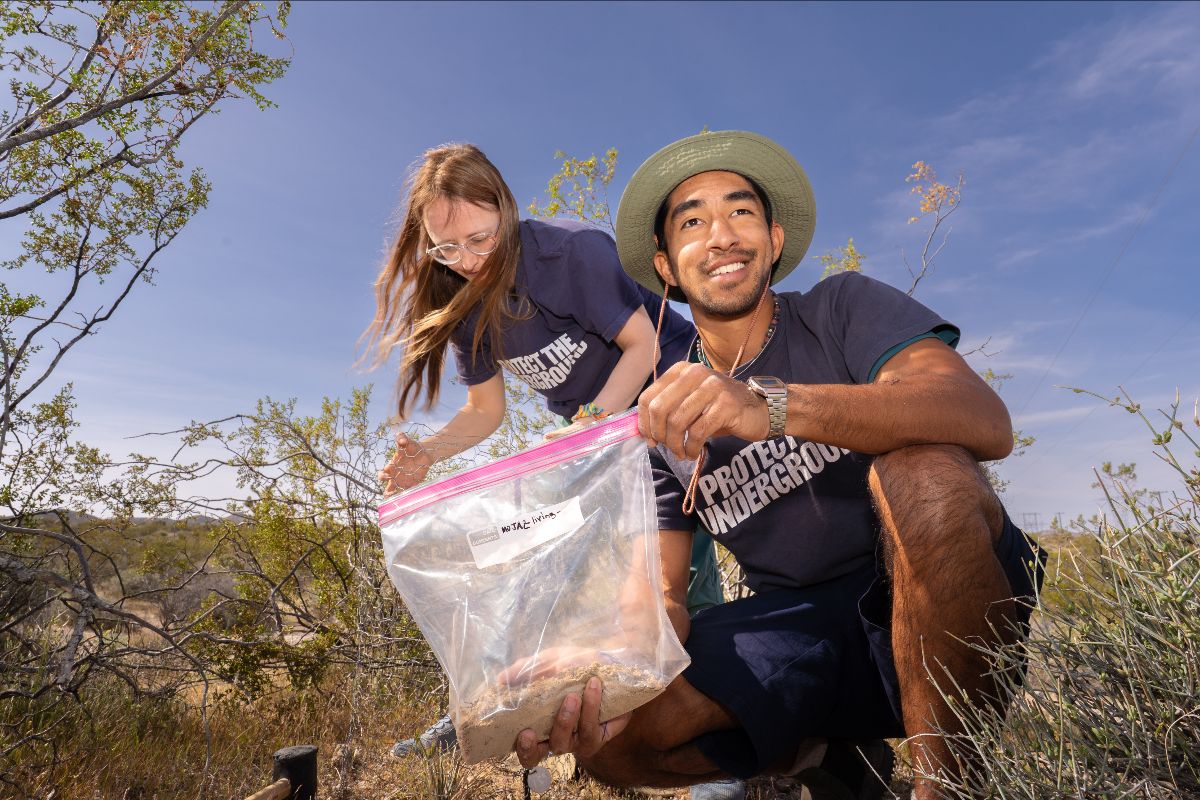
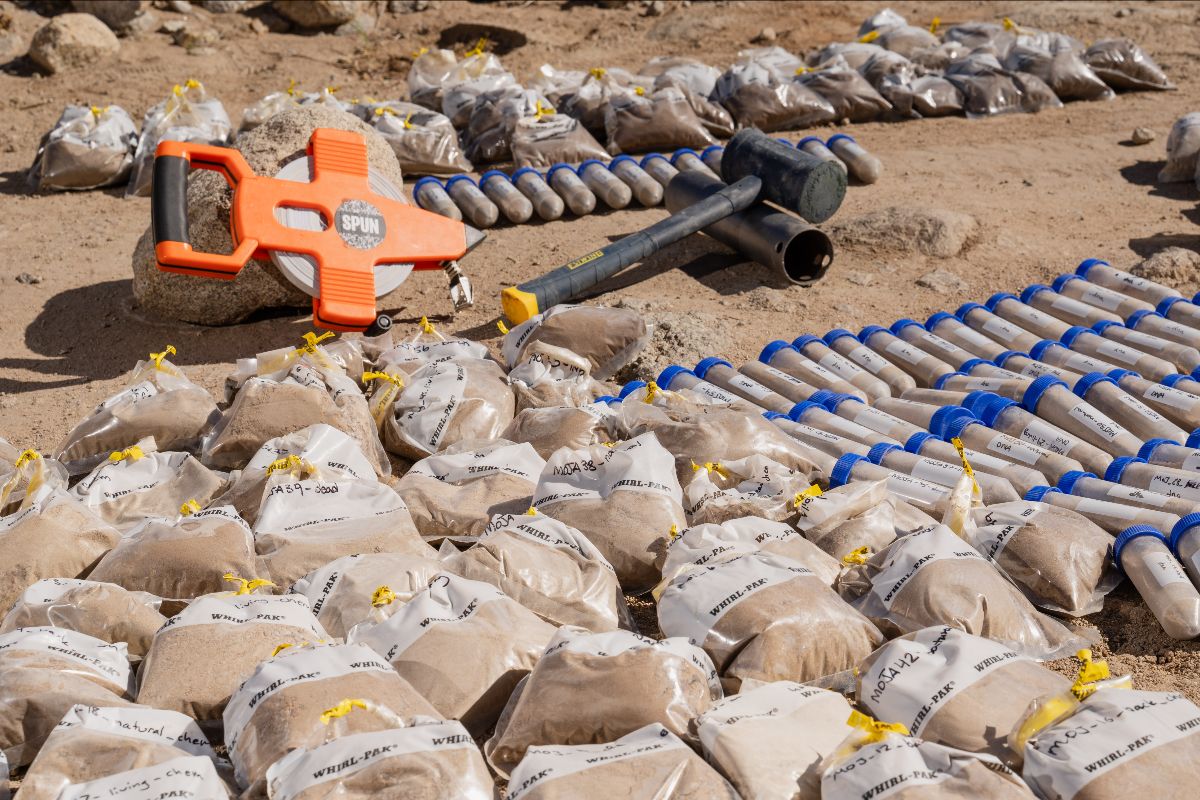
In March, SPUN scientists Jinsu Elhance and Anne Polyakov, along with University of Southern California associate professor Cameron Egan, braved temperatures that skyrocketed to well over 100 degrees (and got to witness a stunning, rare super bloom) to sample soils in Death Valley, which frequently records the hottest temperatures on Earth. Given that mycorrhizal fungi there thrive amid the heat and windswept sand dunes while receiving less than two inches of rain a year, their work could offer insights into ways to restore and preserve life in other punishing environments.
But that was just one stop. Since climate change, wildfire and habitat loss increasingly threaten the gnarled limbs of nearby Joshua Trees, experts have been planting new seedlings for years, only to find that fewer than one in five make it to adulthood. So the team (accompanied by journalists from The Los Angeles Times) also dug into the soils among the prickly pear and creosote in Joshua Tree National Park and Mojave National Preserve east of Los Angeles. They sampled below trees of many ages, and Egan led the DNA sequencing effort to try and figure out if the right mix of mycorrhizae might play a role in determining which trees survive. “If you can’t find an explanation for what’s wrong above ground, the answer is probably below,” Polyakov said.
Read the LA Times story here.
Bhutan
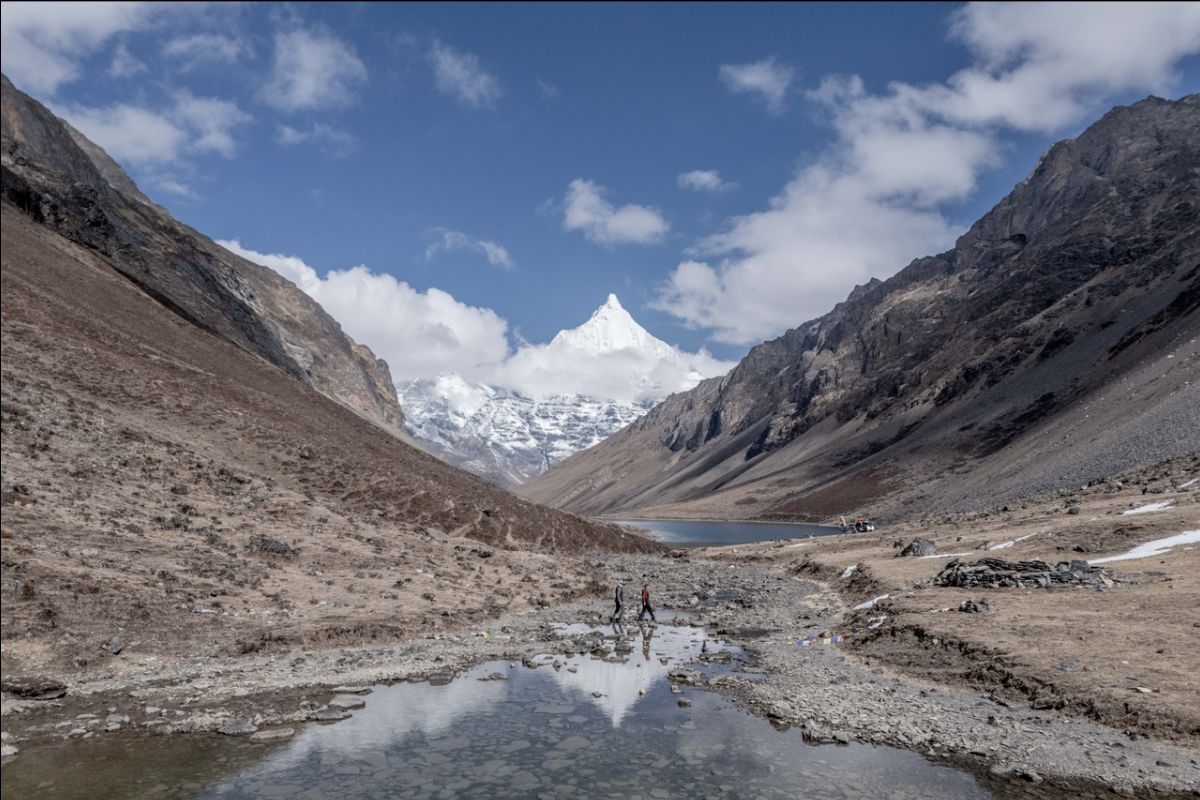
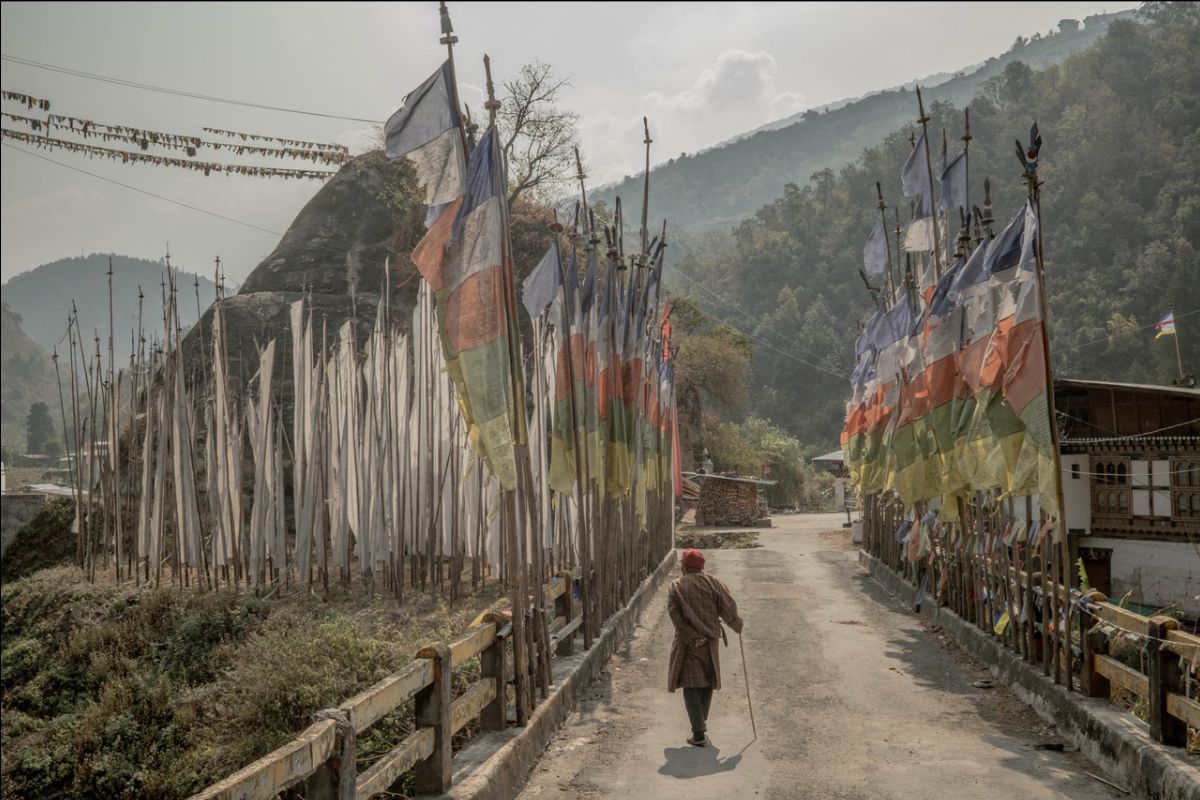
Bhutan, with its 20,000-foot peaks, cliff-side Buddhist monasteries and diverse ecosystems, mandates in its constitution that at least 60 percent of the country remain forested. Today forest covers more than 70 percent of the country. This makes Bhutan an ideal partner for documenting potentially rare and untouched fungal communities. Collaborating with Bhutanese Underground Explorer Chandra Man Rai, Ph.D. candidate at Utah State University, the aim of the expedition was to build higher resolution maps of predicted mycorrhizal diversity across high-elevation, underexplored ecosystems. In early spring, Giuliana Furci of Fungi Foundation, Tomás Munita, Merlin and Cosmo Sheldrake, and Toby Kiers crossed the country sampling mycorrhizal fungi across forests, riparian zones, and high-altitude grasslands, sampling among Yaks and their nomadic herders. “I have never seen such vertical landscapes,” said Kiers. “In some places, it felt as if the land went straight up. We would be hiking vertically for hours only to find a Buddhist monastery clinging to the cliffs and emerging from the clouds above us.”
The Fungi Foundation, through its Elders Program, conducted ethnomycological interviews to document traditional relationships with fungi so that this knowledge could be preserved within local communities and safeguarded at the National Mushroom Centre.
Bhutan, one of the only carbon-negative countries in the world, increasingly faces extreme risk from climate change, as unpredictable monsoons and melting Himalayan glaciers threaten massive floods. Long periods of drought dry up wells and complicate agriculture in a region that relies heavily on subsistence farming for food. The team worked closely with the Bhutan National Fungarium to better understand and document fungal diversity and how it is changing across Bhutan.
Colombia
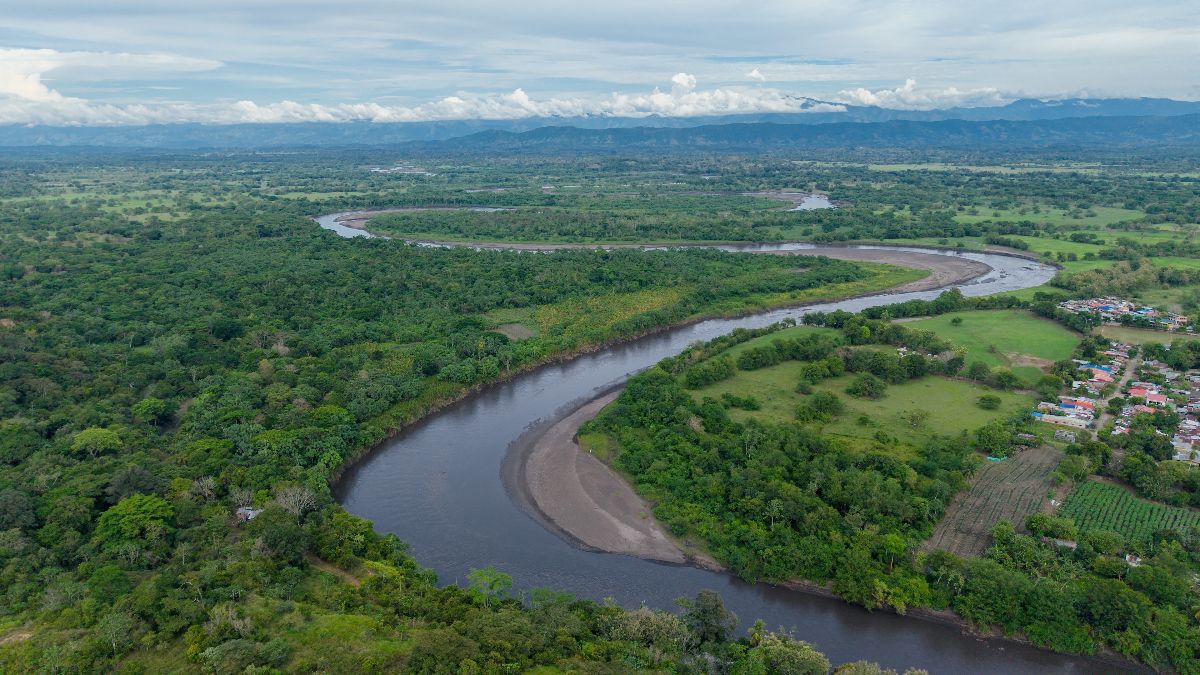
In Colombia’s Magdalena River Valley, a biological hot spot for species diversity, SPUN's Adriana Corrales and a group of students visited a one-of-a-kind research site to follow the trajectory of fungal rewilding. Nearly a century ago, portions of this once-sprawling patch of jungle were cleared and drained for cattle ranching and agriculture. But some was left intact and some was allowed, decades ago, to begin returning to its natural state. Last year, Corrales’ team ripped out fences and moved out cows so this former ranch could become a place where scientists watch nature return—both above and below ground. “We think this may be the first underground rewilding and long-term monitoring experiment that is actually looking at mycorrhizal fungi,” she said.
Above ground, dramatic changes are afoot. Anteaters, four varieties of monkeys, including an endangered white-footed tamarin, and more than 100 species of birds now flit about. There are foxes, poison frogs and more than a half-dozen plant species that Corrales believes may be previously unknown to science. A herd of capybaras wander around. “We keep spotting new returning species like crazy,” she said.
Belowground, of course, life is harder to see. So last year, Corrales took samples across ten permanent, carefully mapped, half-hectare plots. This year, her crew did so again. She wants to track changes yearly over decades to see how underground communities shift with time. Her question: Will underground networks bounce back on their own? Or will they need a helping hand? The query couldn’t be more important. Similar shifts are taking shape across the tropics, especially in the Amazon region. Corrales’ work could help figure out whether and how much human intervention may be necessary to resurrect healthy and resilient tropical rainforests’ mycorrhizal networks.
Read the SPUN explainer here.
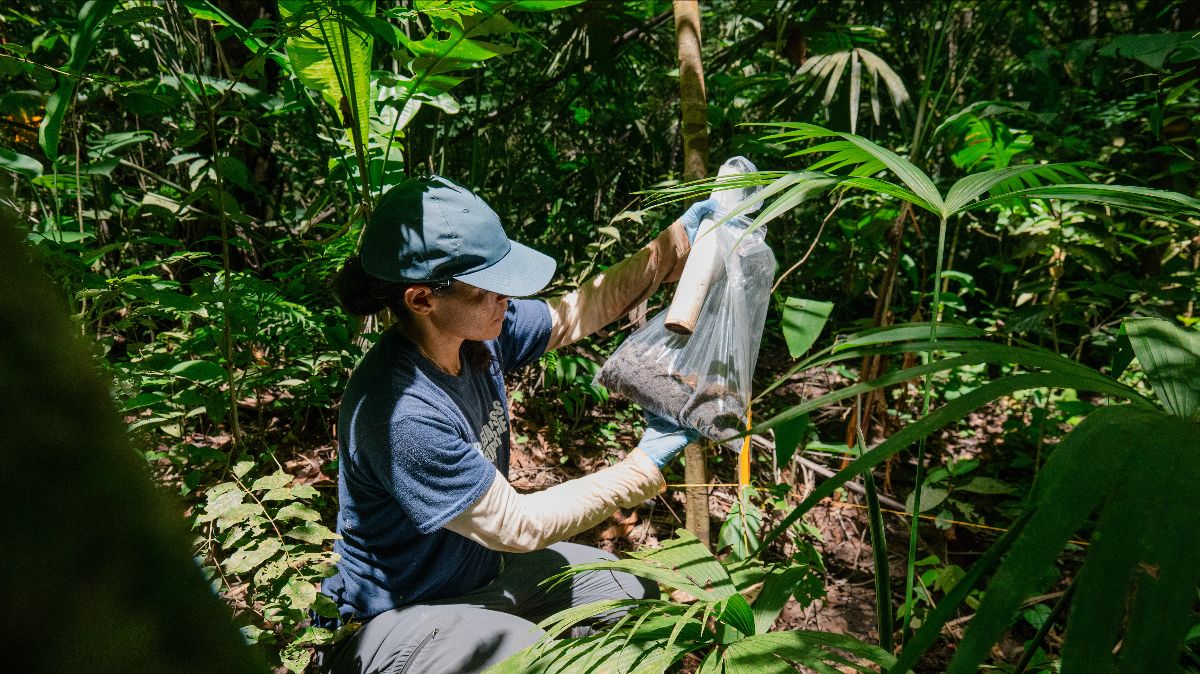
Meet Underground Explorers from Nigeria and Chile
Cristian Atala (Chile)
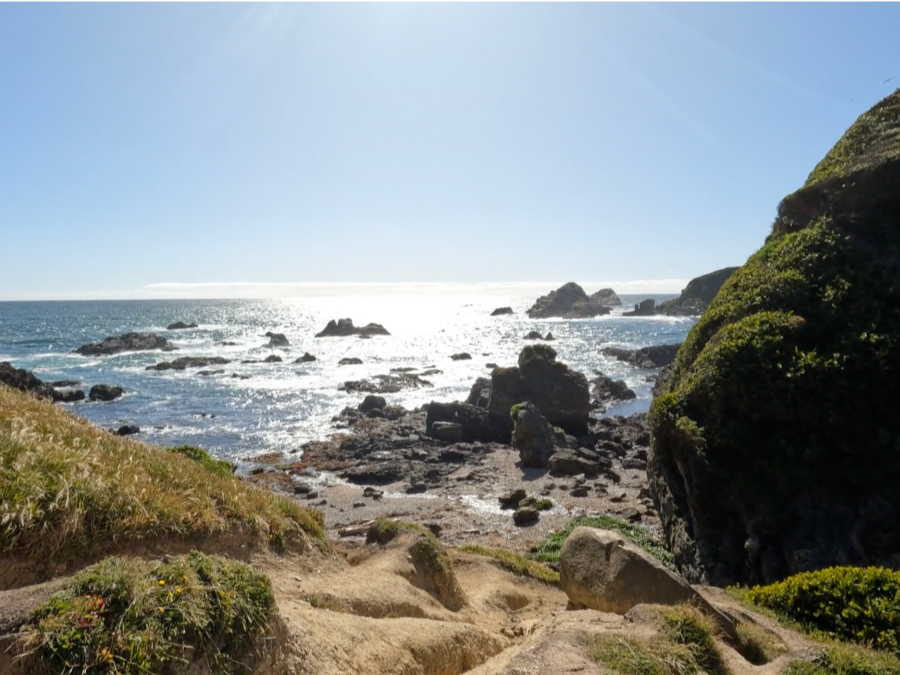
Cristian Atala is an orchid expert, and had an intriguing idea: Are any of Chile’s 70+ species of orchids particularly strict about who they partner with underground and does that help determine why some orchids are rare and some are common? So he crisscrossed 500 kilometers of sunny, dry Chilean coastline, where tiny orchids lay tucked amid the shrubs. Unlike other plants, orchids have a strange relationship with mycorrhizal fungi. Orchid seeds, more than 100 times smaller than a grain of rice, only begin to grow after being colonized by mycorrhizae, which the flower then feeds on for months. But do orchids need an exact fungal partner to be available for them to blossom, or will any number of common fungal species do? So far he’s found that common orchid species, the ones found in large numbers in many places, can partner with a variety of fungi. Rare orchids, however, tend to need specific fungi. That means rare orchids can’t simply be transplanted anywhere. The underground networks in the soil must be just right.
Iveren Abiem (Nigeria)
From Ethiopia to Cape Town, only 8 percent of the forests in Africa rise up into the clouds, yet they store more carbon per acre than the Amazon Rainforest. Yet these montane forests, typically found above 3,000 feet, are disappearing quickly. Nearly 20 percent have disappeared just since 2003. So Iveren Abiem worked in a Nigerian cloud forest, a tiny patch of evergreens and broad-leaf hardwoods with 300 types of birds, a dozen bee species, endangered chimpanzees, and trees found nowhere else. She sampled soils deep in the woods and out near where the trees meet wild grasslands. She is trying to figure out if the fungi beneath these stands are different from the fungi found below lowland forests. She is also trying to understand whether fungal diversity is vanishing faster near the forest edge or in its interior. The answers ultimately could help land managers find ways to restore these disappearing landscapes.
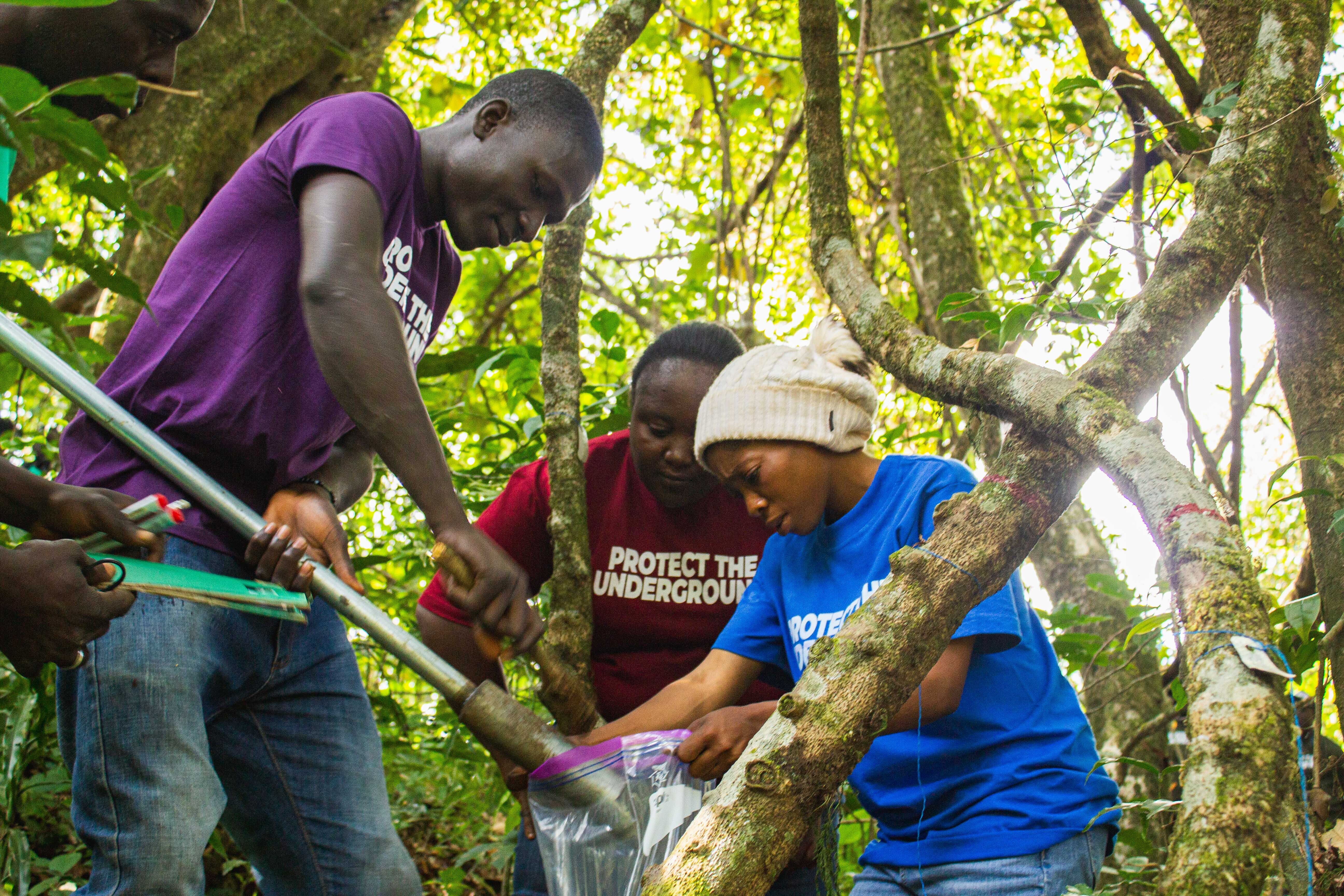
A Welcome to our 2026 Underground Explorers
Congratulations to our next round of Underground Explorers, who will be helping to document mycorrhizal fungi in some of Earth’s least explored ecosystems. This year, SPUN will support conservationists, researchers and soil experts from more than 30 countries who will expand soil sampling into places where little is known about our planet’s important hidden underground networks.
SPUN in the news
European Correspondent: The fungal networks hiding beneath our feet
BBC Science Focus: Earth's vast fungal networks are unravelling fast – and scientists are scrambling to understand why
The Ecologist: Scientists push for fungi protection
Mongabay: People are beginning to understand the role of fungi, especially in arid land ecosystems
Quanta Magazine: An arctic road trip brings vital underground networks into view
National Geographic: Fungi take up more mass than people—see how they stretch across the Earth
Stay on top of SPUN in the news by checking the press page on our website.


